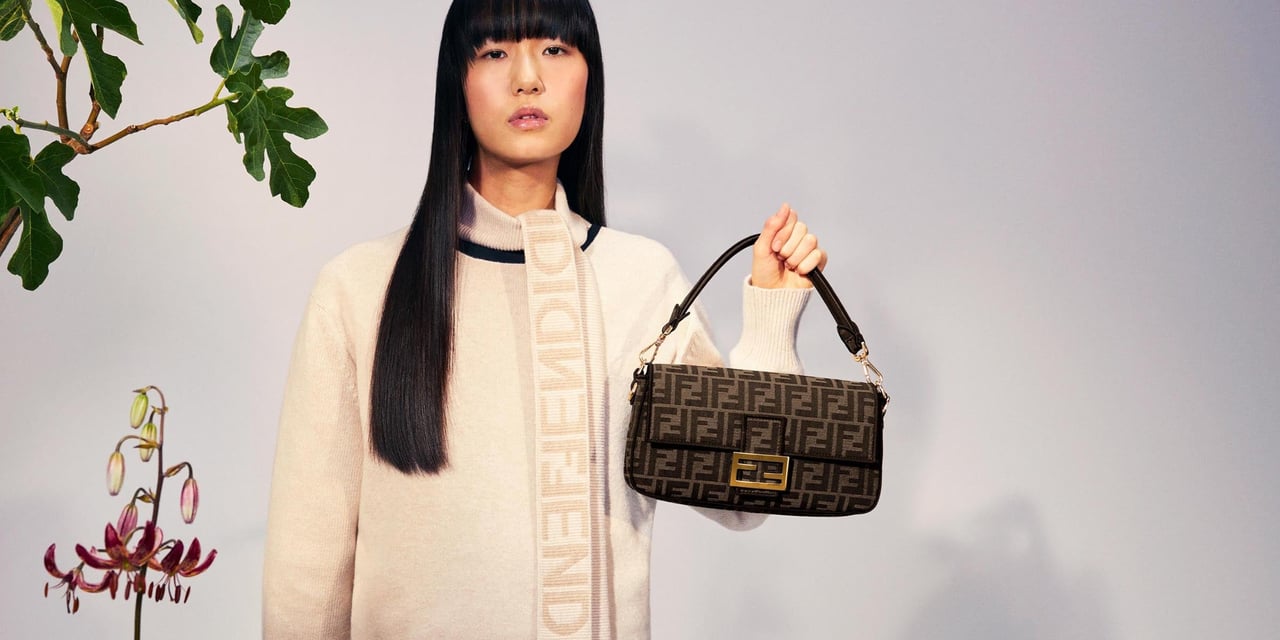
If the 2020s have proved anything, it’s that fashion runs in loops—and Y2K is the loop we’re living through now. The clearest sign? The Fendi Baguette is back, nearly three decades after Carrie Bradshaw slung one over her shoulder and made it the original It-bag.
The resale market tells the same story. According to The RealReal, demand for 90s Fendi keeps climbing—but the value these bags hold is the consequence, not the point. Fendi has spent a century turning fur and leather into objects you keep rather than replace, and the best of its bags are bought to be lived with.
So this isn’t a list of things to lock in a dust bag and watch appreciate. Just like the Baguette—small, but made to carry your daily essentials—these are elevated everyday companions, meant to be used. For each, we’ll tell you what it does well, where it falls short, and who it’s for.
Fendi keeps good company in the canon of bags that outlast their decade. The Hermès Birkin, the Chanel 2.55, the Louis Vuitton Speedy—all wardrobe constants that have weathered trend after trend. The Baguette earned its place among them.
Why you can trust Luxe Digital? We buy fewer, better things, and we expect the same of every bag we recommend. You can read more on how we test our products and the HAPPY philosophy we use to judge whether something is worth your wallet in the first place.
 We buy fewer, better things, and we expect the same of every bag we recommend. You can read more on how we
 You might also enjoy our guides to the best designer bags of all time and most expensive handbags.
Fendi Baguette
- Release
- 1997
- Retail Price
- $2,300 - $34,700
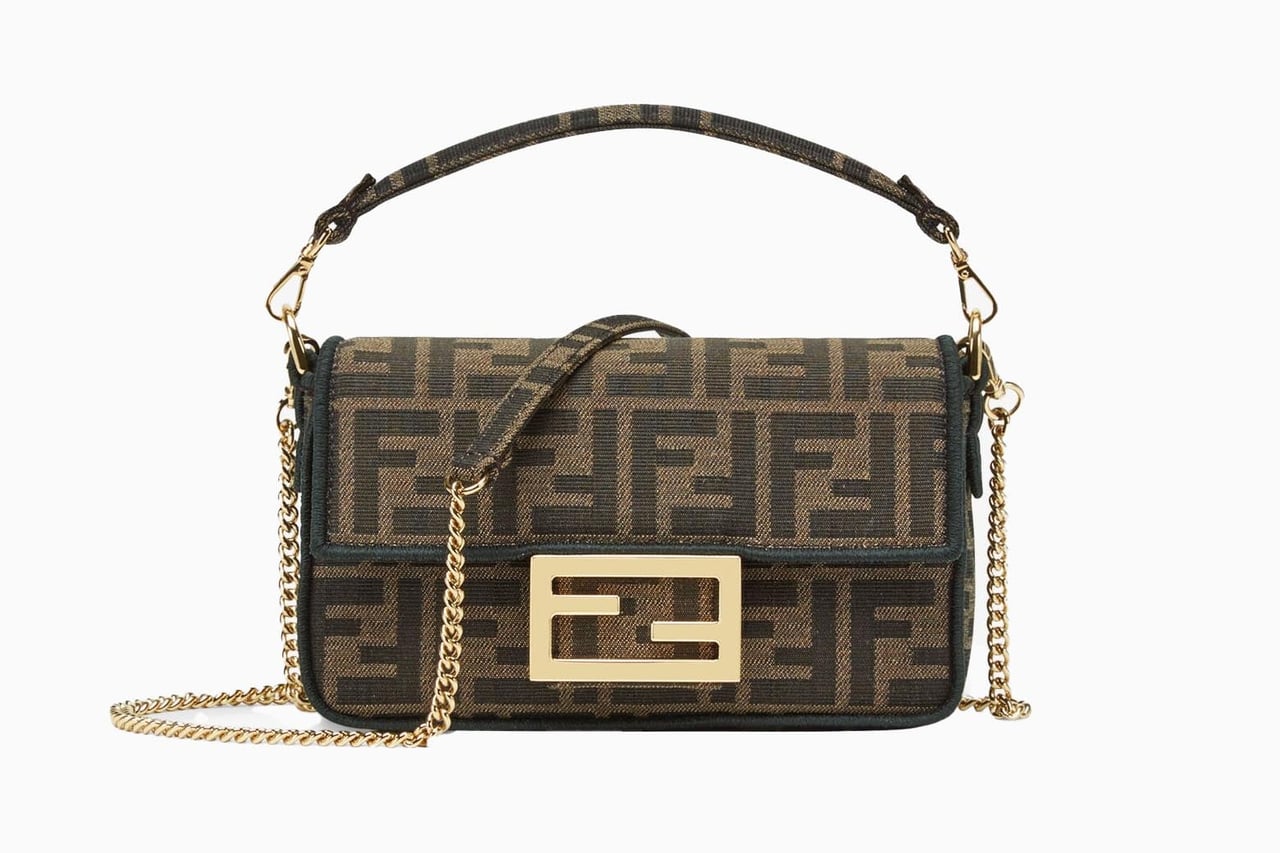
“It’s not a bag, it’s a Baguette.” Carrie Bradshaw had it right. The most popular of all Fendi bags owes much of its fame to Sex and the City, where Carrie carried a string of them. But the story starts earlier: Silvia Venturini Fendi designed it in 1997 to be tucked under the arm like a loaf of French bread, inspired by Parisian women carrying their baguettes home. Fendi’s own atelier thought it too small and too colorful to sell—then it moved over 100,000 in its first year and went on to define a whole category.
What keeps it relevant isn’t nostalgia alone. Each Baguette is a small showcase of the house’s craft—hand-beaded, sequined, woven, or stamped in the FF jacquard—so almost no two feel quite the same. It holds your phone, your cards, and not much else, and that restraint is rather the point.
Best for: A delicious piece of fashion history you’ll actually carry.
Check price: Fendi Baguette at Mytheresaat Mytheresa · Authentic designer pieces
Fendi Peekaboo
- Release
- 2008
- Retail Price
- $4,300 - $7,500 for the classic My Peekaboo
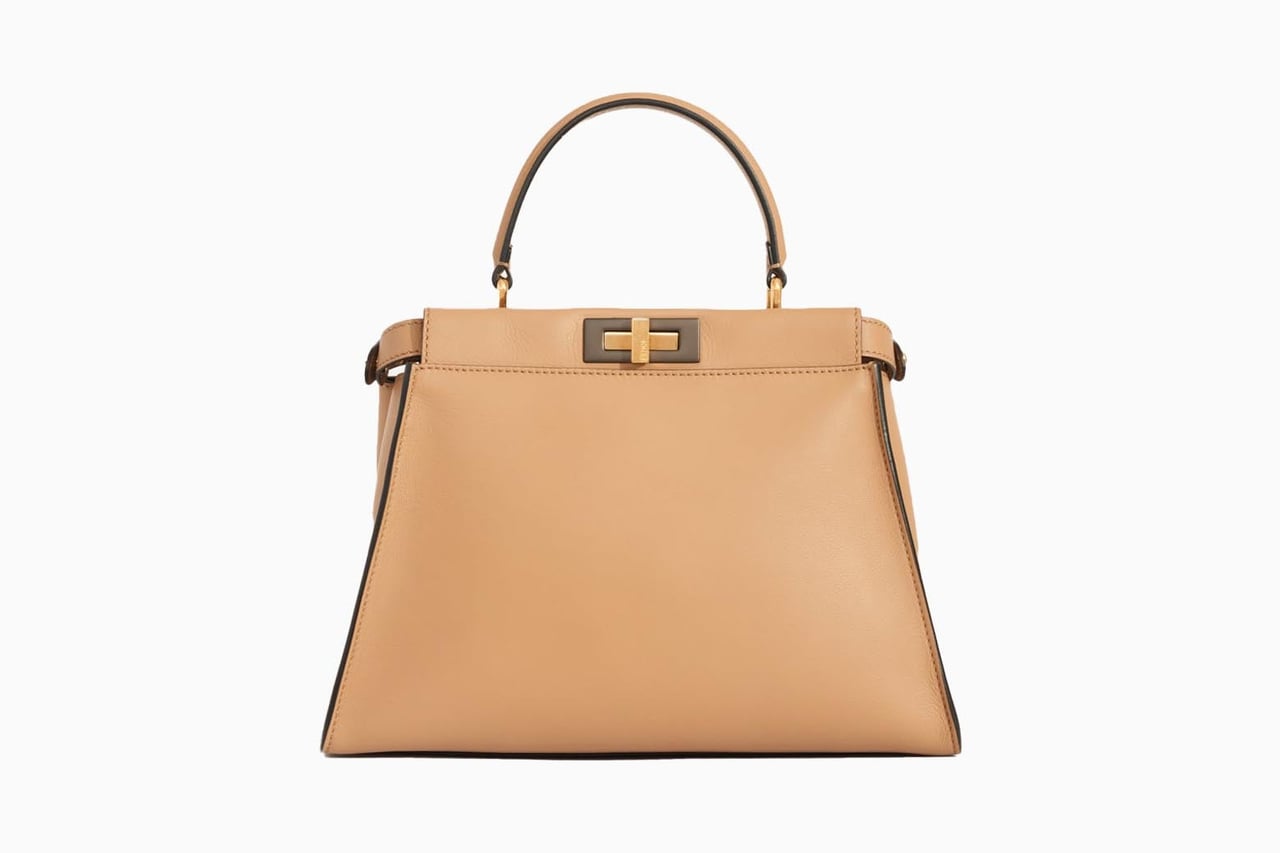
Silvia Venturini Fendi designed the Peekaboo in 2008 as a quiet answer to logomania: no loud monogram, just a clean trapezoidal silhouette and an interior worth showing off. Unclasp it and it gives a sweet peek at its contrasting lining—the children’s-game name earns itself. As a designer work bag, few do the job with more discretion.
It’s structured rather than slouchy, with two roomy compartments and the option of an elegant shoulder strap. The codes nod to the Hermès Kelly and Birkin at a more accessible price—though, in fairness, it’s a substantial bag. If you travel light, size down to the mini; if you want presence and order, the regular earns its keep.
Best for: A structured work bag that shows its quality without saying a word.
Check price: Fendi Peekaboo at Mytheresaat Mytheresa · Free returns available
Fendi First
- Release
- 2021
- Pre-owned Price
- $1,420 - $3,475 on Rebag (September 2026)
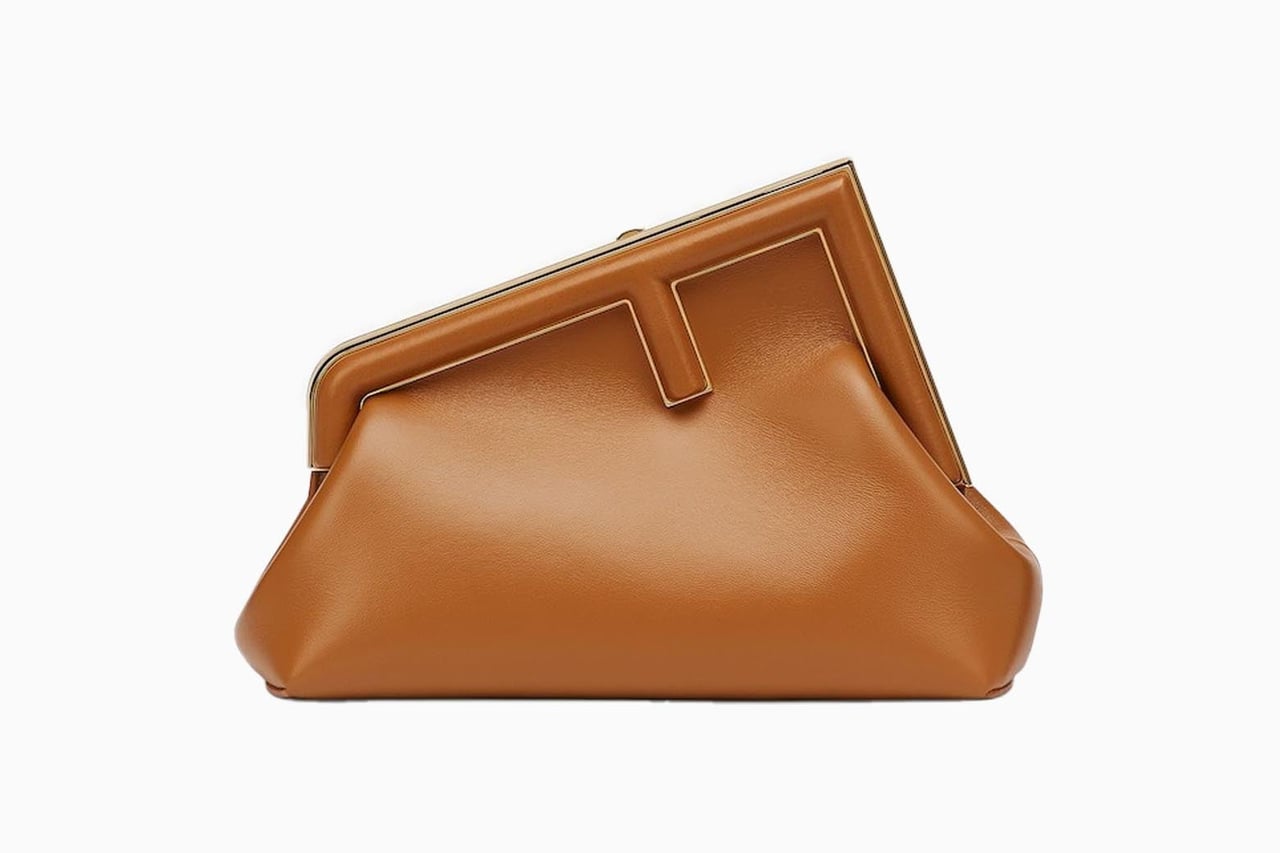
Kim Jones designed the First for his debut Fendi collection in 2021, building the whole bag around a single oversized ‘F’ that doubles as the clasp—architecture and logo in one stroke. It’s since turned up on the arms of Priyanka Chopra and J.Lo.
Beneath the sculptural line, it’s a soft pouch that swallows far more than its slim profile suggests. The drama is all on the outside; the inside just gets on with the job. Fendi’s US site no longer lists the First among its bags, so a pre-owned one is your way in.
Best for: Putting your style first, in a single sculptural line.
Fendigraphy
- Release
- 2022
- Retail Price
- $2,350 - $2,800
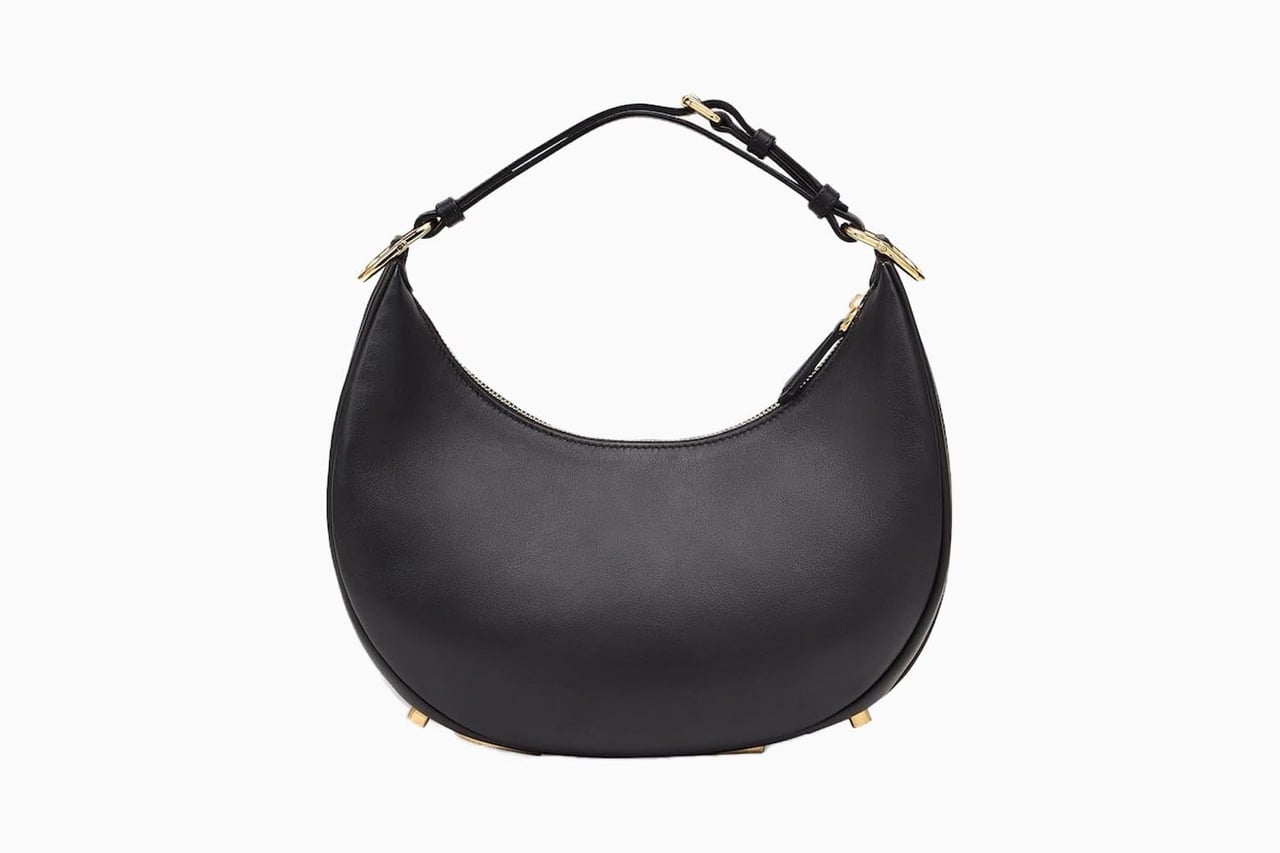
Fendi has a sense of humor about its own names. After the Baguette comes the croissant-curved Fendigraphy, Kim Jones’s 2022 take on the hobo bag—soft enough to read as effortless, but with enough structure to hold its crescent shape on a table rather than collapsing into a heap.
Bold Fendi lettering runs along the base, the one piece of branding the design allows itself. Carry it as a clutch or wear it short on the shoulder; either way it photographs as well as it wears.
Best for: The slouchy bag that refuses to actually slouch.
Check price: Fendigraphy at Mytheresaat Mytheresa · Express delivery
Fendi Sunshine
- Release
- 2020
- Pre-owned Price
- $870 - $2,480 on Rebag (September 2026)
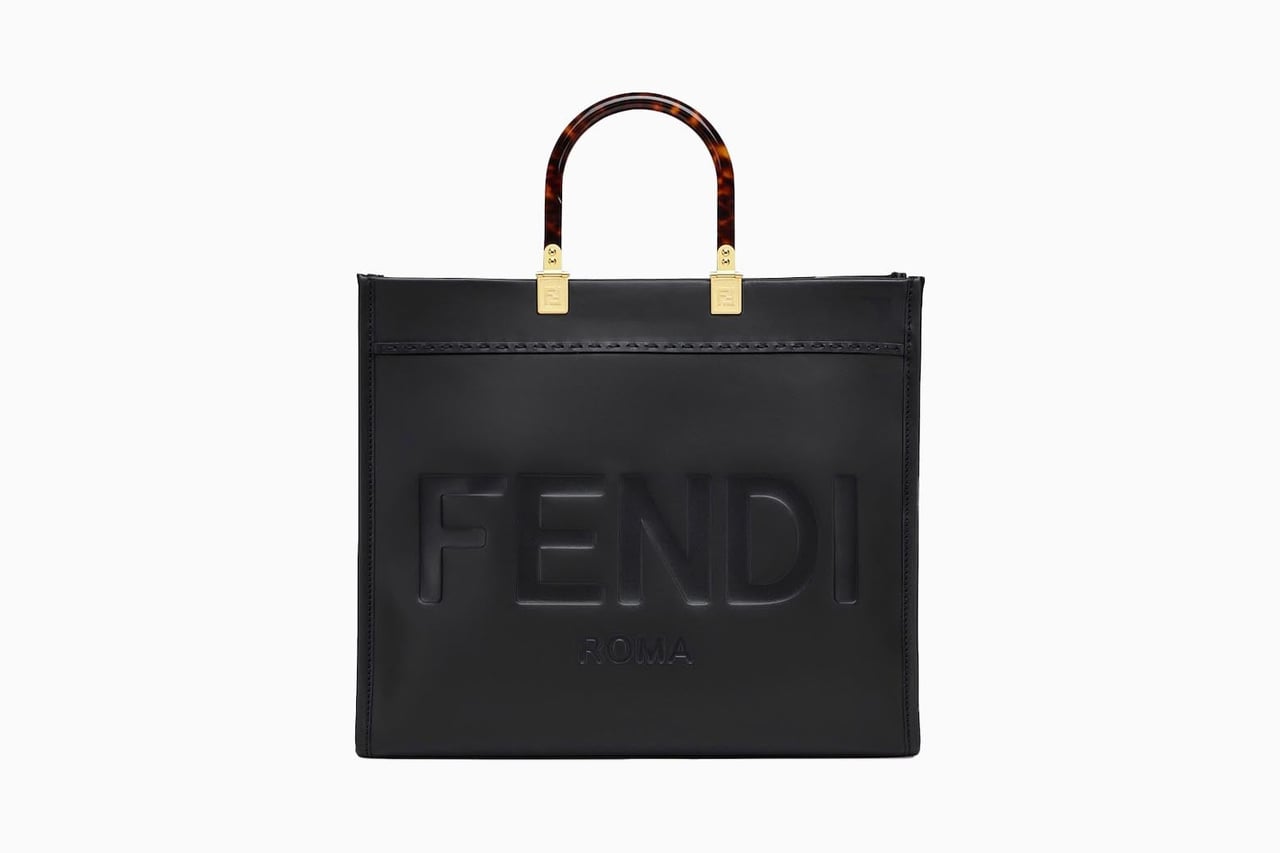
If you carry your whole life in your bag and still want room to spare, the Sunshine obliges. It comes in sizes from small to large, and every one of these luxury totes manages to look polished while doing the unglamorous work of hauling a laptop, a water bottle, and the rest.
It’s built to be used rather than babied—structured handles, hard-wearing leather, and the bold Fendi Roma lettering across the front. That logo is the one caveat: it makes a statement, so if you prefer your craft quiet, size down or look to the Peekaboo instead. You won’t see it in Fendi’s US shop now, but pre-owned Sunshines are easy to find.
Best for: Carrying everything, in something built to take it.
Fendi Origami
- Release
- 2023
- Pre-owned Price
- $1,880 for the one listed on Rebag (September 2026)
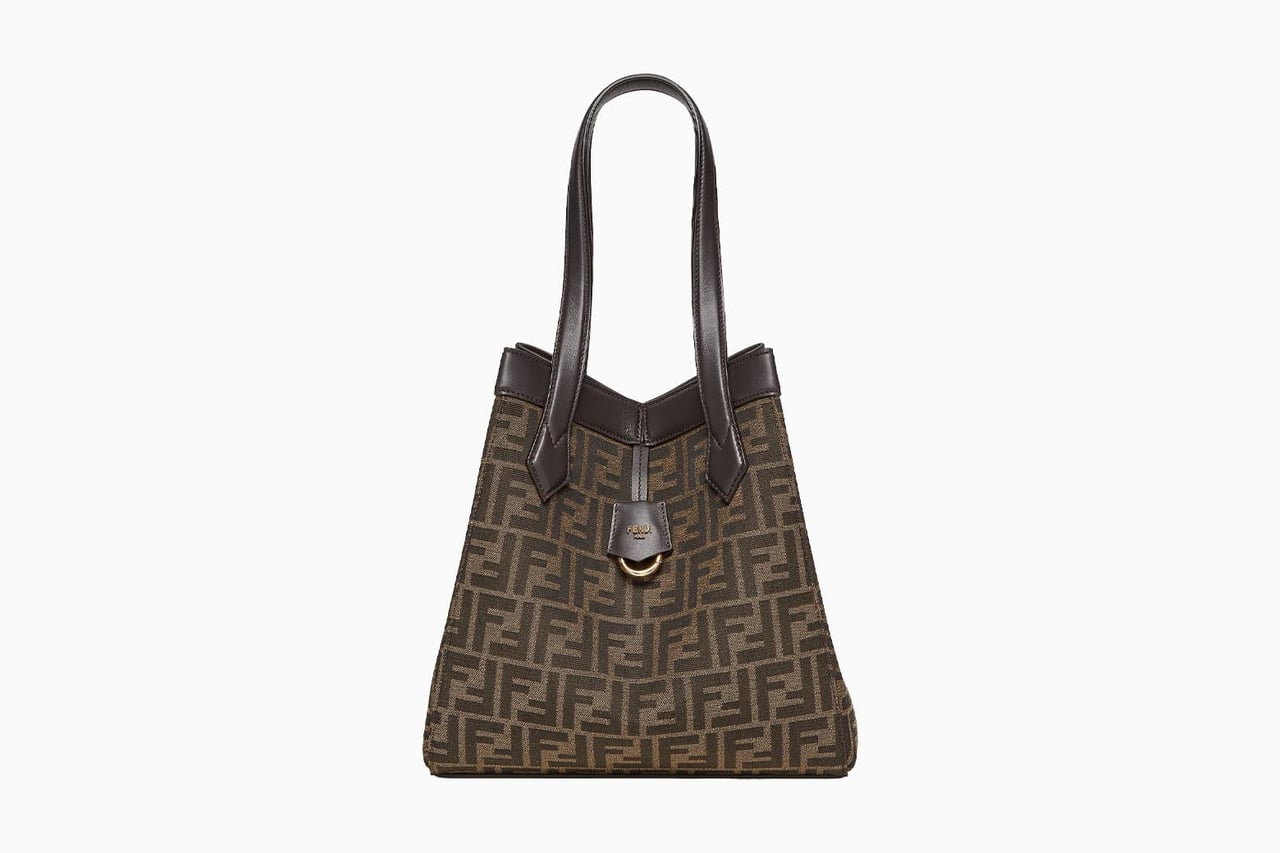
The Origami earns its name through a genuinely clever bit of construction: well-placed magnets let it fold down into a compact bucket or open out into a full shopper. One bag, two silhouettes, no compromise—the kind of thoughtful engineering that justifies the price.
It comes in a range of prints, colors, and sizes, all roomy enough for daily essentials. If your days rarely look the same twice, this is the rare bag that keeps up. It has dropped off Fendi’s US bags listing too, and Rebag has just one pre-owned right now, so expect to hunt.
Best for: One bag that changes shape with your day.
Fendi By The Way
- Release
- 2014
- Retail Price
- $1,950 - $3,650
- Pre-owned Price
- $830 - $1,280 on Rebag (September 2026)
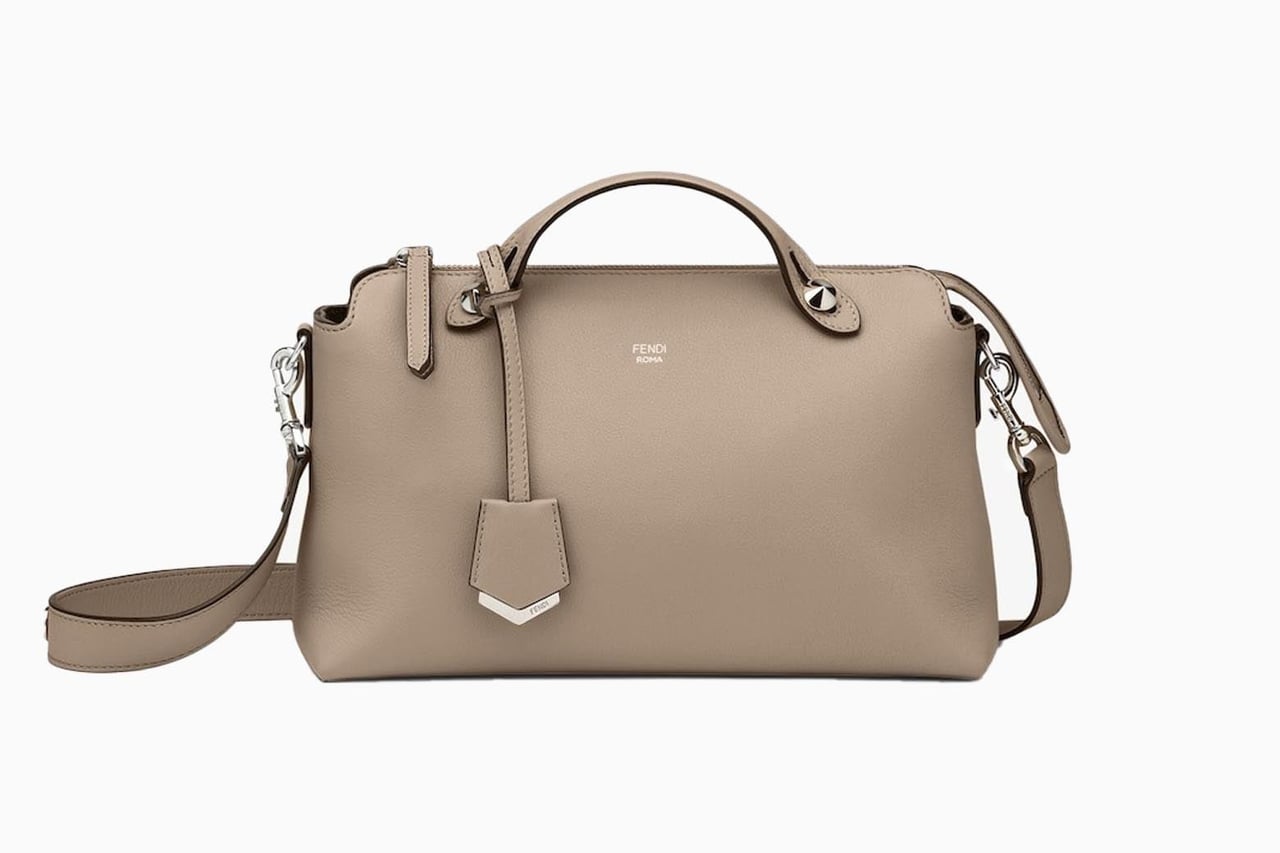
By The Way might be the least famous bag on this list and quietly the most useful. Its barrel shape hides a well-divided interior, with a detachable strap that takes it from hand to crossbody without fuss.
It’s a bag for people who like everything in its place—and find a deep, structured compartment more reassuring than a single open void. Fendi sweats the details here, from the rolled top handle to the neat leather finishing. Fendi still sells it new, though a pre-owned one costs a good deal less.
Best for: Everyday order, without the fuss.
Fendi C’Mon
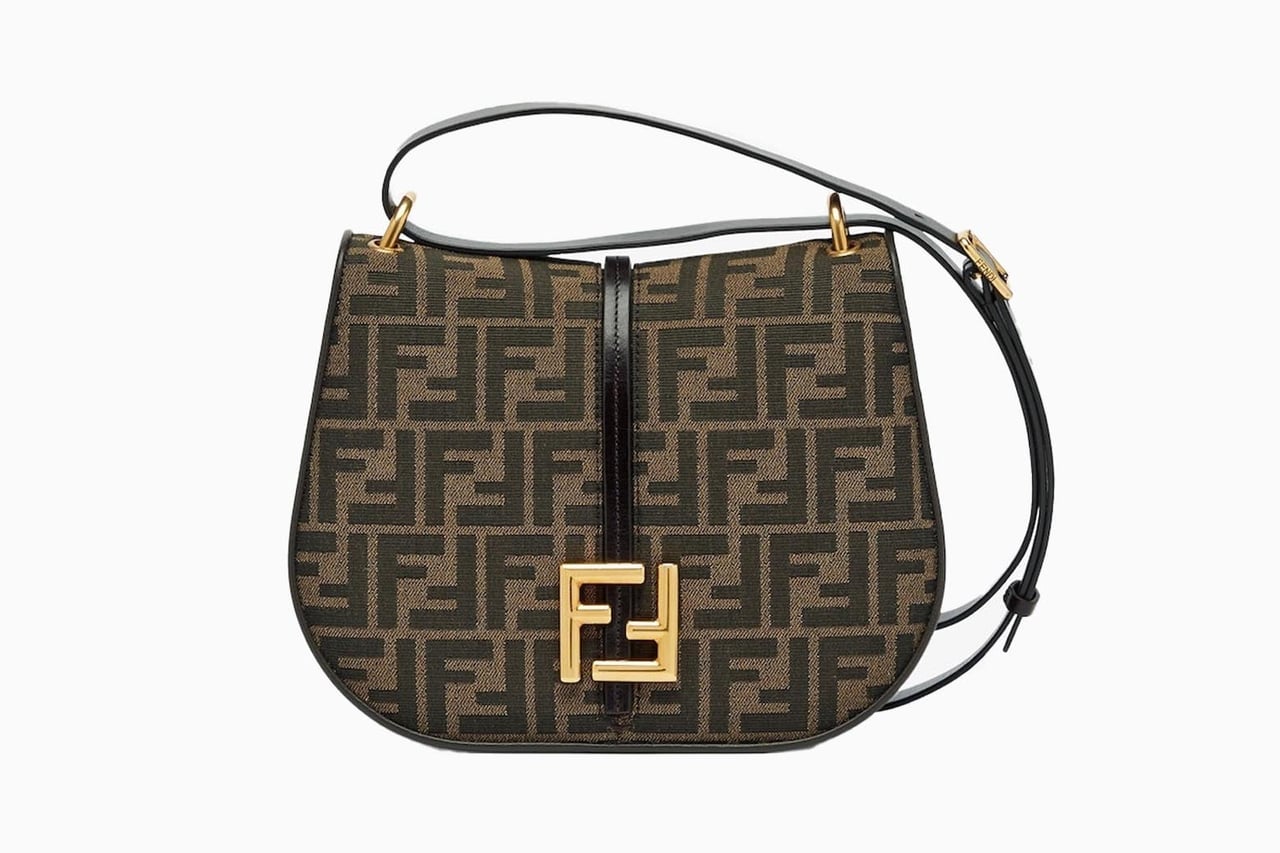
- Release
- 2023
- Pre-owned Price
- $1,515 - $1,625 on Rebag for the small size (September 2026)
This satchel comes in medium, mini, and nano sizes—the nano small enough to clip onto a belt loop. Across all three, the appeal is the same: clean leather, a confident shape, and the FF clasp picked out in gold.
It’s a polished, structured bag, with one honest trade-off. The flap closure looks the part but slows you down next to a top-opening style—worth knowing if you’re in and out of your bag all day. Fendi’s US site doesn’t list the C’Mon any more, so this one is a pre-owned pick.
Best for: Those who like structure all the way.
Fendi Mon Tresor
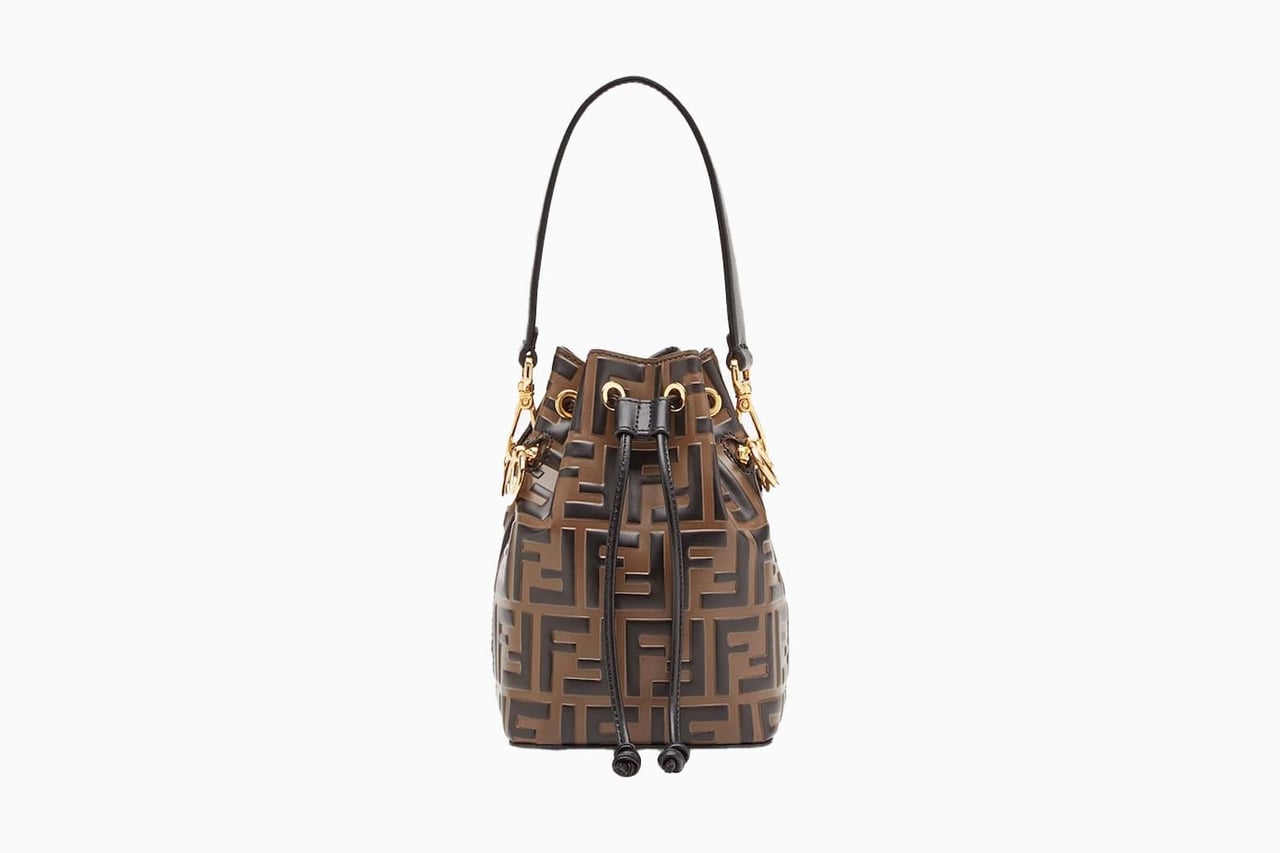
- Release
- 2018
- Pre-owned Price
- $965 - $1,950 on Rebag (September 2026)
Meet the Mon Tresor—‘My Treasure,’ for those who skipped French. Don’t be fooled by the small footprint; the drawstring bucket shape holds far more than it lets on, and cinches shut to keep everything secure.
Fendi’s US bags listing doesn’t carry it any more, but pre-owned Mon Tresors start under $1,000 on Rebag. If you’ve never warmed to bucket bags, this is the one likely to change your mind.
Best for: Fendi’s own little treasure.
Fendi Kan I
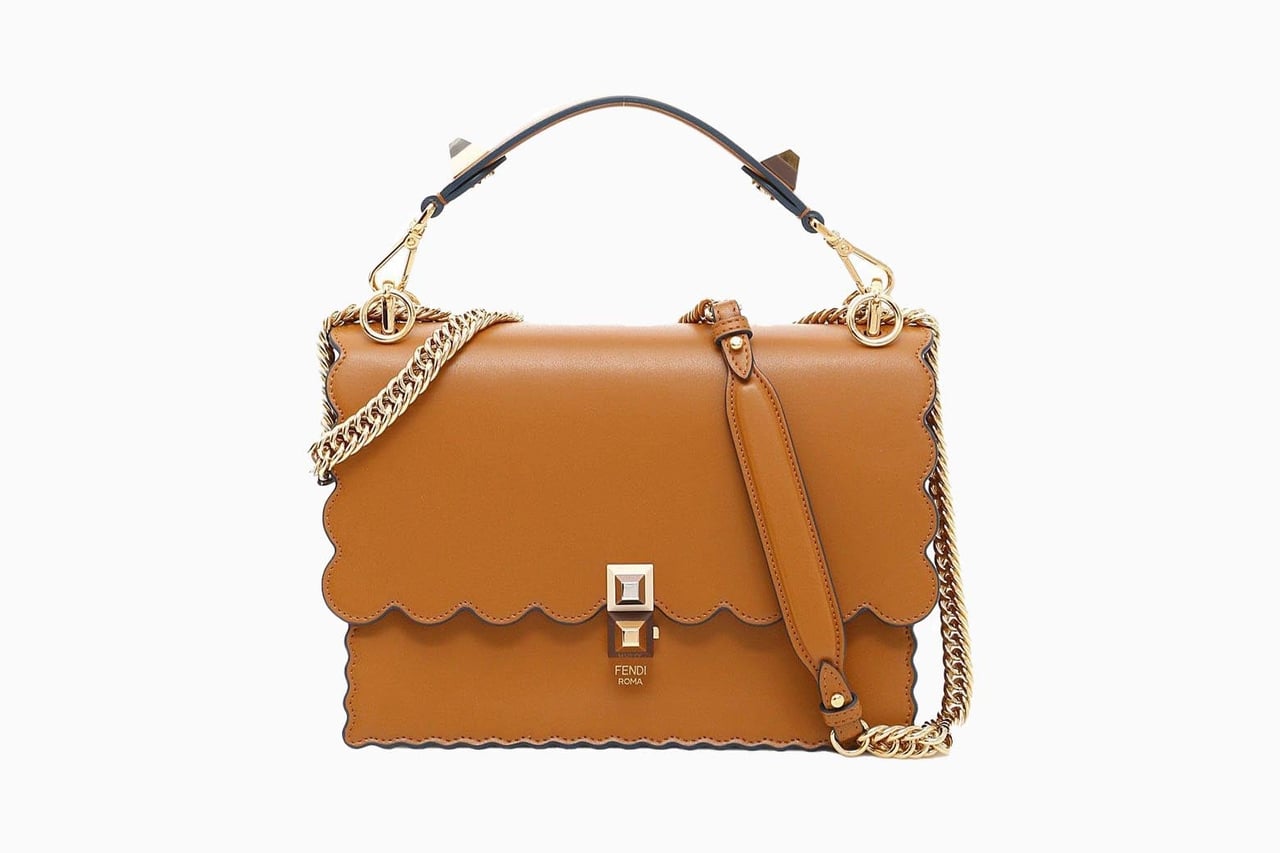
- Release
- 2017
- Pre-owned Price
- $430 - $2,295 on Rebag (September 2026)
The Kan I is the quiet workhorse of the lineup, with the widest range of styles, colors, patterns, and materials of any bag here—from pared-back leather to versions so embellished they stand in for jewelry. Whatever the occasion, there’s a Kan I cut for it.
Function comes first, though. The structured shape keeps its shape, and the divided interior with a dedicated card slot makes it genuinely easy to live with day to day. The Kan I is absent from Fendi’s US bags listing today, so shop it pre-owned.
Best for: A structured everyday bag with real range.
A brief history of Fendi
Fendi began in 1925 as a fur and leather workshop opened by Adele and Edoardo Fendi in Rome, and craftsmanship has stayed at its core for a century. The house made its name locally within a decade, but the leap to global fame came when Karl Lagerfeld joined as creative director in 1965. He gave Fendi its double-F monogram—the interlocking ‘Zucca’ logo—and reinvented its fur work, a collaboration that ran an extraordinary 54 years.
Silvia Venturini Fendi, the founders’ granddaughter, joined in 1992 and worked alongside Lagerfeld on accessories. Her Baguette, launched in 1997, did as much for the house as any garment—then Sex and the City turned it into a cultural fixture.
In 2000, Fendi became part of the LVMH group. From those original fur and leather ateliers, the house now spans ready-to-wear, fragrance, eyewear, and home—but the bags remain its clearest expression of what it does best.
How much does a Fendi bag cost?
Among the styles in this guide, Fendi’s US site prices a new bag from $1,950 (the By The Way) to $34,700 (the top of the Baguette line), depending on the style, the size, the materials, and—for limited runs—rarity. Six of the bags above, the First, Sunshine, Origami, C’Mon, Mon Tresor and Kan I, no longer appear in its US bags listing; the Baguette, Peekaboo, Fendigraphy and By The Way are still sold new. If a new bag is out of reach, or the one you want has gone, the smarter move is often a pre-owned one: trusted designer second-hand sites like Rebag and Fashionphile carry authenticated Fendi at a meaningful discount.
That the best of these bags hold their value is worth knowing—but it’s the reward for buying well, not the reason to buy. Choose a Fendi for the craft and the design you’ll reach for in ten years, and you’ll have made a sound decision long before resale ever enters the picture.
Frequently asked questions about Fendi bags
What is the iconic product of Fendi?
Do Fendi bags hold their value?
When was Fendi most popular?
Is Fendi still in style?
Products featured here are independently selected by our editors. If you buy through our retail links we may earn an affiliate commission — it never changes the price you pay, and it never decides our verdicts. Read our earnings disclaimer.