
Prada has opened an eight-floor flagship store called Prada Galleria in central Milan, built inside the historic, glass-ceilinged Galleria Vittorio Emanuele. The site carries particular weight for the house: it is where Fratelli Prada opened its first store more than a century ago, before the label became a global luxury name.
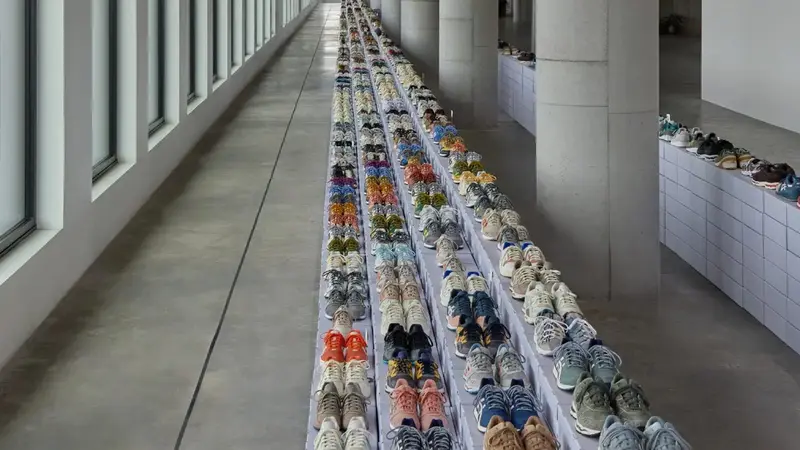
The new store goes well beyond a conventional retail floor plan. Alongside the expected racks of clothes, bags and accessories, Prada Galleria houses expanded exhibition spaces, a Milanese pastry shop, a screening room and a series of private salons spread across the building's eight levels.
The scale of the project places it firmly in what has become a broader shift in luxury retail, where brands increasingly treat a flagship as a destination rather than a transaction point. A flat e-commerce storefront no longer carries the same pull, and physical stores are being asked to justify the visit.
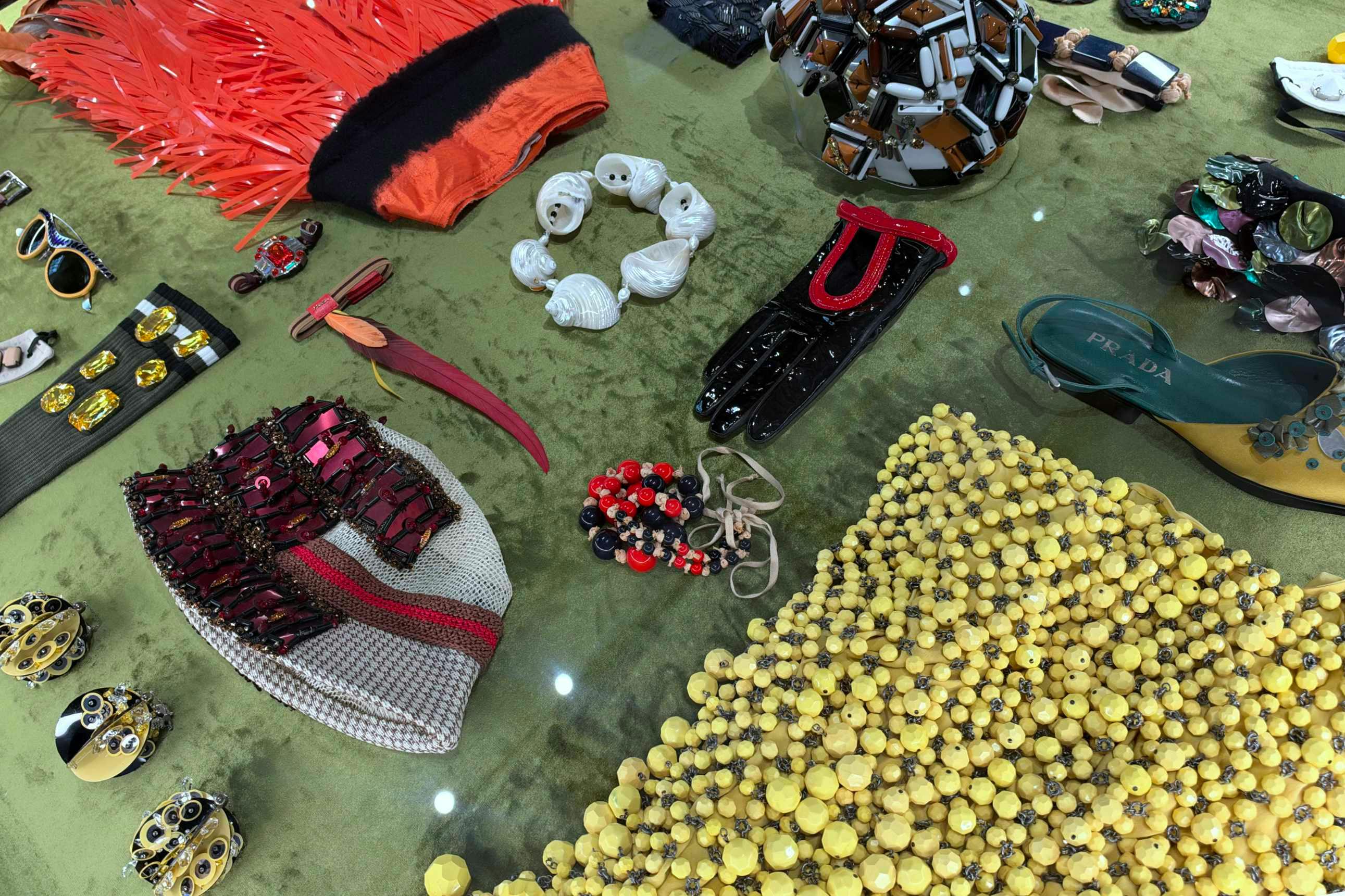
Prada is not alone in adding a hook to a store visit. District Vision has built a yoga studio into its Los Angeles location, while BASE in New York pairs its retail floor with a pottery studio and a Japanese restaurant. What distinguishes the Galleria is how naturally the extras fit the brand behind them.
Why the format suits Prada specifically
Miuccia Prada, the house's matriarchal leader, has never confined the label to a single lane, and that history is central to why the Galleria reads as coherent rather than bolted together. The Fondazione Prada art institution she oversees has operated for more than 30 years, dating back to 1990.
Food holds an equally established place in the brand's identity, alongside its nylon bags. Prada already runs a Wes Anderson designed cafe in Milan, and the Mi Shang Prada Rong Zhai fine dining restaurant in Shanghai, designed by filmmaker Wong Kar Wai for the brand's most devoted followers.
The Milanese house that made industrial nylon a luxury material, as we have described Prada, has spent decades arguing with conventional taste rather than following it. The Galleria extends that instinct from garments and bags into an entire multi-storey building in the city where the label began.
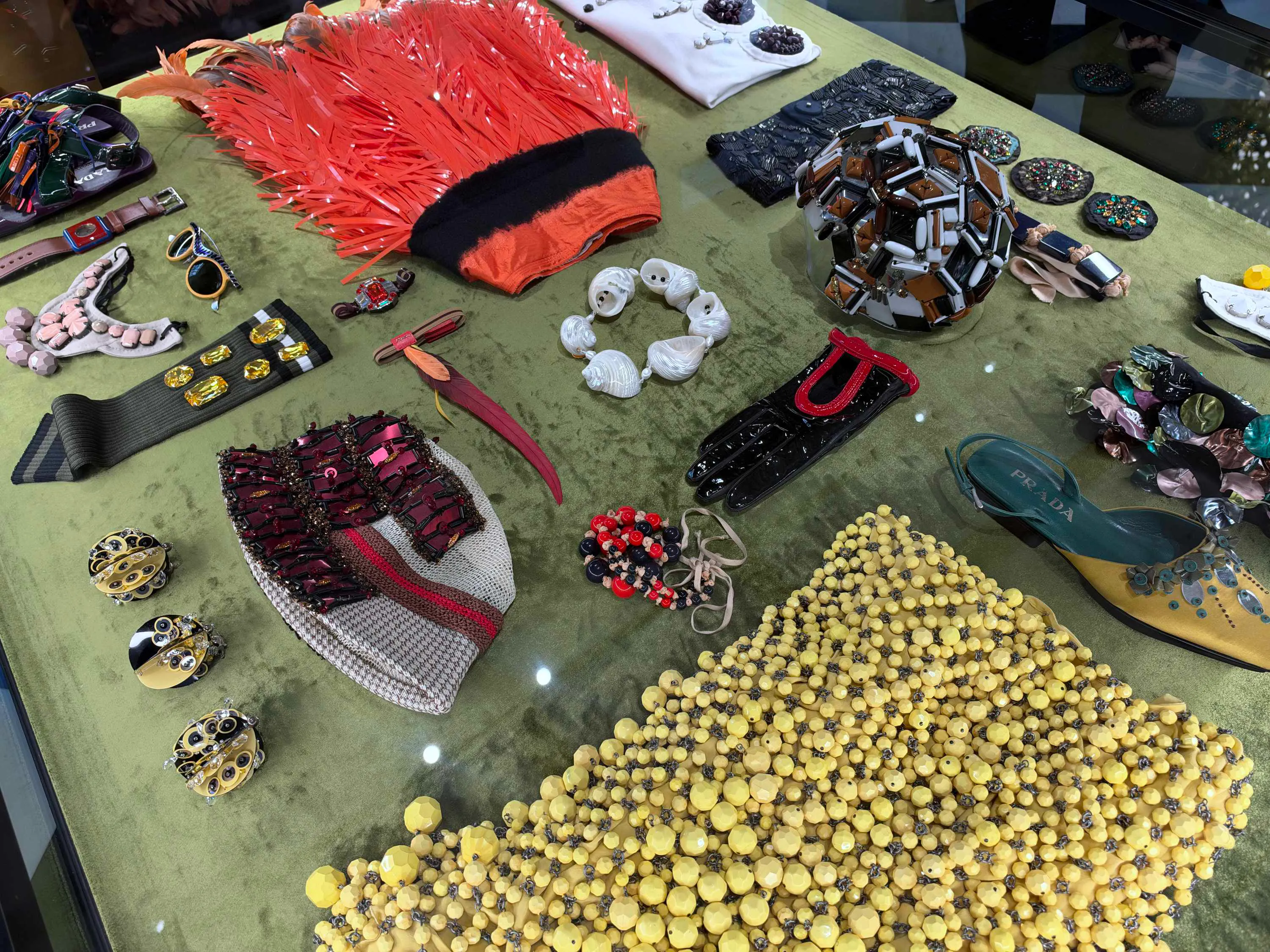
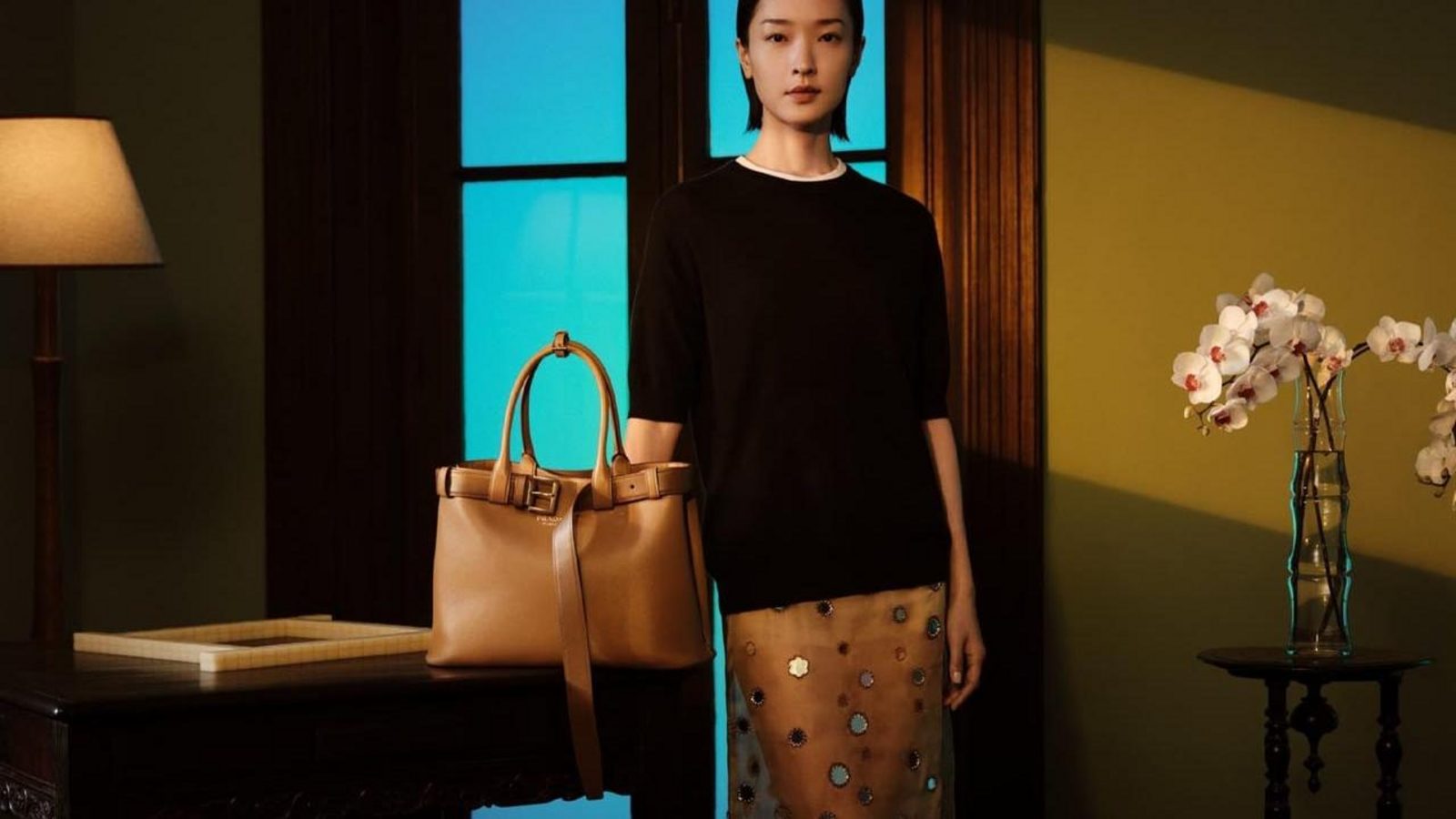
The saffiano leather Galleria bag, the model that gives the new store its name, already carries a reputation in our own coverage. Our guide to Prada's most iconic bags weighed the Galleria among the pieces we judged worth keeping for craft and longevity rather than hype.
We have also placed the Galleria bag in a wider comparison of alternatives to the Hermes Birkin, noting its saffiano leather is scratch-resistant and water-repellent for daily carry, a practical case that stands apart from the flagship's more theatrical eight-floor presentation.
Prada's sister label factors into how we track the house's retail ambitions as well. Our roundup of the most popular Miu Miu bags has tracked demand for the younger label, which shares ownership with Prada even as the two run distinct retail identities and separate flagship strategies.
How it compares with other flagship bets
Large-format flagships built around culture and hospitality are becoming a recognizable move among luxury houses beyond Prada. We recently covered Guzema opening a New York boutique clad in velvety microcement by designer Victoria Yakusha, another case of a brand using architecture and material to make a store into a destination.
What Prada Galleria adds to that pattern is depth rather than a single gesture: eight floors carrying exhibition space, dining, a screening room and private salons under one roof, rather than one distinctive material or feature carrying the whole building.
The location itself does much of the work. The Galleria Vittorio Emanuele is one of Milan's oldest and most recognizable commercial arcades, and placing the flagship inside it ties the opening directly to the brand's own founding address rather than to a newly built site.
No pricing, opening-day details or visitor figures for the new flagship have been disclosed. What the store confirms is the direction Prada has been moving in for years: retail built to be walked through slowly, floor by floor, rather than passed through on the way to a purchase.
For shoppers weighing the house's output more broadly, our coverage of style has tracked Prada's bag lines, its collaborations and its retail moves as part of a wider look at where the brand competes against rivals for the same craft-minded, design-literate customer.
The pastry shop and screening room give the Galleria a rhythm closer to a cultural venue than a sales floor, a register Prada has cultivated since the Fondazione's founding. Private salons, tucked among the eight levels, extend that same instinct toward slower, more deliberate encounters with the collections on display.
Support the content you love — it’s free 🎉
Add Luxe Digital as a preferred source on Google. Our stories will be more likely to appear in Google’s Top Stories. It’s free and supports our team. Thank you!
Add as preferred sourceYou can remove us any time in Google’s source preferences.
Thank you — you’re all set 🎉
Luxe Digital is now one of your preferred sources, so our stories are more likely to appear in Google’s Top Stories.
This briefing is published daily using an AI-powered system crafted by Luxe Digital’s team and finely tuned to meet our editorial standards. While we continuously test and review the output, mistakes can sometimes happen. Tell us if you spot one.
Images: Prada