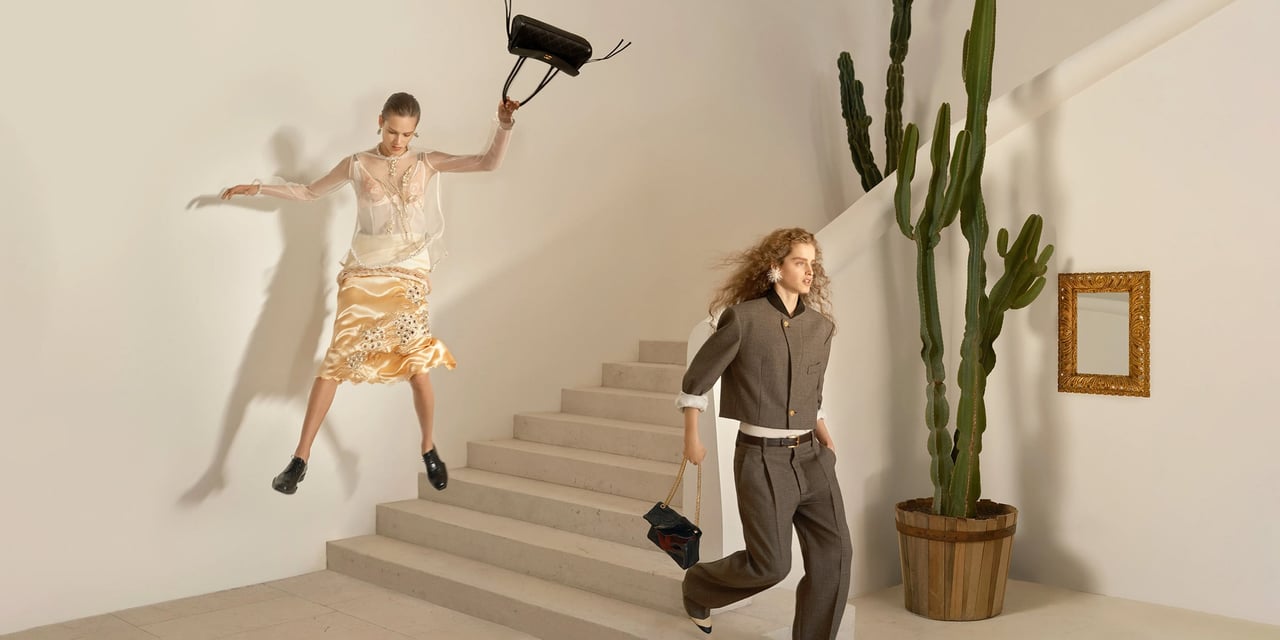
Most handbags are designed to be replaced. A new silhouette every season, a new “It bag” every spring, a closet full of decisions you’ll quietly question by next year.
The classic designer bags in this guide are the opposite — because they are just that: classic. These are the icons from the world’s most established luxury houses, made (many for decades, some for nearly a century) to be carried daily, cared for diligently, repaired indefinitely, and passed down to the next generation of hands, all while quietly appreciating in value as everything around them goes out of style.
A Birkin from 1984 still looks like a Birkin. A Kelly takes a single Hermès artisan more than 18 hours to assemble by hand, and the house will service it for as long as you own it. A Chanel Classic Flap that retailed for $2,850 in 2010 now lists, on the same shelf in the same store, for more than $10,000 — appreciation you can carry.
This is what we mean by discernment over display: buy fewer bags, keep them longer, choose the ones that earn their place on your shoulder and in your story. Less trendy, more timeless. Less disposable, more deliberate. Less It bag, more inheritance.
There is a whole wardrobe built on that instinct, and it has one rule about handbags worth reading before you spend: the bag is not the outfit. Our guide to old money style for women explains what that means in practice, and which shapes survive it.
Below are the 13 designer handbags we believe pass that test. The ones worth saving for, carrying for years, and never quite finishing with.
For more, explore our guides to the most expensive handbags, best Balenciaga bags, best Bottega Veneta bags, Chloé’s cult classics, and The Row’s understated icons.
The 13 most popular designer handbags ever created
The right designer handbags will not only stand the test of time, they often appreciate in value on the resale market. Scroll on to see our ultimate designer handbag lineup.
Hermès Birkin
The bag that defined waiting lists — and earned them.
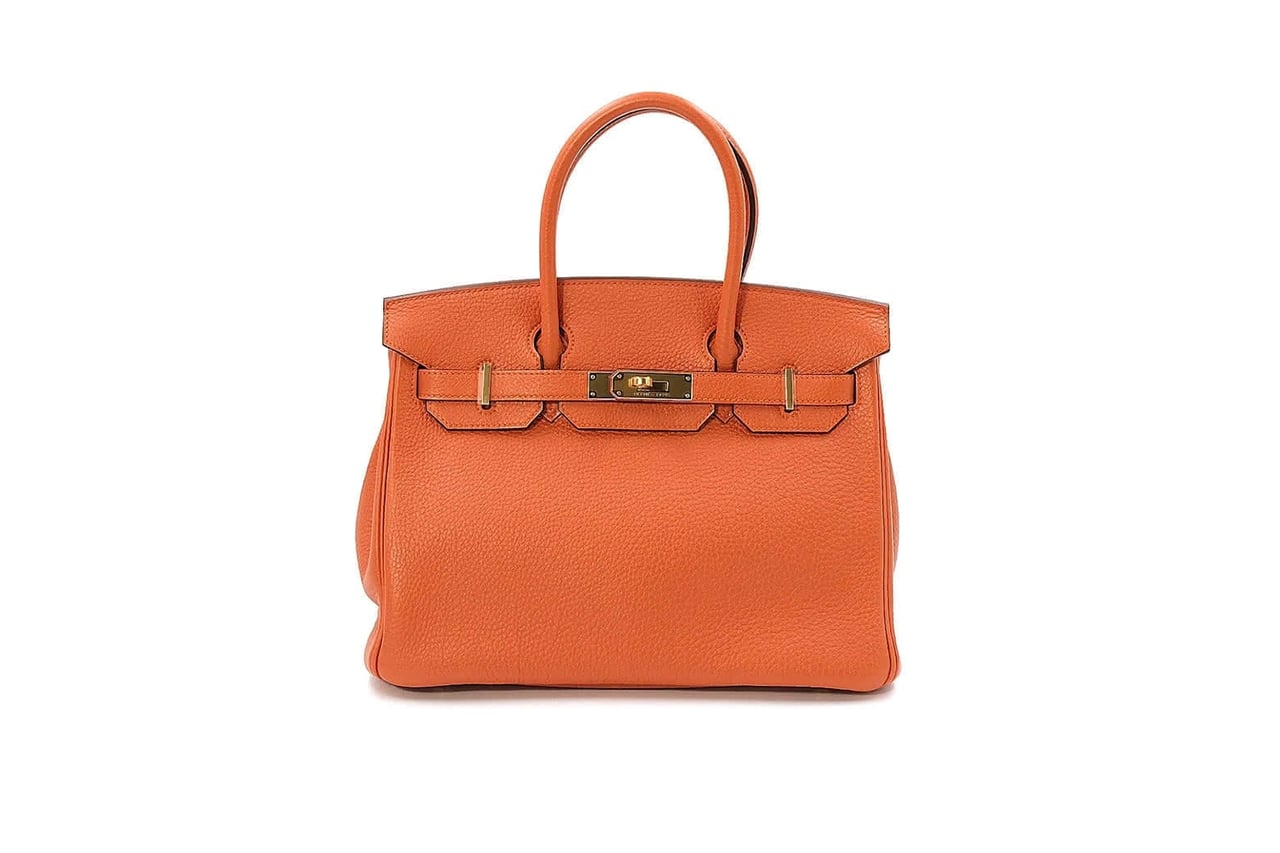
Released: 1984 Retail (Birkin 30, Togo leather): from ~$11,400 Aftercare: lifetime repair through Hermès “Spa” service
Some handbags need an introduction. The Birkin is not one of them.
In July 2025, Jane Birkin’s own personal prototype (the original bag Hermès made for her after their now-legendary in-flight conversation) went under the hammer at Sotheby’s Paris for an eye-watering $10.1 million USD. It is the highest price ever paid for a handbag at auction. The Birkin is not just one of the most iconic Hermès bags; it is, definitively, the most valuable.
The Birkin was born on a 1984 flight from Paris to London, when actress Jane Birkin spilled the contents of her straw bag in front of Jean-Louis Dumas, then chairman of Hermès. She told him she couldn’t find a weekend bag that was both spacious and elegant. He sketched one on the back of an airline sick bag. Four decades later, it is the most coveted handbag in the world — and arguably the only one that has consistently outperformed the S&P 500 on the resale market.
Each Birkin is constructed by a single artisan in one of Hermès’ French ateliers, who works on the bag from first cut to final stitch (typically 18 to 25 hours for a leather model, longer for crocodile or alligator).
The saddle stitching is done by hand with two needles and waxed linen thread, a technique that won’t unravel if a single stitch breaks. The hardware is dipped in gold or palladium. The leather is sourced from named tanneries Hermès has worked with for generations. And when you wear yours out — and you will, in 20 or 30 years — Hermès will take it back, restore it, and return it to you. Indefinitely.
The official “waiting list” no longer exists; Hermès now allocates Birkins to established clients at the discretion of individual boutiques, a system that has only sharpened the bag’s scarcity. Since 1984, the house has reinvented the silhouette across a vast and ever-expanding catalogue: supple leathers (Togo, Epsom, Clémence, Box), exotic skins (crocodile Porosus, alligator Mississippiensis, ostrich), and limited-edition designs in colors and finishes produced only once.
Honest cons: acquisition is genuinely difficult and often requires years of purchase history with a single boutique. Owning one is now so culturally loaded that some buyers find the attention it draws unwelcome.
Our verdict: the benchmark every other luxury handbag is measured against. From a sketch on an airline sick bag to a $10.1 million hammer at Sotheby’s, no other bag has appreciated quite so drastically, or so consistently.
Chanel Classic Double Flap 11.12
Coco designed it. Lagerfeld redesigned it. The world has carried it ever since.
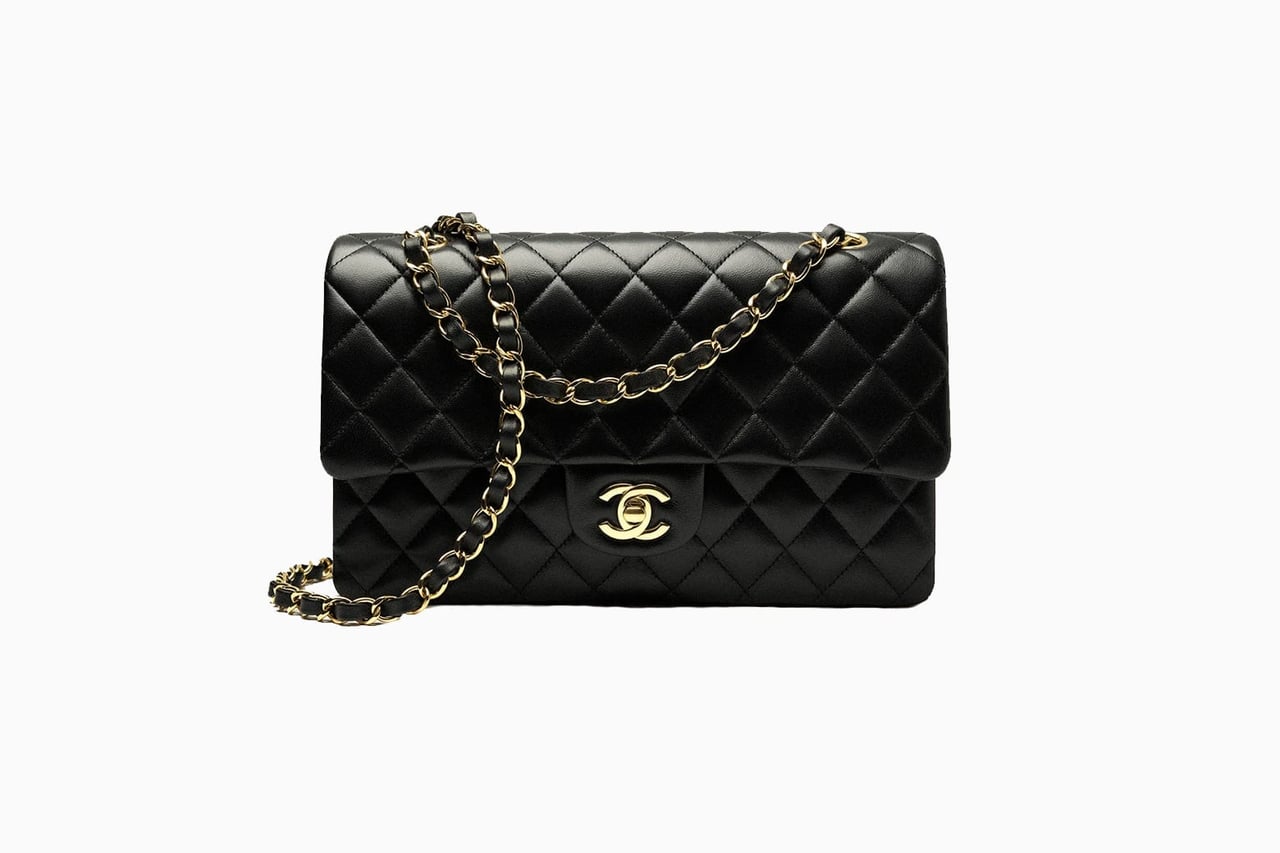
Released: 1983 (Karl Lagerfeld’s reinterpretation of Coco Chanel’s 1955 2.55), renamed 11.12 in 2021 Retail (medium): from ~$10,800 Aftercare: repair through Chanel boutiques, scope varies by region
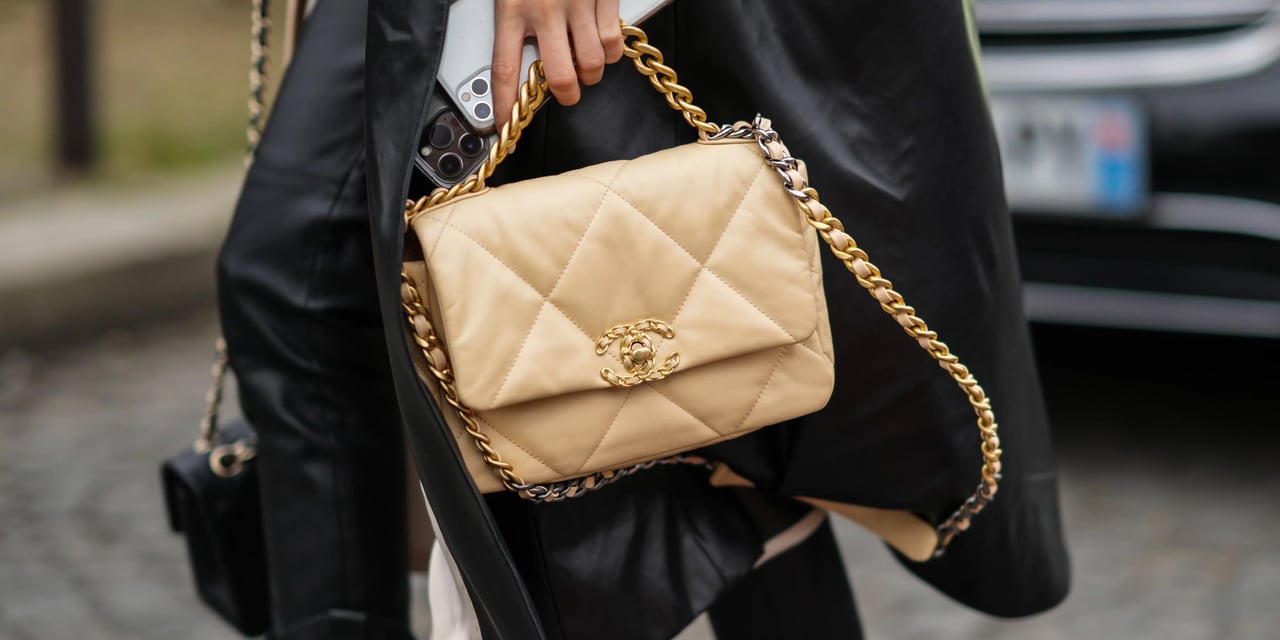
If the Birkin is the bag every other handbag is measured against, the Classic Flap (one of the most popular Chanel bags) is the bag every other shoulder bag is measured against. It is also a bag whose backstory contains one of luxury’s quiet rebellions.
Coco Chanel released the original 2.55 in February 1955 (the name encodes the date) and changed how women carried things, full stop. With a then-radical shoulder strap, she freed women’s hands from the clutches that had defined feminine elegance for half a century. She also, characteristically, refused to stamp her own initials on the bag: the 2.55 closed with a rectangular turn-lock known as the Mademoiselle, named for the title Chanel preferred over Madame and a quiet middle finger to convention.
That detail held for nearly thirty years. When Karl Lagerfeld arrived at Chanel in 1983 and set about reinterpreting the 2.55, his most consequential change was the clasp: he replaced Coco’s Mademoiselle with the interlocking double-C turn-lock the world now recognizes, and threaded leather through the chain strap to soften its shoulder bite. Coco would almost certainly have hated it. Everyone else has loved it. That bag — known for decades simply as the Classic Flap — was officially renamed the 11.12 in 2021, after the reference number Chanel had quietly used internally for the medium size all along.
A single 11.12 takes around six hours and roughly 180 steps to assemble. It comes in two principal leathers, and the choice matters more than most buyers realize. Lambskin is the softer, more luminous option, and the one most often photographed; it also marks, scratches, and rubs at the corners far more easily. Caviar (a pebbled, embossed calfskin) is markedly more durable, and the one we recommend without hesitation if you actually plan to carry it daily for a decade.
The price trajectory is worth highlighting. A medium Classic Flap retailed for roughly $2,850 in 2010. Today it lists above $10,800. That’s a near-fourfold climb in fifteen years, on the retail shelf, before resale even enters the conversation. Whether you read that as healthy appreciation or aggressive pricing depends on your relationship with the brand; what isn’t debatable is that few luxury objects have appreciated that quickly without ever leaving the store.
Honest cons: the lambskin’s fragility is real, and routinely under-disclosed at the point of sale.
Our verdict: the most quietly powerful bag in this guide. Buy it in caviar, in black or beige, and you will likely never need another evening bag in your life.
Hermès Kelly
Birkin’s older sister that ages Grace-fully.
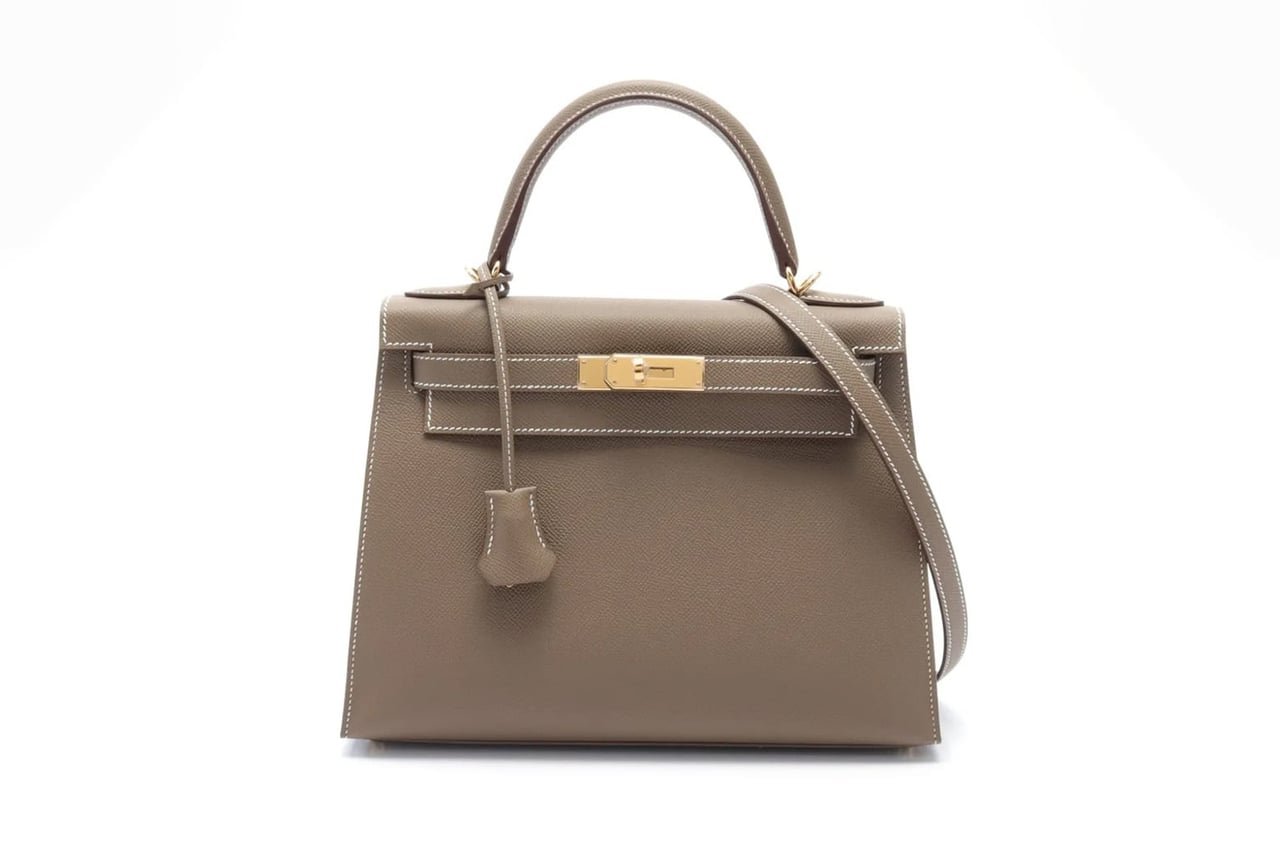
Released: 1935 (as the Sac à Dépêches), officially renamed Kelly in 1977 Retail (Kelly 28, Togo): from ~$10,900 Aftercare: lifetime repair through Hermès’ “spa” service
Robert Dumas designed the bag in 1935, and Hermès originally called it the Sac à Dépêches, the “dispatch bag” in French — a name that nodded to its straightforward role as a structured top-handle for the well-dressed business traveler of the era. It might have remained a polite Hermès staple if Grace Kelly, by then Princess of Monaco, hadn’t used it in 1956 to shield her pregnancy from the paparazzi. The image ran worldwide. Hermès, with Grace Kelly’s blessing, officially renamed the bag in her honor in 1977. One of the few times in luxury history a brand has let the public choose the name.
Like the Birkin, the Kelly is built by a single artisan, start to finish, with saddle-stitched waxed linen thread. The build typically runs 18 to 25 hours for leather, considerably longer for exotic skins. There are two distinct constructions you should understand before you buy, because they create almost entirely different bags. The Sellier is structured, with crisp exterior stitching and squared edges — the formal, architectural version, traditionally cut in firmer leathers like Epsom or Box. The Retourne is sewn inside-out and then turned, giving softer corners and a slouchier silhouette — the more relaxed, everyday version, typically in Togo or Clémence.
Between its limited availability, the bag’s social media ubiquity, and its unmistakable trapezoidal silhouette, the Kelly continues to outpace nearly every other handbag in fashion’s investment category, with exotic skins and rare colorways climbing far higher.
Honest cons: Opening and closing the turn-lock and sangles every time you need your keys is genuinely fiddly. The Kelly rewards patience, not pace.
Our verdict: If you want a single bag to define your wardrobe for the next fifty years, this is it.
Louis Vuitton Neverfull Tote
The most-carried luxury tote in the world—and the most satisfyingly insatiable.
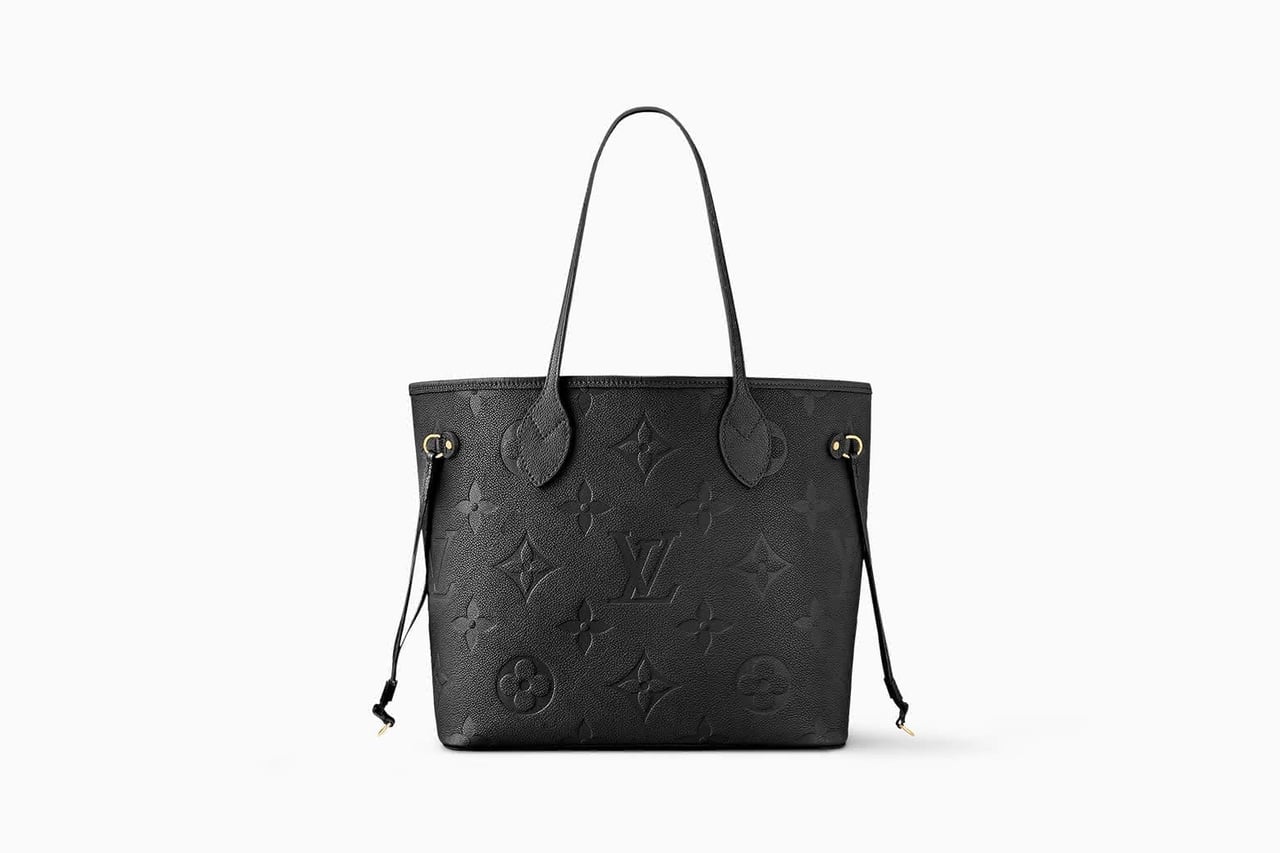
Released: 2007 Retail (MM, Monogram): from ~$2,290 Aftercare: repair through Louis Vuitton stores (handle replacement, lining work, hardware)
Among the bags on this list, the Neverfull is the workhorse. Where the Birkin and the Kelly are objects of aspiration, the Neverfull is an object of habit and arguably the most useful luxury handbag ever made.
Louis Vuitton launched it in 2007 as a deceptively simple proposition: a soft, open-top tote in the house’s signature coated canvas, with a name that promised exactly what it delivered. Eighteen years later, it has answered a question luxury fashion rarely asks well (what does a working woman actually need?) with such commercial success that the Neverfull is now the single most-carried luxury tote in the world, and the bag most often spotted on the arm of women who already own a Birkin. Its popularity is bolstered by famous sightings with celebrities like Angelina Jolie and Reese Witherspoon, endorsing its blend of luxury and functionality.
One of the best Louis Vuitton bags, the Neverfull’s longevity is built into its materials. The Monogram and Damier canvases are coated cotton, effectively waterproof, and made using a technique Louis Vuitton has been refining on its trunks since the nineteenth century. Owners routinely report carrying the same Neverfull daily for ten or fifteen years with no canvas wear at all. The catch — and it is a real one — is the trim. The natural cowhide leather (vachetta) on the handles and edges is left untreated, which means it darkens into a honey patina with time but also marks easily in rain, stains permanently from denim transfer, and is, in our view, the single most under-disclosed detail in luxury handbag retail.
Resale is the Neverfull’s weakest dimension, and the one place it falls short of the rest of this list. Unlike Hermès, Louis Vuitton produces the Neverfull in volume, and counterfeits flood every secondary marketplace. A used Neverfull in good condition typically resells for 50–70% of retail — respectable for a daily-use bag, but not the appreciation curve of a Birkin or a Classic Flap.
Honest cons: vachetta trim ages unforgivingly if you live anywhere with real weather. The classic version has no closure of any kind. And you will see your bag on at least three other women every time you take public transit.
Our verdict: the most genuinely useful bag on this list. Buy it in Damier Ebene if you want darker leather trim and want to skip the vachetta-aging anxiety entirely.
Louis Vuitton Speedy
Designed for the city. Sized by Audrey Hepburn. Carried by everyone since.
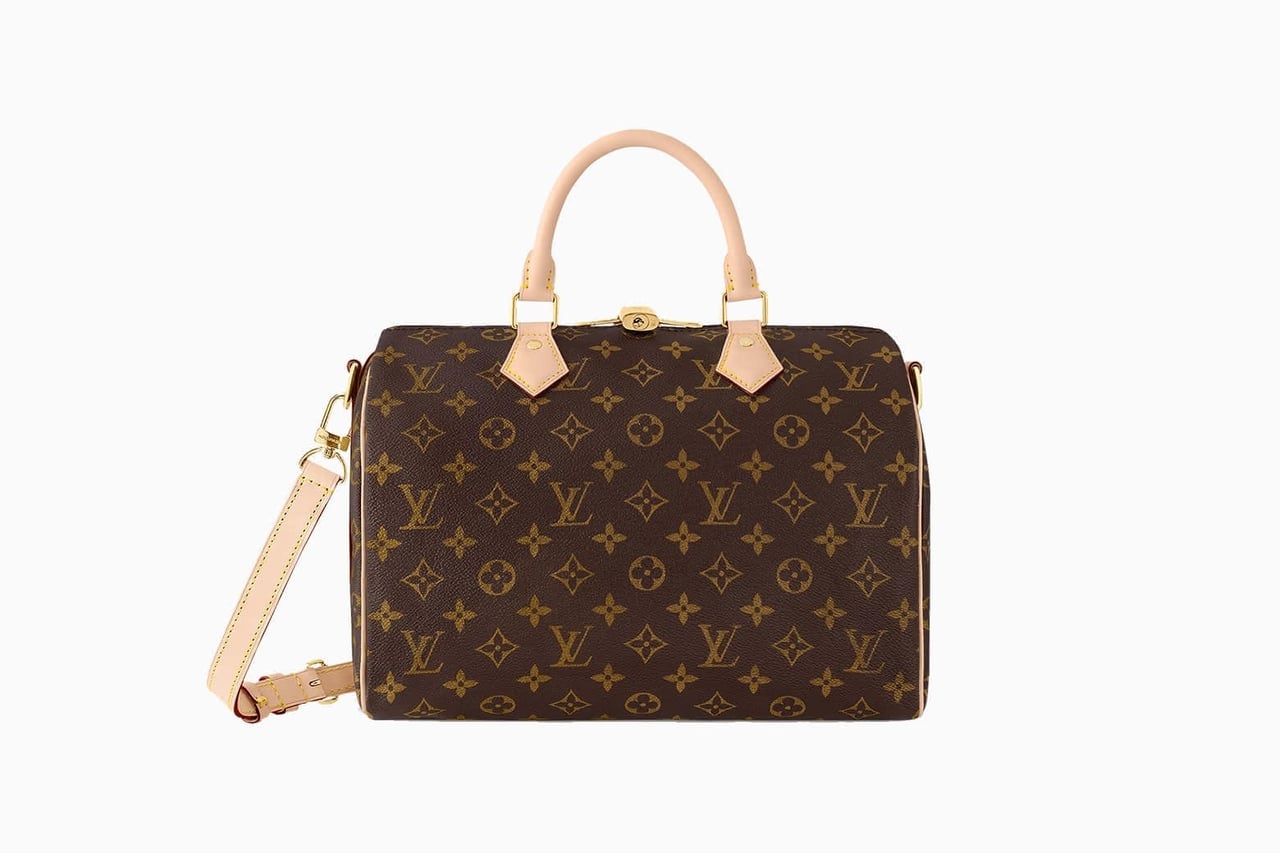
Released: 1930 (originally the “Express”) Retail (Speedy 25, Monogram): from ~$1,560 Aftercare: repair through Louis Vuitton stores
The Speedy is, for many women, the first serious luxury bag they ever own — and often the one they still reach for forty years later.
Louis Vuitton launched it in 1930 under a different name: the Express, a love letter to city life from a house that had built its reputation on steamer trunks and rail travel. The 1930s were the decade luggage shrank — cars and planes were replacing ships, journeys were getting shorter, and women were carrying their own bags through their own days. The Express was Louis Vuitton’s answer: a compact, soft-sided travel case you could swing through a Paris arrondissement rather than entrust to a porter.
Then, in 1965, Breakfast at Tiffany’s star Audrey Hepburn asked Louis Vuitton for a smaller version: something light enough to carry to lunch and elegant enough to carry to a film set. The resulting bag was the Speedy 25, and it turned a duffle-esque travel accessory into the handbag that would define accessible luxury for the next sixty years.
The construction is the same coated Monogram canvas as the Neverfull, paired with vachetta handles, a brass padlock, and a top zip. It comes in five sizes (20, 25, 30, 35, and 40) though the 25 and 30 are the ones almost everyone actually carries. The Speedy Bandoulière, introduced in 2011, adds a removable shoulder strap and solves the original’s only structural complaint.
Honest cons: the classic Speedy has no internal structure and collapses in on itself when not full, which some owners love and some find sloppy.
Our verdict: the most quietly democratic bag in luxury. At under $1,600 for the Speedy 25, it remains one of the few designer handbags we can recommend without flinching as a first serious purchase — and the one most likely to still be in your closet, beautifully worn, when you buy your last.
Gucci Horsebit 1955
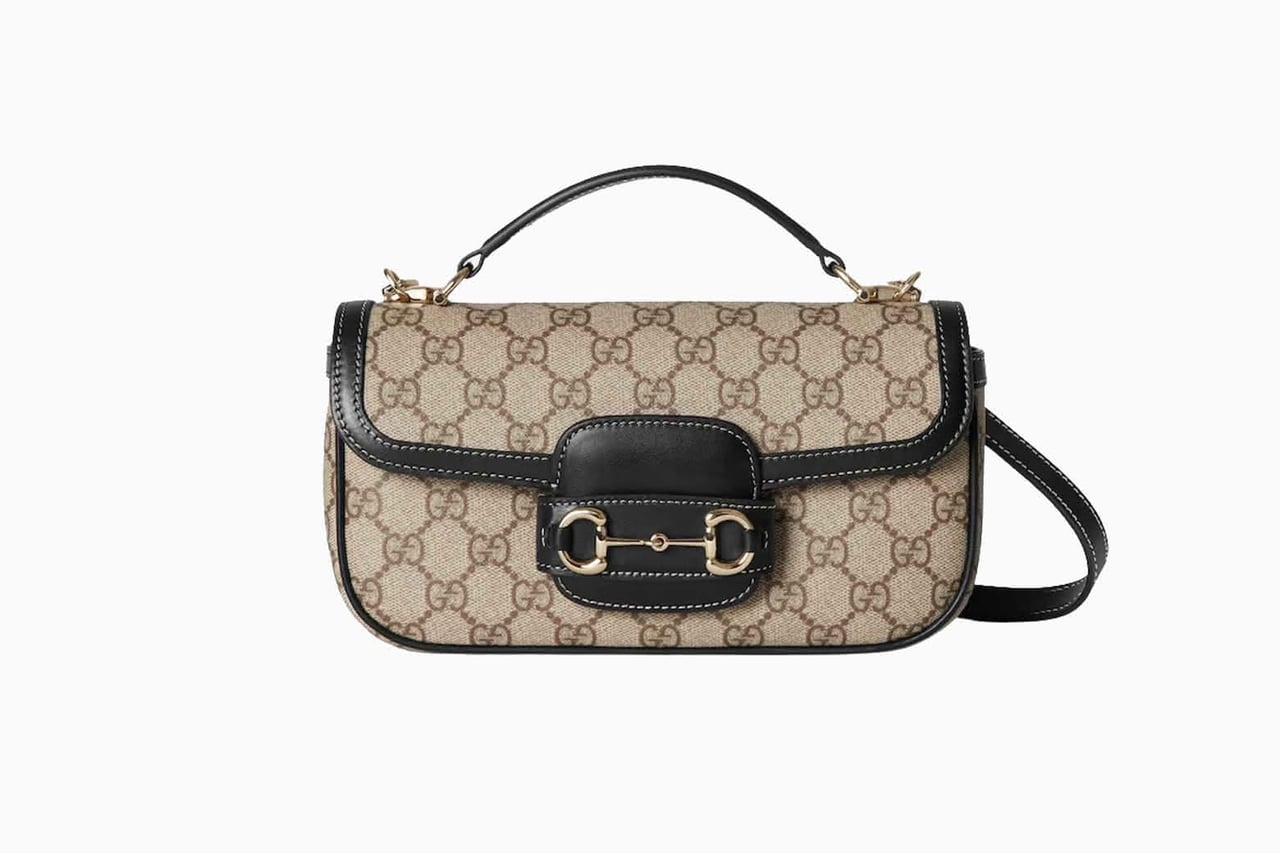
Released: 2020 (as a contemporary reinterpretation of a 1955 Gucci silhouette) Retail (small): from ~$3,200 Aftercare: repair through Gucci boutiques
Gucci has been making horsebit hardware for more than seventy years. The handbag named after that legacy is only 6 years old.
The Horsebit 1955 you can buy today is a 2020 creation, conceived under Alessandro Michele’s tenure as part of Gucci’s heritage-mining era.
The horsebit itself is the most enduring hardware detail in Gucci’s archive. It first appeared on the brand’s loafers in 1953, drawn from Florentine equestrian tradition, and has been applied to handbags in various forms since.
The current Horsebit 1955 — a structured top-handle in calfskin or GG Supreme canvas, with a polished horsebit closure and adjustable strap — is the cleanest, most restrained interpretation in years, and a marked departure from the maximalist Gucci of the late 2010s.
Honest cons: Gucci is in the middle of a creative transition (Sabato De Sarno took over in 2023), and the brand’s aesthetic identity is still being recalibrated in real time. That makes any current Gucci bag a slightly less settled bet on “timelessness” than an Hermès or a Chanel. The motif will outlast any individual designer, but the specific bag you buy today may read as distinctly Michele-era a decade from now. Resale values track Gucci’s hype cycle more than the bag’s own merit.
Our verdict: the most genuinely refined bag in Gucci’s current lineup, and the safest one to buy if you want a Gucci that will still look right in years from now.
Gucci Jackie
Carried into history by a First Lady. Carried back into fashion by everyone else.
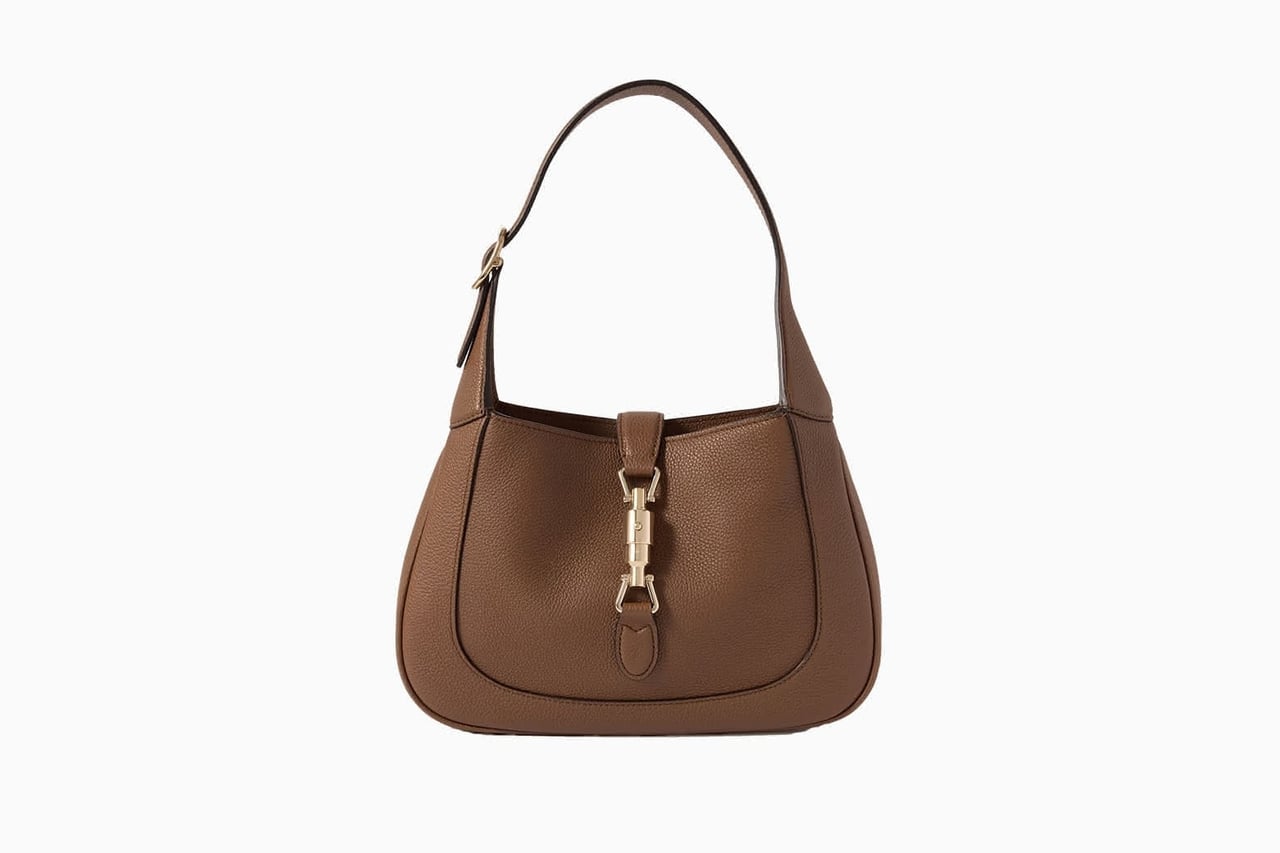
Released: 1961 (reissued as the Jackie 1961 in 2020) Retail (small): from ~$3,400 Aftercare: repair through Gucci boutiques
Few bags carry heritage quite like Gucci’s Jackie 1961. And unlike its Horsebit cousin, the date in this bag’s name is the real thing.
Gucci introduced the hobo-shaped shoulder bag with the distinctive piston closure in 1961, and it sold quietly until Jacqueline Kennedy began carrying one constantly through the late 1960s. So constantly, in fact, that the bag became known unofficially as “the Jackie” long before Gucci made the name official. It has since cycled in and out of the house’s lineup, with each reissue interpreting the original silhouette through the fashion grammar of its decade. The most recent, the Jackie 1961, released in 2020 under Alessandro Michele is the closest cut yet to the original, and the one to seek out.
The Jackie’s design language is the opposite of the Birkin’s. Where the Birkin is structured, the Jackie is soft; where the Birkin announces itself, the Jackie tucks under the arm in a quiet, crescent-shaped slouch. The piston closure (a sliding metal bar that locks the flap in place) is genuinely satisfying to operate and one of the most distinctive opening mechanisms in handbag design. It now comes in smooth calfskin, suede, and the GG Supreme canvas, in sizes from mini to large.
Its current cultural moment is no accident. The Jackie was rediscovered by the quiet-luxury revival of the early 2020s. A movement that pushed back against logo-heavy maximalism in favor of softer silhouettes, restrained hardware, and exactly the kind of personal, lived-in elegance the Jackie has always trafficked in. The crescent silhouette continues to resonate across generations precisely because it doesn’t insist on a generation of its own.
Honest cons: the soft construction means the Jackie slouches and creases with use; if you want a bag that holds its shape on a shelf, this isn’t it. The piston closure is iconic but not the fastest to operate one-handed.
Our verdict: the most personal-feeling bag on this list. A Jackie carried daily for a decade looks more beautiful than the day it was bought — which, frankly, is the test that matters.
The Lady Dior
Lady-like legacy.
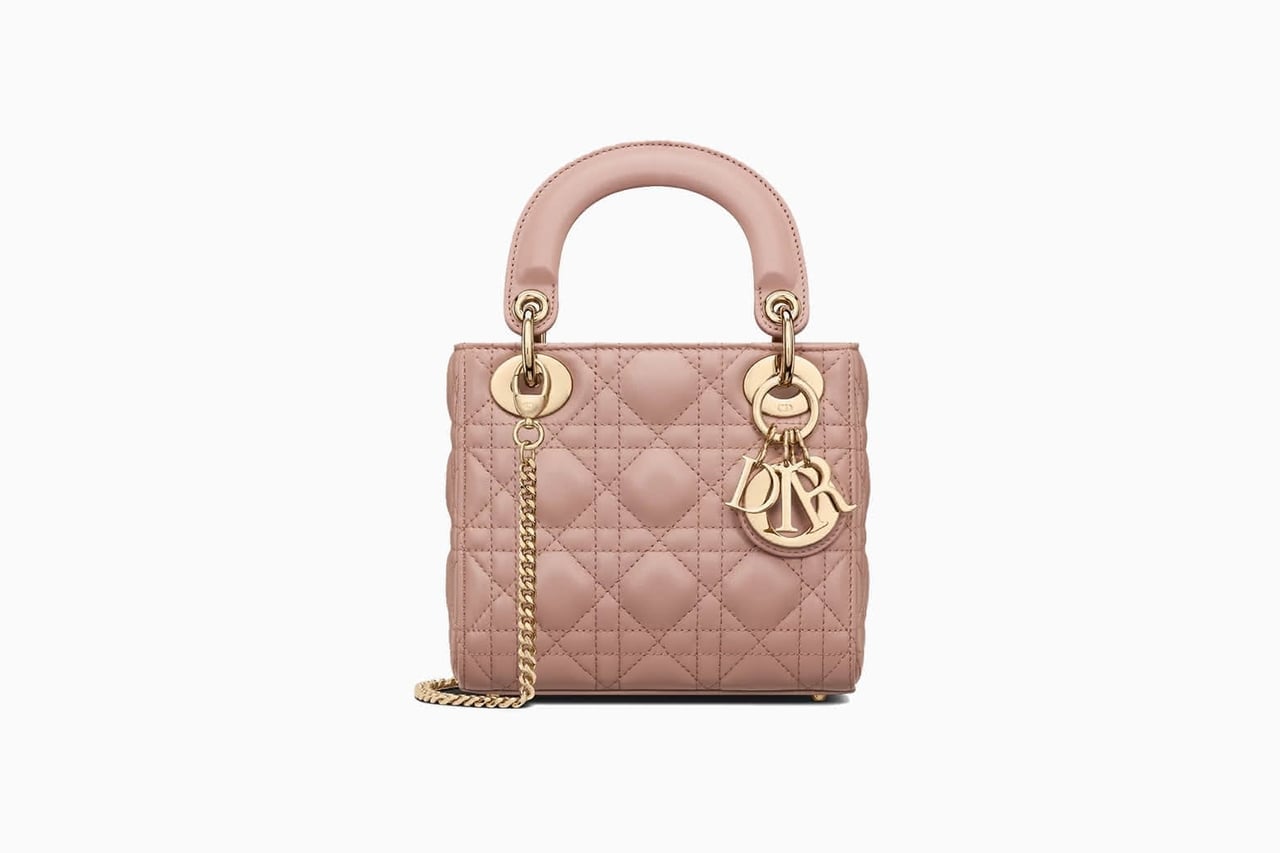
Released: 1995 (originally as the “Chouchou”) Retail (medium): from ~$6,300 Aftercare: repair through Dior boutiques
The Kelly took forty-two years to earn its name. The Lady Dior took less than two.
Dior designed the quilted, top-handled bag in 1995 and called it the Chouchou (French for “favorite” or “darling).” That fall, Bernadette Chirac, France’s First Lady at the time, presented one to Princess Diana during a state visit. Diana carried it for the next two years, almost without exception, in every city and every country she visited. Dior, recognizing what had happened, asked permission to rename the bag in her honor — and the Lady Dior was born in 1996, while its namesake was still alive to see it.
What makes the Lady Dior (one of the best Dior bags) worth the price is the detail you don’t notice until someone tells you. The quilted pattern stitched into the leather (Dior calls it cannage) is taken directly from the Napoleon III chairs Christian Dior used to seat his guests at his early runway shows in the late 1940s. Every Lady Dior carries, in its surface, a quiet reference to the room where the house began. The four metal letters — D, I, O, R — dangle from the right handle as a final flourish.
Construction takes around eight hours and runs across multiple ateliers. This Dior bag is made primarily in lambskin (soft, luminous, fragile) or patent calfskin (durable, formal, more forgiving), with seasonal variations in embroidery, beading, and artist collaborations through the brand’s ongoing Dior Lady Art project. Sizes range from the Micro (more charm than handbag) to the Large (briefcase territory); the Medium is the version most women picture and most often buy.
Spotted on the arms of Marion Cotillard and Rihanna, the Lady Dior has been reimagined in various sizes, colors, and limited editions, including versions with embroidery, beading, and even contemporary artist collaborations.
Honest cons: The lambskin marks easily; the corners and the top edges where the handles meet the body are the first to show wear. The structured shape limits how much you can actually fit inside (this is not a workhorse bag). And the retail price has climbed steadily in recent years without a corresponding rise in resale value.
Our verdict: the most emotionally resonant bag on this list, and the one most likely to feel like an heirloom rather than an accessory. Buy it for what it is — a small piece of couture history, carried by one of the most photographed women of the twentieth century.
Dior Saddle
Designed by Galliano. Killed by trends. Reborn by Chiuri — exactly as it was.
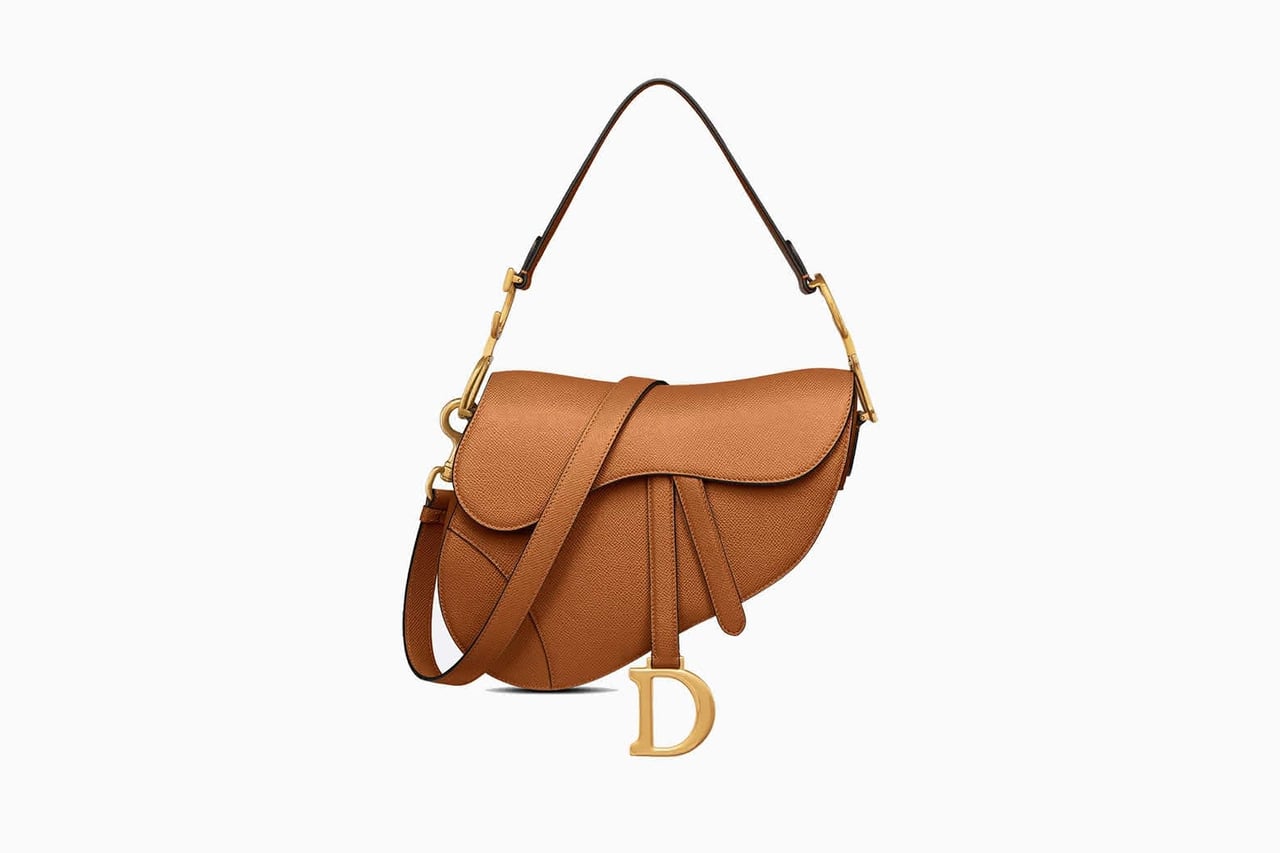
Released: October 1999 (Spring/Summer 2000 runway), reissued 2018 Retail: from ~$3,800 Aftercare: repair through Dior boutiques
The Saddle is the only bag on this list to have died once already — and the only one whose revival proves the article’s thesis.
John Galliano sent it down the Dior runway in October 1999, as part of his Spring/Summer 2000 collection: a hard-edged equestrian silhouette with a curved flap, a Dior “D” stirrup magnetic clasp, and a strap so short the bag could only be carried under the arm. It became the defining “It bag” of the early 2000s. Slung over Carrie Bradshaw’s shoulder in Sex and the City, photographed on Beyoncé and Sarah Jessica Parker, knocked off by every fast-fashion retailer of the decade. Then, by around 2007, it disappeared. The Saddle sat untouched in closets for the better part of ten years, the kind of bag women quietly apologized for owning.
Maria Grazia Chiuri reissued it in 2018, almost unchanged, and it returned to the front row as if it had never left. A bag that can disappear for a decade and come back without a single design alteration has a stronger underlying shape than its trend cycle suggests. The Saddle now comes in Dior’s signature Oblique jacquard, smooth and grained calfskin, embroidered editions, denim, and seasonal collaborations.
What hasn’t changed is the silhouette itself. The curve is still polarizing: you either love it or you don’t, and no amount of styling will bridge the gap. The hardware is still recognizably late-Galliano: bold, equestrian, theatrical. And the bag is still designed to be carried close to the body, which gives it a distinctly different posture from every other bag in this guide.
Honest cons: the shape is genuinely divisive, and we’d be doing you a disservice not to say so. The interior is small — this is a personal-essentials bag. And of all the entries on this list, the Saddle is the one whose third lifecycle is least guaranteed. It has now died once already. There is no guarantee it won’t again.
Our verdict: the most fashion-forward bag on this list and the bravest. Buy it only if you genuinely love the silhouette, not because it’s currently in style.
Saint Laurent Le 5 à 7 Hobo
A forecast, not yet a fact.
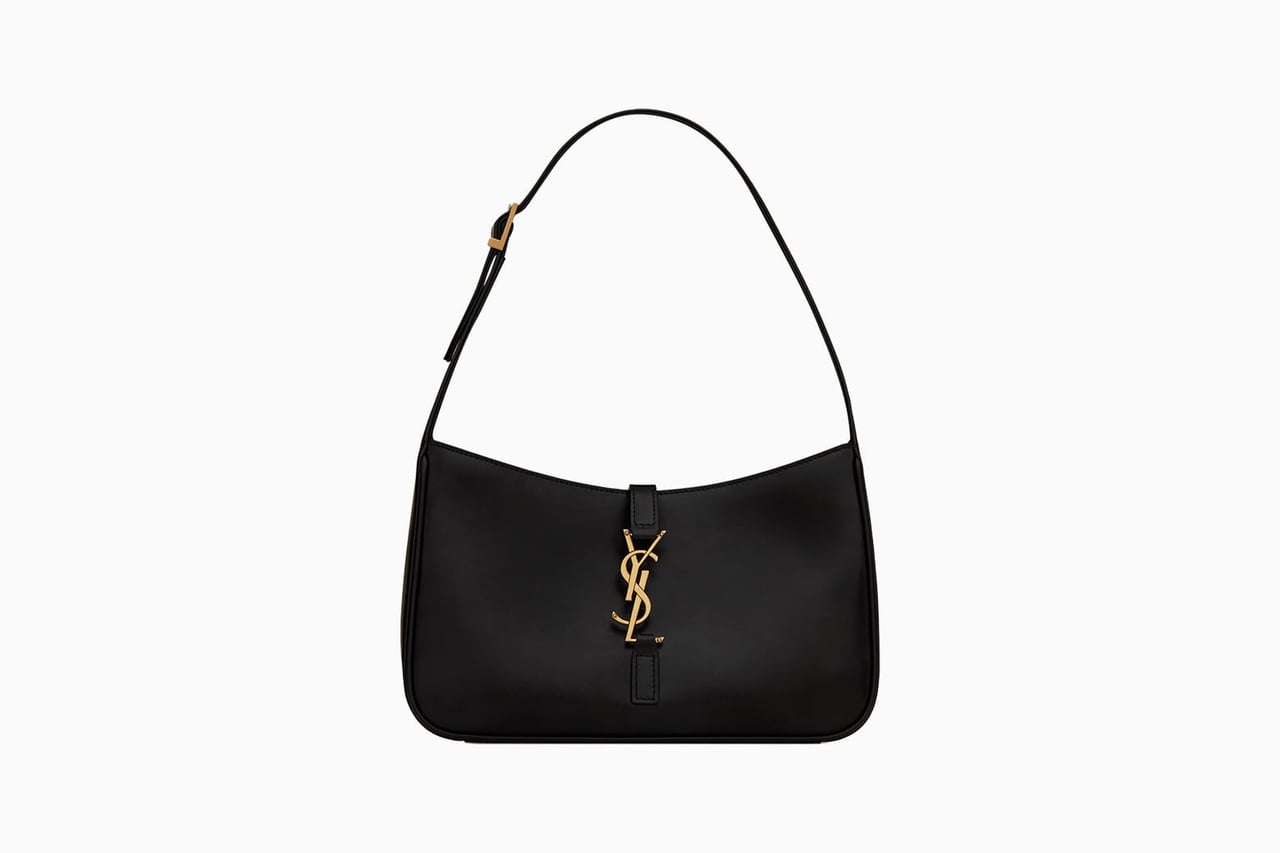
Released: 2021 Retail: from ~$2,650 Aftercare: repair through Saint Laurent boutiques
In the interest of editorial honesty: Le 5 à 7 is the newest bag on this list by a wide margin, and its claim to “of all time” status is therefore provisional. We’re including it because we believe the design — a clean, elongated hobo named for the cinq à sept, the after-work hours when Parisians traditionally go from office to dinner — has the right proportions and restraint to age into permanence. But ask us again in 2035.
One of the best Saint Laurent bags, Le 5 à 7 is made in smooth calfskin or croc-embossed leather, finished with the YSL monogram hardware Anthony Vaccarello has standardized across the house. The single curved strap is the design’s quiet brilliance: short enough to sit cleanly under the arm, long enough to pass over the shoulder, sculpted enough to hold its shape when the bag is set down.
Honest cons: no track record. We genuinely don’t know yet whether Le 5 à 7 will be a Birkin-style permanent fixture or a 2020s-coded artifact people quietly retire by 2030. The hobo silhouette has been in and out of favor cyclically since the 1990s.
Our verdict: the entry on this list we’re most willing to be wrong about.
Loewe Puzzle
The missing piece in your capsule wardrobe.
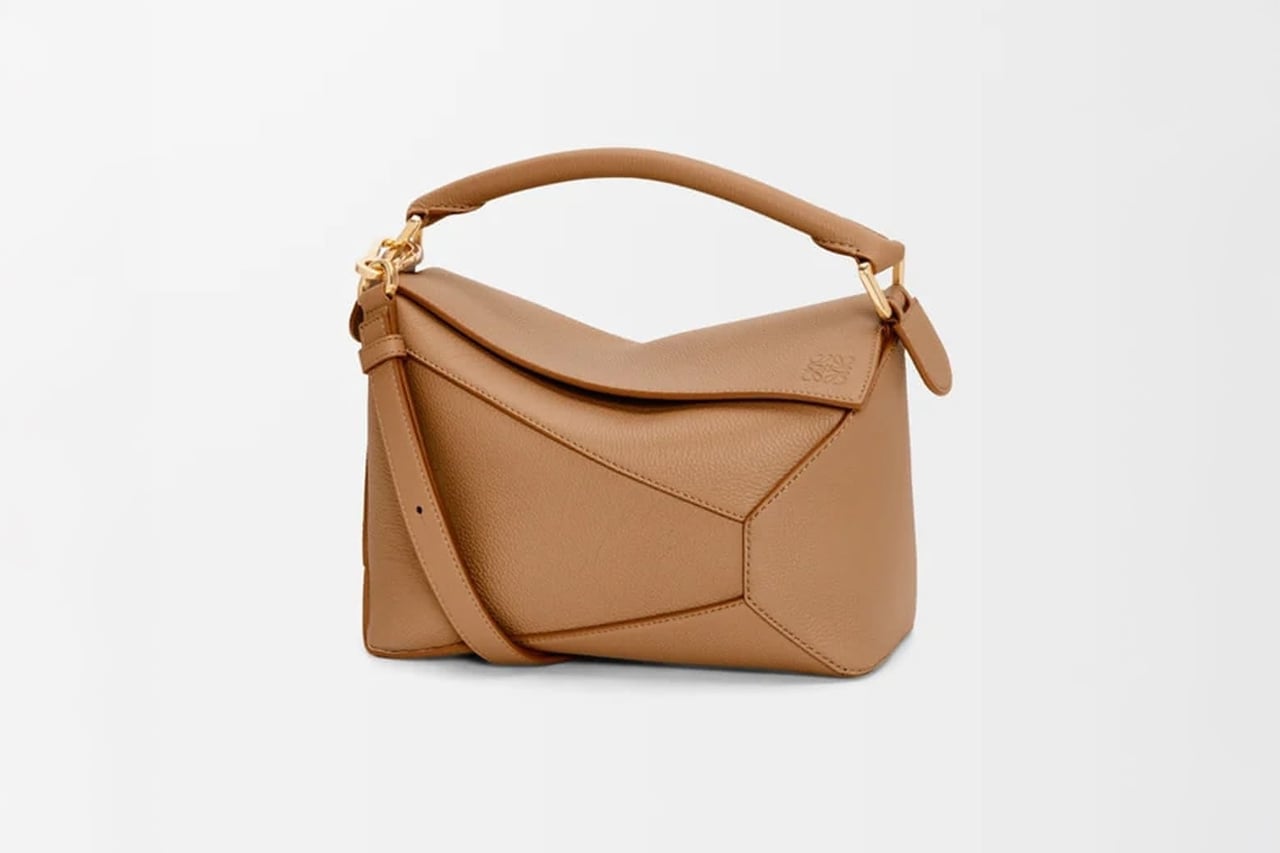
Released: 2014 Retail (small): from ~$3,100 Aftercare: repair through Casa Loewe stores
One of the best Loewe bags, The Puzzle is the only bag on this list that earned its place in years, not decades — and the only one that reads as engineering as much as design.
Jonathan Anderson (one of the best creative directors in luxury fashion) designed it in 2014, his first handbag for Loewe after taking the creative lead the year before. It was, even at the time, an act of announcement. Loewe had been a quietly respected Spanish leather house for nearly 170 years. The company was founded in Madrid in 1846 and remains one of the oldest leather ateliers continuously operating in Europe. But the brand had no signature handbag, no recognizable silhouette, and almost no presence outside Spain. The Puzzle changed all of that in a single season.
The construction is the closest thing in modern handbag design to architectural origami. The Puzzle is built from a precisely cut pattern of leather panels that fold and crease into a cuboid when the bag is filled, and collapse almost completely flat when it isn’t. The same bag can be carried as a top-handle, a cross-body, a shoulder bag, or a clutch — not because Loewe added straps for versatility, but because the geometry genuinely supports all four postures. There is no other handbag built this way.
The leather work is what proves the rest. Loewe operates as one of LVMH’s quieter houses but takes its tannery relationships seriously: the smooth calfskin develops a soft sheen with handling, and the grained version is, in our experience, essentially indestructible. Jonathan Anderson left Loewe in early 2025 for Dior, ending an eleven-year tenure that turned the house from a regional specialist into one of LVMH’s most editorially admired brands. The Puzzle is the bag that started that ascent — and now stands as its defining object.
Honest cons: the geometric construction means there are more seams, more corners, and more potential points of wear than on a simpler bag. Loewe’s resale value, while rising, sits well below Hermès and Chanel.
Our verdict: the most architecturally interesting bag on this list, and the one we’d recommend to anyone who finds the Birkin too obvious and the Classic Flap too formal. Buy the grained calfskin in a neutral; the bag is the statement, no embellishment required.
Fendi Baguette
Inspired by a French loaf. Made iconic by Carrie Bradshaw.
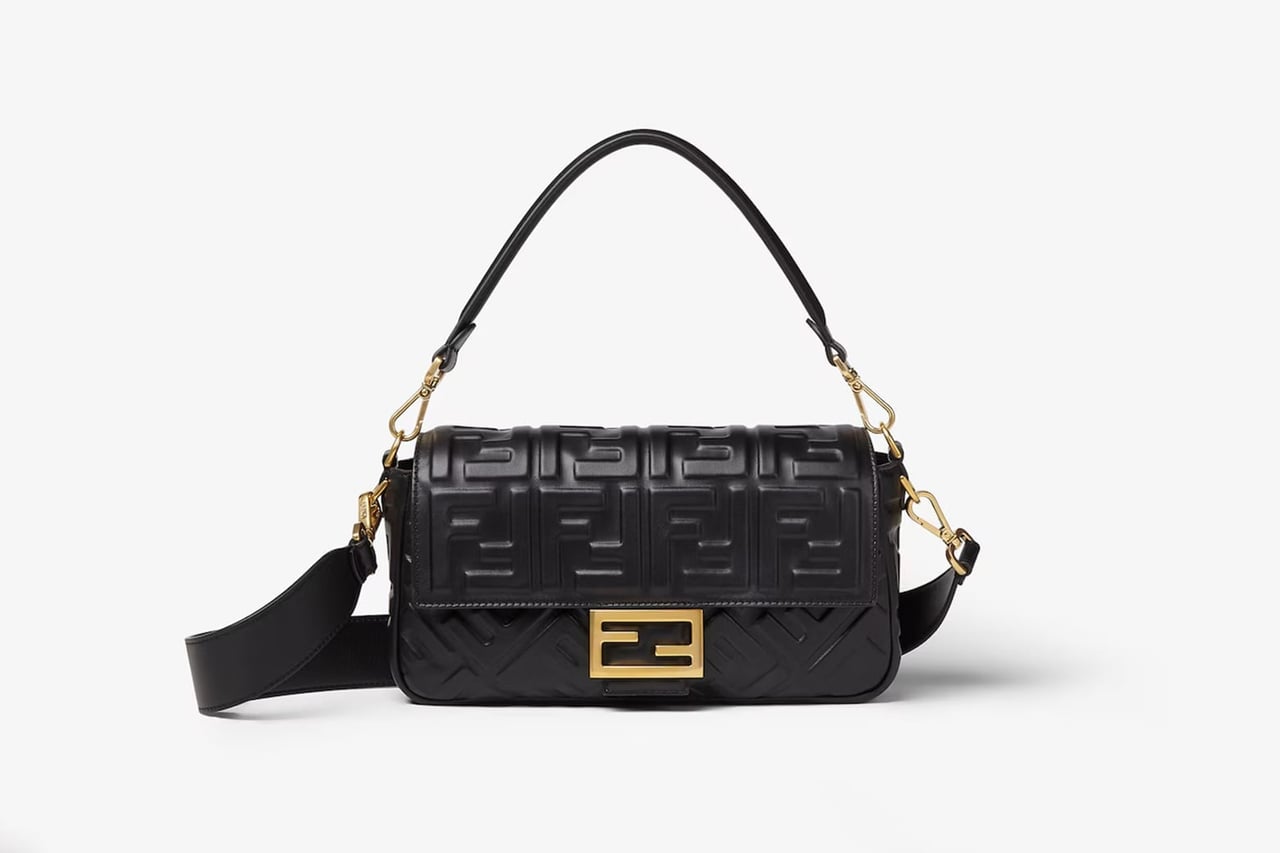
Released: 1997 Retail: from ~$2,950 Aftercare: repair through Fendi boutiques
The Baguette is named after exactly what you think it is. Silvia Venturini Fendi designed it in 1997, after noticing chic Parisians strolling through their neighborhoods with French baguettes tucked effortlessly under their arms. Voilà! The zero-carb Baguette was born: oblong, flat, sized to pin under the elbow rather than hang from the shoulder.
At a moment when the runway favored oversized totes, the Baguette’s quiet smallness was its rebellion. A single short strap, a fold-over flap, a magnetic clasp, and the interlocking double-F logo on the front — that was the whole bag. Fashion insiders adored it on arrival; the general public arrived three years later, brought by a single television scene.
In the 2000 Sex and the City episode where Carrie Bradshaw is held up in SoHo, she refuses to part with her sequined purple Fendi with one of the most-quoted lines in handbag history: “It’s not a bag, it’s a Baguette.” The episode turned the bag into an international cultural object overnight — and arguably invented the modern “It bag” phenomenon, the category that would, two years later, accommodate the Dior Saddle on the next runway over.
Fendi has since sold more than a million Baguettes across what is probably the widest catalogue of variations in luxury handbag history. There have been sequined evening editions, curly sheepskin winter versions, a sterling silver collector’s piece, and even a perfumed leather edition designed to hold its scent across years of wear. One of the most popular Fendi bags, the Baguette has been carried by Anne Hathaway in The Devil Wears Prada, by Lily Collins in Emily in Paris, and by every Carrie Bradshaw revival since. Twenty-eight years in, the Baguette has somehow never gone stale.
Honest cons: it is genuinely small. This is an evening bag, an occasion bag, a second or third bag — not a primary carry. The Baguette’s resale market is more volatile than the European leather houses’, driven heavily by which specific version you have and whether it’s currently being referenced in fashion.
Our verdict: the most fun bag on this list, and the one most likely to start a conversation at the table. Buy it as your second or third luxury bag and choose a version with a story (a vintage 1990s edition, a sequined throwback, a designer collaboration) rather than the safest leather option in the boutique.
Prada Galleria
Named for the shop where Prada began. Made from the leather it has perfected ever since.
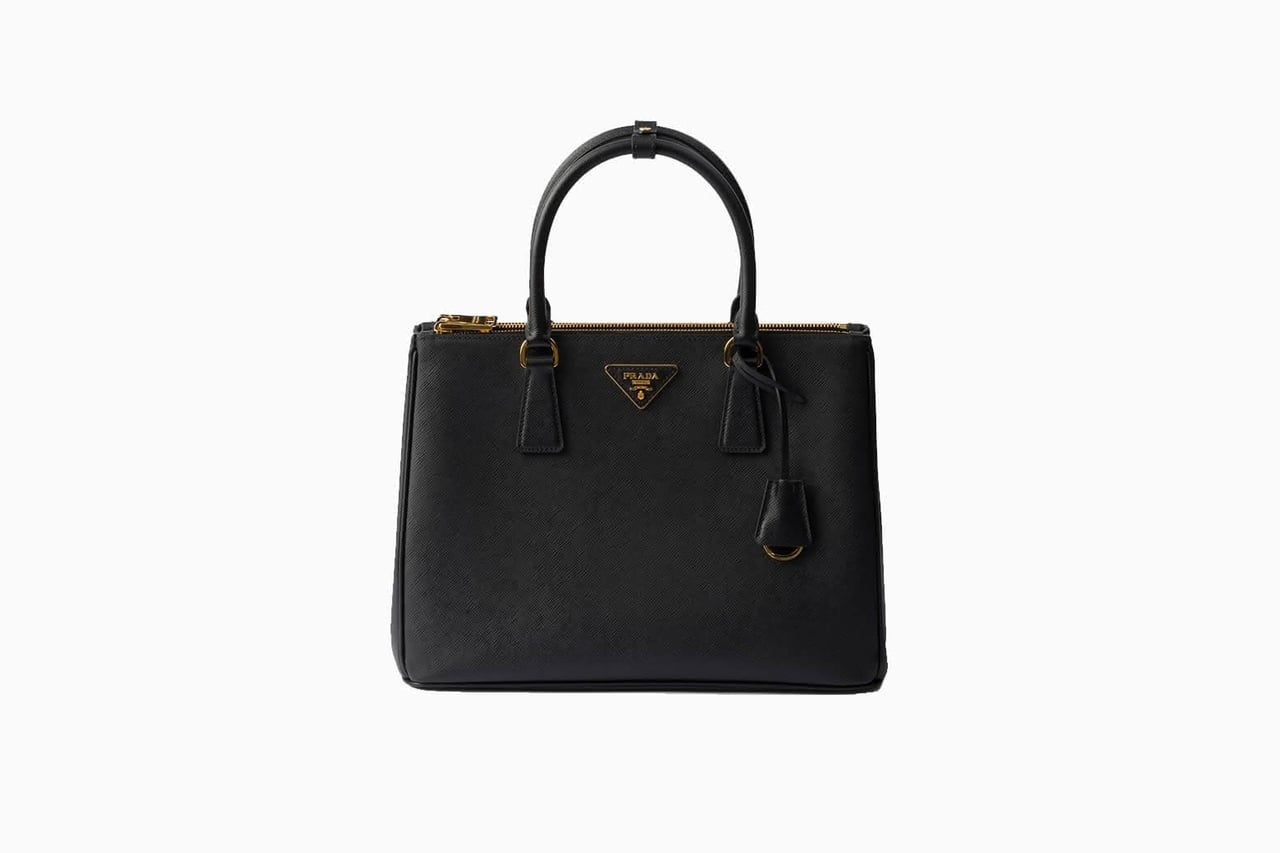
Released: 2007 Retail (medium): from ~$3,800 Aftercare: repair through Prada boutiques
In 1913, Mario Prada opened a leather goods shop inside Milan’s nineteenth-century Galleria Vittorio Emanuele II. It was the same shop where he would later perfect Saffiano — the cross-hatched, scratch-resistant leather that has remained Prada’s signature ever since. Nearly a century later, his granddaughter Miuccia designed a handbag in that same leather and gave it the address as its name.
The Galleria launched in 2007, in deliberate counterweight to the era’s logo-heavy “It bag” culture. There were no charms, no monograms, no embellishments — just a structured silhouette, two short top handles, and a small triangular plaque on the front bearing the Prada name in a font no larger than a coin. It was the most restrained luxury bag launched that year, and the one most likely to still look correct now.
The leather is the heart of the story. Saffiano is calfskin that has been embossed with that fine cross-hatched pattern and then waxed by hand, a process so labor-intensive that Prada is one of the only houses still producing it at scale. The finished material is highly scratch-resistant and nearly impervious to scuffing, which is why so many lawyers, executives, and academics adopted the Galleria as their working bag almost immediately. The interior is divided into three structured compartments, a quiet detail that almost no other top-handle bag offers, and one that turns the Galleria into a working object rather than a decorative one.
For the better part of two decades, the Galleria (one of the most popular Prada bags) has been carried by women running boardrooms, courtrooms, and lecture halls.
Honest cons: Saffiano shows water marks when soaked, and the wax finish can read as slightly synthetic in harsh light. Because the leather is so heavily treated, the Galleria doesn’t develop the patina that softer leathers do — it looks essentially the same in year ten as in year one, which some owners love and others find sterile.
Our verdict: the most professional bag on this list, and the strongest case for a single object that can carry you from a 9am board meeting to a 7pm dinner without ever needing to change a thing. Buy it in black Saffiano, in the medium size, and you will not need another working bag for years.
Conclusion
Thirteen bags, nine houses, nearly a century of design.
- Hermès Birkin
- Chanel Classic Flap (11.12)
- Hermès Kelly
- Louis Vuitton Neverfull
- Louis Vuitton Speedy
- Gucci Horsebit 1955
- Gucci Jackie 1961
- Lady Dior
- Dior Saddle
- Saint Laurent Le 5 à 7 Hobo
- Loewe Puzzle
- Fendi Baguette
- Prada Galleria
The point of a list like this isn’t to send you shopping — it’s to give you a frame for choosing the one or two that will earn their place in your life and stay there. Buy fewer. Keep longer.
Why you can trust Luxe Digital? We are industry insiders.
 We are industry insiders.
Luxe Digital is powered by the team behind mOOnshot digital, which has spent more than a decade working alongside some of the world’s finest luxury brands. That access gives us a privileged view of how luxury is actually made, marketed, and sold — and a healthy skepticism of the parts of the industry that mistake price for value.
Every recommendation on this site is filtered through our HAPPY framework — Honorable craftsmanship, Aesthetic design, Positive impact, Purpose, and Yielding value over time. And through a simpler editorial principle: we are not here to promote superfluous spending. We cover the few things worth inviting into our lives.
Products featured here are independently selected by our editors. If you buy through our retail links we may earn an affiliate commission — it never changes the price you pay, and it never decides our verdicts. Read our earnings disclaimer.