There’s nothing quite like popping a nice bottle of bubbly, from the popular Italian Prosecco to the Spanish Cava to the crème de la crème—French Champagne.
Festive and fancy, French Champagne has become the universal luxury drink of choice for celebrations and special occasions—anniversaries, birthdays, holidays—or just because. A good Champagne makes for a perfect sip thanks to its easy drinkability and food-friendly nature.
Playing a starring role in celebrating many of life’s triumphant moments, Champagne comes in various price ranges and styles.
With so many types of Champagne on the wine menu, picking the right gold standard sparkler can often be overwhelming. While Champagne is the most commonly known sparkling wine, not every sparkling wine is Champagne (more on this in a moment).
I only drink Champagne on two occasions, when I am in love and when I am not.
To help you find the ideal Champagne bottle for your special occasion, we uncork the best Champagne brands in the world that are sure to please every palate. From the best champagne under $100 to the most exceptional prestige cuvées and expensive champagne bottles, find the ultimate champagne list every tippler needs to know below.
In a rush? No problem! Here’s our selection of the best options available right now.
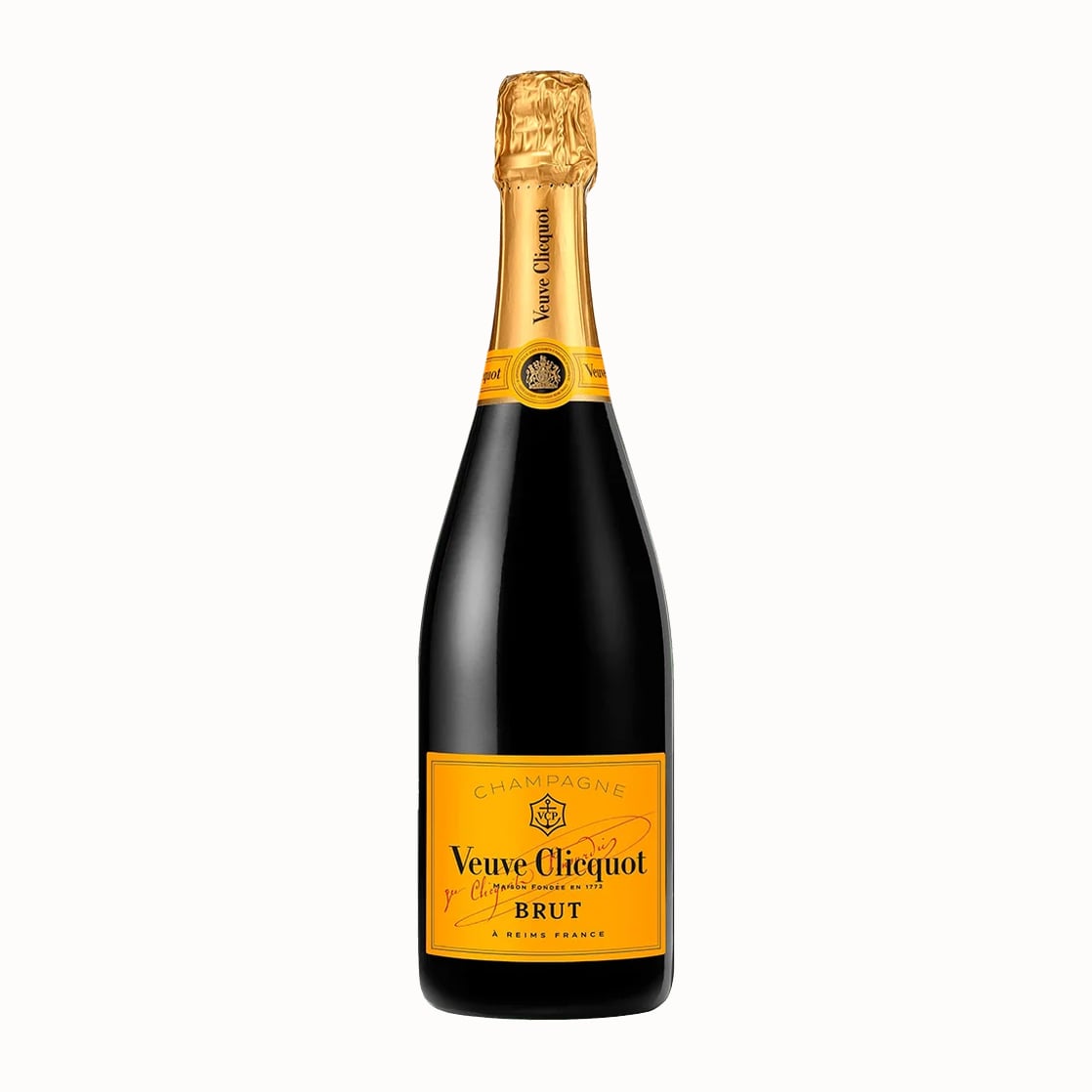
Veuve Clicquot Yellow Label Brut
Yellow Label comes from the Champagne house whose widow invented riddling.
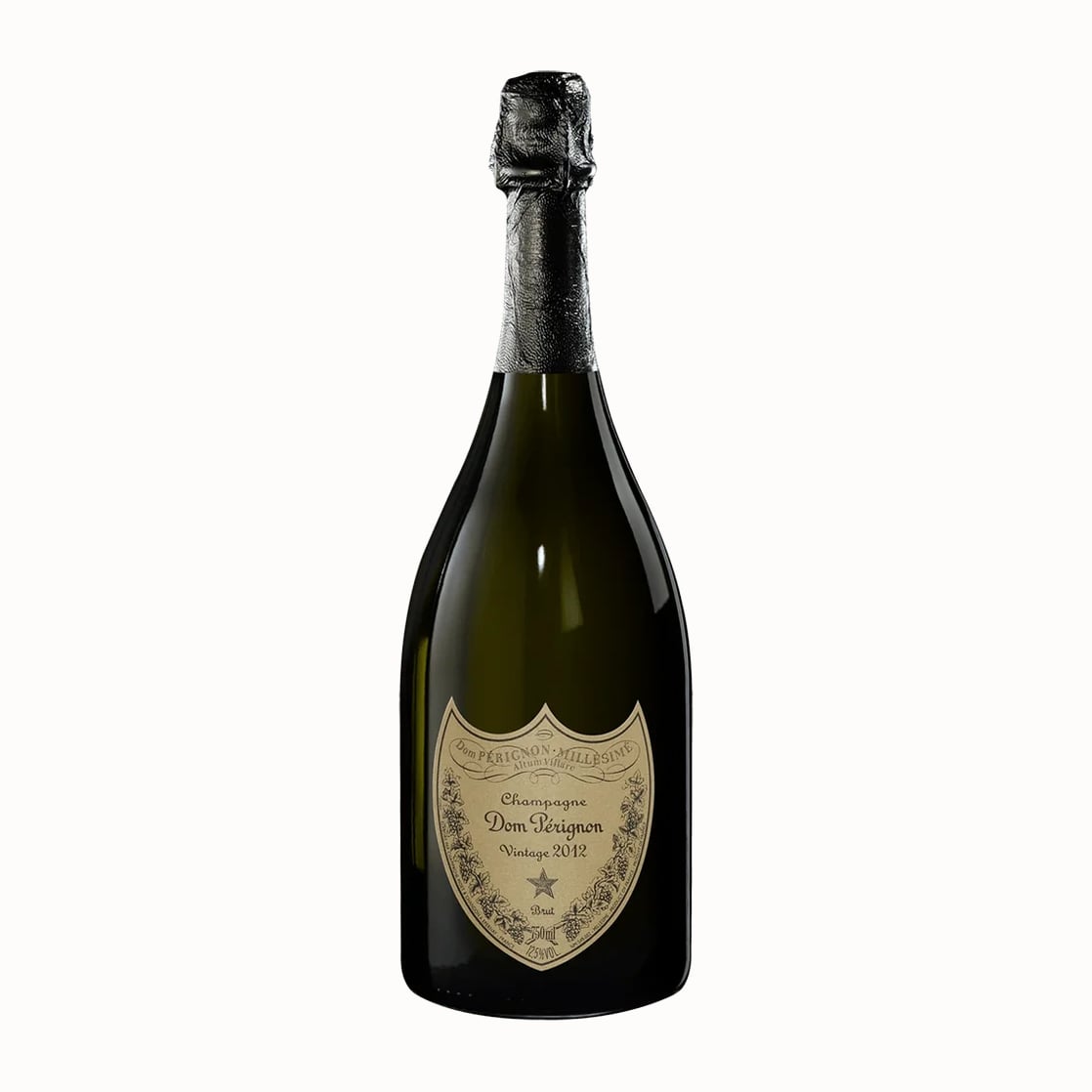
Dom Pérignon Vintage
Dom Pérignon's Vintage says everything it needs to without raising its voice.
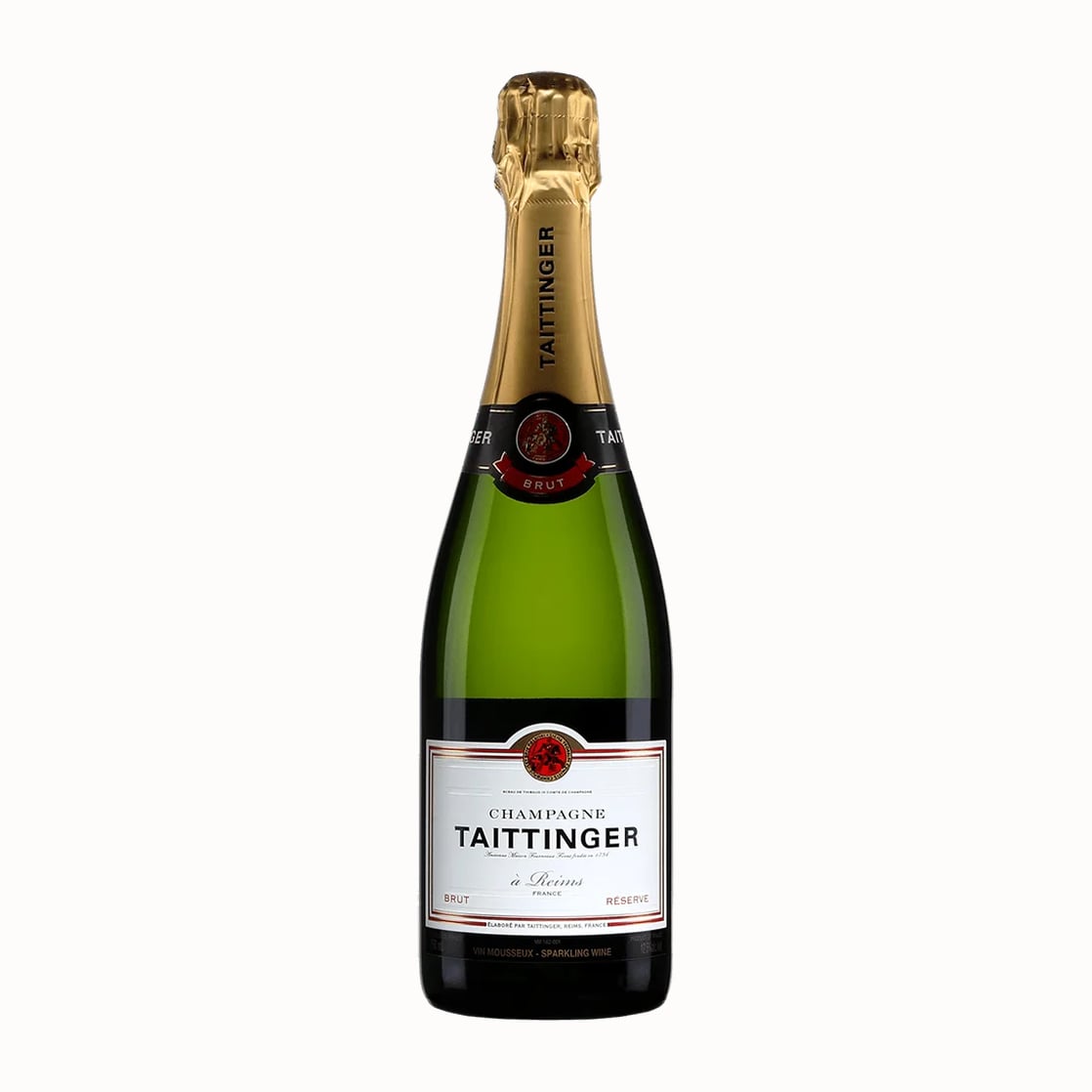
Taittinger Brut Réserve
Taittinger is still family-run, and its brut is light, elegant and balanced.
The 19 best Champagne in the world
| # | Brand | Best for |
|---|---|---|
| 1 | Moët & Chandon | Parties |
| 2 | Veuve Clicquot | Romantic moments |
| 3 | Dom Pérignon | Memorable gift |
| 4 | Nicolas Feuillatte | Family get-togethers |
| 5 | G.H. Mumm | Five-star dining |
| 6 | Laurent-Perrier | A-list events |
| 7 | Taittinger | Elegant toast |
| 8 | Krug | Connoisseurs |
| 9 | Pol Roger | High-society |
| 10 | Bollinger | Black-tie events |
| 11 | Armand de Brignac | Statement celebrations |
| 12 | Ruinart | Refined aperitifs |
| 13 | Pommery | Eco-friendly drink |
| 14 | Piper-Heidsieck | Red carpets |
| 15 | Louis Roederer | Landmark occasions |
| 16 | Perrier-Jouet | Proposals |
| 17 | Canard-Duchêne | Casual toast |
| 18 | Billecart-Salmon | Seafood feasts |
| 19 | Lanson | Classic aperitifs |
If you want to learn more about Champagne in general and what makes it so special, we’re explaining below what exactly is Champagne. We also have a helpful guide to show you how to serve Champagne properly and the answers to our readers’ most frequently asked questions about Champagne.
Moët & Chandon
A top Champagne that’s virtually everyone’s staple. Founded in 1743, Moët & Chandon is one of the most widely-known and beloved Champagne houses in the world—and for good reasons. With 1,200 hectares of vines—the most extensive vineyards in France’s Champagne region—Moët & Chandon blends heritage with Savoir-Fête (celebration know-how) for events that are 100% glamorous.
(The popular Champagne brand is so sought-after that we’re maintaining an up-to-date list of Moët & Chandon’s prices if you want to see all the options available today.)
Best for: weddings, bridal showers, engagement celebrations, party favors, and brunch parties.

Moët & Chandon Imperial Brut
Alluring and ever-sophisticated, Moët Imperial is perhaps the bestselling Champagne in the world. The House’s most iconic Champagne, Moët Impérial has toasted Hollywood’s brightest superstars and played a starring role on-screen in some of the most memorable movies, from Pretty Woman to The Great Gatsby.

Moët & Chandon Rosé Impérial
The radiant pink Rosé Impérial is a romantic expression of the Moët & Chandon style. The perfect wedding Champagne for boho-chic dos and happily ever afters.
Veuve Clicquot
One of the world’s most recognized Champagne brands with its iconic, unmistakable yellow-orange label, Maison Veuve Clicquot, has been producing luxury champagnes since 1772. Veuve Clicquot is loved for its rich and toasty flavors—and highly instagrammable qualities. Always in fashion, Veuve Clicquot commands attention and bespeaks your of-the-moment style.
(If you want to learn more about this fan-favorite Champagne brand, check out our Veuve Clicquot review.)
Best for: meaningful festivities and a romantic picnic in the park.

Veuve Clicquot Yellow Label Brut
Instantly recognizable, Veuve Clicquot’s beloved signature Brut Yellow Label is a complex golden-yellow Champagne with a bright personality and impeccable winemaking credentials—perfectly balancing strength and silkiness, freshness and aromatic intensity.

Veuve Clicquot Rose
Elegant and deliciously fruity, Veuve Clicquot’s Rosé is the sort of pink fizz that can be opened at any time of day with little thought. It has all the freshness of the Champagne brand’s classic bottle but fills the palate with a coppery burst of juicy ripe strawberries and cherries.
Dom Pérignon
More exclusive, Dom Pérignon is the prestige cuvée of Champagne House Moët & Chandon. Dom Pérignon is named after a Benedictine monk considered by many to be the spiritual father of Champagne. (*According to him, Champagne is like ‘tasting the stars’—an out-of-this-world summary that seems pretty accurate even to this day). A French classic, Dom Pérignon is the most famous brand of vintage Champagne (meaning: produced using the best grapes grown in a single year) in the world. Dom Pérignon is a favorite of royalties and celebrities alike. Memorably, Dom Pérignon was the Champagne of choice for the royal wedding of Lady Diana to Prince Charles.
(Check out our full list of Dom Perignon bottles and prices for more about this well-respected Champagne brand.)
Best for: gifts (weddings, Valentine’s Day, special anniversaries, or milestone achievements).
Come quickly, I am tasting the stars!

Dom Pérignon Vintage
Looking for a bottle of exceptional Champagne that screams class, bold confidence, and French luxury? Dom Pérignon’s Vintage is the obvious choice, with its streamlined minimalism and expressive warmth sure to impress even the finest palates.
With its rich, fruity tones and magnetic energy, this vibrant Dom Pérignon rosé Champagne has an underlying freshness and acidity that make any day you open this gracious bottle of bubbly a reason alone to celebrate.
Nicolas Feuillatte
With its contemporary packaging and good value blends, Nicolas Feuillatte is one of the bestselling Champagne brands in France.
Unlike most of the world’s beloved, centuries-old champagnes, Nicolas Feuillatte is a relatively young Champagne brand—the blue label was founded in 1976. Nicolas Feuillatte Champagne bottles are both approachable and affordable.
Best for: family get-togethers.

Nicolas Feuillatte Brut Réserve
Looking for the best champagne under $50? Your search ends here. Pale yellow in color and refined in taste, Nicolas Feuillate Brut Réserve is a light, lovely balanced Champagne that promises an easy-going sip.
G.H. Mumm
Established in Reims in 1827, the Champagne House G.H. Mumm and its iconic red ribbon—an embodiment of the House’s heritage—are considered by many to be the quintessential gastronomy Champagne, found at the tables of the finest chefs. But beyond its longstanding relationship with haute cuisine, Mumm was also famous for its regular appearances on Formula 1 podiums and its penchant for sponsoring luxury sporting events.
Best for: five-star dining and racing events.

G.H. Mumm Brut Grand Cordon
Calling out all racing fans and luxury foodies: if you are looking for a characterful Brut Champagne to evoke the exhilaration of life’s most unforgettable moments, this is your golden ticket. Need more convincing? Mumm’s motto says everything you need to know: “Only the Best”.
Laurent-Perrier
If you believe celebrating is a sincere business, Laurent-Perrier is your Champagne. Founded in 1812, Laurent-Perrier is one of France’s most famous Champagne houses and synonymous with an art de vivre à la française. With its smart and sleek design and signature Chardonnay-dominant house style, Maison Laurent-Perrier is known for its finesse, lightness, and elegance. Laurent-Perrier is a low-calorie Champagne brand that tastes wonderful, no wonder this is a sparkling favorite amongst fashion A-listers.
Best for: A-list aperitifs and corporate functions.

Laurent-Perrier Ultra Brut
Airy and delicate, with no added sugar and only 65 calories per glass (the average for Champagne is 95), Laurent-Perrier Ultra Brut is a light-hearted way to celebrate.
Taittinger
One of the few Champagne houses still owned and managed by the family whose name is on the label, Taittinger is one of the best Champagne for the money. The hallmark of Taittinger Champagnes is the high percentage of Chardonnay, delivering elegance and finesse on the nose and palate.
Best for: oysters and elegant toasts.

Taittinger La Française Brut
Looking for a classic Champagne that is light, elegant, and balanced? Your search ends here. This crisp bottle is calling out to be paired with fresh seafood—Champagne and oysters, anyone?
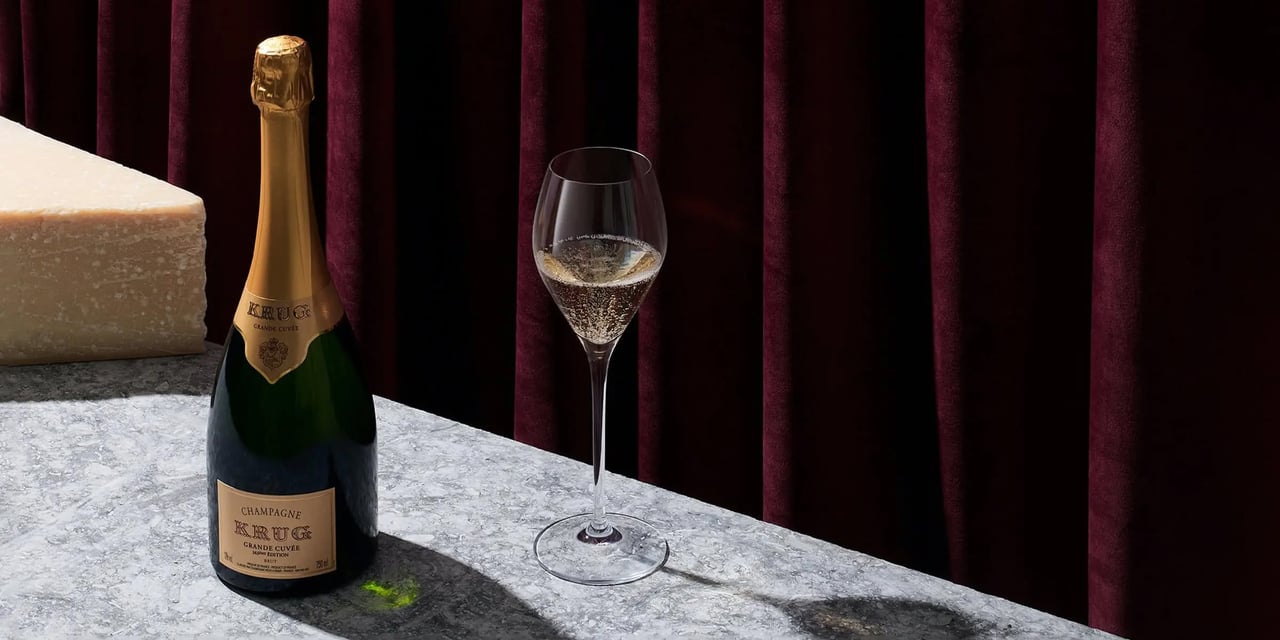
Krug
One of the Grandes Marques of Champagne, Krug is sometimes described as the Rolls-Royce of Champagne or the Grande Dame of Champagne—Elegance personified. Krug has a bold, rich taste profile that screams power. Krug’s exceptional full-bodied champagnes are a favorite of sommeliers and discerning palates.
Best for: Champagne connoisseurs.

Krug Grande Cuvee Brut
Made with a blend of over 120 different wines from over 10 different years, Krug Grande Cuvée clearly is the most generous expression of Champagne.
Pol Roger
If you want to celebrate like a royal, Pol Roger it is. Pol Roger held a Royal Warrant as a Champagne supplier to the late Queen Elizabeth II and was the official Champagne of William and Kate’s wedding as well as Harry and Meghan’s. Pol Roger is also renowned for having been a favorite of Sir Winston Churchill whose famous words about Champagne—“In victory, deserve it. In defeat, need it!”—are quoted on the label of the prestige Cuvée Sir Winston Churchill.
Best for: royal aperitifs.

Pol Roger Brut Reserve NV
Equal parts Chardonnay, Pinot Noir, Pinot Meunier—the three Champenois grape varieties—this is a Royal-approved Champagne for all occasions.
Bollinger
The gentleman’s choice for Champagne. Even though British secret service agent James Bond has chosen other champagnes in the past, presently Bollinger—nicknamed ‘Bolly’ by devotees—is now the 007 go-to bubbly.
Produced with a blend made primarily of Pinot Noir, Bollinger Champagne is well-known for its full-bodied style and complexity.
Best for: black-tie events and celebratory afternoon tea.

Bollinger Special Cuvée
A Special Cuvée worthy of the best special agent in the world. Its name is B…Bollinger. This is a truly exquisite Champagne to be shared among friends, be it at an afternoon high-tea or a black-tie event. Well, if it’s good enough for James Bond.
Armand de Brignac (Ace of Spades)
Jay-Z’s hyped Champagne brand Armand de Brignac (better known as Ace of Spades) is quite possibly the world’s most popular non-vintage Champagne. Synonymous with supreme luxury, Armand de Brignac’s Ace of Spades is a staple at very fancy bars, clubs, and restaurants around the world—A party Champagne par excellence. Armand de Brignac is produced by the Cattier Champagne House.
Best for: very fancy, late-night parties.

Ace of Spades Brut Gold
A gold bottle, inside and out. Ace of Spades Brut Gold is a layered and complex prestige cuvée with celebrity status.
Ruinart
A classic Champagne brand for sophisticated palates. Founded in 1729, Ruinart is the oldest Champagne house in the world; it is now owned by LVMH.
Ruinart was also the first house to produce rosé Champagne in 1764—think great Burgundy with bubbles.
Best for: sophisticated aperitifs and boutique events.

Ruinart Brut Blanc de Blancs
A 100% Chardonnay Champagne, Ruinart Blanc de Blancs is intensely aromatic and fresh. Perfect for al fresco aperitifs.

Ruinart Brut Rose
A delicious, fresh, and elegant champagne from the brand that produced the first Rosé champagne over 250 years ago. In short: Ruinart Brut Rose is pink perfection.
Pommery
Founded in 1858, Pommery is a well-respected Champagne producer, known for its continuous innovation. Pommery introduced the Brut category onto the Champagne scene and is also known as the creator of the world’s first eco-responsible Champagne. Finesse and cheery lightness are the backbones of the Pommery style.
Best for: eco-friendly receptions or a Champagne breakfast.

Pommery Brut Royal
Lively and fresh, Pommery Brut Royal makes brunch—or anytime—a cheerful moment.
Piper-Heidsieck
Also known as “the red label”, Piper-Heidsieck is one of the most iconic Champagne, famous at red carpet events like the Cannes Film Festival. A timeless classic, Piper-Heidsieck, is a favorite among luxury lifestyle brands. Perhaps it has something to do with the fact that the Champagne house began as an attempt to impress Queen Marie Antoinette or that it was the Champagne brand of choice for Marilyn Monroe.
Best for: red carpet, arts, and cultural events.

Piper-Heidsieck Cuvee Brut
Think of it as your toasted, freshly-baked French brioche topped with fresh fruits in Champagne form.
Louis Roederer (Cristal)
Founded in 1776, Champagne house Louis Roederer is one of the best-regarded Champagne producers. Louis Roederer has a long and storied history, from tsars to hip-hop stars.
Cristal is Louis Roederer’s most well-known Champagne. Originally crafted in 1876 to suit the tastes of Tsar Alexander II of Russia, Cristal by Louis Roederer has earned rave reviews for its full-bodied, opulent, and seductive Champagne. Cristal Champagne is only produced in the best vintages.
Best for: coveted events and lavish soirées.

Louis Roederer Cristal Vintage
A pure expression of pleasure and fine cuisine, Cristal is a vintage Champagne that is both delicate and powerful, subtle and precise.
Perrier-Jouet
A favorite bubbly of Europe’s finest since 1811 (from Baudelaire to Princess Grace of Monaco), Perrier-Jouët champagnes are floral and intricate. Perrier-Jouët has a close connection to the art scene. The iconic hand-painted floral design of Perrier-Jouët flagship bottles hints at your artistic flair. Perrier Jouët’s romantic heritage and refined elegance make it a perfect love story companion, too.
Best for: proposals, parties, or artsy events.

Perrier-Jouet Grand Brut NV
Just like your favorite decadent dessert, with this Champagne, the answer is always yes.
A wonderfully rounded, generous champagne, Perrier-Jouët Grand Brut makes every moment more joyful.
Canard-Duchêne
The best value Champagne for epicureans. Born from a wine lover’s fairy tale, Canard-Duchêne is a well-respected Champagne brand that is both affordable and delicious.
The noble varietal of the Pinot Noir grape creates the quintessence of Canard-Duchêne’s style: refined champagnes full of character, freshness, and finesse.
Best for: celebratory toasts and casual apéritifs.

Canard-Duchêne Authentic Brut
A spontaneous occasion on the horizon? Canard-Duchene it is. Champagne under $50 with notes of fruit coupled with hints of buttery brioche, need we say more?
Billecart-Salmon
Founded in 1818, Billecart-Salmon is one of the rare Champagne houses to be still owned by the original family. Informed by two centuries of family wisdom, Billecart-Salmon produces exquisite Champagne to suit the finest palate.
Best for: seafood feasts and romantic aperitifs.

Billecart-Salmon Brut Rosé
Light and elegant, Billecart-Salmon Brut Rosé is a pleasant companion to seafood dishes and romantic aperitifs.
Lanson
Lanson is one of Champagne’s oldest houses. Faithful to its rich heritage, Lanson has been producing some of the world’s finest champagnes since 1760, using traditional techniques. Famously non-malolactic, Lanson champagnes are fresh, crisp, fruity, and elegant.
Best for: classic aperitifs.

Lanson Black Label Brut
Effortlessly balancing vitality and finesse, freshness, and elegance, Lanson Black Label Brut is like the perfect Little Black Dress in Champagne form: timeless and always in fashion.
How to serve Champagne
Champagne is best served cool (not ice-cold), ideally between 8 and 10°C. Once you’re ready to enjoy your Champagne, fill an ice bucket for 15-20 minutes with ice and one-third water. The best glasses to serve Champagne are flute or tulip-shaped glasses (the latest being the favorite among many Champagne houses and sommeliers), which help accentuate the aromas and direct bubbles upwards.

What exactly is Champagne?
Champagne, by definition, is a sparkling wine produced (grown, fermented, and bottled) exclusively in the eponymous Champagne region in the north of France. The Champagne region is centered around three main towns, namely Reims, Épernay, and Aÿ.
To earn the right to call itself Champagne, a bottle of bubbly must also meet the Appellation d’Origine Controlée or AOC standards.
Strictly speaking, if it’s a bubbly wine from another region (even though it can be made with the Méthode Champenoise), it’s a sparkling wine, not Champagne—the name Champagne is protected by EU law. Note that some American and British sparkling wines use the word champagne (with a lowercase “c”) to denote a sparkling wine that is similar to Champagne, but not from the Champagne region.
All Champagne is sparkling wine, but not all sparkling wine is Champagne
Even French sparkling wines from other regions in France are not technically Champagne but are labeled as Cremant. Sparkling wines from other parts of the world are simply labeled sparkling wine. Prosecco from Italy, Cava from Spain, and Sekt from Austria and Germany are some of the most popular sparkling wines.
Generally speaking, however, for many people, champagne is just synonymous with sparkling wine.
Grape varietals
Real Champagne must be produced with approved grape varietals: Pinot Noir (black grape), Pinot Meunier (black grape), and Chardonnay (white grape) being by far the most commonly used grapes in champagnes. Other approved grapes include Pinot Blanc, Pinot Gris, Petit Meslier, and Arbane.
Types of Champagne
The primary types of Champagne are Blanc de Blancs, Blanc de Noirs, and Rosé, indicating the varieties and the colors of the grapes used.
Blanc de Blancs means the champagne is made using 100% Chardonnay; its light and dry taste make this type of Champagne a popular choice for apértifs.
Blanc de Noirs are white champagnes made from the black grape varieties of Pinot Noir and Pinot Meunier. Blanc de Noirs Champagnes tend to be richer and full-bodied.
Pink or Rosé champagnes are produced by adding a small amount of Pinot Noir (traditional method) or by pressing the grape skins (maceration method).
Vintage vs Non-Vintage Champagne
Most champagnes are non-vintage (NV), meaning they are made from a blend of wines made from grapes from different years, as opposed to one year’s harvest for vintage (V) or millesimé Champagne (with the year indicated on the label).
Vintage Champagnes typically reflect the qualities of a single year. Each Champagne house decides whether it will produce a Vintage Champagne in any given year. Non-Vintage Champagnes, on the other hand, reflect a signature house style that tastes consistent year after year.
Dosage: Sweetness levels in Champagne
The addition of sugar in Champagne is called dosage. Champagnes range from Zero Dosage or Brut Nature (no added sugar), through to Extra-Brut, Brut, Extra-Dry, Sec, Demi-Sec, and Doux (containing 50 grams or more of sugar per liter). The most popular Champagne are Extra-Brut, Brut, and Demi-Sec. If you are looking for the best sweet champagnes, you should opt for champagnes labeled as Doux (the sweetest classification) like Veuve Clicquot Rich Blanc.
Which Champagne has less sugar?
When it comes to Champagne with the lowest sugar content, opt for Brut or Extra Brut, or better even Brut Nature / Brut Zero (no added sugar).
| Dosage | Residual Sugar |
|---|---|
| Brut Nature | 0-3g/L |
| Extra Brut | 0-6g/L |
| Brut | 0-12g/L |
| Extra Dry | 12-17g/L |
| Dry | 17-32g/L |
| Demi Sec | 32-50g/L |
| Doux | 50+g/L |
What is Prestige Cuvée Champagne?
A Champagne House’s prestige cuvées (or Têtes de Cuvée in French) are the best-of-the-best Champagne, typically made from the finest grapes in Champagne’s best vineyards.
Prestige Cuvée champagnes are often considered the Champagne house’s pinnacle of achievement. Prestige cuvées often have their own names.
The most popular prestige cuvée are:
- Dom Pérignon, Moët & Chandon
- Cristal, Louis Roederer
- Comtes de Champagne, Taittinger (‘Probably the finest Champagne in the world’, according to James Bond in Casino Royale)
- RSRV Cuvée Lalou, G.H. Mumm
- La Grande Dame, Veuve Clicquot
- Dom Ruinart, Ruinart
- Sir Winston Churchill, Pol Roger
- Palmes d’Or, Nicolas Feuillatte

What is the best Champagne for mimosas?
Using the Moëts and the Bollingers of the world for mimosas (aka the quintessential brunch cocktail) can be considered sacrilegious by some, indulgent by others.
Many fizz enthusiasts will agree on this, however: the best Champagne for mimosas (or any Champagne cocktails for that matter) isn’t necessarily genuine Champagne—Instead, opt for more affordable dry sparkling wines such as Spanish Cava, Italian Prosecco or French Cremant. These fresh, fruity styles of bubbly mix well with juice.
What is the most expensive brand of champagne?
The usual answer is Goût de Diamants’ Taste of Diamonds, a one-off bottle made to order for a private client and priced by its makers at £1.2 million, or roughly $1.8 million. Treat that as the maker’s own claim rather than an auction result, because the bottle was never publicly sold.
What justifies the number is the packaging as much as the wine. Designer Alexander Amosu handcrafted the label in solid white gold and set a single deep-cut white diamond at its center. Inside is a Grand Cru blend from the Chapuy family’s cellars.
Frequently asked questions about Champagne
What is not champagne?
What is the difference between Champagne and sparkling wine?
What is the difference between Champagne and Cremant?
Is real champagne only from France?
What does Cuvee Champagne mean?
Is Prosecco champagne?
What is grower Champagne?
Products featured here are independently selected by our editors. If you buy through our retail links we may earn an affiliate commission — it never changes the price you pay, and it never decides our verdicts. Read our earnings disclaimer.