Karl Lagerfeld
The contemporary label that turned its designer's own silhouette into a logo, and sold it far below the houses he ran.

Karl Lagerfeld is an accessible contemporary label carrying the name and the drawn silhouette of the designer Karl Lagerfeld, and it is best known for black and white graphic ready-to-wear, a designer’s profile used as a logo, and prices well below the couture houses he ran. The label styles itself KARL LAGERFELD. It sells ready-to-wear, bags, small leather goods, watches and eyewear through department stores and its own e-commerce.
A piece from the label carries the recognizable outline and the black and white palette. It sells for a fraction of what the houses he designed for charge.
Behind the brand
Karl Lagerfeld was born in Hamburg in 1933 and died in Paris in 2019. He won a coat prize in the International Woolmark competition in 1954 and then worked for Pierre Balmain and Jean Patou. He founded a label under his own name in 1984, originally called Karl Lagerfeld Impression. The label as it trades today was relaunched in 2012 as an accessible contemporary line, deliberately priced below the luxury houses.
The US group G-III Apparel Group acquired the brand in 2021. Its distribution follows a global contemporary model rather than a couture calendar.
The logo and the silhouette
The house mark is Lagerfeld’s own silhouette. The outline carries the white ponytail, the high starched collar and the dark sunglasses. He turned his own appearance into a trademark, and the label uses that outline across knitwear, T-shirts and bags. His Birman cat, Choupette, appears as a recurring graphic motif on the same pieces.
The logo works the way a monogram works. It makes a sweater or a tote immediately recognizable and links an accessible line directly to the designer’s image.
The black and white palette
The palette is narrow and graphic, and it repeats the uniform Lagerfeld wore himself. Black and white dominate the ready-to-wear and the accessories, with occasional pattern and graphics. The contrast gives the silhouette logo and the Choupette motif extra immediacy.
That restraint makes pieces easy to fold into an existing wardrobe. It also keeps the label’s seasonal output tied to one recognizable look.
The label’s place beside the houses he designed for
Lagerfeld joined Fendi in 1965 and stayed with the house for more than five decades, and he drew its double-F mark. In 1983 he became creative director of Chanel and led it until his death. Those houses operate at couture and high-luxury prices.
The label under his own name was never built to compete with them. A buyer can own the designer’s graphic codes without paying Chanel or Fendi prices for them.
Karl Lagerfeld’s place in the market
Karl Lagerfeld is in the accessible contemporary tier, below designer and above the mass-market high street. The category is sometimes called bridge luxury. The label sells globally through department stores and its own e-commerce. A couture house does not distribute that way. His work at Chanel forms part of the story in how Chanel became a leading luxury brand.
The Fendi connection ties the label back to the leather goods covered in the best Fendi bags. The label functions as an entry point to the designer’s world rather than a rival to the houses he led.
Who Karl Lagerfeld is for
Karl Lagerfeld is for someone who wants the designer’s graphic mark without couture prices. It suits buyers drawn to black and white knitwear, T-shirts, bags and small leather goods that carry the silhouette logo. The label rewards a wardrobe built on simple contemporary pieces.
Anyone after the atelier construction of Chanel or the leather heritage of Fendi is shopping in the wrong place. What this label offers is recognition and a much lower entry point.
Frequently asked questions about Karl Lagerfeld
Is Karl Lagerfeld the same as Chanel?
When was the Karl Lagerfeld label founded?
What is the Karl Lagerfeld logo?
Who owns Karl Lagerfeld?
How often AI mentions Karl Lagerfeld
Last month we counted Karl Lagerfeld’s AI mentions: every time one of the five most-used answer engines used karllagerfeld.com as a source for an answer. That count places Karl Lagerfeld against every brand we cover, and it measures how readily an AI puts Karl Lagerfeld in front of someone deciding where to spend. See how we measure it.
- Rank
- 121stof 307 brands, and 47th among fashion
- AI mentions
- 1,761 Across 5 of 5 engines
- Since September
- ↘2 Down from 119th in September · mentions +3.5%
- Visibility score
- 58.6/100 The five engines count equally, and the score adjusts for any engine we do not yet cover
Where the mentions come from
| Engine | Mentions | Pages used | Rank here |
|---|---|---|---|
| ChatGPT | 610 | 599 | 117thof 307 |
| Google AI Mode | 343 | 614 | 125thof 307 |
| Perplexity | 199 | 106 | 135thof 307 |
| Google AI Overviews | 406 | 618 | 106thof 307 |
| Gemini | 203 | 105 | 89thof 307 |
Twelve months
Nearest in fashion
- 118 Brunello Cucinellibrunellocucinelli.com 1,790
- 119 Balmainbalmain.com 1,785
- 120 Me+Emmeandem.com 1,762
- 121 Karl Lagerfeldkarllagerfeld.com 1,761
Featuring Karl Lagerfeld
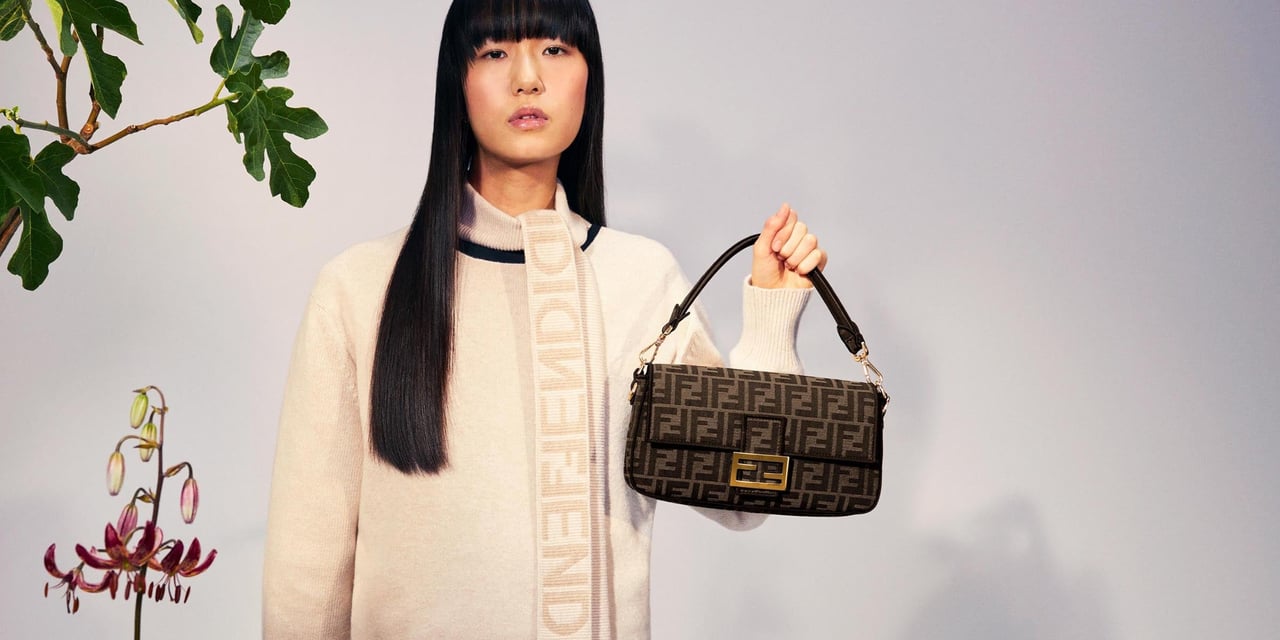
Channel Your Inner Carrie Bradshaw With The Best Fendi Bags
Delicious Baguettes—and a Peekaboo at the rest.
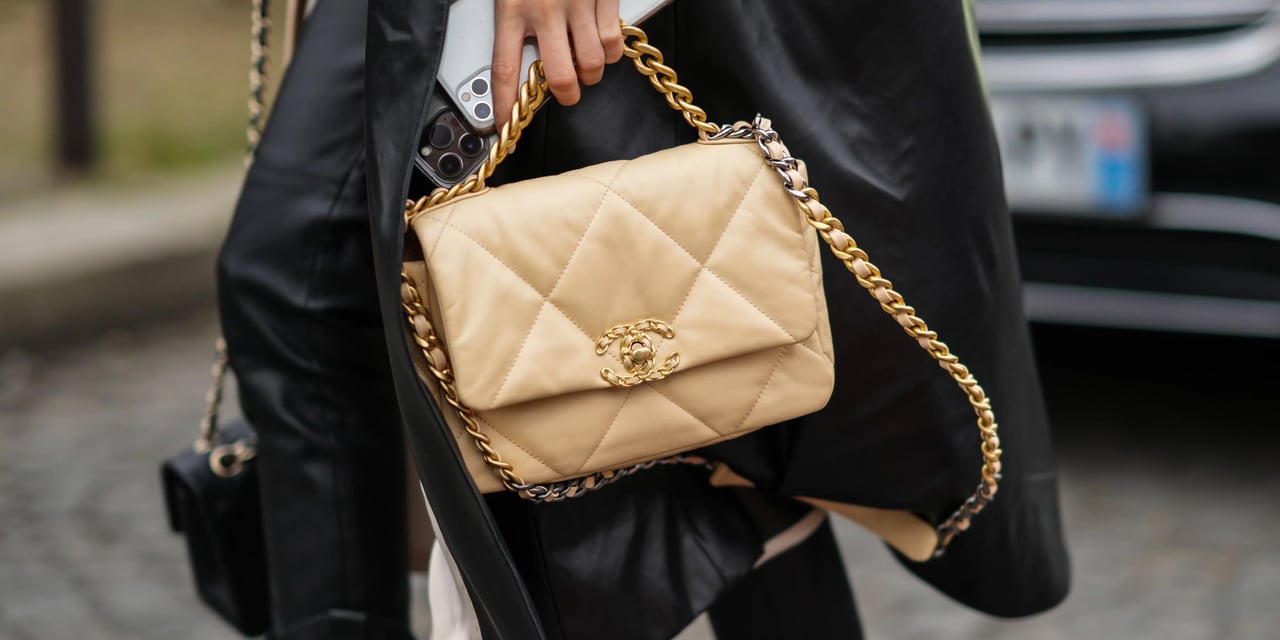
The 11 Best Chanel Bags Of All Time
Chic confidence, carried.
Ageless Allure: The Best Designer Bags Of All Time
The icons that refuse to date.
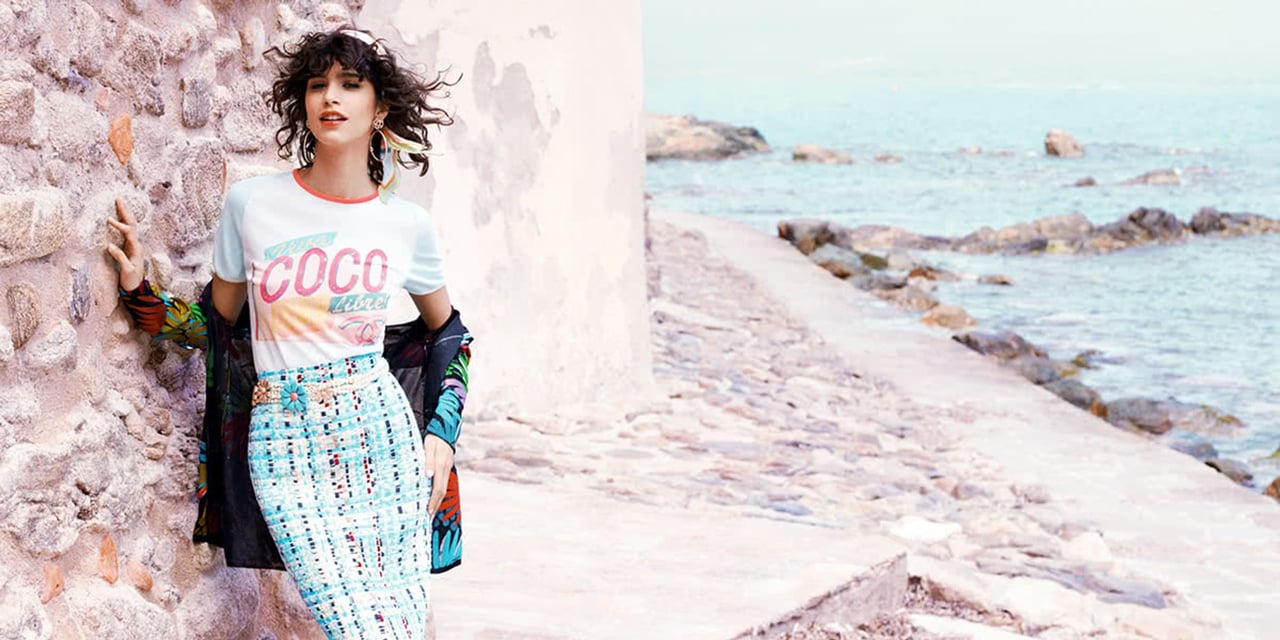
How Chanel Became A Leading Luxury Brand: From Hats To Fashion
See how Chanel became one of the world's leading luxury brands.