
Vacheron Constantin and the Metropolitan Museum of Art have unveiled the works created by the three artists chosen for their Artisan Residency Programme. The pieces were shown earlier this month at the Met, marking the close of a collaboration launched in May 2025 as an 18-month residency.
The programme is the Swiss watchmaker's third such museum partnership. It follows an arrangement with the Louvre dating to 2019 and one with the Palace Museum in Beijing established in 2024. Vacheron Constantin, one of the oldest names in haute horlogerie, is known for its métiers d'art craft.
The stated purpose is to pass on, preserve and reinterpret traditional craft techniques. Each artist spent considerable time at both the Met and the Vacheron Constantin Manufacture in Geneva, then used those experiences as the starting point for their own work.
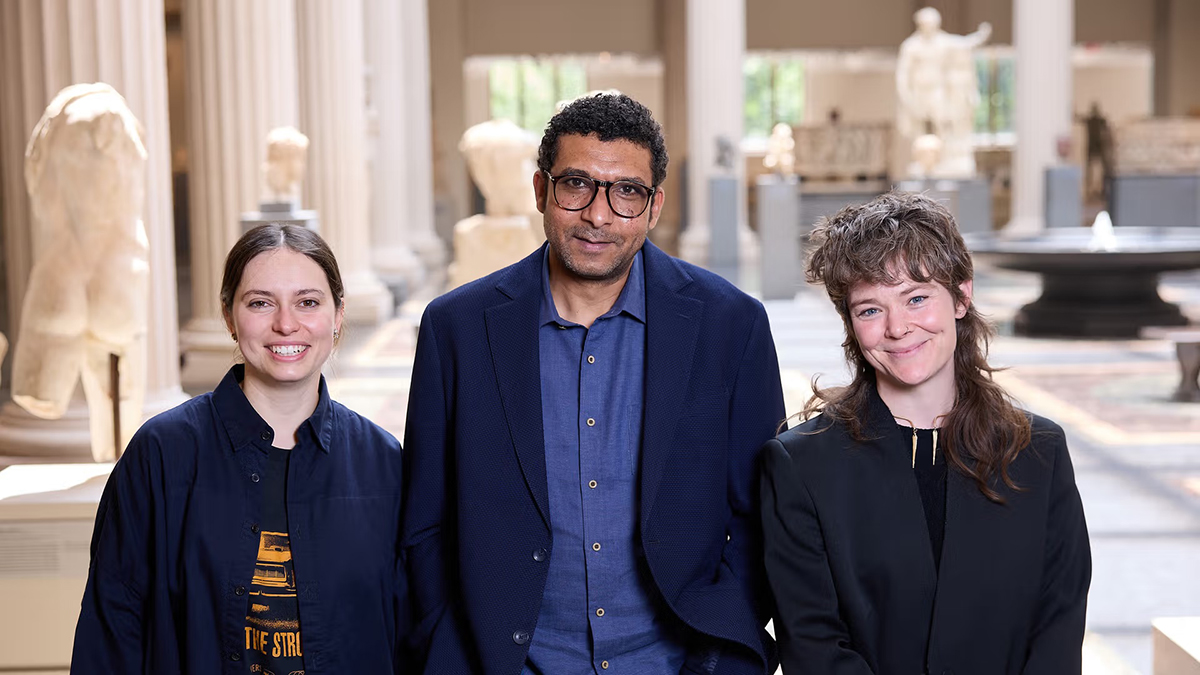
The three artists are Aspen Golann, Ibrahim Said and Joy Harvey. Their finished pieces draw on objects from the Met's collection while also absorbing the techniques they studied alongside artisans in Geneva, bridging museum conservation and contemporary making.
The three works
Aspen Golann produced Vessel, a monumental wooden container decorated with nature motifs carved in bas relief. Her inspiration came from a series of 17th-to-19th-century wooden chests from Connecticut and Pennsylvania, examples of a neoclassical New England style held in the Met's collection.
At the Manufacture she worked with the house's artisans on enameling and engraving techniques, skills she then folded back into the carving. The scale of the work sets it apart from the period chests that prompted it, translating joinery and ornament into a single statement piece.
Ibrahim Said's contribution, Shaping Time, is a three-tiered vertical sculpture. It carries relief carvings, piercings and glazed surfaces that reference ancient Egyptian and Islamic objects in the Met's collection, drawing a line from those cultures' decorative traditions to the present.
Alongside enameling and engraving, Said worked with the artisans on lacquer painting during his time in Geneva. The combined glazing and piercing gives the sculpture a depth of surface that plays with light, a technique shared by the watchmaker's own dial-making workshops.
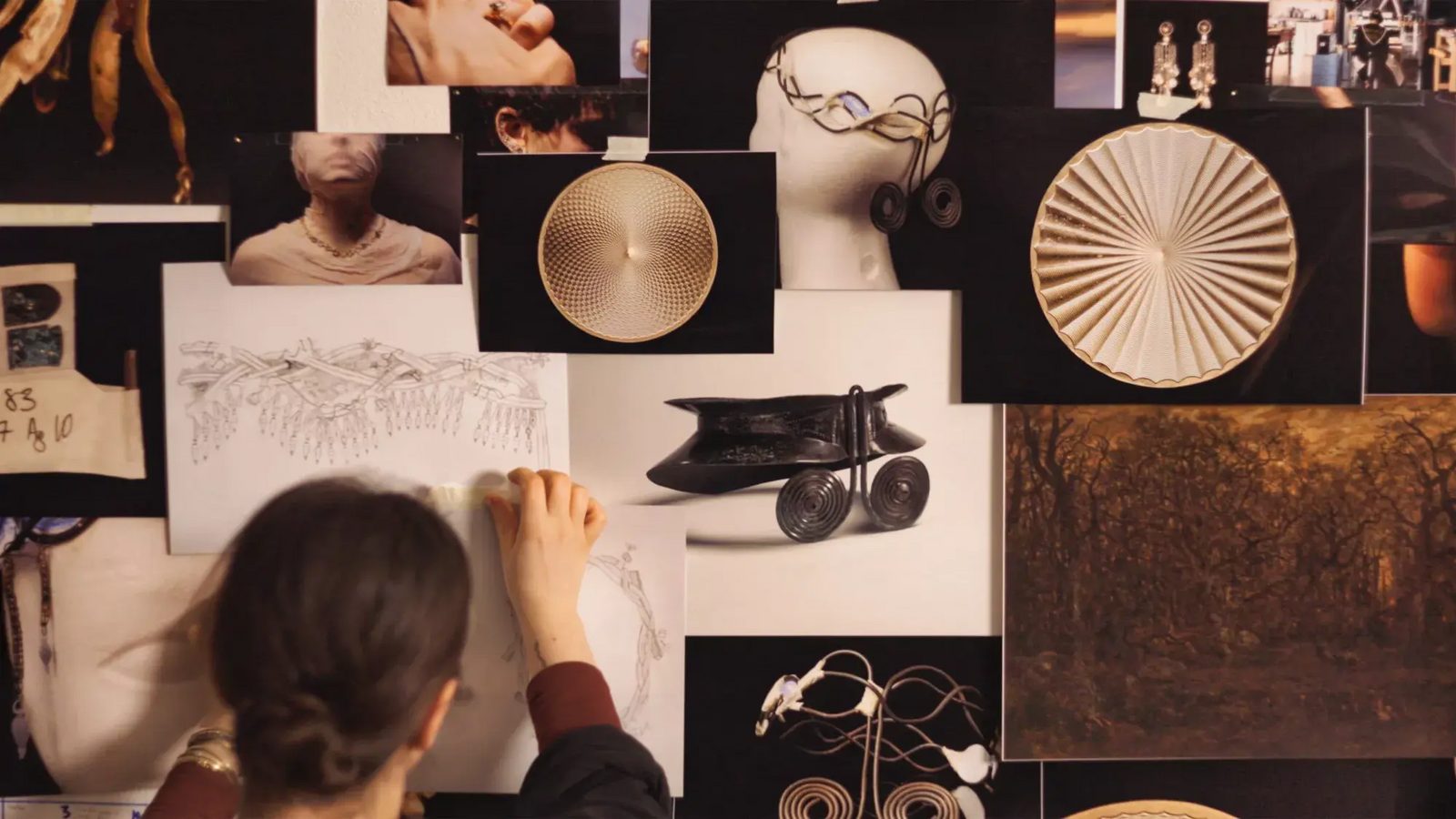
Joy Harvey's Ruined splendour is a bronze diadem made of forged rhomboid bronze interlaced with panels. Those panels were inspired by the fine filigree seen on ancient Greek necklaces, and the completed piece was pierced with rods to create what the artist calls its ruination.
Harvey drew on ancient jewelry in the Met collection from Greece, India and China, then spent time at the Manufacture learning guillochage, the technique of engraving intricate leaf and flower patterns onto metal. That skill is central to Vacheron Constantin's guilloché dials.
Guillochage is among the signature crafts of the maison's Métiers d'Art collections, where engraving, enameling and gem-setting combine with mechanical watchmaking. The three artists each left Geneva having absorbed one or more of the disciplines the house has practiced for over two centuries.
Why the partnership matters
Met CEO Max Hollein called the programme "a collaborative initiative that embodies our mutual commitment to supporting artistic innovation and cultural dialogue." The museum pairing a watchmaker with working artists marks a deliberate extension of craft patronage beyond the display cases.
For Vacheron Constantin, the residency situates the watchmaker's craft inside an institution whose collection spans five thousand years. The Met's holdings are where each artist's source material lives, so the finished works are also an argument that watchmaking belongs in that longer history of decorative art.
The company has now placed craft residencies in three of the world's leading institutions, from the Louvre to Beijing's Palace Museum to the Met. Eighteen months is an unusual length for an artist residency, and it speaks to the depth of exchange rather than a single visit.
Vacheron Constantin is at the summit of haute horlogerie in our luxury watch brand ranking, where we place it among the holy trinity of Patek Philippe, Audemars Piguet and itself. We rate makers on heritage, in-house movement-making, value retention and design language, and the maison's craft credentials are central to that standing.
We recently covered the company's two Year of the Goat watches for 2027, and the same Métiers d'Art workshop those pieces draw on is the one the three resident artists worked beside. The residency takes the skills that appear on those dials and hands them to artists working in wood, clay and bronze.
Our coverage of style has long tracked how watchmakers extend their craft into adjacent fields. This programme is that impulse at its most literal: the same guillochage that decorates a movement now appears on a bronze diadem in a museum gallery.
The Met has not announced what happens to the three pieces now, nor whether the residency will run again with a new cohort. What the programme has made public next is the works themselves, now exhibited alongside the centuries of objects that informed them.
Support the content you love — it’s free 🎉
Add Luxe Digital as a preferred source on Google. Our stories will be more likely to appear in Google’s Top Stories. It’s free and supports our team. Thank you!
Add as preferred sourceYou can remove us any time in Google’s source preferences.
Thank you — you’re all set 🎉
Luxe Digital is now one of your preferred sources, so our stories are more likely to appear in Google’s Top Stories.
This briefing is published daily using an AI-powered system crafted by Luxe Digital’s team and finely tuned to meet our editorial standards. While we continuously test and review the output, mistakes can sometimes happen. Tell us if you spot one.
Images: Vacheron Constantin