Let me guess: the invitation gave a time and an address and nothing else, and you have already tried on three outfits standing in the middle of your closet. Congratulations.
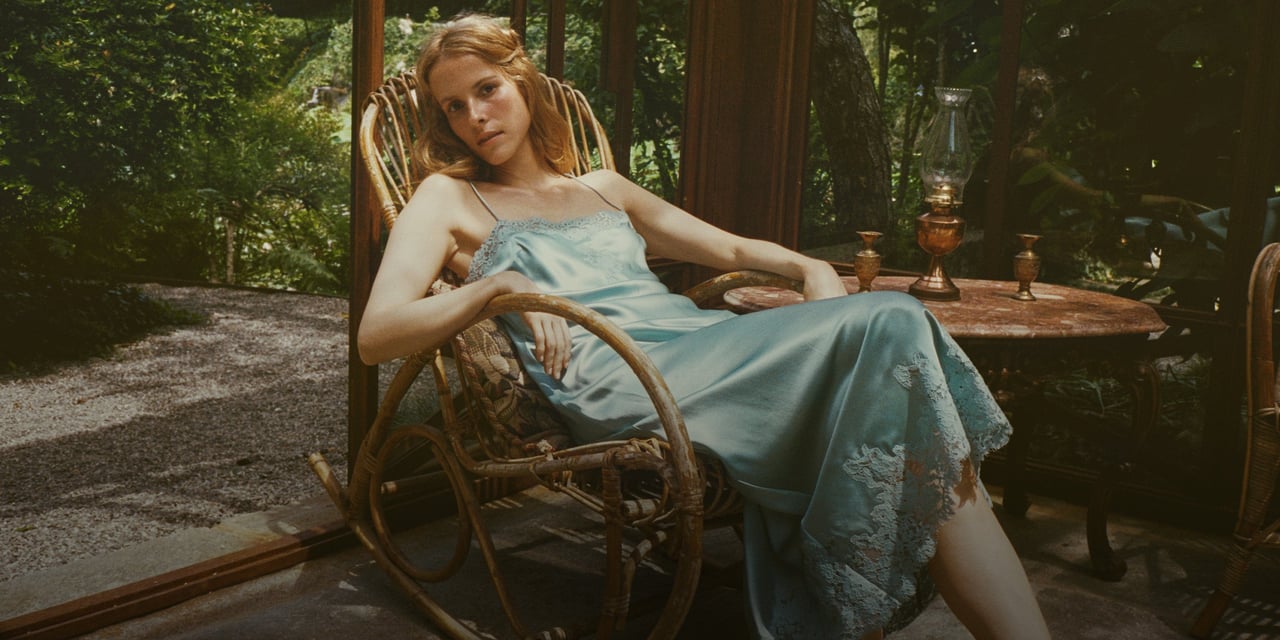
You get to skip the guessing. One dress does most of the work here: a knee-length or midi length, in a color with some depth to it, finished with heels and a bag small enough to forget you are carrying it.
Everything past this paragraph exists for the weddings that do not fit that shortcut: the printed dress code you have never seen before, the lawn ceremony that laughs at your heels, and the January ballroom that wants more than a sundress can give.
Read on for the exceptions: the venue that fights your shoes, and the season that wants a different fabric than the one hanging in your closet right now. Only four colors are genuinely off the table, and red and black, once considered risky, are no longer among them.
Wedding guest attire for women
Here is our guide to what to wear to a wedding as a guest.
Read the invitation first
Before you touch your closet, read the invitation twice. When a couple prints a line under the time and the address, it is doing more work than it looks like it is.
Wedding dress codes sit on a ladder, and knowing your rung on it settles almost every other decision in this guide.
From least to most formal, the eight rungs run casual, dressy casual, beach formal, cocktail, semi-formal, formal, black tie optional and black tie. Each step up asks for a little more structure and a little less improvising than the one before it.
Least formal
Most formal
A couple who prints a dress code has told you exactly how formal to be. Your only job is to match it.
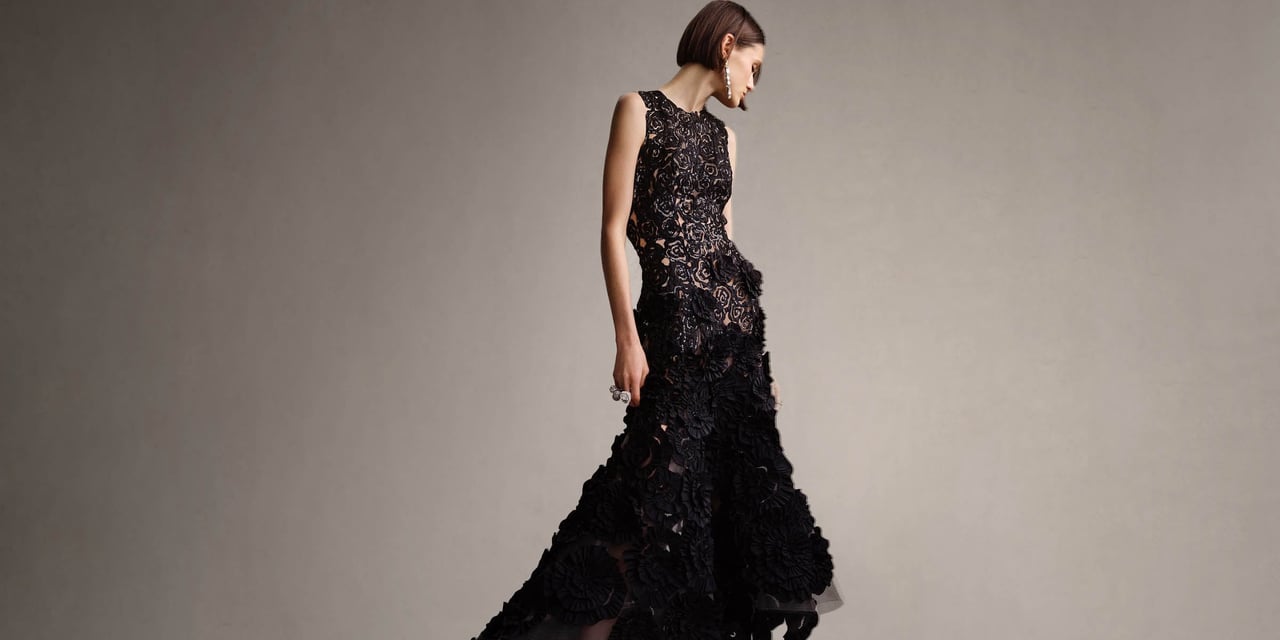
Black tie. The most formal code a wedding can print, one notch short of white tie. Reach for a floor-length gown in a fabric with real weight to it, silk or a heavy crepe, or a dark suit in satin or velvet if a gown is not your thing.
This is the one wedding code where a gown is never overdressed. Our black tie attire guide for women covers the full code, including why you do not actually have to wear black to wear it well.
The black tie gown: Floor length, and no second guessing

This floor-length gown answers a black tie wedding invitation without a second guess.
Check price: The black tie gown: Floor length, and no second guessing at Mytheresaat Mytheresa · Express delivery
Black tie optional. The couple would love to see a gown and will not mind a dressy midi or a tuxedo suit instead. More guests get this code wrong than any other on the ladder, because it hands you the choice rather than making it for you.
Our black tie optional guide for women walks through the three lengths that all read correctly and settles the argument.
Formal. One rung below black tie optional, and it will not forgive shortcuts. A floor-length dress earns its place, and so does a well-tailored midi in a fabric with real polish. Save the sequins for after dark: elegant wins here.
Semi-formal. The wedding code you will meet most often. A midi dress, a dressy jumpsuit or tailored separates all land it correctly. Our semi-formal attire guide for women covers the wider hem and fabric range this rung allows.
Cocktail. Knee-length to midi, a fabric with some shine to it, real shoes rather than sandals. Festive, and a half-step more relaxed than formal. Our cocktail attire guide for women is built for this rung specifically, wedding section included.
Dressy casual. A floral midi or a linen-blend dress, worn with block heels or smart flats, is exactly right. The invitation might call it cocktail casual or garden party, but all three want the same closet. Our smart casual guide for women maps this rung best.
Casual. Rare at a wedding, and it almost never means jeans. A sundress or a simple day dress, with sandals you can comfortably stand in for an afternoon. Our casual dress code guide for women sets the floor, then round it up a level for a wedding.
Beach formal. Dressed up, but built for sand and heat: a flowing maxi in a light fabric, wedges or elegant flats rather than a heel that sinks, and hair that can survive a sea breeze.
If you are dressing a partner for the same day, our companion guide to wedding attire for men reads the same invitation from his side of the closet.
When the invitation says nothing
Most invitations carry no dress code at all, and that is permission rather than a puzzle. Default to semi-formal. It is the level that is rarely wrong at a wedding.
Go a touch too dressy and you look like you made an effort; go a touch too plain and the photos will remember it.
The outfit that answers this default is a knee-length or midi dress in a fabric with some drape to it, in a color that is neither white nor neon.
Add heels you can actually walk in and a bag small enough to sit on your lap through dinner. It works whether the invitation is letterpress or a text from a cousin.
Two details sharpen the default further. The venue sets the ceiling: a hotel ballroom expects more polish than a barn or a back garden.
The hour sets the register: a four o’clock ceremony reads as daytime, while a seven o’clock one reads as evening and welcomes darker colors and a little shine. Ask the couple or another guest when either one is unclear.
The colors you cannot wear
Four colors are genuinely off the table for a wedding guest: white, ivory, cream and champagne.
Each one can photograph as the bride’s dress from across a room, and a wedding is the one event where you do not want to be mistaken for her, even at the edge of someone else’s photo.
Off limits
Every one of these can read as the bride's in a photograph.
Fine, despite what you have heard
Red reads as elegant rather than attention-seeking, and black is at its best at an evening reception.
Never lets you down
A jewel tone, a warm neutral or a soft pastel that is clearly not white.
This is a rule about color family, not an exact match to the bride’s dress. A pale, warm neutral that looks harmless on a hanger can wash out to near-white under a marquee at midday, or under flash after dark.
If a shade makes you pause and second-guess it in the fitting room, trust that hesitation.
Red and black, once considered risky at a wedding, are both fine at most modern weddings now. Black earns its place once the sun goes down, where it reads as sophisticated rather than somber.
Red reads as festive rather than attention-seeking, as long as the cut and the fabric match the formality of the room.
Prints get one more check. A print that reads as color from across the room is safe. One that is mostly white ground with a small colored motif can register as white in a wide photo, so hold it up and squint: if the overall impression is pale, skip it.
A pale dress you love does still have a place, just not at someone else’s wedding. Our edit of the best white dresses for women is built for the days you are not a guest.
And if you happen to know the wedding party’s own color, wear something else, so you are not mistaken for one of them in the group shots. Past those four off-limits shades, a jewel tone, a soft pastel or a considered red will never let you down.
What changes by season
The dress code sets the formality. The season decides the fabric, the sleeve and the hemline underneath it.
Spring. A ceremony that starts cool and warms up by the reception wants a wrap you can shed halfway through. Light fabrics, fresh colors and florals do the rest. Bare arms work by afternoon; keep a layer for the church and the early photos.
Summer. That silk dress looks perfect on the hanger and wilts by the time the ceremony ends, so save it for evening. Breathable natural fibers get you through the day instead: cotton, linen-blends and a light, structured crepe.
Grass and heat together are the harder problem, and our best summer shoes for women is built to solve exactly that.
Autumn. Reach for the deeper jewel tones you skipped all summer: velvet, a heavier crepe, longer sleeves and a real coat once the evening turns outdoor. A wrap or blazer stops being optional in this weather and starts earning its keep.
Winter. Choose the coat before you choose the dress, since it is doing more work than anything underneath it. Long sleeves, floor-skimming lengths and warm fabrics like velvet or a heavy satin carry the rest. Closed-toe heels and opaque tights are both allowed, and both sensible.
What changes by venue
Venue decides how far you dress up, and, just as often, what you can actually walk on.
Beach
Garden
Ballroom or hotel
The other three venues on this list fall between them. Read the ground as carefully as the dress code.
Beach. Trade stilettos for flats or wedges before the sand makes that decision for you. A flowing maxi in a light fabric moves with the wind instead of fighting it, and a hat and a wrap earn their place once the sun and the breeze pick up.
Garden. This is peak dressy-casual ground: florals, midi lengths, block heels or wedges that will not sink into soft grass. If you are shopping specifically for a garden-party dress, that is its own occasion, and our garden party guide for women takes it from here.
Barn or vineyard. Leave the denim at home. A midi dress with a jacket looks intentional, and a block heel or a smart flat handles gravel and grass without complaint. Rustic does not mean careless.
Church. The ceremony wants shoulders covered and a hemline you would not have to explain, at least until the reception starts. A wrap or a blazer you can shed afterward solves it without packing a second outfit.
Ballroom or hotel. Nothing else on this list asks you to dress up a full level: a longer hem, a richer fabric, real jewelry. A floor-length dress or a dressy midi belongs here more than anywhere else on the map.
City hall. A courthouse ceremony rewards short, chic and modern over anything with a train. A tailored midi, an elevated suit or a standout knee-length dress all suit the moment better than a gown ever would.
Daytime ceremony against evening reception
The single biggest shift across a wedding day is the light, not the dress-code word printed on the invitation. A four o’clock ceremony and a nine o’clock reception ask for different registers, even when neither one changes what is technically on the card.
Daytime wants lighter colors, softer fabrics and less shine. Strong sun is unforgiving toward metallics in a way string lights are not. Keep the sparkle to your earrings and let the dress stay easy under direct light.
Evening opens the door to everything daytime holds back: darker colors, deep jewel tones, satin, velvet, metallics and a little sparkle.
If your invitation spans both parts of the day, choose a dress that works in daylight, then add a wrap you drop and jewelry you put on for the reception.
The dress, and the alternatives to a dress
A dress is still the default, because it collapses every decision above into one. Which dress depends on where you landed on the ladder itself.
The cocktail dress: The workhorse for cocktail and semi-formal weddings

For the broad middle of the ladder, a cocktail dress is the workhorse. It answers cocktail and semi-formal without a second thought, and semi-formal is the rung most invitations land on.
Buy one if you want a single dress that can do that work for years. A cut to the knee or the midi, in a mid-tone or dark color, answers the blank-invitation default above just as well as it answers a printed cocktail code.
Check price: The cocktail dress: The workhorse for cocktail and semi-formal weddings at Mytheresaat Mytheresa · Authentic designer pieces
The summer dress: Light enough for July, dressed enough for a wedding

For a daytime, beach or garden wedding, a summer dress in a lighter fabric answers the season without giving up the occasion. Look for one with enough structure that it reads as event-appropriate rather than resort wear once you are standing next to guests in cocktail attire.
Check price: The summer dress: Light enough for July, dressed enough for a wedding at Mytheresaat Mytheresa · Free returns available
The maxi dress: Earns its keep on grass and sand

A maxi dress does similar work with more coverage and more movement, and it earns its keep on grass or sand, where a shorter hem is less forgiving of wind and uneven ground.
Choose one with a defined waist or a wrap silhouette, so it still reads as chosen for the day rather than grabbed for comfort.
Check price: The maxi dress: Earns its keep on grass and sand at Mytheresaat Mytheresa · Great deals every day
The black dress: Cut for the evening, and nobody will think office

The little black dress earns its own mention, because black is now a genuinely correct choice at most modern weddings, and an LBD is the most rewearable dress you are likely to own.
A Givenchy dress is the elevated version of that idea, cut to read as an occasion rather than an office. For the wider field, our edit of the best little black dresses has options at every level.
Check price: The black dress: Cut for the evening, and nobody will think office at Mytheresaat Mytheresa · Competitive prices
The trouser suit: Heels optional, venue solved

A dress is not the only correct answer, and for some readers it is not the preferred one.
A trouser suit works at cocktail and semi-formal weddings, and it removes the venue problem outright: no hemline to manage on grass, no train to lift, no heel sinking into a lawn while you hold a drink.
Check price: The trouser suit: Heels optional, venue solved at Mytheresaat Mytheresa · Fast, reliable delivery
What to wear over it
Weather does not check the dress code before it turns cold, so plan the layer when you plan the dress, not in the car on the way there. Outdoor ceremonies start warm and end cold, and churches keep the air conditioning brutal regardless of the season outside.
The blazer: The layer that works over almost everything here

A blazer is the most versatile layer on this list. It sharpens a floaty dress, warms bare arms, and reads as intentional rather than practical at the casual-through-cocktail end of the ladder.
Our guide to the best blazers for women helps you find a cut that layers cleanly over a dress.
Check price: The blazer: The layer that works over almost everything here at Mytheresaat Mytheresa · Secure checkout
The tuxedo blazer: The sharper cover for black tie optional

For an evening or a black tie wedding, a tuxedo blazer is the sharper cover, correct at semi-formal and a genuinely interesting answer at black tie optional. Worn over a slip dress, it becomes the outfit rather than an add-on.
Check price: The tuxedo blazer: The sharper cover for black tie optional at Mytheresaat Mytheresa · Trusted luxury retailer
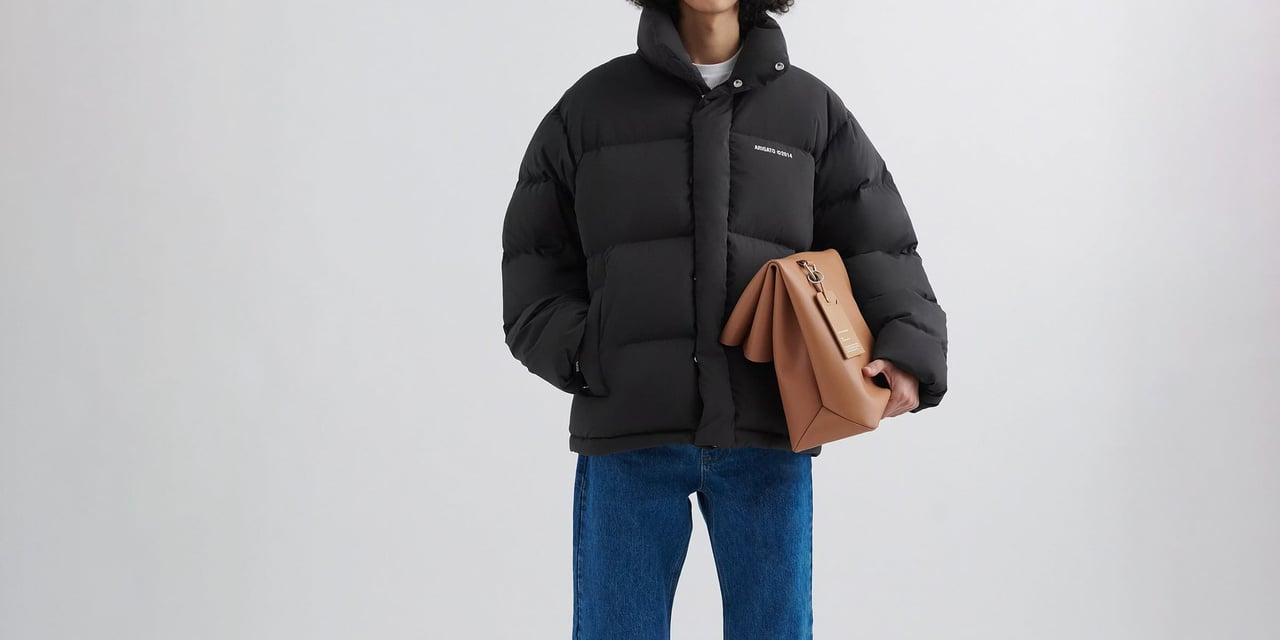
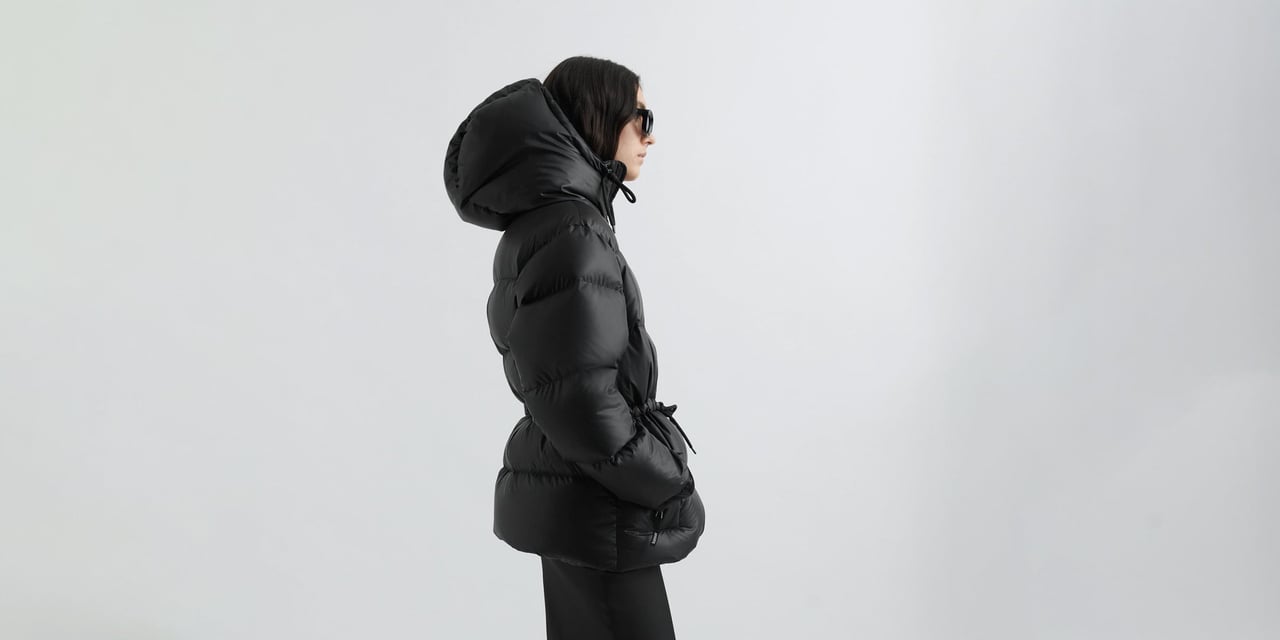
The coat: You will be photographed in it, so choose it first

A blazer will not carry an outdoor autumn evening on its own. That is the moment for a real coat: a wool or tailored piece that keeps you in the arrival photos instead of hiding in the car, in a color that does not fight the dress underneath it.
Check price: The coat: You will be photographed in it, so choose it first at Mytheresaat Mytheresa · Shop with confidence
Shoes, bags and jewelry
Shoes: The smartest call a guest can make

Comfort and terrain matter here more than at any other event, since a fair share of weddings put you on grass or gravel rather than a level floor. A stiletto sinks into a lawn and hobbles you for the rest of the night.
A block heel or a wedge gives you the height without the sabotage, and it is the single smartest footwear call a guest can make. Our roundup of the most comfortable heels is built for exactly this problem.
This pair of block heels covers the block-heel and pump range that can handle a full wedding day.
Check price: Shoes: The smartest call a guest can make at Mytheresaat Mytheresa · Easy, secure ordering
Bag: A clutch that holds exactly what the night needs

Keep the bag small, always. A clutch built for exactly this occasion holds a phone, a lipstick and a card. That is genuinely all you need for a night spent mostly standing, dancing and hugging people rather than digging through a tote.
Check price: Bag: A clutch that holds exactly what the night needs at Mytheresaat Mytheresa · Wide selection of styles
Jewelry
Fine jewelry: Lean formal without touching the dress

Jewelry is where you can lean formal without touching the dress at all. Fine jewelry shifts a look from daytime to evening faster than almost anything else here, simply by adding the shine a daytime outfit deliberately avoids. One considered piece beats a stack of small ones.
Check price: Fine jewelry: Lean formal without touching the dress at Mytheresaat Mytheresa · Trusted by shoppers
Mejuri: Affordable enough to repeat all season

A brand like Mejuri makes that upgrade affordable enough to repeat for more than one wedding a season. Choose pieces you would wear again the following weekend, rather than a single statement piece built for one outfit alone.
Check price: Mejuri: Affordable enough to repeat all season at Mejuriat Mejuri · Great deals every day
The other events
A wedding invitation is rarely just one event. A rehearsal dinner, a welcome drink or a next-day brunch often rides along on the same weekend, each carrying its own line and its own register.
Rehearsal dinner. Dress a step down from the wedding itself: cocktail or smart casual, a nice midi or dressy separates. Pick shoes you can sit and eat dinner in without wanting to kick them off under the table.
Bridal shower. Nobody expects polish at this one, the most relaxed event of the weekend. Florals, pastels, a sundress or a light midi carry a daytime occasion built to be soft and easy.
Courthouse ceremony. Same brief as the city-hall wedding above: short, chic and modern wins over anything long. A standout knee-length dress or an elevated suit is the better call here than a gown.
Day-after brunch. This is where the effort stops, the most casual event of the weekend. A simple day dress, a jumpsuit or smart separates, and flats you will thank yourself for after the night before.
Most of what lands in your inbox will ask for semi-formal. That sits close enough to the blank-invitation default above that you already know most of the answer.
Our semi-formal attire guide for women goes deeper into that middle rung, where the bulk of modern weddings actually land. If the invitation prints black tie instead, our black tie attire guide for women is built for exactly that rung, from the gown down to the jewelry.
Once the pieces above work together as a wardrobe rather than one outfit at a time, the rest is really about building a capsule wardrobe that answers the next invitation before you have even opened it.
Frequently asked questions about what to wear to a wedding
What should I wear to a wedding as a guest?
What is not appropriate to wear as a wedding guest?
What colors are off limits for wedding guests?
What should a 50 year old woman wear to a wedding as a guest?
Products featured here are independently selected by our editors. If you buy through our retail links we may earn an affiliate commission — it never changes the price you pay, and it never decides our verdicts. Read our earnings disclaimer.