Let me guess: the card enclosed with the invitation says nothing about a dress code, or it says something you have never had to dress for before. Either way, you get to stop guessing in the next five minutes.
This guide reads the invitation the way you should: the printed code first, then the season, the venue and the hour, in that order, until one outfit is left standing.
Nine of the individual codes already have their own guide, so a printed line on your invitation gets one sentence and a link here, not another full explainer.
What this page owns is everything no single dress code covers: the invitation that names nothing at all, the casual wedding that is not casual anywhere else, and what a beach, a barn or a ballroom still forces onto the same suit.
Start with the card in your hand.
Least formal
Most formal
Match the printed line first. When the invitation names nothing, the next section is your answer.
Wedding guest attire for men
Here is our guide to dressing as a wedding guest, by dress code.
Read the invitation first
The invitation decides your outfit before anything else does. A couple who prints a dress code has done the guesswork for their guests, and the polite move is to take the line literally. Find the phrase below, match it, and skip the rest of this section.
Each code gets one sentence here and a link to the guide that covers it in full. Emily Post keeps a running order of the codes from casual up to white tie, if you want the formal hierarchy laid out in one place.
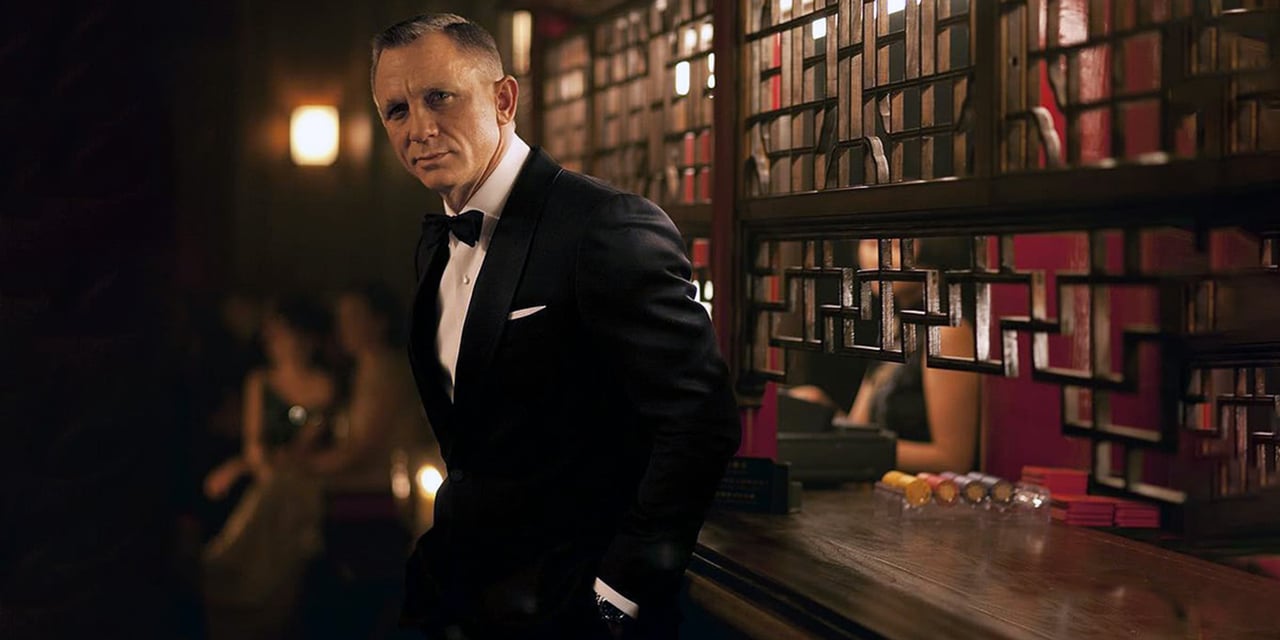
Black tie. Wear a tuxedo: a black or midnight blue dinner jacket with satin facings, a white formal shirt, a black bow tie, and polished black shoes. Our black tie dress code guide for men covers the lapels, the studs, and the shirt in full.
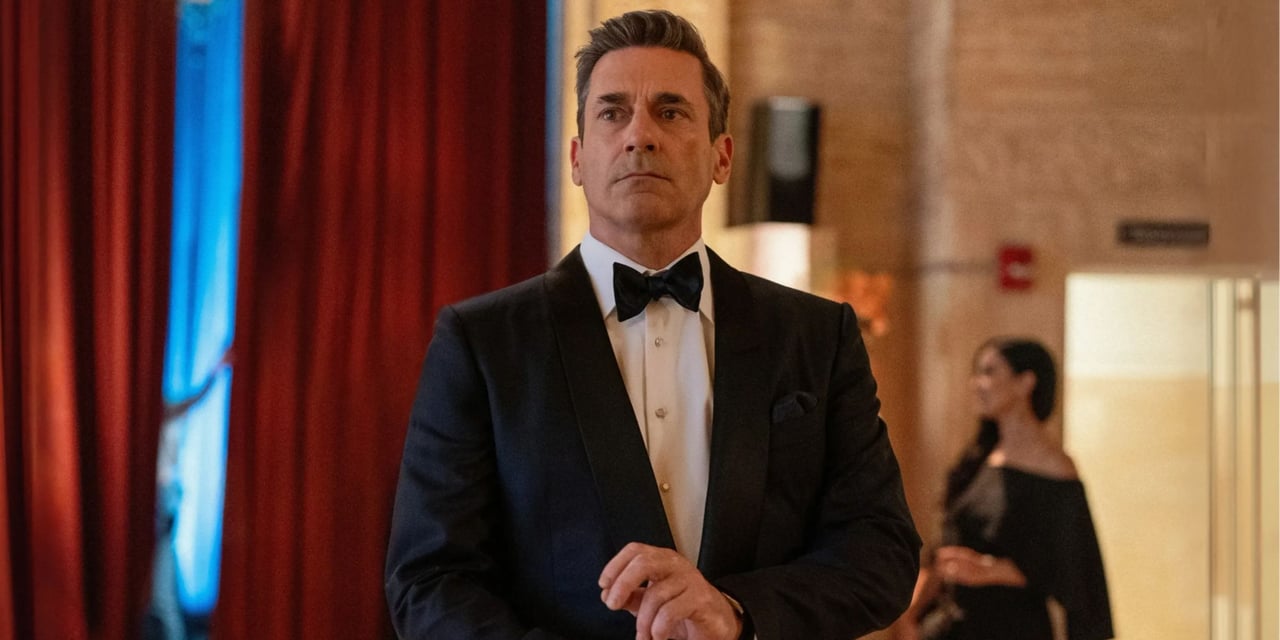
Black tie optional. A tuxedo is welcome and a dark suit is equally correct. The word changes the jacket, and our black tie optional guide settles the tuxedo-or-suit question and the wedding version of it.
Formal. In the United States this usually means the same thing as black tie optional, so a dark suit worn to evening standards is safe. If the host is British, formal can shade toward black tie, so ask.
Semi-formal. A matched dark suit and a tie, one rung below black tie and one above cocktail. Our semi-formal attire guide covers how it shifts between an afternoon and an evening, including the semi-formal wedding.
Cocktail attire. A dark suit with more room to play, patterns allowed and the tie occasionally optional. We cover it in the cocktail attire guide for men, and it is the code guests misjudge most.
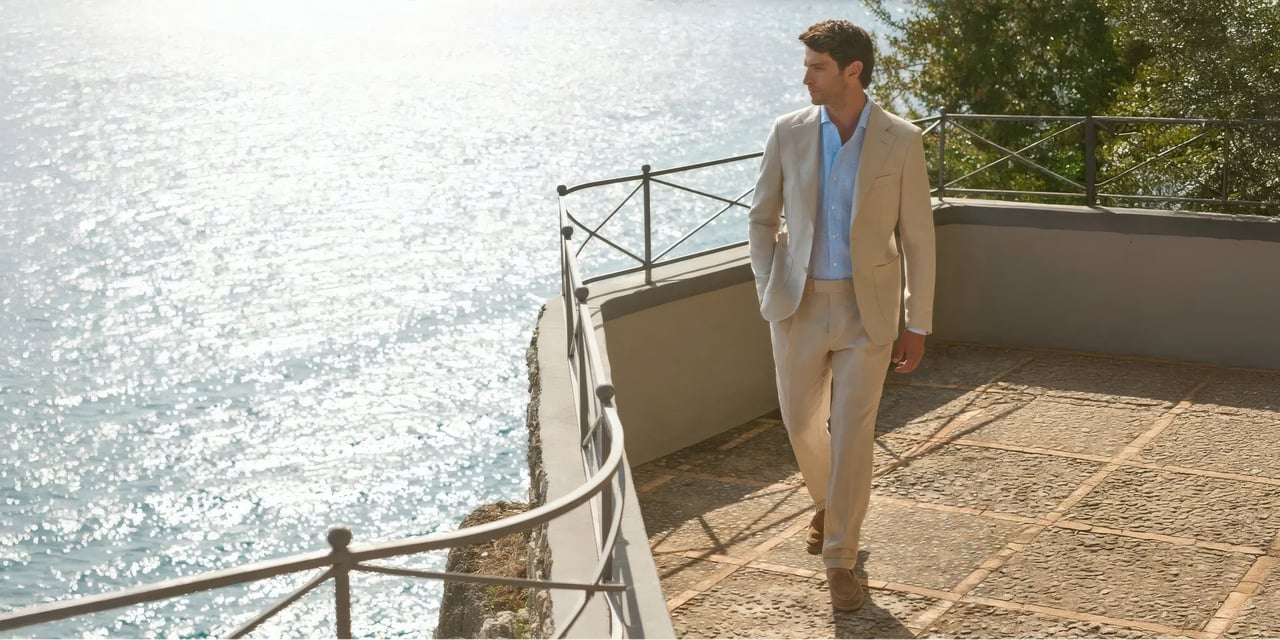
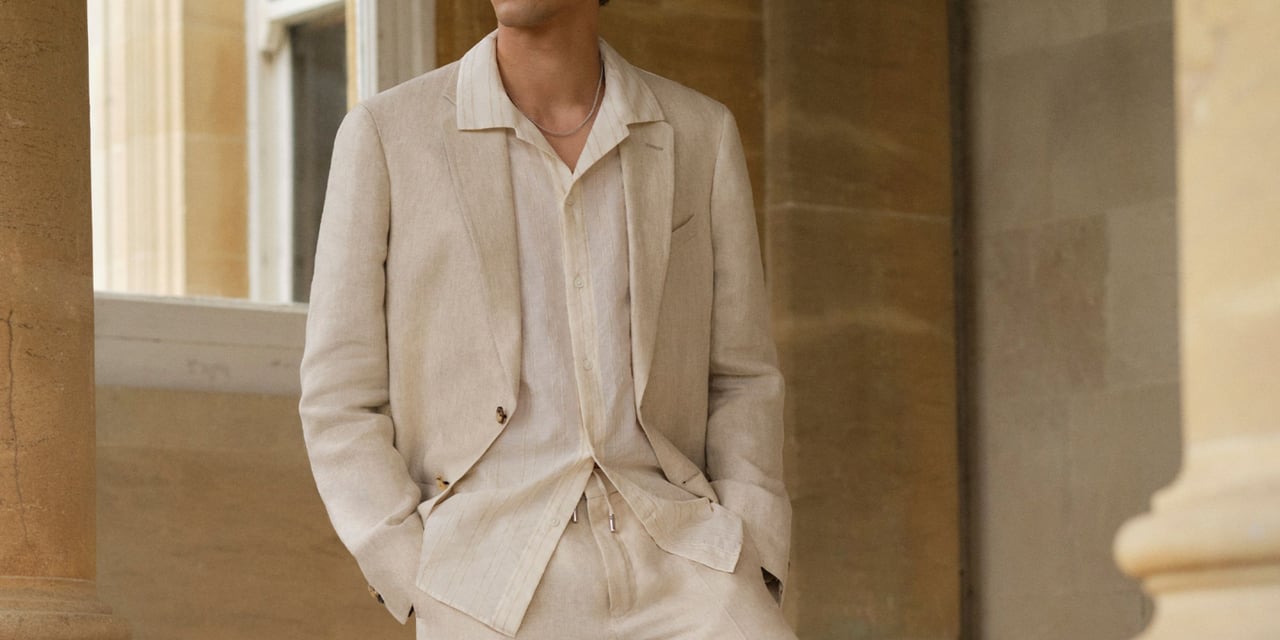
Beach formal. A lightweight suit or a linen jacket with tailored trousers, dressed for sun rather than a ballroom. Dressy casual. A blazer with tailored trousers, a collared shirt, and usually no tie. Casual. At a wedding this still means a jacket, not the jeans and sneakers the word implies anywhere else. If the invitation carries no line at all, the next section is your answer.
What to wear when the invitation says nothing
Most invitations name no dress code, and the default answer is a suit. You will be correctly dressed in one at a church wedding, a hotel ballroom, a country club or a city reception, without adjusting a single piece.
A wedding is a formal event by default, even when the couple never says so on the card. Turning up in a suit reads as respect for the day. Turning up in a blazer and chinos when everyone else wore a suit reads as a guest who did not think about it.
Canali: the suit to own if you own one

Navy is the suit to buy if you are buying only one. It works across almost every wedding, flatters most men, and photographs with more life than black or grey. A navy suit from Canali is our standing pick for the man who wants one suit to carry every invitation: the soft Italian shoulder looks considered and holds its line from the ceremony to the last dance.
Best for: the guest who wants to buy once and stop deciding.
Check price: Canali: the suit to own if you own one at Mytheresaat Mytheresa · Express delivery
If you would rather compare cut and cloth across several houses before you commit, browse men’s tailoring at MyTheresa instead. The one rule that never bends: the jacket and the trousers match. A blazer paired with odd trousers is a different, more casual outfit.
There is one honest exception to the suit default. If the couple has clearly signaled a relaxed day, on the wedding website or through the venue itself, a suit can tip into overdressed. A backyard wedding, a winery lunch or a beach ceremony often wants the lighter registers below instead. Trust the signal when it is genuinely there. Wear the suit when it is not.
Casual and dressy casual weddings
Casual at a wedding is not casual anywhere else. It does not mean jeans, a t-shirt, and sneakers. It means a jacket you can take off, tailored trousers or good chinos, a collared shirt, and leather shoes. The word is a dial-down from a suit.
The blazer that does double duty

Start with a blazer. A navy or textured blazer over tailored trousers answers a casual wedding on its own. A blazer from MyTheresa’s range, in an unstructured wool or a cotton hopsack, reads as relaxed without reading as underdressed, and you can shed it once the dancing starts.
Best for: the wedding where the invitation itself says to keep it easy.
Check price: The blazer that does double duty at Mytheresaat Mytheresa · Authentic designer pieces
Under the blazer, wear tailored wool or cotton trousers rather than jeans. A stone or grey chino works in daylight, a darker trouser works after dark, and either one holds a crease. Denim is the one fabric to leave at home even at a casual wedding: it drops the outfit a full level and photographs as an odd note in a row of guests.
Dressy casual is one step up from casual, and the step is the shirt and the shoes. Casual tolerates a soft collar and a loafer. Dressy casual asks for a crisper shirt, a sharper trouser and a polished leather shoe, and it is the register a garden or vineyard wedding usually wants when it does not want a full suit.
Two questions come up every time. First, the tie: skip it at a casual wedding, since wearing one can read as a man who misjudged the room, and let the collar sit with the top button open instead. Second, the jacket: keep it on for the ceremony, then lose it at the reception once the couple and the room have relaxed. Our casual dress code guide for men covers the everyday version of this wardrobe; the wedding is where you dress its top end.
What changes by season
Season changes the cloth and the color more than it changes the shape. The outfit stays a suit or a jacket; what moves is the weight of the fabric and the depth of the palette, and getting that right is the difference between looking sharp and looking uncomfortable.
Loro Piana: the linen shirt worth the upgrade

Summer. A wool suit in August is a mistake you feel by the second hour, so switch to a lighter weave and a lighter color. Linen, cotton and seersucker all breathe, and tan, stone and light grey all read as celebratory in daylight; a linen or high-twist wool suit holds up through an outdoor ceremony where a heavy worsted would leave you damp before the vows. For the shirt, a linen shirt from Loro Piana is the summer upgrade that matters most, because the cloth stays cool and looks intentional rather than crumpled.
Best for: an outdoor ceremony where a heavy suit would show sweat before the vows.
Check price: Loro Piana: the linen shirt worth the upgrade at Mytheresaat Mytheresa · Free returns available
Spring. Mid-weight wool and a mid-tone suit carry the season with almost no effort. A soft blue or a light grey suit suits a daytime spring wedding, and a fresh tie in a seasonal color is the one place to have some fun.
Autumn. Texture and deeper color are the season’s whole trick. A flannel, a tweed-adjacent weave, or a suit with visible grain looks right against the light, and browns, deep greens and rust all come into their own. It is the season a brown suede shoe finally earns its place at a daytime wedding.
Winter. Everything gets darker and heavier once the temperature drops. A charcoal or midnight-blue suit in a substantial wool is the workhorse, and a fine-gauge knit under the jacket handles a cold church better than an overcoat you have to check. Save the linen and the pastels for July.
If you want the full breakdown of cloth and construction by weight, our guide to the types of suits for men covers what each weave actually does across the year.
What changes by venue
The venue tells you how formal to go, and how the ground will treat your shoes. A ballroom and a beach ask for two different outfits from the same guest, so read the location as a second dress code sitting underneath the printed one.
Beach. Sand and heat set the register here. At the casual end, that is linen trousers and a linen shirt, jacket and socks both left behind, under a loafer or a woven leather shoe. At beach formal, add an unlined linen or cotton jacket in a pale color, and keep the tie soft or leave it off. Avoid a heavy suit, avoid black, and avoid anything that pools heat in full sun. Sand and stiff leather soles do not agree, so choose a shoe you do not mind getting dusty.
The loafer built for a lawn

A garden or vineyard wedding is usually daytime and relaxed, so a mid-tone suit or a blazer with tailored trousers is the register. Grass grabs at a thin leather sole and scuffs it, so a leather loafer with a bit of substance beats a formal oxford on this ground. A leather loafer in brown or tan is the daytime shoe that handles a lawn and still looks dressed.
Best for: a garden or vineyard wedding, where grass scuffs a thin leather sole.
Check price: The loafer built for a lawn at Mytheresaat Mytheresa · Secure checkout
Borsalino: the panama that reads as tailoring, not a beach prop

An outdoor daytime wedding is also the one place a hat earns its keep, for the sun and for the look. A panama is the classic answer, and a Borsalino panama is the version worth owning, woven fine enough to read as tailoring rather than a beach prop. Take it off indoors and during the ceremony itself.
Best for: an outdoor daytime wedding with real sun to sit under.
Check price: Borsalino: the panama that reads as tailoring, not a beach prop at Mytheresaat Mytheresa · Trusted luxury retailer
If a panama is not your shape, MyTheresa’s hat range carries the rest, from a woven fedora to a lighter summer brim.
Barn and farm. Rustic and relaxed is the target here, so a blazer with tailored trousers or good chinos usually beats a formal suit. Choose textured cloth over smooth, tweed over worsted, and a leather boot or a sturdy loafer over a thin-soled oxford, because the floor is rarely polished wood.
Church and ballroom. Formality peaks at these two: a proper suit is the floor, and a darker one is the safer read. Keep the jacket on inside a church, and treat a hotel ballroom the way you would treat a black-tie-optional room, even when the invitation said less than that.
City hall. A city hall wedding is short, often small, and dressed a notch down from a full ceremony. A suit without a tie, or a blazer with sharp trousers, hits the register. It is the one wedding where looking slightly under is safer than looking staged.
What changes by time of day
The start time tells you how dark to go. Afternoon allows lighter color, more texture and brown shoes; evening pulls everything toward navy, charcoal, a white shirt and black shoes, because depth and sheen both read better under artificial light.
The old six o’clock rule has retired: formalwear no longer waits for the evening. A four o’clock ceremony that runs into an evening reception counts as an evening event, so dress for the reception rather than the vows. When the invitation gives you a start time and nothing else, use it as the cue: anything from six onward means go dark.
The pieces, put together
Once you know the register, the outfit breaks into five parts: the suit, the shirt, the tie, the shoes and a short list of accessories. Get the first four right and the fifth barely matters.
The suit

The suit is the decision that carries the outfit. For most weddings it is a matched two-piece in navy or charcoal, single-breasted with a notch lapel, cut close enough to sit clean but not so close that it strains when you reach for a drink. For an evening or a formal wedding, reach for more weight and more structure: a Zegna wool suit is cut from the mill’s own cloth, which drapes well enough that your tailor has less shaping to do.
Best for: the evening or formal wedding that wants more structure than a daytime suit gives.
Check price: The suit at Mytheresaat Mytheresa · Shop with confidence
Our roundup of the best suit brands for men covers where the quality actually lands at each price, if you are buying rather than borrowing.
The tuxedo

If the invitation says black tie, the suit steps aside for a dinner jacket. A tuxedo is not a dark suit with a bow tie added: it is its own garment, with satin facings and a formal shirt, and the black tie guide covers it end to end. When you need one, start with a dinner jacket from MyTheresa rather than a rental that fits nobody.
Best for: the wedding where the invitation says black tie.
Check price: The tuxedo at Mytheresaat Mytheresa · Easy, secure ordering
The shirt

A white shirt is the right answer at nearly every wedding, and light blue is the next one. Both frame a tie cleanly and neither competes with anything else you are wearing. Keep it plain, with a collar that has enough structure to stand up under a knot. A formal dress shirt in crisp cotton poplin is the version that works from a church ceremony to an evening reception without a second thought.
Best for: nearly every wedding, from a church ceremony to an evening reception.
Check price: The shirt at Mytheresaat Mytheresa · Wide selection of styles
Save the linen shirt for the beach and garden registers above. For everything else, our guide to the best dress shirts for men covers collars, cuffs and fit.
The tie

Wear a tie at any wedding above casual, and skip it only when the dress code is genuinely casual or beach. Silk is the default, and a grenadine or a fine repp stripe adds texture without shouting. Keep the color quiet against a dark suit, and well clear of the wedding party’s palette. A silk tie in a deep, plain color is the one to reach for first: navy, burgundy and forest all sit well, and none of them will date.
Best for: any wedding above casual, where a suit calls for a tie.
Check price: The tie at Mytheresaat Mytheresa · Trusted by shoppers
A pocket square finishes the jacket, and a plain white linen one folded flat never goes wrong. It sits on the same MyTheresa page as the ties, if you want to add one.
The shoes

Wear leather, and match the shoe to the register. A black oxford is the most formal and the most reliable, a dark brown oxford or derby works with navy in daylight, and a polished loafer covers the relaxed and garden weddings above. Polish them the night before rather than the hour before. A cap-toe oxford like the Amberjack Original is the pair we recommend most, since it looks the part at a formal wedding and wears like something built for a night that runs long.
Best for: the formal end of the ladder, where a black oxford is the most reliable choice.
Check price: The shoes at Amberjack Shoesat Amberjack Shoes · Great deals every day
For the full ladder from formal oxford down to a relaxed loafer, our guides to the best dress shoes for men and men’s loafers sort the styles by formality.
The accessories
Match your belt to your shoes, keep your watch slim, and stop there. A dress watch on a leather strap disappears under a cuff the way it should; a large sports watch fights the sleeve all evening. Socks should be dark and long enough that no skin shows when you cross your legs. If your shirt has French cuffs, plain silver or mother-of-pearl cufflinks are the only pair to wear.
Colors, and what not to wear
The color rules at a wedding are short, and they are strict. Two of them are about the couple, and breaking either one is the fastest way to be remembered for the wrong reason.
Never wear white or ivory. Those belong to the people getting married, and that holds for the jacket, the trousers and a shirt loud enough to read as the main event. A white dress shirt under a dark suit is fine; a cream suit at a wedding that is not on a beach is not.
Stay clear of the wedding party’s palette. If the couple has published their colors, treat that as information rather than an instruction to match. Turning up in the exact shade the groomsmen are wearing reads as a guest who wandered into the line-up.
Go easy on all-black. A head-to-toe black suit reads as a funeral or a waiter in most daylight rooms; navy and charcoal do the same job with more warmth. Black earns its place only when the invitation says black tie and the garment is a tuxedo.
Skip the novelty. A cartoon tie, a loud printed shirt, character socks and a patterned pocket square fighting a patterned tie all pull against a day built on the couple. When you are unsure, take the quieter option every time.
Guest, groomsman, plus-one, father of the bride
Your role changes the outfit only when you are in the photographs. A plain guest follows everything above and nothing more. The moment you have a job in the day, you coordinate.
Groomsman. The couple dresses the groomsmen, so wear what you are told and get it tailored properly. Your only real decision is the fit, so budget for the tailor before the wedding rather than after the fitting.
Plus-one. Match your partner’s formality so the two of you read as a pair in the pictures. If she is in a floor-length gown, you are not in chinos. Her side of the same invitation follows a wider set of correct answers: our companion guide to wedding attire for women reads the same card from her side of the closet, and our guide to cocktail attire for women covers the register most wedding guests land on.
Father of the bride or groom. You are close to the couple and often near black tie optional even when the guests are a notch below. Take the cue from the wedding party, lean a shade more formal than an ordinary guest, and confirm the color with whoever is coordinating.
Dress for the couple’s day, not for your own entrance.
Frequently asked questions about wedding attire for men
What should a male guest wear to a wedding?
What color suit should you wear to a wedding?
Can you wear jeans to a wedding?
Do you have to wear a tie to a wedding?
What do men wear to a beach wedding?
Products featured here are independently selected by our editors. If you buy through our retail links we may earn an affiliate commission — it never changes the price you pay, and it never decides our verdicts. Read our earnings disclaimer.