You’ve read the word optional on the invitation, and it has made the decision harder. Black tie used to mean one thing: a floor-length gown, full stop. Optional takes the rule away without telling you what replaces it.
Here’s the part nobody puts on the card. Fabric decides this outfit more than hem length does, so a knee-length dress in the right cloth can outrank a gown in the wrong one.
There’s also a fourth answer on this page that almost nobody considers, and it isn’t a dress at all. It’s been correct since 1966.
Here are the three shapes that work, the one house answering with tailoring instead of a dress, and exactly what to leave in the closet.

What does black tie optional mean for women?
Black tie optional means formal evening dress is welcome, not required. For women that opens the door to three correct answers: a floor-length gown, a formal midi or tea-length dress, or a cocktail dress cut from an evening fabric.
Picture the dress code as a shelf between two others. Black tie sits one notch above it and asks for a gown. Cocktail attire sits one notch below and asks for a knee-length dress. Black tie optional takes everything in between and calls it correct.
Hosts choose the wording for a reason. They want an evening that photographs formally, and they don’t want a guest skipping the wedding because she doesn’t own a gown. Read it as an invitation.
Almost every black tie optional card is for an evening wedding, ceremony after four o’clock. Dress for candlelight and a dance floor, not for daylight.
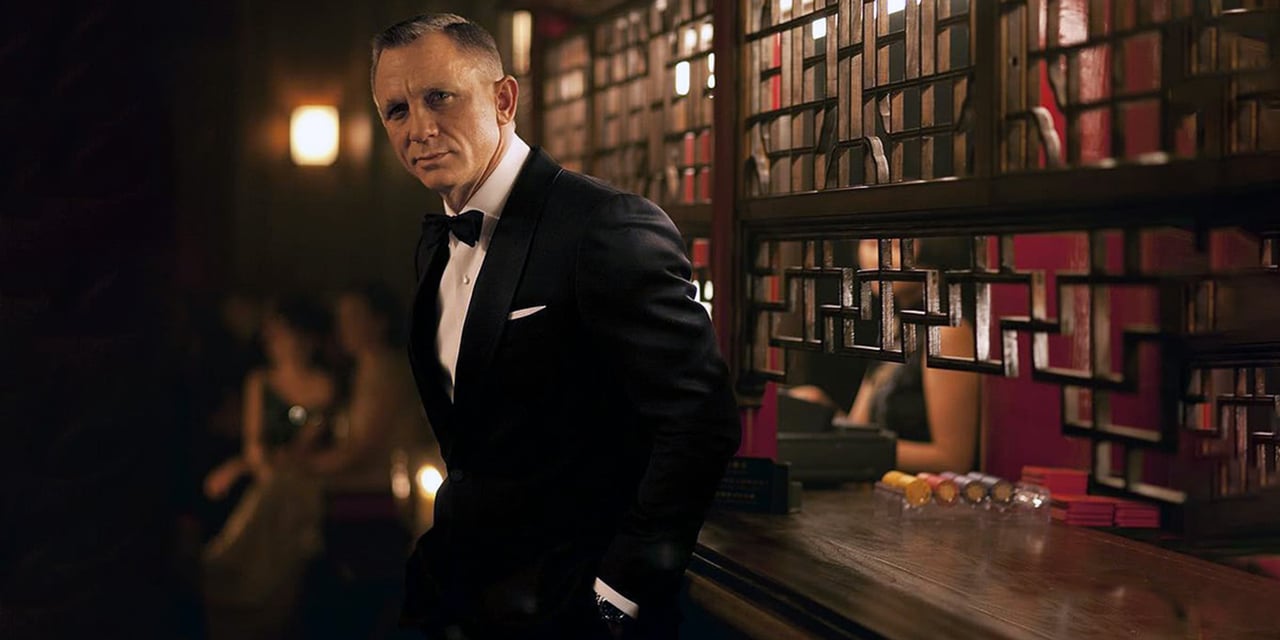
This guide answers that one line on the invitation and stops there. If the card names a different code, or none at all, our guide to what to wear to a wedding works through every phrase a couple can print and what the venue and the season do to it. Dressing a partner too? Our guide to black tie optional for men answers the same question from his side, where the whole decision comes down to a tuxedo or a dark suit.

The three dresses that always work
Every correct outfit for this dress code falls into one of three shapes. Find the one that fits your event and your closet, then stop second-guessing it.
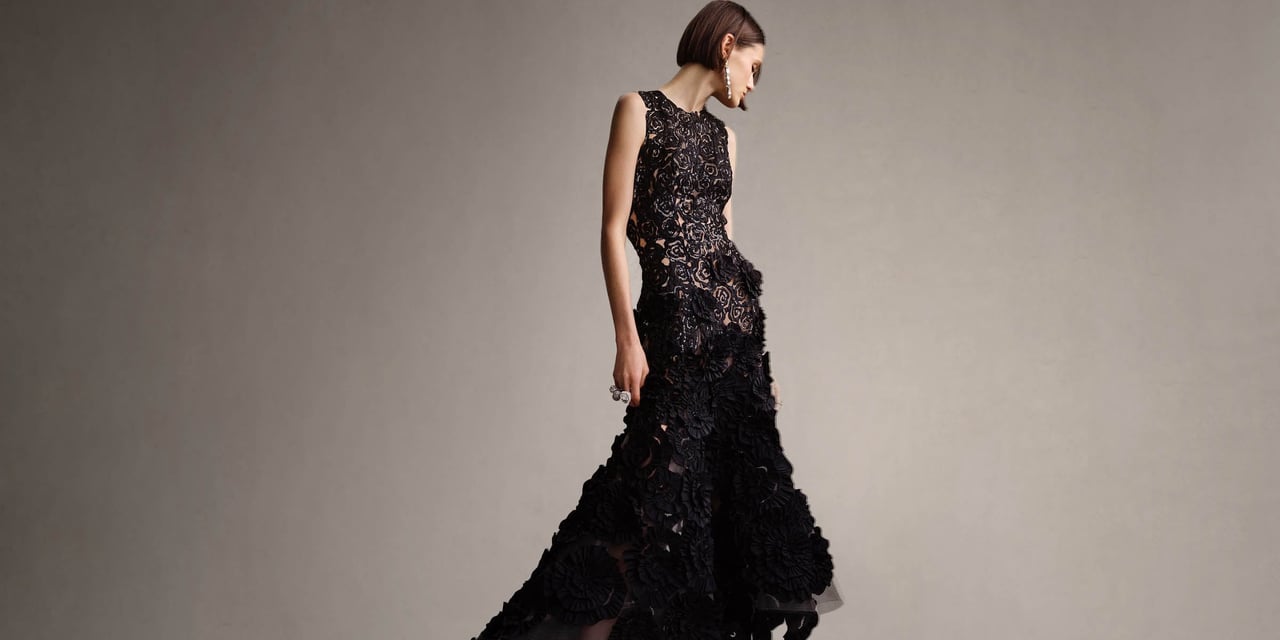
The floor-length gown. The safest answer, and the most formal one. A column, a bias-cut slip, a full skirt: all three qualify. Hotel ballroom, an estate, a venue with a seated dinner? A gown is never overkill there.
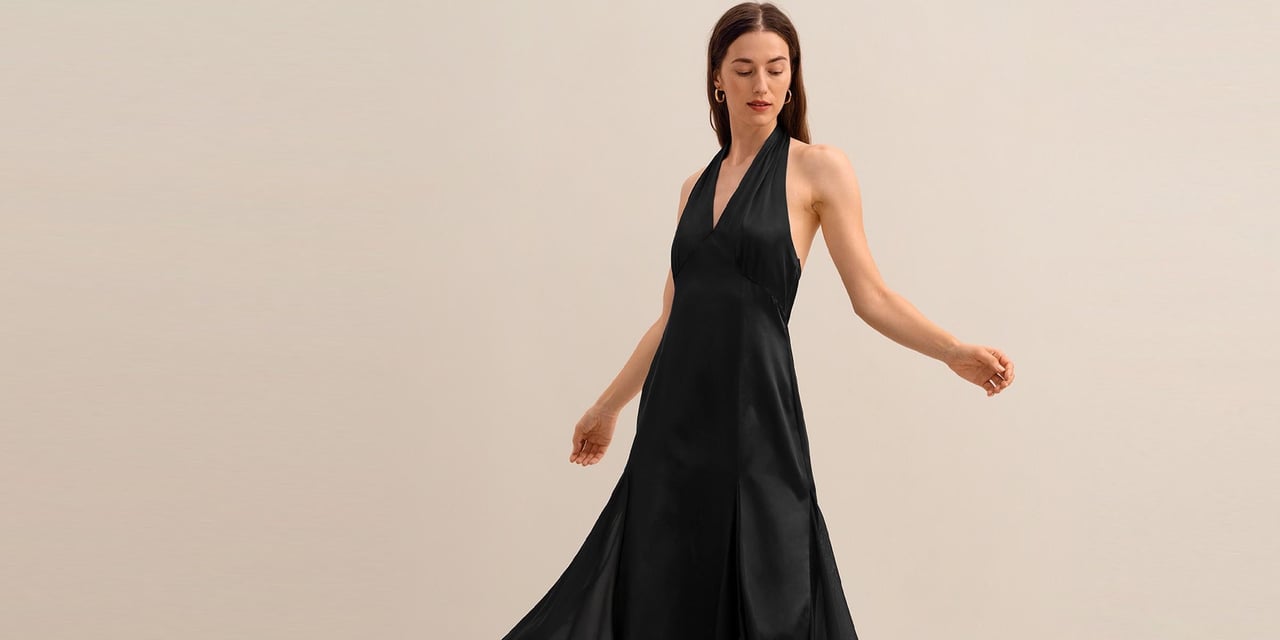
The formal midi or tea-length dress. The answer most guests actually reach for, and the one that carries a whole evening without you thinking about it again. The hem sits between mid-calf and the ankle. Look for midi and long dresses cut in a fabric formal enough to earn that length.
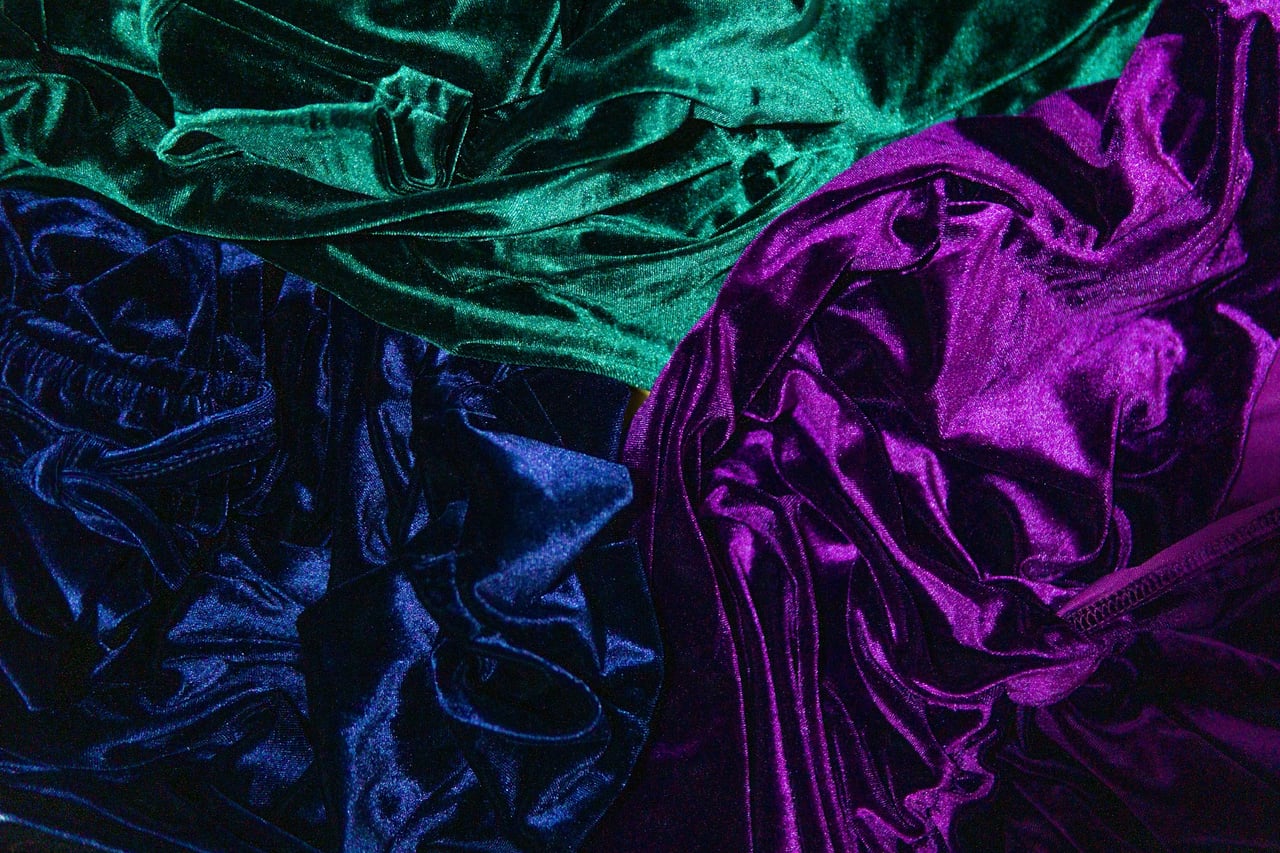
The elevated cocktail dress. A cocktail dress holds up at knee length when the fabric is satin, velvet, or heavy crepe, finished with real jewelry and a proper heel. The same length in jersey does not.
All three are correct on the same invitation. Nobody at the reception is measuring hems. What they notice is whether the fabric catches the light and whether the dress actually fits you.
Can you wear a short dress to black tie optional?
Yes. A knee-length dress clears this dress code as long as the fabric is formal and the styling is finished. The rule was written to allow exactly that.
Fabric carries more weight than length. Satin, velvet, silk crepe, heavy jacquard, and lace all read as evening; cotton, linen, jersey, and anything with a daytime texture do not. A floor-length linen dress is less appropriate than a knee-length satin one. Our guide to sustainable fabrics breaks down what these materials actually are and how they hold up.
Color has more room than the dress code’s name suggests. Black is always right. Jewel tones, emerald, sapphire, burgundy, plum, catch evening light beautifully. Metallics and deep neutrals like champagne, bronze, and slate sit comfortably in the same category. Not sure which shade is yours rather than the mannequin’s? Start with our guide to color matching.
One color stays off the table: white, ivory, cream, or any champagne pale enough to photograph as white. That rule belongs to the bride, not the dress code.
The best black tie optional dresses for wedding guests
Buy the dress you’ll actually wear again. A gown that comes out once and lives in a garment bag for six years is a worse purchase than a midi you’ll wear to three more weddings and a Christmas dinner. Our capsule wardrobe guide for women makes the same case at wardrobe scale.
Six houses cover the range below, from the most formal answer to the most relaxed one. Read the drawbacks as closely as the recommendations; none of these dresses suits every wedding, and the wrong one for your event is easy to spot ahead of time.
Victoria Beckham: The gown built for this dress code
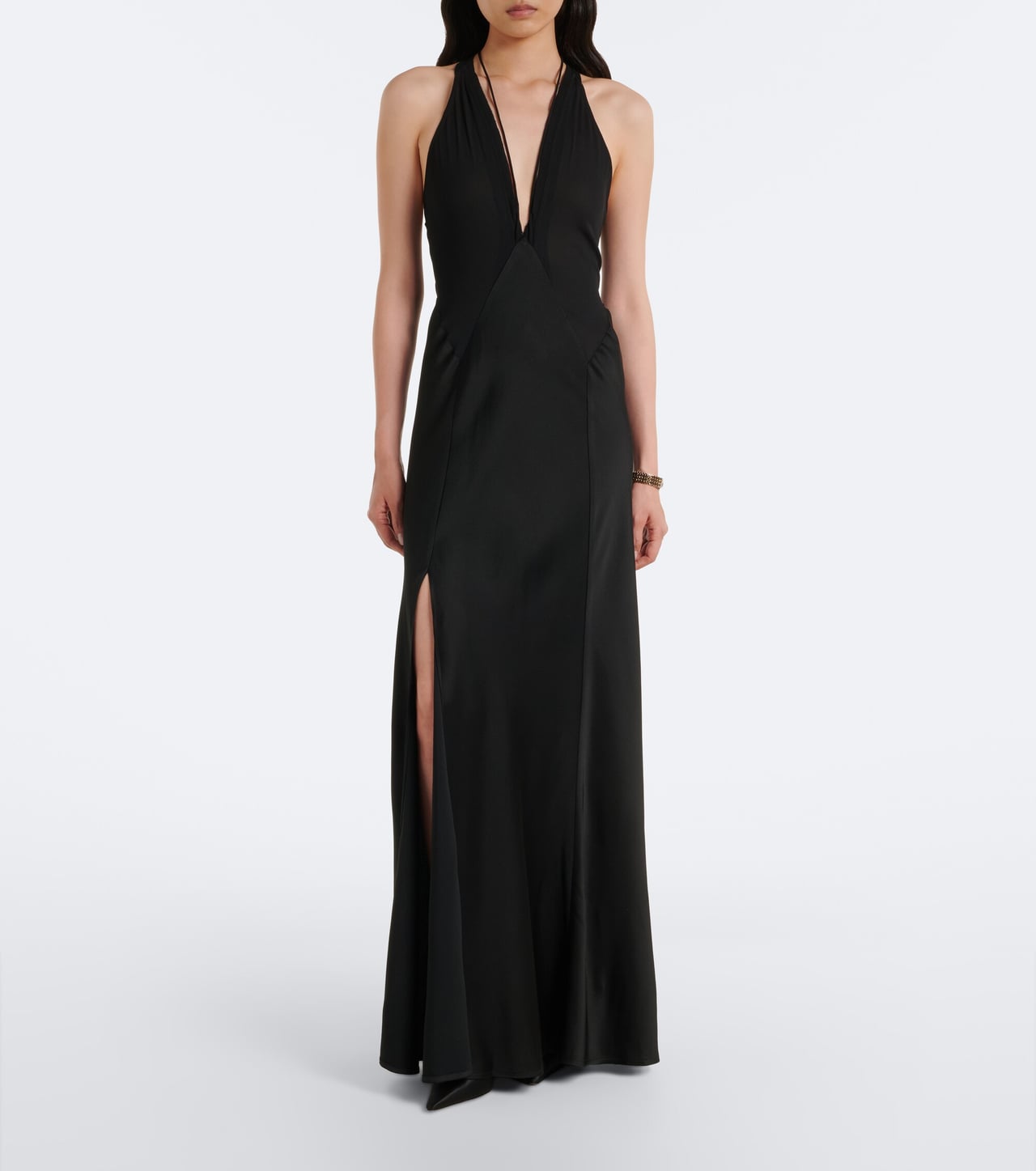
Victoria Beckham cuts exactly the kind of gown this dress code calls for. Long, fluid columns, a high neckline, almost no decoration: formal without tipping into costume, and it photographs beautifully once the lights go low. Victoria Beckham’s evening dresses cover the full-length pieces.
A gown at this level is a serious purchase, and most guests wear one two or three times in a decade. One formal wedding on your calendar this year? Take one of the shorter options below instead.
Best for: The guest with more than one black-tie wedding on the calendar this year.
Check price: Victoria Beckham: The gown built for this dress code at Mytheresaat Mytheresa · Free returns available
Vince: The quietest correct answer
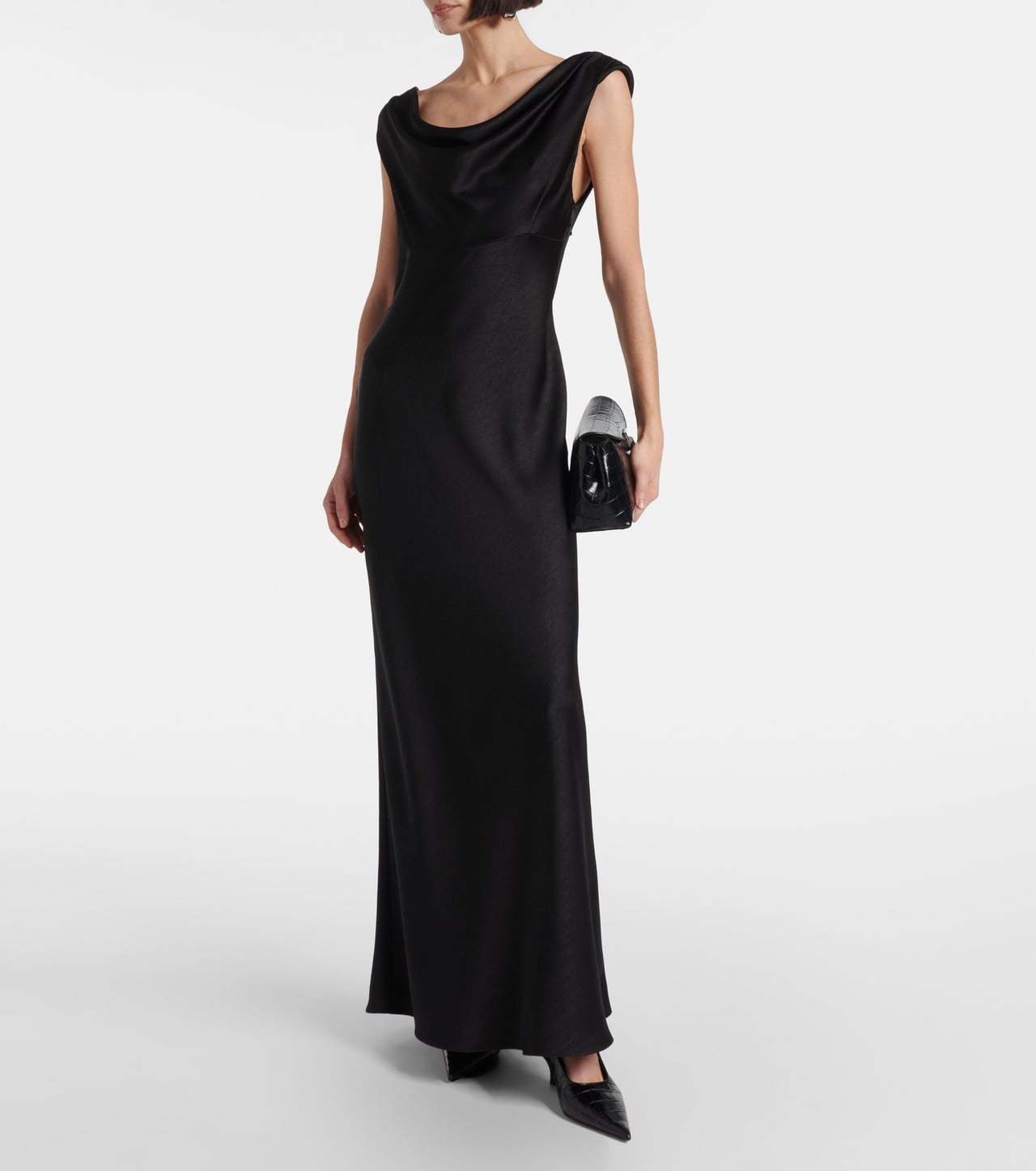
No embellishment, no structure, and it still reads as evening because the fabric alone carries it. The bias-cut satin slip is the quietest way to clear this dress code, and Vince cuts it better than most, in the restrained American style the label built its name on. A satin slip dress from Vince suits a guest who wants to look finished.
Left completely plain, a slip can read under-dressed next to a room full of gowns. Real jewelry and a proper heel close that gap fast. Flats and a day bag will not.
Best for: A guest who wants the fabric to do the talking.
Check price: Vince: The quietest correct answer at Mytheresaat Mytheresa · Express delivery
Retrofête: The loudest correct answer
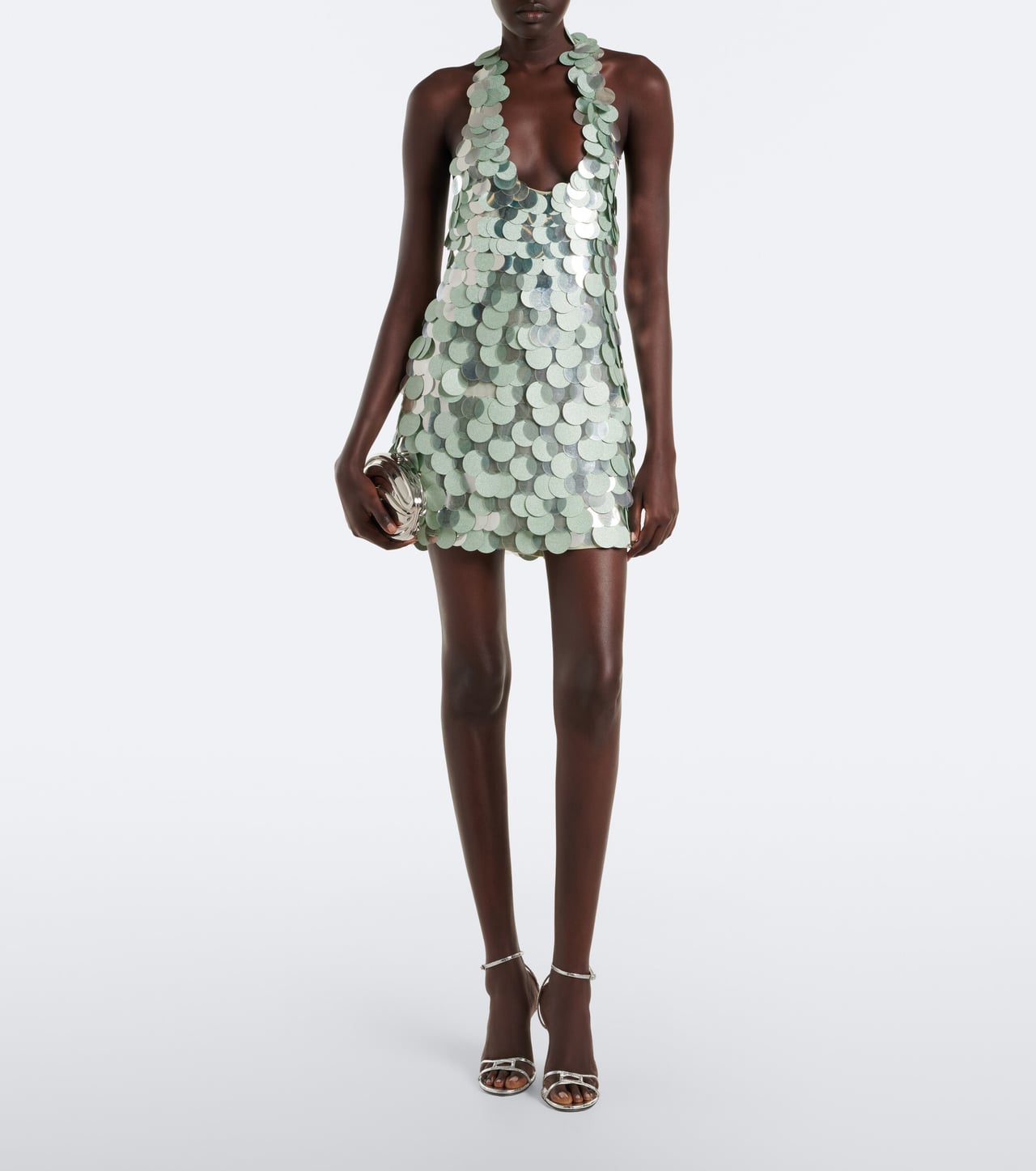
Sequins make an evening look like an occasion faster than anything else on this list. Retrofête built its whole identity on embellished party dressing, and its sequined pieces are cut for dancing. A sequined dress from Retrofête is the most extroverted option here, and it is still fully inside the dress code.
Loud in person means loud in photographs too. You’ll be one of the most visible guests in every group shot. Want the opposite effect? The Givenchy pick below does exactly that job.
Best for: The guest happy to be the one people remember from the photos.
Check price: Retrofête: The loudest correct answer at Mytheresaat Mytheresa · Authentic designer pieces
Givenchy: The one dress that works for a decade
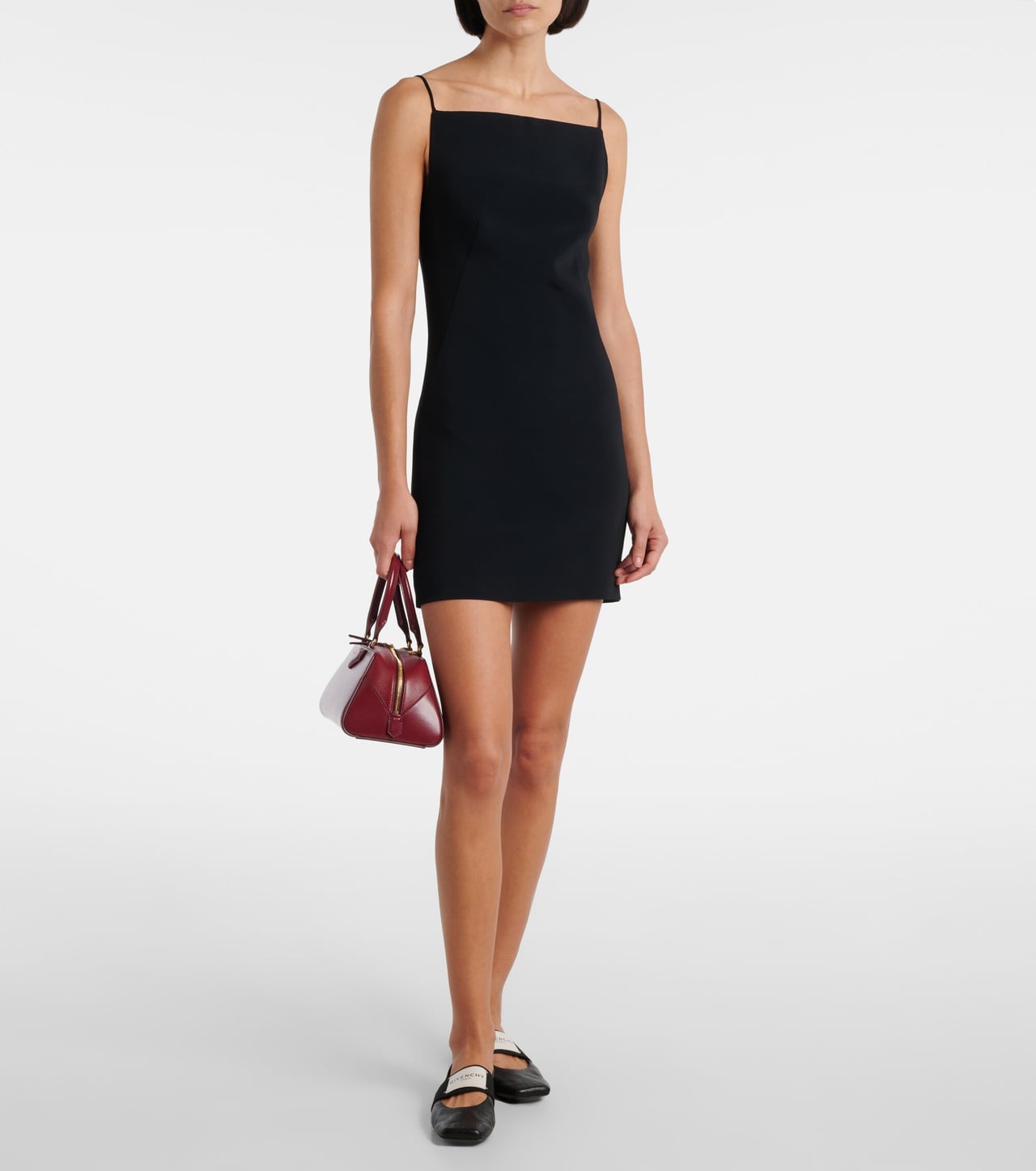
Givenchy has been making the definitive black evening dress since Hubert de Givenchy dressed Audrey Hepburn for Breakfast at Tiffany’s in 1961, and the house still cuts it with the same restraint. That restraint is exactly what lets one dress cover a wedding, a gala, and a formal dinner without repeating itself. Givenchy’s black evening dresses are worth a look if you want a single piece that outlasts a decade of invitations.
A handful of families still read black at a wedding as a statement rather than a neutral. If the couple or their parents lean traditional, ask someone close to them before you commit.
Best for: The guest who wants to buy once and stop thinking about it.
Check price: Givenchy: The one dress that works for a decade at Mytheresaat Mytheresa · Trusted by shoppers
Chloé: The softer midi
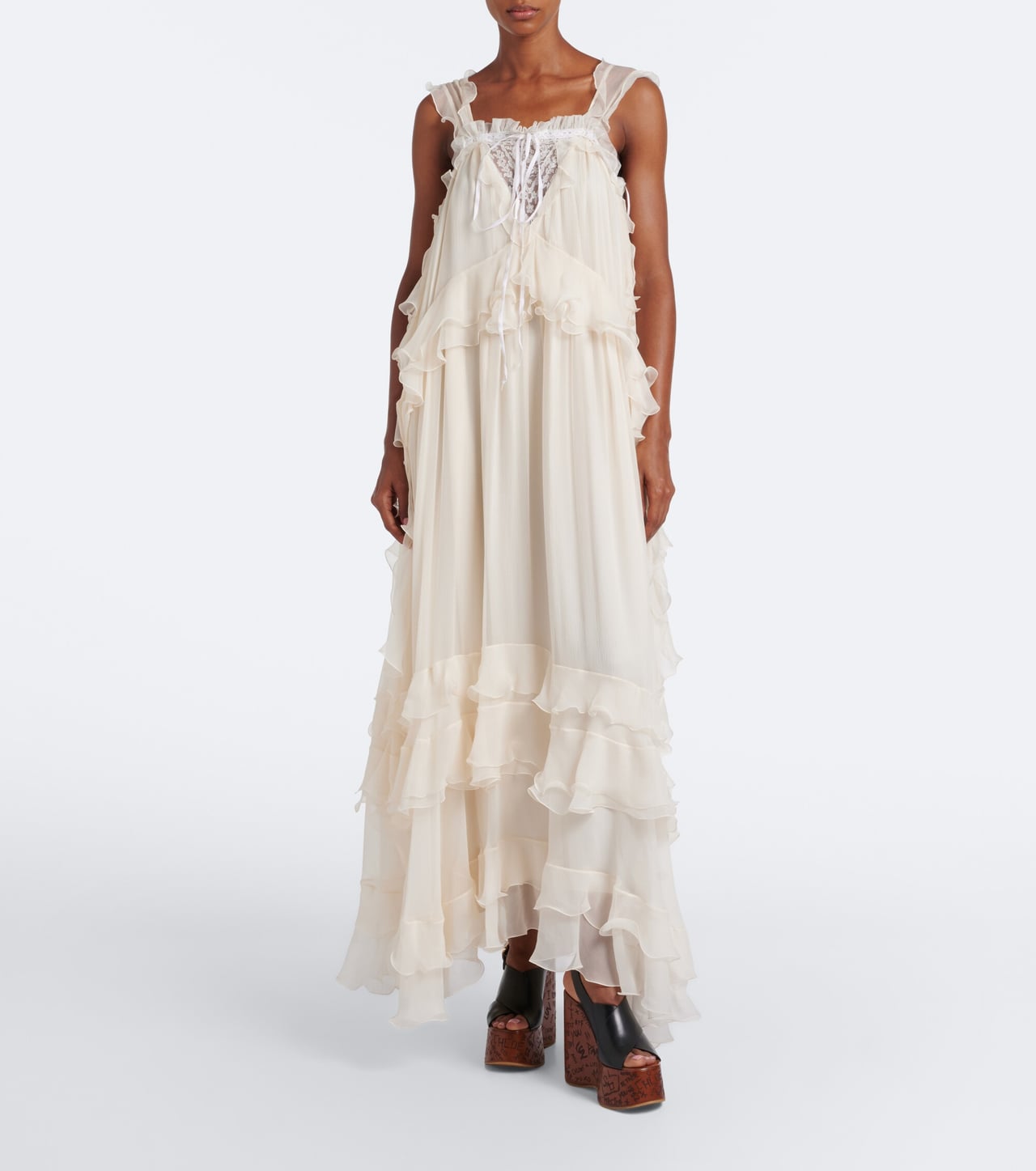
Chloé is the house to look at for a midi that reads romantic rather than girlish. The French label has worked in soft volume and fluid fabric since Gaby Aghion founded it in 1952, and its longer dresses land exactly at the tea-length mark this dress code rewards. Browse Chloé’s midi dresses for the softer end of black tie optional.
The cut runs romantic rather than sharp, and it suits a garden marquee or a country-house wedding better than a black-marble ballroom at nine at night. For that room, reach for the Victoria Beckham column or the Givenchy dress instead.
Best for: An outdoor or country-house wedding rather than a hotel ballroom.
Check price: Chloé: The softer midi at Mytheresaat Mytheresa · Great deals every day
Balmain: The dress for a guest who finds gowns uncomfortable
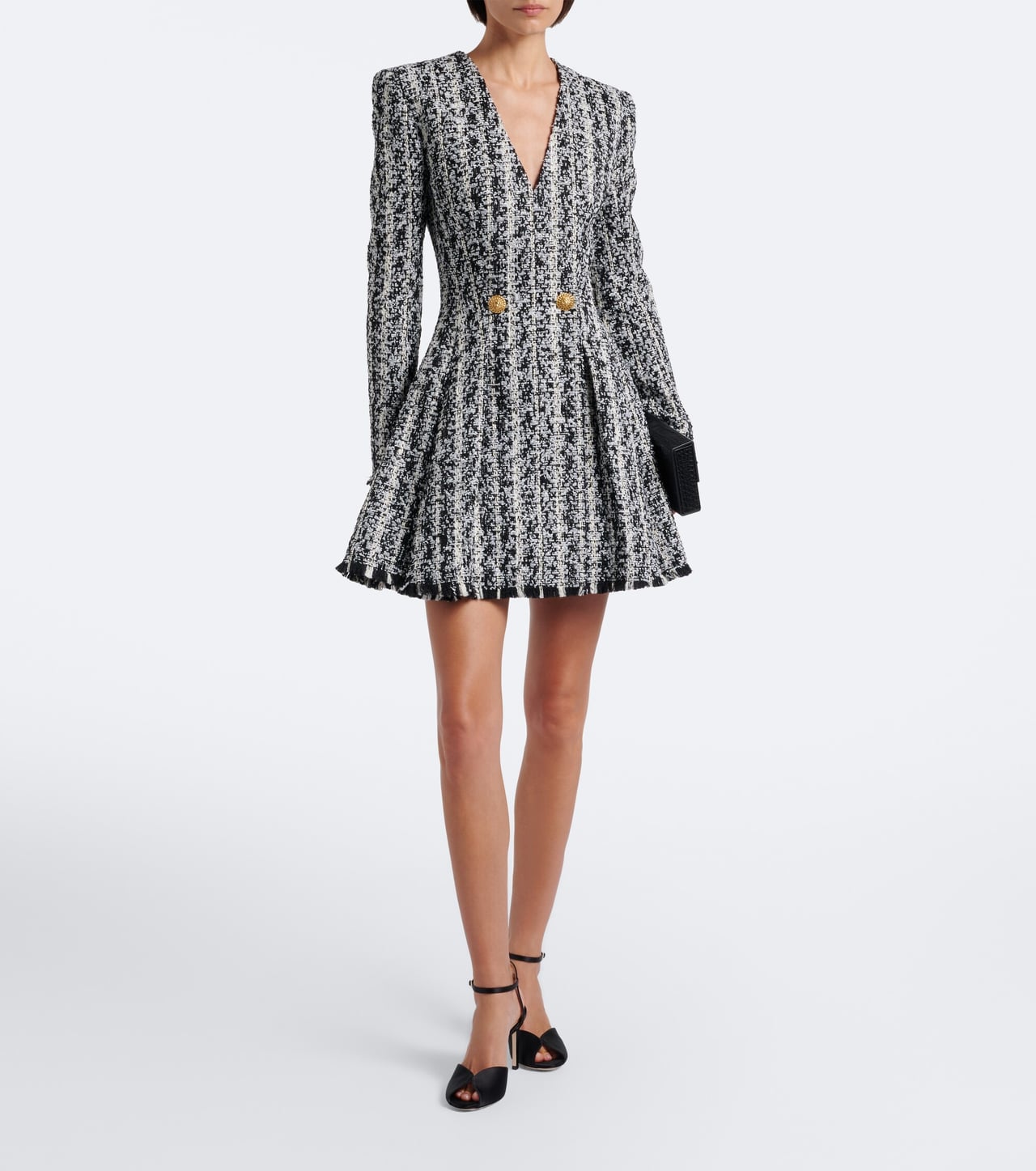
The blazer dress solves a specific problem: gowns feel uncomfortable, cocktail dresses feel boring. Balmain has cut sharp shoulders and strong structure since Pierre Balmain opened the house in 1945, and a Balmain blazer dress carries enough authority to hold its own in a room full of gowns.
The shoulder is strong and the silhouette reads powerful rather than soft, and it sits at the shorter end of what this dress code allows. Save it for the second-most formal wedding on your calendar, not the first.
Best for: A guest who wants to feel sharp in a room full of soft fabric.
Check price: Balmain: The dress for a guest who finds gowns uncomfortable at Mytheresaat Mytheresa · Competitive prices
The tuxedo: the best answer nobody expects
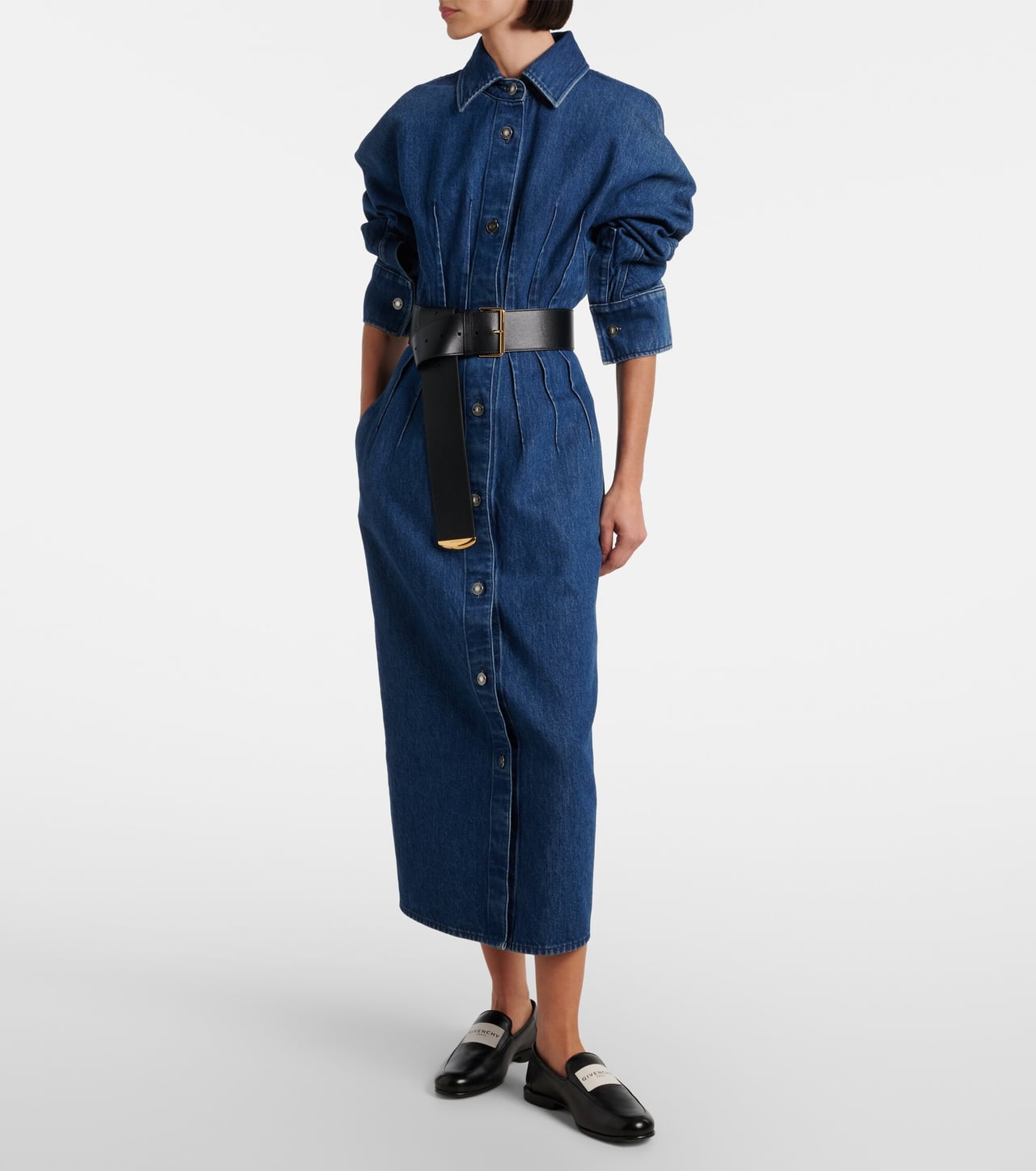
A woman in a tuxedo is the most interesting way to answer this dress code, and it’s the one people remember. Yves Saint Laurent introduced Le Smoking in 1966 and made evening tailoring a legitimate alternative to the gown. It still holds today.
Wear it as a satin-lapel blazer over tailored trousers, or paired with a long column skirt instead. Keep the shirt simple, or skip it and wear the jacket closed. Add real jewelry and a heel and the outfit reads as formal instantly.
Buy it early. A tuxedo only looks right once it fits, and almost every jacket off the rack needs the sleeves shortened and the waist taken in. Give a tailor three weeks before the wedding, not three days.
Saint Laurent: The reference point for this look
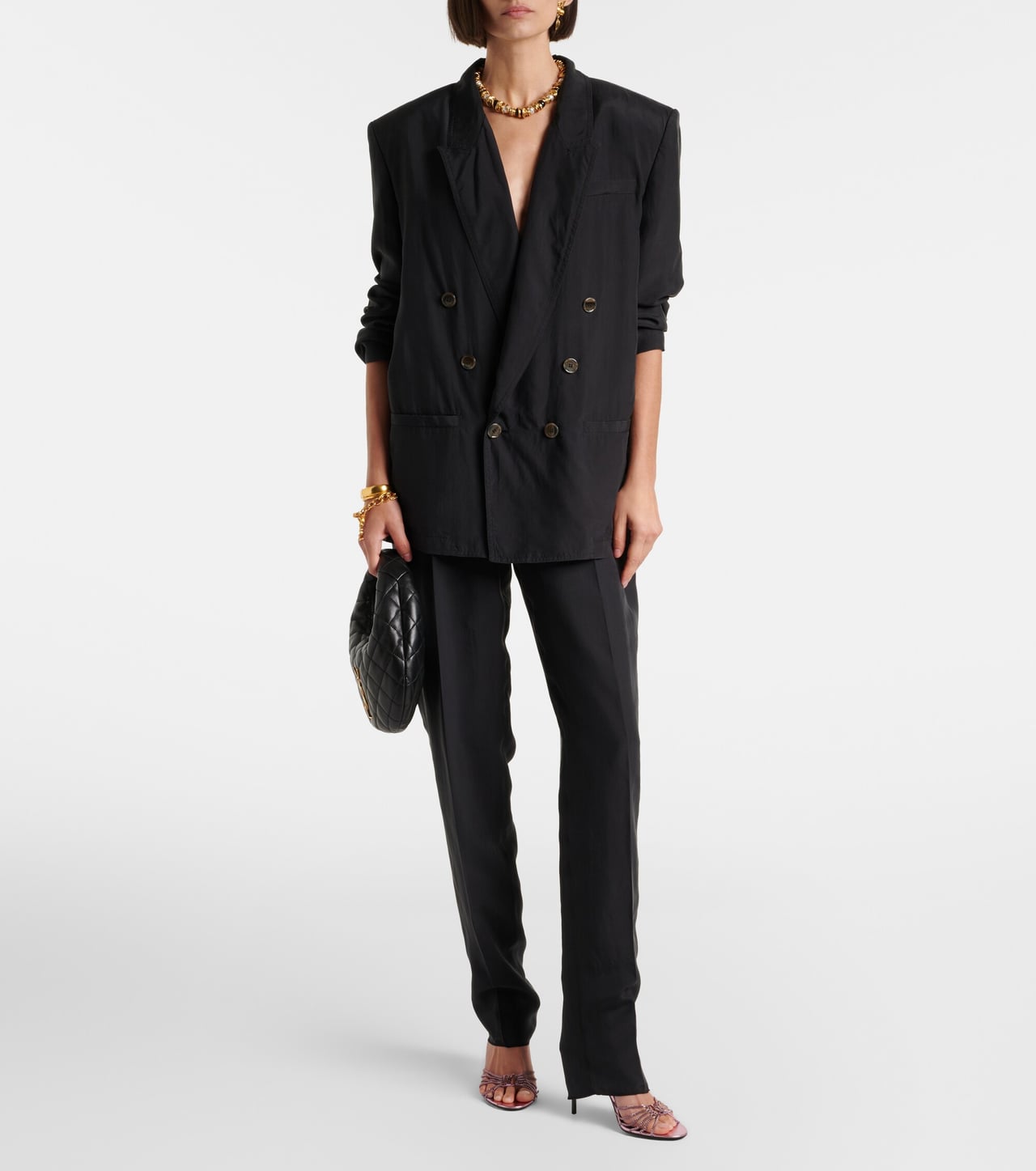
Saint Laurent remains the reference point for this look. Its tuxedo blazers keep the sharp shoulder and narrow lapel that made the original work in 1966.
Best for: The guest who wants the unexpected answer.
Check price: Saint Laurent: The reference point for this look at Mytheresaat Mytheresa · Fast, reliable delivery
If you want to compare cuts across houses before you commit, browse the wider selection of designer blazers. Our guide to the best blazers for women covers fit, shoulder, and lapel in more detail.
Shoes, bags, and jewelry
The accessories are where a good dress becomes a finished outfit. Three decisions cover it.
Evening pumps: built for grass, gravel, and cobblestones
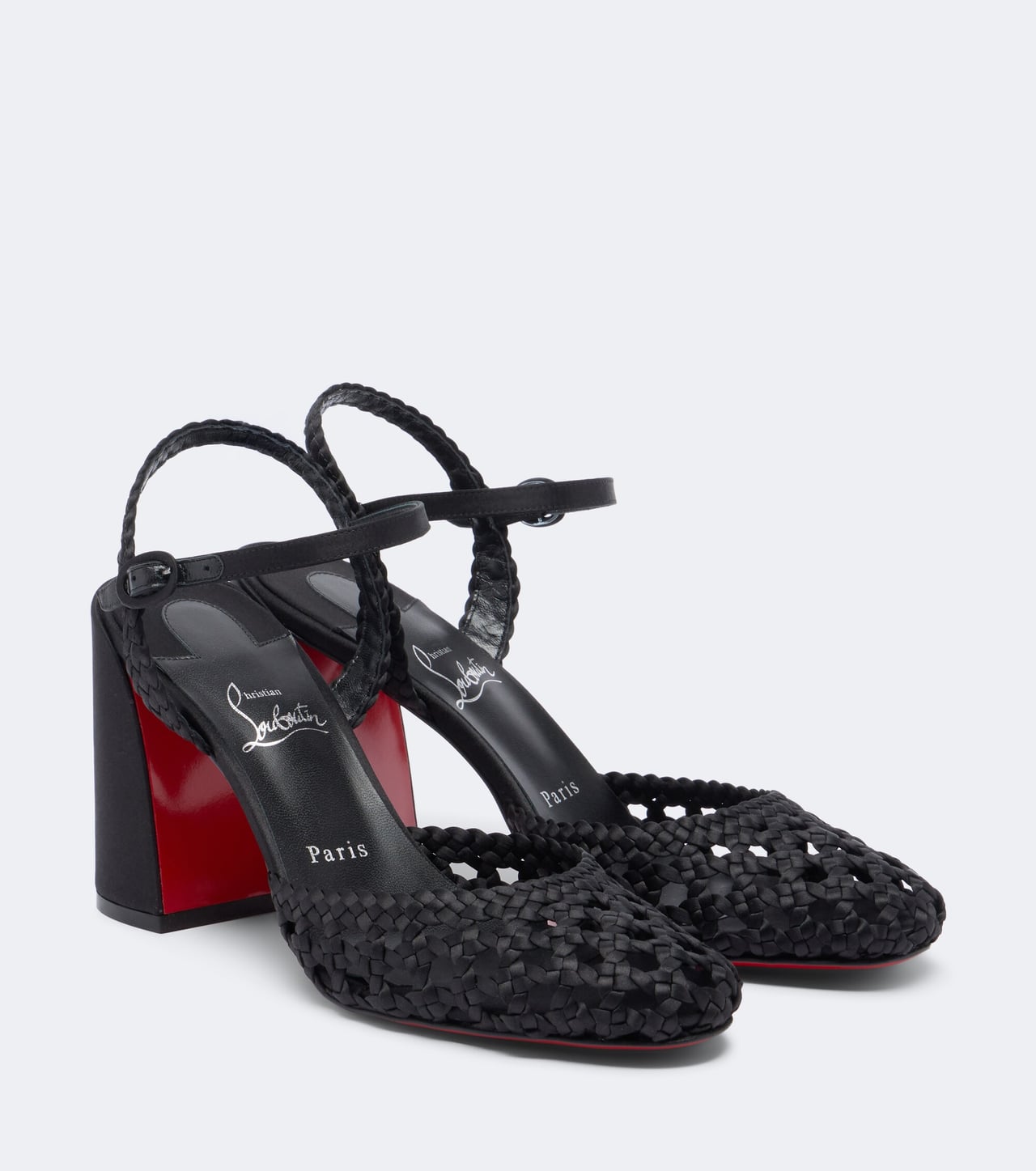
A heel is expected, and the height is up to you. Check the venue before you choose one, because grass, gravel, and cobblestones ruin a stiletto and an evening in equal measure. A block heel, a wedge, or a covered pump in satin or suede handles every surface and still reads as formal. The designer pumps edit covers all three shapes in one place.
Best for: An outdoor ceremony where a stiletto would sink into the lawn.
Check price: Evening pumps: built for grass, gravel, and cobblestones at Mytheresaat Mytheresa · Secure checkout
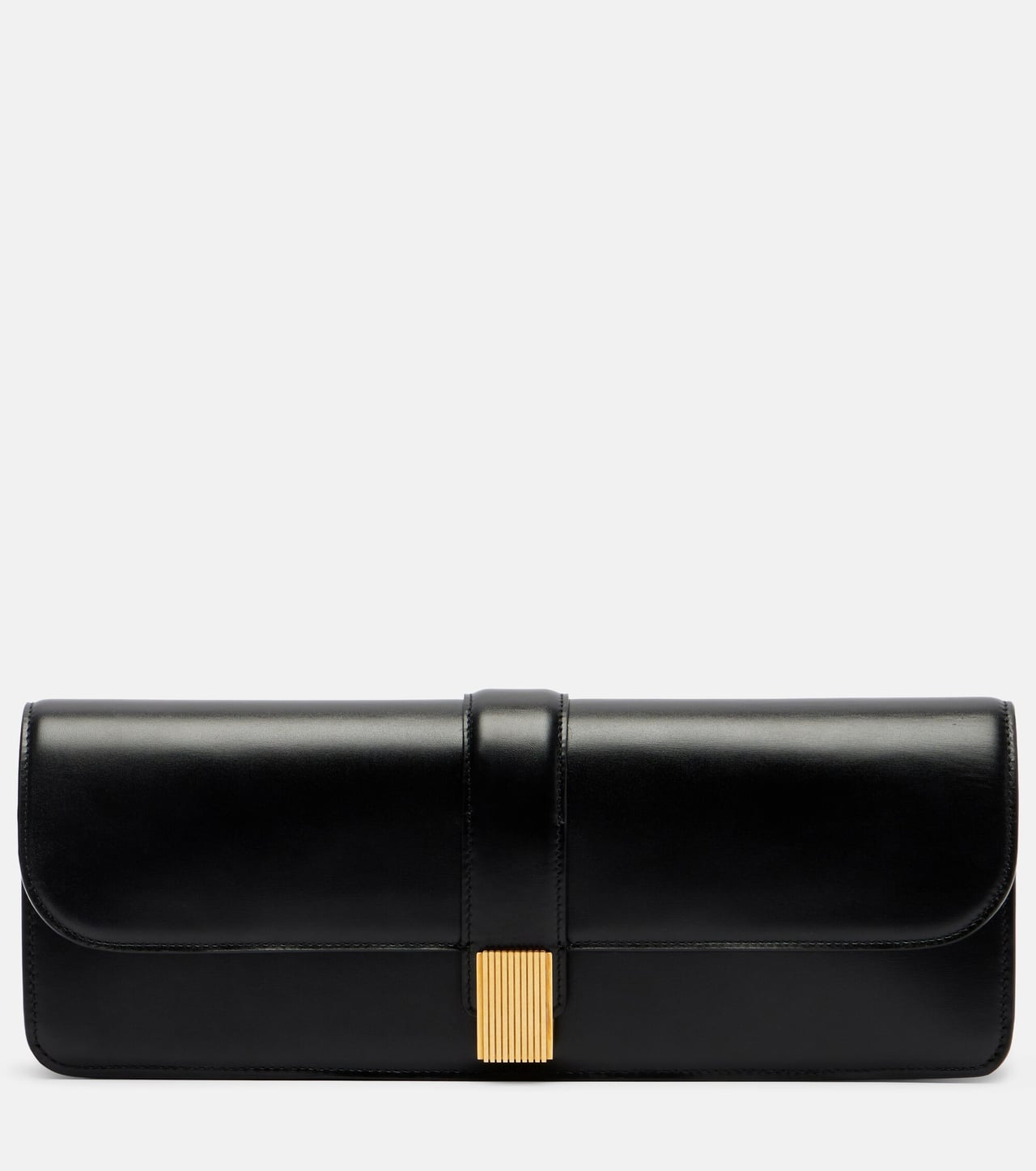
Bags. Carry a clutch or a small structured bag with a chain strap. It needs to hold a phone, a lipstick, and a card, and nothing else. A tote or a day crossbody undoes a formal outfit faster than anything else you could wear.
Mejuri: One piece, worn with confidence
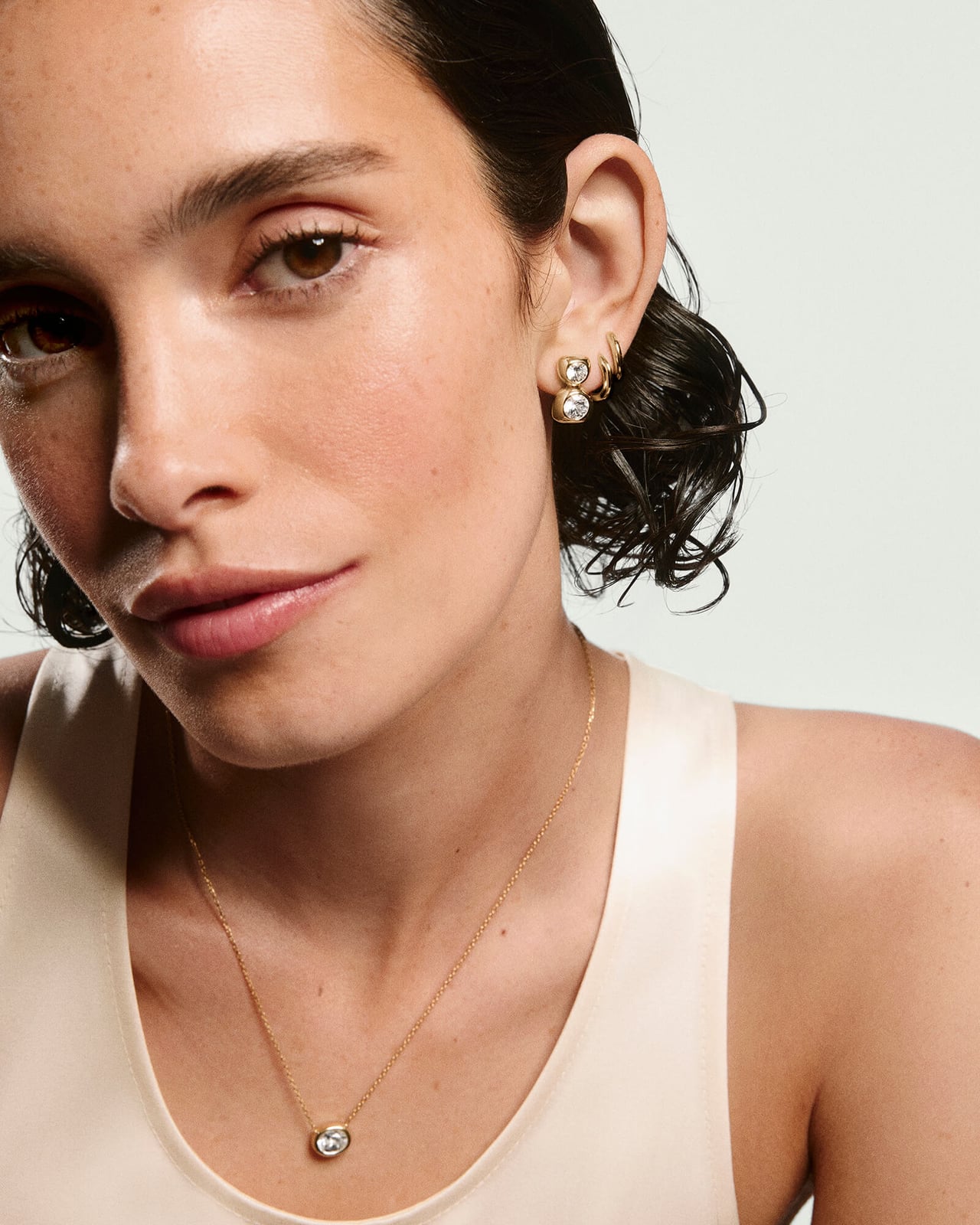
Pick one piece to lead the outfit. A pair of drop earrings with a high neckline, or a fine necklace with a strapless dress, beats three competing pieces fighting for attention. Mejuri covers this well and prices it sensibly: browse its fine jewelry if your current pieces aren’t quite evening-ready.
Best for: A guest who wants one confident piece instead of a full set.
Check price: Mejuri: One piece, worn with confidence at Mejuriat Mejuri · Trusted luxury retailer
What not to wear
The list is short. Read it twice anyway.
- Nothing white, ivory, or cream. Those colors belong to the bride for the day. Champagne and blush are a risk in photographs too, so leave them alone.
- No day fabrics. Cotton, linen, and jersey stay home no matter how long the dress runs.
- No casual shoes. Sneakers, sandals, and flat leather slides all fail here. Can’t manage a heel? A formal flat in satin or a covered pump is the fallback.
- No oversized bag. A tote at a black tie optional wedding reads like you came straight from the office.
- Nothing that competes with the bride. Skip the heavily beaded white-adjacent gown and the dramatic veil-like cape. Save both for the event where you’re the reason people showed up.
- No visible bra straps or unfinished hems. Formal dress codes are unforgiving about small details, and this is the easiest category to get right.
Sheer panels, high slits, and low backs are all fine in principle. Judge them against the venue: a cathedral ceremony and a rooftop reception carry different tolerances, and you’ll know which one you’re walking into.

Black tie vs black tie optional vs cocktail attire
These three dress codes sit side by side and get confused constantly.
| Dress code | What it asks for | Shortest acceptable hem | Fabric |
|---|---|---|---|
| Black tie | A floor-length gown or formal evening suiting | Floor, with a formal midi as the exception | Satin, silk, velvet, lace |
| Black tie optional | A gown, a formal midi, or an evening cocktail dress | Knee | Satin, silk, velvet, crepe, jacquard |
| Cocktail attire | A knee-length or midi dress | Just above the knee | Crepe, satin, silk, structured wool |
Black tie is the strict version. It expects a gown, and it expects the room to look uniform. Our black tie attire guide for women covers the gowns, the fabrics, and the accessories that dress code calls for.
Black tie optional removes the requirement and keeps the register. You can still wear the gown. You’re simply no longer obligated to.
Cocktail attire is a full step down. The dress runs shorter, the fabric range widens, and the evening is usually less formal. Our cocktail attire guide for women has the detail if that’s what your invitation actually says.
Genuinely unsure which of the three you’re dressing for? Wear the formal midi. It’s correct under all three dress codes, and it’s the only outfit on this page that can say that.
Frequently asked questions about black tie optional attire for women
What is a black tie optional dress?
What dress is appropriate for black tie optional?
What is the difference between black tie and black tie optional?
Is black tie optional too dressy?
What is the female equivalent of black tie?
Products featured here are independently selected by our editors. If you buy through our retail links we may earn an affiliate commission — it never changes the price you pay, and it never decides our verdicts. Read our earnings disclaimer.