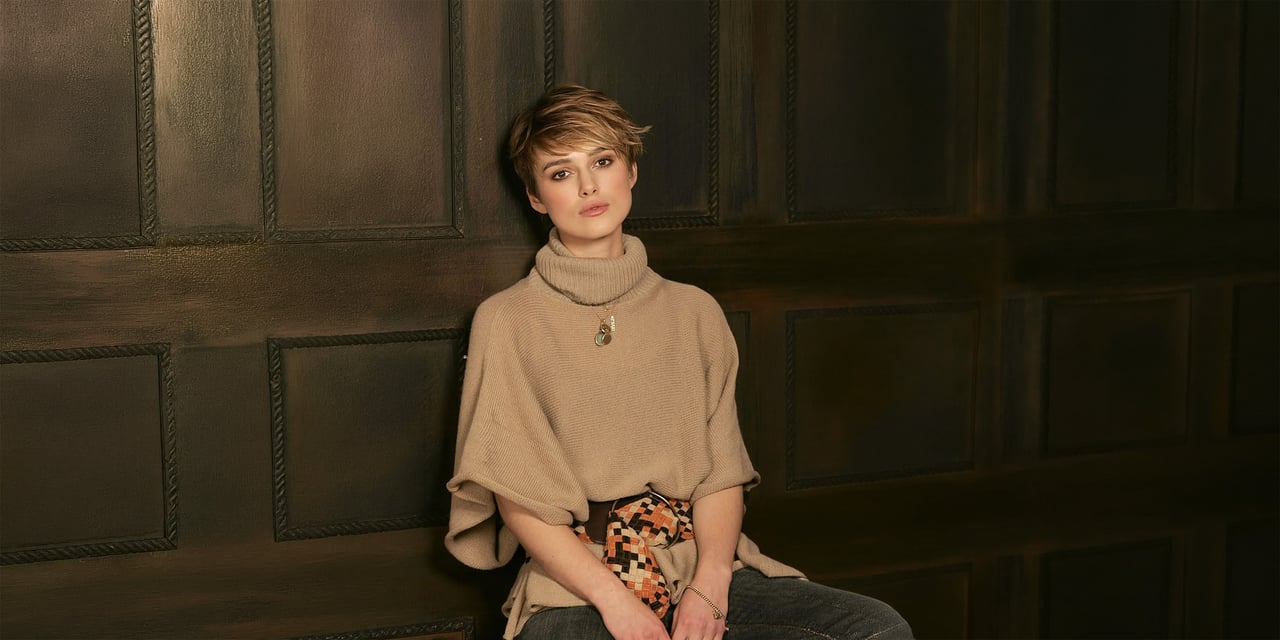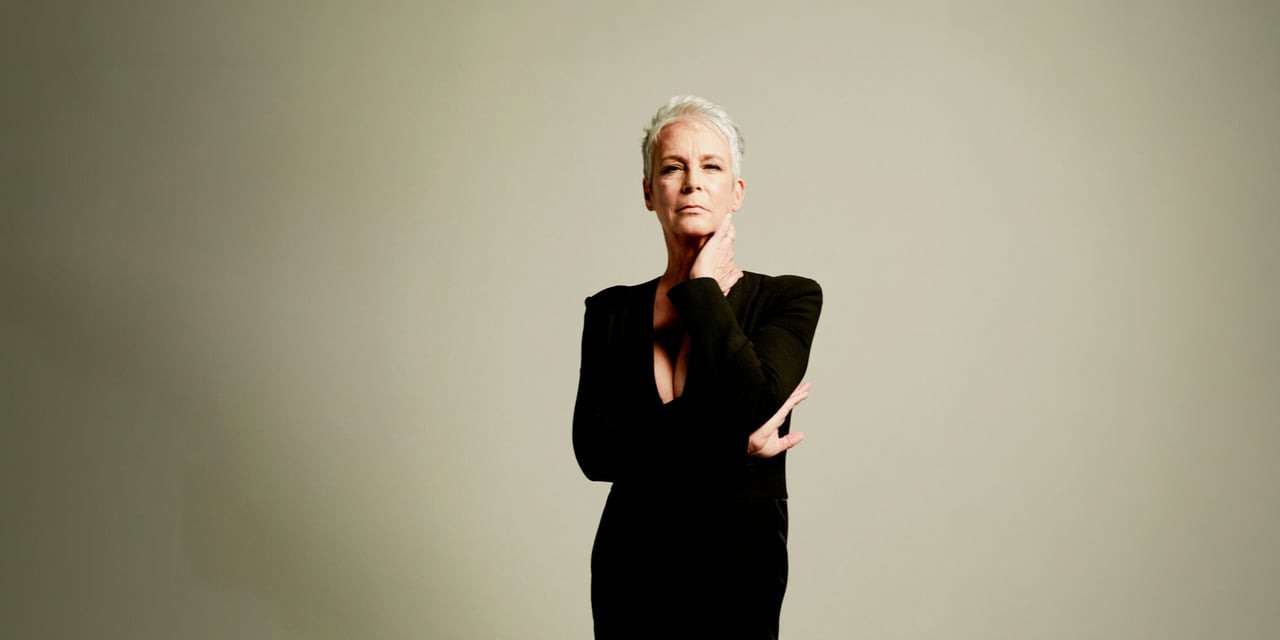
You know the moment your stylist lifts a section of your hair, lets it slide off the comb and says, “You’ve got fine hair, haven’t you?” Then you wait to hear what that rules out.
Less than you’d think. Fine hair is about the width of each strand, and thin hair is about how many strands you have, so plenty of people have both (and plenty have one without the other). Either way, length is what works against you. The longer a fine strand grows, the more it drags the root flat and the more see-through the ends get.
A bob takes that length away and puts the weight back at the ends. A clean line there makes hair look thicker than it is. The trick is choosing where that line sits and how much layering it can take.
So here are 29 bobs on fine hair, many shown from two angles, with the words to use in the chair.
Bob haircuts for fine hair
Here are 29 bobs on fine hair, from blunt to layered.
Blunt bobs for fine hair
Blunt chin-length bob
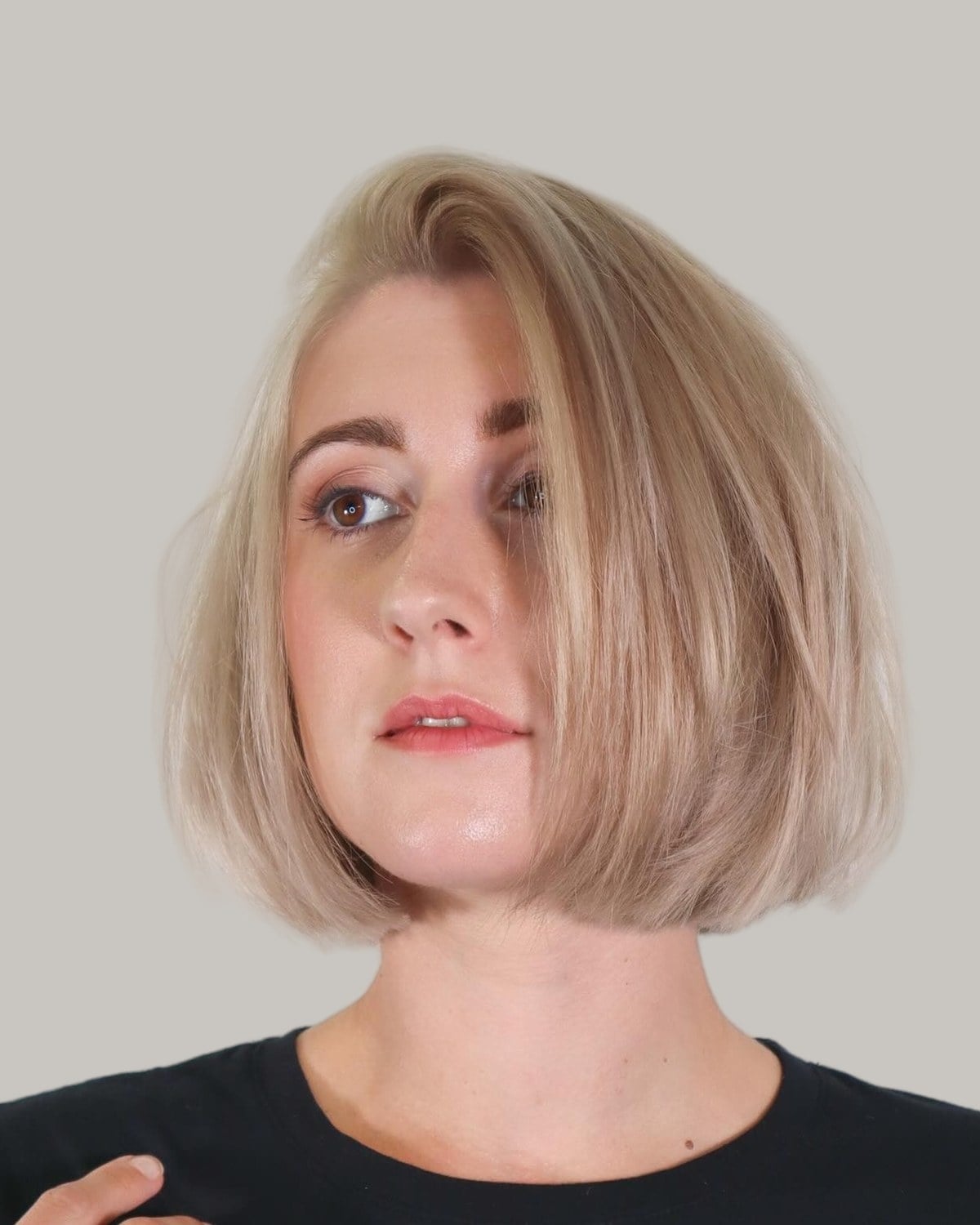
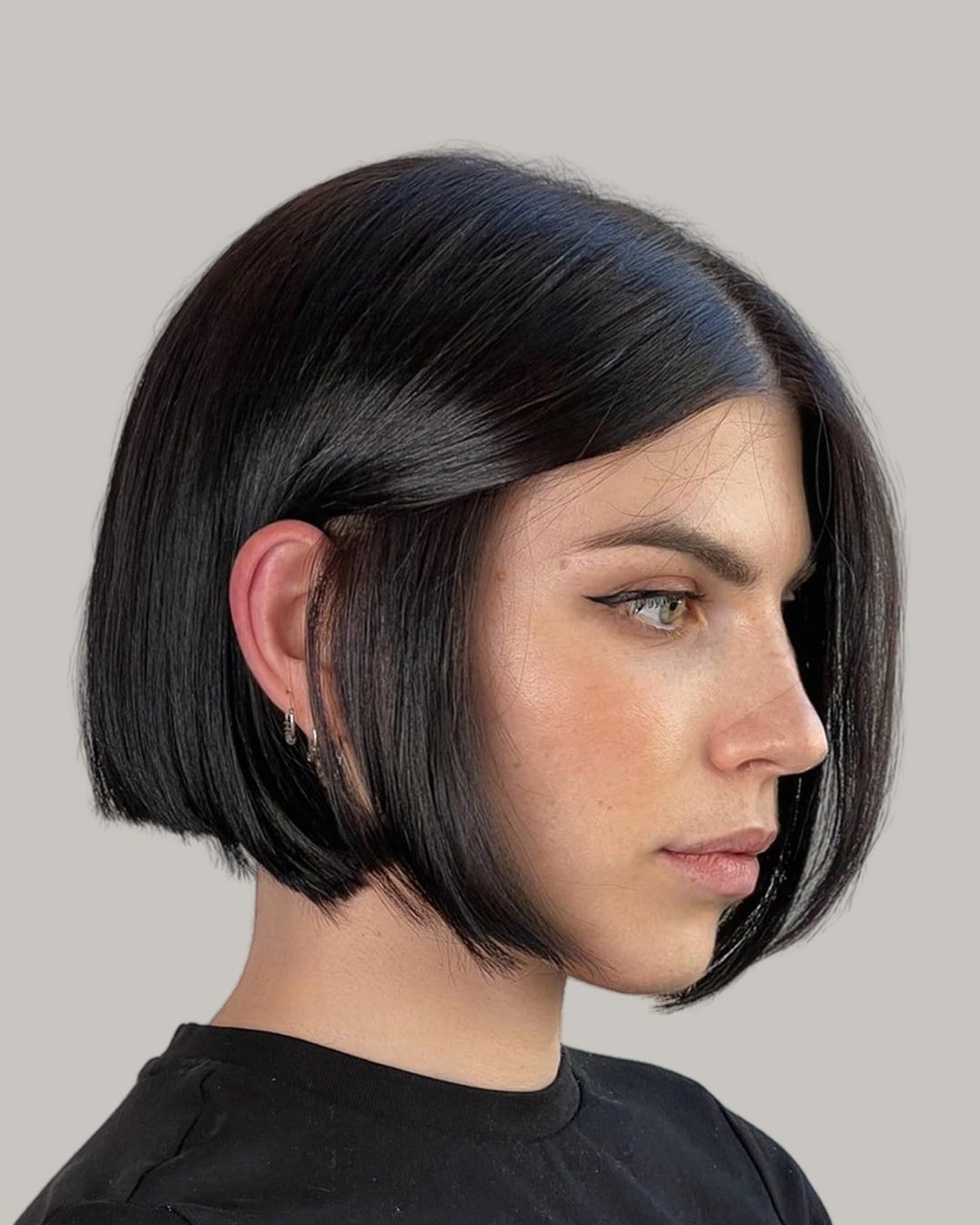
One length, cut straight across at the chin, so every strand ends in the same place. That shared line is what reads as density. Annie Croucher of Annie Westworks Hair puts it simply: a bob is all about where the weight sits, and here it all sits at the bottom.
What to ask for A one-length bob at the chin, cut blunt with scissors and no layers, the ends left heavy.
Blunt bob with a deep side part
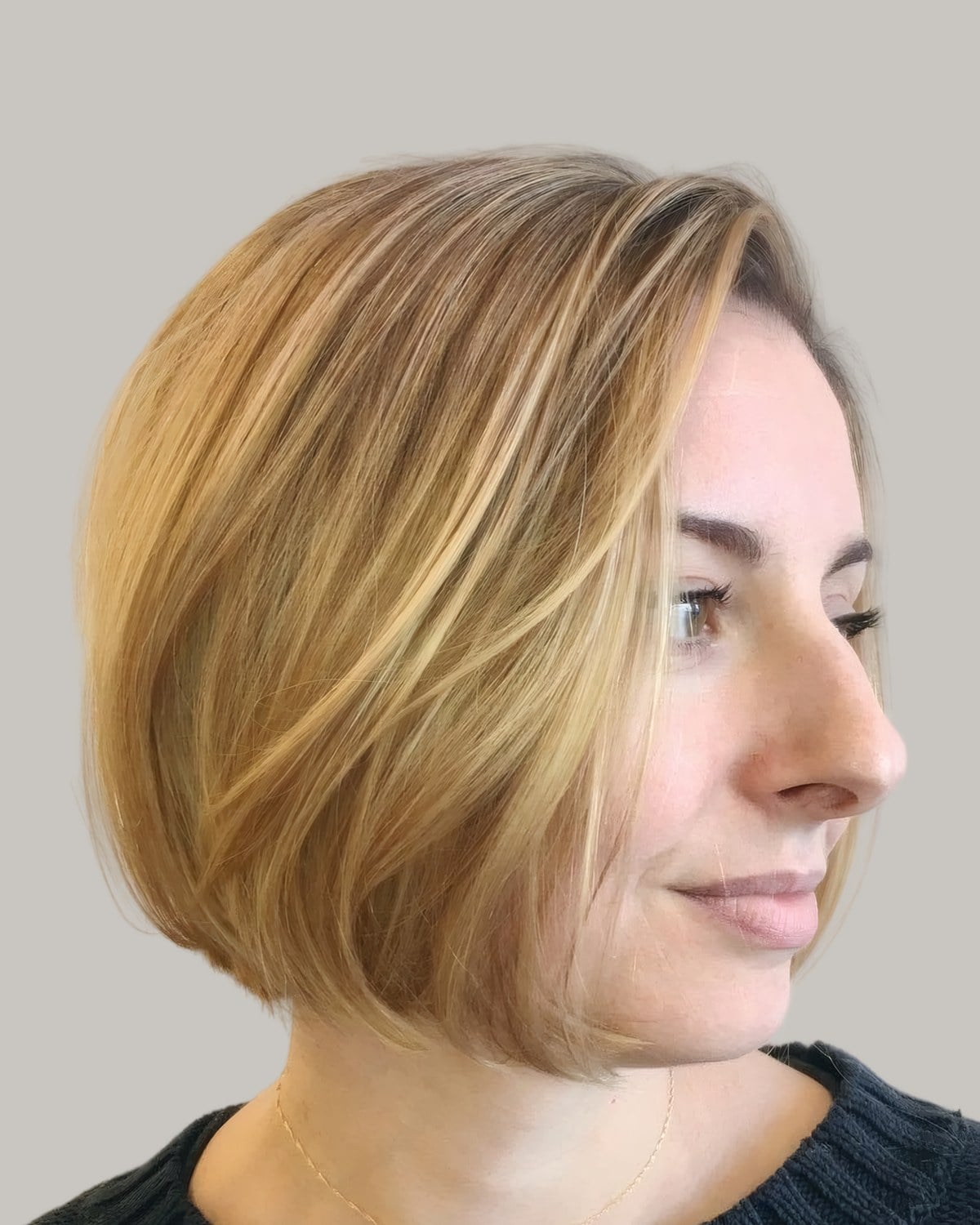
The same blunt line, with the part pushed well over to one side. The hair on the heavy side lifts at the root and falls with more body, and the part itself shows less scalp. Blow-dry toward the part, then flip it once it’s dry.
What to ask for A blunt bob between the jaw and chin, a deep side part, no face-framing layers, the ends kept solid.
Short blunt bob
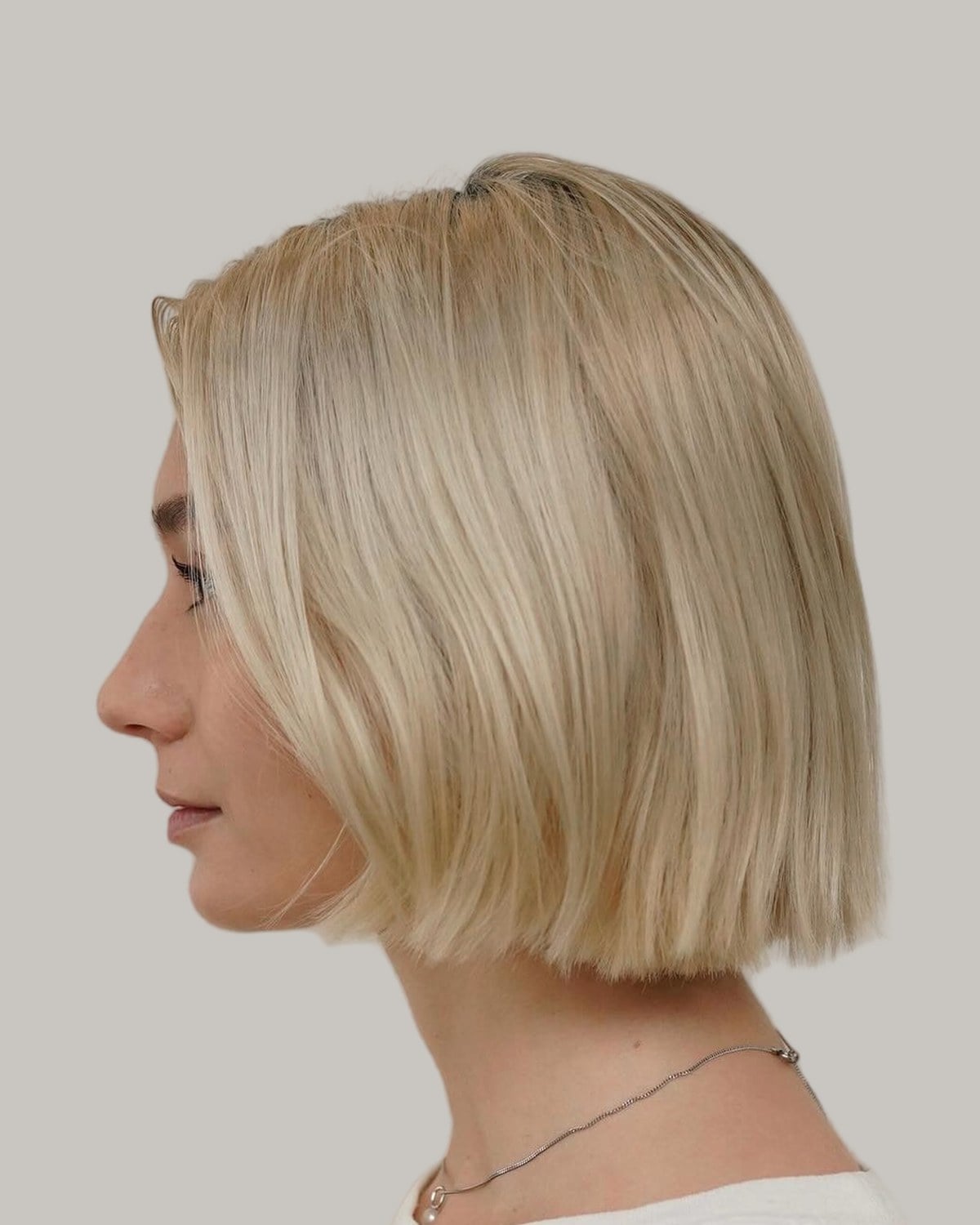
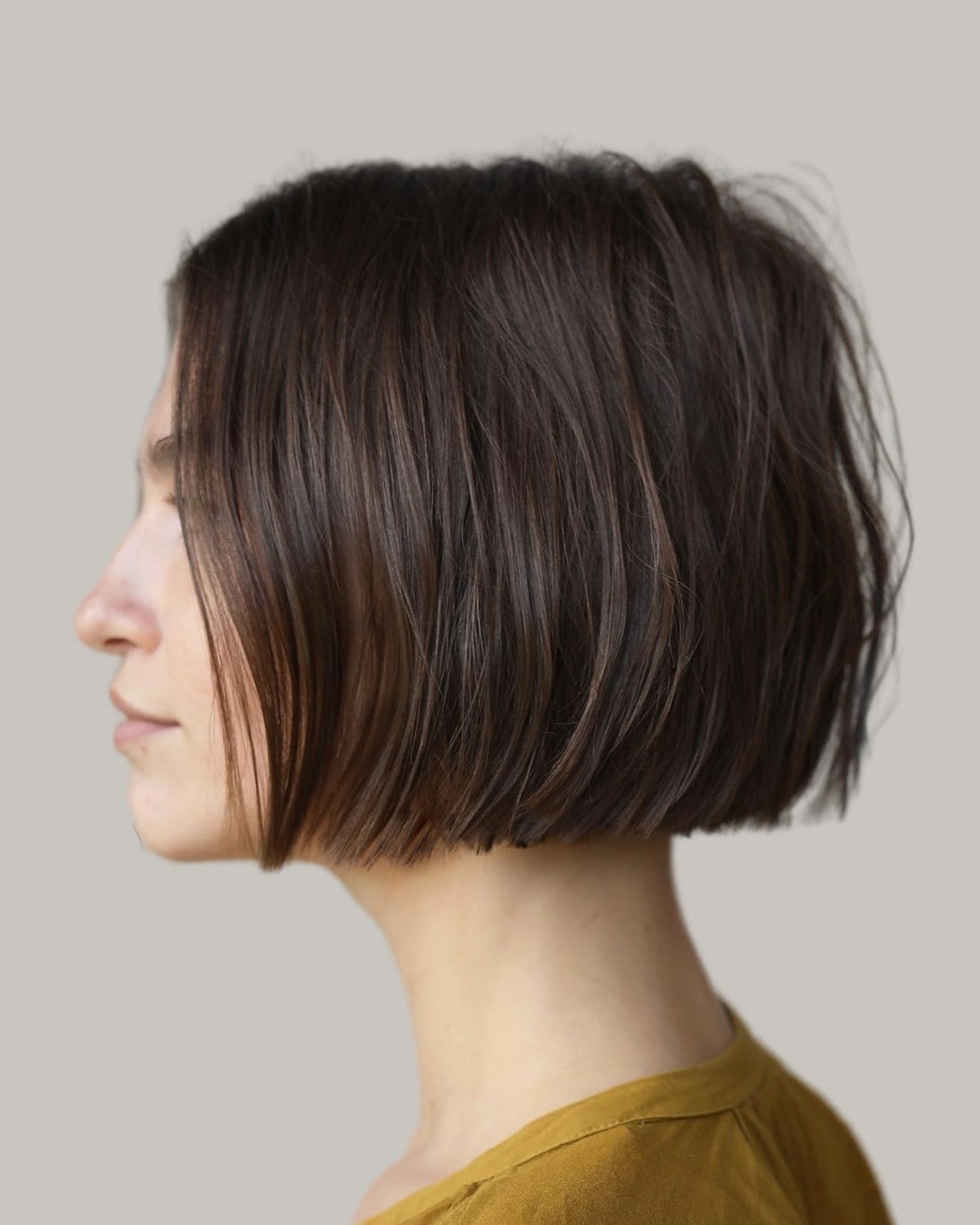
Cut at or just above the jaw, this one is sharp from every angle. Fine, straight hair holds the line well, and there’s so little length that nothing pulls the crown flat. It does need regular trims to stay crisp (every four to six weeks).
What to ask for A short blunt bob at the jaw, straight across, no graduation at the back, cut dry to check the line.
Layered and choppy bobs for fine hair
Layered bob

Layers are fine on fine hair as long as they stay low. Chaz Dean keeps them in the bottom three to four inches, so the top keeps its weight and the ends get some movement. Think of it as a dusting rather than a full layered cut.
What to ask for A bob just below the chin, light layers in the bottom three inches only, point cut, no thinning at the ends.
Choppy bob

The ends are cut into pieces so they move, but the weight isn’t thinned out. That difference matters: piecey reads as texture, thinned reads as wispy. A little texture spray and a rough-dry keep it looking lived-in.
What to ask for A choppy bob at the jaw, point-cut ends without a razor, a little texture through the front.
Shaggy bob with bangs
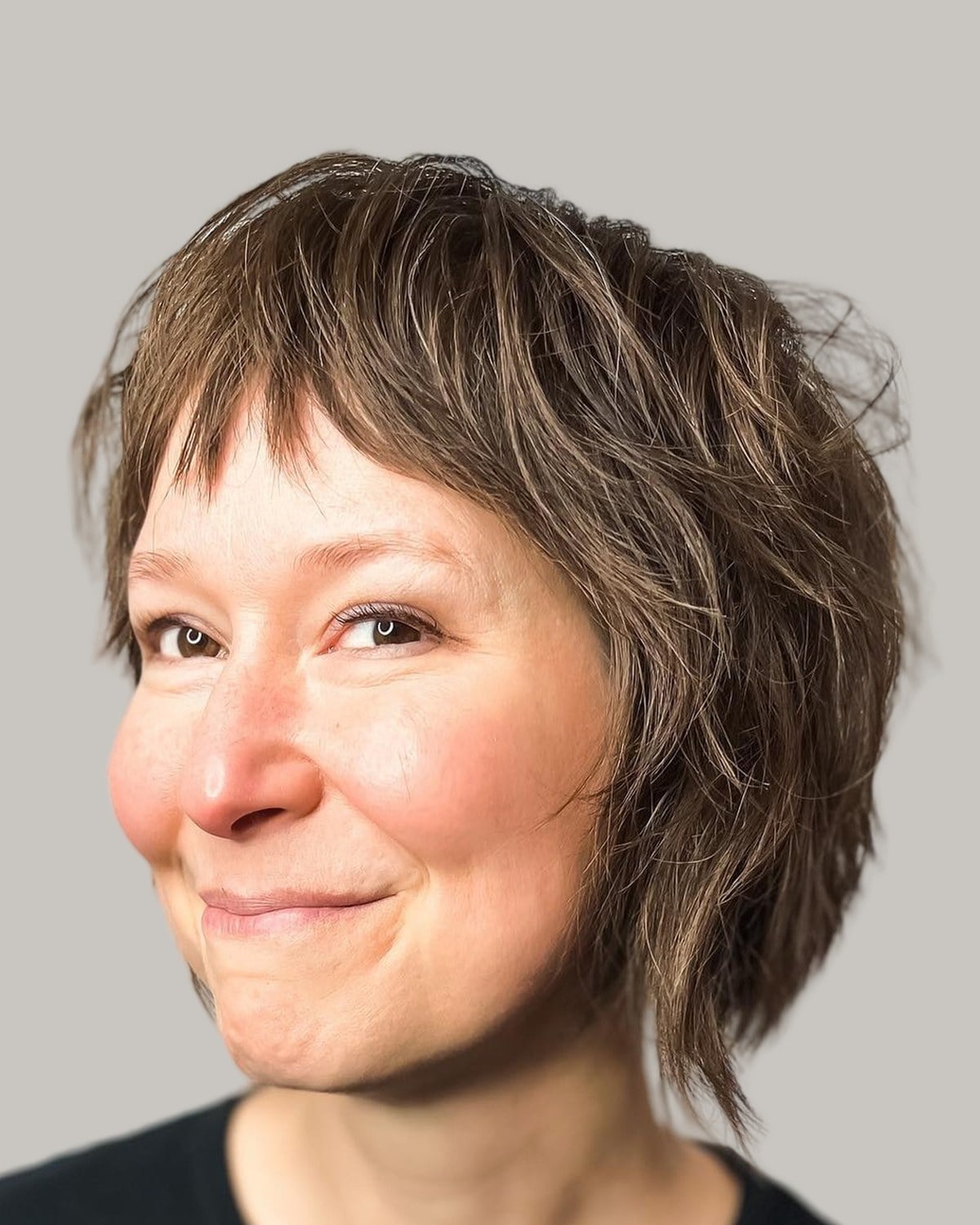
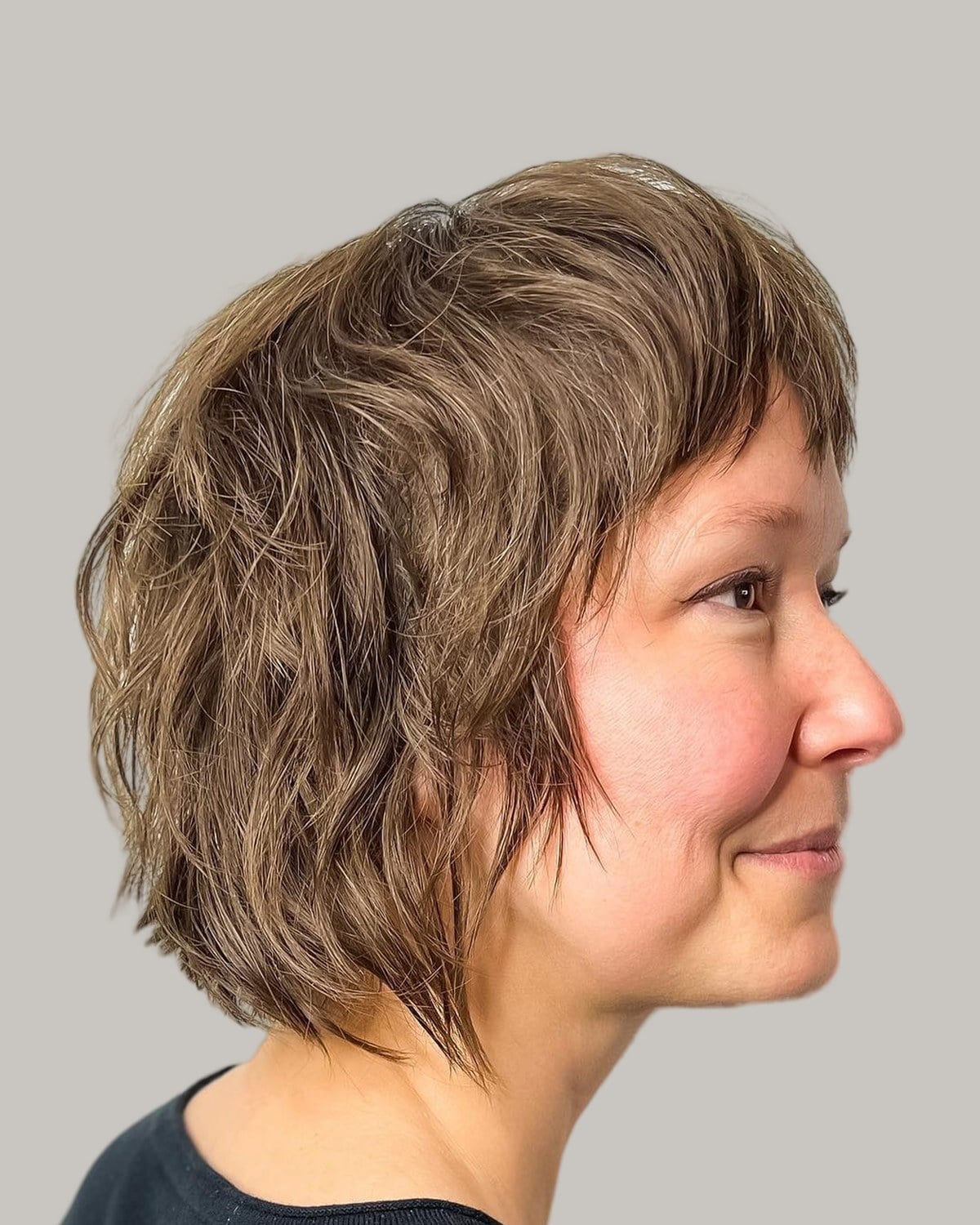
A shag on fine hair works when the layers stay soft and the crown isn’t chopped up. Micky Kastly of Blown London says heavy layering at the crown leaves gaps. Short bangs bring hair forward to the face. Selena Gomez is one of the names tied to the shaggy bob.
What to ask for A soft shaggy bob at the chin, light layers around the face, short wispy bangs, nothing short at the crown.
Wavy bob
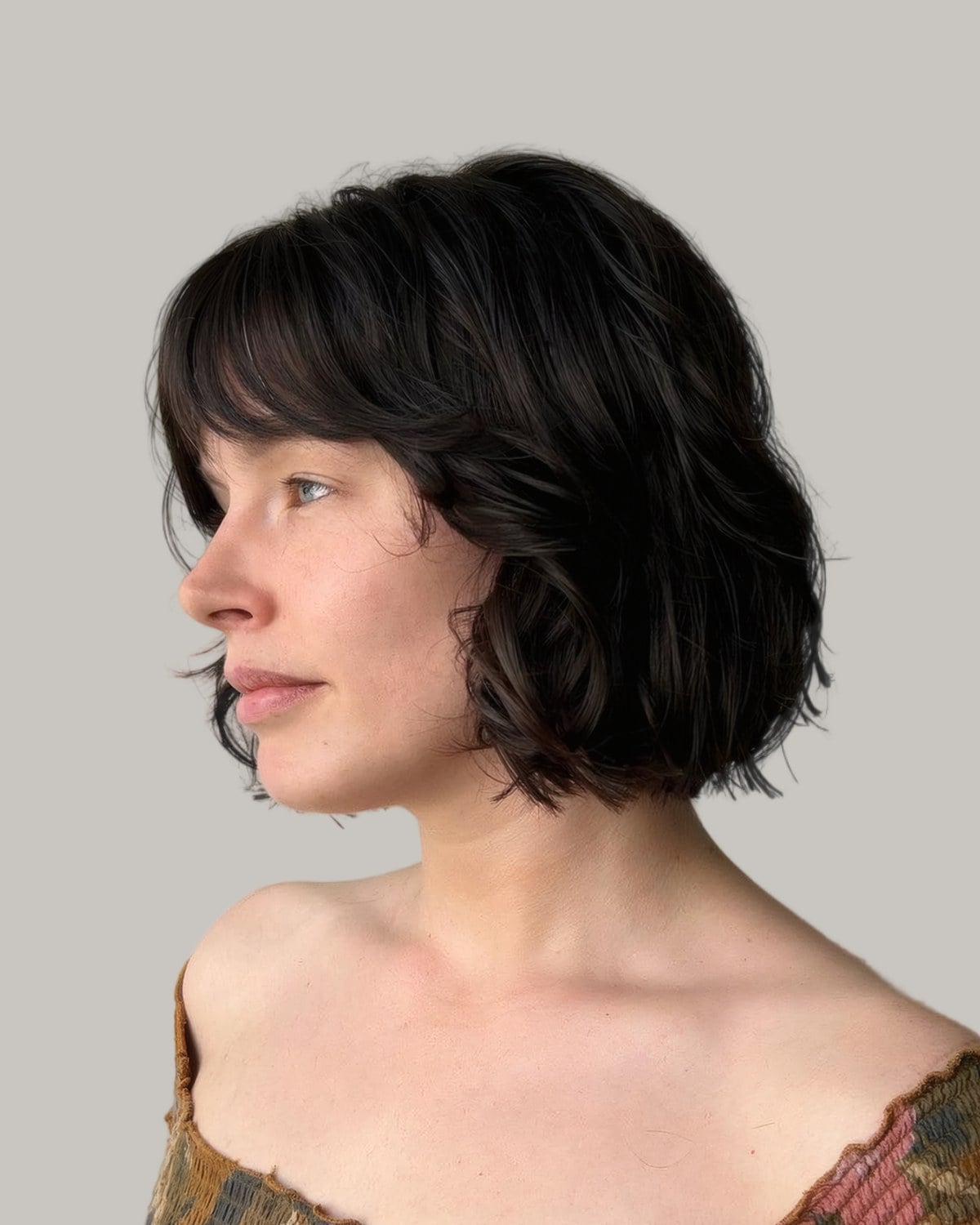
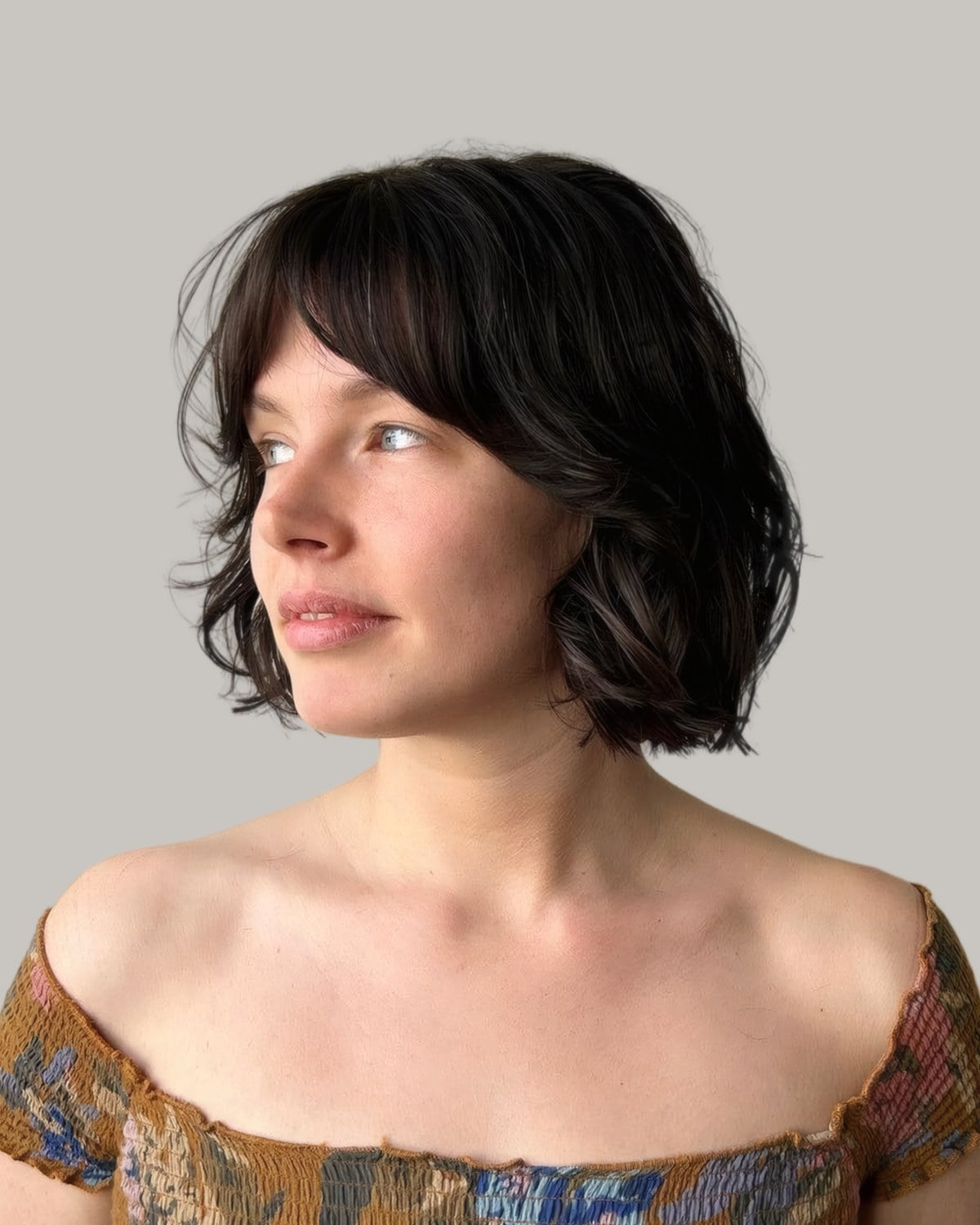
Waves push hair outward, so a wavy bob looks wider than the same cut worn straight. The cut stays blunt and the wave does the work. A twist-set or a loose curl on the ends is enough.
What to ask for A bob between the jaw and collarbone, blunt ends, a few long layers to let the wave move, no thinning.
Textured blonde bob
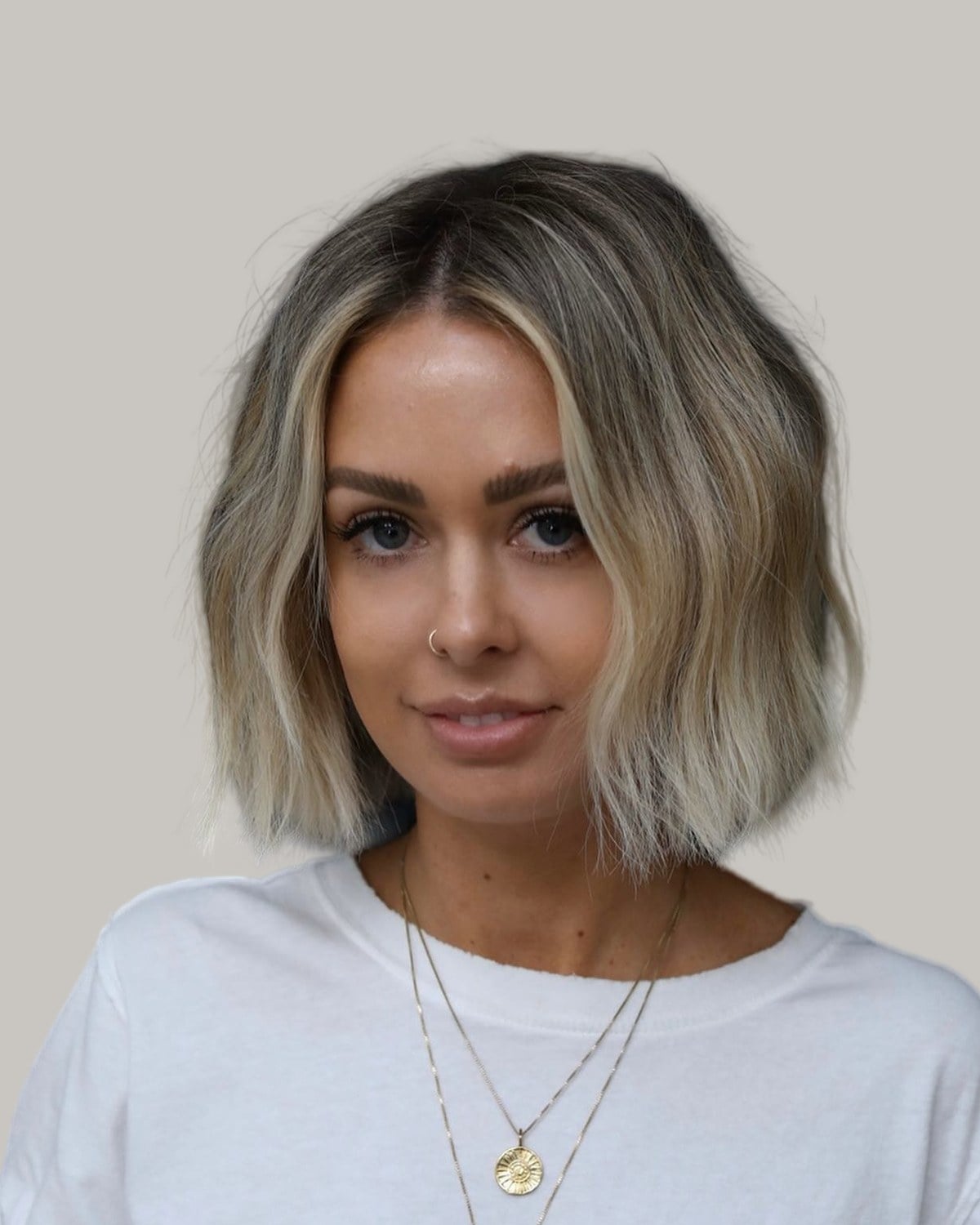

Rough-dried, piecey and a little undone. Blonde with a deeper root helps here, and colorist Erick Orellana suggests exactly that for fine hair (a darker root with a few highlights rather than going light all over). Dry shampoo on day two adds grip.
What to ask for A textured bob at the chin, soft point-cut ends, a side part, wispy pieces at the front, deeper root color.
Short and chin-length bobs for fine hair
Short bob above the chin
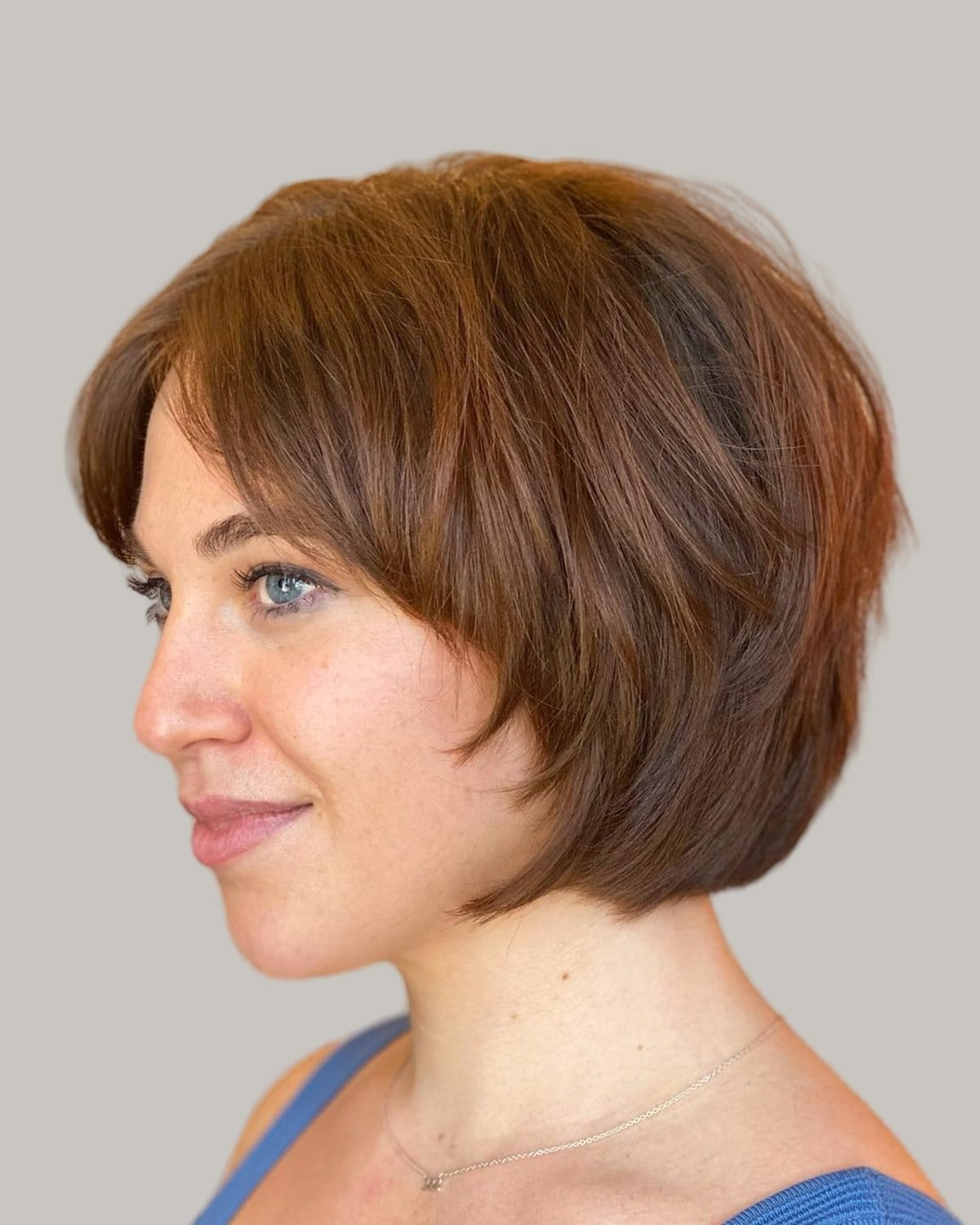
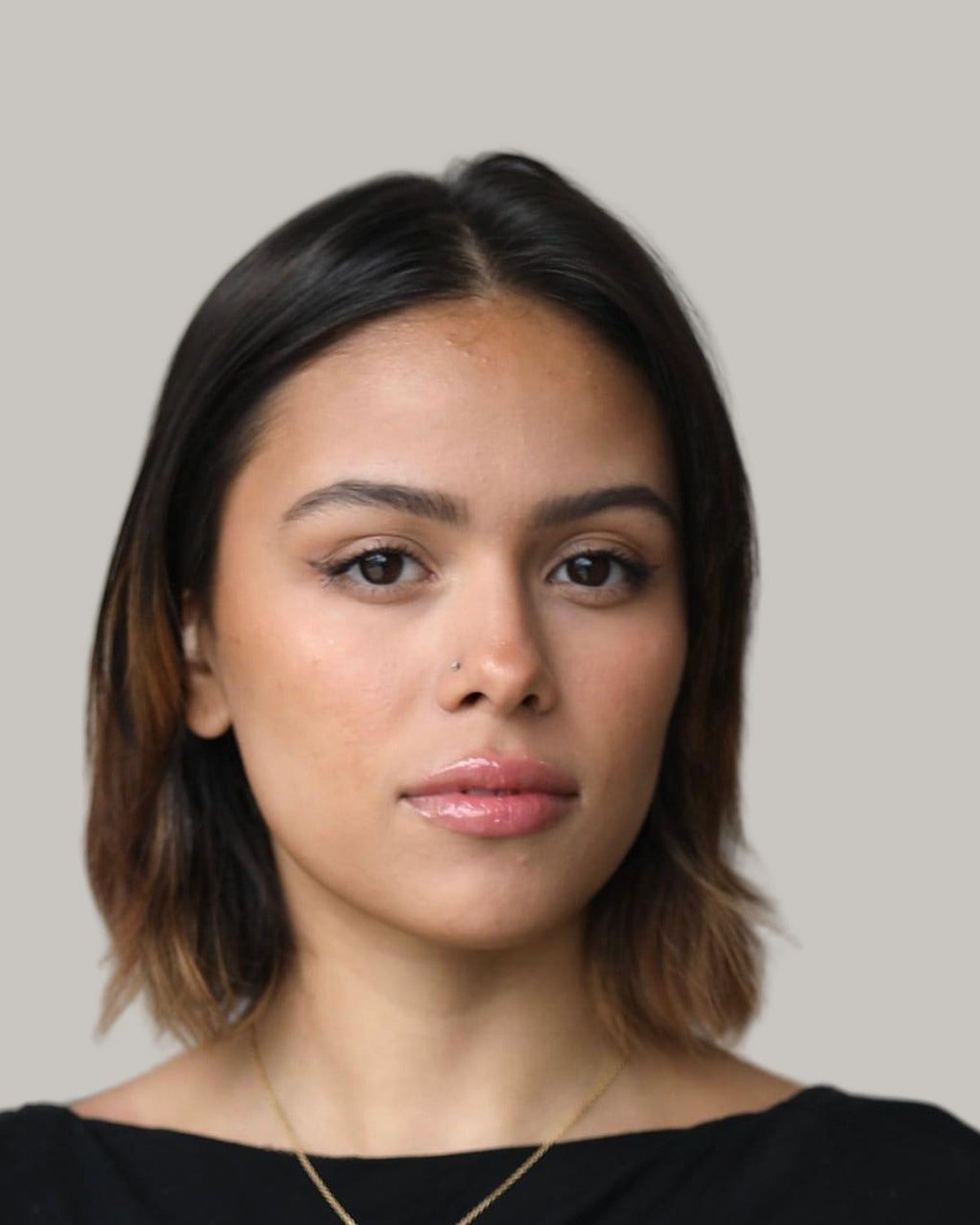
Short enough to sit above the chin, with a side-swept fringe that falls across the brow. Garren of R+Co says short cuts give fine hair more movement and lift. A round brush at the crown brings it out.
What to ask for A short bob just above the chin, a side-swept fringe to the cheekbone, a soft rounded back, blunt ends.
Chin-length bob with a middle part
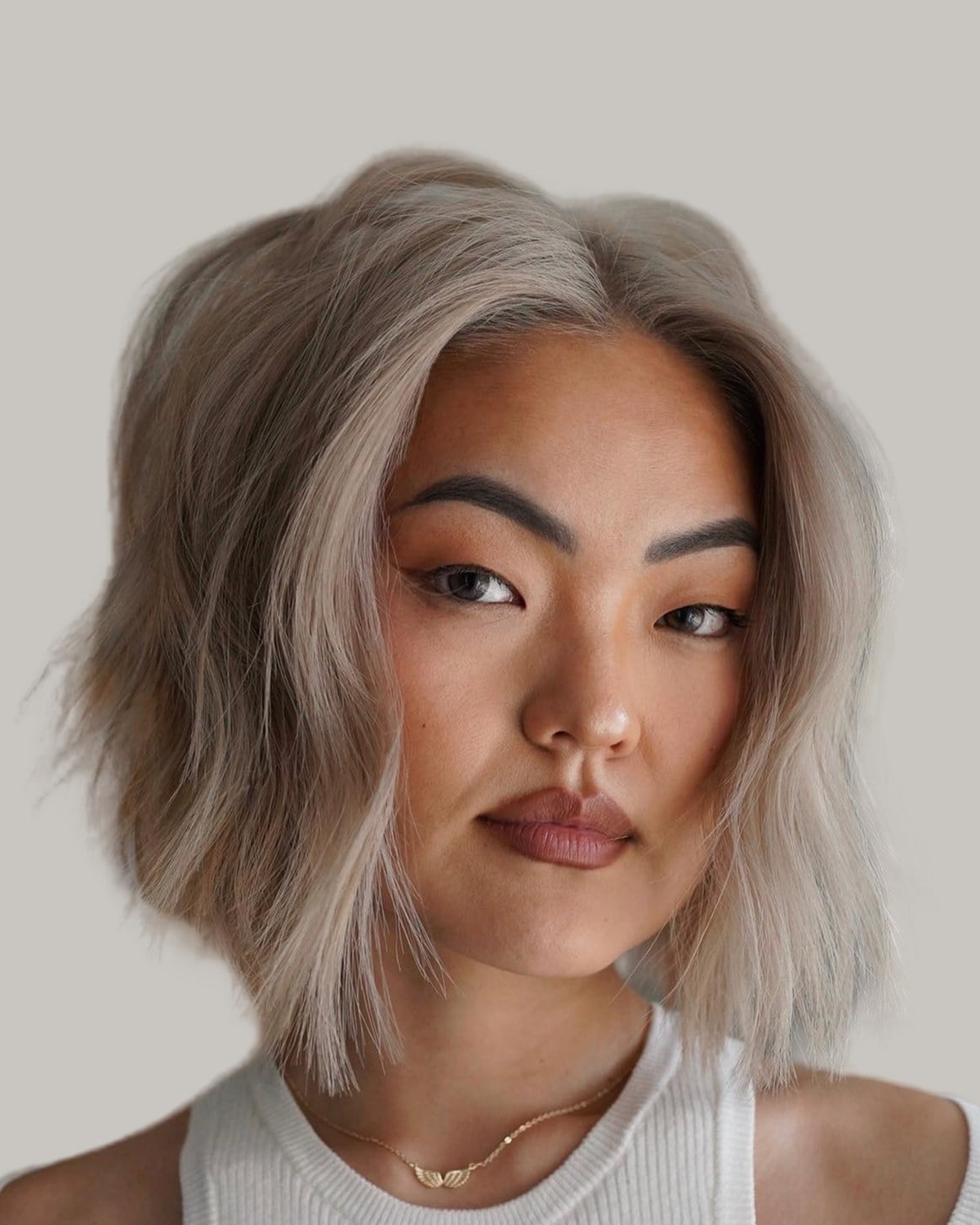
Rounded, one length and parted down the middle. The ends turn in a little at the chin. That curve gives the shape its fullness. Daniel Mora of The Hair Shop suggests keeping a chin-length bob lightly layered at most, with not much thinning at the ends.
What to ask for A one-length bob at the chin, a middle part, the ends bevelled under slightly, no layers.
Jaw-length bob with soft waves

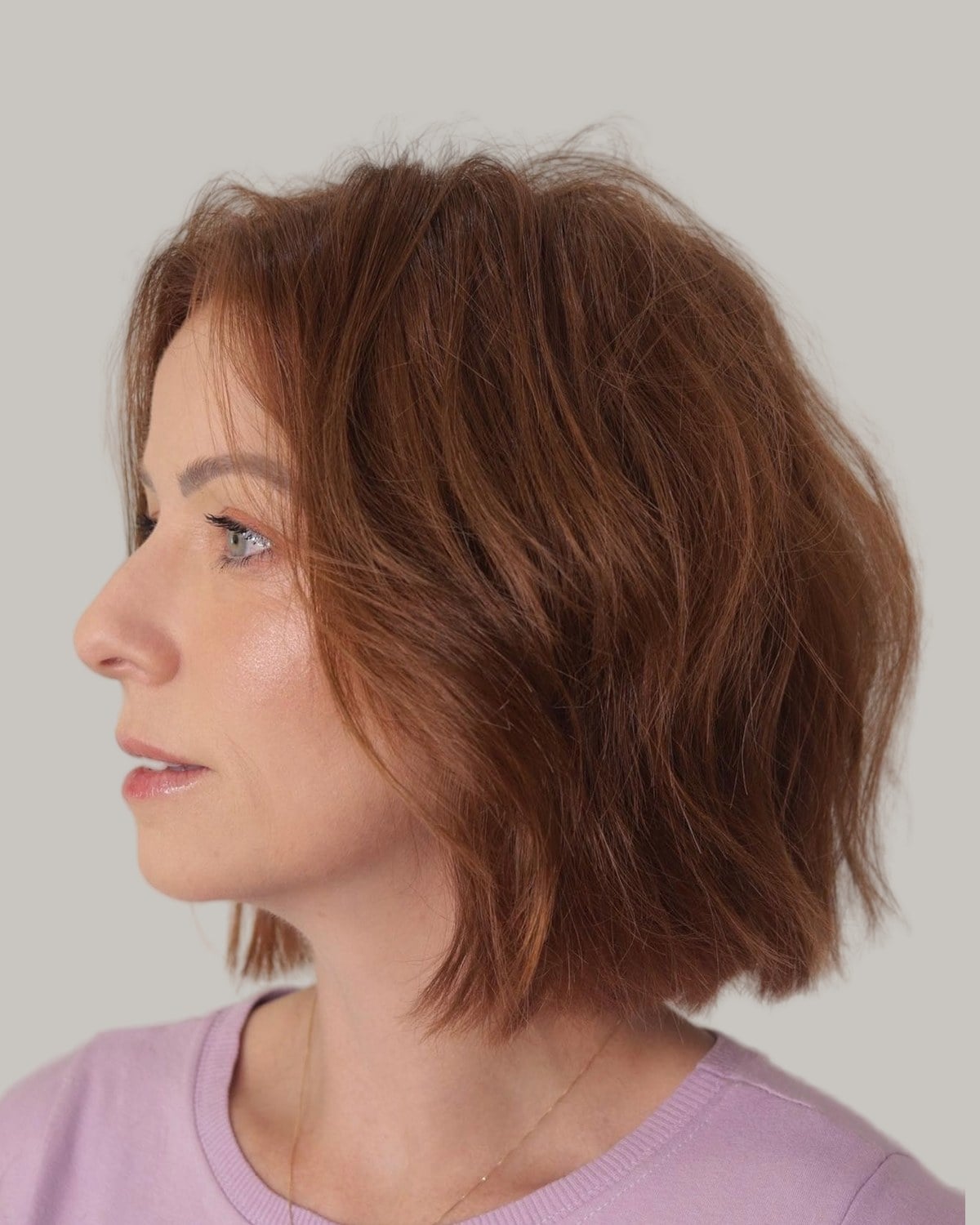
The line falls at the jaw and the waves stay loose. It’s a good length for testing a bob if you’ve been long for years, since it’s short enough to lift the root but still easy to tuck. Air-dry it with a little mousse at the roots.
What to ask for A bob at the jaw, blunt ends with soft texture, a slightly off-center part, styled with loose waves.
Stacked, graduated and A-line bobs for thin hair
Stacked bob
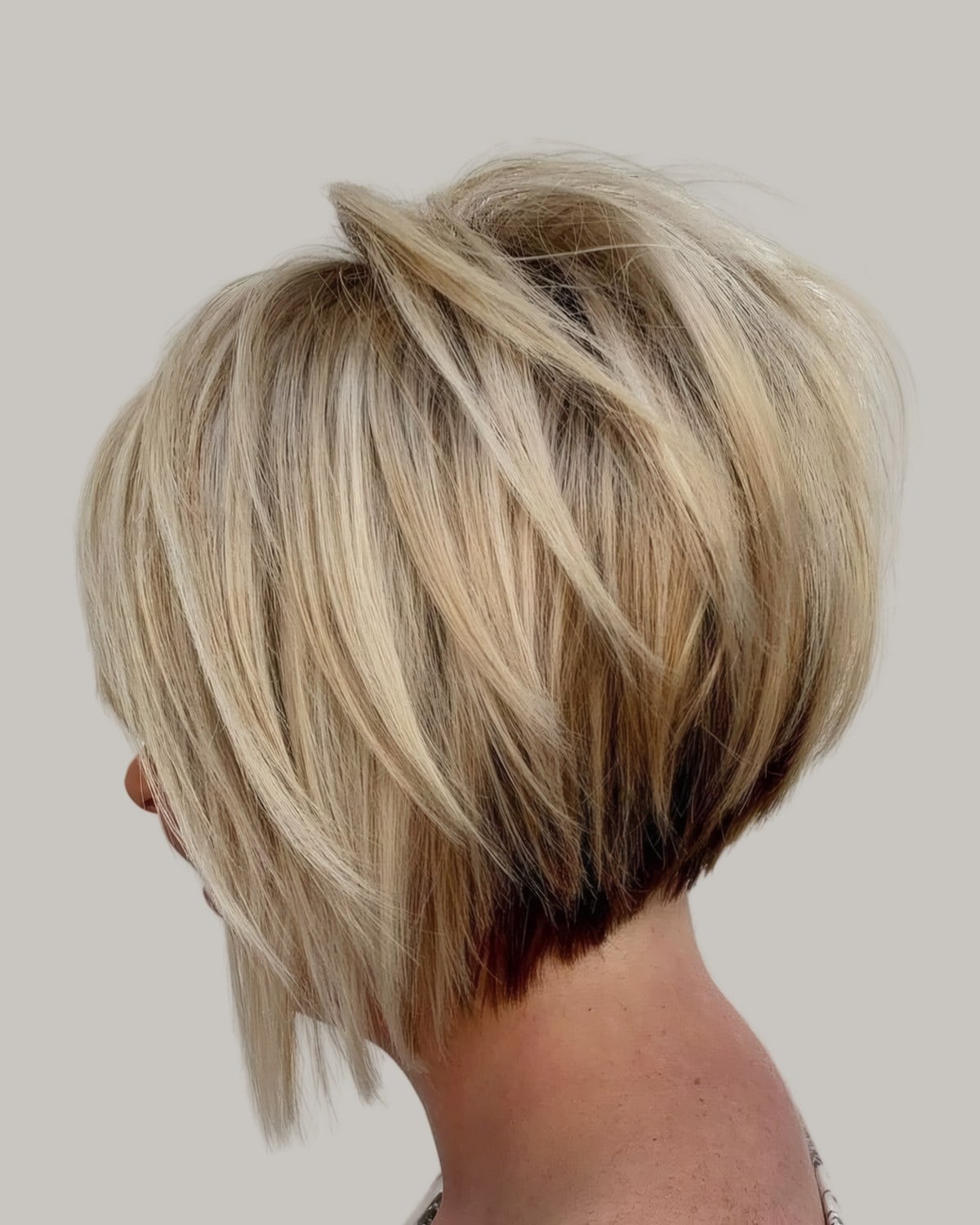
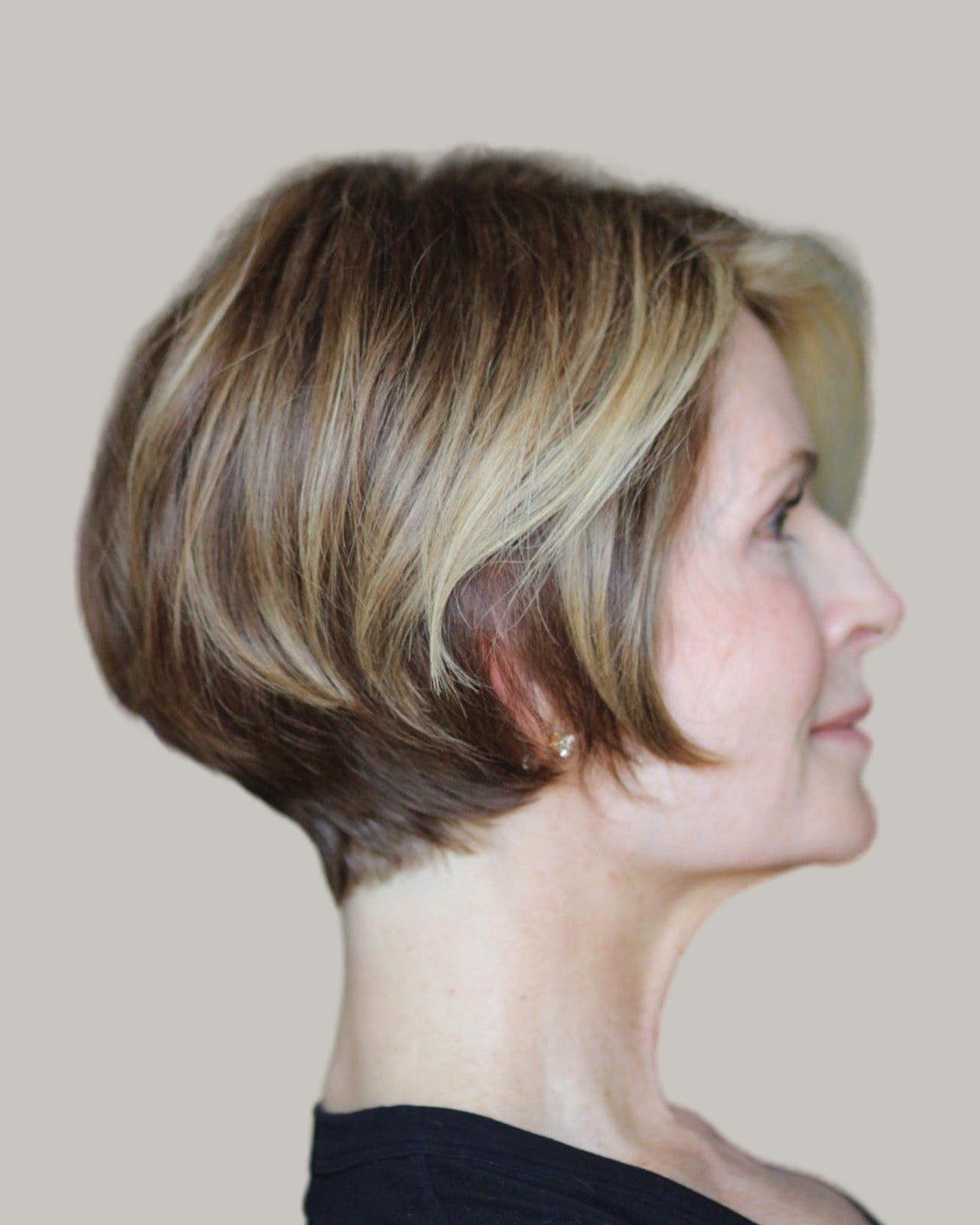
Short layers are built up at the back, close together, so the back of the head has a rounded shape. That stacking adds the lift fine hair often lacks at the crown. The front stays longer and smooth.
What to ask for A stacked bob, short layers built up at the nape, the front falling to the chin, blunt ends at the sides.
Graduated bob
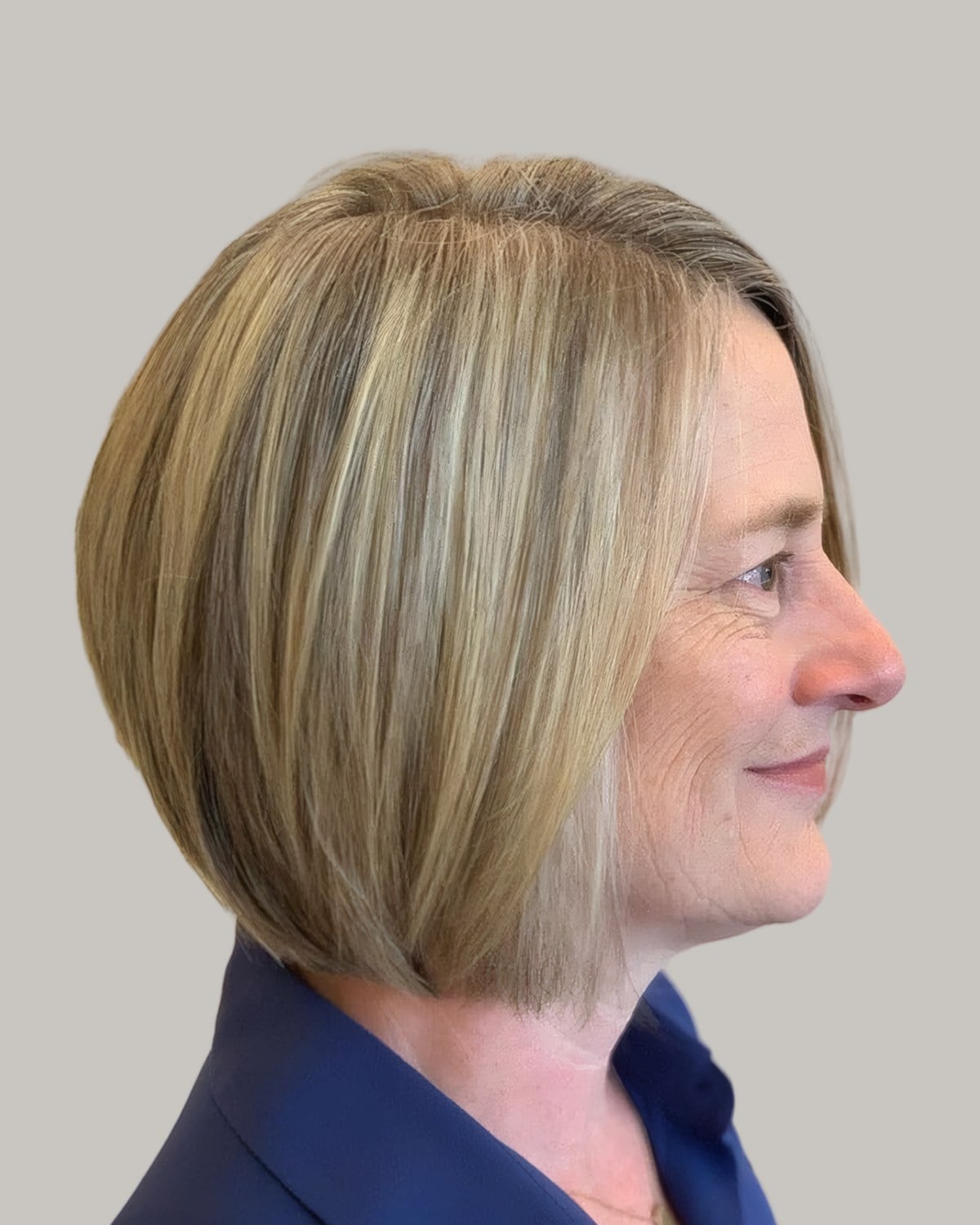
The back curves in like a horseshoe and the layers lengthen toward the front. It’s the softer cousin of the stacked bob, with fewer, longer layers. A blow-dry under a round brush shows off the curve.
What to ask for A graduated bob, short at the nape, layers getting longer toward the face, the front at the chin.
Inverted bob
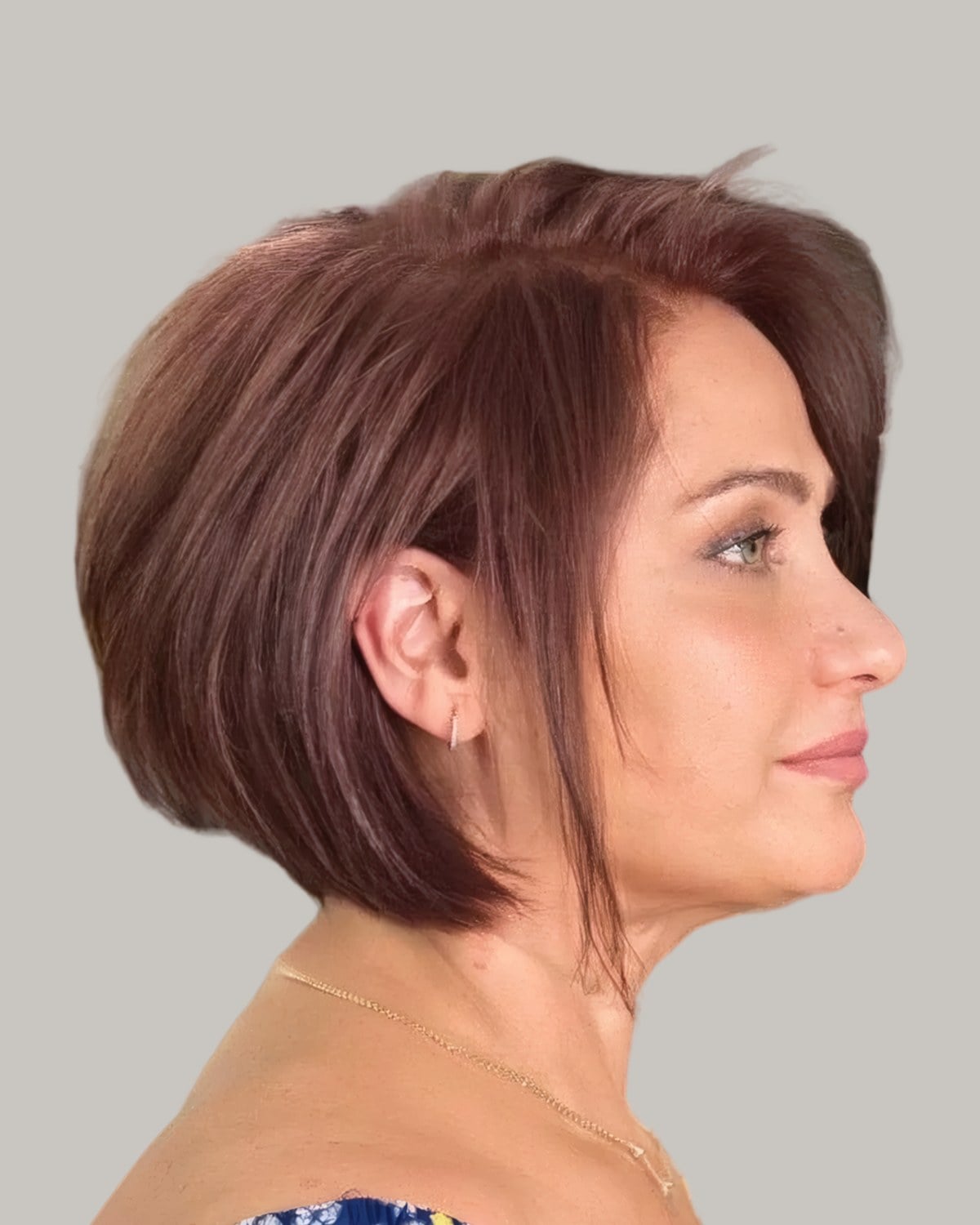
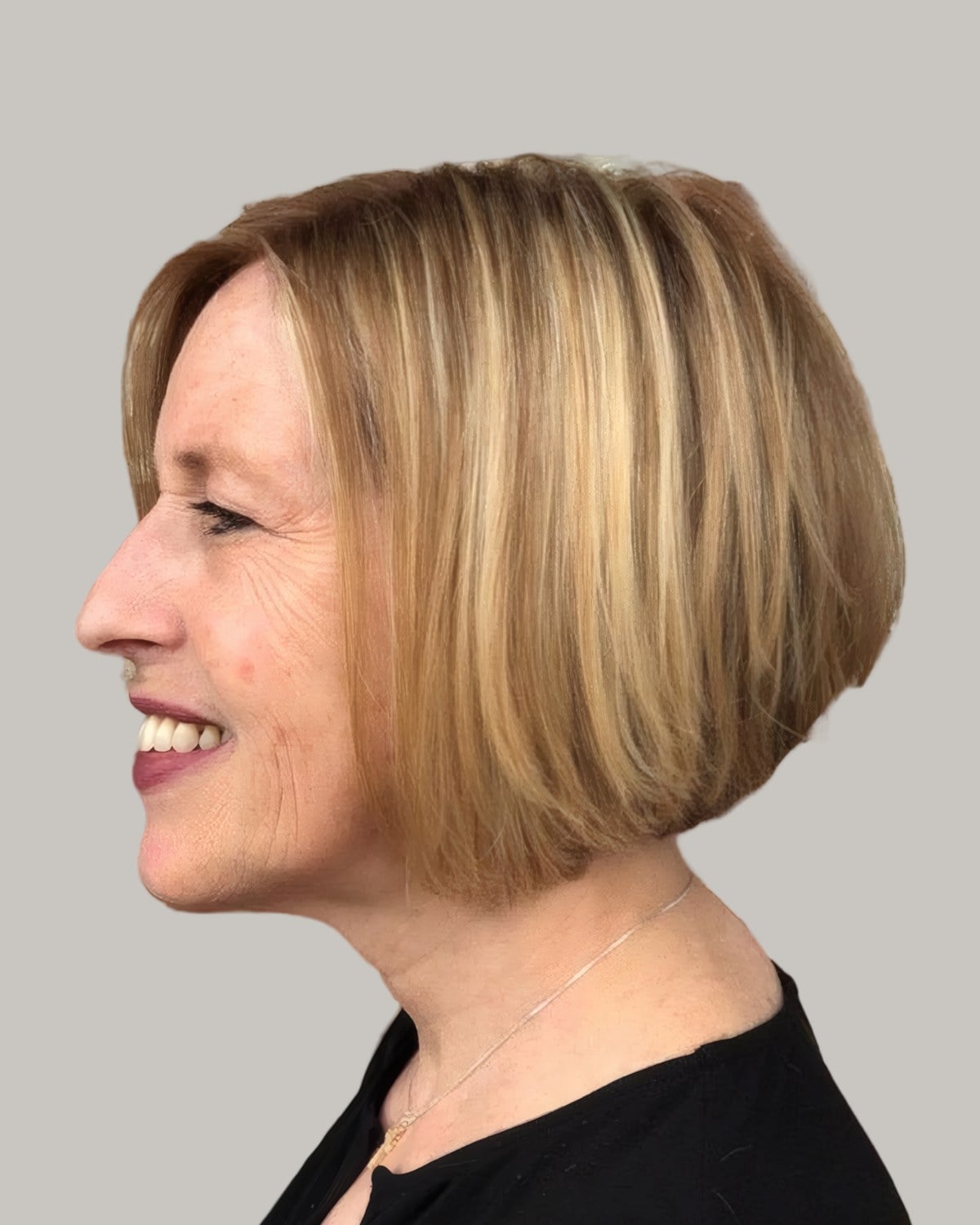
Shorter at the nape, stacked through the back and longer at the front. Andreas Wild calls the stacking “an almost architectural support system.” In plainer words, it holds the hair up. The longer front keeps the face framed.
What to ask for An inverted bob, stacked and short at the nape, the front angled down to the chin, ends kept blunt.
A-line bob
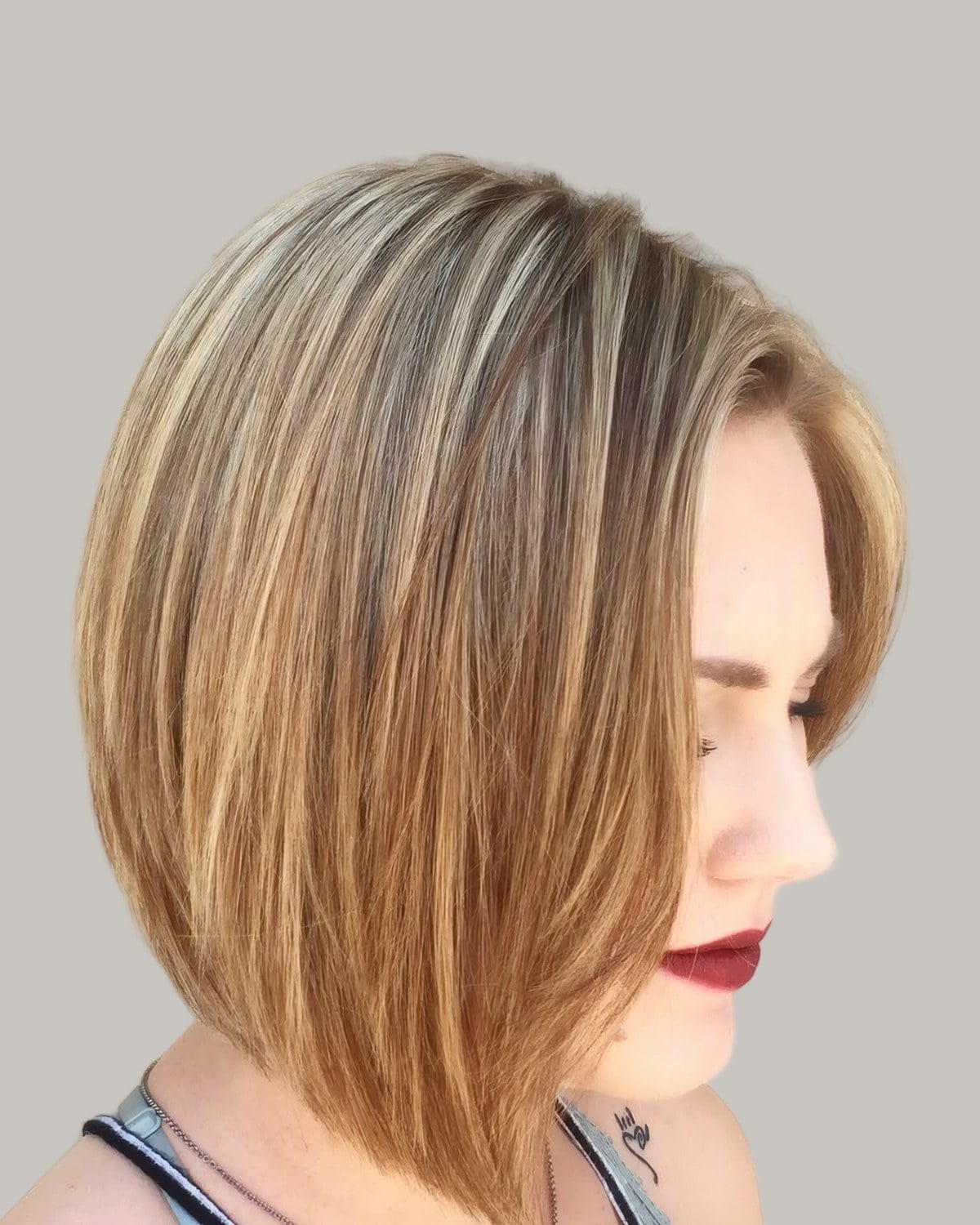
The back is smooth, with no stacking, and the line angles down to a longer front. Wild says the graduation lifts the hair at the nape so it doesn’t sit flat. It suits straight hair that holds a line.
What to ask for An A-line bob, smooth at the back, angled to a front an inch or two below the chin, a clean blunt edge.
French and Italian bobs for fine hair
French bob
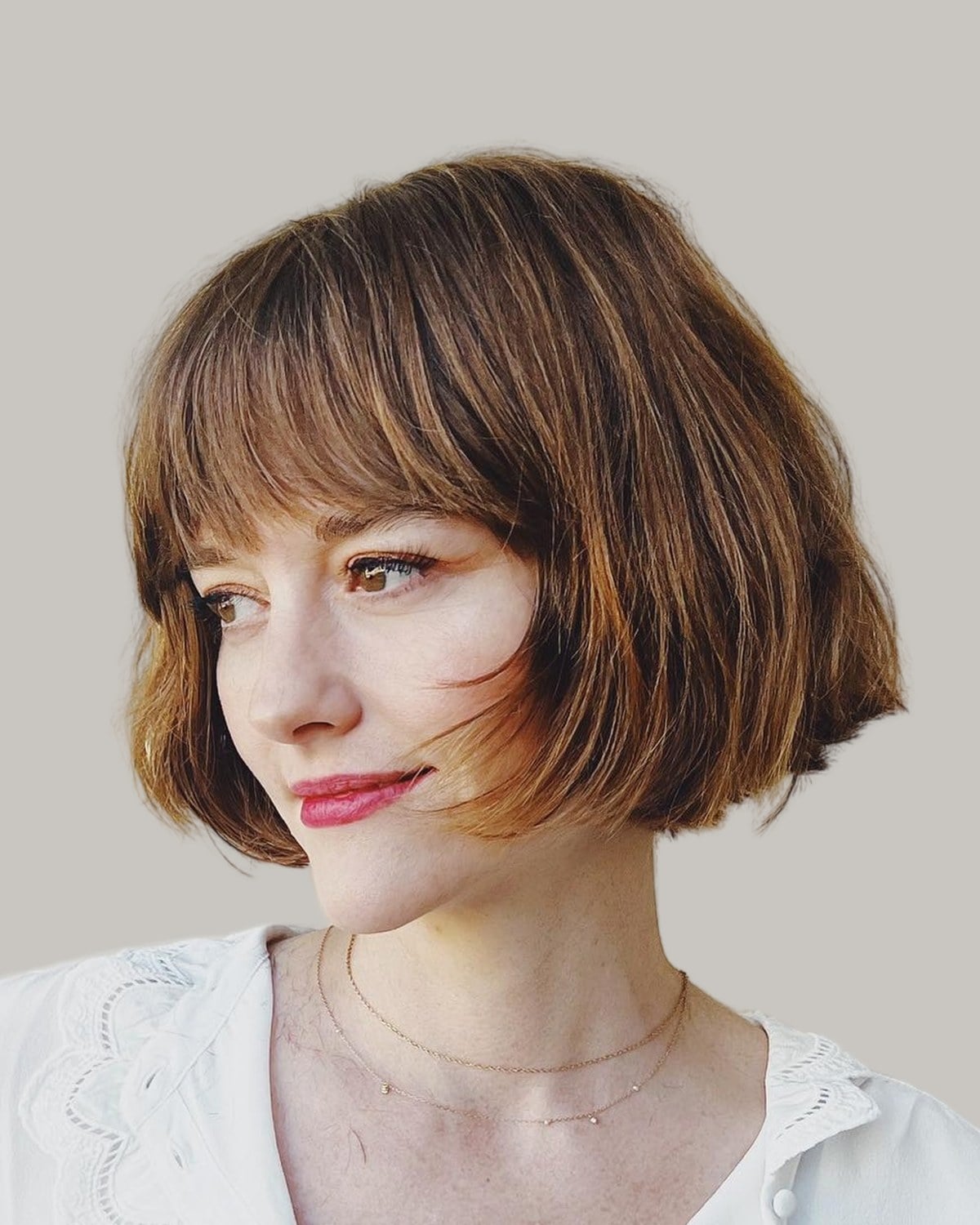
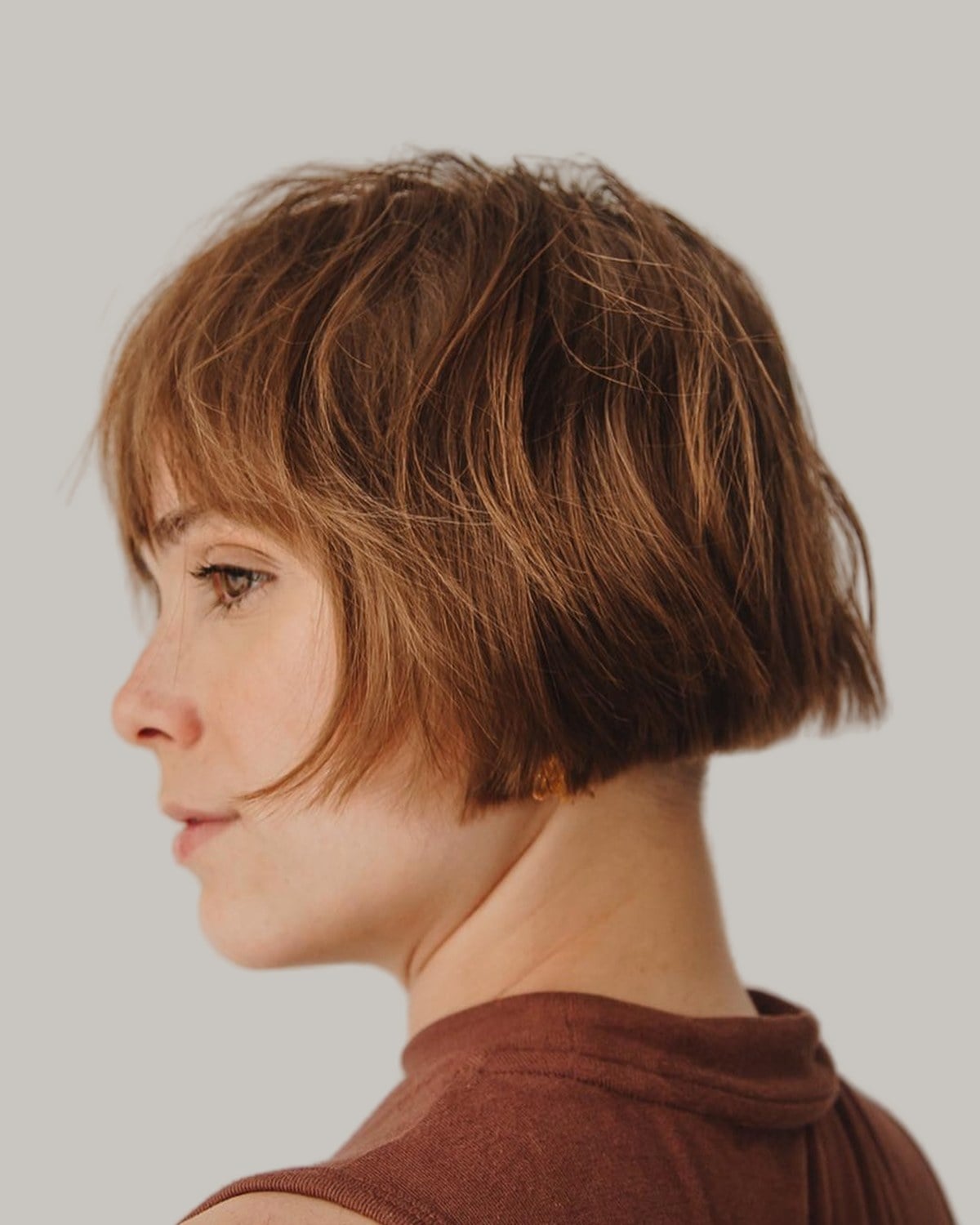
Above the chin, blunt, and almost always with a fringe. Andreas Wild says a delicate fringe on a French bob can disguise sparseness at the hairline. Kendall Jenner has worn a feathered version.
What to ask for A French bob between the jaw and cheekbone, blunt ends that bend in slightly, a soft fringe to the brows.
Italian bob
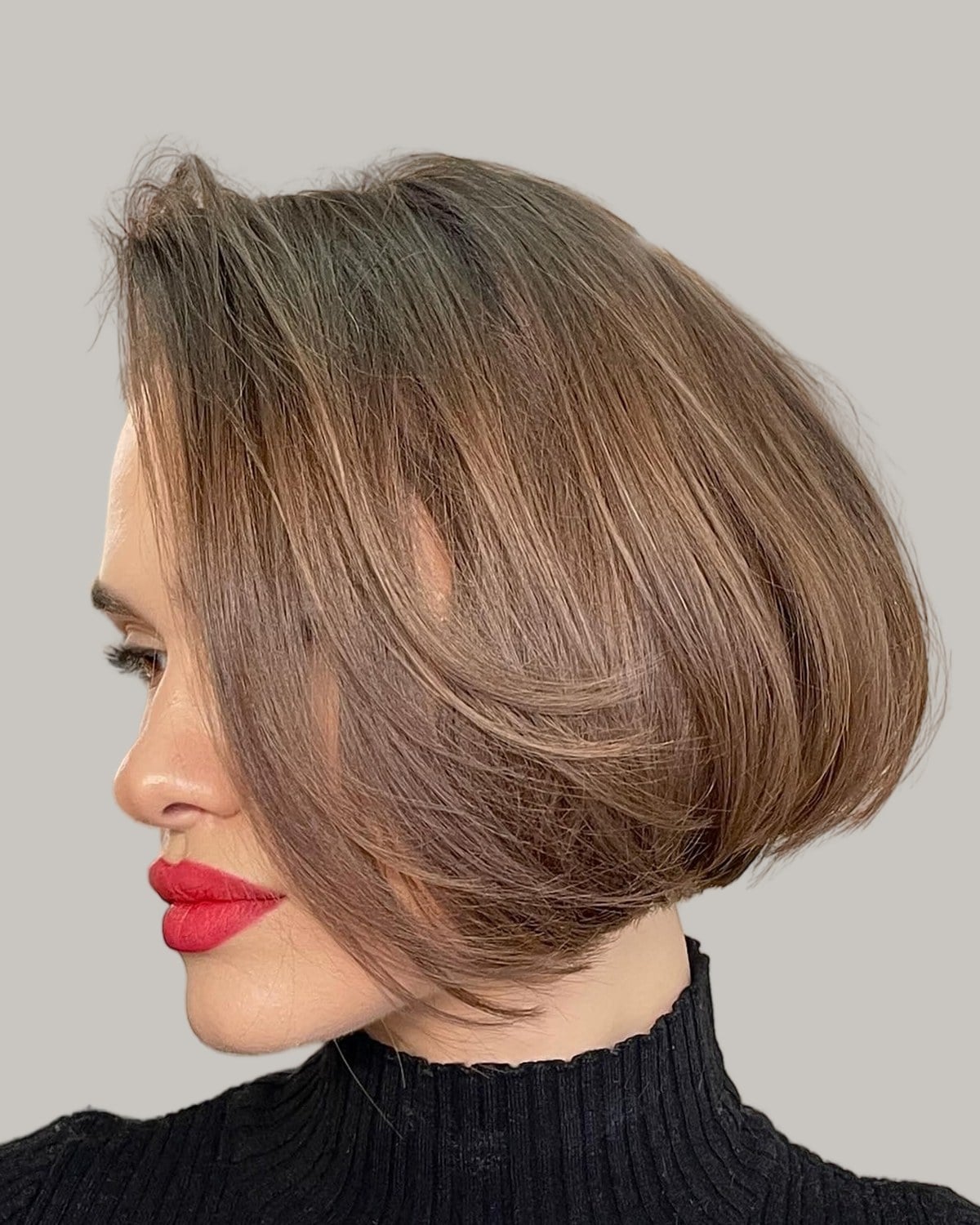
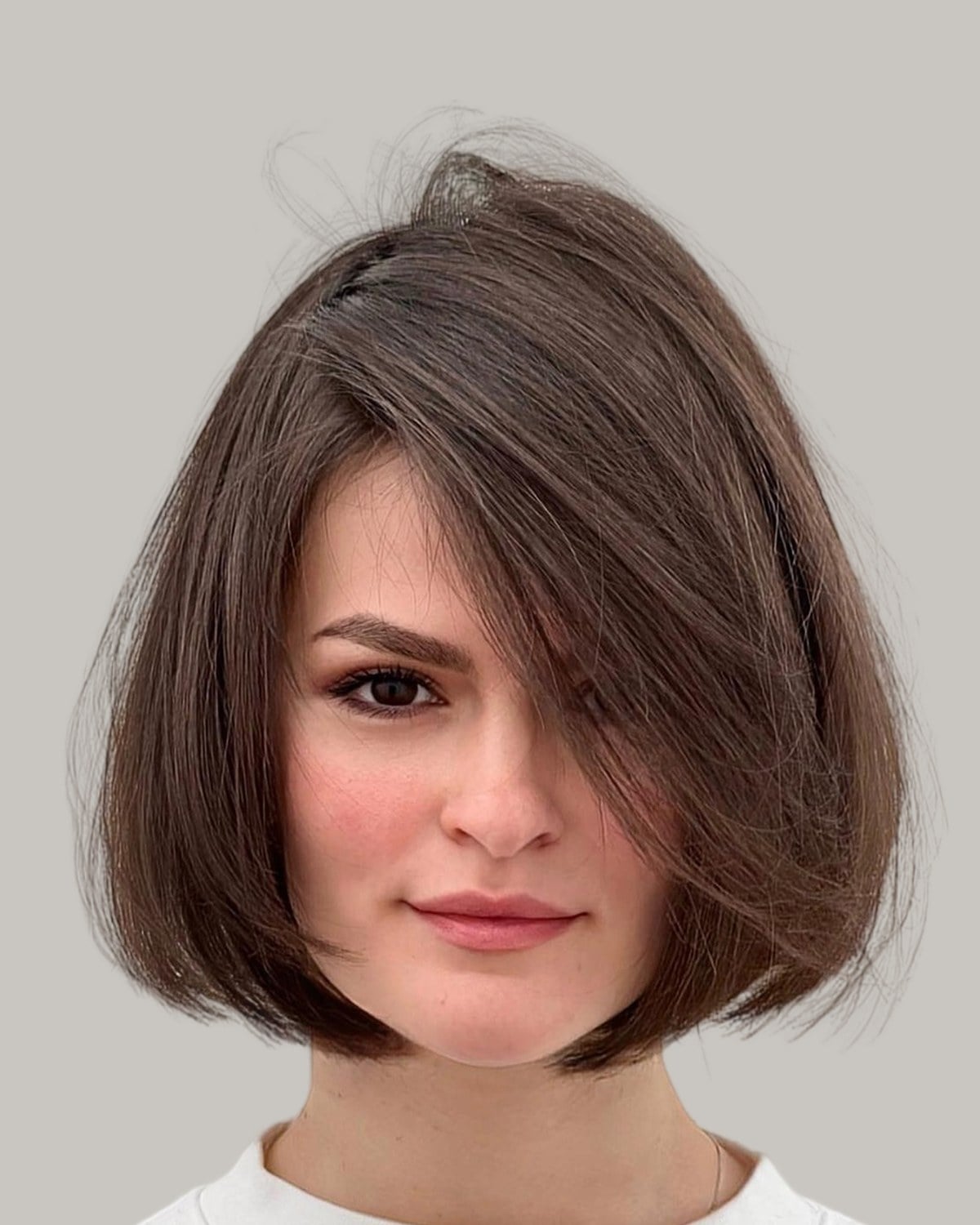
Fuller and a little longer than the French bob, grazing the neck, with a rounder shape. New Beauty notes it suits thicker textures more than fine ones, so on fine hair keep the ends blunt and let a round brush build the volume. Danielle Priano suggests asking for chin to jawline with blunt ends.
What to ask for An Italian bob from chin to jawline, blunt ends, soft texture inside the shape, a deep side part.
Bobs with bangs for fine hair
Bob with blunt bangs
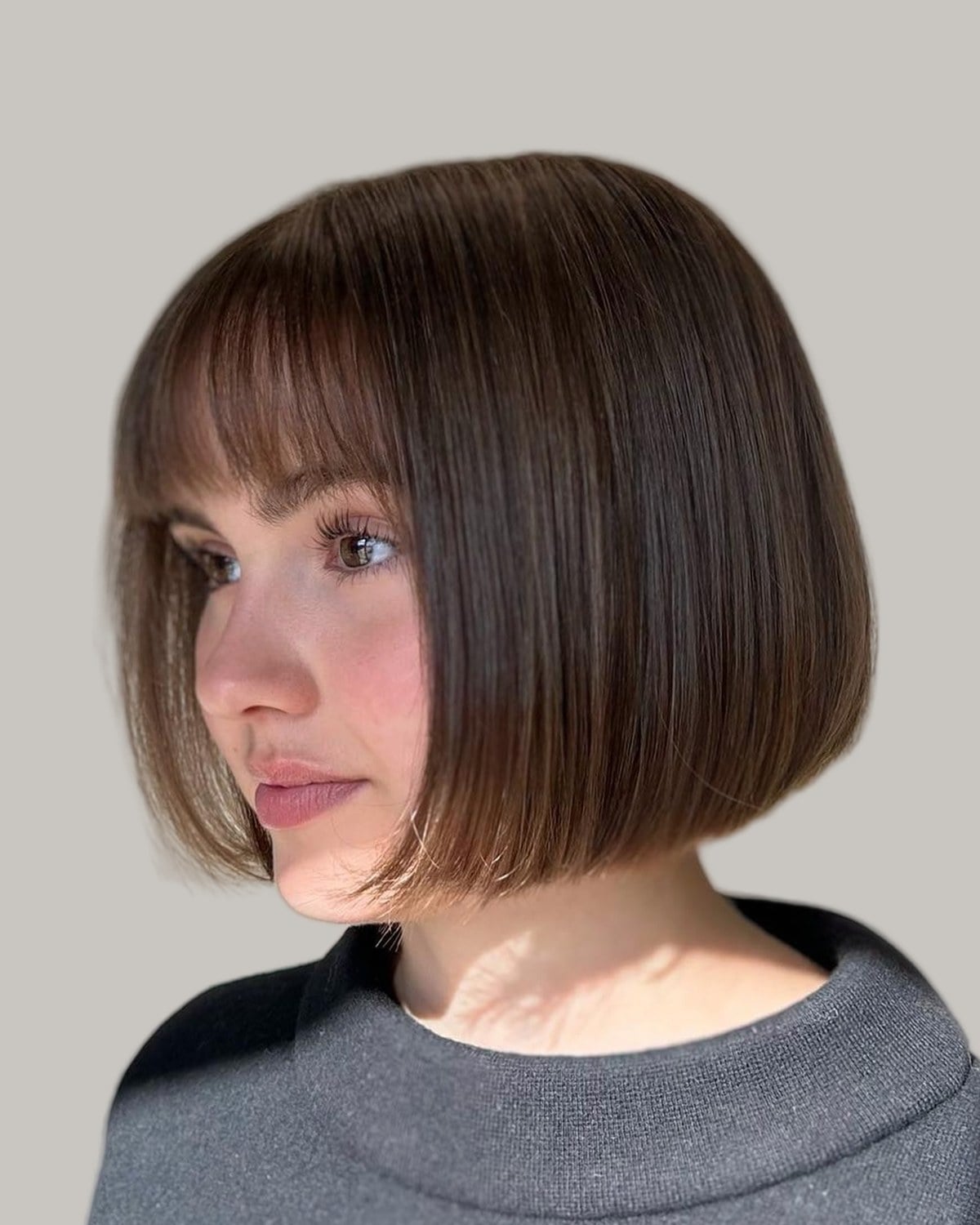
A blunt bob with a straight fringe at the brow. Chaz Dean says a fringe makes the whole cut look fuller, but keep it light: Jill Crosby warns a heavy bang on thin hair can look sparse. Blunt bangs need a trim about every other week.
What to ask for A blunt bob at the chin, light straight bangs to the brows, the ends kept heavy.
Bob with wispy bangs
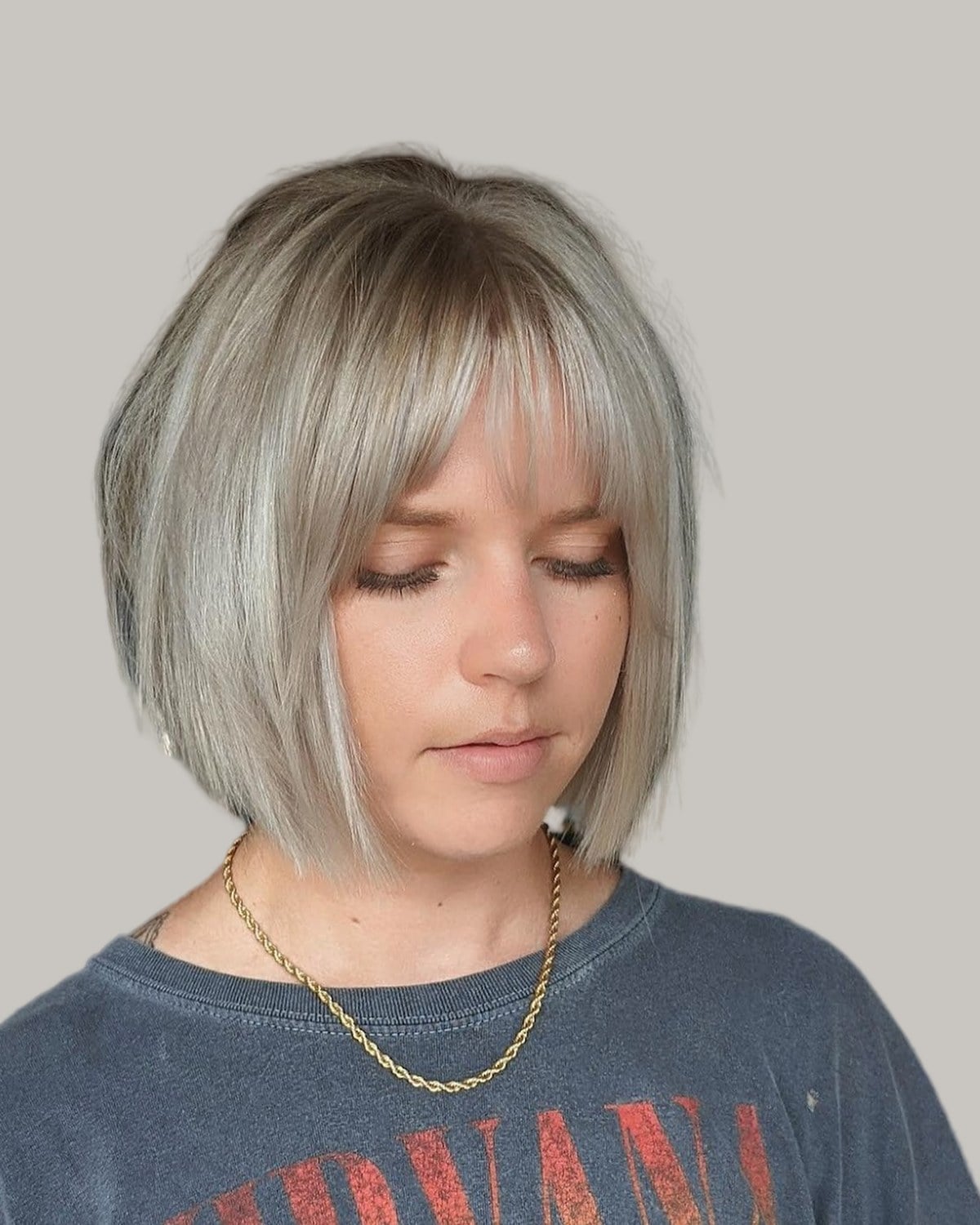
Bangs cut in wisps rather than a solid line, so you see a little forehead through them. Annie Croucher says bouncy bangs add volume at the front without taking weight out through layering.
What to ask for A bob at the chin, wispy bangs cut into pieces to the brows, soft ends, no layers through the top.
Bob with curtain bangs
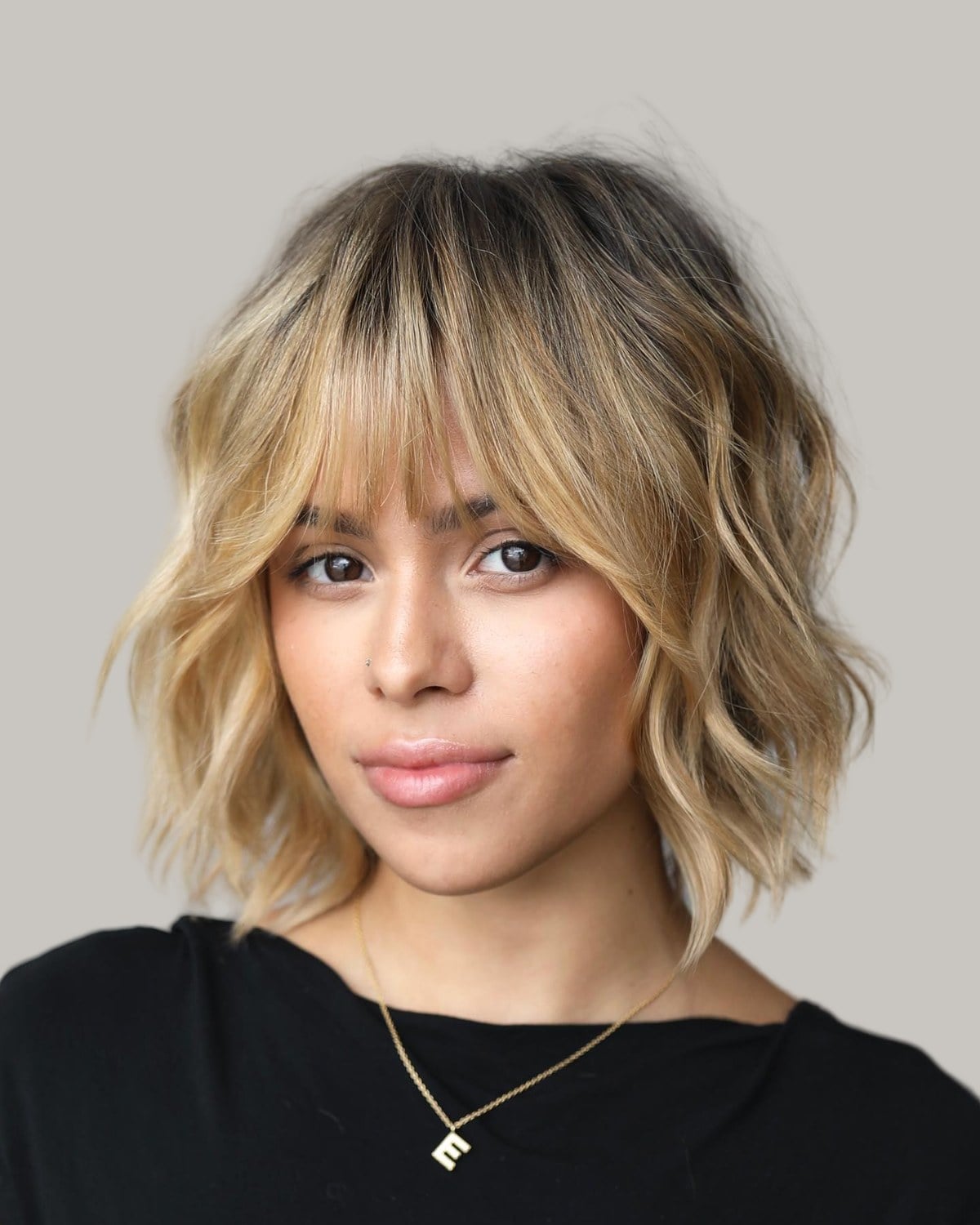
Parted in the middle and swept to both sides, curtain bangs cover the hairline. Garrett Markenson points out that’s often where fine hair is thinnest. Cynthia Alvarez says they need texture cut into the center so they don’t sit flat. Nicole Richie is one of the names tied to them.
What to ask for A bob between the jaw and collarbone, curtain bangs parted in the center, textured at the center, soft waves through the ends.
Pixie bobs for fine hair
Pixie bob
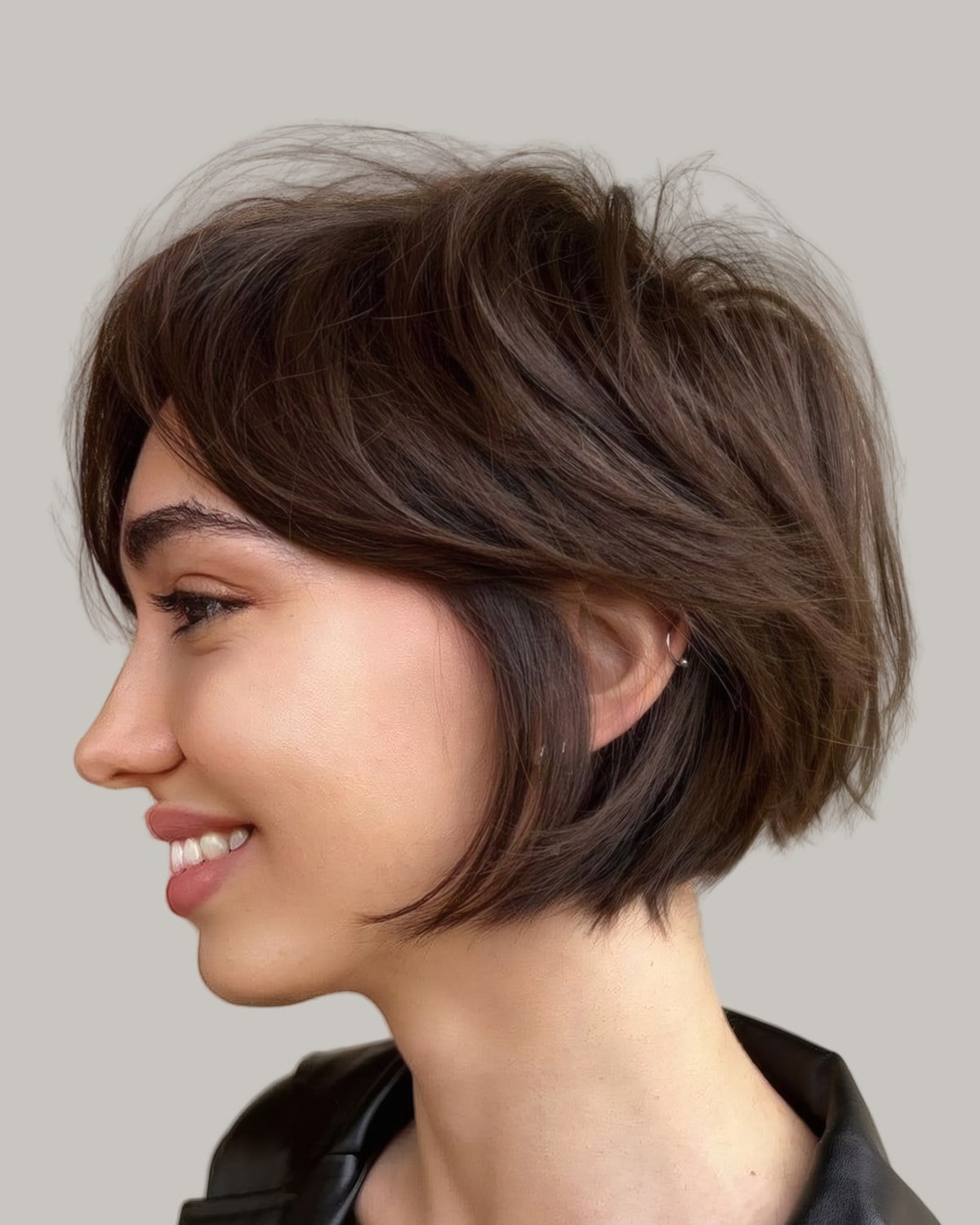
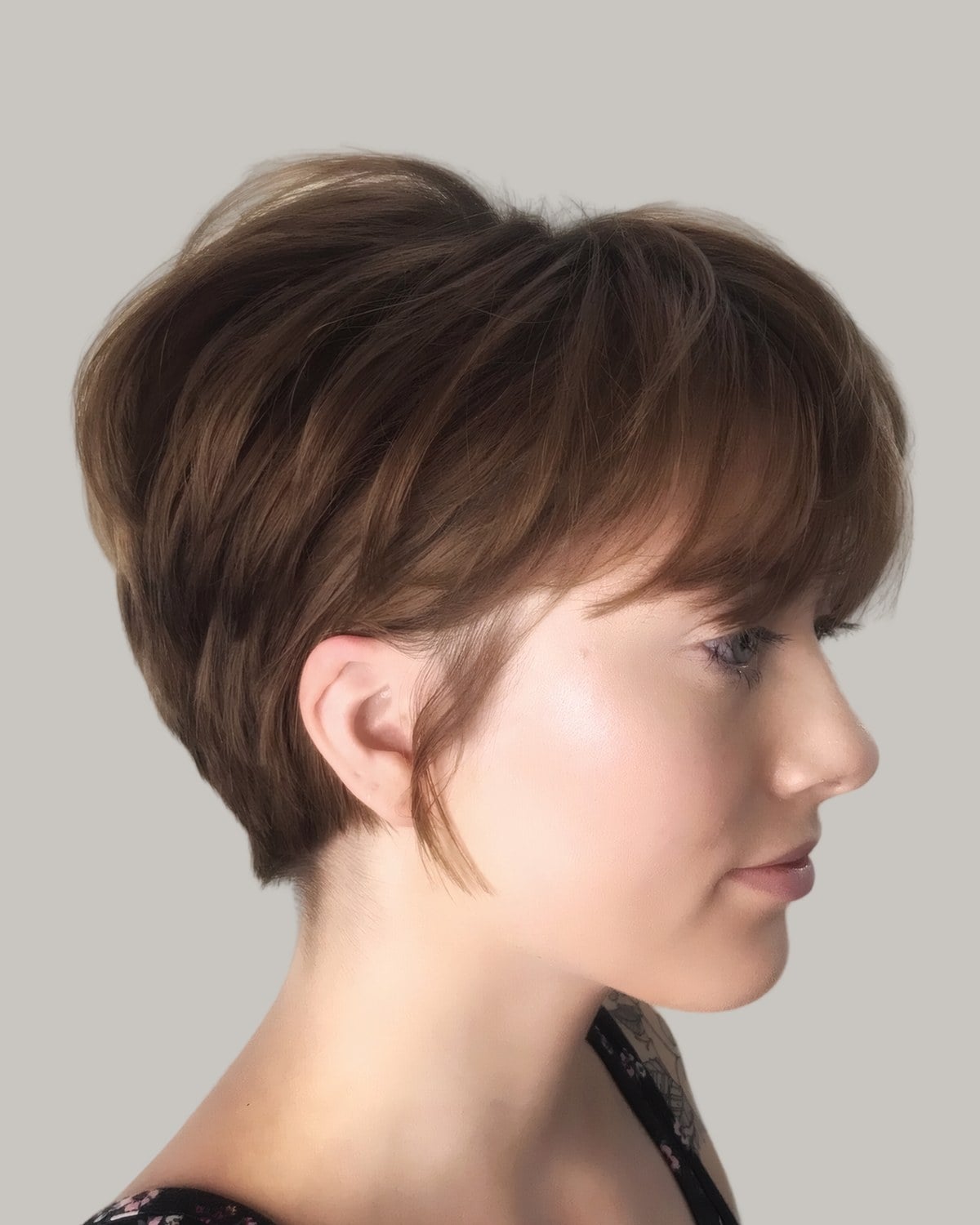
Short layers at the crown over sides that stay bob-length, somewhere between the ear and the jaw. Danielle Keasling describes it as a short bob with a pixie’s texture and layers. The short crown gives built-in lift.
What to ask for A pixie bob, short textured layers at the crown, the sides to the bottom of the ears, a soft side-swept fringe.
Bixie with bangs
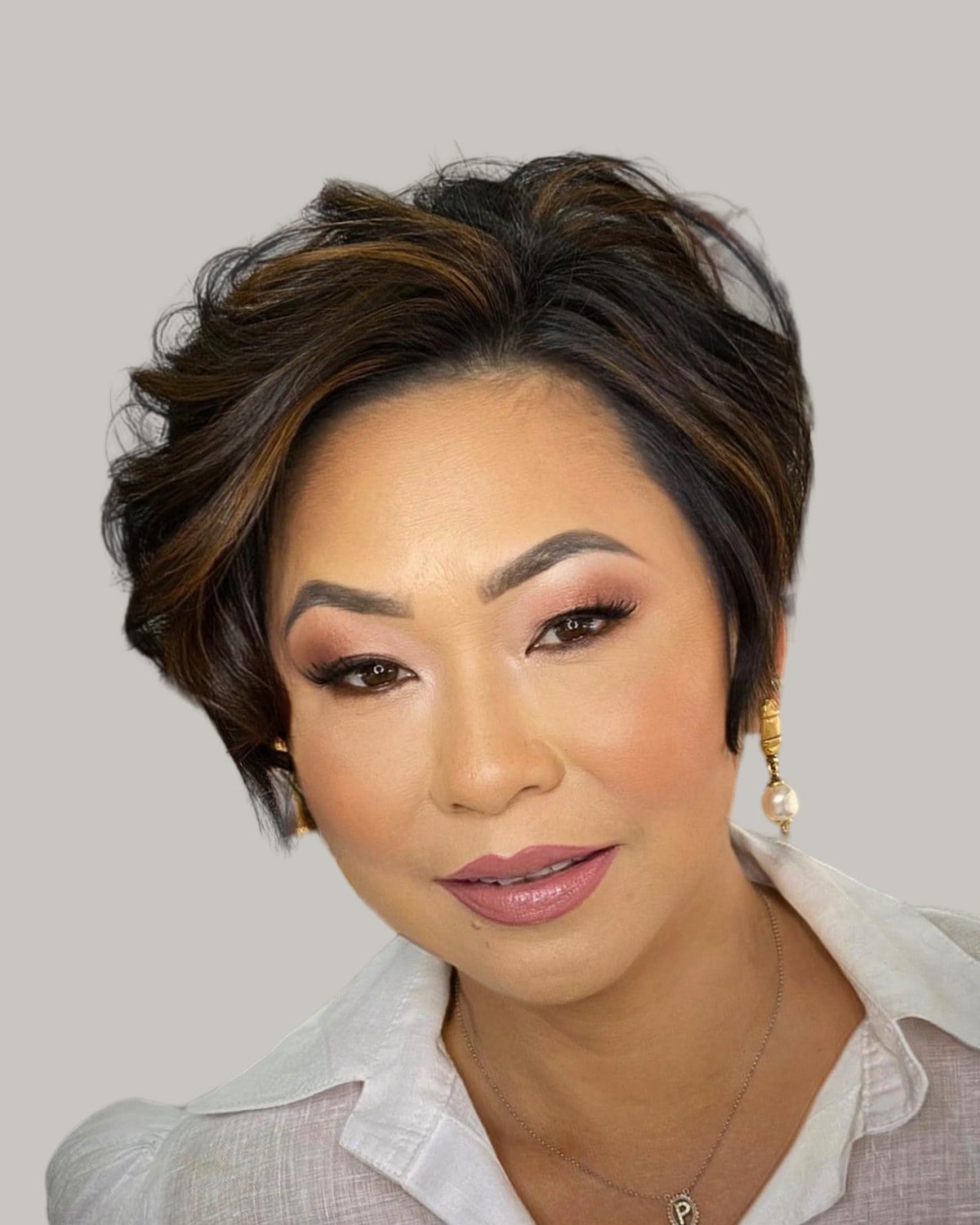
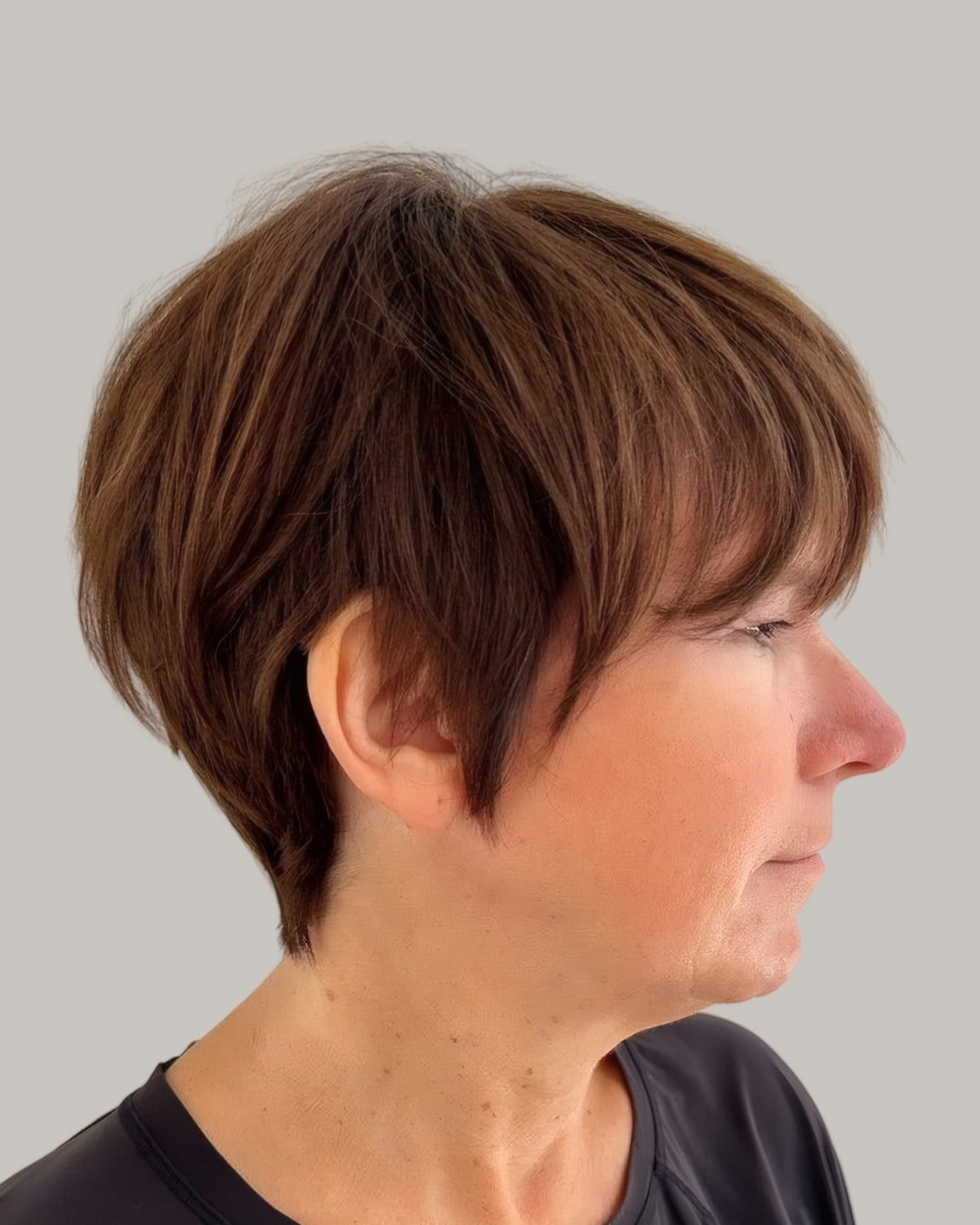
Longer and fuller than a pixie, shorter than a bob, with a soft, piecey fringe. The layers on top are left long enough to move. Mandy B. of THairapy Wellness Center suggests a long pixie with volume on top for fine hair, and this is that idea taken a little longer.
What to ask for A bixie, short at the nape, longer textured layers on top, a piecey fringe to the brows.
Long bobs for fine hair
Blunt lob
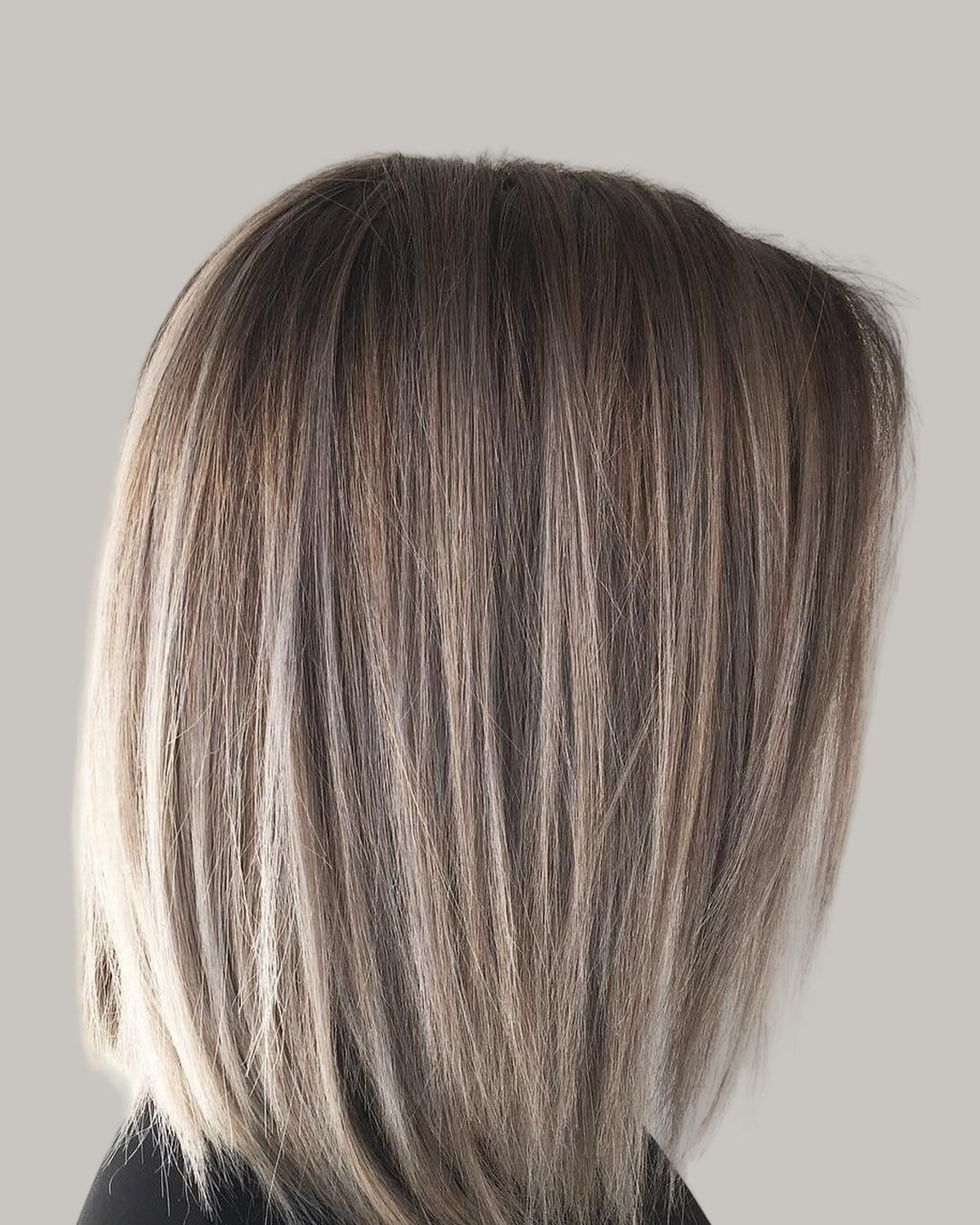
One length, cut to the collarbone, with a middle part. It’s long enough to tie back but short enough that the ends still look solid. Kenna Kennor’s warning applies here. Past the shoulders, longer fine hair makes thinning more noticeable. Hailey Bieber is one of the names tied to the lob.
What to ask for A blunt lob at the collarbone, one length, a middle part, no layers, cut dry.
Layered lob
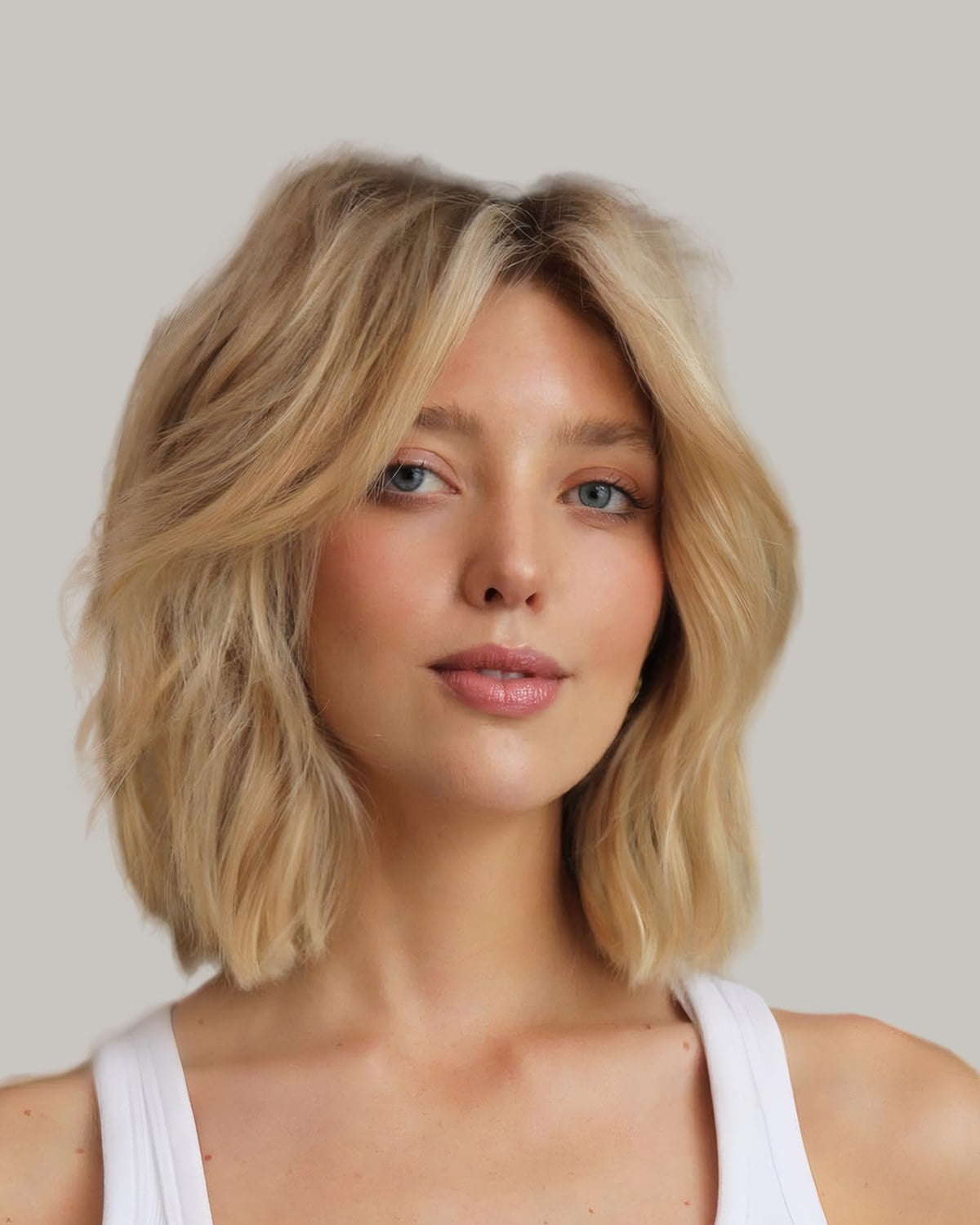
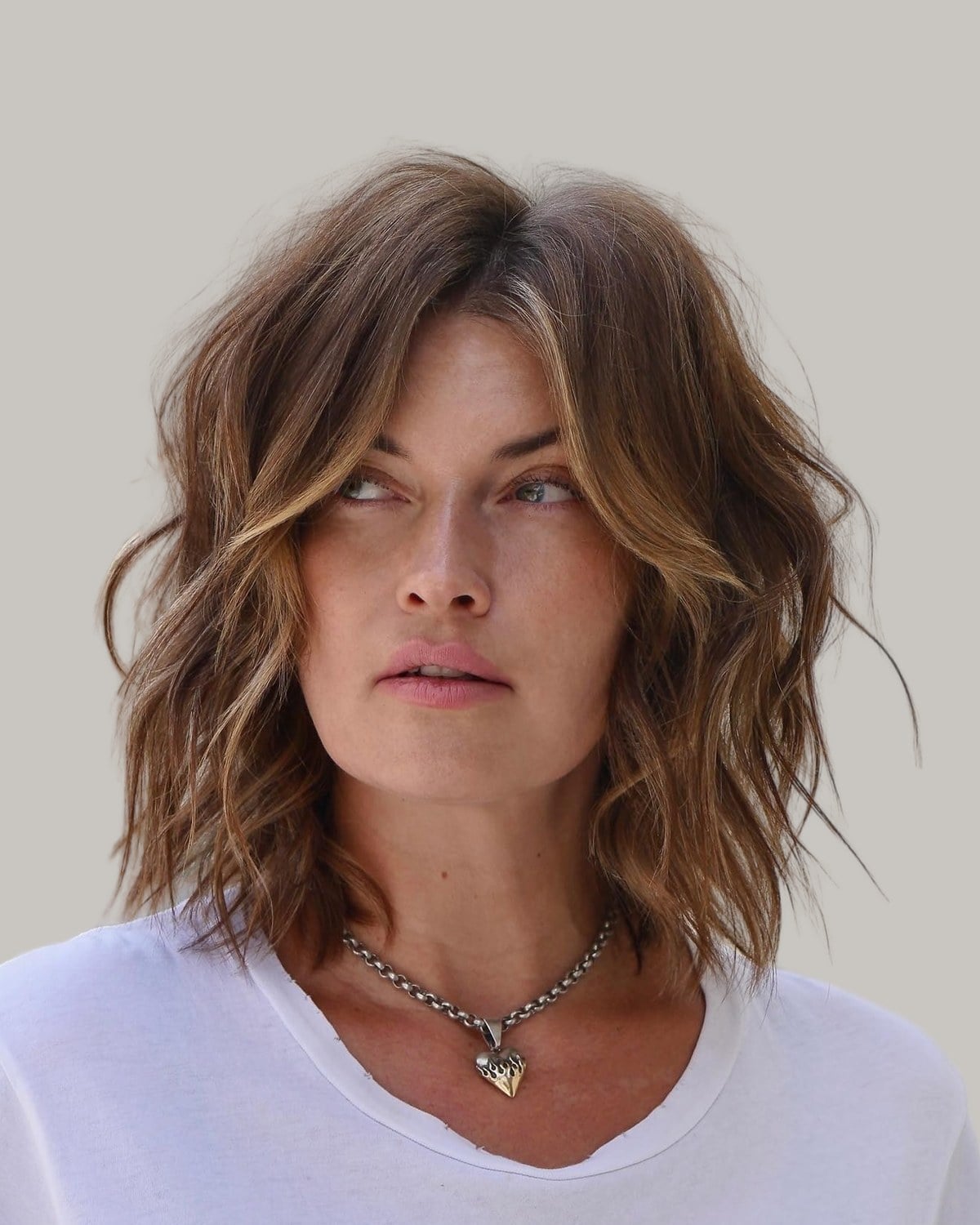
A lob with face-framing at the front and a little movement through the ends. Min Kim of L’Oreal Professionnel names a lob with face-framing as one of the shapes that works on fine hair. For longer looks and lobs, our guide to shoulder-length hairstyles has plenty more.
What to ask for A lob just past the collarbone, face-framing layers from the cheekbone, long layers only, ends left full.
Bobs for fine hair over 50 and 60
Side-parted bob over 50
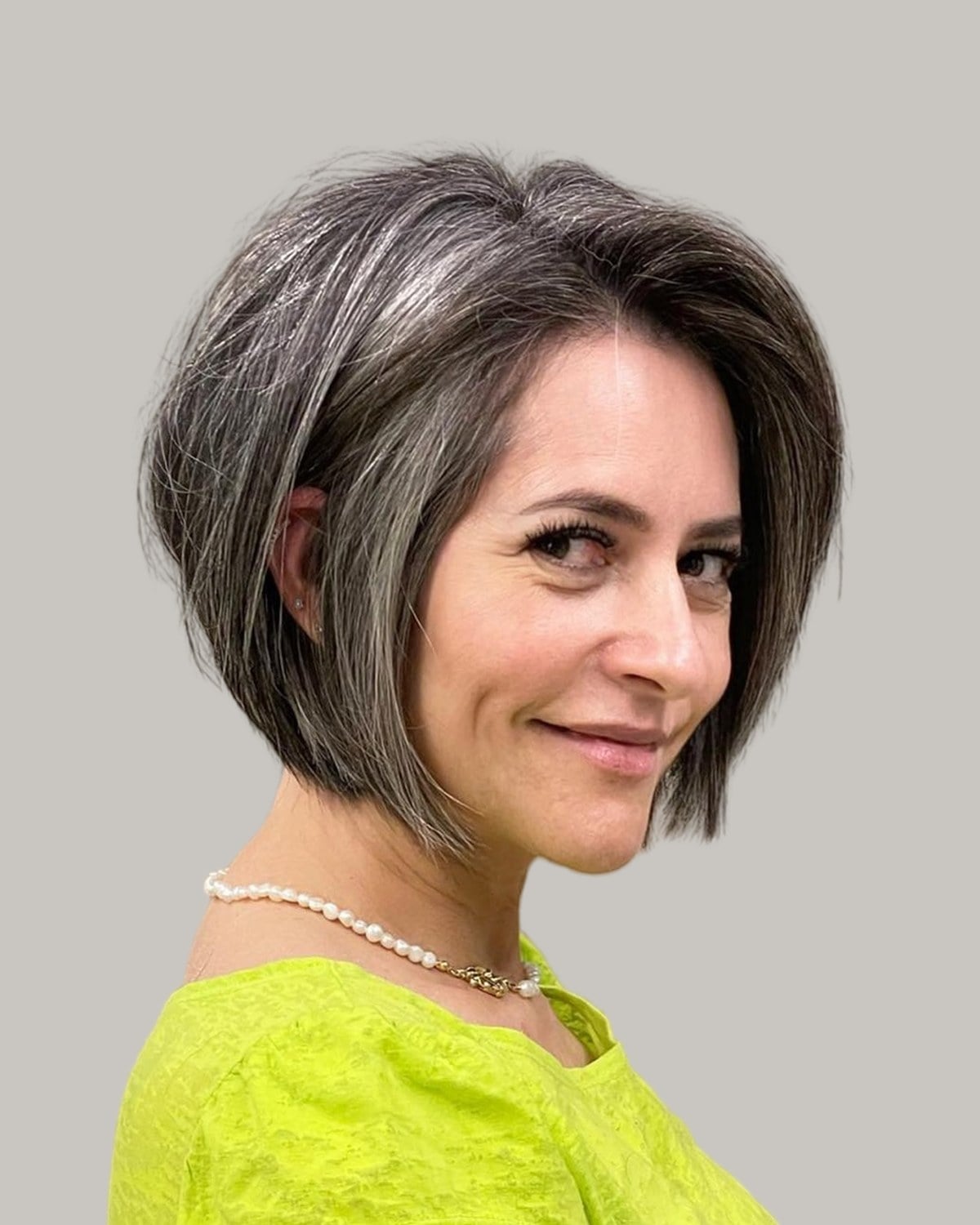
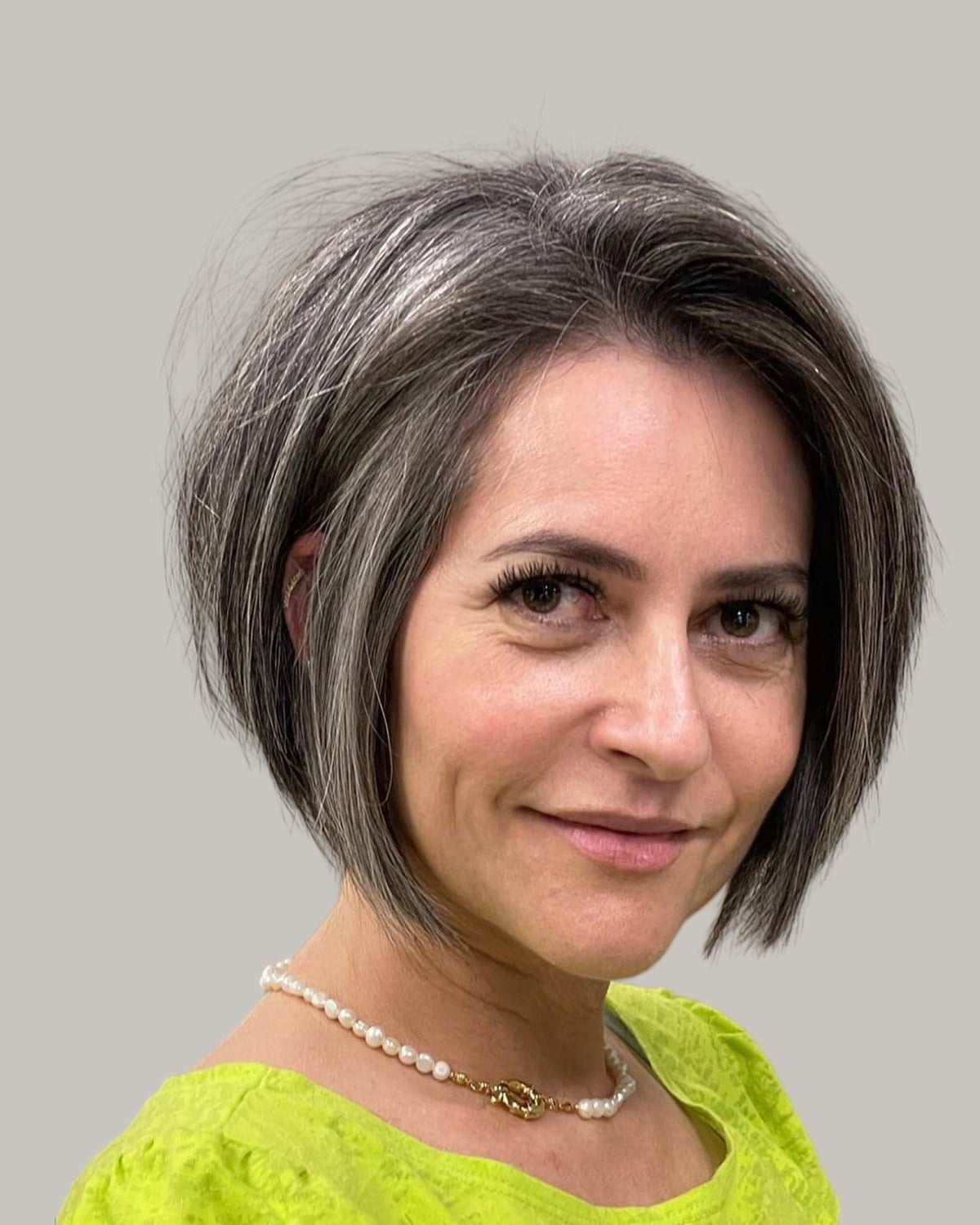
A chin-length bob with a deep side part, worn with natural gray coming through. Jill Crosby says part placement gives instant lift at the root, and that matters more as hair gets finer with age. It needs almost no styling.
What to ask for A bob at the chin, a deep side part, blunt ends, a little length kept on the heavy side.
Chin-length bob over 60
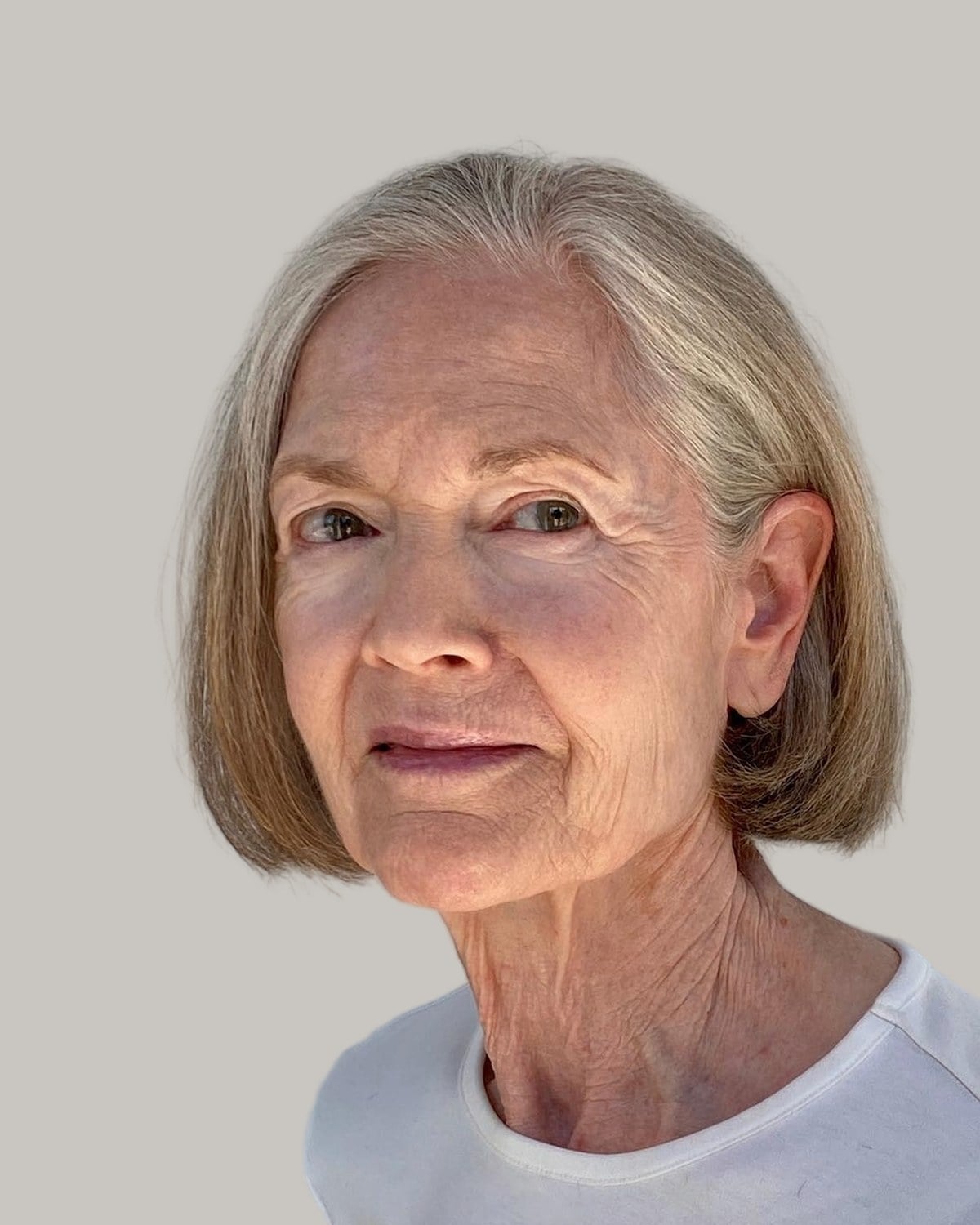
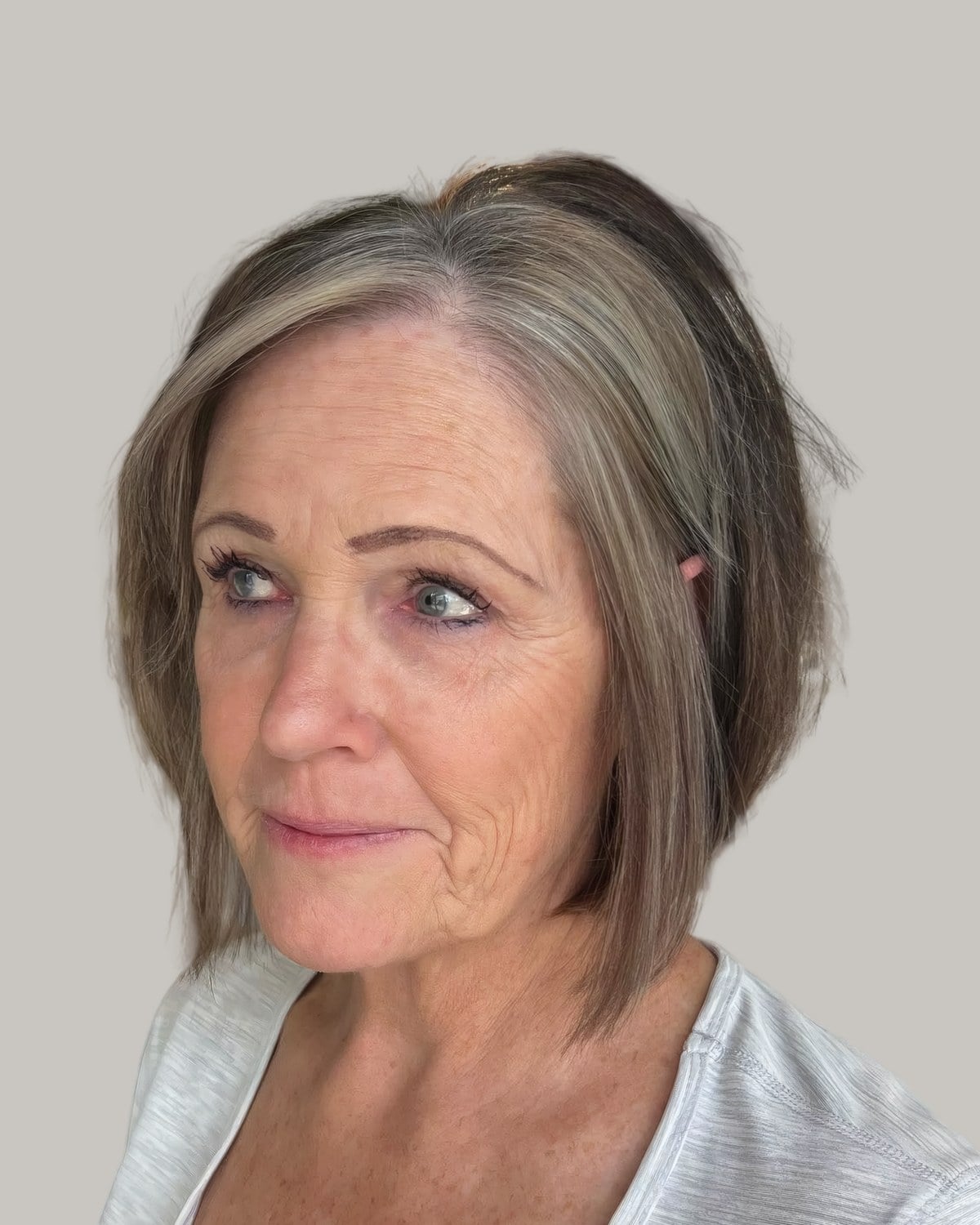
A classic bob at the chin with a soft side part. With age the follicles shrink and strands come in finer, so a cut that keeps the weight at the ends does a lot of quiet work. Trim it every six to eight weeks.
What to ask for A chin-length bob, one length with the ends bevelled under, a soft side part, no thinning shears.
Bob with glasses
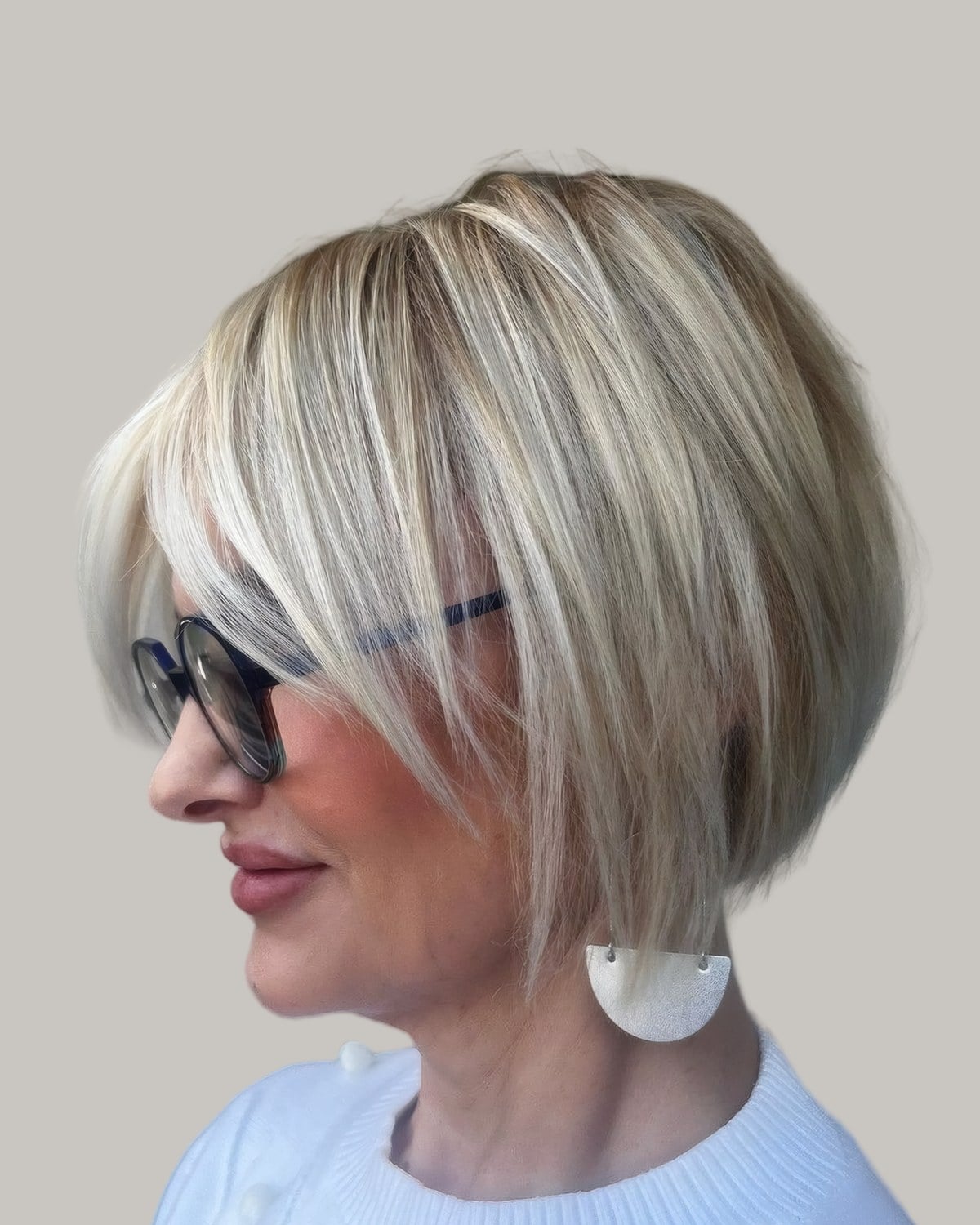
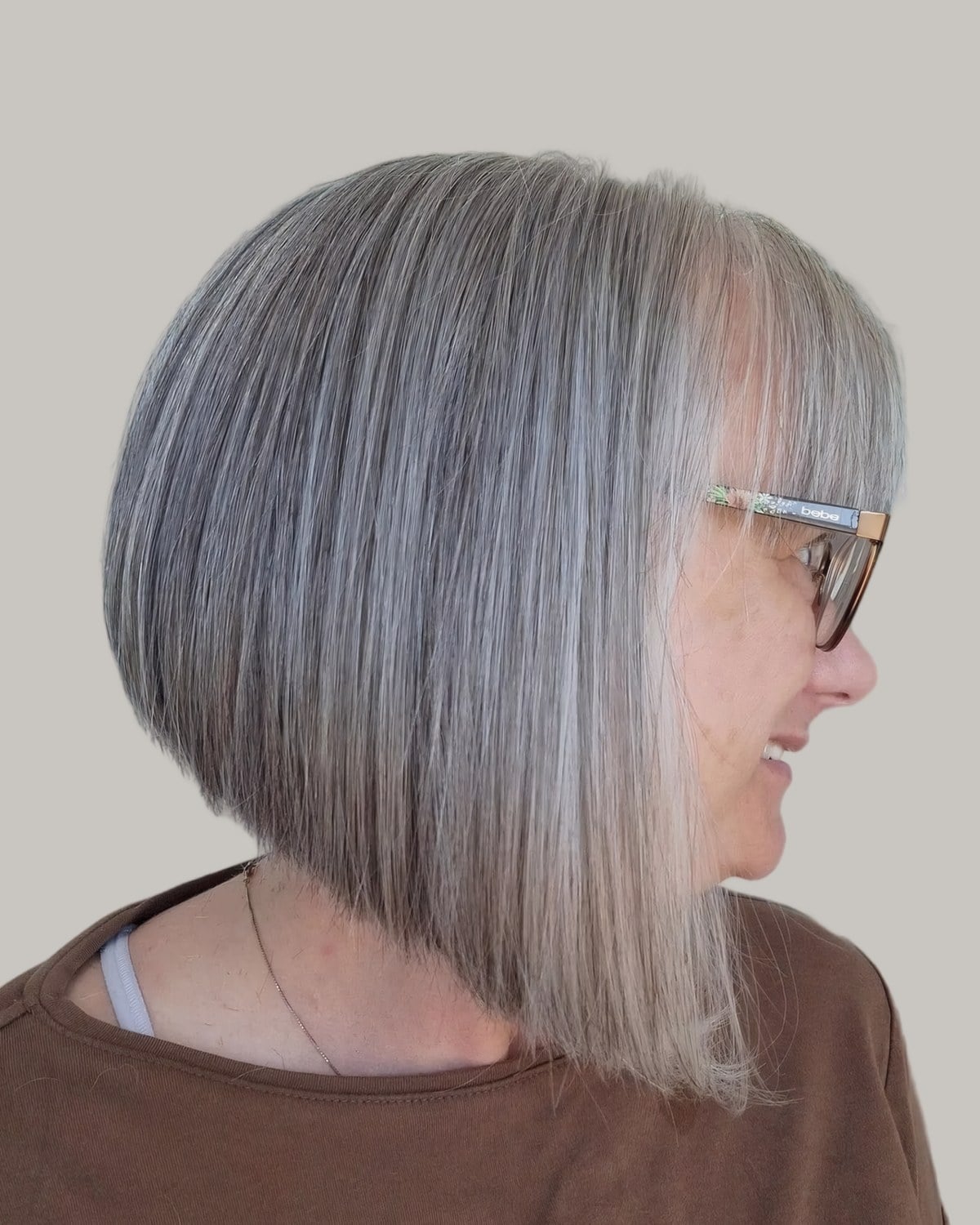
A bob with a fringe that sits just above the frames, and enough length at the sides to tuck behind the ears. latest-hairstyles.com suggests a blunt chin-length bob without face-framing layers if you wear glasses, so the sides stay out of the way. For more cuts chosen for women this age, see our guide to short haircuts for women over 60.
What to ask for A bob at the chin, a fringe that clears my glasses, sides long enough to tuck, bring the glasses to the appointment.
Silver bob
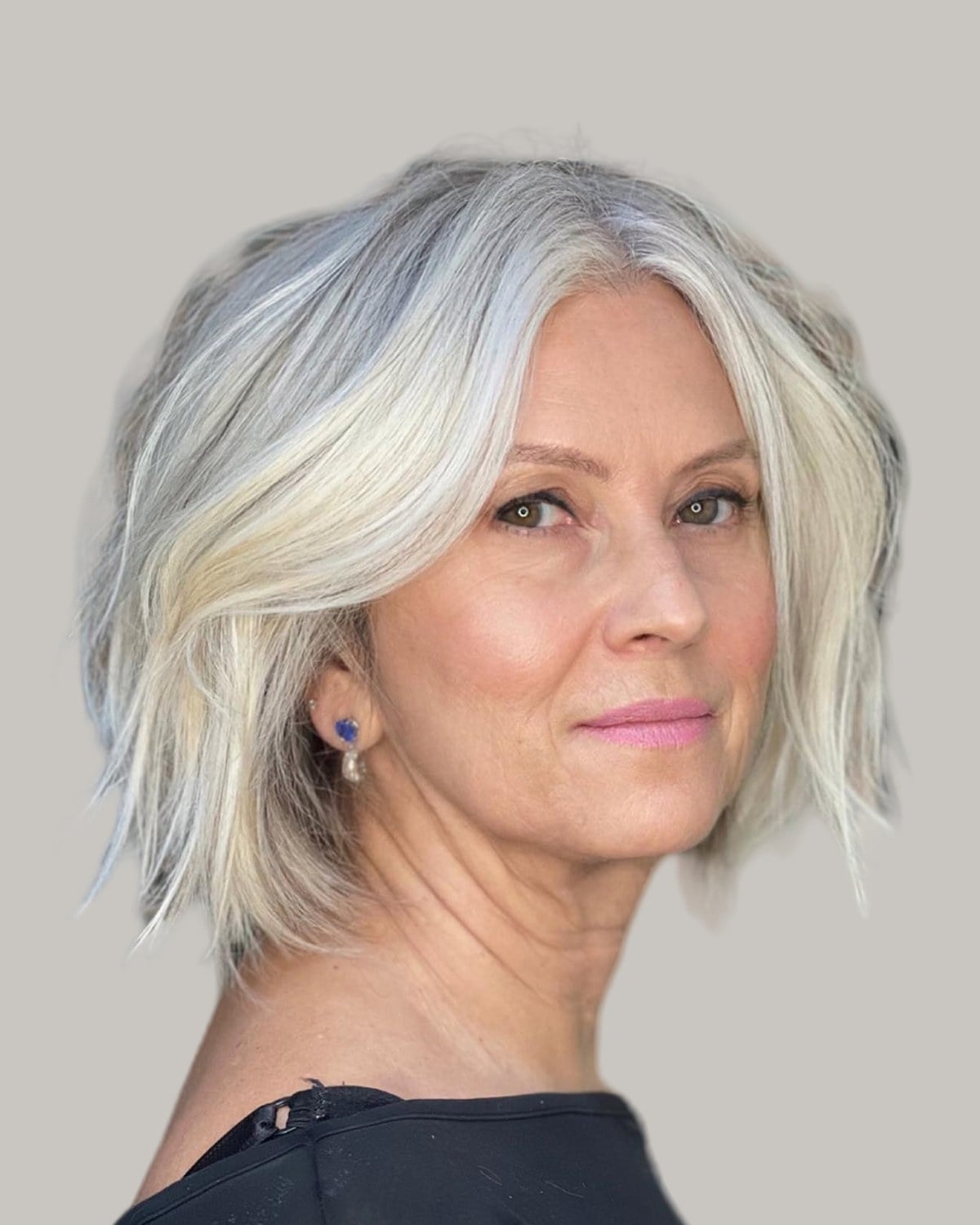
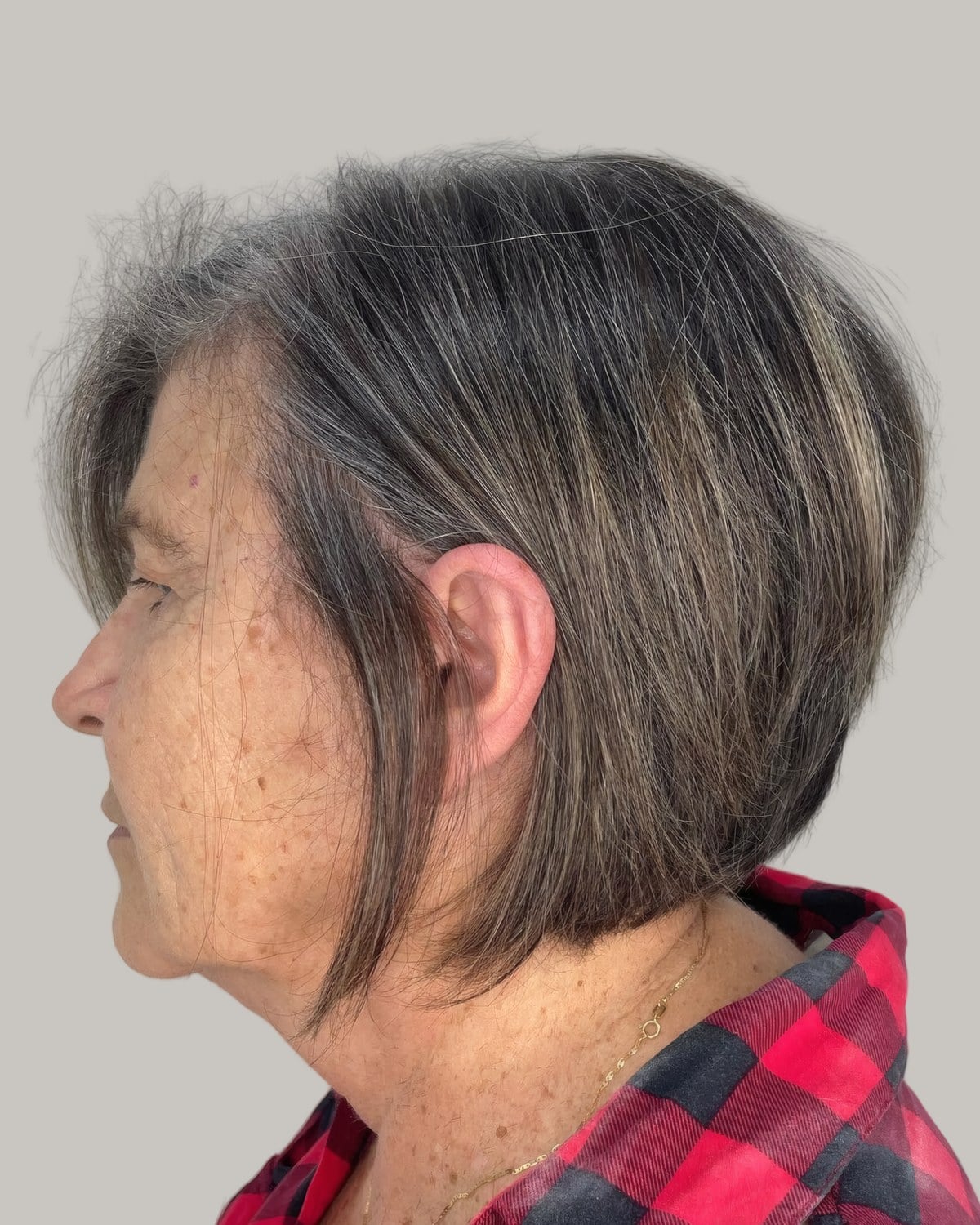
A smooth bob with a side part that shows off silver hair. Haley Heckmann suggests side or wispy bangs over blunt ones for mature women, and the long side-swept front here does the same job. Keep heavy conditioner off the roots so the part holds its lift.
What to ask for A bob between the chin and collarbone, a deep side part, a long side-swept front, blunt ends.
White layered bob
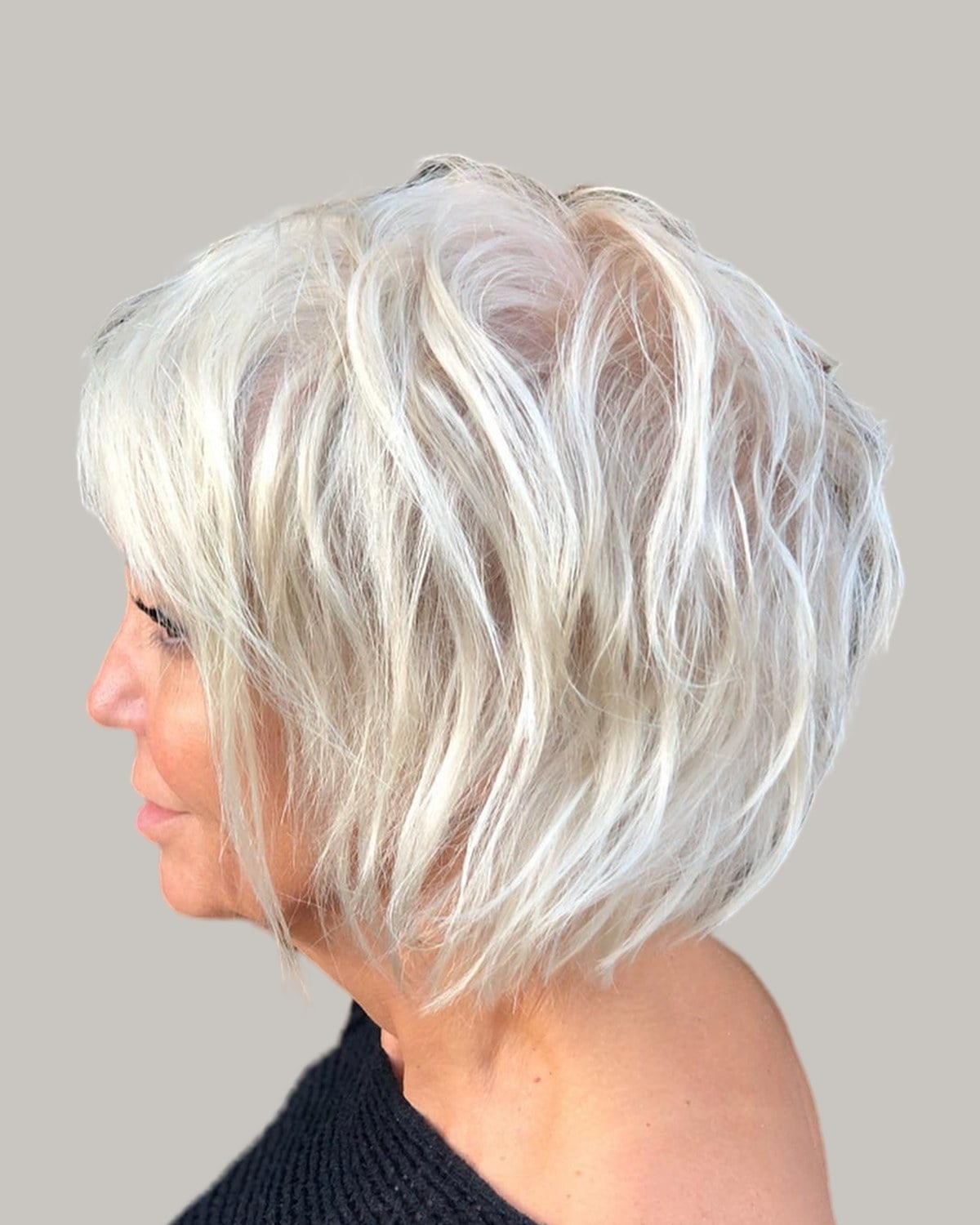
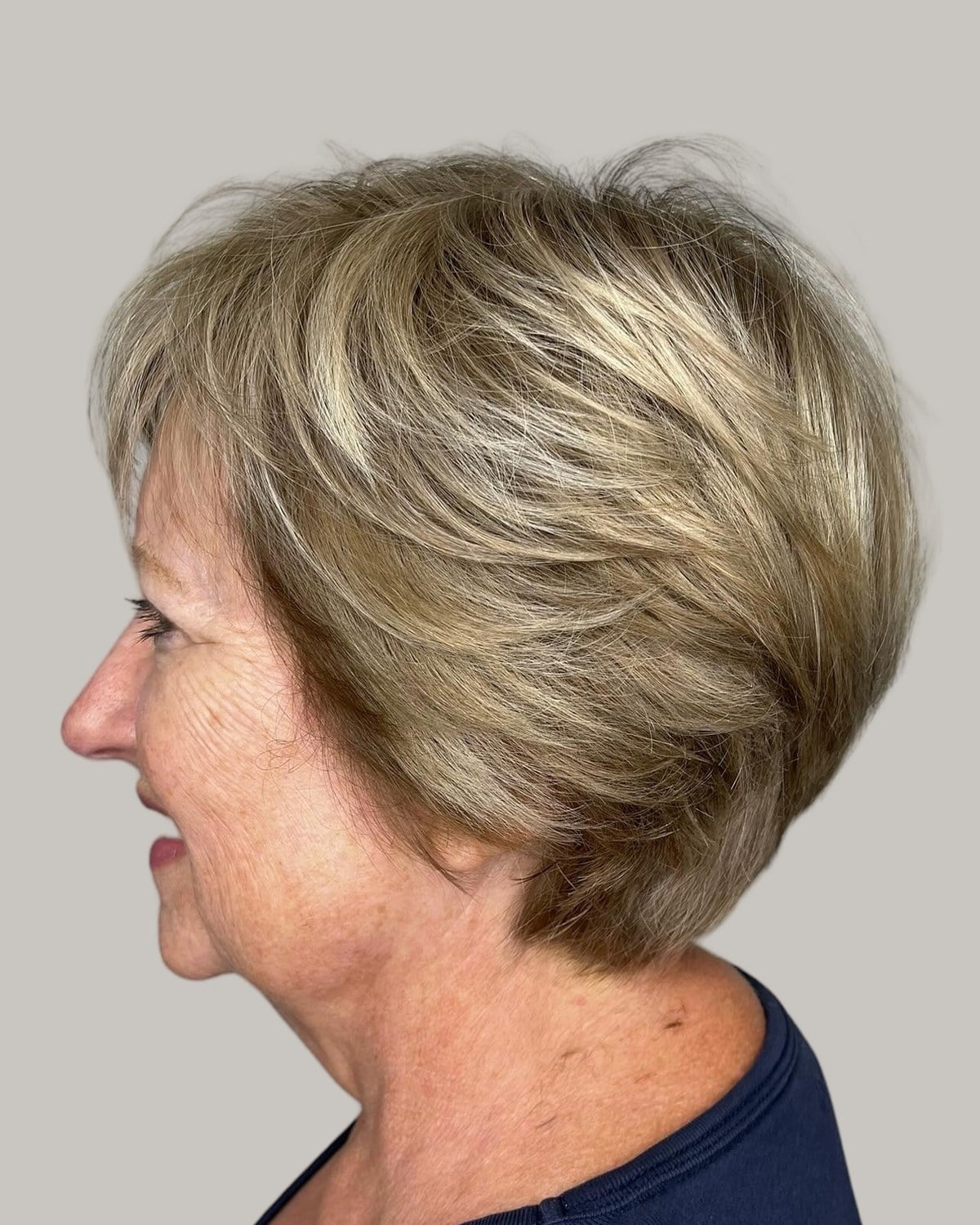
Short, choppy layers through white hair, with the ends kept piecey rather than thin. Haley Heckmann names a layered bob with side bangs as flattering on mature women. A little mousse at the roots and a rough-dry are enough.
What to ask for A layered bob at the chin, choppy layers through the ends, a side-swept fringe, lift at the crown.
01 of 01
Why do some bobs make fine hair look thicker?
Because they keep the weight at the ends. When every strand stops at the same line, the edge of the cut reads as dense, even when the hair above it is fine. Clariss Rubenstein calls it the illusion of thicker hair, and Chaz Dean says the blunter the cut, the denser your hair looks.
Length works the other way. Kenna Kennor of Kennaland calls growing hair longer to hide thinning the top mistake, because longer hair makes thinning more noticeable. A bob takes that weight off the root, so the hair lifts a little on its own.
The cuts that flatten fine hair are the ones that take weight out. Min Kim names heavy layering, razor finishes and very long hair with no shape. Thinning shears do the same at the ends. That’s why the blunt, stacked and graduated bobs above keep their layers low or at the back, and why the choppy ones are point-cut rather than thinned.
Which bob suits your hair and face?
Start with your hair. Fine strands with plenty of them suit almost any bob on this page, including the layered and shaggy ones. If your hair is thin as well, with the scalp showing at the part, stay with the blunt, stacked and graduated shapes. They keep more weight at the ends. A wave helps either way, since it adds width.
Then think about how you wear it. A side part gives lift where a middle part can sit flat, and a light fringe covers a thin hairline. If you wear glasses, ask for a fringe that clears the frames and sides long enough to tuck.
What to ask your stylist for
Bring two photos, front and side, and say where you want the line to sit: the jaw, the chin, or the collarbone. Say whether you want it blunt or with a light dusting of layers, and where those layers should start. Ask for point cutting. A razor or thinning shears take weight out of the ends.
Then talk about the part and the fringe. A deep side part gives more lift than a middle one. Curtain or wispy bangs are lighter than a blunt fringe. A heavy fringe can look sparse on thin hair. Tell your stylist how much time you spend on your hair in the morning, too, since a sleek blunt bob needs a flat iron and a wavy one doesn’t.
How much upkeep does a bob take on fine hair?
Plan on a trim every six to eight weeks, or every four to six for a sharp blunt bob, because the line has to stay crisp. Blunt bangs need a snip about every other week. Cynthia Alvarez says going too long between cuts is a mistake on thin hair, because the ends start to split and look sparse.
Day to day, it’s light. Washing two or three times a week is enough for fine hair. Mousse or root spray on damp roots and a round brush at the crown give lift, and dry shampoo covers the days in between. Hair grows about half an inch a month, so a bob that’s grown out by an inch already looks softer than the day it was cut.
What’s the best bob for thin hair?
A blunt bob, at or just below the chin, comes up first with most of the stylists we read: Micky Kastly, Chaz Dean, Min Kim and Andreas Wild all point to a blunt, one-length line. Daniel Mora’s version adds a few light layers at the chin, and Min Kim also suggests a lob with face-framing. What they share is weight left at the ends.
Blunt or layered: which bob is better for fine hair?
Blunt is the safer choice, and light layers are fine if they stay low. Heavy layering takes out the weight that makes fine hair look full.
| Blunt bob | Layered bob | |
|---|---|---|
| Where the weight sits | All at the ends | Spread through the cut |
| How it looks on fine hair | Thicker at the edge | More movement, less density |
| Layers | None | Bottom three to four inches only |
| Trim every | 4 to 6 weeks | 6 to 8 weeks |
| Styling | Flat iron or round brush for a sharp line | Rough-dry, texture spray |
French bob or Italian bob?
A French bob is shorter and flatter, and an Italian bob is longer and rounder. On fine hair, the French bob is the easier one to wear, since its blunt line and fringe need less volume to look right.
| French bob | Italian bob | |
|---|---|---|
| Length | Between the jaw and cheekbone | Chin to neck |
| Shape | Blunt, close to the head | Full, rounded |
| Fringe | Almost always | Optional |
| Fine hair | Suits it well | Needs a round brush for volume |
What is the best bob for a woman over 70?
Haley Heckmann names a layered bob with side bangs, and a side part helps lift fine hair at the roots after 70. A chin-length bob with the ends turned under, or a soft graduated bob, keeps the weight where it counts. If you wear glasses, keep the fringe above the frames.
How do you style a bob with fine hair?
Put a volumizing mousse or root spray on damp roots, then blow-dry with a round brush at the crown, or upside down for more lift. Melissa Timperley and Garren both recommend mousse and root spray on damp hair. Flip your part once the hair is dry and it’ll stand up a little more. A light texture or sea salt spray on the ends gives grip, and dry shampoo on the second day does the same at the roots. Keep oils, silicones and heavy conditioner away from the roots.
What not to do with thin, fine hair
Don’t grow it long to hide thinning, and don’t ask for heavy layers or thinning shears. Skip the heavy fringe and the products that weigh the roots down. Don’t push trims back. Erick Orellana says going too light at the root with color can cause breakage. Micky Kastly would add an asymmetric bob to the list, because it draws the eye to thinner areas at the crown and front.
If a bob still feels like a big step, see it next to the other short shapes. Our guide to short haircuts for women has 44 looks, from pixies to wolf cuts, each with the words to use in the chair.
For every other length and texture in one place, see our guide to haircuts for women.
Whichever bob you choose, save both photos and copy the ask line into your phone before the appointment. Read it out as it is, and your stylist will know exactly where the line goes.
Products featured here are independently selected by our editors. If you buy through our retail links we may earn an affiliate commission — it never changes the price you pay, and it never decides our verdicts. Read our earnings disclaimer.