After water, tea is the most consumed drink in the world. Which makes it less of a beverage and more of a daily ritual. It certainly is in our homes.
As unapologetically obsessive tea drinkers, we’ve spent years brewing our way through far more brands than made this list — searching for blends that carry us from life in motion to a moment of calm.
Over time, we’ve also become far more selective about what earns a permanent place in our cupboards. After all, we wouldn’t reach for just any wine, chocolate or coffee. Tea deserves the same discernment.
What follows are the tea brands we keep coming back to: the loose leaves, heritage houses, and modern blenders worth knowing. Some are globally recognized names that have earned their reputation. Others are under-the-radar discoveries you’ll be glad to have found first.
Every pick here is one we’d happily pour for a guest.
Put the kettle on, will you?
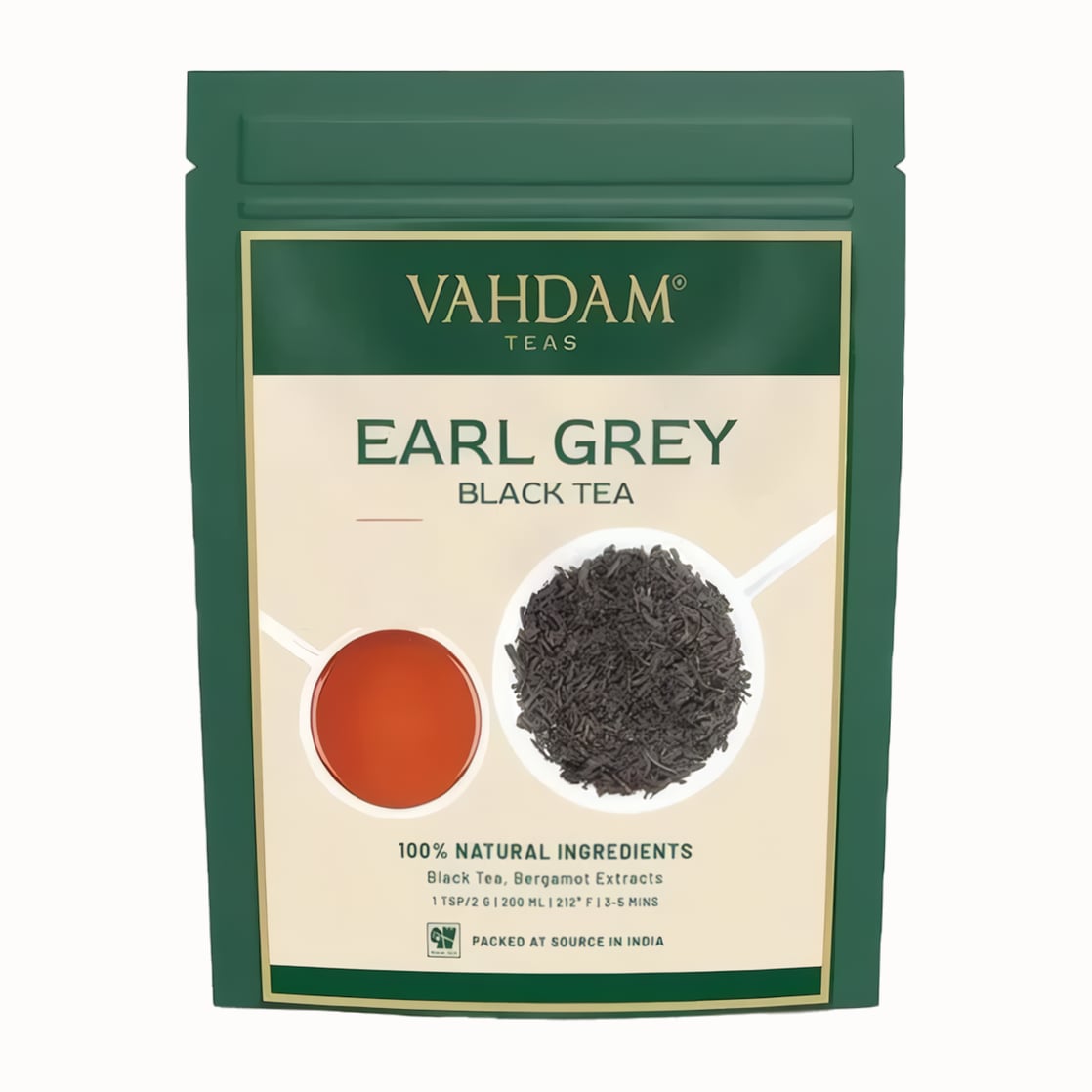
VahdamEarl Grey
Vahdam sells India's tea straight from the growers, and its Earl Grey is bright.
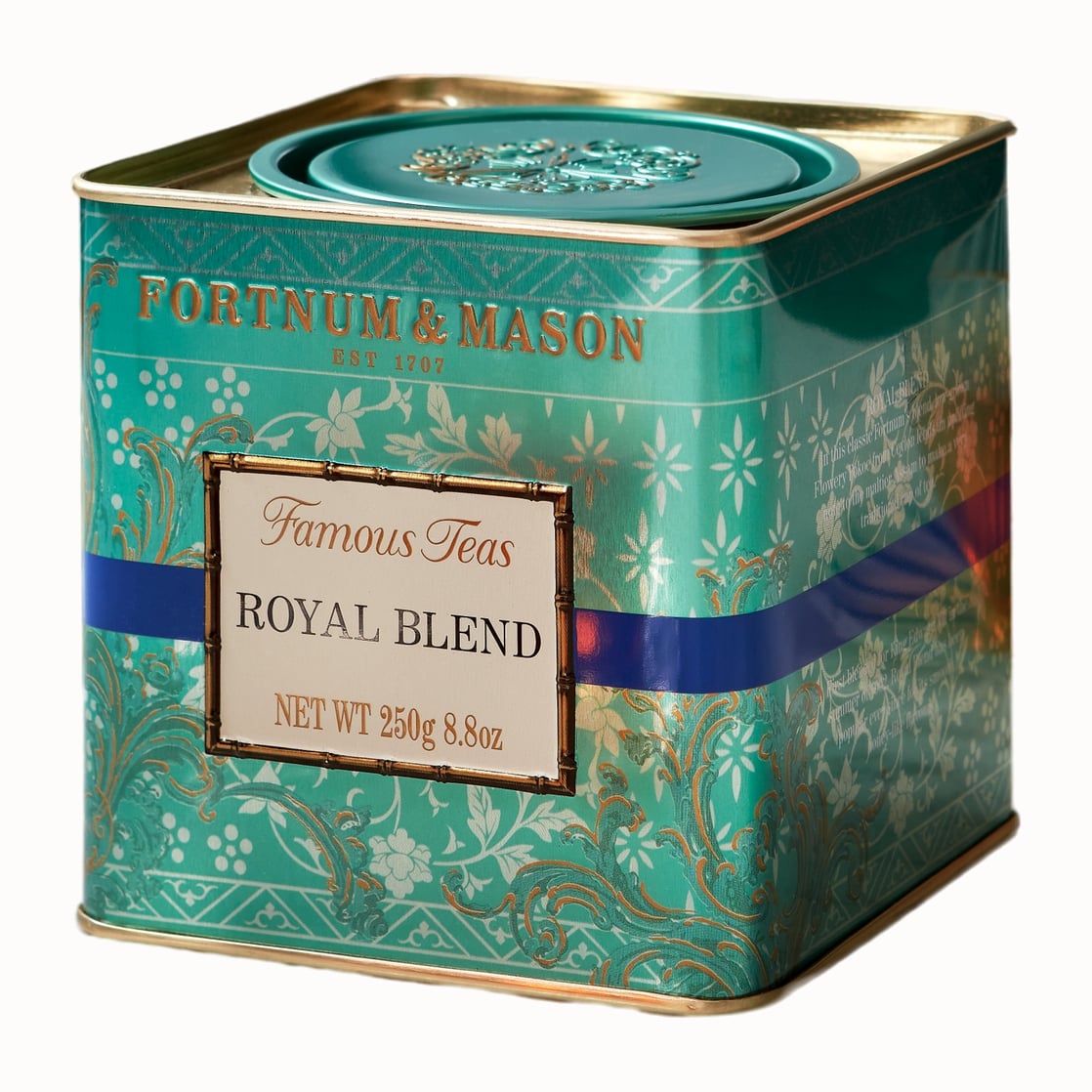
Fortnum & MasonRoyal Blend
Royal Blend is smooth and honeyed, the tea to pour when it should feel special.
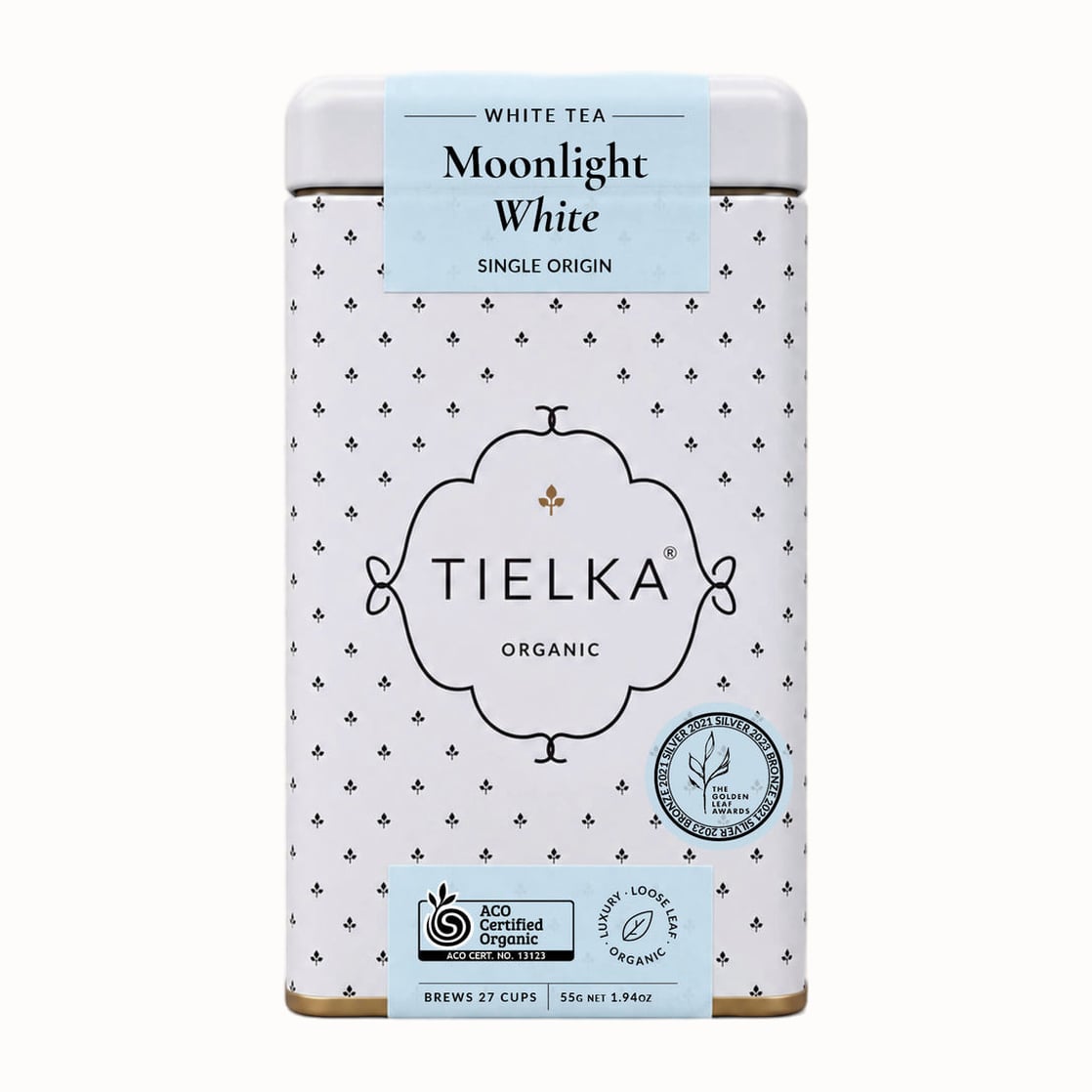
TielkaMoonlight White
Tielka is certified organic and fair trade, and even its teabags are plant-based.
Why you can trust Luxe Digital?

Well, first off: we drink a lot of tea at Luxe Digital. Between us we’ve sampled dozens of the top-selling luxury tea brands in the world, and we’ve spent years in online tea communities and international tea associations learning what separates a good leaf from a forgettable one.
We judge every tea brand on the cup itself first — taste above all — then on what’s in it, where the leaf comes from, and how it’s grown. We lean toward organic brands and blends built from a short list of sustainably sourced ingredients, because the fewer things hiding behind “natural flavors,” the more you can trust what’s in your cup.
We’re an independent magazine. Some links here earn us a commission, but no brand can buy a kinder verdict. If a tea isn’t worth your cupboard, it doesn’t make the page.
For more on how we test products in general, see our HAPPY philosophy for buying luxuries. Exploring beyond tea? Try our roundup of the best coffee alternatives.
The 15 best tea brands in the world
| Tea brand | Best for | Price |
|---|---|---|
| Vahdam | Best overall | $$ |
| Tielka | Best organic | $$ |
| Atlas Tea Club | Best subscription | $$ |
| TWG | Best luxury | $$$ |
| Twinings | Best value | $ |
| Tea Forté | Best tea bags | $$$ |
| Art of Tea | Best loose leaf | $$$ |
| Harney & Sons | Best black | $$ |
| Republic of Tea | Best white | $$ |
| Stash | Best caffeinated | $$ |
| Fortnum & Mason | Best English | $ |
| Palais des Thés | Best French | $$$ |
| Jade Leaf | Best matcha | $$$ |
| Yogi | Best herbal | $ |
| Taylors of Harrogate | Best British | $ |
The best tea brands, by what they do best
Here is our shortlist of the best tea brands, each picked for what it does best.
1. Vahdam — Best overall
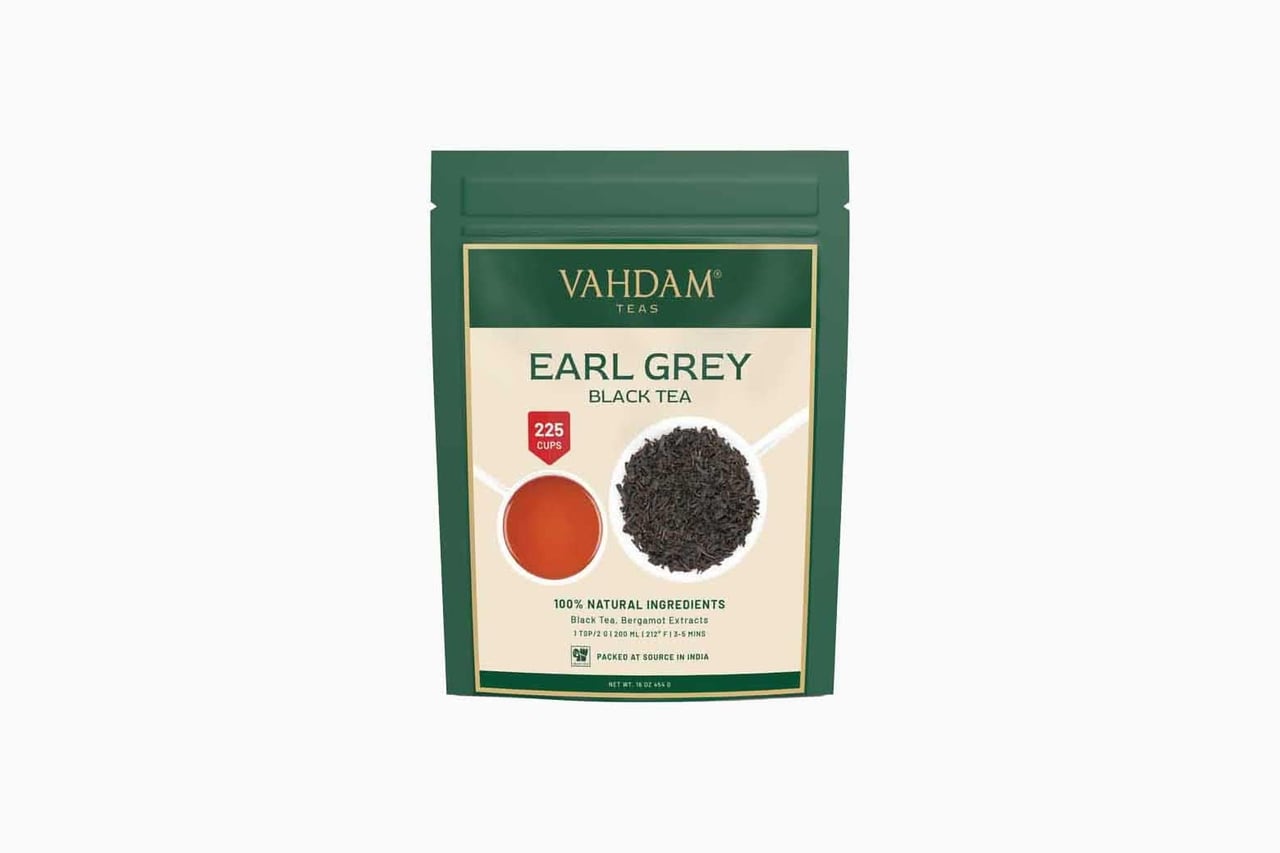
Vahdam sells India’s tea the way it should be sold: straight from the growers, online only, with no middlemen taking a cut of the leaf or the margin. The result is tea that tastes fresher than its price suggests, from a company that’s Organic and Fair Trade certified and puts 1% of revenue toward schooling for its growers’ children.
Yes, Oprah, Mariah Carey, and Ellen DeGeneres have all put their names to it — but the celebrity shelf isn’t why it’s here. The cup is.
We’ve been drinking Vahdam teas for years now, and they’ve never let us down. We’d recommend them for yourself, of course, but also as a beautiful gift for the tea lovers in your life — the brand makes exquisite gift boxes with an array of gourmet teas that are sure to be, well, your cup of tea. Get it while it’s hot.
Our favorite: Earl Grey Citrus Black Tea — a clean, bright take on a tea that’s usually muddied by heavy bergamot.
Verdict: Fresh and flavorful — direct-trade tea that overdelivers for the price. One caveat: online-only means you can’t smell a tin before you commit.
Best for: The next best thing to booking a first-class flight to the Indian countryside for a traditional cup of the finest tea in the world.
Check price: Vahdam — Best overall at Amazonat Amazon · Fast delivery on many items
2. Tielka — Best organic
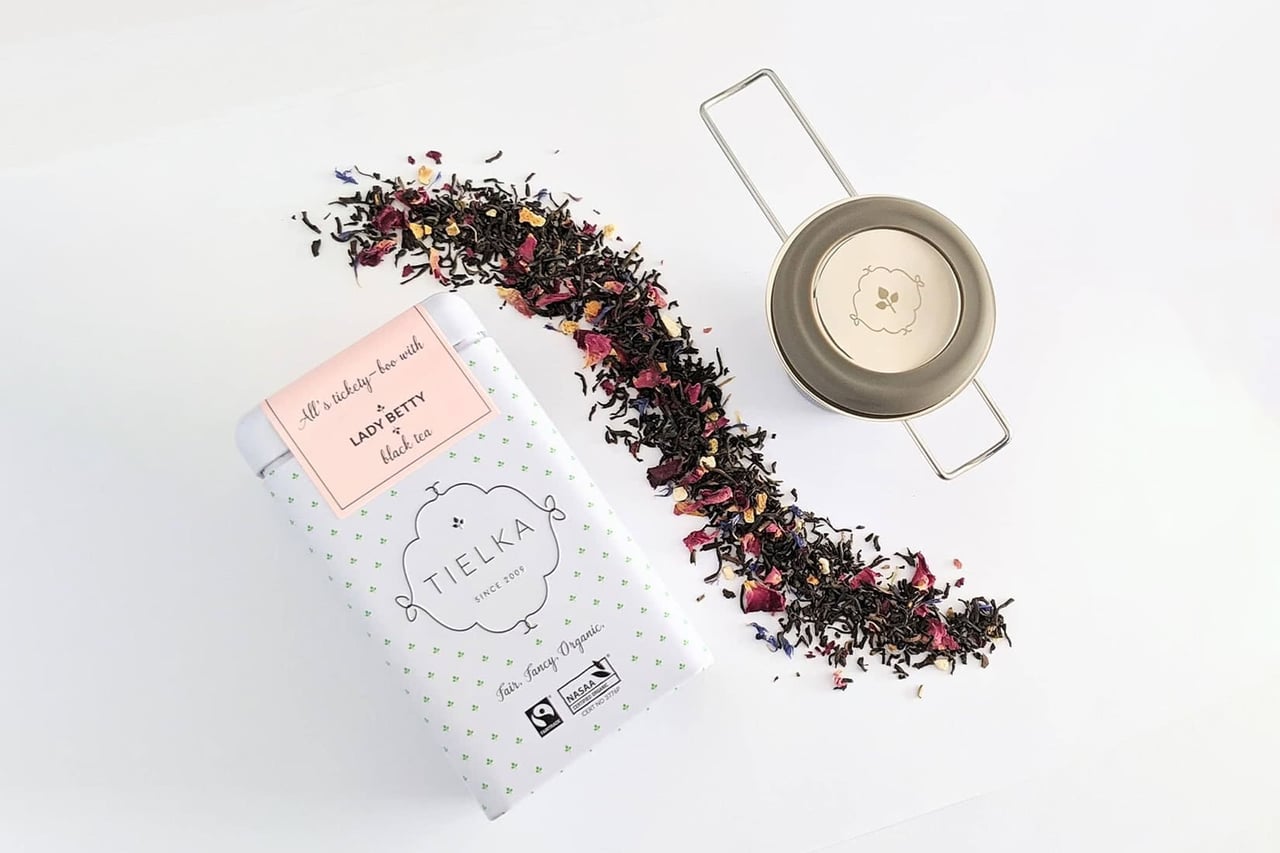
Australia’s most awarded organic tea brand, founded in 2009, Tielka builds its blends from fine ingredients sourced at harvest from expert growers at home and around the world — Tasmanian pepper berries, Victorian lavender, Italian bergamot oil. Herbal, green, black, white, oolong… Tielka’s collection is a kaleidoscope of refined tastes. We’d brew these organic teas in Tielka’s tea infuser, made with super-fine mesh to keep any pesky particles from slipping into your cup.
Certified organic and fair trade to a T(ea), Tielka doesn’t put a (probably bare) foot wrong. Even the teabags are crafted from plant-based fabric.
Our favorite: Lady Betty Black Tea — floral and citrus-led without tipping into perfume.
Verdict: Down to earth, Down Under — Tielka brings a touch of eco-chic to your tea break with sustainable sips.
Best for: Australian cool meets British tradition.
Check price: Tielka — Best organic
3. Atlas Tea Club — Best subscription
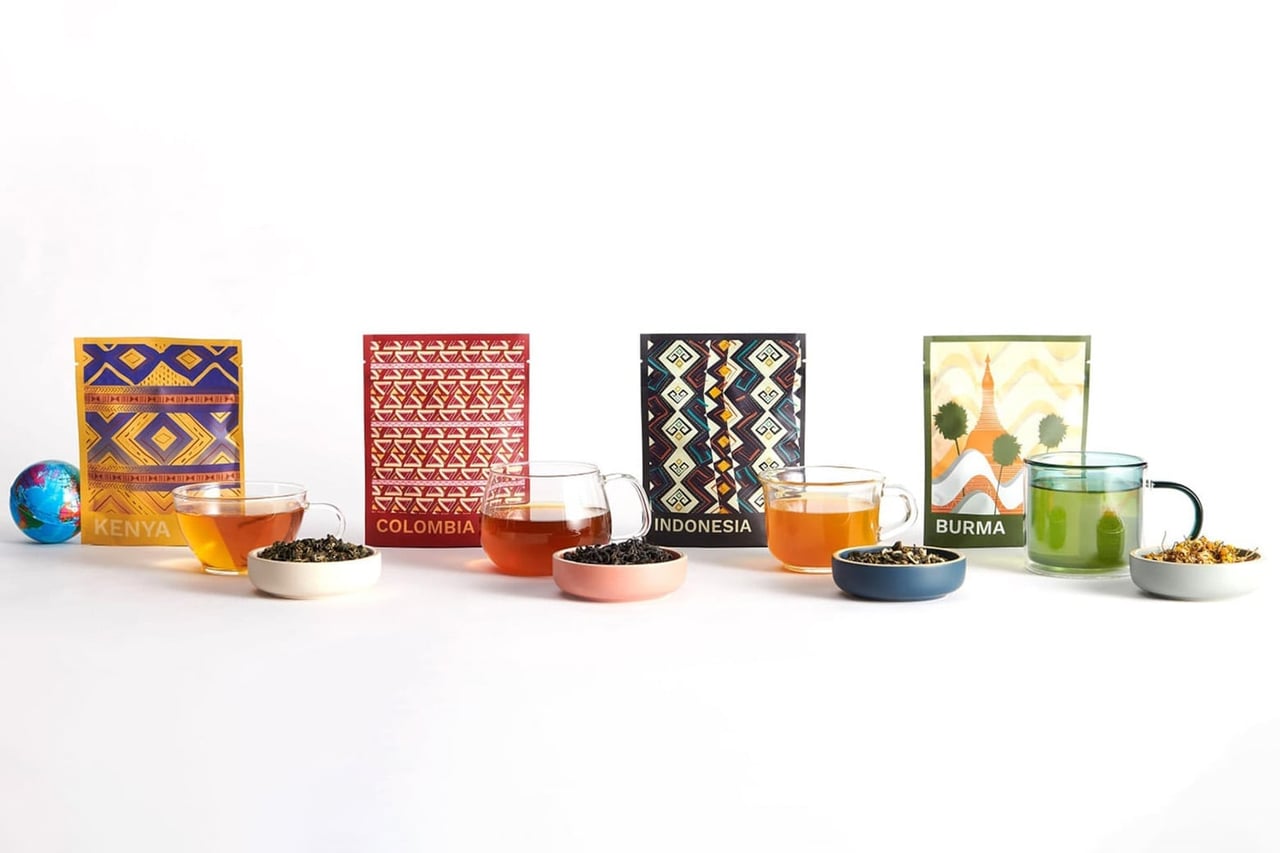
So, you’ve already sorted your monthly coffee subscription and your wine subscription — but what about tea? Atlas Tea Club does the part most of us never get around to: tasting hundreds of teas a month and sending you only the single-origin loose leaves worth keeping. Take a tantalizing trip around the world’s most bountiful tea regions, from the rolling plantations of Sri Lanka to snow-peaked Nepal to sun-soaked Kenya. Each month brings a new origin matched to your flavor preferences, ethically traded and from sustainable farms. It’s the lowest-effort way to widen your palate beyond the same three tins.
P.S. We’ve gone hands-on with the brand’s sister service in our in-depth Atlas Coffee Club review — take a look to see exactly how the subscription works.
Verdict: A standing invitation to taste the world. Worth knowing: a subscription suits explorers more than people who’ve already found their cup.
Best for: A delicious dose of discovery delivered to your door, monthly.
Check price: Atlas Tea Club — Best subscription at Atlas Tea Clubat Atlas Tea Club · Great deals every day
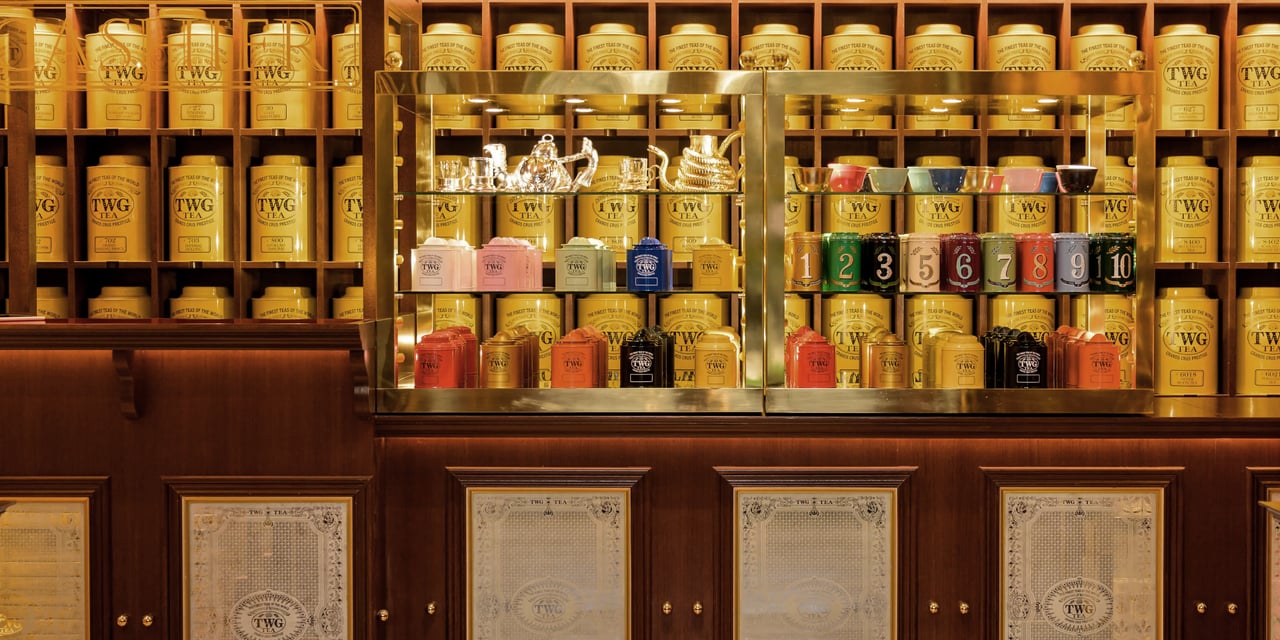
4. TWG — Best luxury
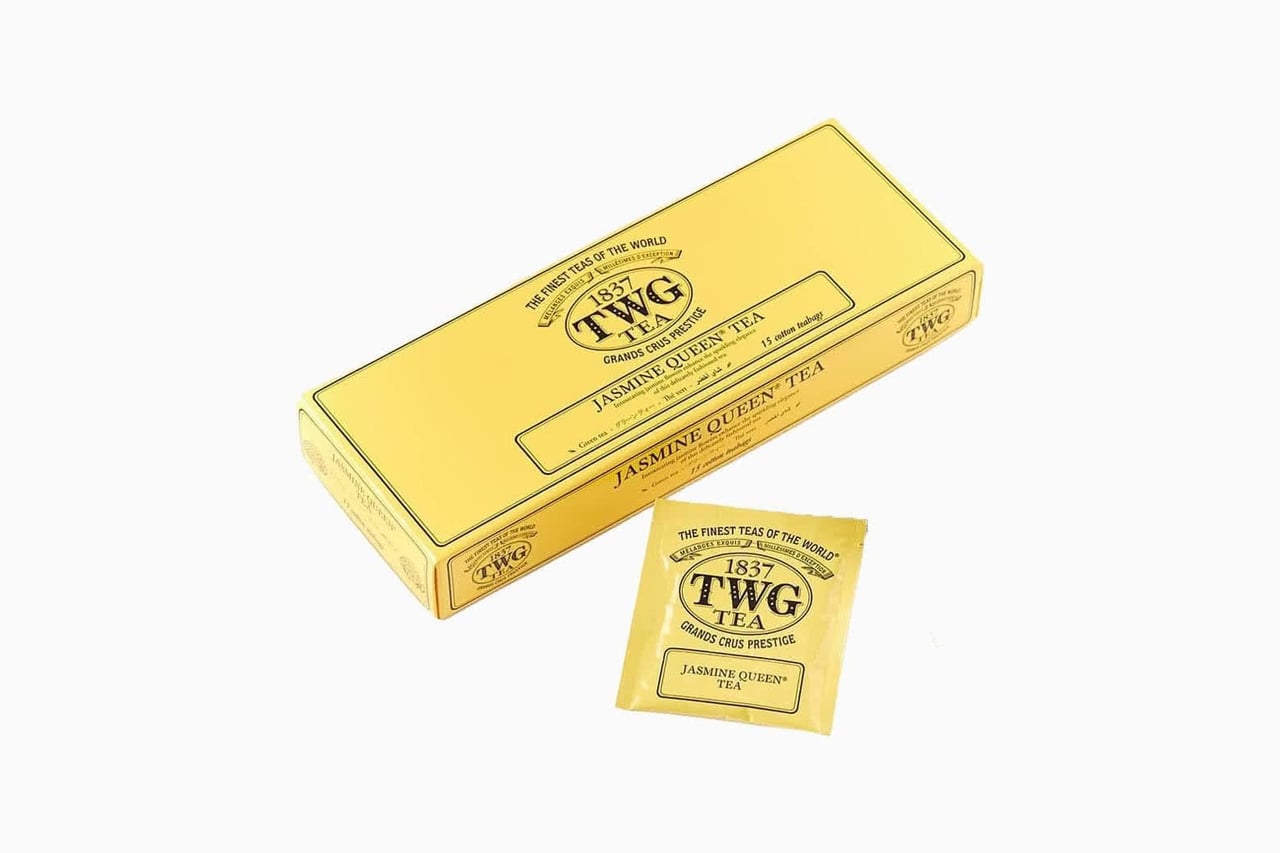
Our team first sampled TWG in Singapore, and it remains the most decadent way to take your daily cup. Founder Taha Bouqdib spent more than 15 years studying tea ceremonies everywhere from France to Morocco, and it shows.
To accentuate the splendor of each blend, TWG even uses hand-sewn, 100% cotton teabags. Beyond being totally luxe, this gives the whole-leaf tea room to move and expand, ensuring a flawless infusion.
The quality, care, and love steeped into each TWG blend more than justify the splurge. Because, well, if tea could earn a Michelin star…
Our favorite: Silver Moon — green tea softened with a subtle berry-and-vanilla bouquet that takes the edge off any bitterness.
Verdict: Grand cru teas — TWG is for the tea aficionados and luxury connoisseurs. The honest part: this is among the most expensive ways to drink tea. Treat it as the occasion, not the everyday.
Best for: The pour that marks an occasion, when an ordinary cup simply won’t do.
Check price: TWG — Best luxury at Amazonat Amazon · Millions of products
5. Twinings — Best value
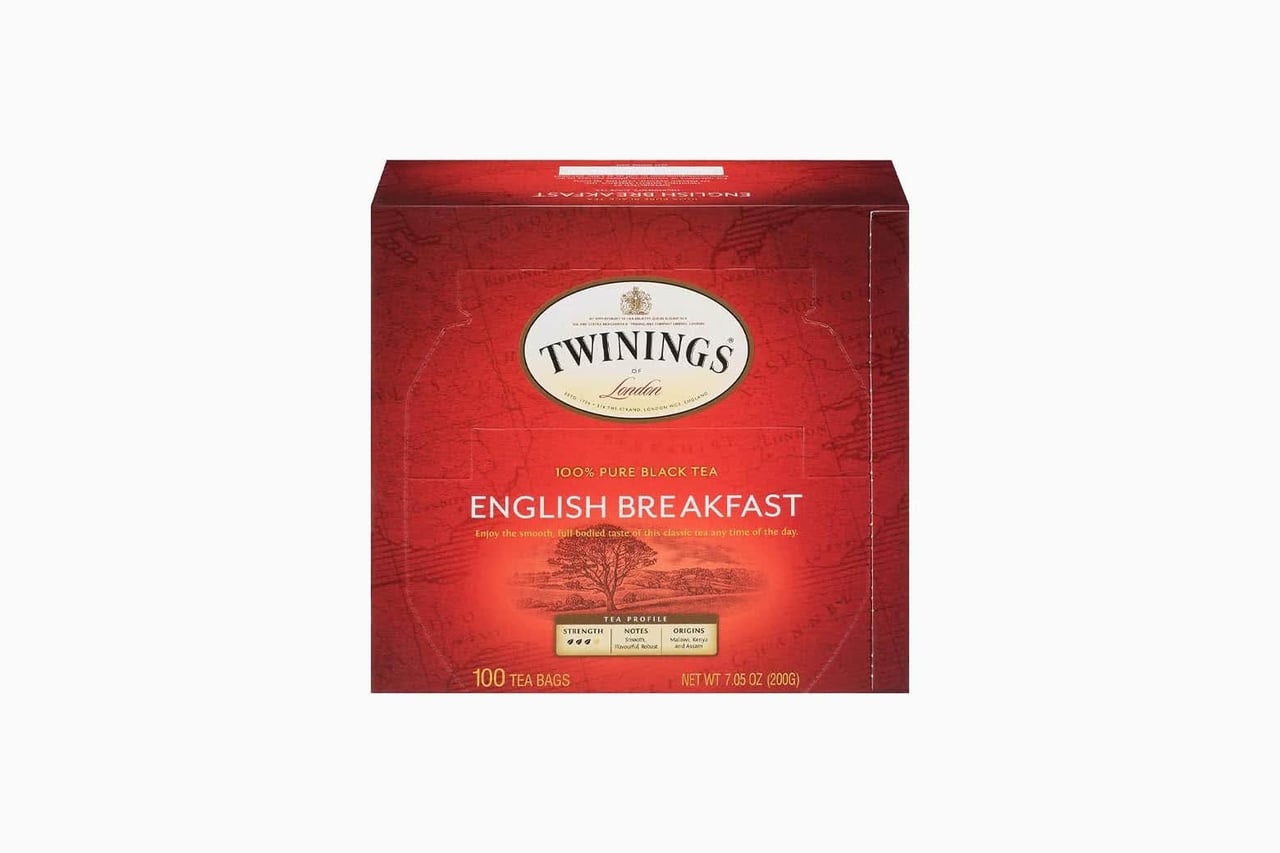
Firmly rooted in England’s tea-sipping culture, Twinings has been getting the everyday cup right since 1706, when Thomas Twining sold his first leaves from a storefront on the Strand in London.
Three centuries of buying power means it can hand-select from five growing regions — Malawi, Kenya, and Assam among them — and still keep the price low enough to drink three cups a day without thinking about it. With 300 years of experience, you’d expect them to be pretty good. And they are.
Our favorite: English Breakfast — the reliable benchmark every other breakfast tea is measured against.
Verdict: Three hundred years of getting the everyday cup right.
Best for: A cheap and cheerful way to begin the day.
Check price: Twinings — Best value at Amazonat Amazon · Easy returns on most items
6. Tea Forté — Best tea bags
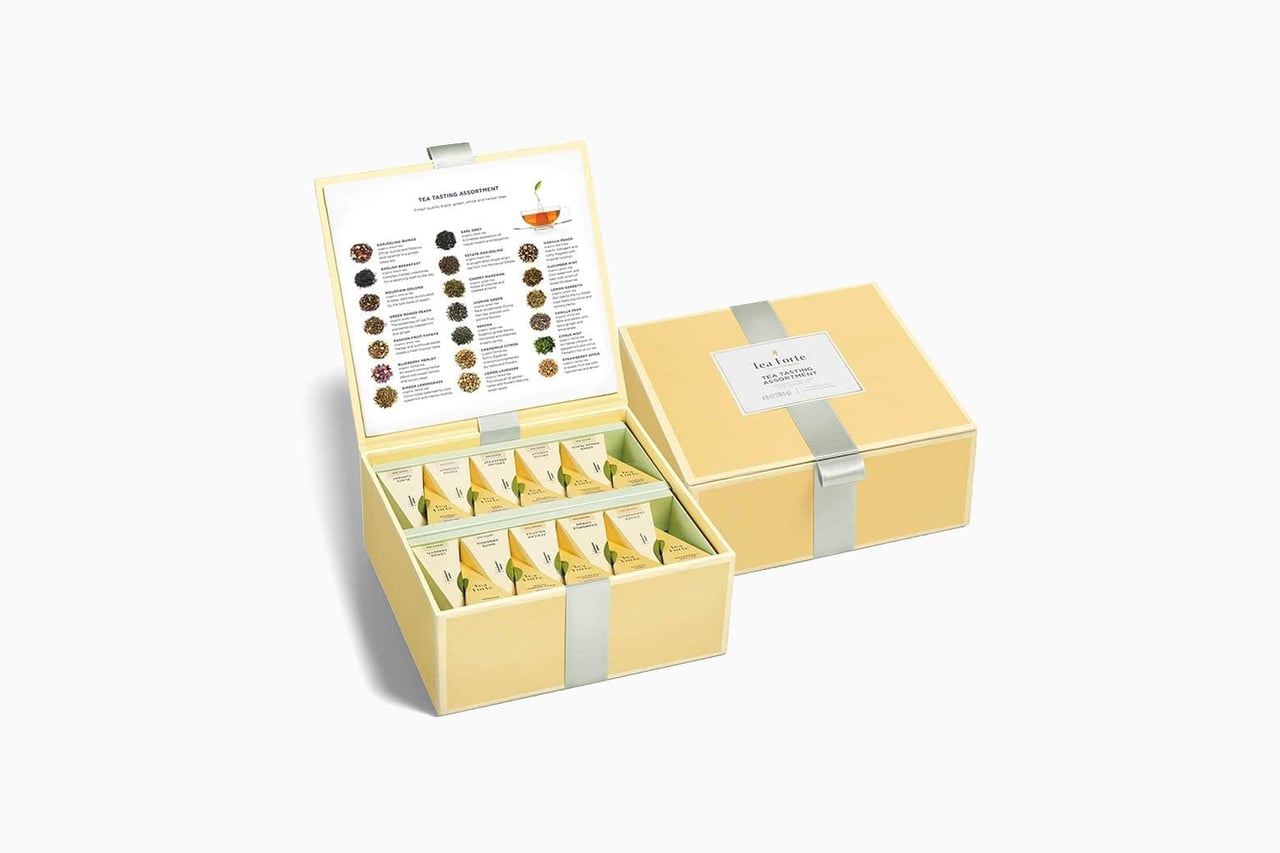
While we all love a good loose-leaf tea, sometimes a quick-and-easy teabag brew is just what we’re craving. Tea Forté’s handcrafted pyramid infusers give whole leaves room to open. Oozing layered notes, Tea Forté’s teas reveal themselves like luxury perfumes — escorting you down the scenic route through aroma and flavor.
The brand works directly with growers to supply fine tea to more than 35 countries. Okay, Coca-Cola manages 200, but 35 is still an impressive figure — just give them time. Tea Forté is to tea what Ladurée is to macarons: a divine product wrapped in equally divine packaging.
Our favorite: The Tea Tasting Assortment. 40 varieties, the easiest way to find what you actually like.
Verdict: A treat for all the senses — the gateway to drinking better tea.
Best for: Impressing guests (or gifting) without ever touching a strainer.
Check price: Tea Forté — Best tea bags at Amazonat Amazon · Great deals
7. Art of Tea — Best loose leaf
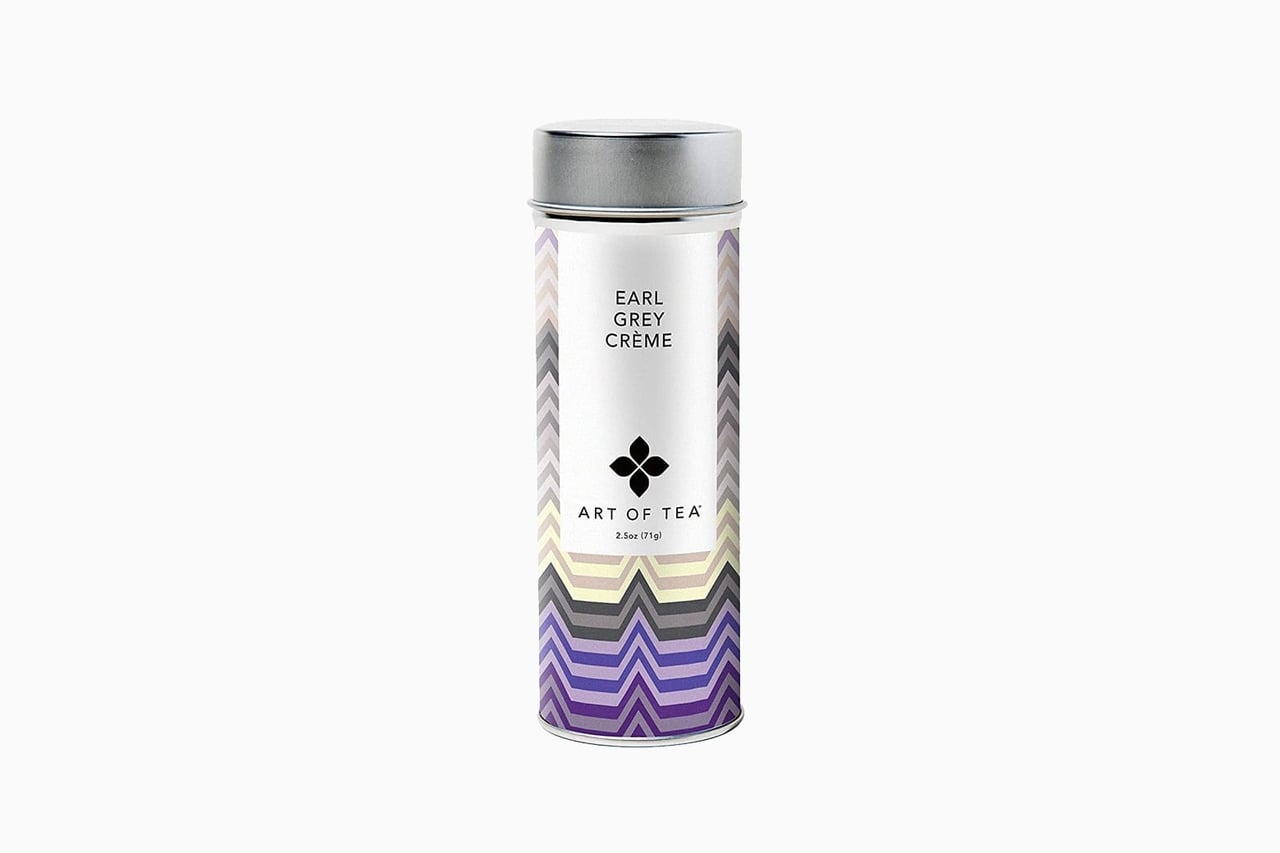
Loose leaf asks a little more of you — a spoon, a strainer, a minute — and rewards you for it. Art of Tea’s organic blends are hand-mixed, and the leaf quality is high enough that the small ritual of brewing feels earned rather than fussy.
Our favorite: Earl Grey Crème; hand-blended with bergamot oil and finished with French vanilla.
Verdict: For the ritual, not the rush — rich, layered blends with real character in every cup.
Best for: Slow mornings where the brewing is half the pleasure.
Check price: Art of Tea — Best loose leaf at Amazonat Amazon · Huge selection
8. Harney & Sons — Best black tea
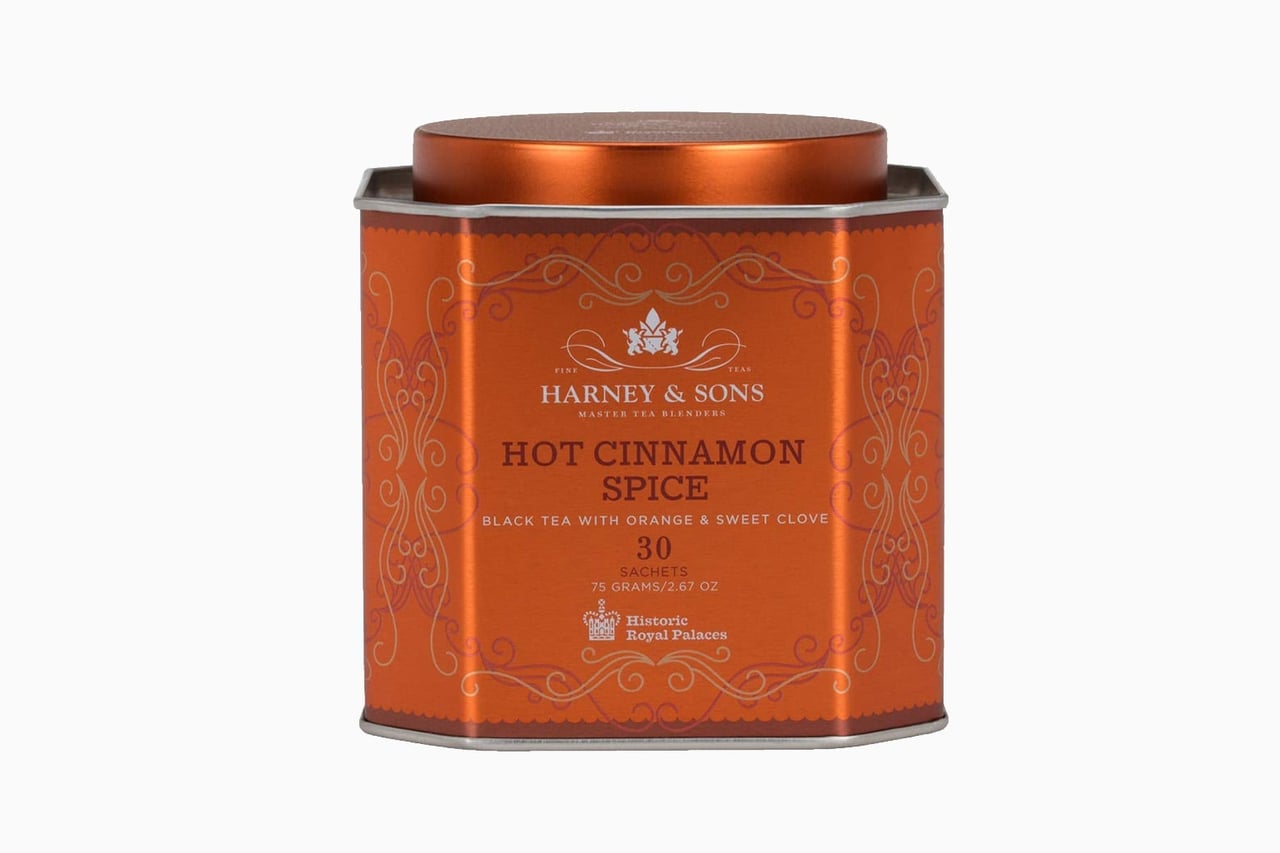
A New York family business started by John Harney, now with son Mike Harney holding the title of Master Tea Buyer and Blender. Across more than 300 blends, the black teas are where Harney and Sons earns its following — intense, layered, and Fairtrade certified. What’s more, it has been part of 1% for the Planet since 2006, which commits 1% of sales — not profits — to environmental causes around the globe.
Our favorite: Hot Cinnamon Spice; a 1980s original built on orange peel, sweet clove, and three kinds of cinnamon.
Verdict: A taste of legacy — an American classic that earned its following.
Best for: A bold, characterful black tea with real heritage in the cup.
Check price: Harney & Sons — Best black tea at Amazonat Amazon · Shop with confidence
9. Republic of Tea — Best white tea
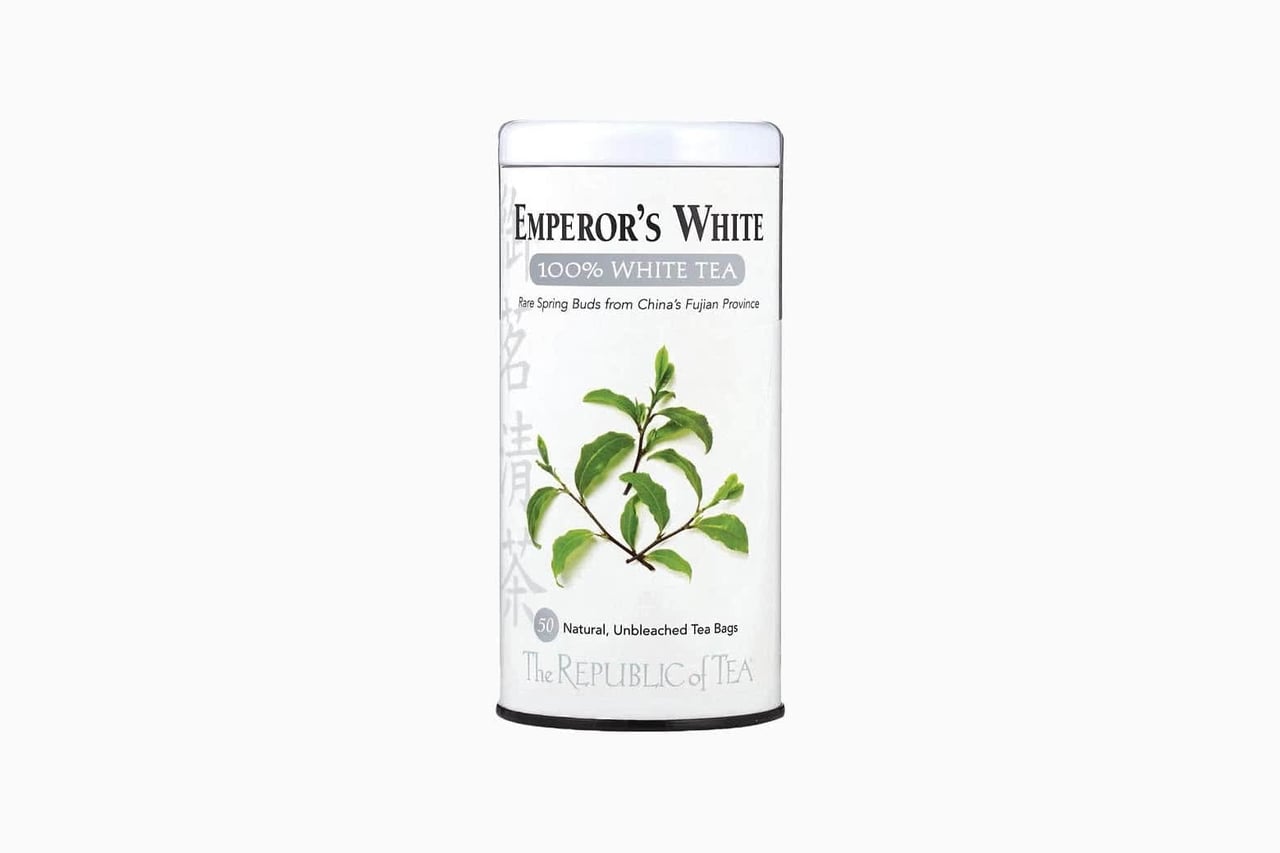
The branding is a little theatrical — staff are “ministers,” shops are “embassies,” you’re a “citizen” — but the leaf is the real thing. Across 300-plus varieties, the white tea is the standout.
“Substandard” is the antithesis of Republic of Tea’s national product: the whole-leaf teas, unbleached bagged teas, and decaffeinated blends are, in fact, award-winning. So, there.
Our favorite: White Emperor; the brand says it is picked over just two days a year as the tea flowers open in the mountains of Fujian, and that it was historically served to visiting dignitaries.
Verdict: Premium teas — prized for their subtle flavors and high antioxidant levels. This is a white tea worth the occasion.
Best for: A delicate, quiet moment that deserves something special.
Check price: Republic of Tea — Best white tea at Amazonat Amazon · Fast delivery on many items
10. Stash — Best caffeinated
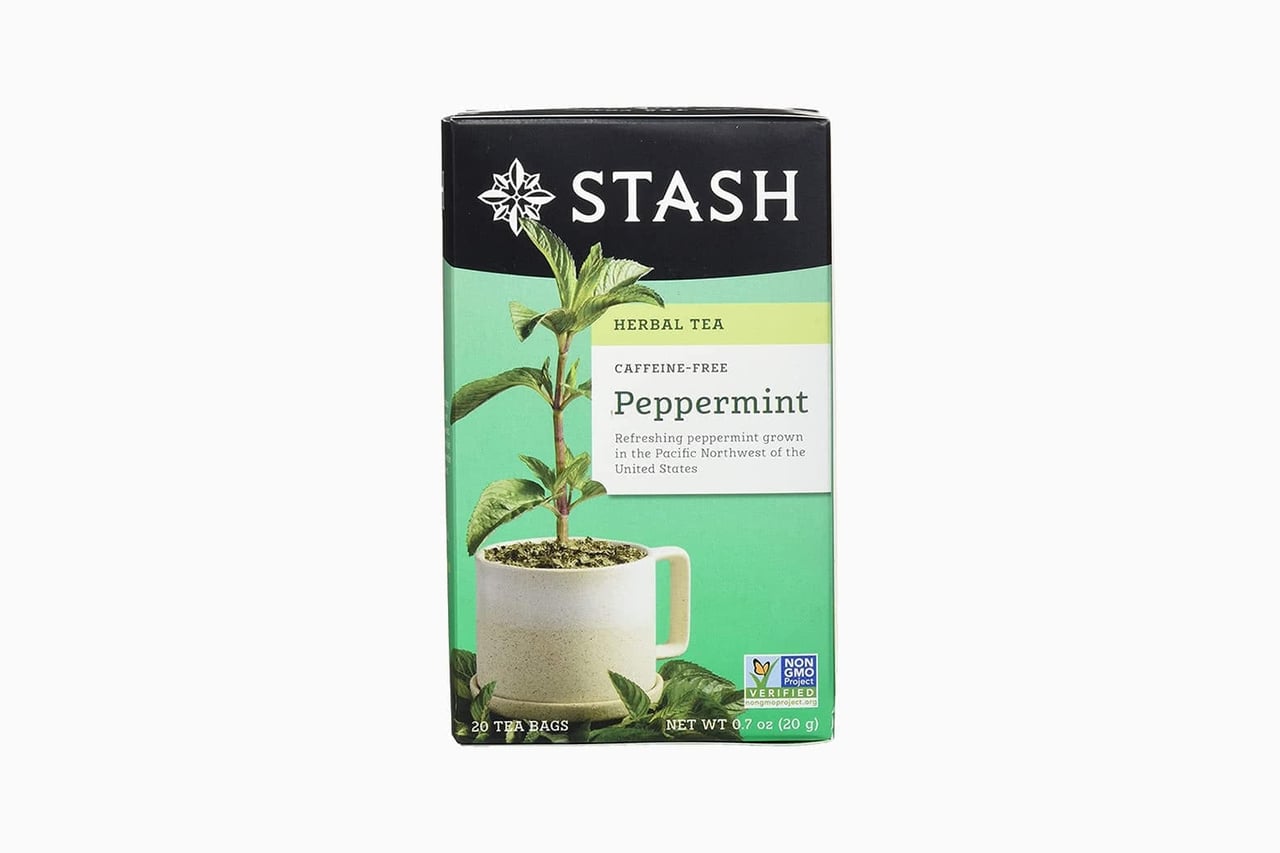
“No, Stash isn’t a bag of tea. It’s a little bag of crazy,” says the brand. It’s also the morning cup with real backbone.
Stash blends Assam and Ceylon for a cup that carries more caffeine than a standard black tea. And if you’re after the best peppermint tea, your search ends here too: as one of the first adopters of Pacific Northwest peppermint — among the world’s finest — Stash makes a peppermint herbal blend that’s bright, tingling, and light, yet boldly flavored.
Our favorite: Super Irish Breakfast; bold enough to replace your first coffee.
Verdict: Bold and bright — the morning cup with real backbone. Stash is our go-to for caffeinated tea, though it also makes superlative caffeine-free options for the evening, or for anyone who doesn’t need the extra boost.
Best for: Mornings that need a little more punch than a standard cup.
Check price: Stash — Best caffeinated at Amazonat Amazon · Millions of products
11. Fortnum & Mason — Best English tea
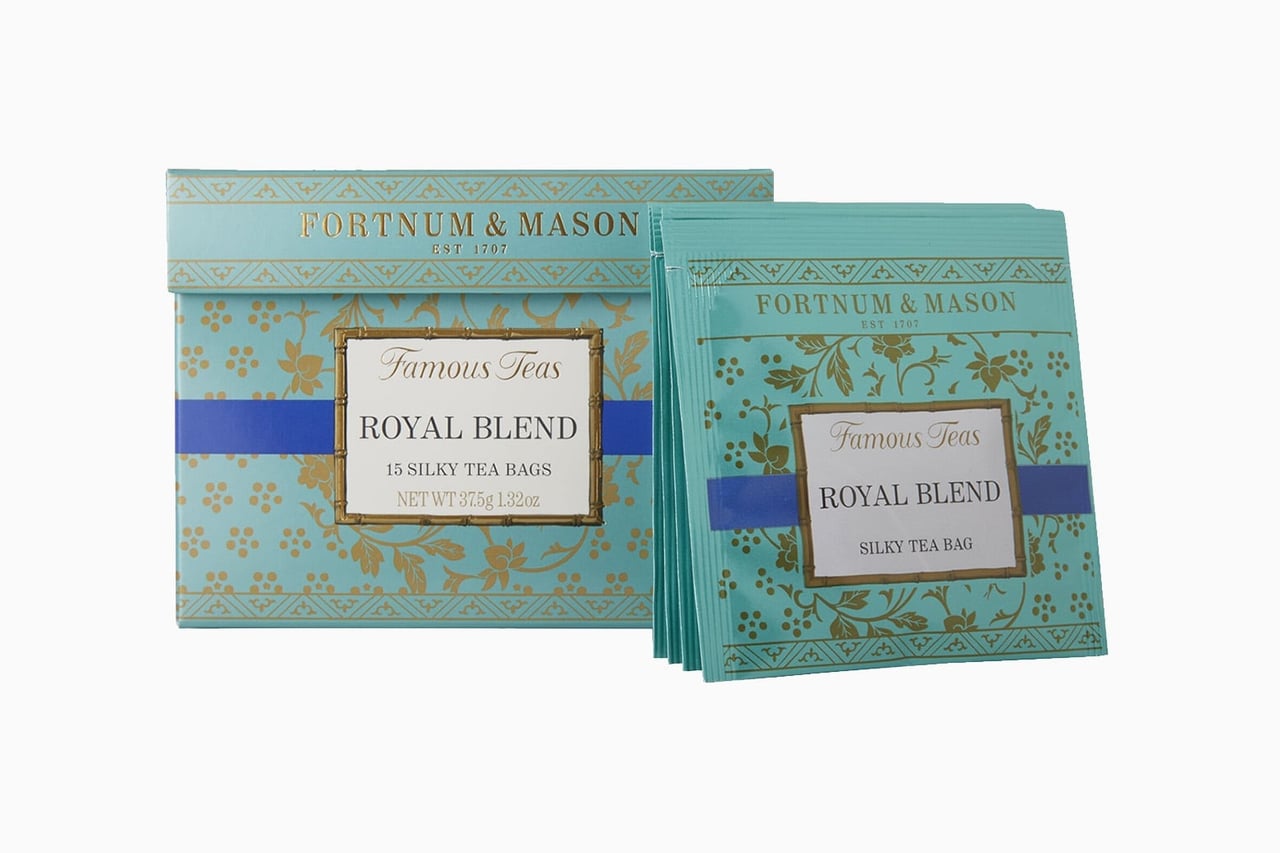
The English cup, taken straight from the institution that helped define it. Fortnum & Mason’s blends carry the full weight of British tea tradition, royal associations and all.
Our favorite: Royal Blend; smooth and honeyed, the one to pour when you want tea to feel like an event. Best sipped from bone china and served with Fortnum & Mason’s signature butter biscuits, of course.
Verdict: Refined and royal — the English cup, done by the source.
Best for: Proper afternoon tea.
Check price: Fortnum & Mason — Best English tea at Fortnum & Masonat Fortnum & Mason · Competitive prices
12. Palais des Thés — Best French tea
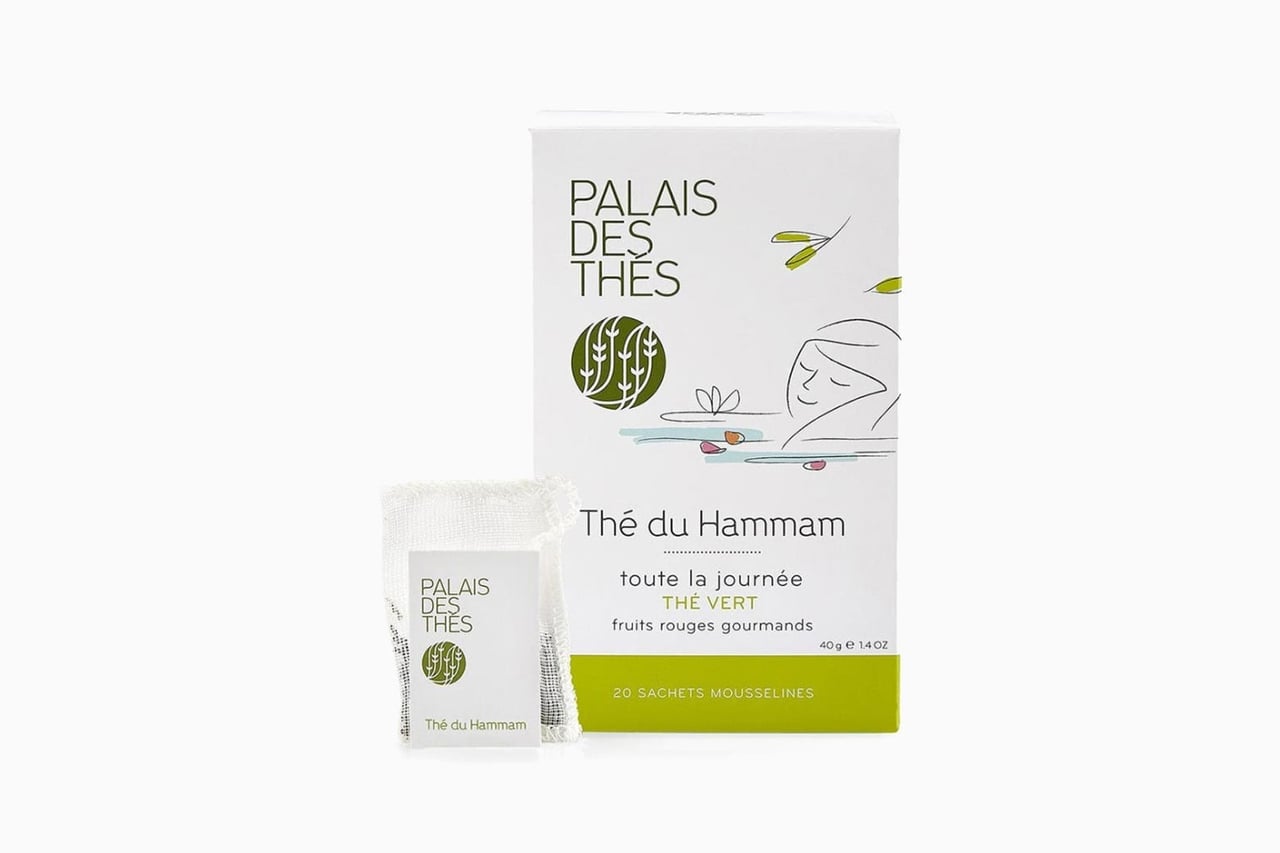
Founded in Paris in 1986, Palais des Thés (French for “Palace of Teas”) treats tea the way the French treat scent — its travel-inspired blends (Fleur de Geisha, Chai Impérial, and Paris for Her) are composed, not just mixed.
Our favorite: Hammam Tea; Chinese green tea layered with rose, green date, berries, and orange-flower water.
Verdict: Sustainable sip — a hammam steam bath in a cup.
Best for: A touch of Parisian romance in your tea ritual.
Check price: Palais des Thés — Best French tea at Amazonat Amazon · Easy returns on most items
13. Jade Leaf — Best matcha
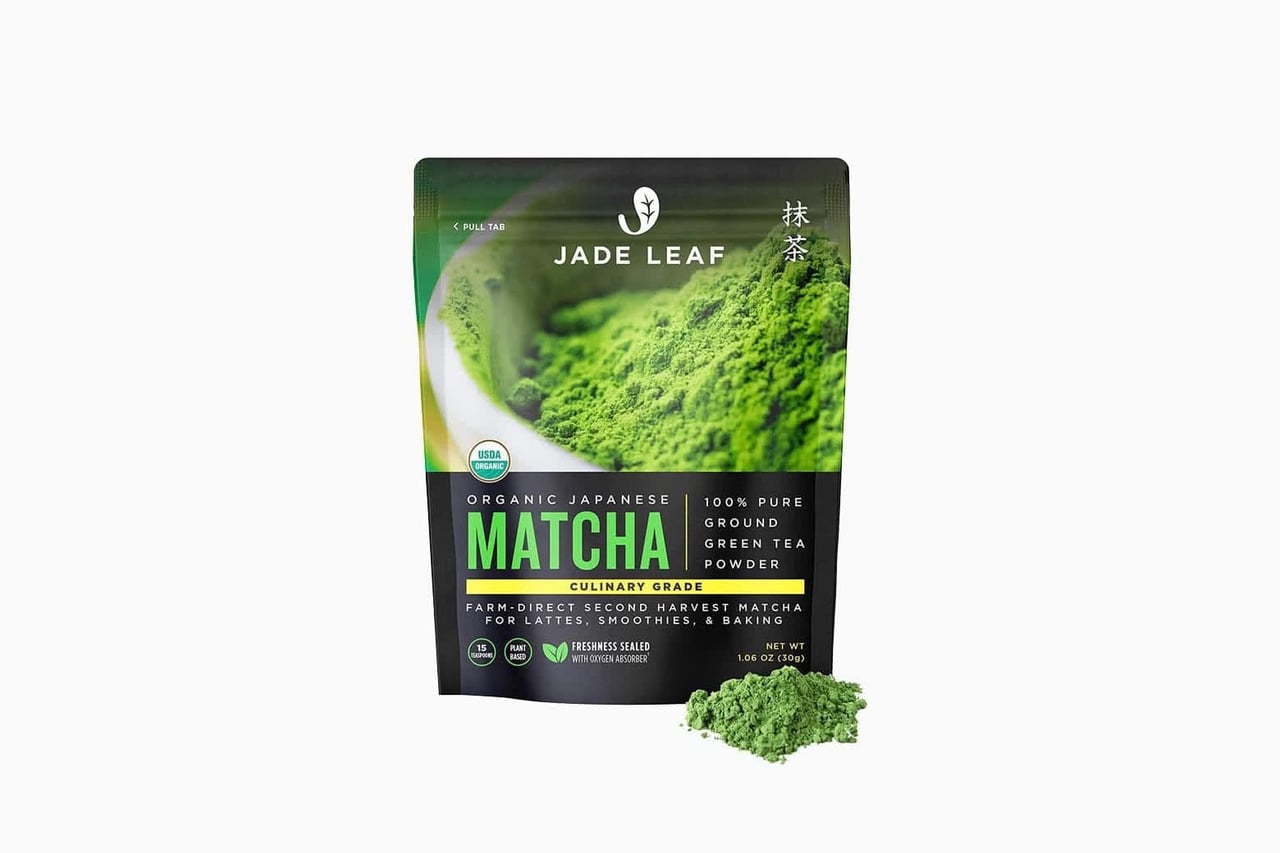
Most people think of sushi and sake when they think of Japan. But the “super tea” that is matcha has made its way into the public eye too, having voyaged from the far-off island nation into Western society.
Founders Mark and Will source directly from partner farms in Uji and Kagoshima, and under 1% of Japan’s tea fields hold organic certification. That direct line is how you get genuinely ceremonial matcha without the ceremonial markup. You don’t have to perform the traditional tea ceremony to enjoy matcha’s benefits, either (though it would bring a whole new depth to sushi night).
You may find yourself waving sayōnara to inferior matcha, forever.
Our favorite: Ceremonial Matcha; 100% USDA Certified Organic, smooth enough to drink with nothing but hot water.
Verdict: “Green” in every sense of the word.
Best for: Boosting your wellbeing in a single cup.
Check price: Jade Leaf — Best matcha at Amazonat Amazon · Great deals
14. Yogi — Best herbal
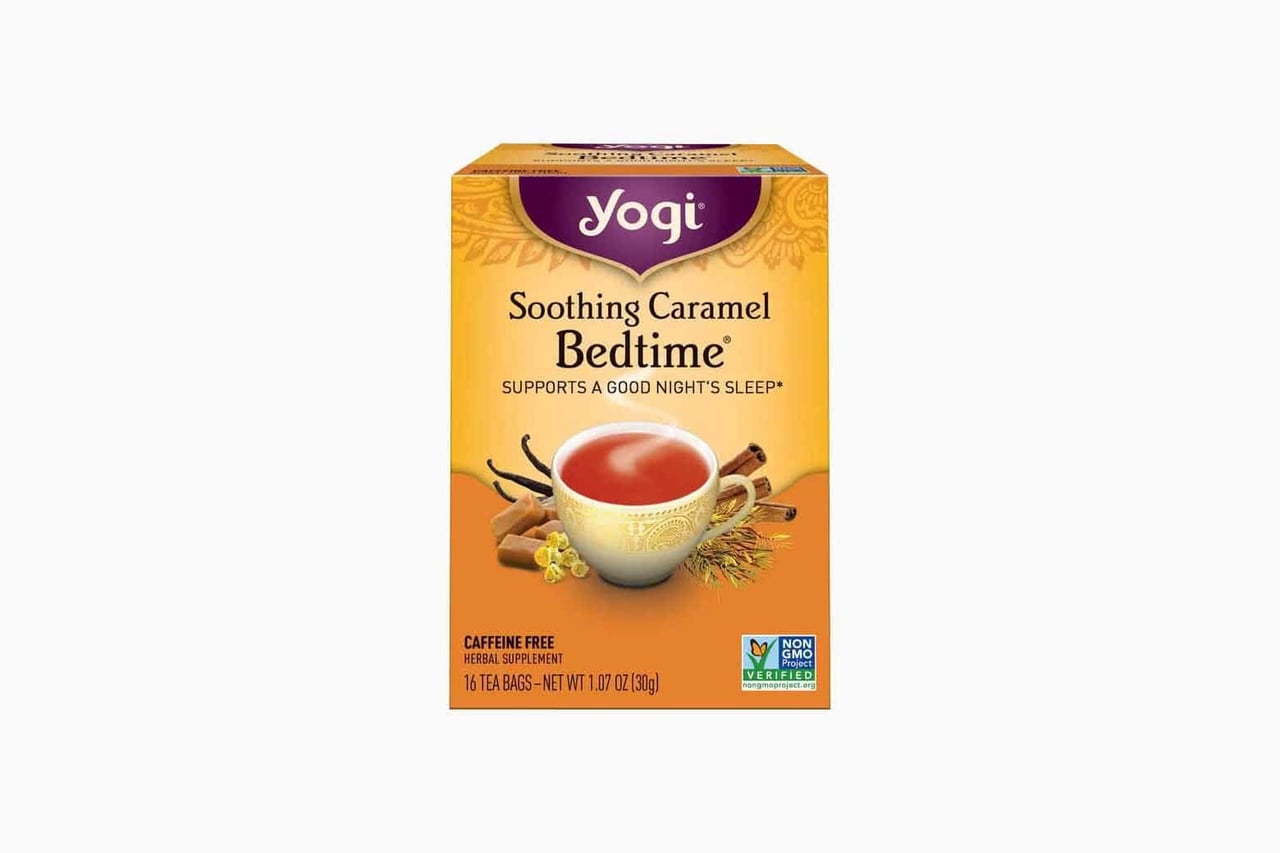
Big on mindfulness and positivity, Yogi Tea turns up on the breakfast bars of many a yoga retreat center across the globe — not to mention the pantries of those hoping to bottle that serenity at home.
It’s the wind-down cup that actually works. Yogi’s herbal blends are organic with no artificial anything, and the bedtime ones lean on real functional botanicals rather than vibes. The little paper messages of “Yogic wisdom” on each bag are charming or twee depending on your mood — fair warning. We don’t know about you, but we’re rolling out our yoga mats.
Our favorite: Soothing Caramel Bedtime; chamomile and skullcap for a genuinely calmer evening.
Verdict: Herbal tea heaven — whether you’re a yoga instructor or still working on your downward dog, Yogi’s herbal tea is the perfect way to take that zen off the mat.
Best for: Wellness in a cup.
Check price: Yogi — Best herbal at Amazonat Amazon · Huge selection
15. Taylors of Harrogate — Best British tea for a full pot
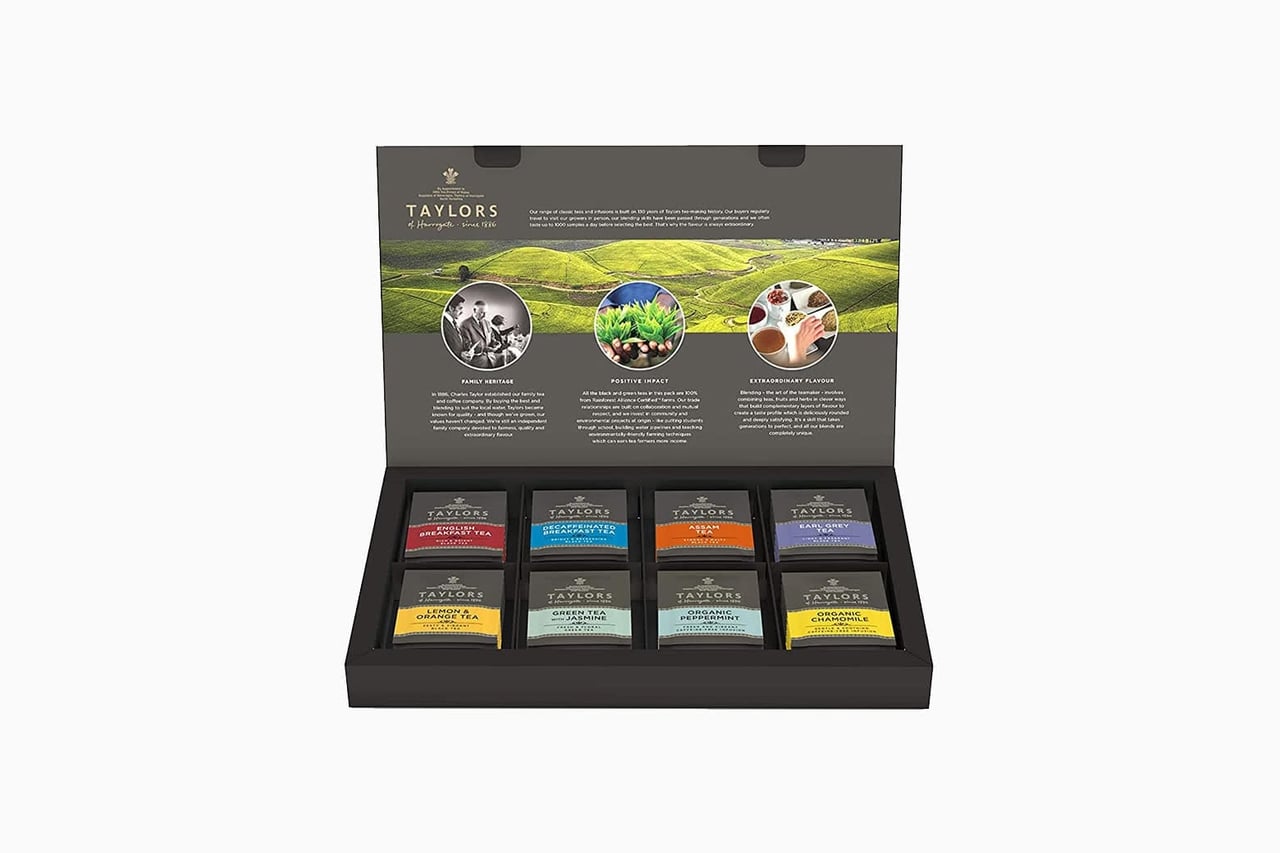
Taylors of Harrogate hails from the historic spa town of Harrogate, England, and we’re hard-pressed to find a more devoted British tea brand — its commitment to the craft of blending carries into every steaming cup.
Beloved across Britain and served at breakfasts, family gatherings, and catch-ups with friends, Taylors of Harrogate’s classic teas range from rich blacks to organic and decaffeinated blends, elegant greens, and refreshing herbal infusions. You may be wondering, “But I didn’t think you could grow tea in England?” Full marks to you. The perpetually rainy British weather is, unsurprisingly, not known for tea-friendly soils — so Taylors of Harrogate sources from the finest growers around the world, paying fair prices along the way, while staying impeccably British.
It’s Rainforest Alliance certified and tied to the Forest Stewardship Council, so the sourcing holds up to scrutiny.
Our favorite: The Assorted Specialty Teas; Jasmine green, Earl Grey, Lemon and Orange, Organic Chamomile, and Organic Peppermint, all in one box.
Verdict: Proper pot — Taylors of Harrogate is one of the more affordable ways to serve up an English high tea worthy of royalty.
Best for: Sharing a steaming pot over biscuits and a catch-up.
Check price: Taylors of Harrogate — Best British tea for a full pot at Amazonat Amazon · Shop with confidence
Bonus: Pure Leaf — Best iced tea
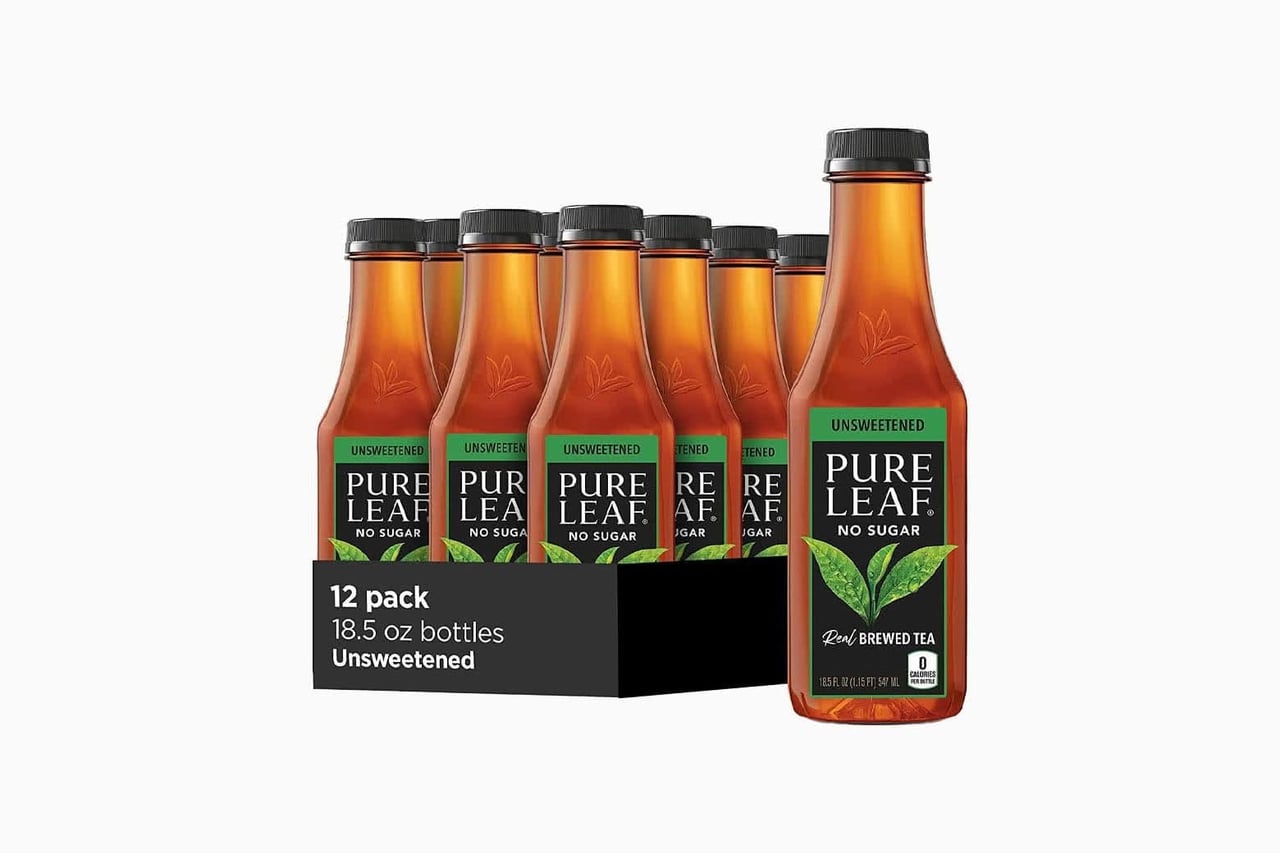
Real brewed tea, bottled, with no artificial colors or flavors and zero calories in the unsweetened version. Zero calories per bottle? That’s right: zilch, nada. So whether you’re doing 16:8 or 5:2, you can sip Pure Leaf Iced Tea to your heart’s content.
Feeling a little wild? Branch out with the Raspberry, Lemon, or Extra Sweet varieties (though don’t expect the Extra Sweet to be quite as innocent, calorie-wise).
It won’t rival a tea you brew and chill yourself, but for grabbing cold and drinking in the sun, it’s the honest option.
Our favorite: Unsweetened Black Tea.
Verdict: Refreshing — they say hot tea cools you down in sweltering climes. But if you can’t quite get your head around that, we won’t blame you for pouring a glass of Pure Leaf’s iced tea instead. Best served poolside with piles of ice.
Best for: Hot days, tall glasses, and zero fuss.
Check price: Bonus: Pure Leaf — Best iced tea at Amazonat Amazon · Fast delivery on many items
Luxury tea buying guide: how to select high-quality tea
A few things to keep in mind when shopping for your next favorite luxury tea brand.
Consider the type of tea drinker you are
All real tea (black, green, white, oolong, pu-erh) comes from one plant, Camellia sinensis. What separates them isn’t the leaf but what happens after it’s picked: how much it’s allowed to oxidize, and how it’s rolled, dried, and aged.
Black tea
For many of us, there’s only one way to enjoy a good brew: black, with milk. English Breakfast, Earl Grey, Assam, Ceylon (present-day Sri Lanka), and Darjeeling are all popular black teas.
Like all teas, black tea comes from the leaves of the Camellia sinensis plant — but unlike green or white, it goes through full oxidation, which gives it a darker color, a fuller flavor, and higher caffeine. Drunk both hot and cold, it’s the base for many of the classic blends above.
It was also the late Queen Elizabeth II’s favorite. So if you’re looking to channel your inner majesty, a classic English Breakfast is the way forward.
White tea
Mythbuster: white tea is not just black tea with milk added. Tea aficionados will have you promptly removed if you make that blunder at a high-tea party.
The most common varieties of white tea are Silver Needle, White Peony, Long Life Eyebrow, and Tribute Eyebrow. We haven’t made those last two up, we promise.
The least processed of all teas, white tea is a delicate type made entirely or mostly from the buds of the Camellia sinensis plant. It’s simply withered and dried, which preserves its light color, subtle flavor, and high antioxidant levels. The labor-intensive harvest makes it pricier than most — and a favorite among health-conscious drinkers. (At roughly 15–20mg of caffeine per cup, it’s a safe bet if you’re a little sensitive.)
Green tea
Both the new kid on the scene and as old as time, green tea is a favorite among many tea-sippers. Credited with metabolism-boosting properties and a fair punch of antioxidants, this bittersweet brew has built quite the reputation.
Like black tea, it comes from the Camellia sinensis leaf — but it undergoes minimal oxidation, which keeps its green color and clean, vegetal flavor. The leaves are typically steamed or pan-fired to halt oxidation, then rolled and dried. Lower in caffeine than black tea and rich in antioxidants, it’s usually drunk plain or brightened with lemon or mint.
One tip: don’t infuse green tea for longer than two minutes. As green-tea fiends know, it turns bitter fast — go overboard on the brewing and you’ll lose that delicate taste.
Oolong tea
Oolong is a partially oxidized tea that sits between green and black in both flavor and color. Originating in China, it’s also made from the Camellia sinensis leaf, with an oxidation level anywhere from 10% to 70% — which is why oolongs span such a wide spectrum of flavors and aromas. Often rolled or twisted into tight shapes, a good oolong can be re-steeped several times, and it’s prized for its complexity.
Pu-erh tea
Pu-erh is a fermented tea from the leaves of the Camellia sinensis plant, originating in China’s Yunnan province. Unlike other teas, it goes through a post-fermentation process that lets it age and improve over time. It comes in two main forms — raw (Sheng) and ripe (Shu) — each with a distinct character, and it’s usually pressed into cakes or bricks. Expect earthy, layered flavors.
How to brew each type
The single biggest upgrade you can make isn’t spending more — it’s brewing right. The same leaf can taste bright or bitter depending on water temperature and steep time. Here’s the cheat sheet.
| Tea | Steep time | Water temp | Cup color | Caffeine | Try these |
|---|---|---|---|---|---|
| Black | 3–4 min | 194–208°F (90–98°C) | Dark | High | Darjeeling, Assam, Ceylon, Earl Grey, English Breakfast |
| Green | 1–2 min | 158–176°F (70–80°C) | Light | Low | Matcha, Jasmine, Sencha |
| White | 2–3 min | 167–176°F (75–80°C) | Pale green | Low | Sakura, Tuscany, White Peach |
| Oolong | 3–5 min | 176–185°F (80–85°C) | Varies | Moderate | Tie Guan Yin, Da Hong Pao |
| Pu-erh | 30 sec–3 min | 203–212°F (95–100°C) | Dark | Moderate to high | Sheng (raw), Shu (ripe) |
The pattern worth remembering: delicate teas (green, white) want cooler water and a short steep — push the temperature too high and you scald the leaf into bitterness. Fuller teas (black, pu-erh) want it near-boiling.
Herbal “teas”
Newsflash: herbal tea isn’t actually tea. Herbal “teas” are technically infusions, or tisanes, since they skip the tea plant entirely — but they’ve earned their place in any good cupboard.
In our books, they’re the treasure trove of the tea world. Built from herbs, flowers, and essences, there are a million and one flavors out there, and most (the non-green ones) carry zero caffeine — refreshing and safe to drink all day.
Calming ingredients like lavender, chamomile, and valerian bring soothing, harmonizing effects. For an aromatic nightcap, check that your chosen nighttime blend includes valerian.
Blended versus unblended teas: what’s the difference?
A blended tea mixes two or more teas, often with added flowers, herbs, or spices. An unblended tea is a single type, on its own. Both have their place, but it’s worth knowing that blending is sometimes used to paper over inconsistent leaf quality. When the leaf is genuinely good, a brand has less reason to hide it.
Loose leaf or tea bags: what’s best?
Loose leaf almost always wins. Whole leaves have room to unfurl and release their full flavor, while a standard bag can quietly hold the broken, lower-grade dust that’s left over. The catch is convenience — and that’s the one real argument for bags.
Our advice: buy a decent infuser and drink loose leaf at home, where you’ve got a minute to spare. Keep good bags (the whole-leaf, pyramid kind, not the supermarket staple) for the office and the road. The bag isn’t the enemy; the cheap bag is.
A little tea vocabulary
Single origin: tea from one specific place. Sometimes that’s a country; at the top end, it’s narrowed to a single estate, even a single square kilometer of hillside. The tighter the origin, the more the terroir comes through.
Liquor: not to be confused with the strong stuff. In the tea trade, “liquor” is the word for the brewed tea itself: its color, its body, its hue once the hot water hits the leaf. Tea sommeliers use it liberally to describe the consistency and shade of a brew.
How we chose and ranked these brands
We tasted our way here. Across dozens of the world’s best-known luxury tea brands, we brewed, compared, and kept the ones that earned a second pot — then pressure-tested our picks against reviews from the wider tea community so we weren’t just trusting our own palate.
Five things decided a brand’s place: the taste in the cup, the ingredients (the shorter and cleaner the list, the better), where and how the leaf is sourced, its caffeine profile for the job it’s meant to do, and the track record behind the name. Organic certification, fair-trade sourcing, and real transparency about origin all moved a brand up. Vague “natural flavors” and mystery sourcing moved it down.
This list isn’t fixed. As we taste new brands (and as old favorites change hands or change recipes), we update it, so it stays a record of what’s genuinely worth drinking now, not a snapshot of one afternoon.
Products featured here are independently selected by our editors. If you buy through our retail links we may earn an affiliate commission — it never changes the price you pay, and it never decides our verdicts. Read our earnings disclaimer.