Once dismissed as imitators, the best Chinese car brands have rewritten the rules of the road. China is now the largest car market on earth, and its homegrown marques are no longer content to stay home — they’re exporting design, electric range, and software-first thinking to the rest of the world. Built-in AI, hands-off highway driving, and cabins that out-tech the established luxury names are fast becoming the baseline rather than the exception.
What earns a place on this list isn’t sheer volume alone. We weighed scale, global ambition, and — the part that matters most to us — desirability: which of these brands you’d actually want parked in your driveway. Some are state-owned giants moving millions of cars a year. Others are upstarts that didn’t exist a decade ago and already build some of the most coveted electric cars anywhere.
30M+
New cars sold in China every year, more than any other market on earth.
The shift has been decisive. China’s electric and plug-in hybrid makers now set the pace the rest of the industry chases, and the most ambitious of them have their sights set well beyond their borders. If you want to know where the car is heading, these are the names to watch.
The best Chinese car brands
| Rank | Brand | Logo |
|---|---|---|
| 1 | BYD Auto |  |
| 2 | Geely Auto |  |
| 3 | Chery |  |
| 4 | Changan Auto |  |
| 5 | SAIC Motor |  |
| 6 | Li Auto |  |
| 7 | Xiaomi |  |
| 8 | NIO |  |
| 9 | Hongqi |  |
| 10 | Great Wall Motor |  |
BYD Auto
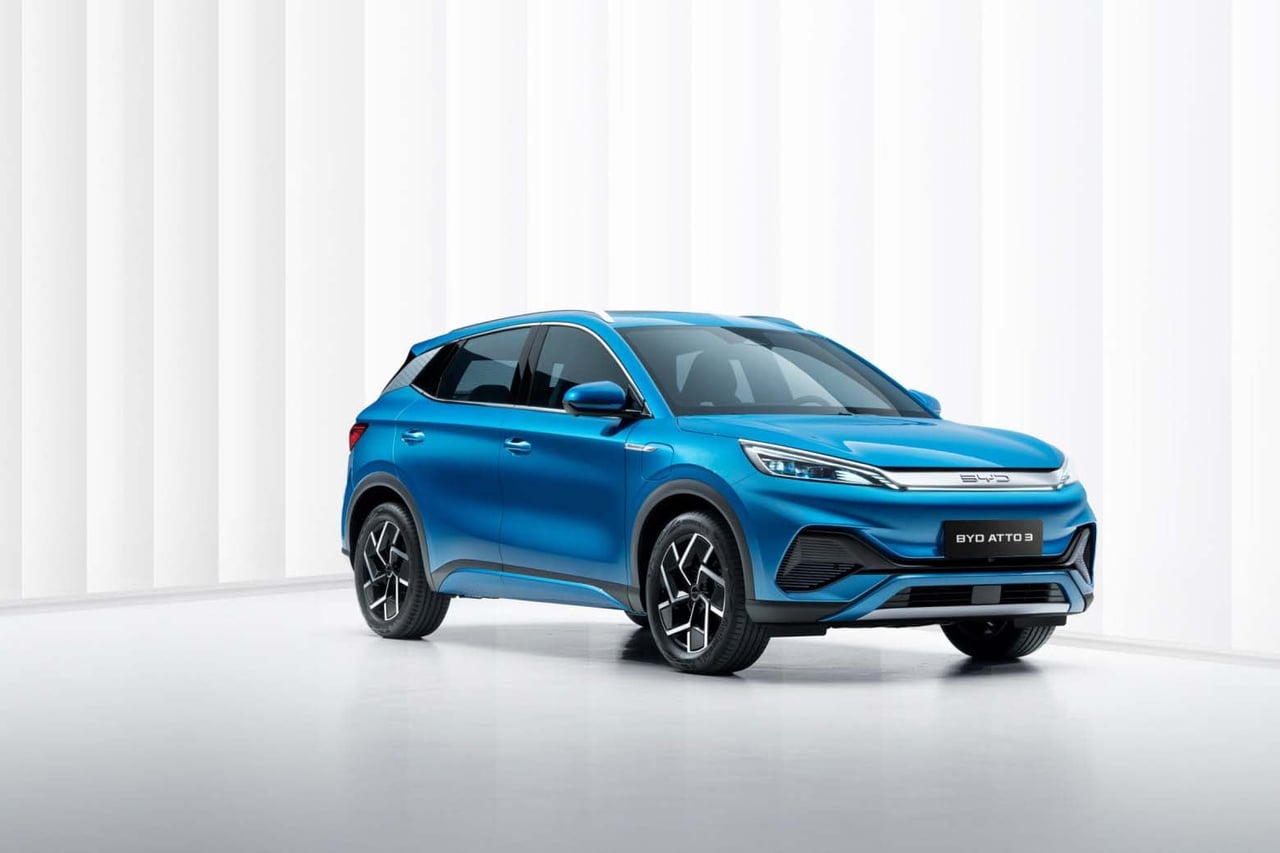
The company that began life making rechargeable batteries has become the one the rest of the industry measures itself against. That early fluency in cells and chemistry now underpins the best-selling new-energy lineup in the world, sold across the accessible Dynasty range and the sleeker Ocean series.
BYD’s advantage is that it makes almost everything itself — batteries, motors, and increasingly the chips in between. The in-house Blade Battery runs cooler and denser than most rivals can manage, and it’s the foundation for everything from a sensible hatchback to Yangwang, the brand’s six-figure flagship that can turn on the spot and wade through water.
This is vertical integration as a competitive weapon, and it’s why BYD can move this many cars while still undercutting the field on price. The established marques stopped underestimating it some time ago.
| Year founded | 2003 |
|---|---|
| Annual sales | 4.6 million |
| Most popular model | Song Plus |
| Official website | byd.com |
Geely Auto
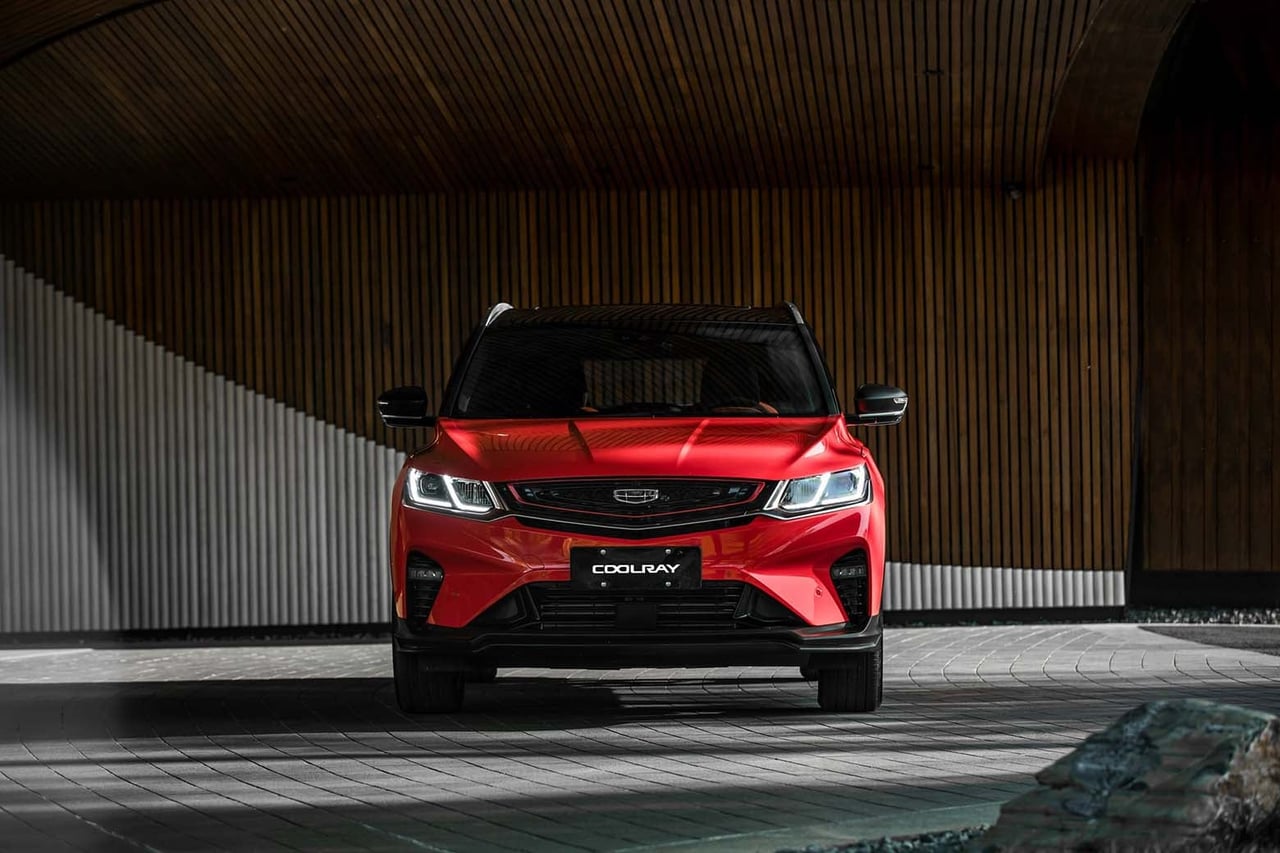
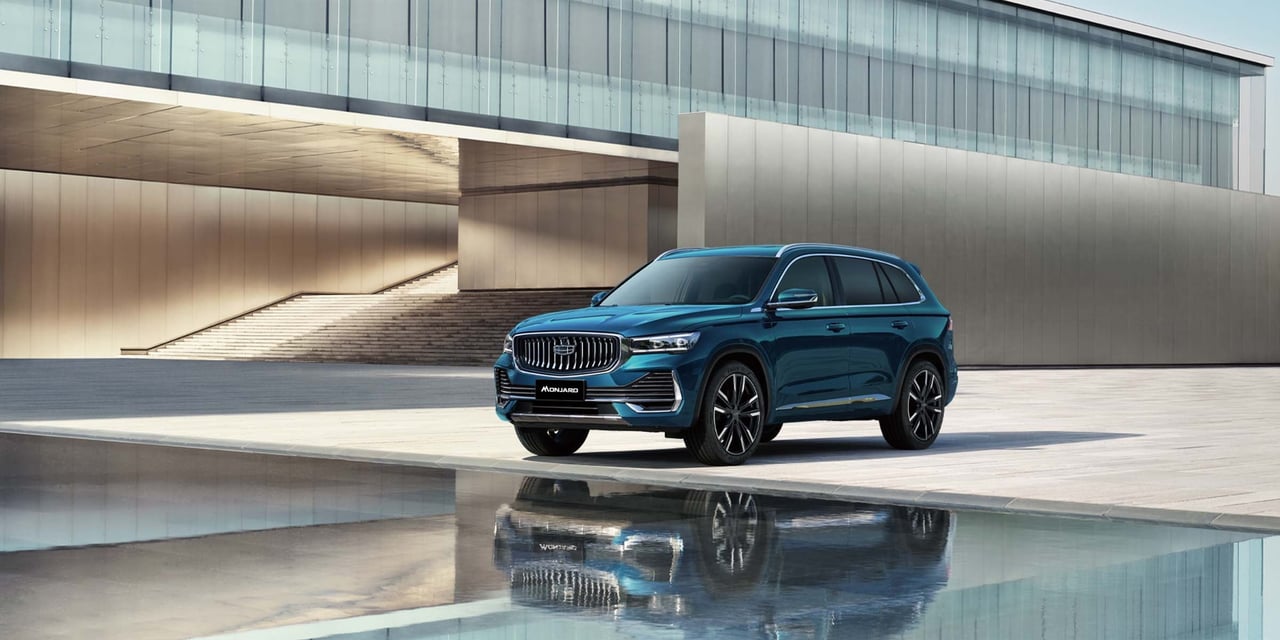
Geely is the rare Chinese brand that thinks in continents. Through parent company Geely Holding it has spent years absorbing know-how from Volvo, Lotus, and Polestar, then folding it back into cars that wear its own badge — and the polish shows.
The range now stretches from the value-minded Xingyuan, one of the best-selling cars in the country, to the design-led Galaxy sub-brand and a steady march of long-range hybrids and EVs. Geely’s engineering is increasingly shared across a sprawling family, which means a modest sedan can borrow architecture developed for far pricier company.
For a brand still associated by some with its humble beginnings, Geely has quietly become one of China’s most credible all-rounders — and one of its most internationally minded.
| Year founded | 1997 |
|---|---|
| Annual sales | 3.02 million |
| Most popular model | Xingyuan |
| Official website | geely.com |
Chery
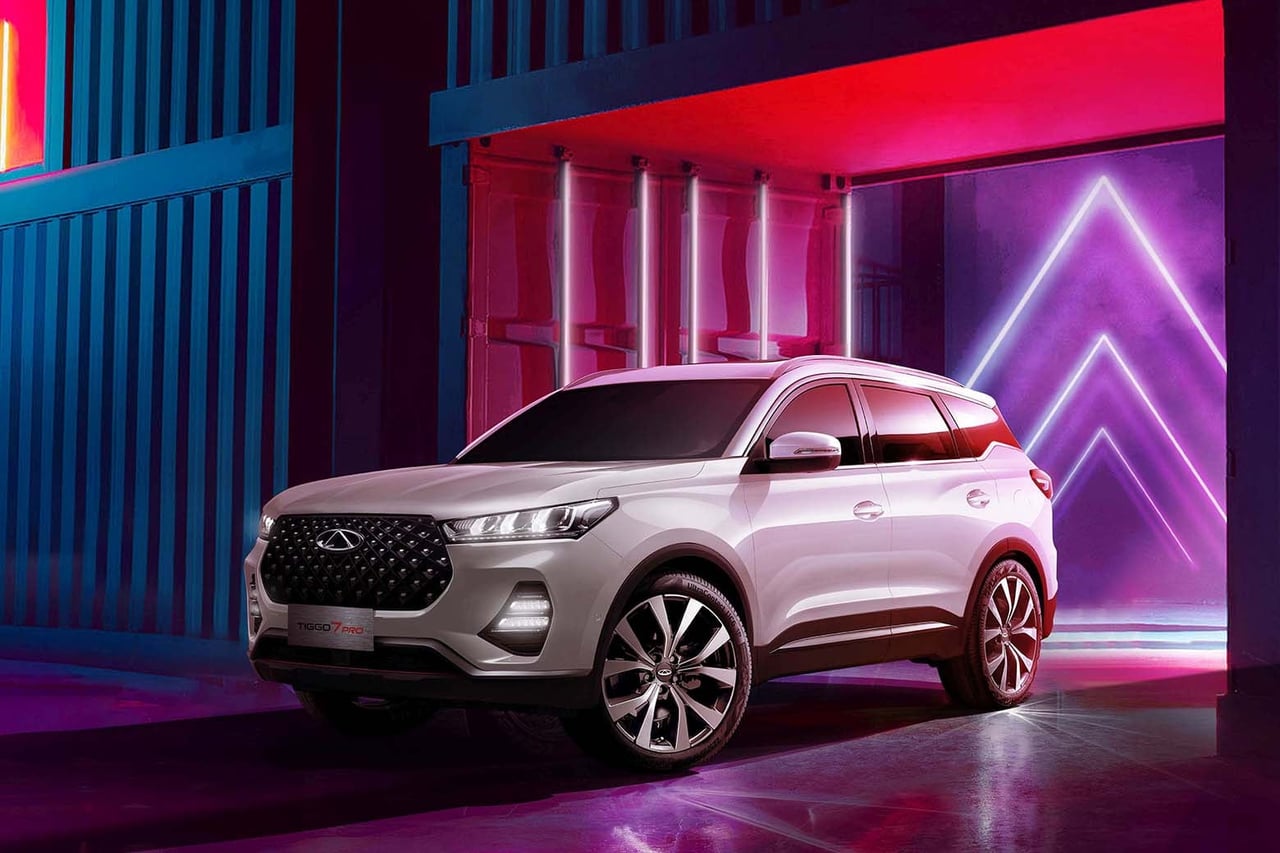
No Chinese brand has taken to the world’s roads quite like Chery. It is the country’s most prolific exporter, with more cars leaving China under its badges than any rival, assembled everywhere from South America to the Middle East.
The lineup is led by the Tiggo family of crossovers — the Tiggo 7 and 8 do the heavy lifting — alongside the electric-minded names of its newer sub-brands. Chery has long poured an outsized share of revenue into engineering, and its turbocharged engines and hybrids have earned a following well beyond home.
It isn’t the flashiest name here, but for sheer reach and value, Chery is one of the most quietly important brands in the business.
| Year founded | 1997 |
|---|---|
| Annual sales | 2.6 million |
| Most popular model | Tiggo 7 |
| Official website | cheryinternational.com |
Changan Auto
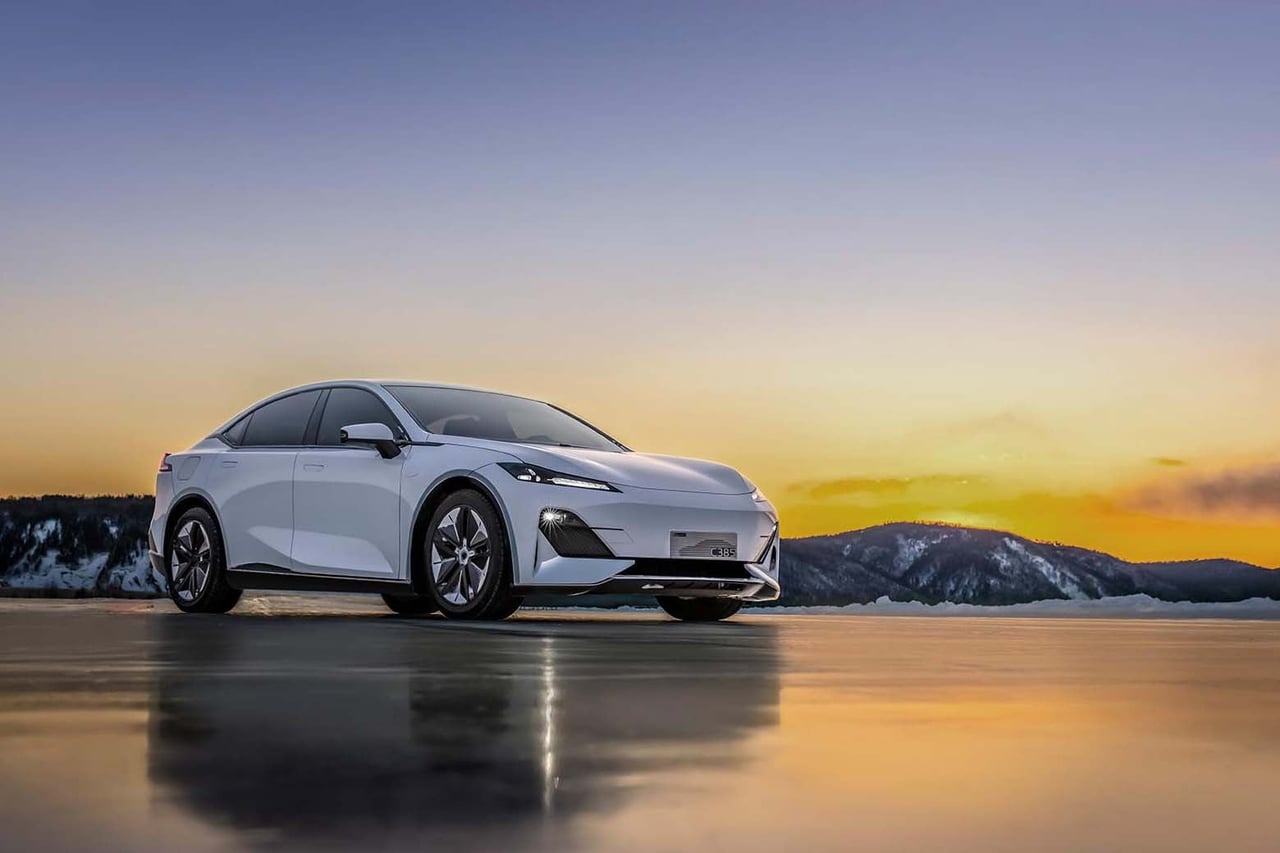
Few carmakers can trace their roots to a 19th-century arms workshop, but Changan can — and that long institutional memory has translated into one of China’s most dependable volume players. It builds well over two and a half million vehicles a year and rarely puts a foot wrong.
The CS75 Plus remains its anchor, a handsome crossover that does the unglamorous work of keeping the brand among the country’s best-sellers. The real intrigue sits in its newer electric ventures, Deepal and the Huawei-partnered Avatr, which push Changan into more aspirational, software-rich territory.
It’s a brand that has earned the right to experiment, and the experiments are starting to look like some of China’s most interesting electric cars.
| Year founded | 1862 |
|---|---|
| Annual sales | 2.91 million |
| Most popular model | CS75 Plus |
| Official website | globalchangan.com |
SAIC Motor
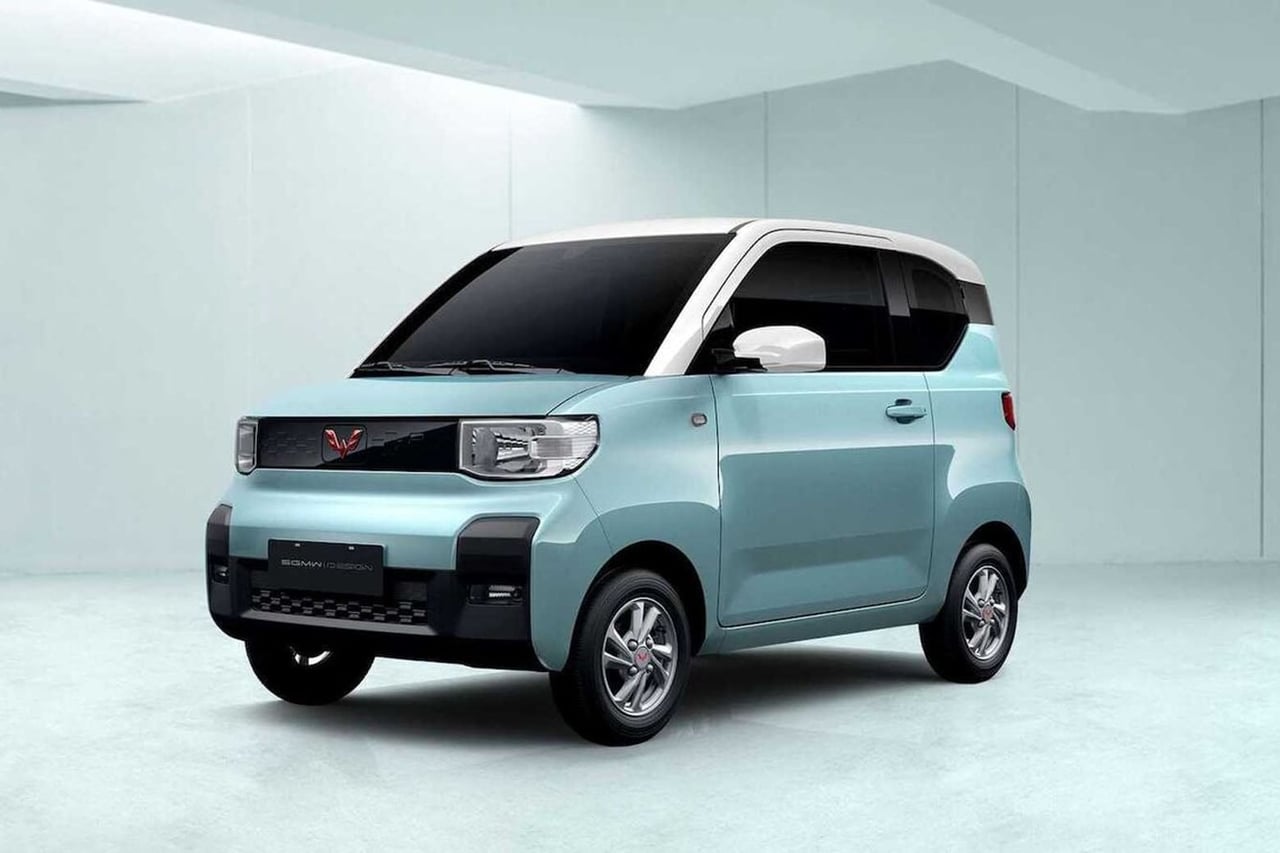
The biggest of China’s state-owned car groups, SAIC is less a single brand than a federation of them. It owns the British names Roewe and MG, the premium EV marque IM Motors, and a string of joint ventures, while the affordable Wuling Hongguang it co-produces is among the most-sold small cars anywhere.
That breadth is SAIC’s signature: tradition and experimentation in the same stride. MG has become a genuine force in Europe, IM Motors is chasing the premium EV buyer, and the group as a whole moves around four and a half million cars a year. BYD has now drawn level on volume, so SAIC’s lead is no longer the comfortable one it was.
It may not carry the cachet of the established luxury names yet, but SAIC’s sheer spread makes it impossible to ignore — and increasingly hard to beat.
| Year founded | 1955 |
|---|---|
| Annual sales | 4.51 million |
| Most popular model | Wuling Hongguang |
| Official website | saicmotor.com |
Li Auto
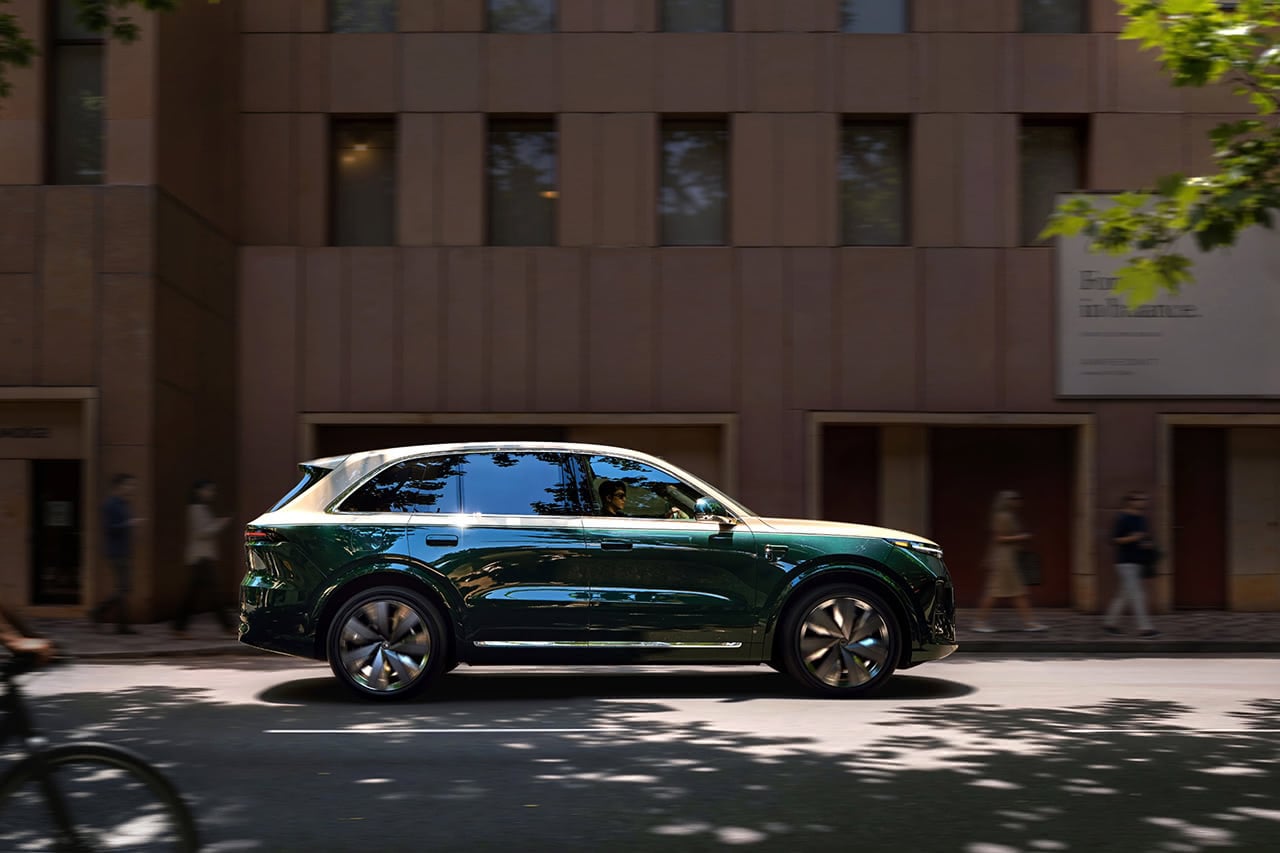
If most Chinese newcomers bet everything on pure electric, Li Auto made a shrewder wager. Its range-extender setup pairs an electric drivetrain with a small gasoline generator that tops up the battery on the move — no range anxiety, no hunt for a charger on a long drive. Families noticed.
The result is one of the most commercially assured of China’s new wave: spacious, screen-laden SUVs like the six-seat L-series that treat the cabin as a lounge rather than a cockpit. The smaller Li L6 has become its volume leader, while the all-electric MEGA van signals where the brand is heading next.
Li Auto reached profitability faster than almost any of its rivals, and it did so by reading exactly what its buyers wanted: comfort, space, and the freedom to forget about charging entirely.
| Year founded | 2015 |
|---|---|
| Annual sales | Over 400,000 |
| Most popular model | Li L6 |
| Official website | lixiang.com |
Xiaomi
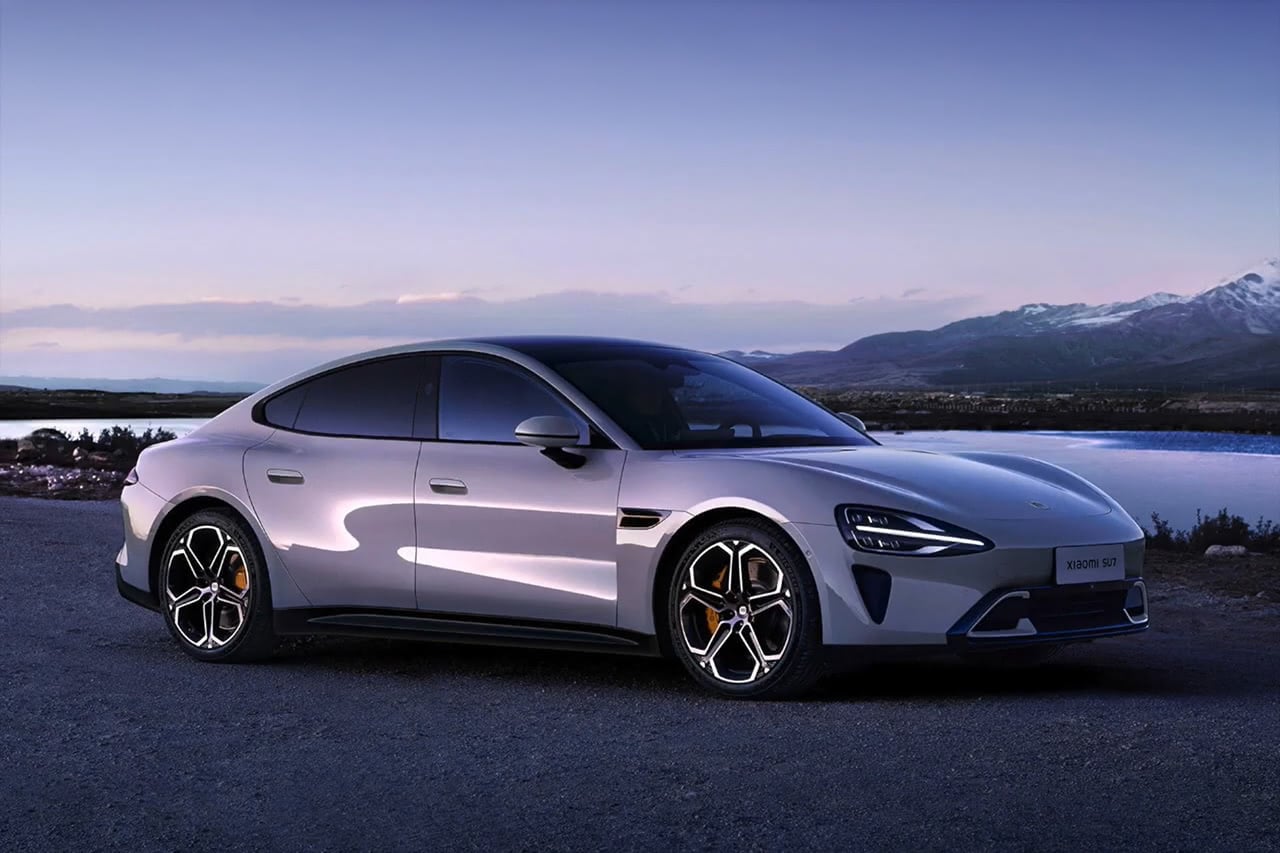
When a consumer-electronics giant announced it was building a car, the easy assumption was a gadget on wheels. The SU7 ended that conversation. A low-slung electric sedan with supercar proportions and a sub-three-second sprint in its quickest form, it arrived fully formed and instantly desirable.
What sets Xiaomi apart is the ecosystem around the car. Its phones, tablets, and smart-home devices fold seamlessly into the cabin, and the company’s software pedigree shows in an interior that feels a generation ahead of legacy rivals. Demand has comfortably outstripped supply since launch.
It is the most striking debut the industry has seen in years — proof that the line between a technology company and a carmaker has all but disappeared. The follow-up YU7 SUV suggests this was no one-off.
| Year founded | 2021 |
|---|---|
| Annual sales | Over 400,000 |
| Most popular model | SU7 |
| Official website | xiaomiev.com |
NIO
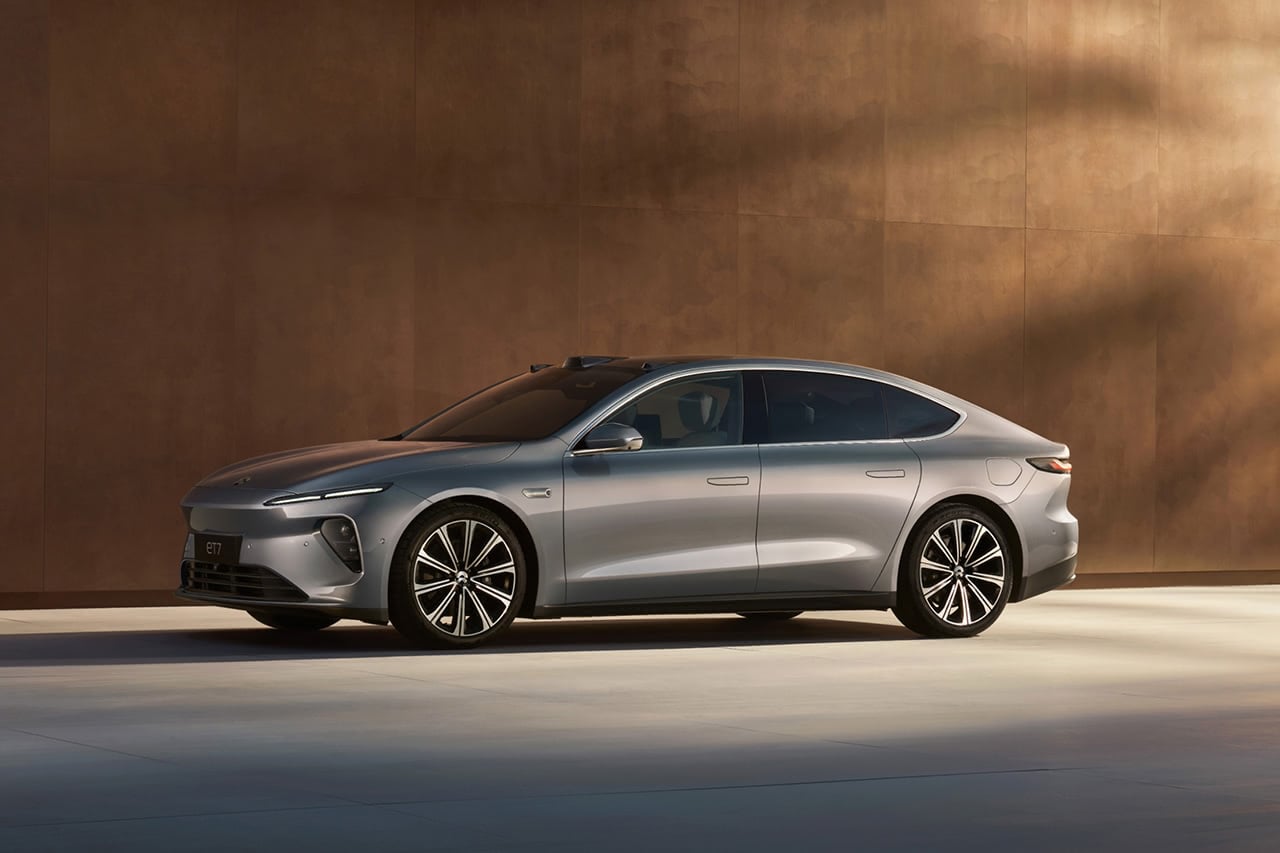
EV maker NIO is the closest thing China’s electric upstarts have to a luxury house. Its cars are quietly elegant, its lounges and clubhouses borrow from hospitality rather than retail, and its flagship ET9 limousine takes direct aim at the German establishment.
Its boldest idea is battery swapping: rather than wait for a charge, a NIO can pull into a station and trade a depleted pack for a full one in minutes. That network — thousands of stations and counting — is a genuine point of difference, and it lets owners subscribe to batteries rather than buy them outright.
Volumes are smaller than the giants higher up this list, but few brands have built a more devoted following or a clearer premium identity. For anyone weighing China’s answer to Tesla, NIO is the most aspirational name in the conversation.
| Year founded | 2014 |
|---|---|
| Annual sales | Over 320,000 |
| Most popular model | ES6 |
| Official website | nio.com |
Hongqi
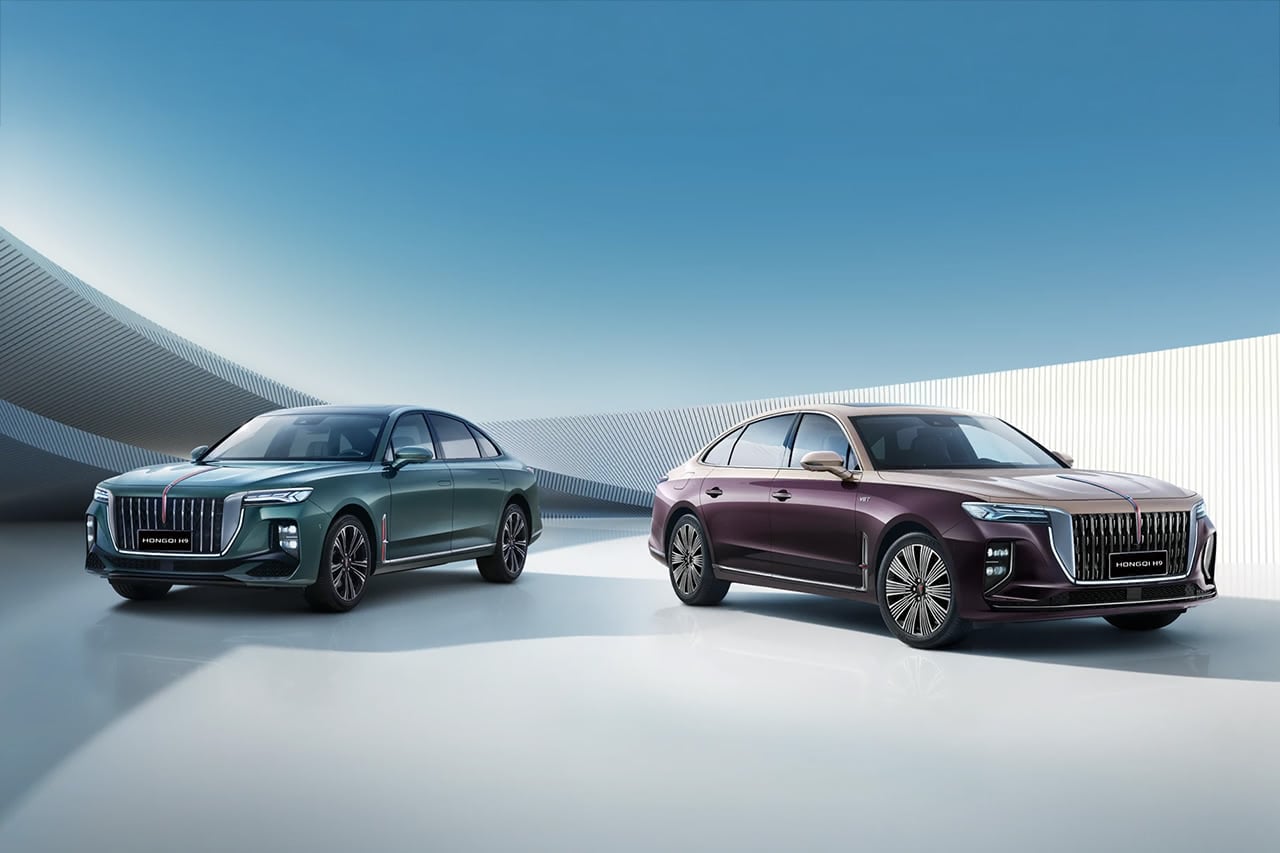
If you want to understand Chinese luxury, start with Hongqi. The name means “red flag,” and for decades these were the stately limousines reserved for heads of state. Today the marque has been reborn as China’s homegrown answer to the grand European saloons.
The flagship L5 is a hand-built statement of intent — one of the most expensive cars any Chinese brand has ever produced — while the more attainable H5 and H9 sedans bring that ceremonial presence within reach. A distinctive vertical grille and an unmistakable air of occasion set every Hongqi apart.
Owned by FAW, one of the country’s oldest carmakers, Hongqi is growing quickly at home and abroad, with electric models now leading its expansion. It remains the most genuinely luxurious badge China has to offer.
| Year founded | 1958 |
|---|---|
| Annual sales | ~460,000 |
| Most popular model | H5 |
| Official website | hongqi-auto.com |
Great Wall Motor
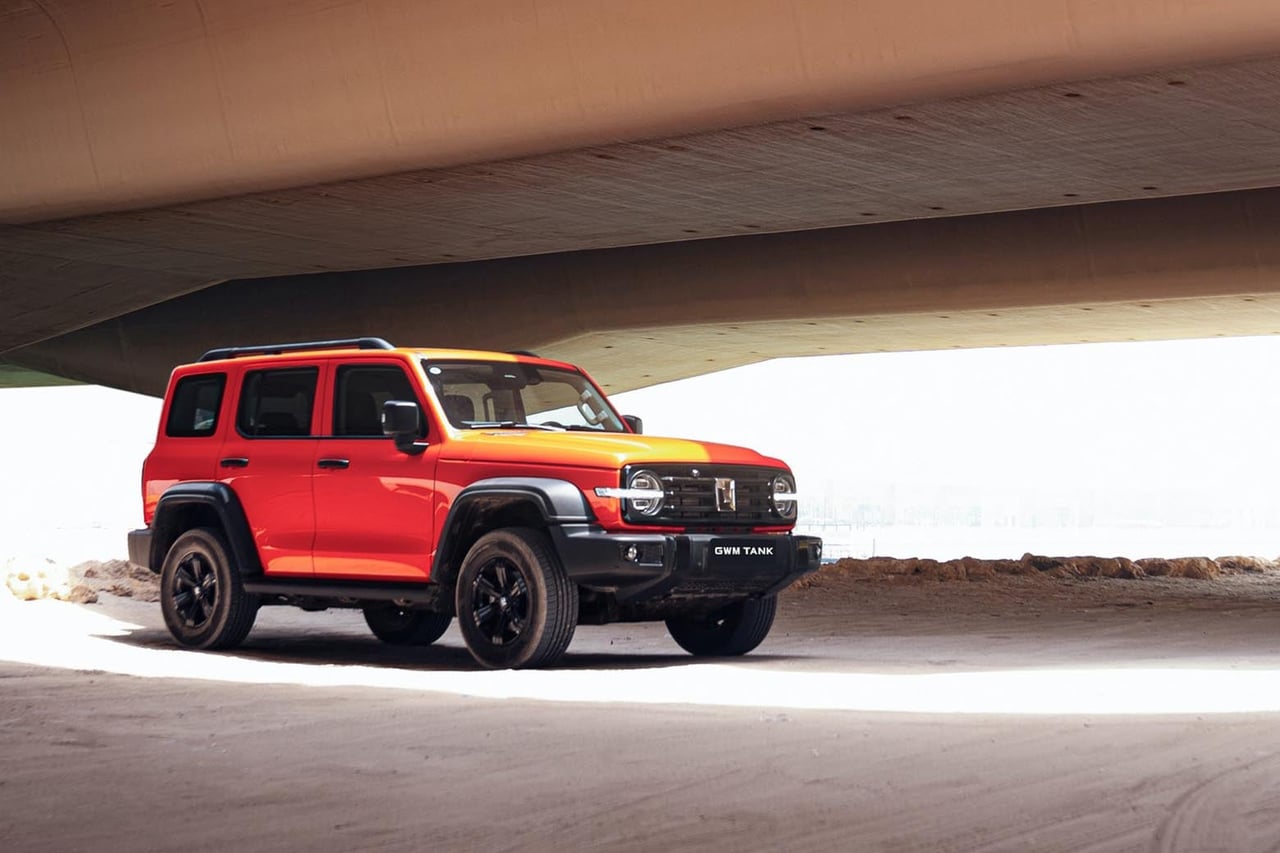
Named for the country’s most enduring landmark, Great Wall Motor built its reputation on going where others wouldn’t — literally. While much of China chased sedans, GWM doubled down on SUVs and pickups, and that focus has made it one of the nation’s most distinctive and most exported brands.
It runs as a family of specialists: Haval for mainstream SUVs, Tank for proper off-roaders, Ora for characterful city EVs, and Wey for its more premium ambitions. The Haval H6 remains a global best-seller, while the retro-tinged Ora models have found an audience as far afield as Europe.
More than a third of its cars now head overseas, and its move toward cleaner powertrains is well underway. Great Wall is proof that knowing exactly what you’re good at is its own kind of strategy.
| Year founded | 1984 |
|---|---|
| Annual sales | 1.32 million |
| Most popular model | Haval H6 |
| Official website | gwm-global.com |
Frequently asked questions about Chinese car brands
Which Chinese car brand is best?
Are Chinese-built cars good?
Which Chinese car brand sells the most?
What is the most luxurious Chinese car brand?
Products featured here are independently selected by our editors. If you buy through our retail links we may earn an affiliate commission — it never changes the price you pay, and it never decides our verdicts. Read our earnings disclaimer.