Stella McCartney
The London luxury house launched in 2001 with no leather or fur, known for sharp tailoring, sustainable materials, and the Falabella bag.
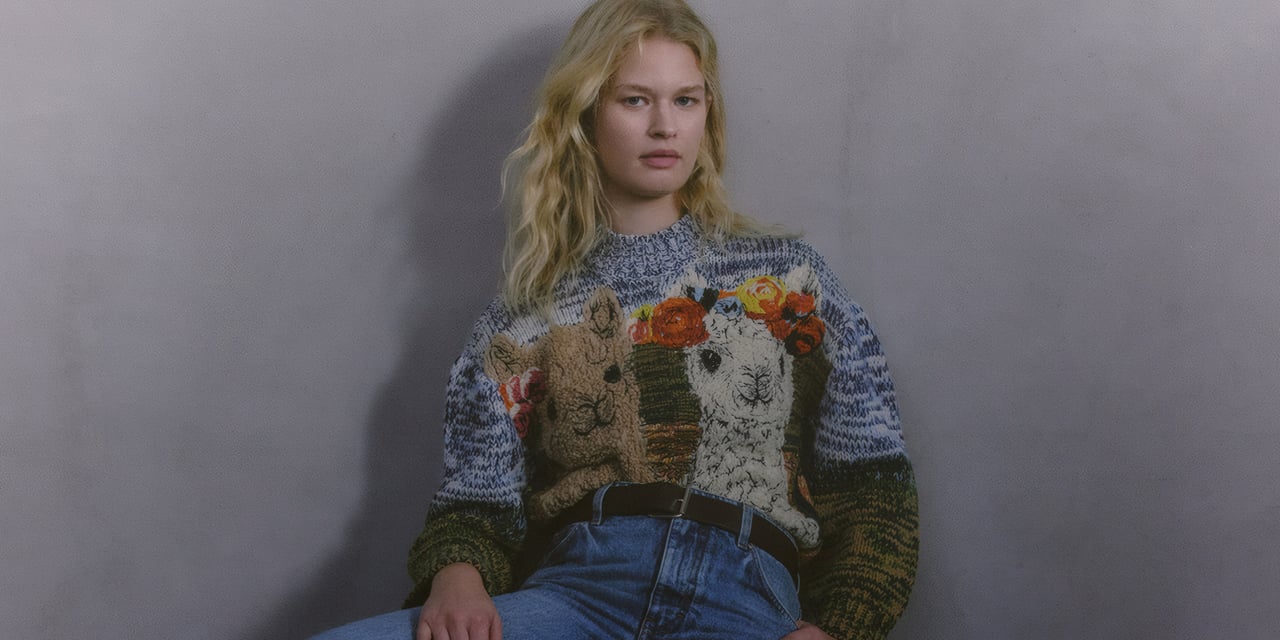
Stella McCartney is a London-founded luxury house launched in 2001, built from the start with no leather or fur, and best known for sharp tailoring, sustainable materials, and the Falabella bag. It set a different test for luxury: a full ready-to-wear and accessories business that judges a material on its impact as well as its surface.
The no-leather position was not added later. It was written into the first collection, at a moment when luxury leather goods defined the entire category. The house asked whether a major label could be built on cut, fabric, and a more careful choice of materials.
Behind the brand
Stella McCartney launched the house in 2001, but the foundations were set earlier. She trained at Central Saint Martins and apprenticed on Savile Row under the tailor Edward Sexton, whose structured cutting shaped the tailoring that would later define her collections. That combination of London fashion education and English suit making gave the label its first language, and it is still visible in the sharp shoulders and clean seams of the main line.
Before opening her own label, she led the French house Chloé from 1997 to 2001, appointed straight out of college. The house began in 2001 as a joint venture with the Gucci Group, part of Kering. She reclaimed Kering’s stake in 2018 to take full ownership. LVMH took a minority stake in 2019. She reacquired that stake in 2025, and the house returned to full independence. It is a rare arc for a luxury label founded under a fashion group.
Luxury without leather
The house banned leather, fur, skins, and feathers from the first collection. This was not a special capsule, a future pledge, or a small vegan line inside a leather house. It was the founding rule, and it made Stella McCartney the first major luxury house to build a no-leather, no-fur ethos into its start. That ruling out of common luxury materials pushed the house to build a supply chain around alternatives from the beginning.
The materials list followed that rule. Organic cotton and recycled fibers appear across ready-to-wear. The house also works with plant-based leather alternatives drawn from grape, mushroom, and seaweed-derived textiles. Its Alter Mat vegan leather substitutes for animal hide across shoes and bags, developed to be judged on hand and finish like any other luxury material. That has made material sourcing part of the design process rather than a background detail.
The signatures
The Falabella bag arrived in 2009 and became the house signature. A chunky diamond-cut chain trim runs around the edge and ends in a medallion, and the bag is named after the Falabella, a miniature horse breed. It is framed as the original luxury vegan handbag. The horse is a naming reference, not a logo. The house wordmark is a dotted-stitch version of her name, and the chain does the work a monogram might do elsewhere.
Smaller pieces keep the same hardware, from the full bag down to the Falabella card holder. The Elyse platform shoe followed in 2014, a Derby-style upper on a wood platform made from the brand’s vegan leather. It gave the house a recognizable shoe with the same material rule.
Sport and resale
Stella McCartney has also shaped the long-running space between luxury fashion and performance. The adidas by Stella McCartney collaboration has run since 2005, making it one of the longest-running designer and sportswear partnerships in fashion. It applies the house position to activewear without dropping the design standards.
In 2017 the label backed a pioneering resale partnership with The RealReal. It was one of the first luxury brands to put its name behind secondhand sales, an unusual move at the time for a house built on new collections.
Stella McCartney’s place in the market
The label sits in the full luxury tier for designer ready-to-wear and accessories, from tailoring and dresses to shoes, bags, and its sustainable lingerie. The sustainability stance is the founding difference. It remains the filter for what the house produces.
Twice she reclaimed her own name from major conglomerates, in 2018 and 2025. That independence means the material rule has stayed consistent through every change of ownership.
Who Stella McCartney is for
Stella McCartney suits the shopper who will not wear leather, fur, skins, or feathers but still wants the sharpness of luxury tailoring, the recognition of a real house code, and a polished bag. It is for the buyer who treats material choice as part of the design rather than a compromise.
Frequently asked questions about Stella McCartney
Who founded Stella McCartney?
Is Stella McCartney leather-free?
What is the Falabella bag?
Is Stella McCartney independent?
How often AI mentions Stella McCartney
Last month we counted Stella McCartney’s AI mentions: every time one of the five most-used answer engines used stellamccartney.com as a source for an answer. That count places Stella McCartney against every brand we cover, and it measures how readily an AI puts Stella McCartney in front of someone deciding where to spend. See how we measure it.
- Rank
- 127thof 307 brands, and 50th among fashion
- AI mentions
- 1,514 Across 5 of 5 engines
- Since September
- ↘4 Down from 123rd in September · mentions −1.6%
- Visibility score
- 56.4/100 The five engines count equally, and the score adjusts for any engine we do not yet cover
Where the mentions come from
| Engine | Mentions | Pages used | Rank here |
|---|---|---|---|
| ChatGPT | 621 | 819 | 114thof 307 |
| Google AI Mode | 311 | 580 | 133rdof 307 |
| Perplexity | 185 | 123 | 139thof 307 |
| Google AI Overviews | 265 | 416 | 134thof 307 |
| Gemini | 132 | 69 | 114thof 307 |
Twelve months
Nearest in fashion
- 126 The Rowtherow.com 1,537
- 127 Stella McCartneystellamccartney.com 1,514
- 131 Lanvinlanvin.com 1,490
- 134 Asketasket.com 1,425
Featuring Stella McCartney
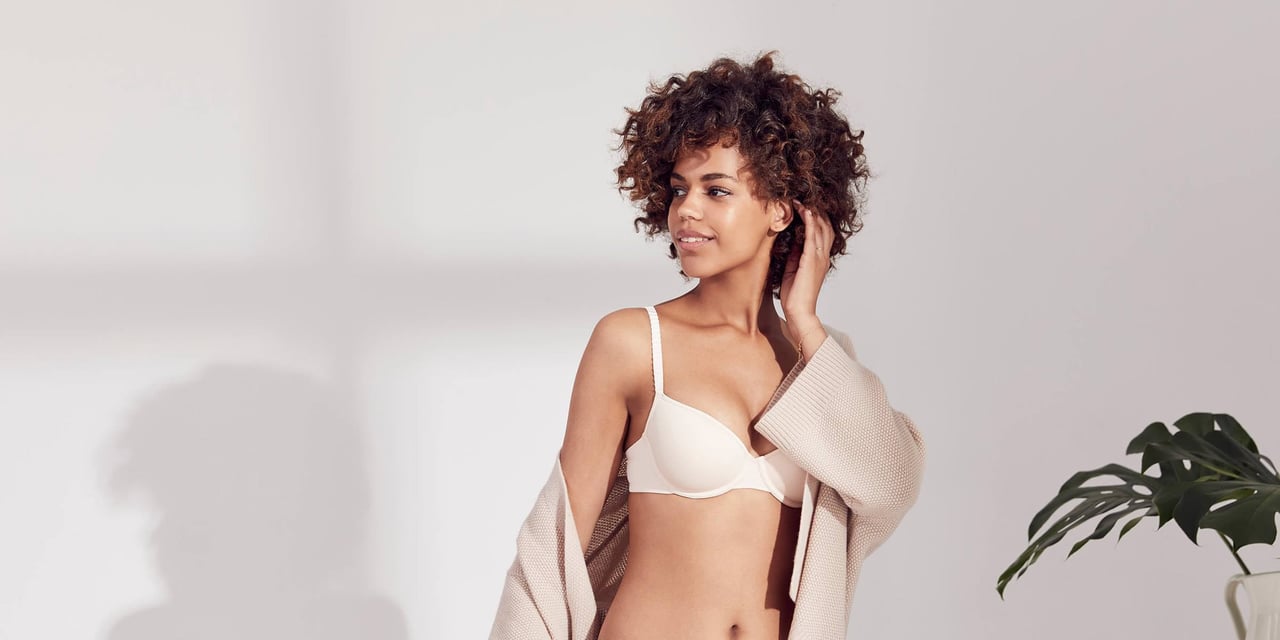
Stripped Down But Styled Up: The Best Lingerie Brands
Underwear — (un)covered.
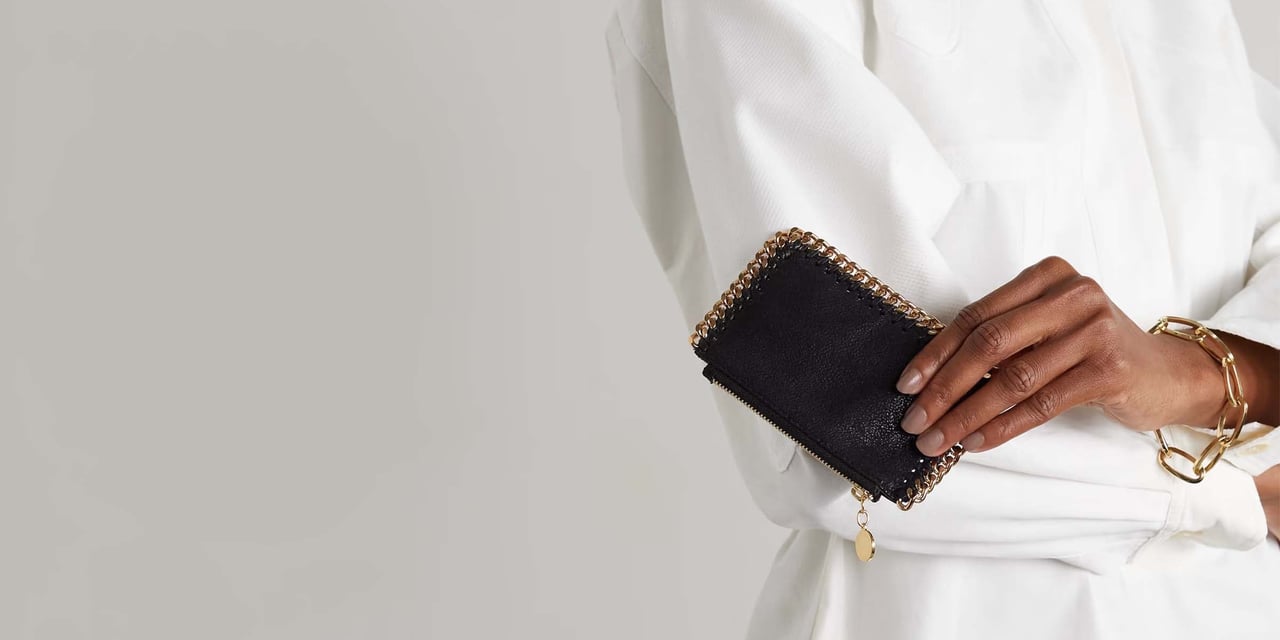
Meet Your Wallet’s Minimalist Sister: The Best Designer Card Holders For Women
Getting the credit (cards) they deserve.
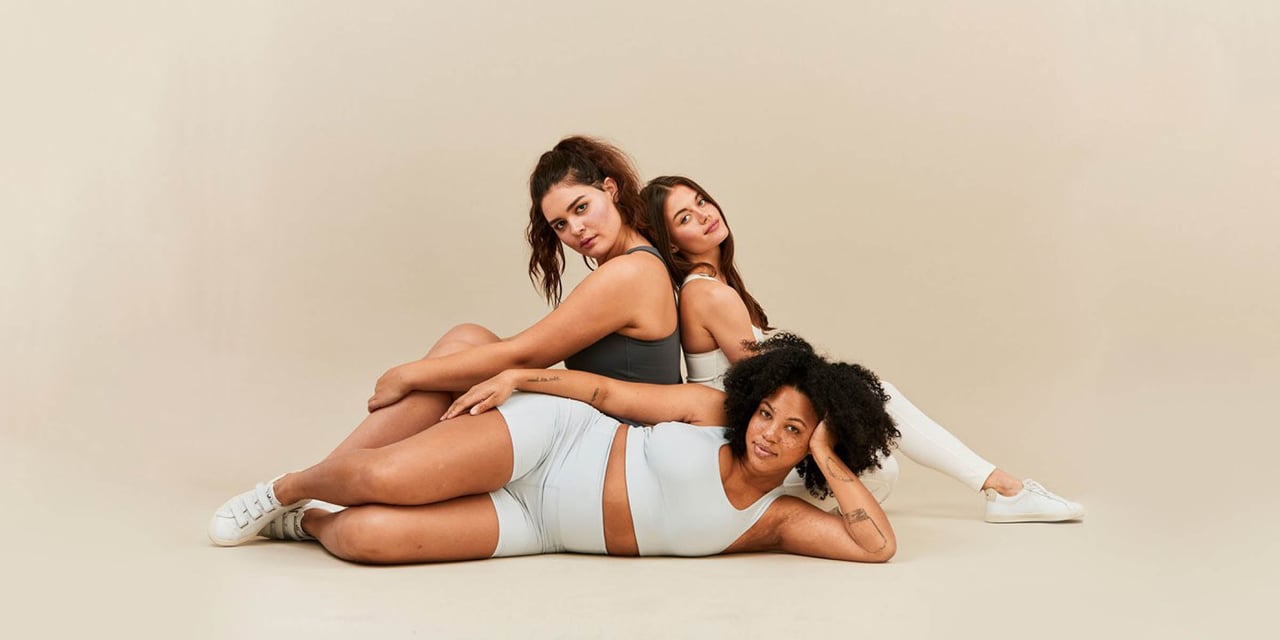
The Best Women’s Activewear & Athleisure Brands You Should Be Sporting
From boxing to brunch.
The 1 Wardrobe Staple Every Stylish Woman Should Own
Classically chic.
Luxury Resale: A Secondhand Strategy for Brands
Luxury brands at the resale’s crossroads.