Salvatore Ferragamo
The Florentine house built by a shoemaker who studied anatomy in Los Angeles and invented the wedge heel out of a steel shortage.
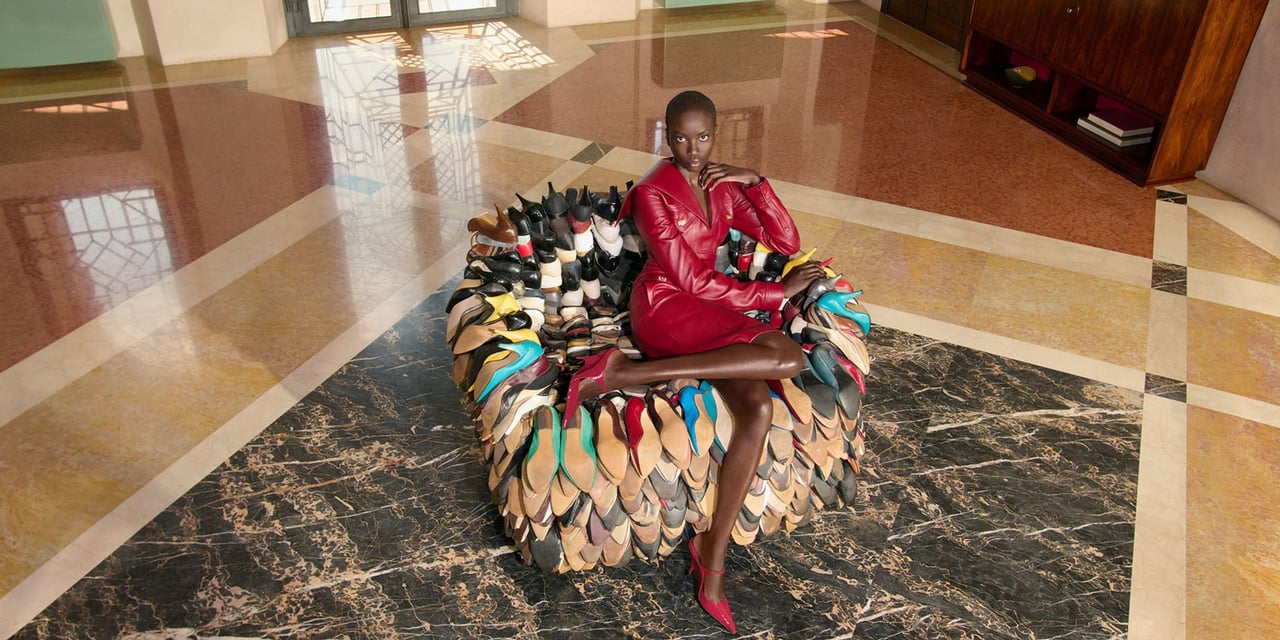
Salvatore Ferragamo is an Italian luxury house that began as a shoemaker in Florence, and it is best known for inventive shoe construction, the wedge heel, the Vara pump with its grosgrain bow and the Gancini hook. The house now sells across footwear, leather goods and ready-to-wear, and it shortened its name to Ferragamo in 2022. Every signature starts from the foot, with the silhouette following how the body actually moves.
Ferragamo built its reputation on engineering ahead of embellishment. A shoe from the house is meant to hold the foot in a clean line, and the construction is what the price is buying.
Behind the brand
Salvatore Ferragamo was born in 1898 in Bonito, near Naples, the eleventh of fourteen children. He made his first pair of shoes at nine years old. As a teenager he emigrated to the United States and settled in California, where he opened a shop in Santa Barbara and then in Hollywood. Through the 1920s he made shoes for the film studios and their actors, and the press called him the shoemaker to the stars. He returned to Italy in 1927 and set up in Florence.
He later bought the Palazzo Spini Feroni. The building is still the company’s headquarters and holds the house museum. Salvatore Ferragamo died in 1960. The business passed to his wife Wanda and their children, and the family has controlled it since.
Hollywood and the study of the foot
Ferragamo studied anatomy at the University of Southern California, working on how body weight travels through the foot. That study is behind the house’s claim that its shoes are built for comfort as well as line. He applied the same attention working for the film studios, making shoes for actors whose performances depended on how they moved.
Hollywood supplied the early reputation and the method came out of the anatomy lectures. Fit and movement gave the house a technical foundation that a fashion label on its own could not supply.
The wedge and the inventions
Ferragamo developed a cork wedge in the late 1930s, while steel for shank supports was in short supply. The cork became the support itself, and the raised sole turned into one of the few genuinely new shoe forms of the century. Wartime shortages pushed him further, and he built shoes from raffia, cellophane, hemp and fish skin. In 1947 he made the invisible sandal with a nylon upper, so the straps appeared to disappear on the foot. The Neiman Marcus Award went to him that year, the first time the prize honored a footwear designer.
Scarcity produced the inventions. Ferragamo solved materials problems and arrived at shapes that outlasted the shortages that caused them.
The Vara
The Vara is the house’s most enduring commercial shoe. Introduced in 1978, it is a low pump with a grosgrain bow and a stacked heel. The proportions carry it: a low profile, a stable heel, and a small bow that marks the shoe immediately. It comes in many materials and colors, and the house has kept the shape recognizable without changing its core.
For most shoppers the Vara is the entry point to the brand. It is clean enough for work and polished enough for evening, the bow makes it easy to spot, and the fit makes it easy to wear all day.
The Gancini and the leather goods
The Gancini is the house’s hook-shaped hardware mark. It appears as a buckle, a clasp and a print across bags, belts and shoes. The mark gives the leather goods a shared visual code and connects the wider range back to the shoe business. A bag with a Gancini closure reads as Ferragamo from across a room.
The hook works because it repeats. One motif carries through metal hardware, printed leather and small accessories. That repetition is what holds the modern collection together as the house sells beyond footwear.
Ferragamo’s place in the market
Ferragamo is in the designer tier of Italian luxury, strongest in footwear and leather goods. Its loafers and dress shoes put it firmly into the conversation around the best loafers for women and our guide to the best dress shoes for men. Its comfort-driven construction also makes it a natural reference for the best driving shoes for men.
The house carries more authority in shoes than in anything else it sells. Customers arrive for the footwear and buy the leather goods afterwards.
Who Ferragamo is for
Ferragamo is for the person who starts with the shoes and expects them to work all day. It suits professionals who need polished footwear with real fit, women who treat the Vara as a signature, and anyone who wants a Florentine name with technical substance behind it. The house builds on a wide range of lasts and widths.
Someone shopping for an oversized logo will not find one here. The house makes its case through a Gancini buckle or a grosgrain bow instead.
Frequently asked questions about Salvatore Ferragamo
Who was Salvatore Ferragamo?
Did Ferragamo invent the wedge heel?
What is the Vara?
Why is the brand now called just Ferragamo?
How often AI mentions Salvatore Ferragamo
Last month we counted Salvatore Ferragamo’s AI mentions: every time one of the five most-used answer engines used ferragamo.com as a source for an answer. That count places Salvatore Ferragamo against every brand we cover, and it measures how readily an AI puts Salvatore Ferragamo in front of someone deciding where to spend. See how we measure it.
- Rank
- 83rdof 307 brands, and 31st among fashion
- AI mentions
- 3,120 Across 5 of 5 engines
- Since September
- ↘5 Down from 78th in September · mentions +6.6%
- Visibility score
- 62.9/100 The five engines count equally, and the score adjusts for any engine we do not yet cover
Where the mentions come from
| Engine | Mentions | Pages used | Rank here |
|---|---|---|---|
| ChatGPT | 1,111 | 1,106 | 83rdof 307 |
| Google AI Mode | 662 | 502 | 83rdof 307 |
| Perplexity | 530 | 333 | 82ndof 307 |
| Google AI Overviews | 612 | 293 | 80thof 307 |
| Gemini | 205 | 136 | 88thof 307 |
Twelve months
Nearest in fashion
- 80 Bottega Venetabottegaveneta.com 3,228
- 83 Salvatore Ferragamoferragamo.com 3,120
- 84 Jacquemusjacquemus.com 2,960
- 85 Taylor Stitchtaylorstitch.com 2,925
Featuring Salvatore Ferragamo
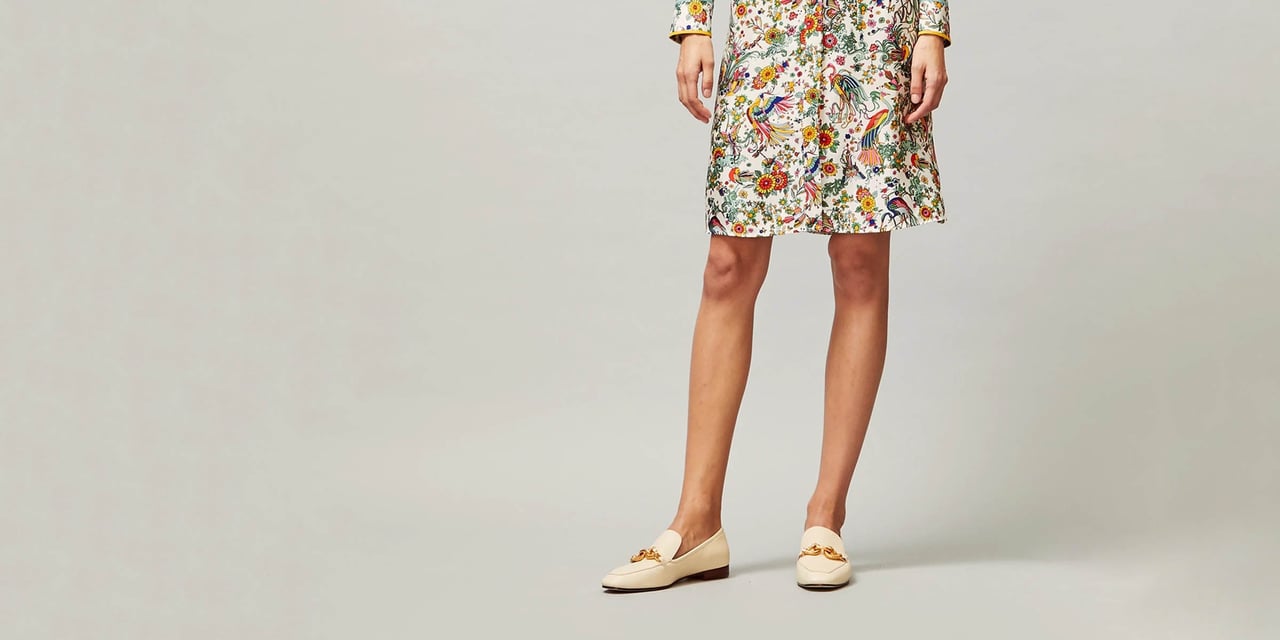
These Fashionably Functional Loafers Are Made For More Than Loafing About
Penny for our thoughts? We adore them.
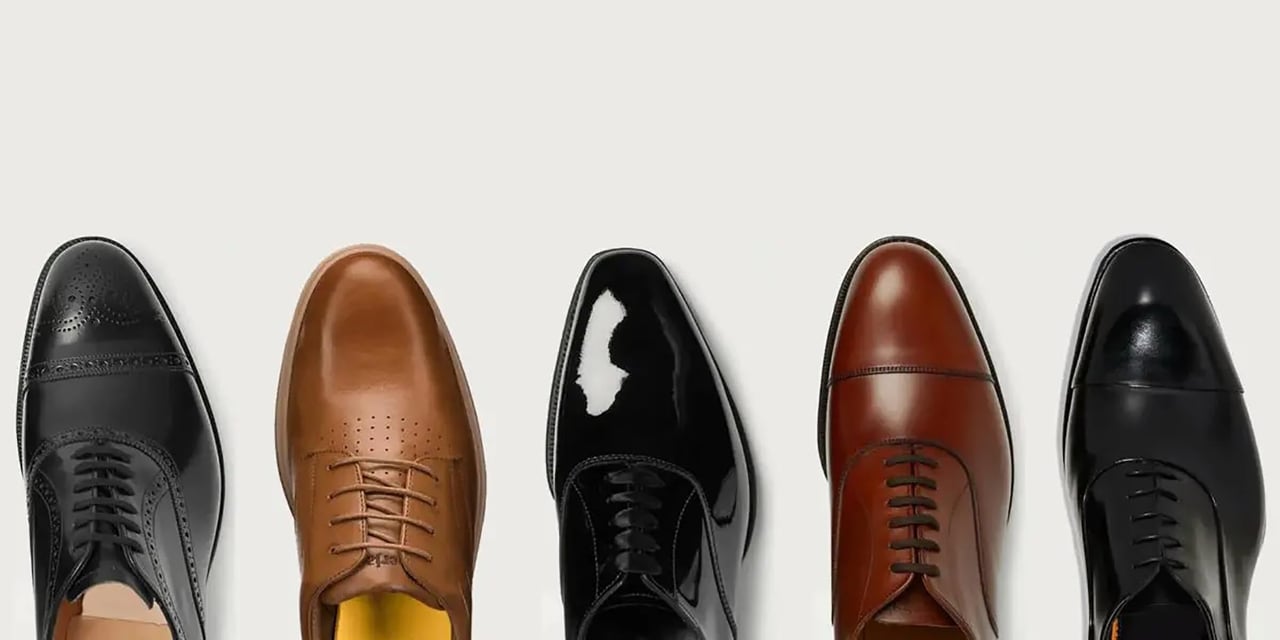
Classy Craftsmanship From Top To Toe: The Best Dress Shoes For Men
Dress to impress.
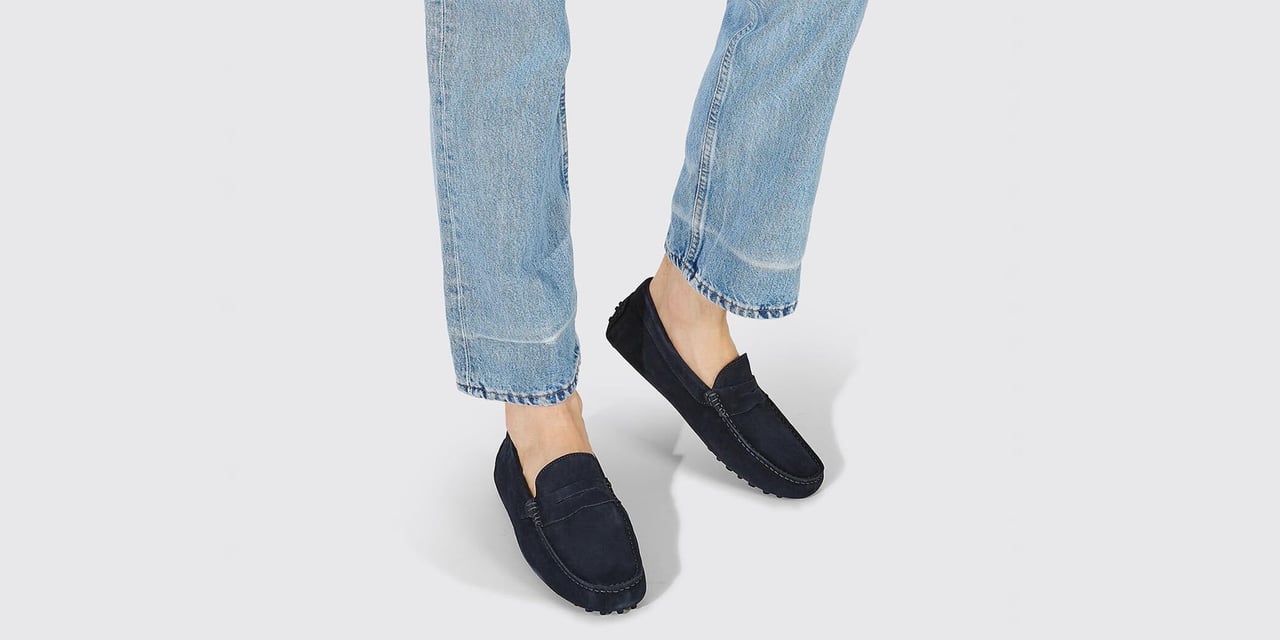
Best Driving Shoes For Men To Hit The Road In Style
Where style meets the open road.
Sartorial Success: The Ultimate Guide To Cocktail Attire For Women
Raise a glass in style.