McLaren has unveiled a new corporate wordmark that replaces its long-running mixed-case badge with an assertive, all-uppercase design. The typography is drawn directly from the sign that once hung outside a family-owned service station in Auckland, New Zealand, run by the parents of company founder Bruce McLaren.
That garage is where a young Bruce McLaren modified a 1929 Austin Seven before driving it to his first motorsport victory at Muriwai Beach. The new wordmark uses a custom typeface called McLaren Sans, and it carries a distinct horizontal line placed squarely beneath the letter C as a direct nod to the original signage.
The brand is keeping its most recognizable visual assets in place alongside the new lettering. The Speedmark logo remains, as does the Speedy Kiwi graphic that has long signaled the company's New Zealand roots, so the overhaul reads as an addition to McLaren's visual language rather than a break from it.
Where the new colors come from
McLaren has also introduced a new corporate color palette built around seven tones: Papaya, an orange; Ember, a reddish orange; Midnight, a blue; Black; Anthracite; Colnbrook, a silver; and Mist, a white. Every one of those hues was taken from a single vintage photograph of Bruce McLaren leaning against the tire of his single-seater race car.
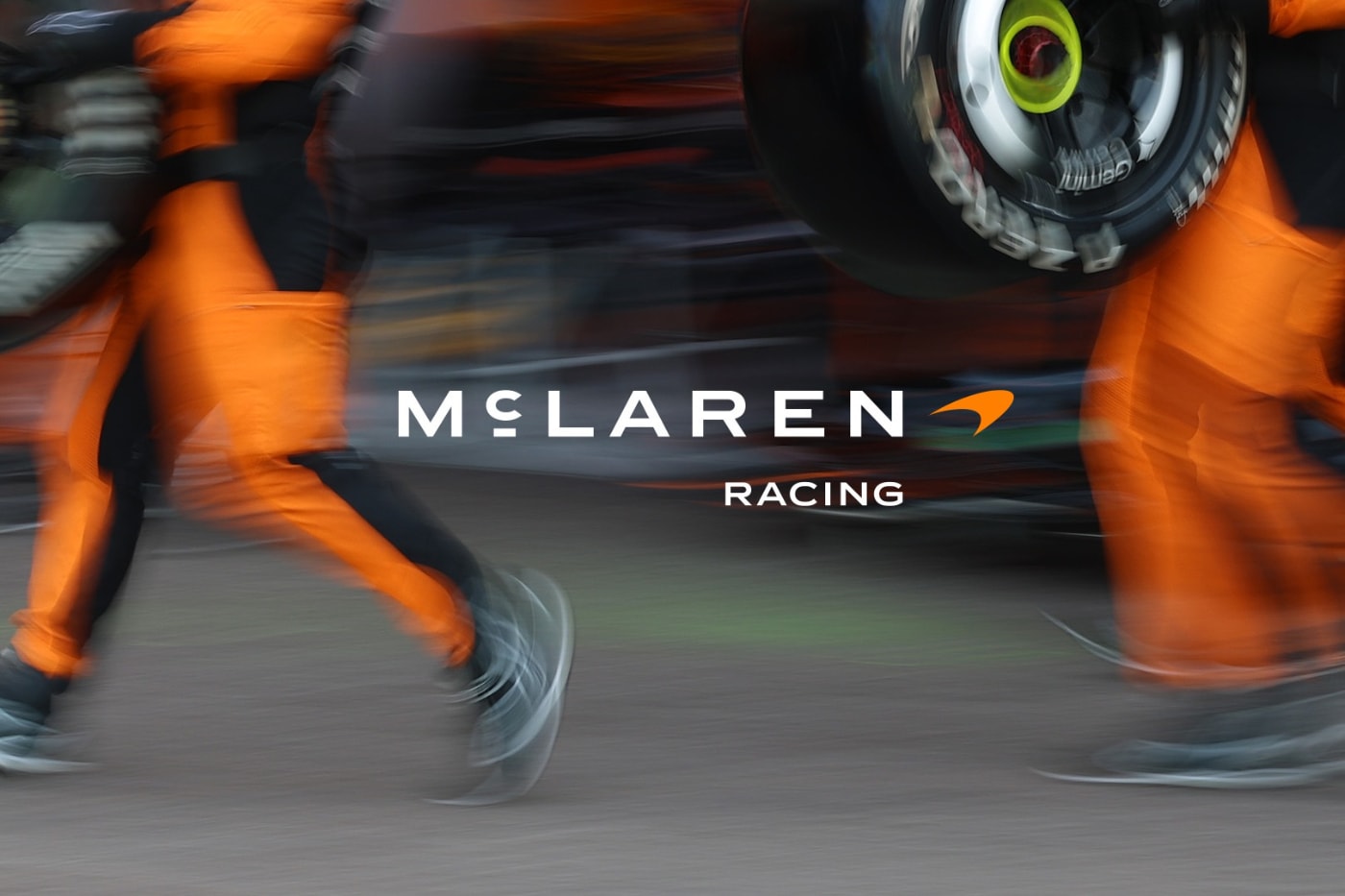
The rebrand is designed to bridge McLaren's two operating arms, McLaren Automotive and McLaren Racing, under one shared aesthetic. Unifying the road car and race team divisions under a single historical identity is meant to give the group a more cohesive presence across showrooms, merchandise and digital channels going forward.
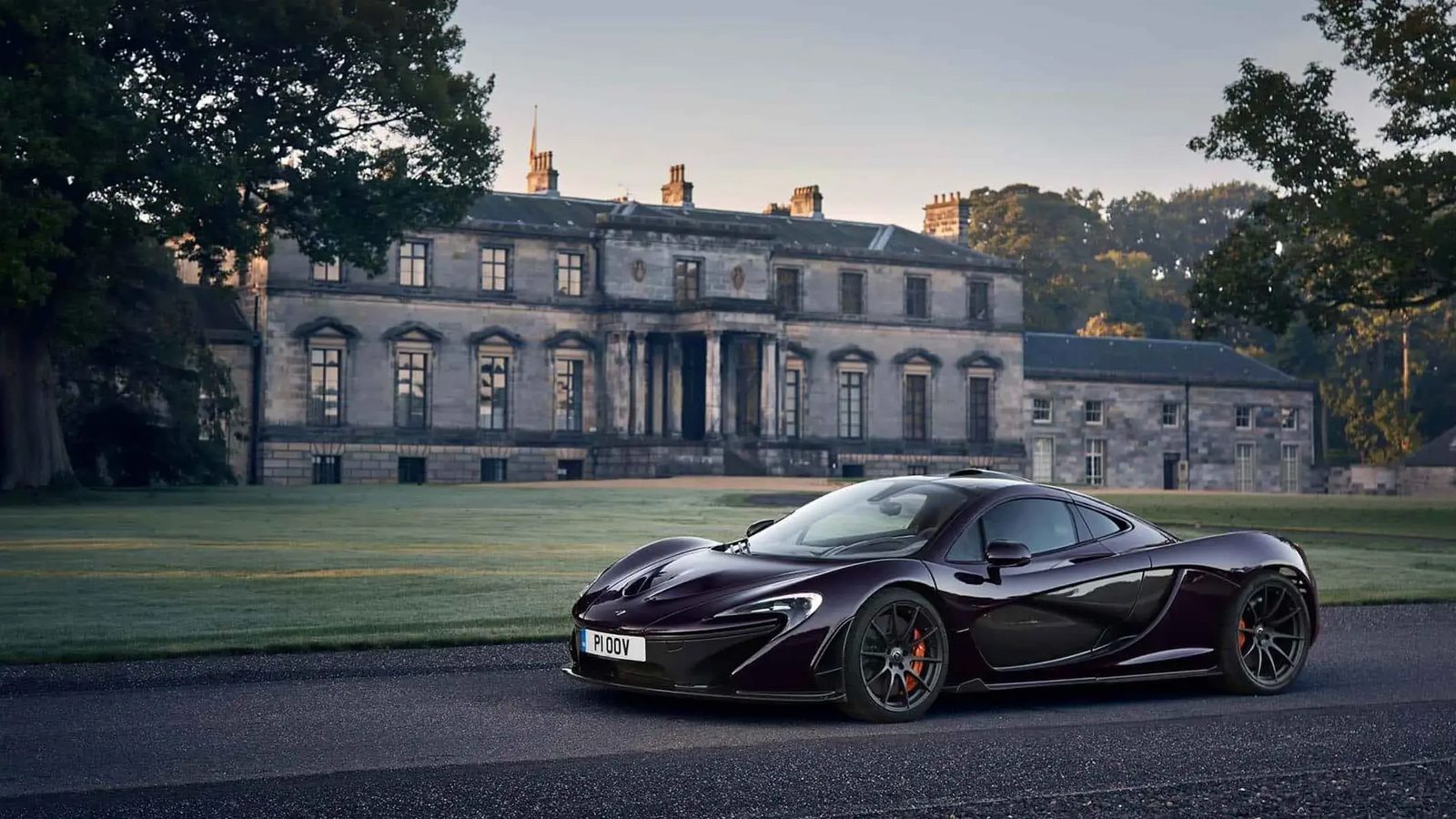
McLaren makes some of the highest-priced production cars on sale, a position we have tracked in our ranking of the most expensive cars in the world, where the McLaren Speedtail is at the lower end of the list at $2.25 million. The brand's cars and technical specifications are also cataloged in our own reference coverage of McLaren.
Executives said the visual realignment will accompany deeper personalization options for buyers and more immersive experiences for owners and fans. The push places heritage at the center of how McLaren wants to be perceived, treating the founder's motorsport pedigree as a cultural asset rather than a footnote to current performance figures.
Chief Creative Officer David Woodhouse is overseeing the shift, which emphasizes Bruce McLaren's personal history to build what the brand calls a cohesive global identity. Aligning the modern showroom floor with that original motorsport pedigree is central to how the design team frames the change.
What happens to the old logo
The transition between the two visual eras is already underway. The upcoming McLaren W1 flagship is expected to be the final new model to leave the factory carrying the previous mixed-case logo, closing out that design generation on the brand's most extreme road car to date.
A preview of the incoming design language surfaced quietly during Monterey Car Week last August, when a hint of the custom font appeared between the taillights of the McL 6GT, a manual, V8-powered supercar. That placeholder lettering has since been formally replaced with the full new McLaren wordmark.
We have followed McLaren's broader expansion beyond its hypercar lineup, including its confirmed first-ever SUV targeted for a 2028 arrival, a model that will need to carry this new visual identity from launch rather than adopt it later. The rebrand effectively sets the design language that vehicle will wear.
McLaren also features in our tracking of the most popular luxury car brands online, where it entered the top ten alongside Aston Martin and Bugatti, displacing Cadillac. That online visibility gives the rebrand a wider audience than a purely automotive announcement would typically reach.
The brand's history also runs through our coverage of British car brands, where McLaren sits alongside marques including Mini as part of the country's motoring heritage. A founder-led origin story, built around a family garage rather than a boardroom, is unusual among that company.
The McLaren F1 also appears in our roundup of the best classic cars for collectors, a reminder that the marque's design credentials extend well beyond current production. That earlier car predates this rebrand by more than three decades but shares the same founder's name now written across the new wordmark.
McLaren has confirmed only that the McL 6GT and future models will carry the identity forward once the W1 completes its run under the outgoing badge.
This briefing is published daily using an AI-powered system crafted by Luxe Digital’s team and finely tuned to meet our editorial standards. While we continuously test and review the output, mistakes can sometimes happen. Tell us if you spot one.
Image: McLaren Automotive