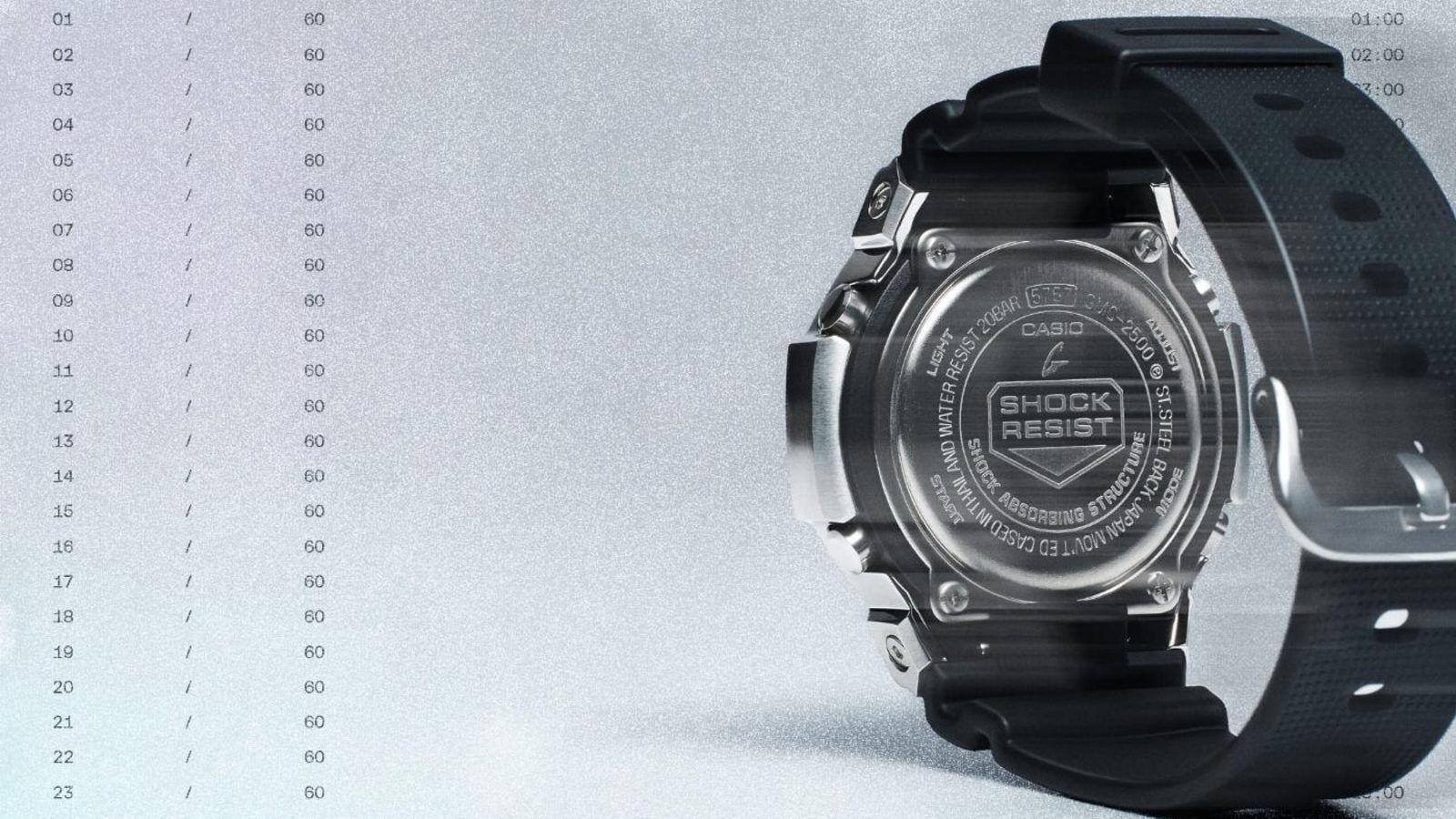

G-Shock has launched the GMC-2500 and GAC-2500, a nine-piece analog series built around a case shaped by a beetle's exoskeleton and the brand's original 1983 watch. The GMC-2500-1A is available now through Casio's official webstore and select retailers.
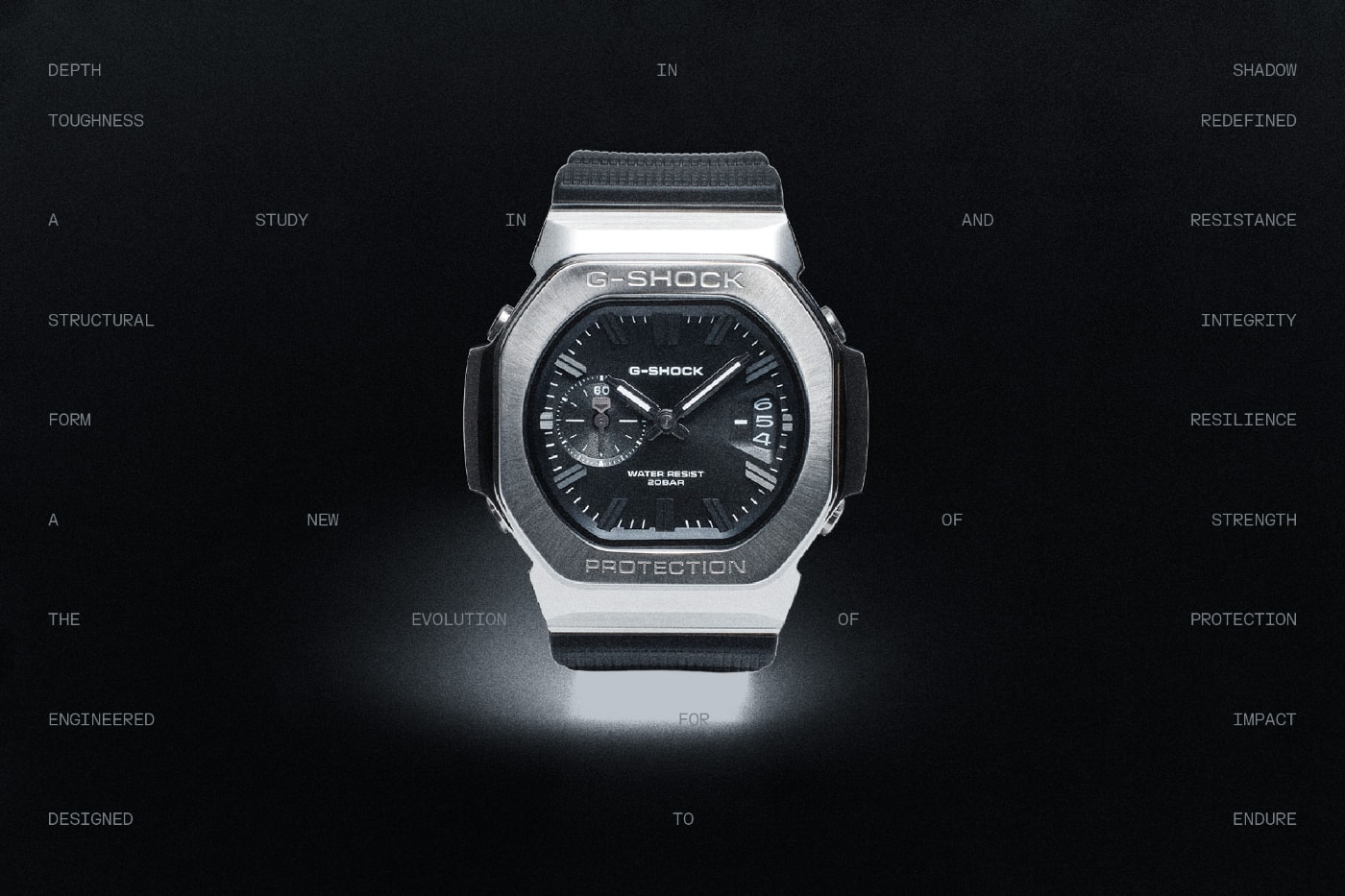
Both series pair a three-hand layout with a softer, sculpted case. A new Multi-Mission Date window at three o'clock toggles between the date, elapsed stopwatch minutes and setting information. After the year, month and day are entered, the analog calendar runs automatically, so the date is never corrected by hand.
At nine o'clock, the small seconds hand can be put to sleep when it is not needed to save battery life. The functions are concentrated into a two-eyes layout, leaving open space so the hour and minute hands read clearly. This is the design Yosuke Nagayama, head of G-Shock's Design Center, calls Depth in Shadow.
Nagayama has spent nearly 30 years at Casio, starting in musical instrument design before helping launch the EXILIM digital camera brand and leading it for years. He has overseen all G-Shock design development since 2020. Cameras, he says, taught him that products need a story, not just function.
The series began, he explains, from the GA-2100, a hybrid analog-digital module that arrived in 2019 and won over young buyers worldwide. Casio's research showed those buyers now want things that are simple, free of excess and built to last for many years, while still valuing individuality.
That led to a fully analog G-Shock Basic. The GMC-2500-1A brings it together in metal: a silver-tone case and bezel framed by a black dial with sharply defined indexes on a black resin strap. The bezel still carries G-SHOCK and PROTECTION, which the brand treats as sculpture rather than typography.
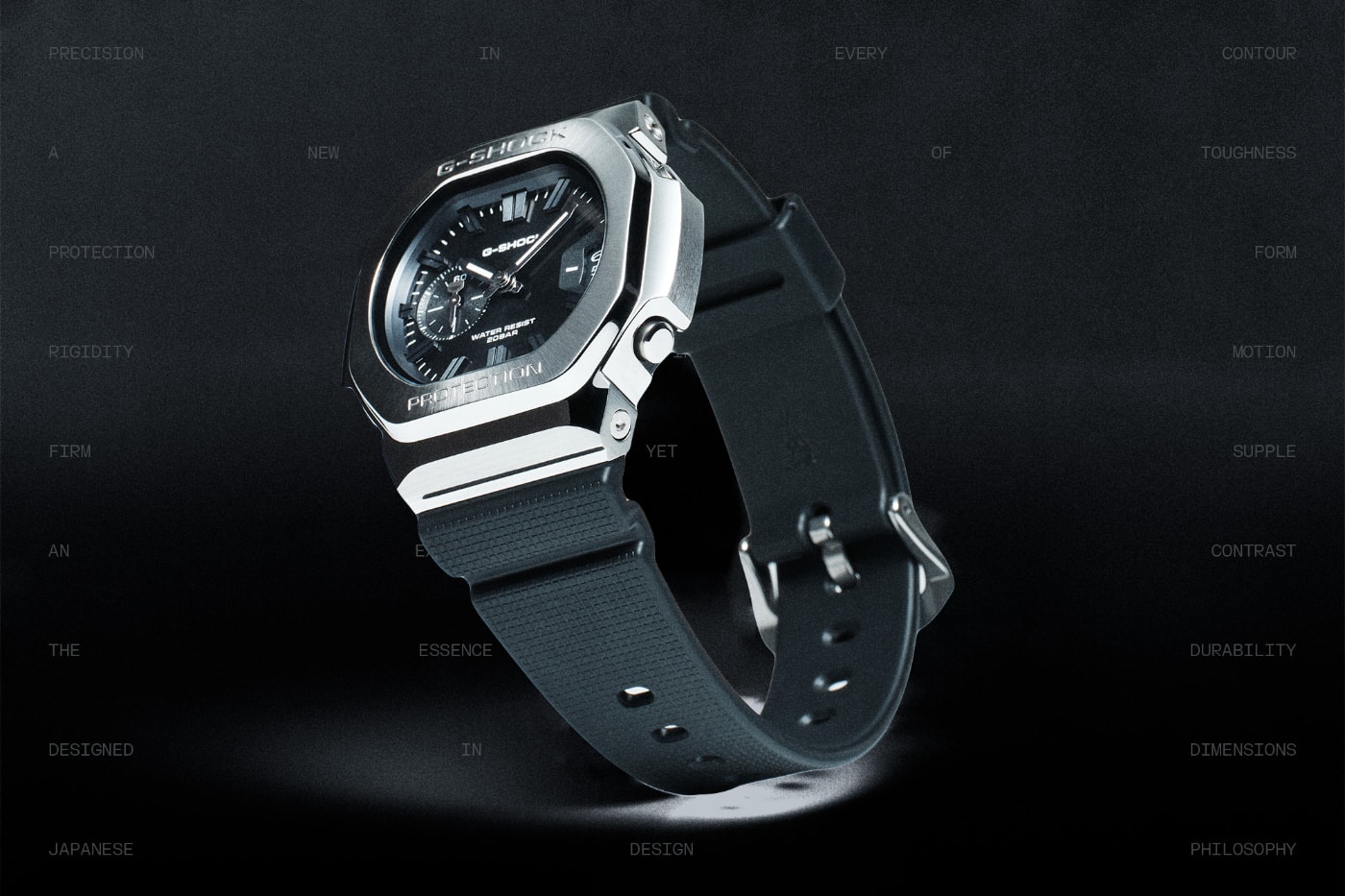
The dial draws on urban architecture, with hands and markers sculpted as three-dimensional geometric forms so light shifts shadows across the surface and expresses the passage of time. Legibility came from enlarging the hour and minute hands and cutting their counterweights to the absolute minimum.
Against that architectural dial, the case looks to nature. Nagayama studied the Japanese rhinoceros beetle, a creature that has survived largely unchanged for more than 200 million years. Its shell combines low-center-of-gravity rigidity with lightweight agility, at once protective and built for movement.
The beetle carries another layer of meaning in Japanese. Kabutomushi derives from kabuto, the helmet worn by samurai warriors, and Western minds read its form as armor. Armor deflects impact from every direction while conforming to the body over time, which Nagayama says fits the toughness G-Shock has pursued from the start.
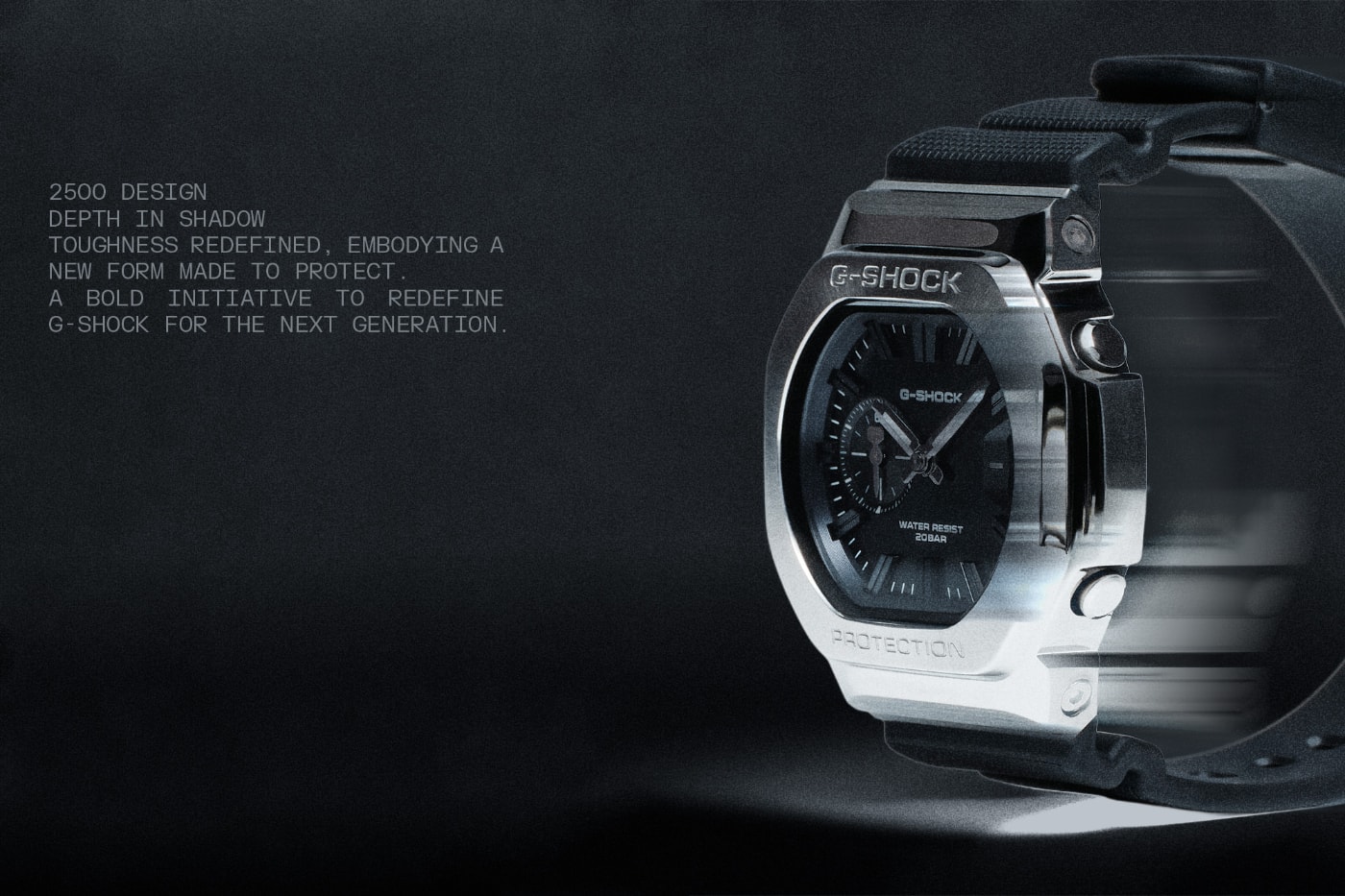
From those qualities came a unibody structure that joins the strength and stability of a protective shell with the lightness needed for dynamic movement. Integrating the DNA of the original DW-5000C, the brand aimed at a new icon, where the original expressed toughness through flat, block-like structures and the 2500 uses taut, tension-filled curves.
Shock resistance and 20-bar water resistance were the starting point, not an afterthought. Nagayama says the team fixed the protective structure first and drew the design around it, so the case disperses impacts while protecting the module inside, giving a unified form that also looks strong.
Where the case meets the strap or bracelet, loads are among the highest on any watch, so those junctions were engineered for robustness while keeping a natural fit. The hardest part was module thickness: the magnetic-holding hands and the multifunction dial made early prototypes far bulkier than the team wanted.
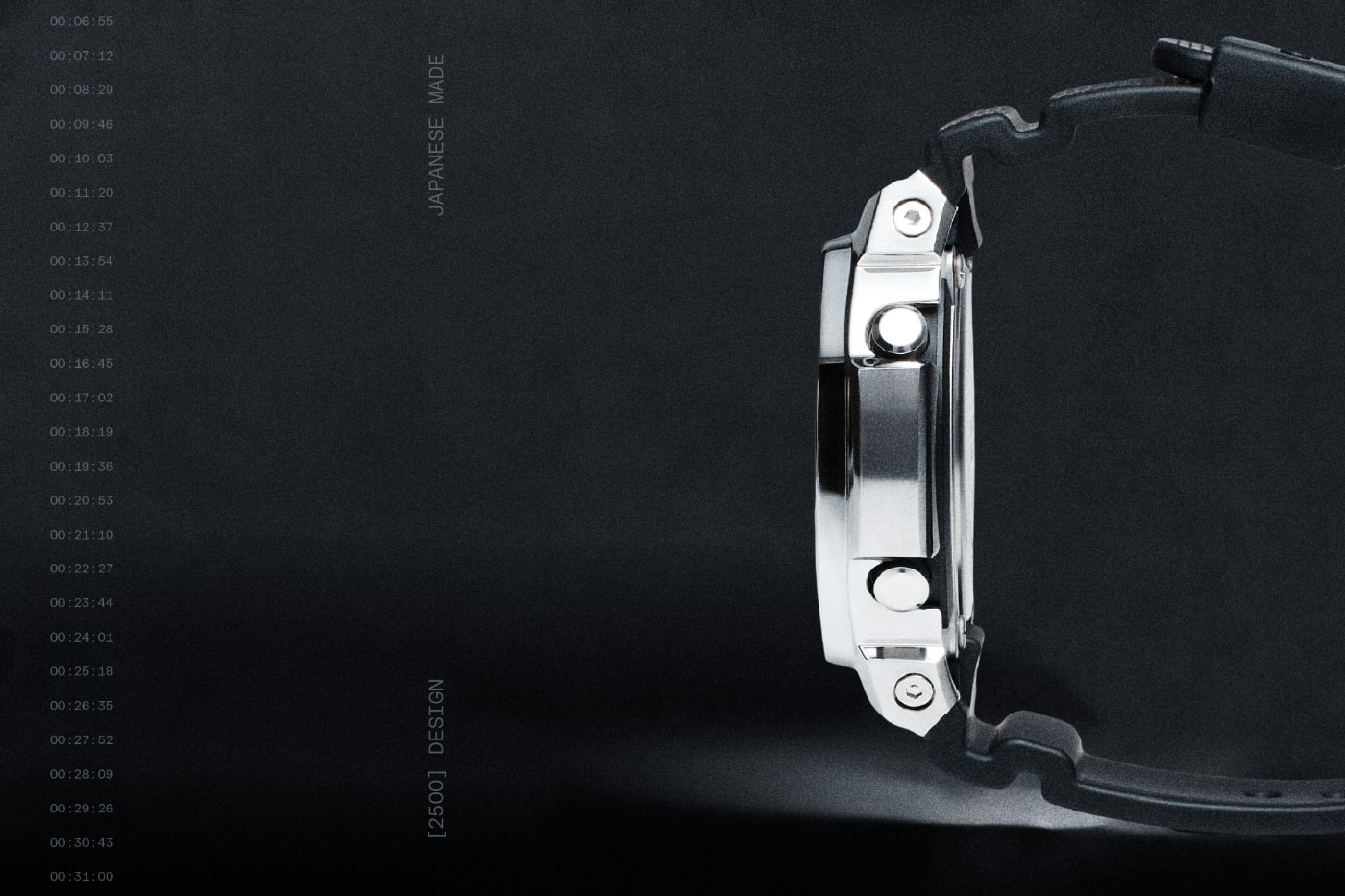
Nagayama and the engineering team refined the module repeatedly to reduce its size and thickness without losing function. The side profile took equal work, with finishes, forms and volume balances reviewed countless times before the design was signed off.
Compared with the DW-5000C, the button mounting angles were revised and guards were added at three and nine o'clock, so the pushers are shielded from direct impact yet still intuitive to use. Nagayama says the team never sacrifices design for toughness and turns requirements into the design itself.
Nine variations, one design DNA
The lineup spans metal bracelets, gold tones and resin builds in black, green, white and yellow, all sharing the same case architecture, bezel and dial so any model reads instantly as a 2500. The range exists because younger buyers want well-made, long-lasting objects that still let them express individuality.
On the metal GMC-2500, hairline brushing, mirror polishing, special blasting and buff polishing are combined to create shifting reflections that add depth and a premium character. Materials, Nagayama says, express the same concept in different ways rather than changing it.
Nagayama describes a hidden theme of Unity of Contrasts: shadows exist only because of light, the geometric dial meets an organic case, and the DW-5000C's DNA meets the brand's latest technology. His team designed the 2500 to become the next standard model, carrying the quiet strength of Absolute Toughness.
Our coverage of style has long tracked how case shapes define a watch's character, and this series follows form from function first. The result stays true to over 40 years of shock resistance, water resistance and reliability in the harshest environments, now translated into an analog dial.
Support the content you love — it’s free 🎉
Add Luxe Digital as a preferred source on Google. Our stories will be more likely to appear in Google’s Top Stories. It’s free and supports our team. Thank you!
Add as preferred sourceYou can remove us any time in Google’s source preferences.
Thank you — you’re all set 🎉
Luxe Digital is now one of your preferred sources, so our stories are more likely to appear in Google’s Top Stories.
This briefing is published daily using an AI-powered system crafted by Luxe Digital’s team and finely tuned to meet our editorial standards. While we continuously test and review the output, mistakes can sometimes happen. Tell us if you spot one.
Images: G-Shock GMC-2500