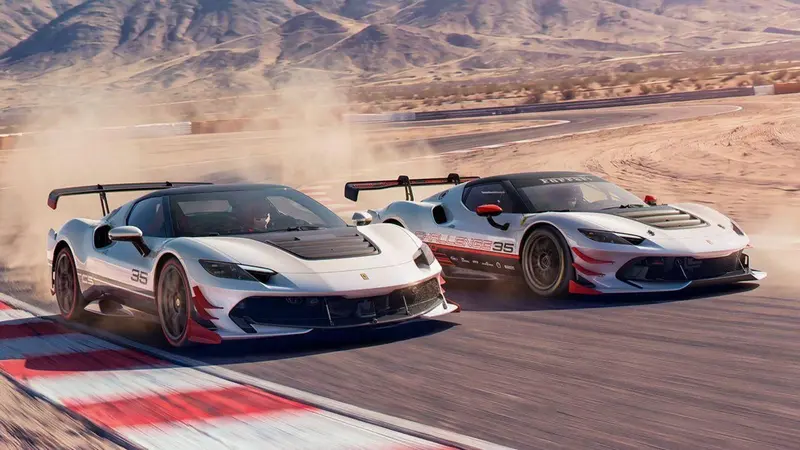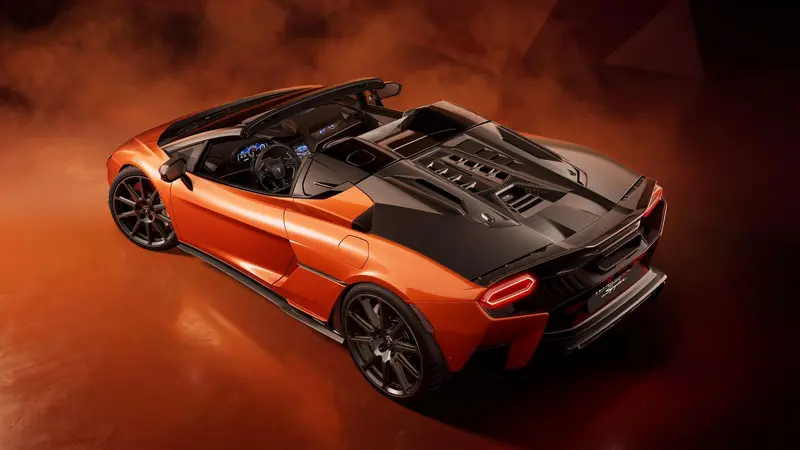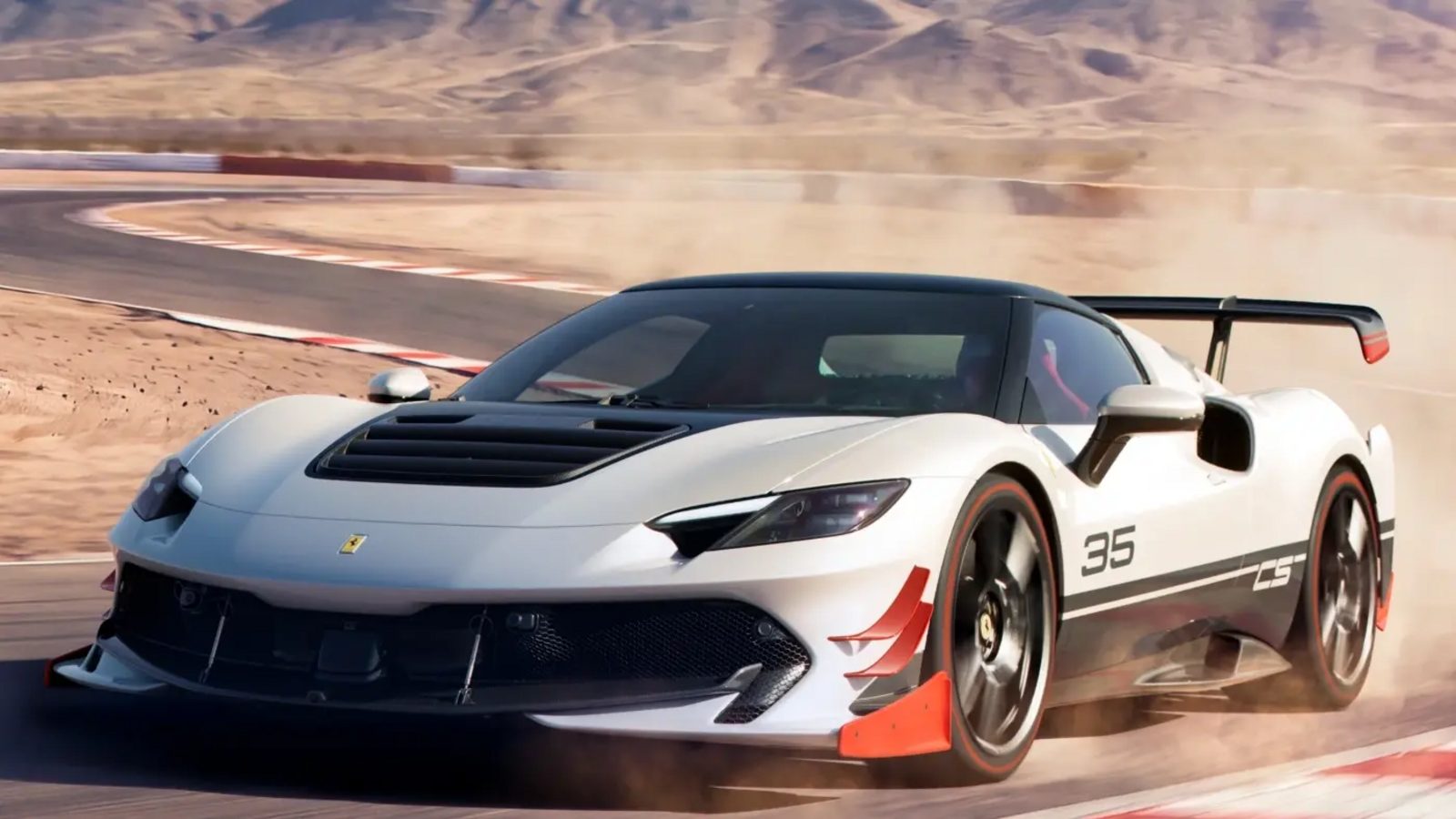

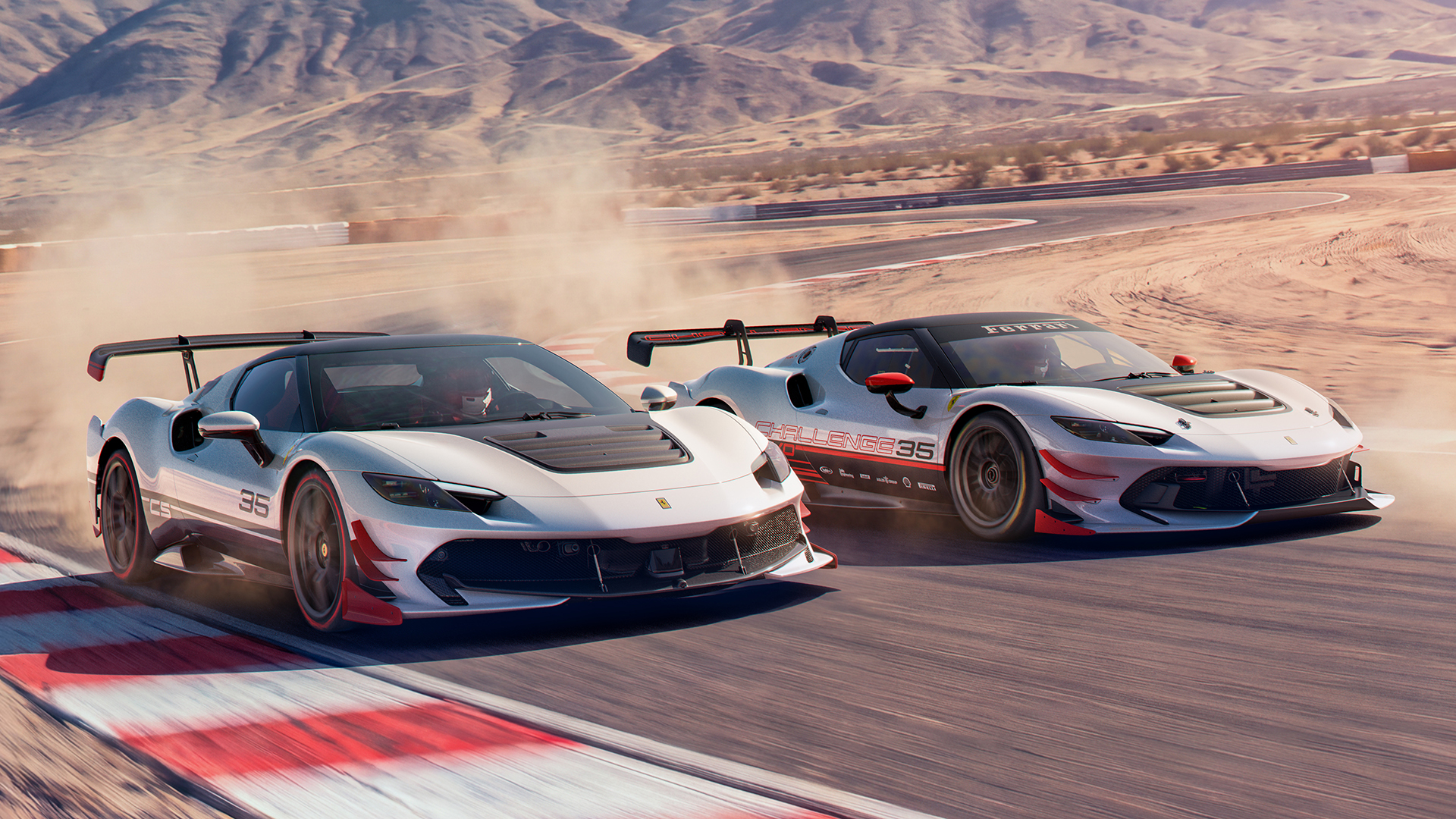
Ferrari has unveiled the 296 Challenge Stradale, a track-focused version of the 296 GTB that drops the plug-in hybrid system entirely. What remains is a tuned 3.0-liter, 120-degree twin-turbo V6 producing 670 horsepower at 8,000 rpm and 546 lb-ft of torque, sent to the rear wheels only.
The eight-speed dual-clutch gearbox is the sole transmission on offer. Deleting the electric motor and its hardware cuts the dry weight to 2,932 pounds, nearly 310 pounds less than the GTB it is based on. Ferrari describes the result as an analog experience, and the numbers back the claim.
From rest, the Challenge Stradale reaches 62 mph in 2.8 seconds and runs on to a top speed in excess of 186 mph. Around Ferrari's Fiorano test track it posts a 1:18.5 lap, a time that beats both the LaFerrari and the SF90.
The aero and the cabin
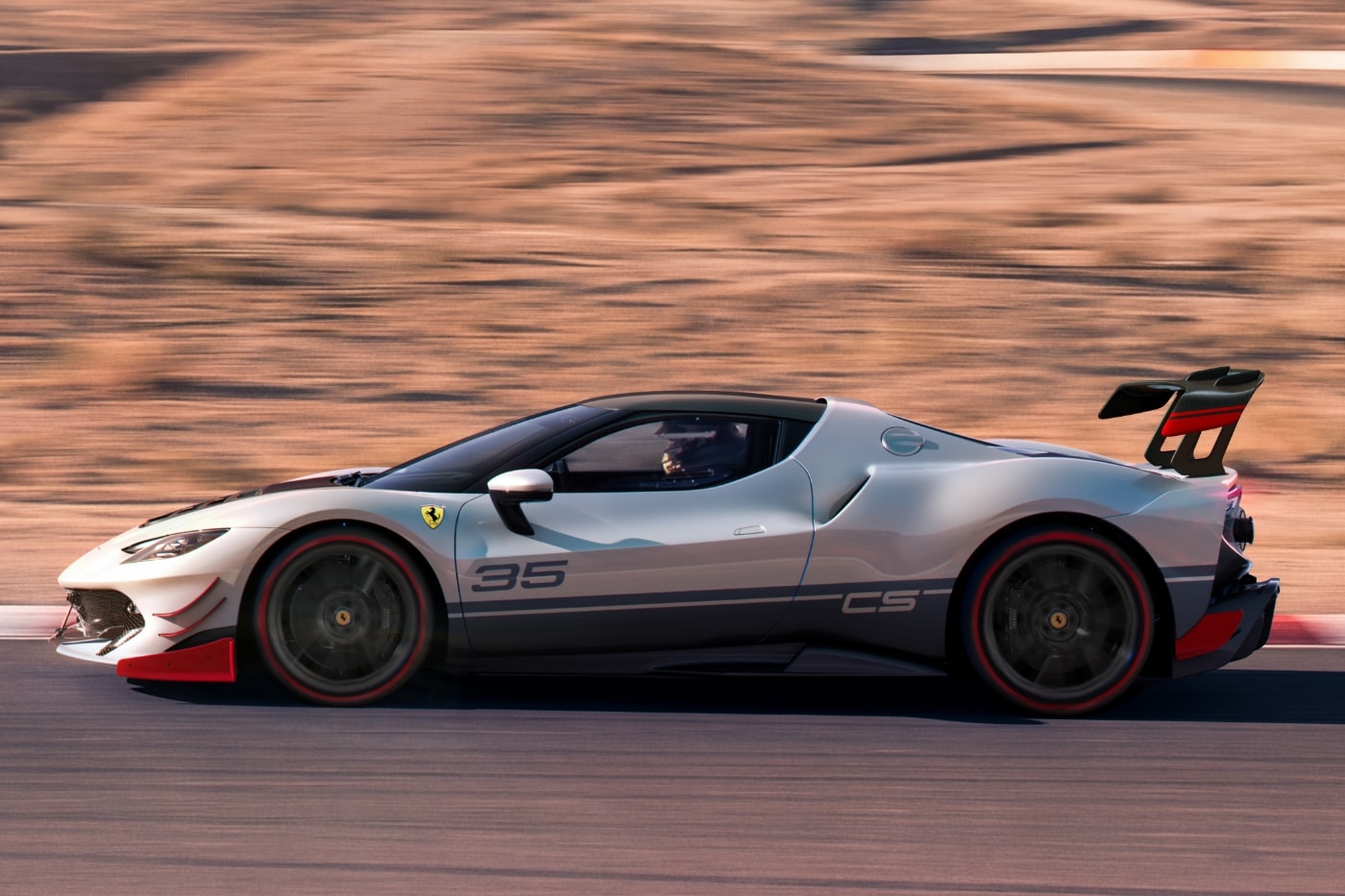
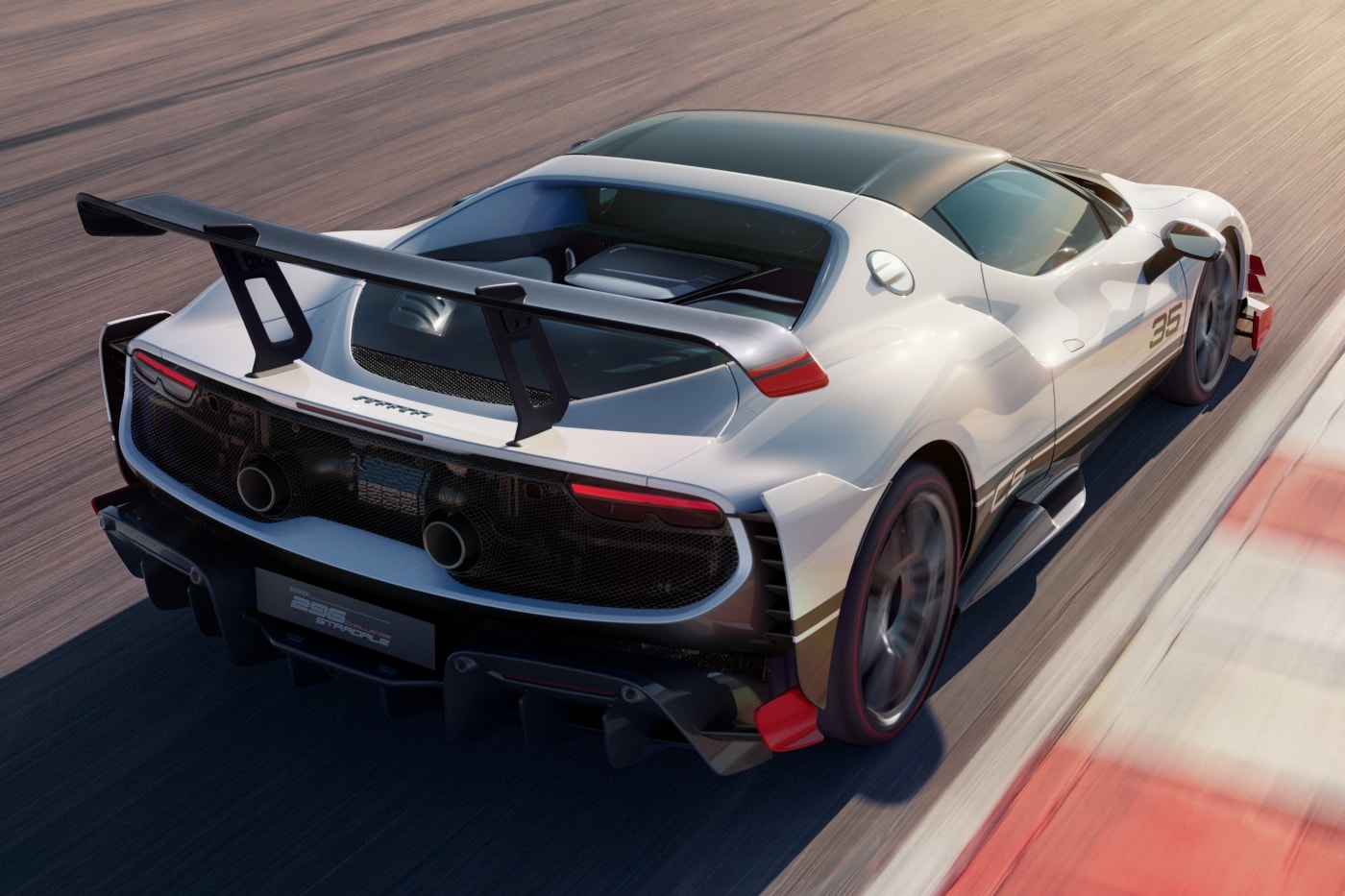
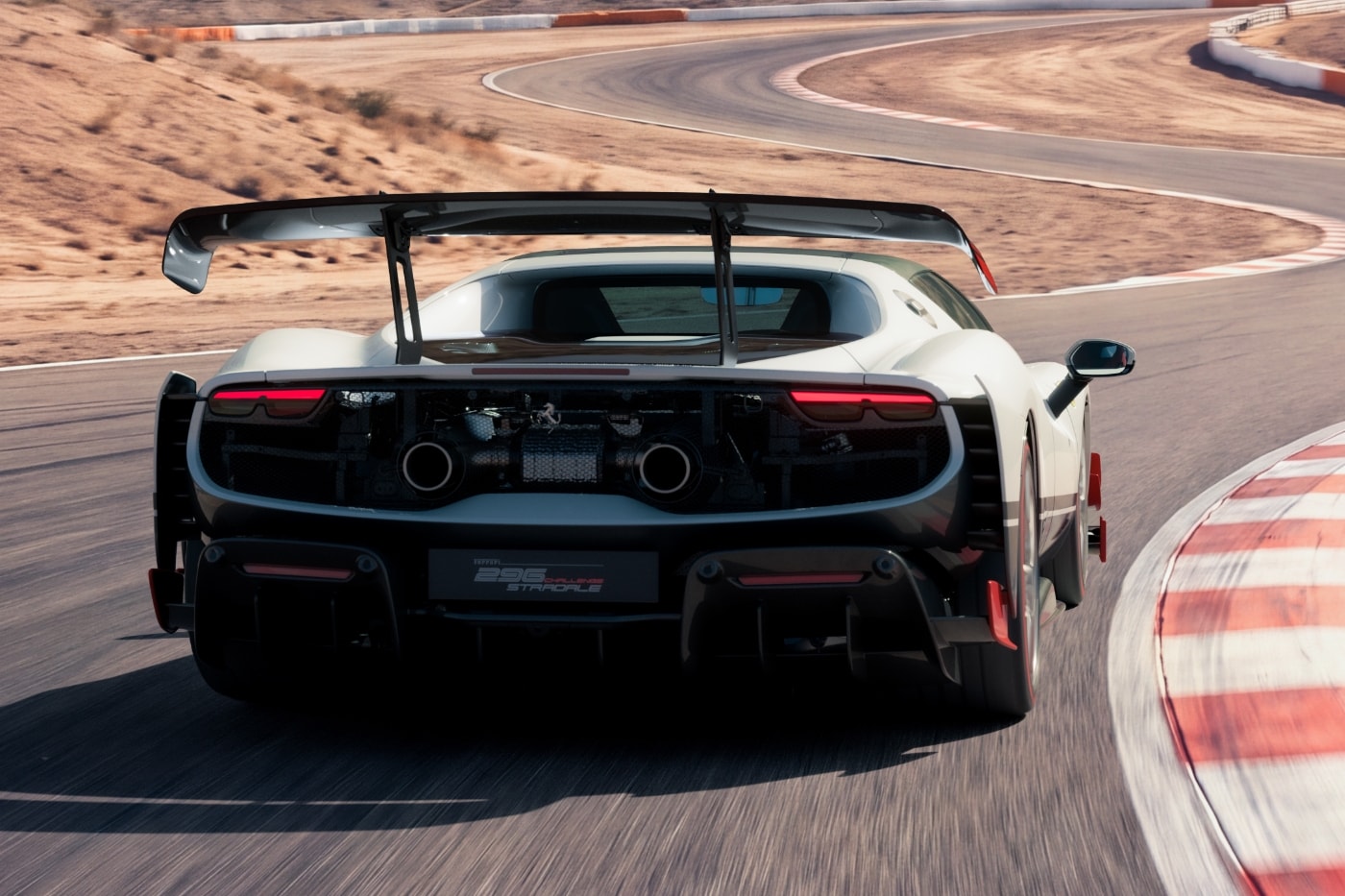
The 296 Challenge Stradale arrives 23 years after the original 360 Challenge Stradale, and it leans into that motorsport lineage visually. The GTB's active spoiler is gone, replaced by a massive fixed rear wing that generates over 1,360 pounds of downforce at 155 mph.
Ferrari has also fitted a newly designed twin-exit exhaust that minimizes back pressure while amplifying the high-pitched wail of the V6. Recalibrated semi-active suspension, carbon-ceramic brakes and bespoke Pirelli P Zero R or Trofeo RS tires harness the grip.
Inside, the cabin is pared to the essentials. The door panels are made from a single piece of carbon fiber, deliberately lacking armrests and storage pockets, while the redesigned center console uses lightweight technical fabrics. Newly developed tubular carbon-fiber seats hold the driver in place.
Buyers who want to shed more weight can opt to remove the lower carpeting, which leaves parts of the chassis exposed. It is the kind of option a road car never lists, and a Challenge car treats as the next step in the weight diet.
Price, timing and positioning
Ferrari says the 296 CS joins the lineup without replacing the standard range model, and it will not be a limited edition. The car is meant to sell as part of the range, not on a numbered plaque.
The car is expected to start at €291,000, approximately $320,000, with US deliveries expected to begin sometime in late 2027. Ferrari has not published a production figure, so how many cars the order book will absorb is unstated.
The Challenge Stradale name goes back to the 360, and this car inverts the 296's own hybrid approach. Ferrari is the marque we put first in our ranking of the best Italian car brands, on the strength of a record 16 Formula One constructors' championships.
In that same ranking, the 488, launched in 2015, is recorded as the marque's all-time best-seller. The Challenge Stradale is not built for that kind of volume, and Ferrari is pitching it at drivers who want the engine, the wing and the weight loss.
At roughly $320,000, the car is far from the top of the market. In our guide to the most expensive cars in the world, the Rolls-Royce Amethyst Droptail leads at a reported $40 million, and a 1963 Ferrari 250 GTO changed hands privately for $70 million.
For more on the marque, our coverage of garage news and the Ferrari brand page list each model and its specifications. Ferrari has not said whether this V6 tune will appear in other models, and the sources give no first European delivery date.
What is clear is the direction. After years of electrifying the mid-engine V6, Ferrari has made a car that removes the electricity and lets the engine, the wing and the weight loss do the talking, with US deliveries due in late 2027.
Support the content you love — it’s free 🎉
Add Luxe Digital as a preferred source on Google. Our stories will be more likely to appear in Google’s Top Stories. It’s free and supports our team. Thank you!
Add as preferred sourceYou can remove us any time in Google’s source preferences.
Thank you — you’re all set 🎉
Luxe Digital is now one of your preferred sources, so our stories are more likely to appear in Google’s Top Stories.
This briefing is published daily using an AI-powered system crafted by Luxe Digital’s team and finely tuned to meet our editorial standards. While we continuously test and review the output, mistakes can sometimes happen. Tell us if you spot one.
Images: Ferrari