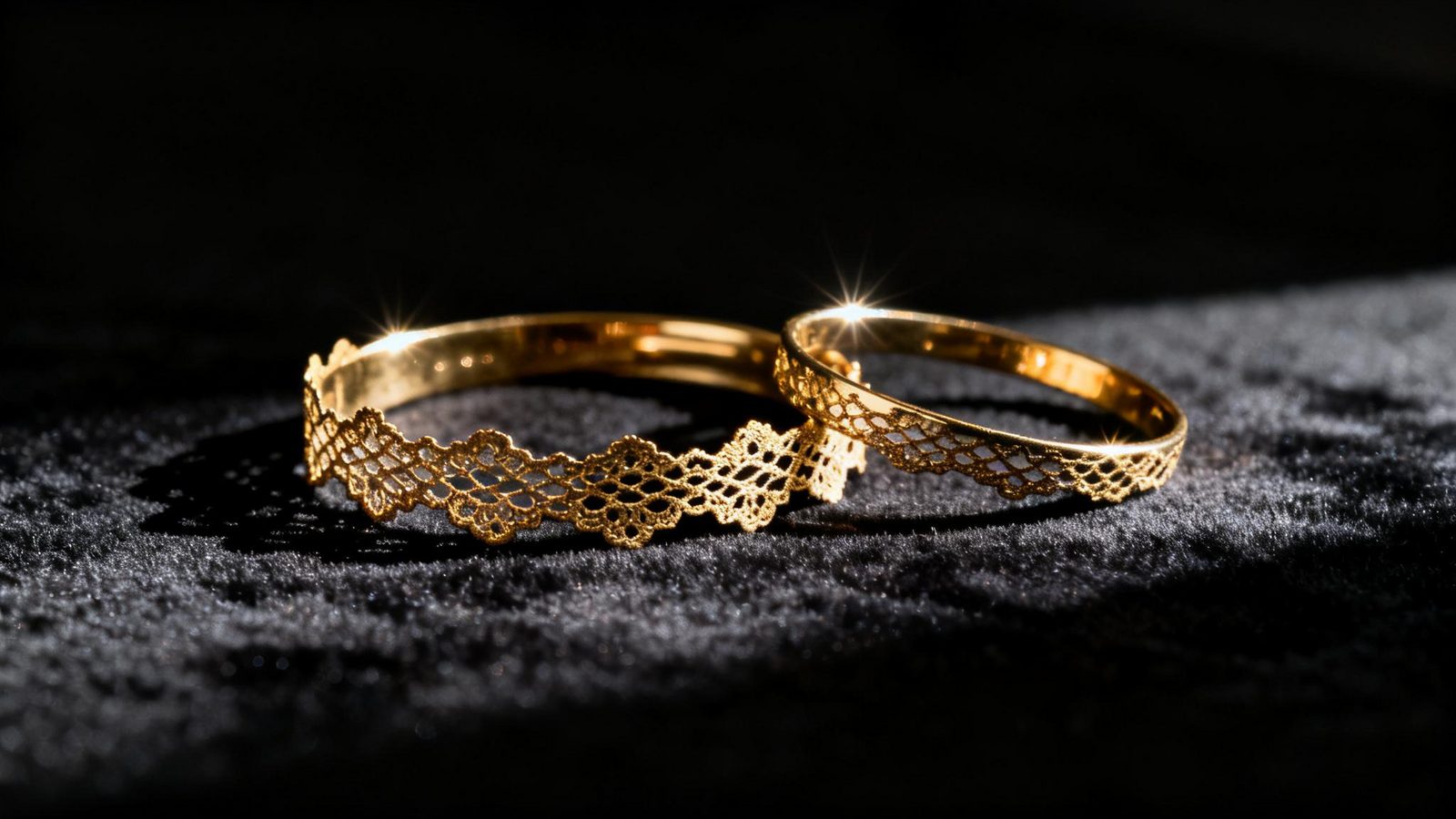

Buccellati has launched a new high-jewellery collection inspired by the lace makers of Burano, the Venetian island whose handiwork its founder chased for a century. Called Serenissima, the line re-creates the craft in finely wrought metal, turning open-worked gold and diamonds into what appears to be lace.
The Milanese house released the collection earlier this year, drawing its name from the historic republic's title, La Serenissima. Artisans shaped panels of white and yellow gold into pierced, airy forms, set with brilliant-cut diamonds, so the jewels lie as delicately on the skin as the fabric that inspired them.
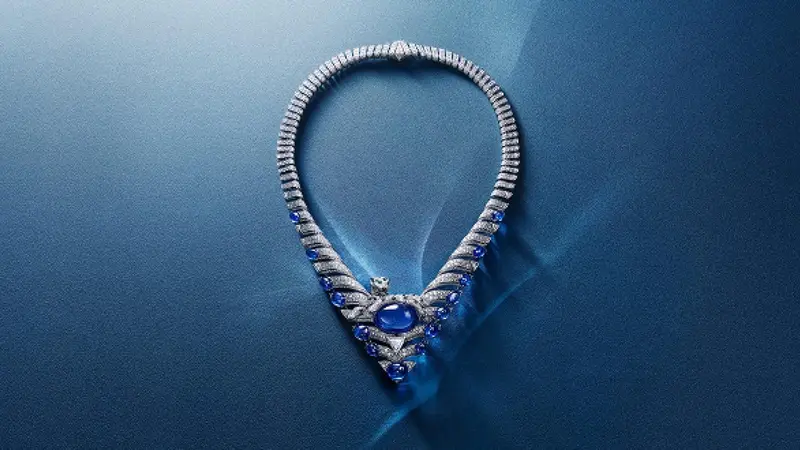
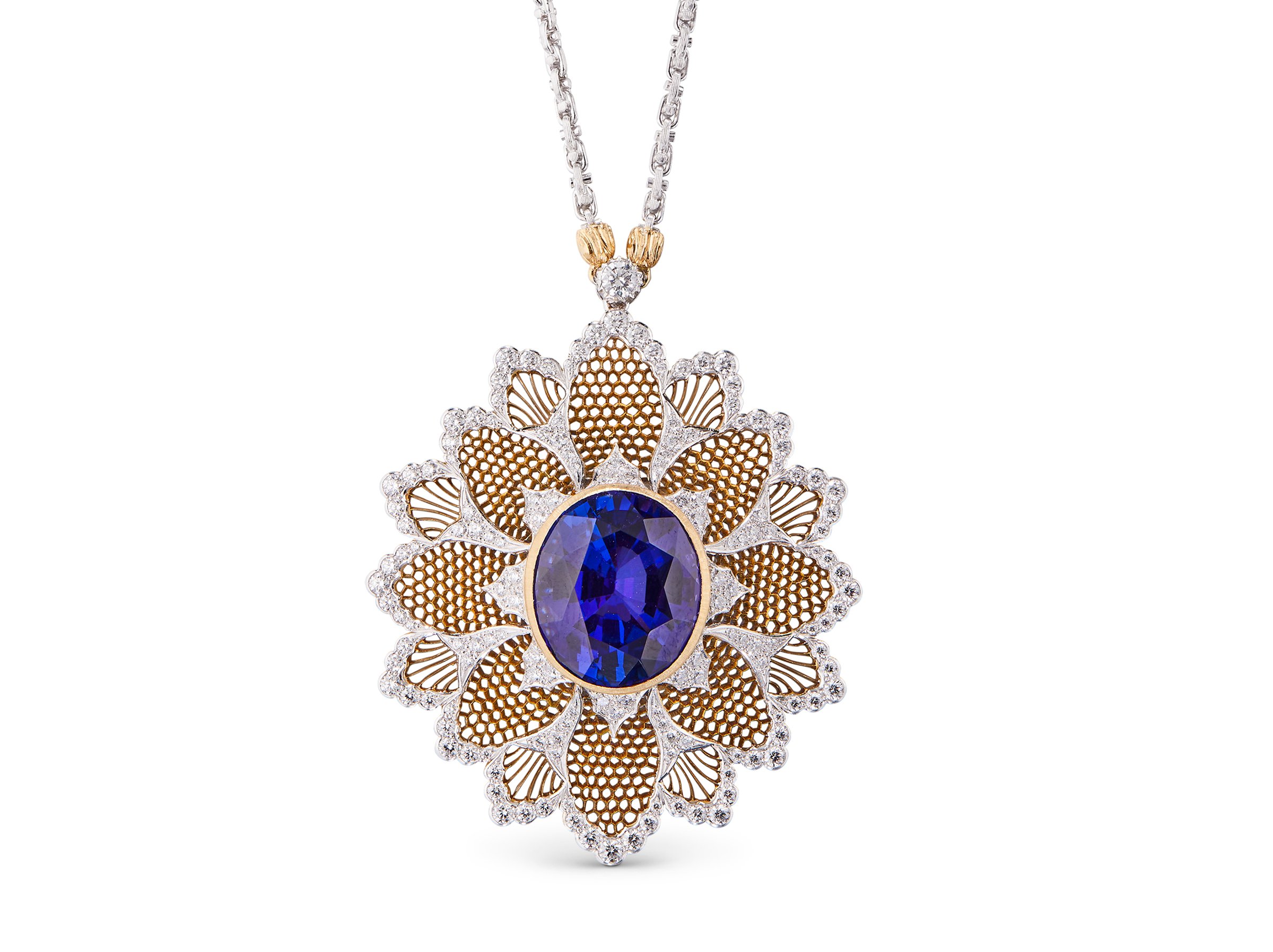
A necklace leads the range, its pendant centred on a tanzanite gemstone framed by white and yellow gold and diamonds. Bracelets and earrings join it, all of them engineered around the calibration of gold to empty space, a balance the house says is the whole difficulty of the work.
The piercing itself is an exclusive Buccellati technique, and the maison positions itself as the last jeweller to fully engrave every piece it makes. Maria Cristina Buccellati, the company's global communications director, puts it plainly: the only shiny part is on the back of the jewel.
The lace tradition is said to have begun with fishermen's wives, who translated their skill mending nets into something more refined. Mario Buccellati saw in that lightness and transparency a quality he wanted to hold in gold, and his fascination with Burano now underwrites the collection's look.
Buccellati still works by Renaissance methods, scouting graduates from Italian design schools and training them for around eight years before they qualify as artisans. That prolonged formation means fully fledged masters are scarce, and a single new high-jewellery collection takes at least two years to deliver.
For Maria Cristina Buccellati, the craft is demanding but worth it. She spent her younger years indifferent to Venice, visiting only in winter and missing its appeal, and now describes it as absolutely magical. The collection arrived after a year in which the house leaned further into place and heritage.
The maison was founded in Milan in 1919, when Mario Buccellati opened his first shop near La Scala. It has belonged to Richemont for years, yet family members remain inside the business: Andrea Buccellati serves as creative director, while his daughter Lucrezia works on the creative team.
Headquarters stayed in Milan through the decades, moving to a new building behind Corso Magenta in 2020. That rootedness, the company believes, is what let it hold onto its identity, keeping the engraving techniques and the hand-finishing that separate its pieces from more industrial house styles.
The pricing reflects all of it. Serenissima pieces are airily light and timeless, but they are expensive, a fact the house states rather than softens. The gems, the hand-piercing and the years of training behind each artisan are not cheap inputs, and Buccellati has never positioned itself as a value play.
Our own coverage of style has tracked Italian craftsmanship for years, and we have watched Buccellati hold its engraving-led identity while Richemont's other jewellers moved toward volume. This collection extends a line of work we have long rated for its patience and its refusal to chase scale.
What the craft costs
The eight-year artisan path is the reason the maths of the collection look the way they do. Each new high-jewellery range needs its own masters, and the maison cannot simply hire them in. Training is internal and long, which caps how many pieces can be produced and how quickly they can be delivered.
Maria Cristina Buccellati frames the house as the final jeweller to fully engrave everything it makes, leaving polished surfaces only on the reverse. That detail is the signature separators from rivals, and it is the thread running through Serenissima's lace-like panels, where metal is removed as carefully as it is shaped.
A founder's obsession, realised
Mario Buccellati never lived to see Burano lace reproduced in this collection, but the line closes a loop he opened.
The house dates the craft tradition itself to island wives who mended fishing nets and refined the skill into lace. Serenissima carries that story forward without claiming to invent it, anchoring a Milanese jewellery heritage inside a Venetian one and letting the material do the remembering.
What comes next is not yet dated. Buccellati has not announced further Serenissima pieces or a retail window beyond the launch, but a collection that opens with a tanzanite-centred necklace typically extends through a season of pieces before the maison moves to its next high-jewellery chapter.
Support the content you love — it’s free 🎉
Add Luxe Digital as a preferred source on Google. Our stories will be more likely to appear in Google’s Top Stories. It’s free and supports our team. Thank you!
Add as preferred sourceYou can remove us any time in Google’s source preferences.
Thank you — you’re all set 🎉
Luxe Digital is now one of your preferred sources, so our stories are more likely to appear in Google’s Top Stories.
Sources
This briefing is published daily using an AI-powered system crafted by Luxe Digital’s team and finely tuned to meet our editorial standards. While we continuously test and review the output, mistakes can sometimes happen. Tell us if you spot one.
Image: A Serenissima collection necklace in white and yellow gold, set with brilliant-cut diamonds; the centrepiece of the pendant is a tanzanite gemstone Courtesy of