Apple has introduced the Apple Watch Series 12 and Apple Watch Ultra 4, its annual refresh of the world's most widely worn digital watches, without a physical redesign but with a substantially reworked health engine underneath.
Both are available for pre-order today, with general availability beginning September 18th for the entire lineup, aluminum, titanium and ceramic Series 12 models alongside the two Ultra 4 titanium finishes and the Hermès editions of each.
The headline change is a new Health Sensing System paired with the S11 chip, which takes a heart rate reading every five seconds, all day, and measures heart rate variability up to 24 times more often than the previous generation. Apple describes it, based on its own testing, as the most accurate heart rate sensor it has put in a wearable.
That stream of data feeds a new feature called Readiness: a daily score from 0 to 10, built from activity, training load, vitals and sleep, sorted into one of four labels, Recover, Pace Yourself, Ready or Go For It. It updates through the day rather than resetting each morning, unlike a score that resets overnight.
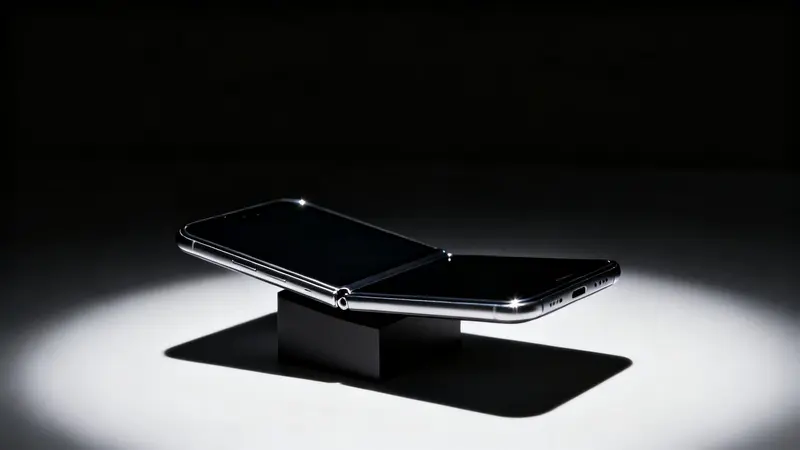
The launch is also the first Apple Watch event since John Ternus succeeded Tim Cook as chief executive, a handover that took effect only a week before the announcement. Most pre-launch attention had gone to a rumored foldable iPhone, leaving the Apple Watch changes to arrive with comparatively little advance noise.
What changed in battery and materials
Series 12 keeps its predecessor's 24-hour daily battery life, but outdoor workout tracking climbs 25 percent to 10 hours, and 15 minutes on the charger now returns 12 hours of use. The case gains tougher Ceramic Shield 2 glass, and ceramic finishes return to the lineup after years away.
Series 12 comes in dark bronze, black, light gold and space gray aluminum, radiant gold and natural titanium, and a new pearl white and night blue ceramic. Pricing starts at $399 for aluminum, $699 for titanium and $899 for ceramic, and a Hermès Series 12 is offered in 42mm and 46mm silver and radiant gold.
Case diameters run 42mm or 46mm with a 37mm or 40mm width, and thickness is 9.7mm on aluminum and titanium against 9.85mm on ceramic. Weights range from 32.2 grams for a 42mm aluminum GPS model to 52.9 grams for the 46mm Night Blue ceramic, with water resistance rated to 50 meters.
Watch Ultra 4 keeps last year's 49mm titanium case, still 3D-printed, and inherits the same Health Sensing System, S11 chip and Readiness score as Series 12. The real gain is stamina: everyday battery life reaches 50 hours, up from the Ultra 3 generation, and 84 hours in Low Power Mode.
A new Max Extended Workout mode can track an outdoor session for up to 45 hours with GPS pinging every second, aimed squarely at ultra-endurance athletes and expedition users who currently strap on Ultra models for exactly that kind of coverage. Ultra 4 is water resistant to 100 meters and weighs about 63 grams.
Ultra 4 comes only in natural and black titanium and starts at $799. Apple Watch Hermès Ultra 4 adds a Grand H titanium band, priced separately at $2,199, engineered to fit over a wetsuit for divers and open-water swimmers.
The Hermès Ultra 4 also gets a new Fathom and Wonder watch face depicting the ocean at four depths, extending the maison's collaboration with Apple beyond straps and dial colorways into a dedicated diving aesthetic. Both Series 12 and Ultra 4 continue to offer strap designs from Nike alongside Apple's own and Hermès's ranges.
Where the software changes sit
Most of this year's other changes live on the software and phone side rather than in new hardware. Audio Intelligence transcribes conversations the watch overhears and can rewind the last 15 seconds of a conversation through a feature called Live Rewind, with Apple building in conversation-security controls given how sensitive that recording capability is.
The launch lands roughly a week after we covered Apple's first foldable, the iPhone Duo, which arrives at $1,999 alongside the new iPhone 18 Pro line, making this a compressed run of major hardware announcements even by Apple's usual September pace.
Our own coverage of watches and jewelry has tracked how mechanical and digital watchmaking increasingly compete for the same wrist, and Apple's yearly cadence of incremental sensor and battery gains, rather than case redesigns, has become the pattern that defines the Apple Watch franchise against that backdrop.
Neither Apple Watch model brings a new case size or a redesigned bezel this year, a contrast with the design overhauls that periodically define flagship mechanical launches. What Apple is selling instead is measurement: a heart rate check every five seconds and a battery that, on the Ultra 4, now stretches past two full days.
This briefing is published daily using Luxe Digital’s AI agents, finely tuned to meet our editorial standards. While we test and review their work, mistakes can sometimes happen; tell us if you spot one.