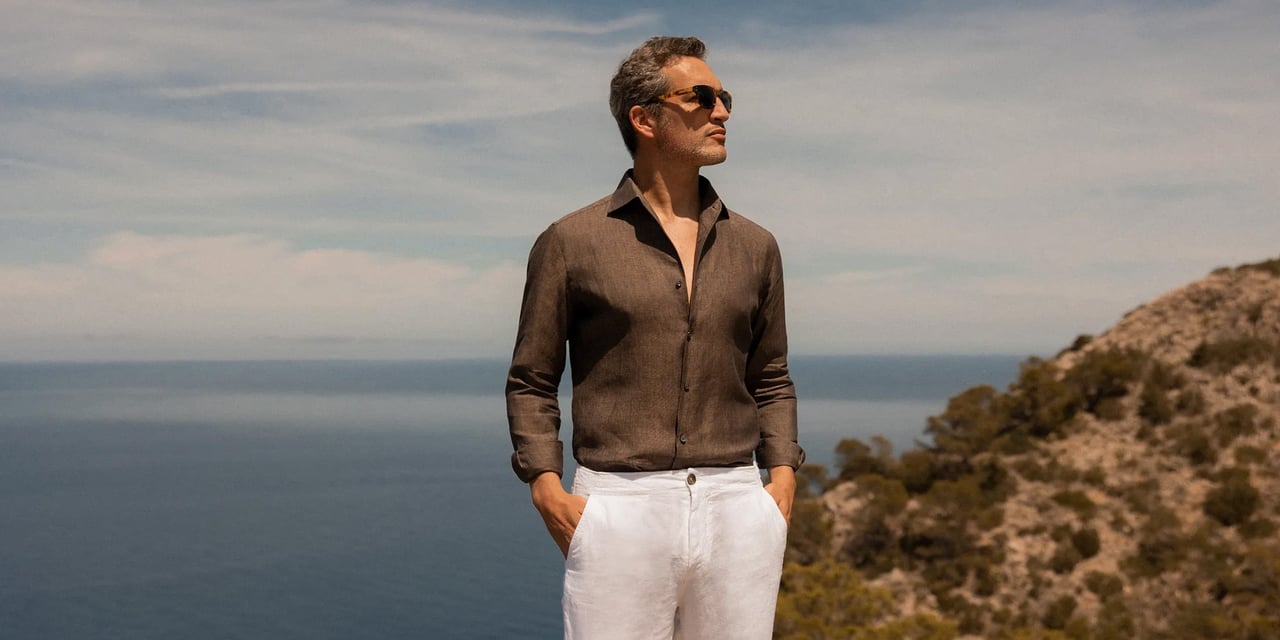
The smart casual outfit for men is one of those styles that lets you truly express yourself. While it does require a certain degree of sophistication above casual wear, smart casual is nowhere near as formal as the business professional style.
As a result, you should carefully consider how to execute your smart casual outfit.
You want to make sure that your clothes help you communicate who you are and what you want to accomplish.
If you’re invited to an event that calls for smart casual wear, and you wonder what it means, this guide is for you.
But you shouldn’t limit a smart casual outfit for special occasions. Smart casual can easily become your day-to-day attire if you want. It’s meant to be elegant and mature but also comfortable and fluid to adapt to different locations.
Discover more in our guides to the capsule wardrobe for men, types of suits for men, and casual dress code for women.
Most of what people now call old money style is smart casual worn in a five-color palette and better fabric. If that is the look you are after, our guide to old money style for men gives you the rules rather than the shopping list. One step up in the other direction, semi-formal is where the jacket stops being optional and the tie comes back.
The short answer: smart casual for men means tailored trousers or dark jeans, a collared shirt or a fine knit, an optional blazer and leather shoes. Leave the tie and the suit at home, along with anything you would wear to the gym.
Are jeans OK? Yes, if they are dark, straight and unripped, and you wear them with leather shoes.
One step up, one step down
Smart casual sits one step above casual and one step below business casual. If your invitation names a different code, the guide for it is one click away.
One step down, our casual dress code guide for men covers jeans-and-T-shirt days. One step up, the business casual guide for men covers the office, and the business professional guide for men covers the suit and tie.
What is the Smart Casual style?
Smart casual wear is an ambiguous style. Its definition and meaning will vary based on the season, location and the people that you’ll be meeting. It can thus be complicated for men to know exactly how to dress smart casual appropriately.
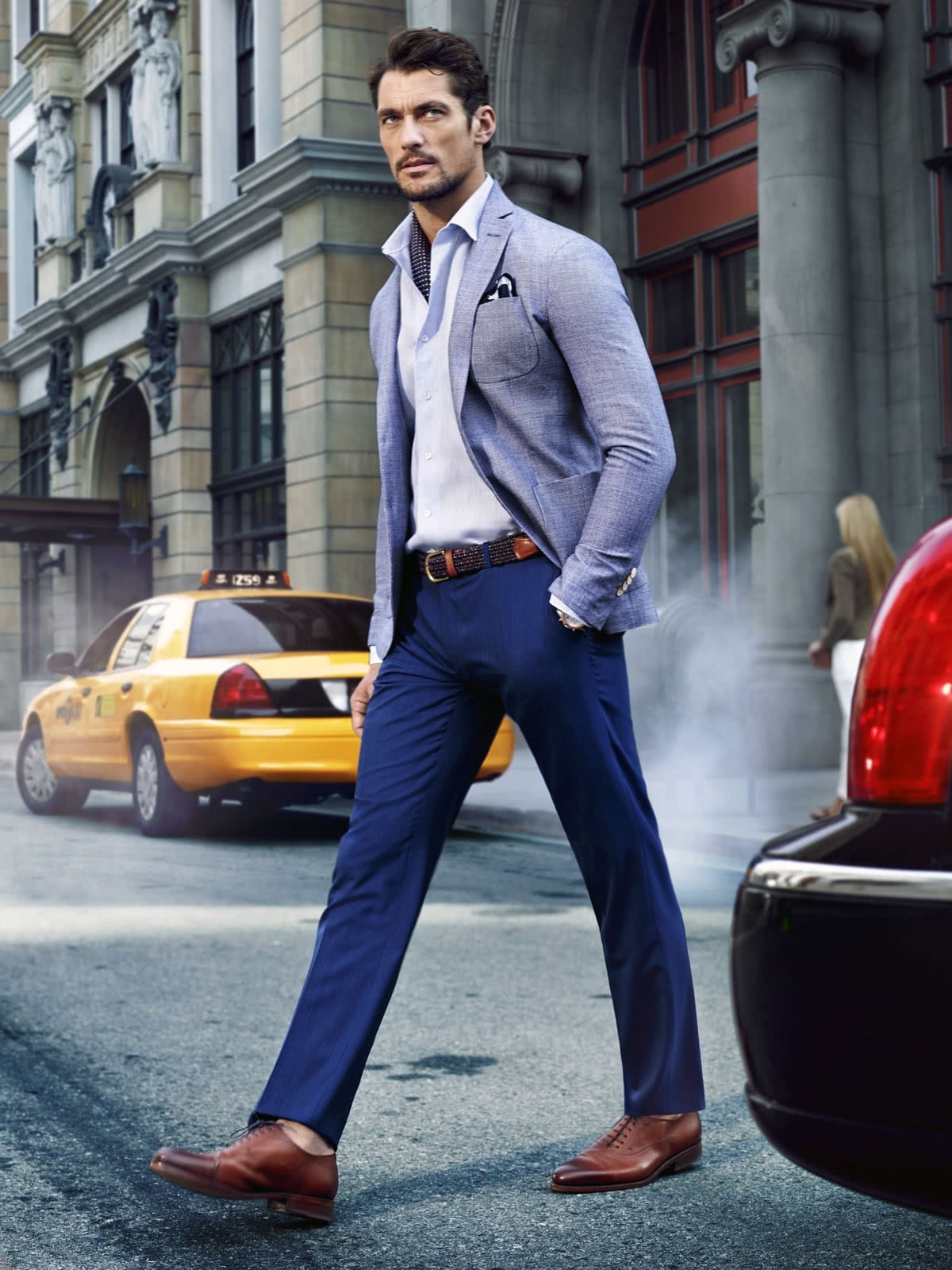
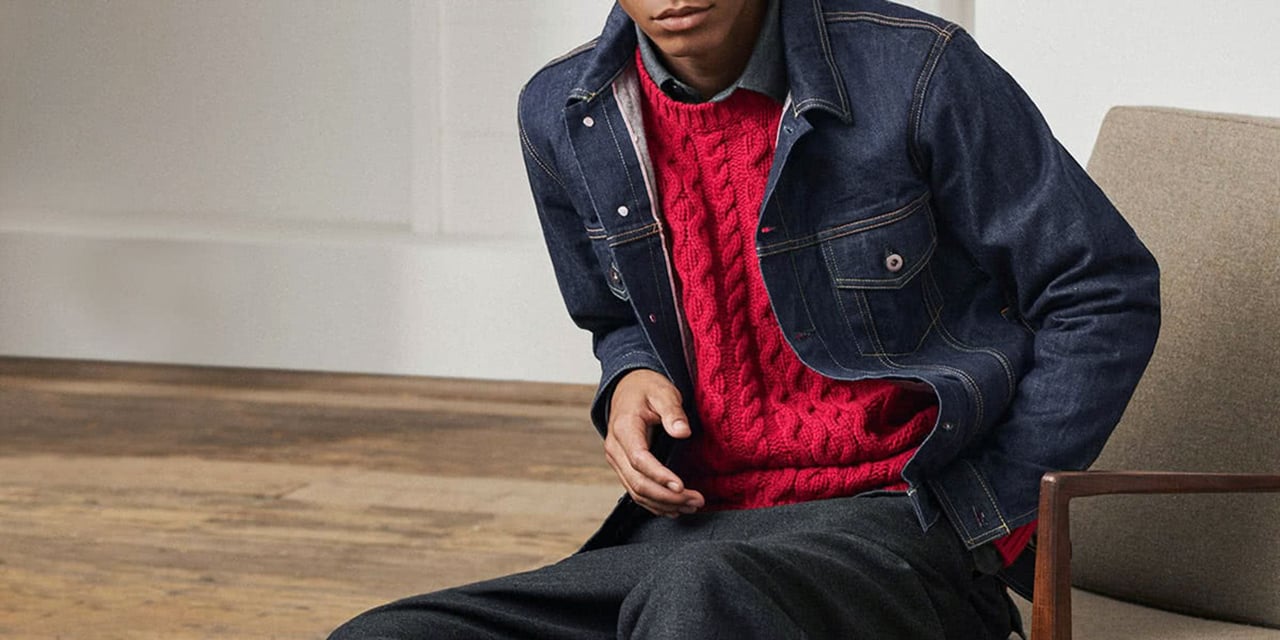
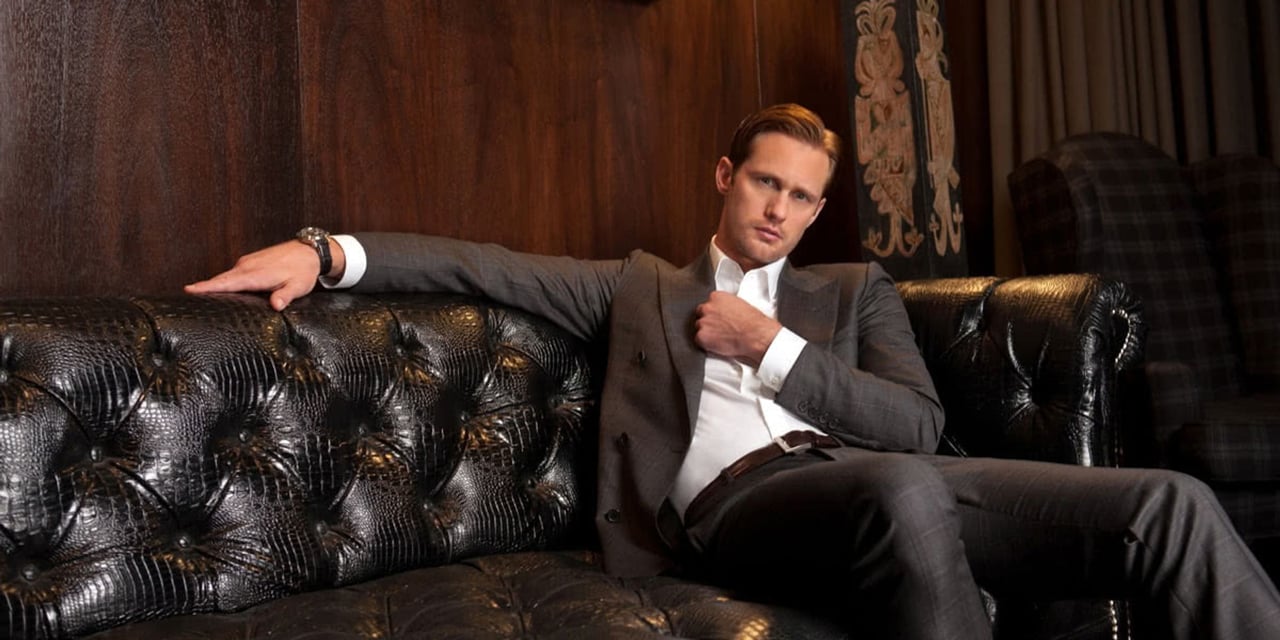
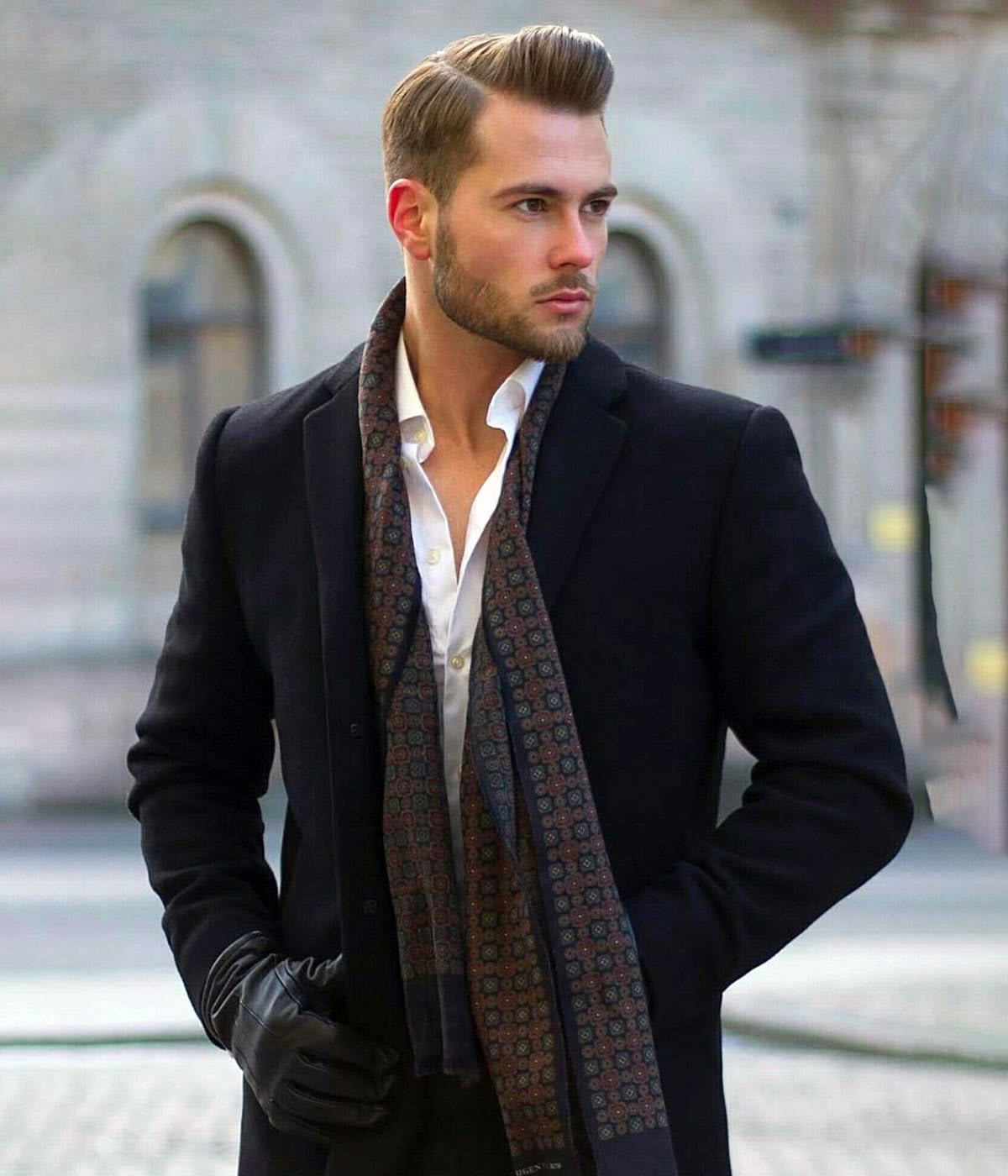
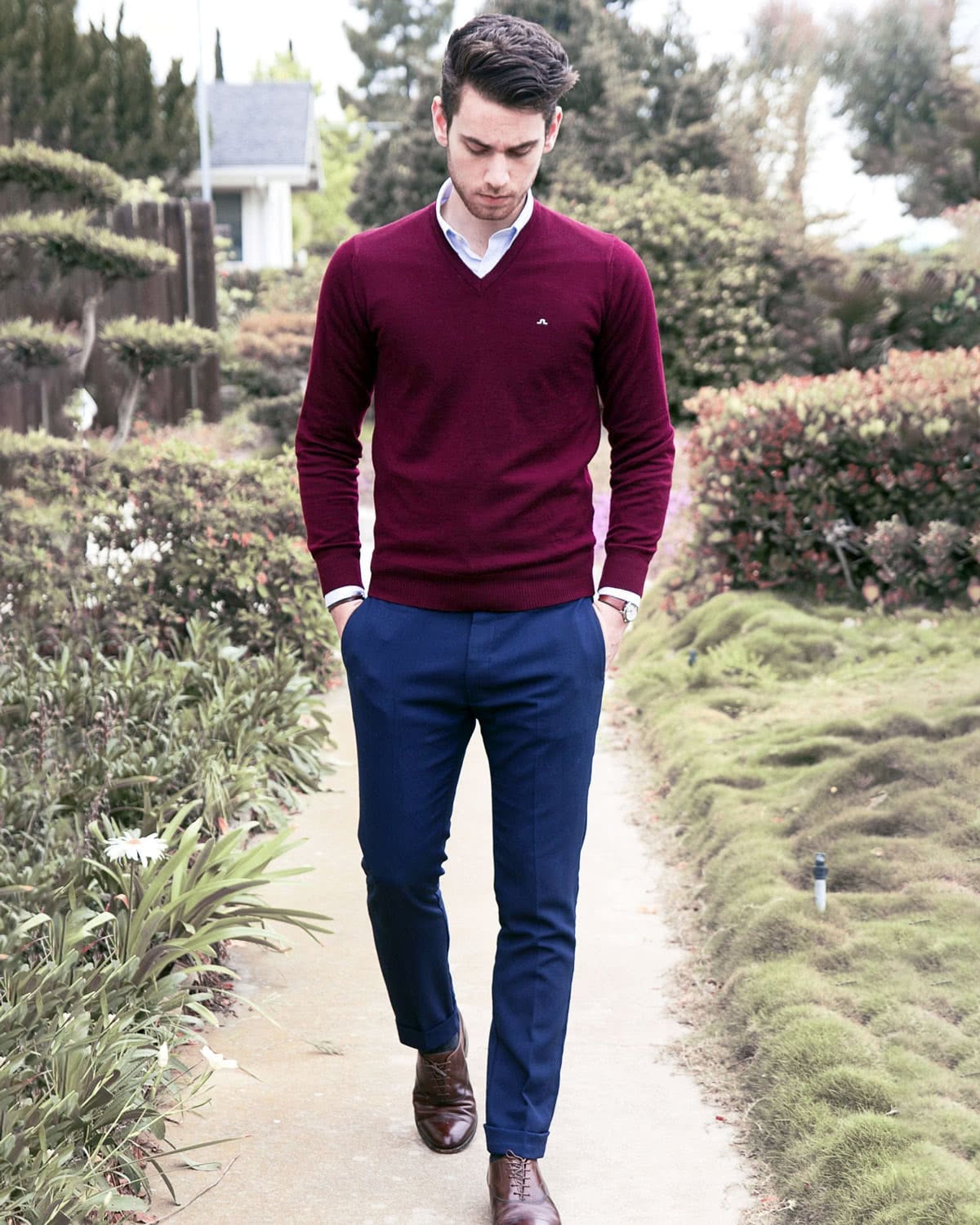
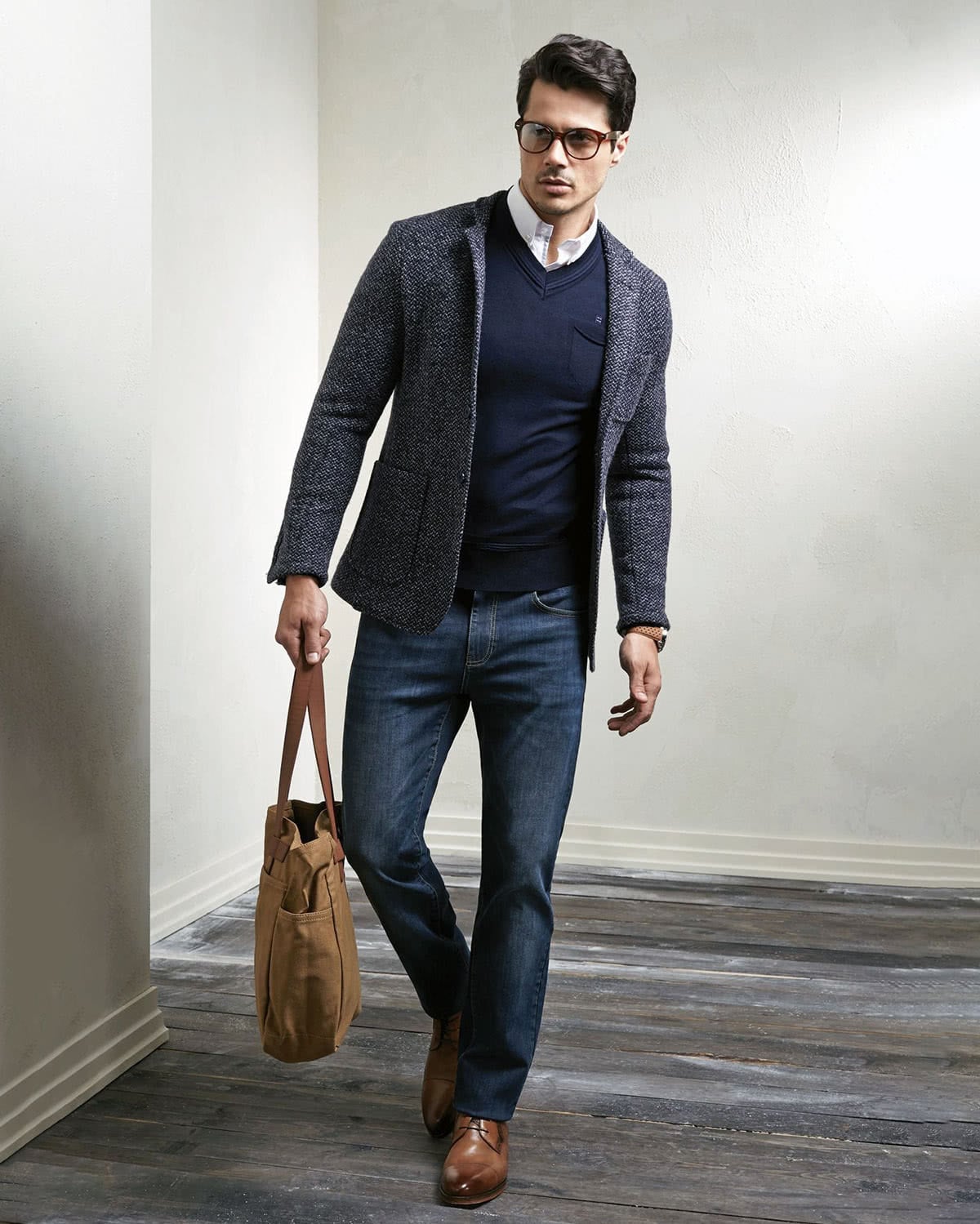
In general, smart casual means neat chinos or a pair of dark-colored jeans with a shirt, a blazer, and a pair of leather shoes. Your outfit should be well-fitting but slightly less formal than a business casual or business professional style. Smart casual is pretty much anything smarter than a tracksuit, but less formal than a suit.
Smart casual is neat, conventional, yet relatively informal in style.”- Oxford dictionary
If you received a wedding invitation that calls for smart casual attire, forget the jeans and go with nice chinos instead. A tie might not be required, but you should pack one just in case and dress up your blazer or jacket with a pocket square.
On the other hand, if you’re going to a smart casual beach party, wearing a dressy pair of shorts with a tucked-in shirt will be perfectly acceptable.
An outdoor invitation can also move past this code altogether. A garden party sits one rung above smart casual and adds constraints this dress code never carries, on soles that have to grip grass and cloth that has to hold its color in direct sun. Our guide to garden party attire for men covers what changes once the floor is a lawn.
The golden rule is to always keep the location and occasion in mind when you’re preparing to dress up. If you’re going to an after-work party in the UK or the US, smart casual can be as simple as a pair of navy jeans and a blue checked shirt, for example. If you’re going to a destination wedding, opt for beige chinos with a blue blazer and a white pocket square and you should be good to go.
Smart casual on a summer weekend in Sardinia for a cocktail at the Yacht Club is different than smart casual in Toronto during the winter for an informal dinner. It is the knowledge and the good taste to understand the differences in terms of place, theme, people, weather and spirit.”- Andrea Perrone, then CEO of Italian luxury fashion house Brioni
If you’re unsure about the expectations, ask the event organizer if they could give you a few examples of what they mean by smart casual or check with other people who might have been there before. And when in doubt, go for the more formal option. It’s always better to be slightly overdressed than underdressed. People rarely say that you looked too good.
What smart casual is not
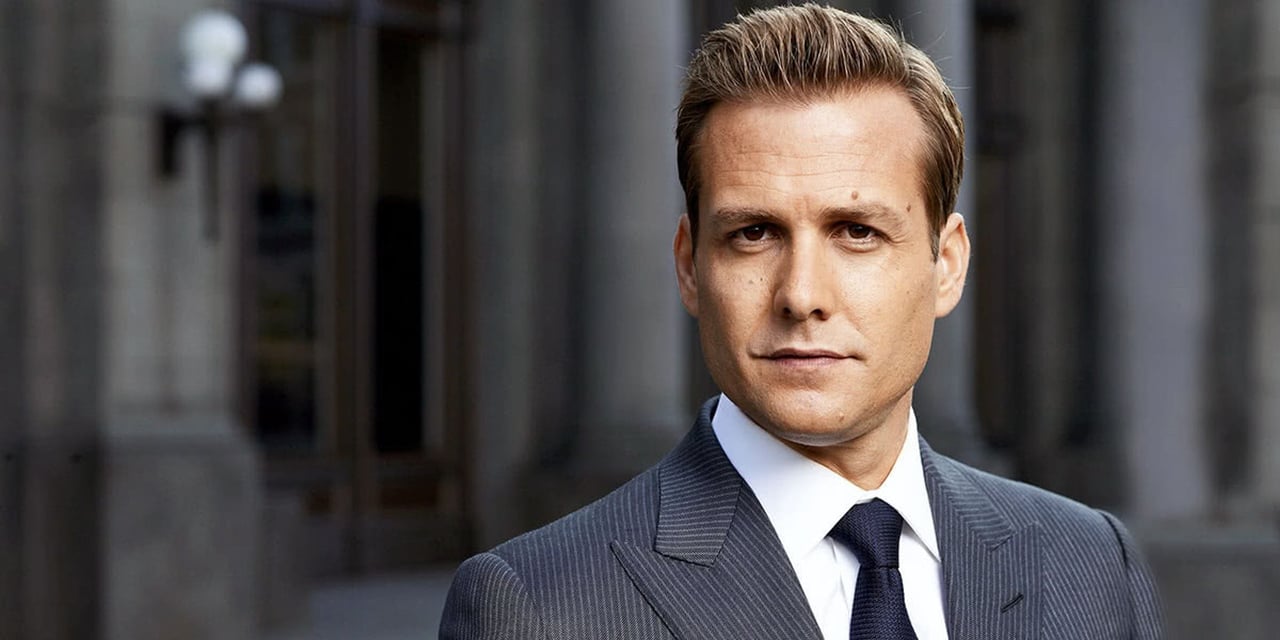
Smart casual is not a suit. A matched jacket and trousers with a tie is business professional, and it will make you look like you came straight from a meeting.
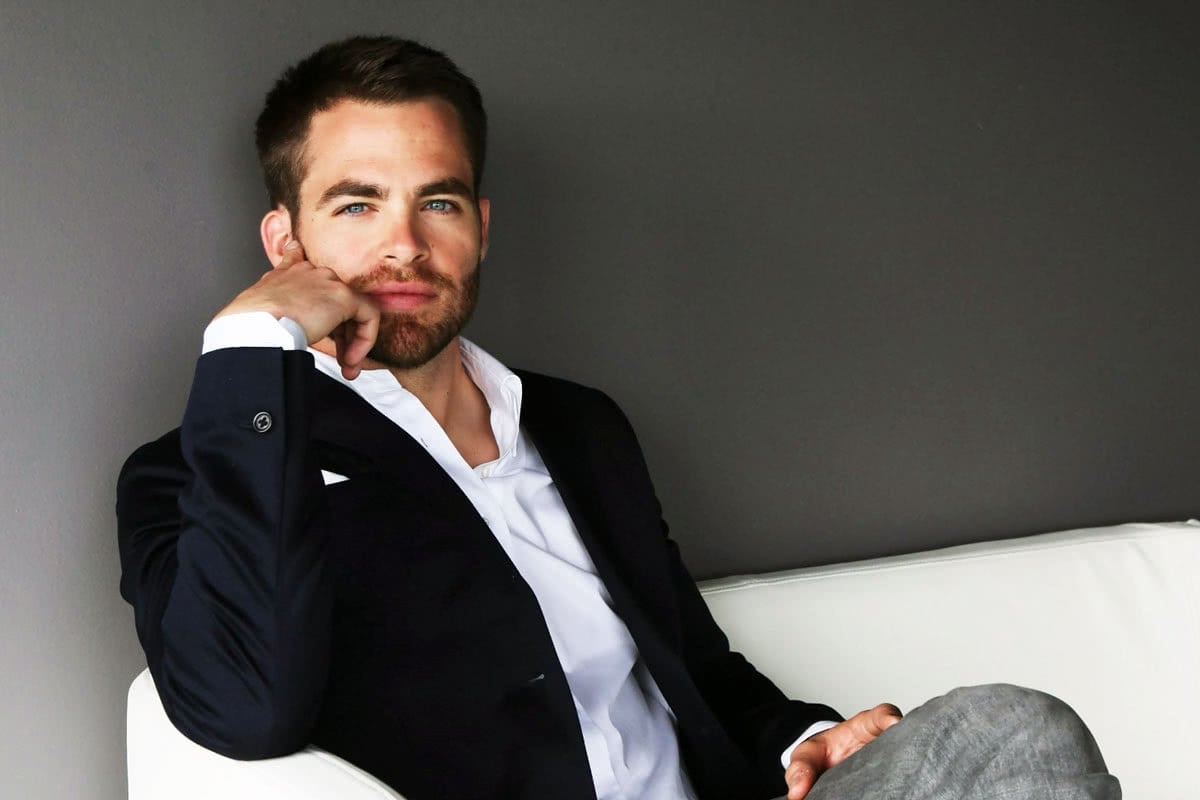
It is not casual either. Graphic T-shirts, hoodies, shorts in the city, running shoes and anything ripped all fall below the line.
And it is not formal with the tie removed. A full suit worn open-necked still reads as a suit. Swap the jacket for a blazer in a different cloth, or the trousers for chinos, and the outfit drops into the right register.
Six smart casual outfits for men
Let’s get one thing out of the way first: dressing smart casual doesn’t have to be expensive. While you can spend a lot of money on designer pieces and luxury items if you want to, you don’t necessarily have to.
Each look below is built from four pieces you can buy together. Treat them as formulas rather than uniforms: keep the shape, swap the brand.
Smart casual for work: a blazer with flannel trousers
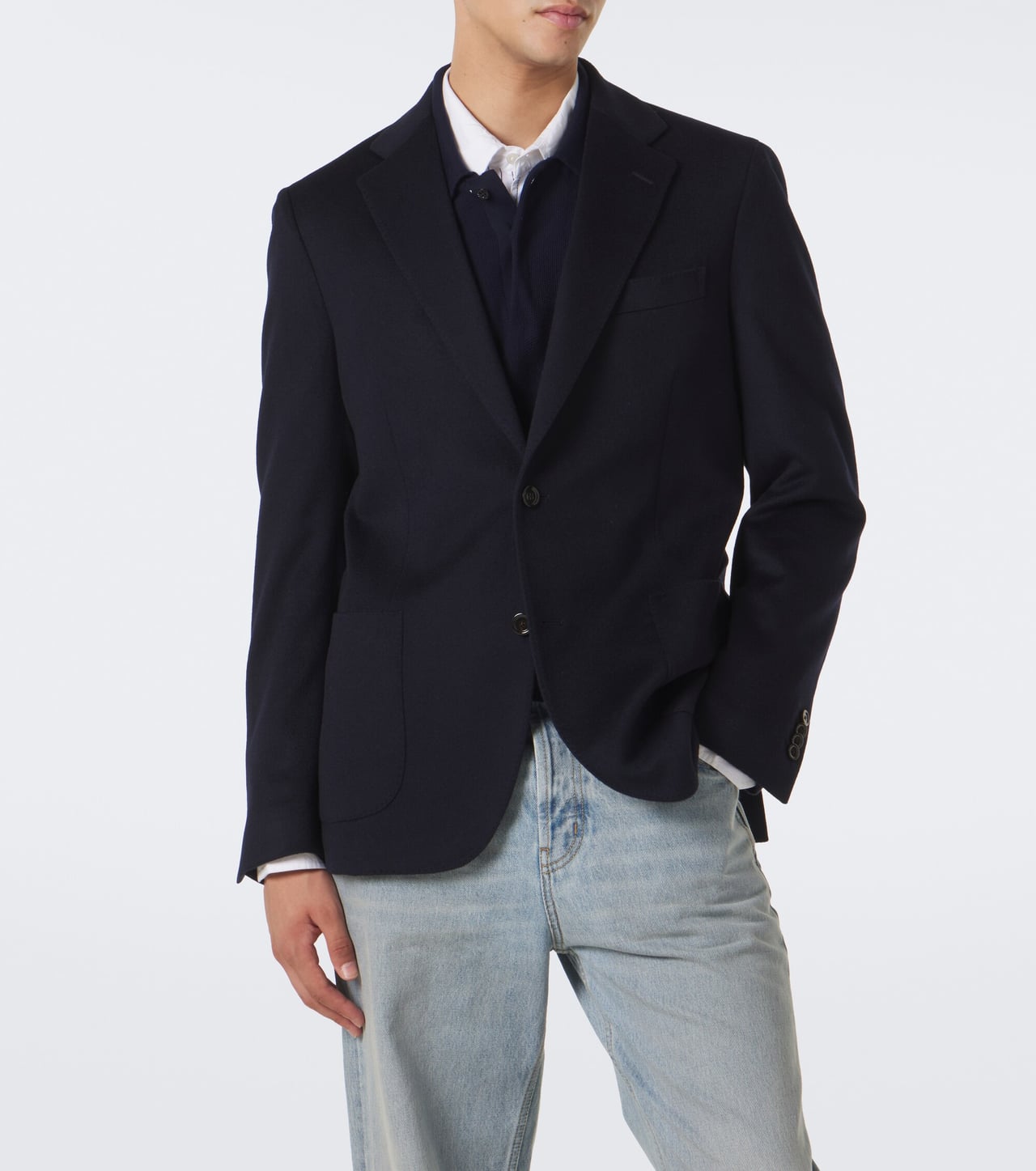
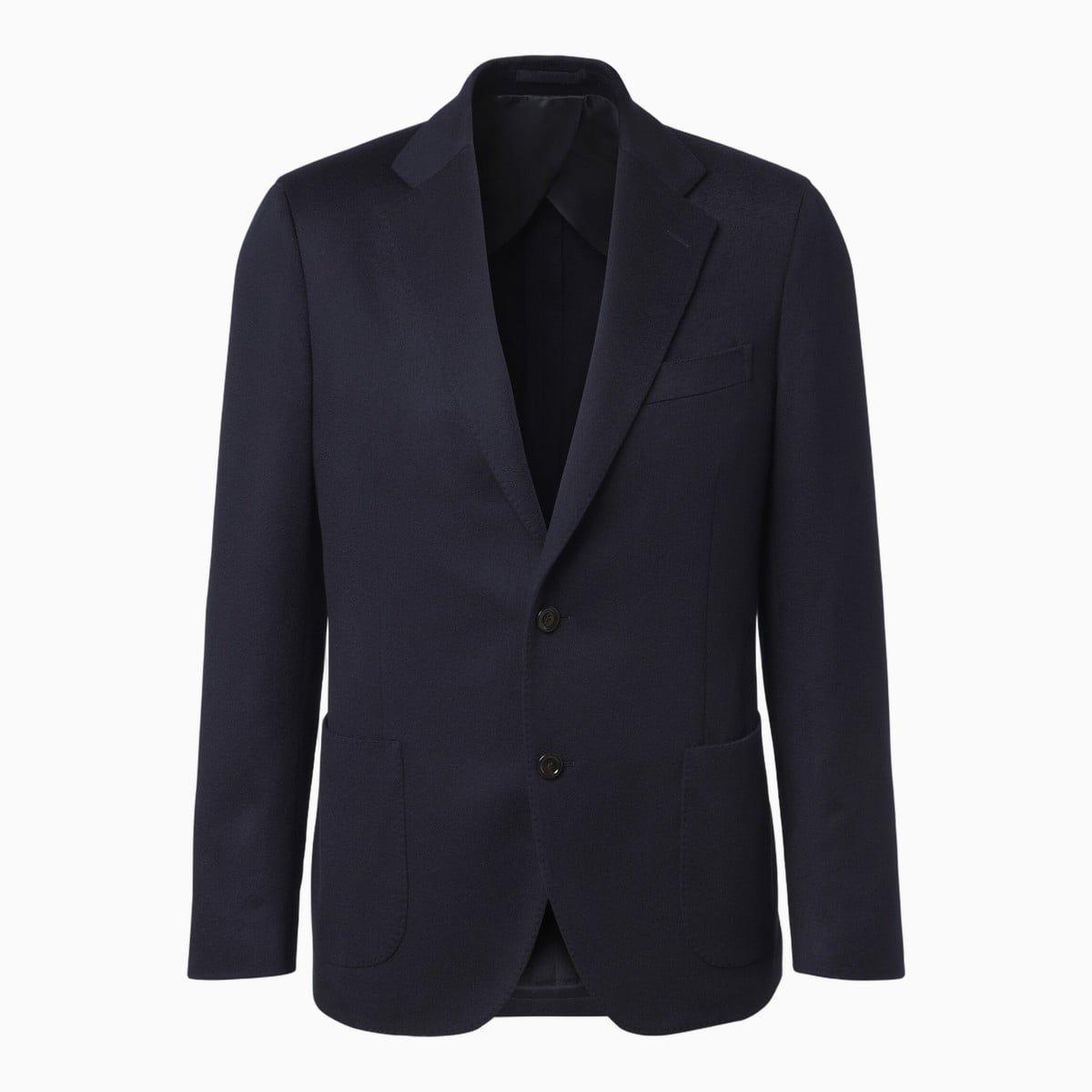
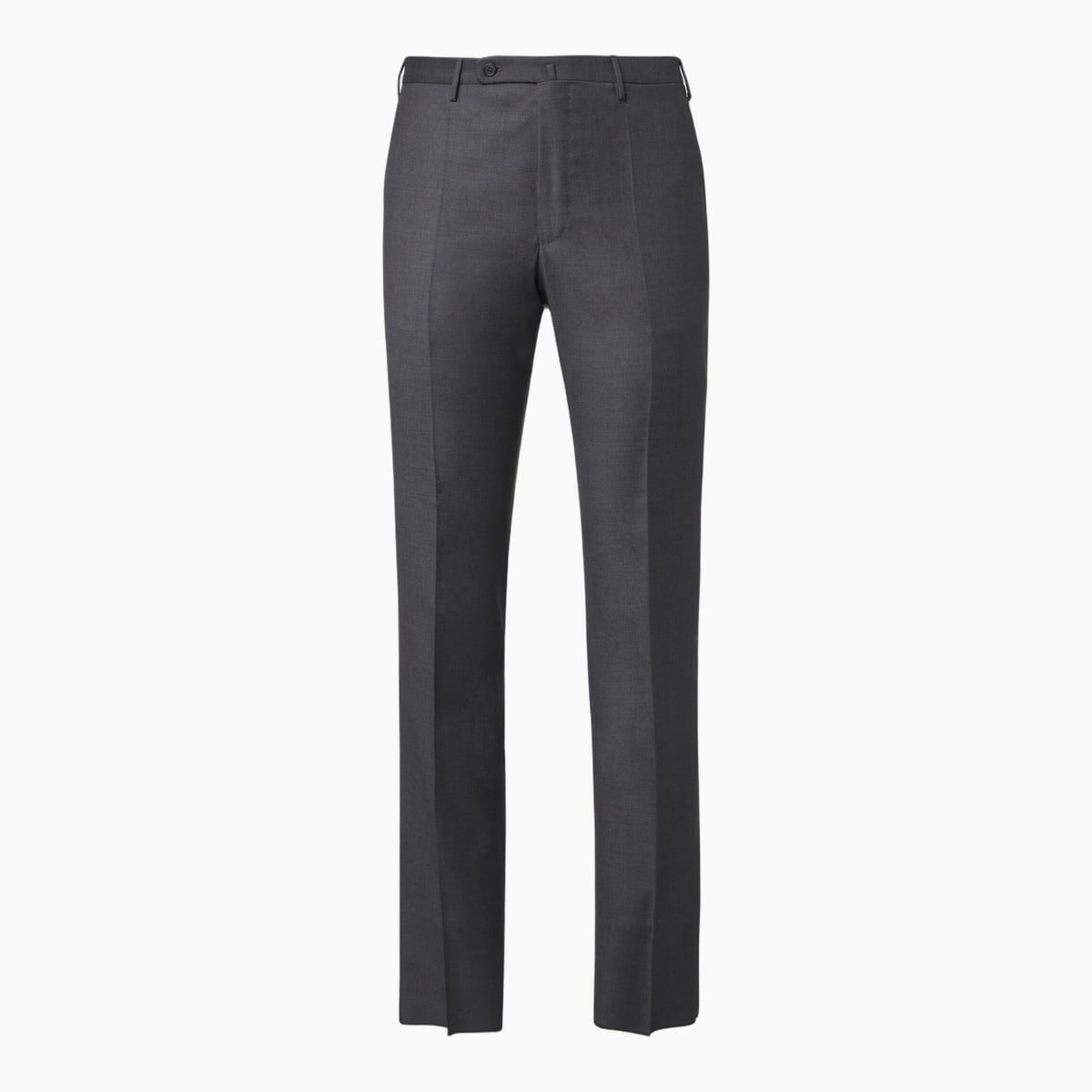
The office version of smart casual leans closest to business casual. A navy jacket, a light blue shirt and grey trousers is a combination that works from Monday to Friday, and it survives a last-minute meeting with a client.
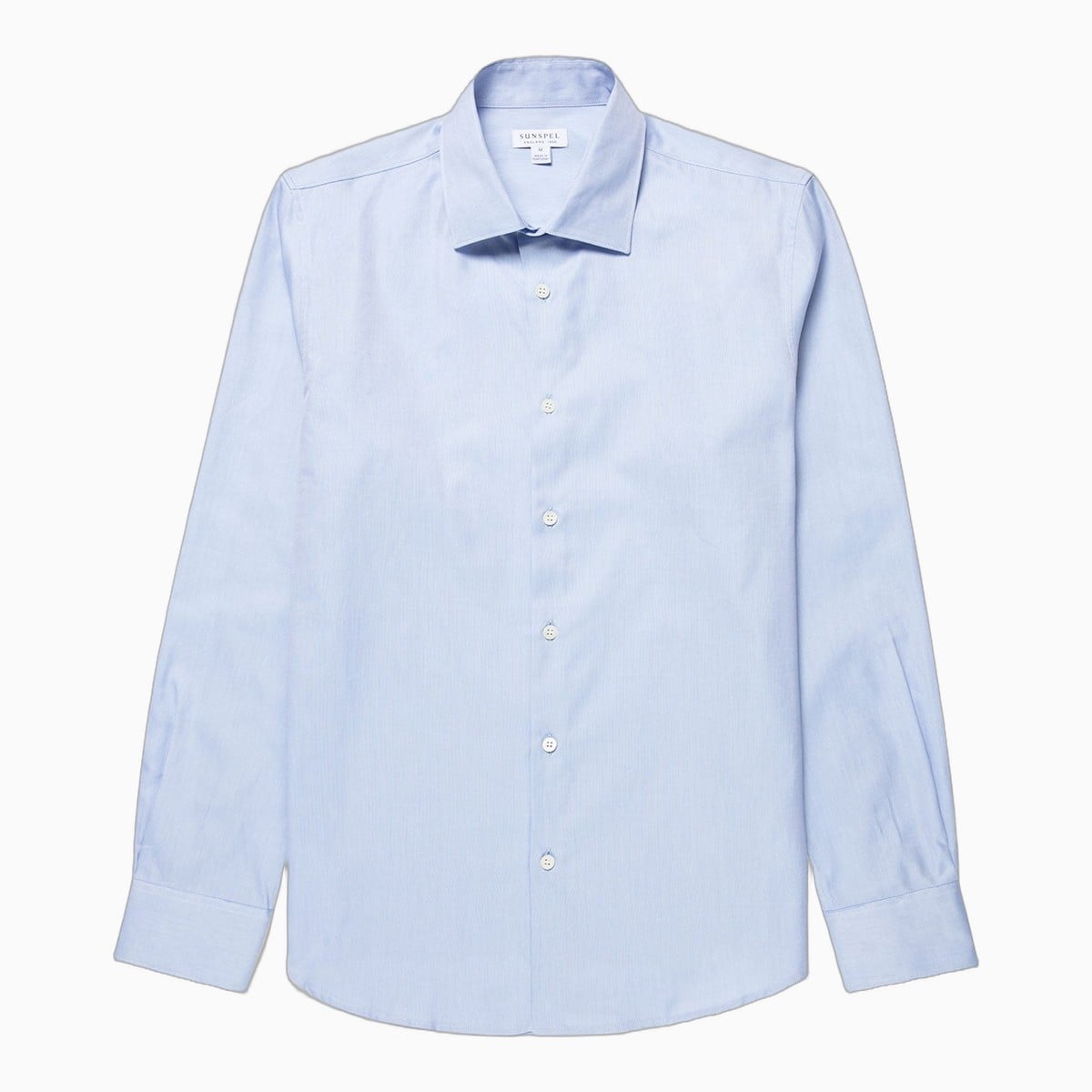
The Lardini cashmere blazer in blue does the heavy lifting. Cashmere gives it a softer hand than worsted wool. It reads relaxed rather than corporate. Underneath, the Sunspel Smart Oxford Shirt in light blue keeps a collar that stands up without a tie.
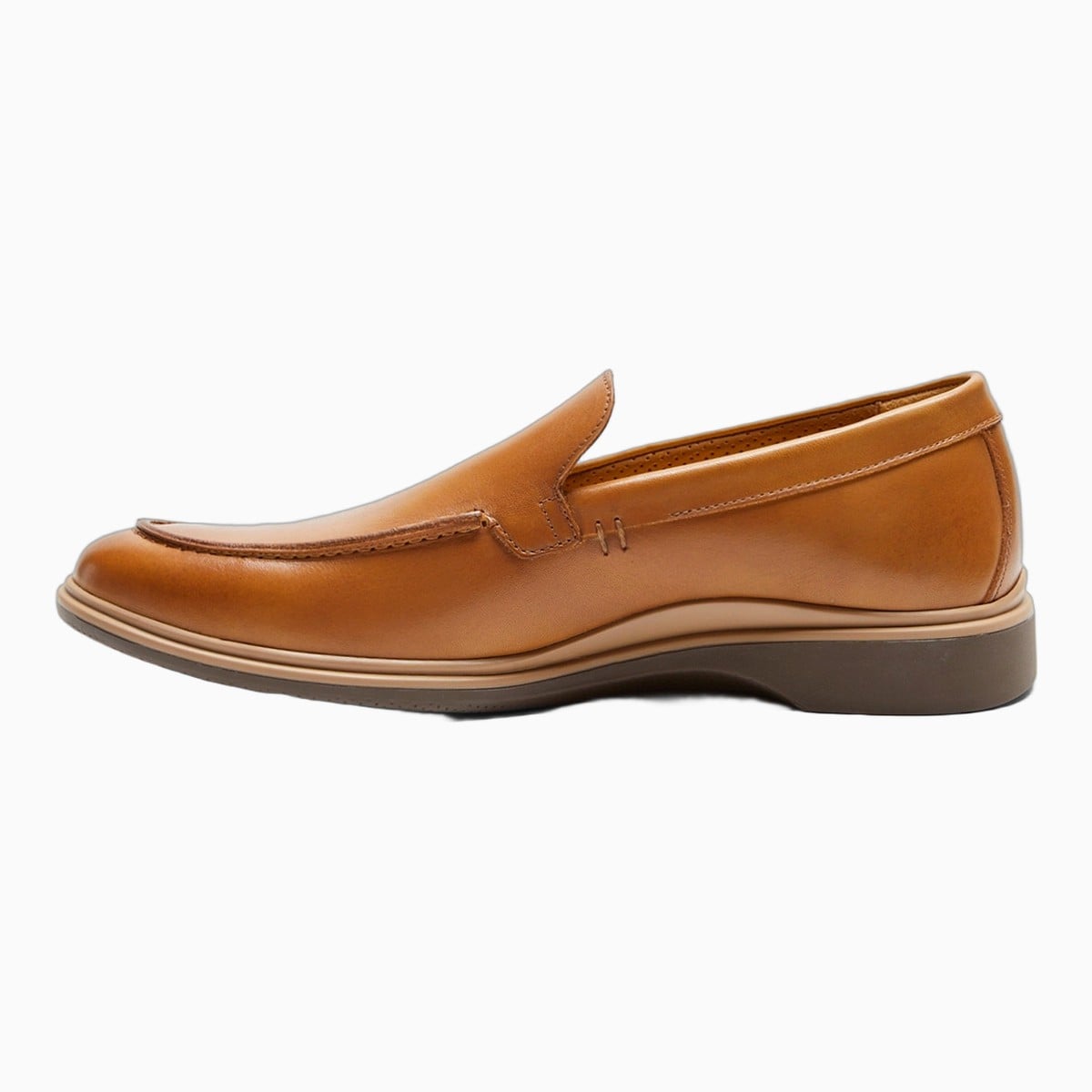
The Slowear grey virgin wool flannel trousers add a soft texture against the smooth shirt. Finish with Amberjack’s The Loafer in Honey, a slip-on that dresses down the jacket just enough. If your office leans formal, swap the loafers for a lace-up and keep everything else.
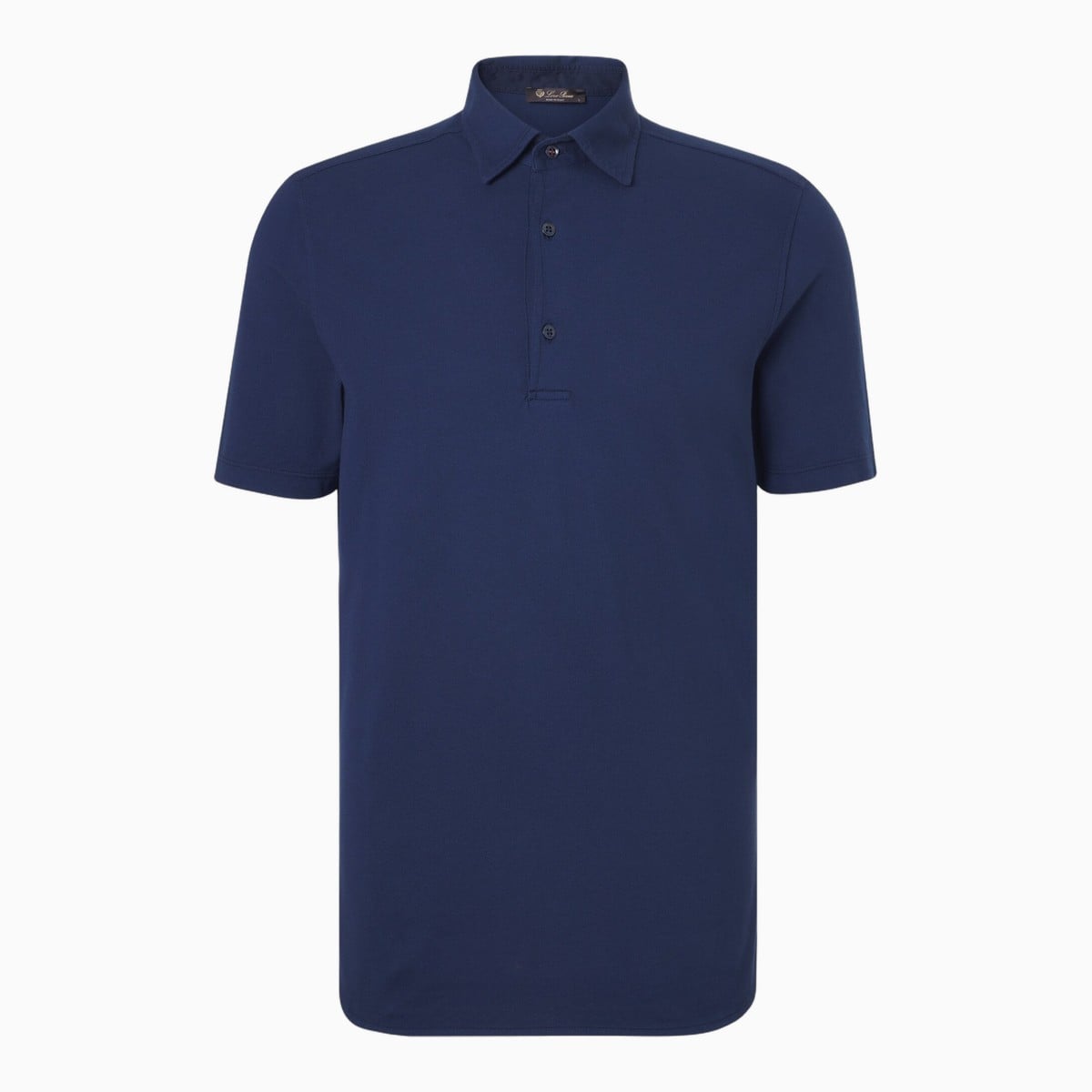
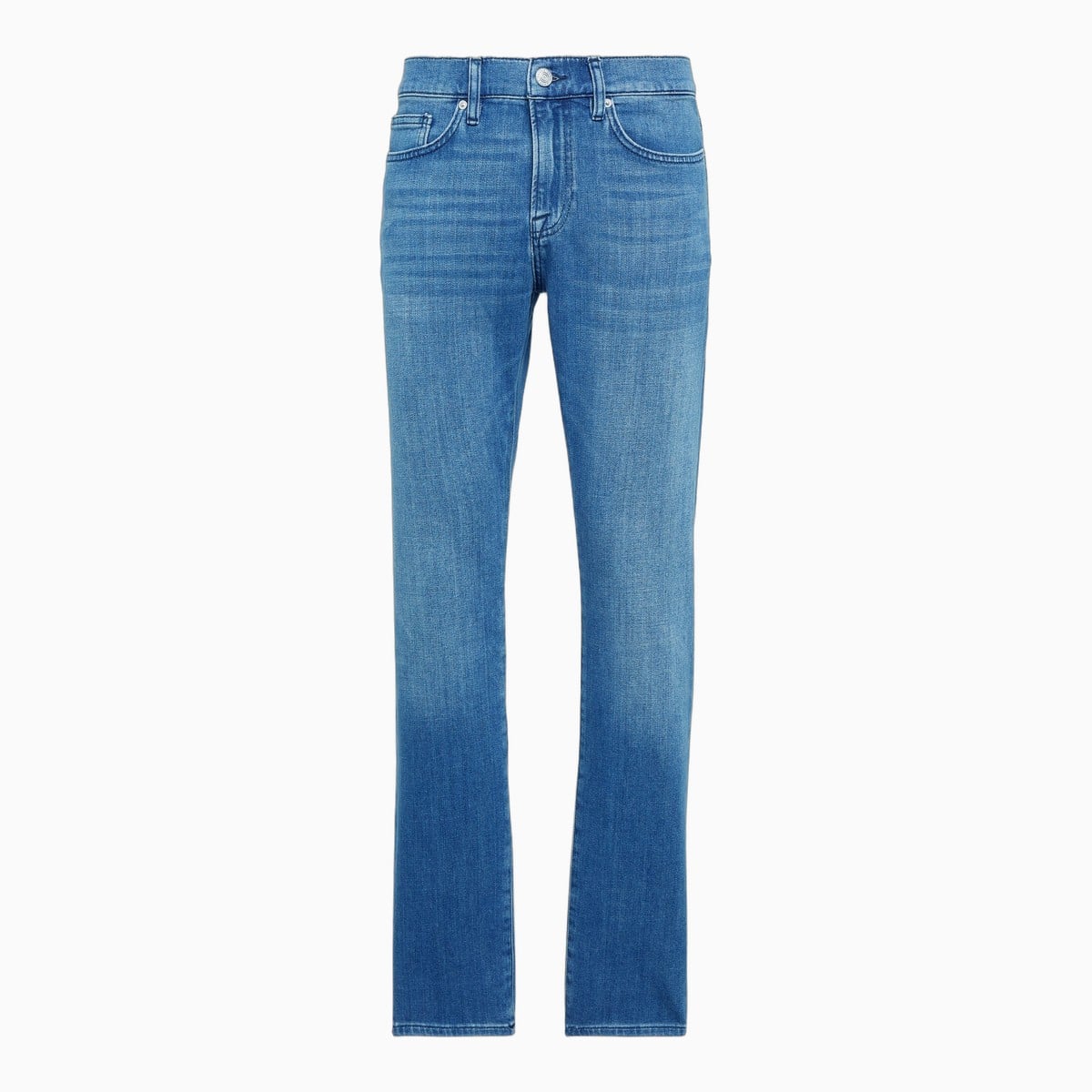
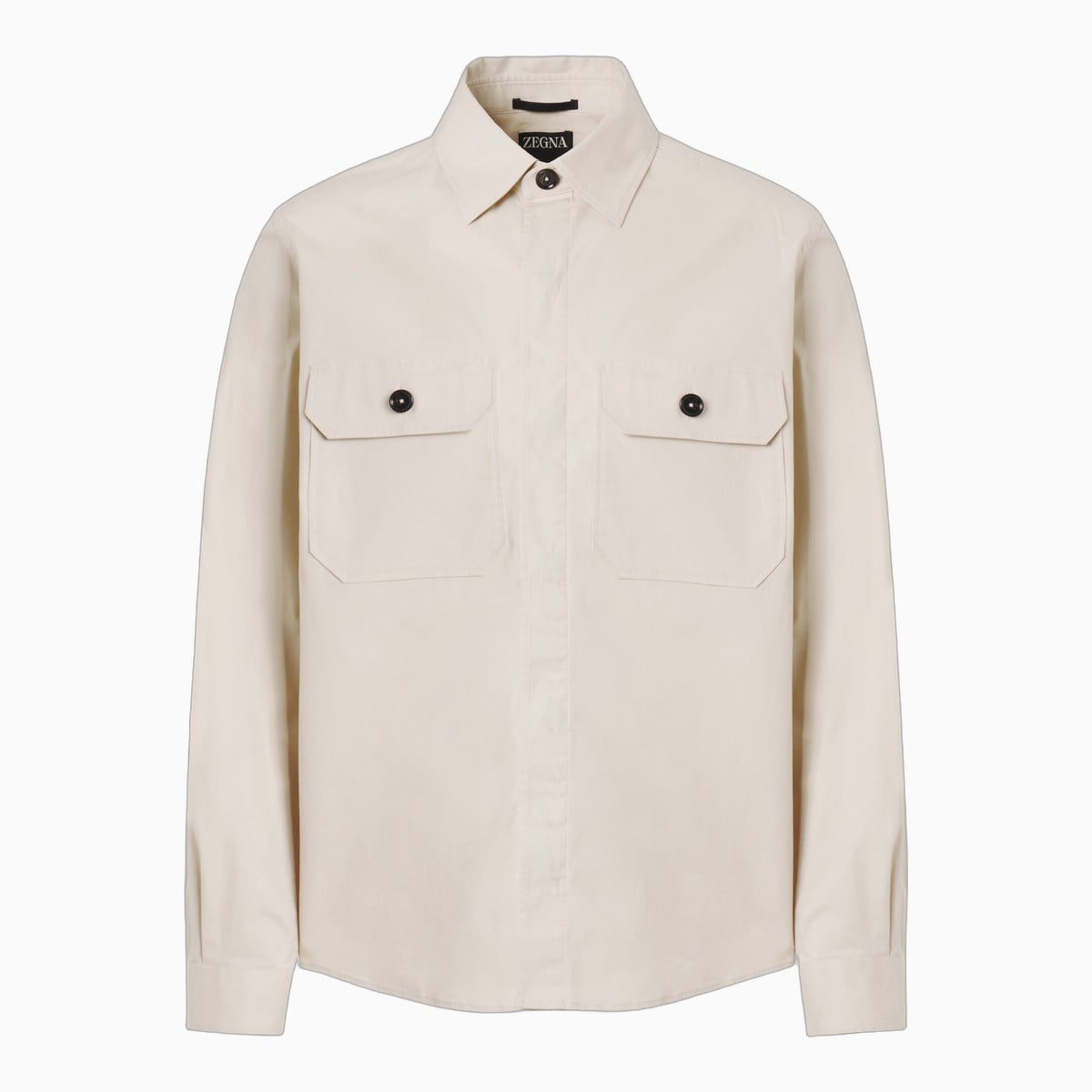
Smart casual for the weekend: a polo, an overshirt and dark denim
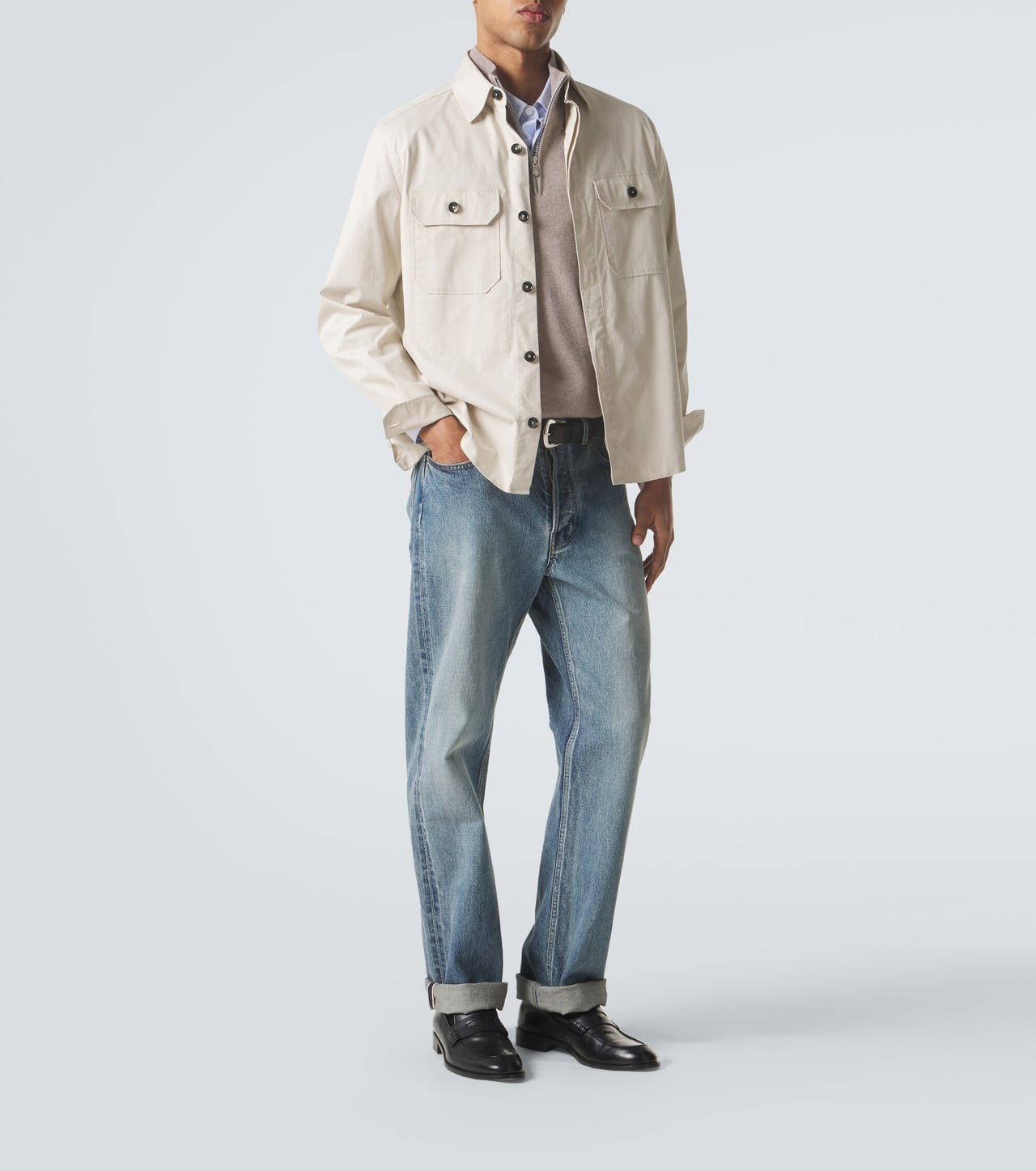
The weekend is where jeans earn their place in smart casual. Keep the wash dark or mid-blue, keep the leg straight or slim, and dress everything above them one notch up.
The Loro Piana Brenna cotton piqué polo in navy is the anchor. A polo has a collar, so it clears the smart casual bar that a T-shirt misses. FRAME’s L’Homme mid-rise slim jeans in blue sit underneath.
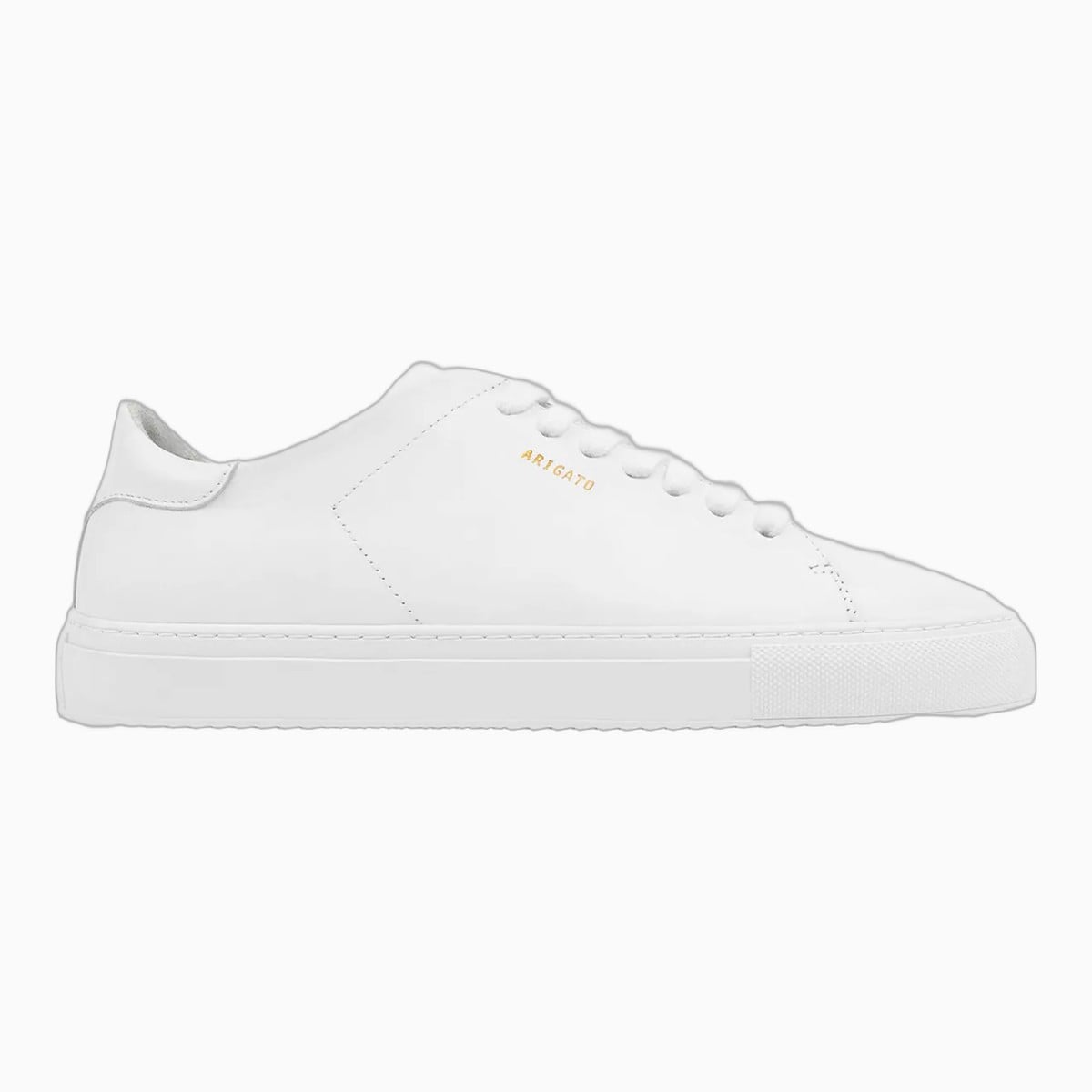
Instead of a blazer, layer the Zegna cotton-blend overshirt in beige. It does the job of a jacket on a Saturday without looking like you are heading to the office. The Axel Arigato Clean 90 sneaker in white is the one place this guide allows sneakers: clean white leather, no logos shouting, worn with everything else pressed.
Smart casual for dinner: dark knit, suede and Chelsea boots
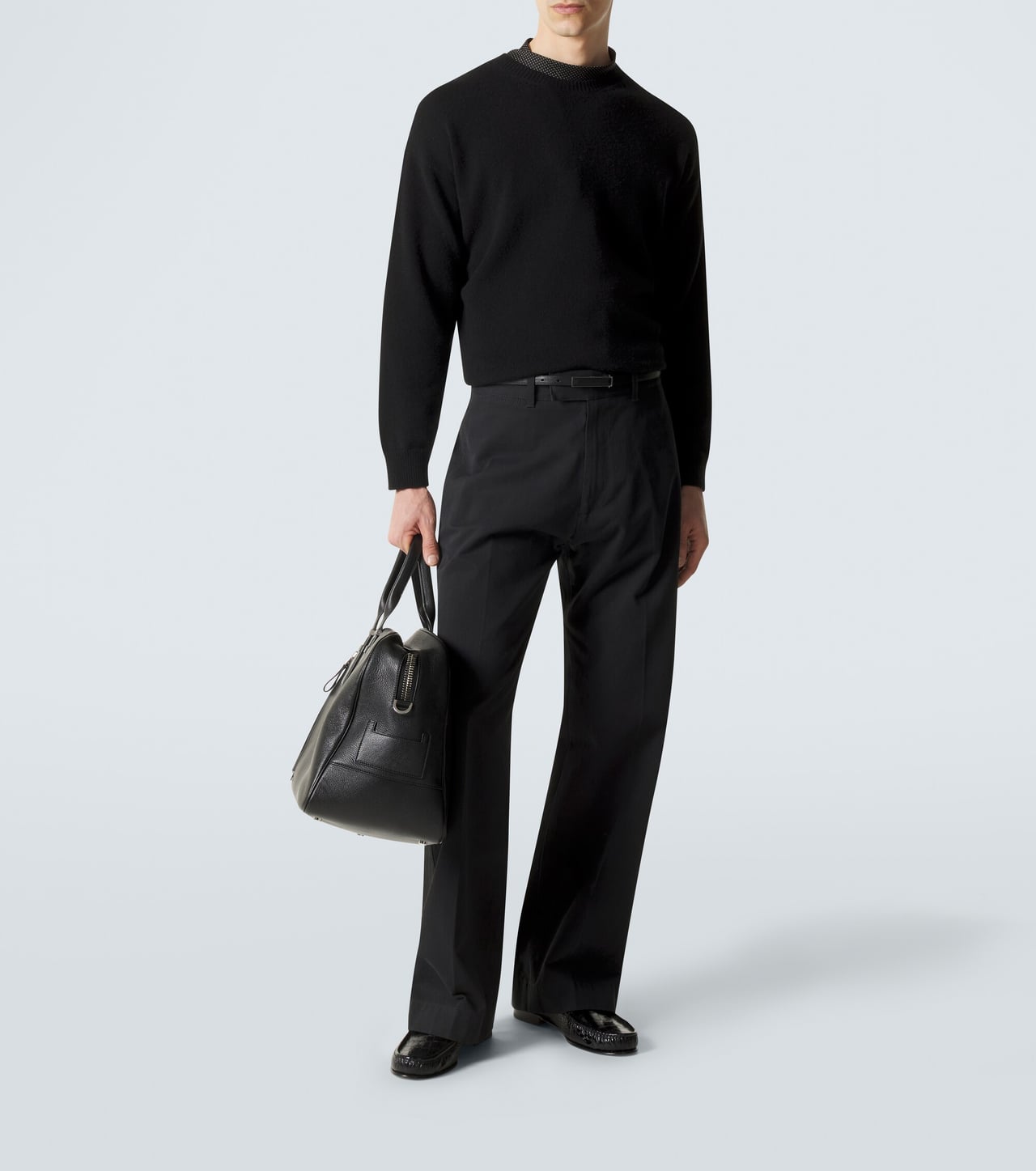
Dinner smart casual darkens the palette and adds texture. Restaurants at night are lit low, so black, chocolate and charcoal look richer than they do at noon, and suede catches the light where cotton goes flat.
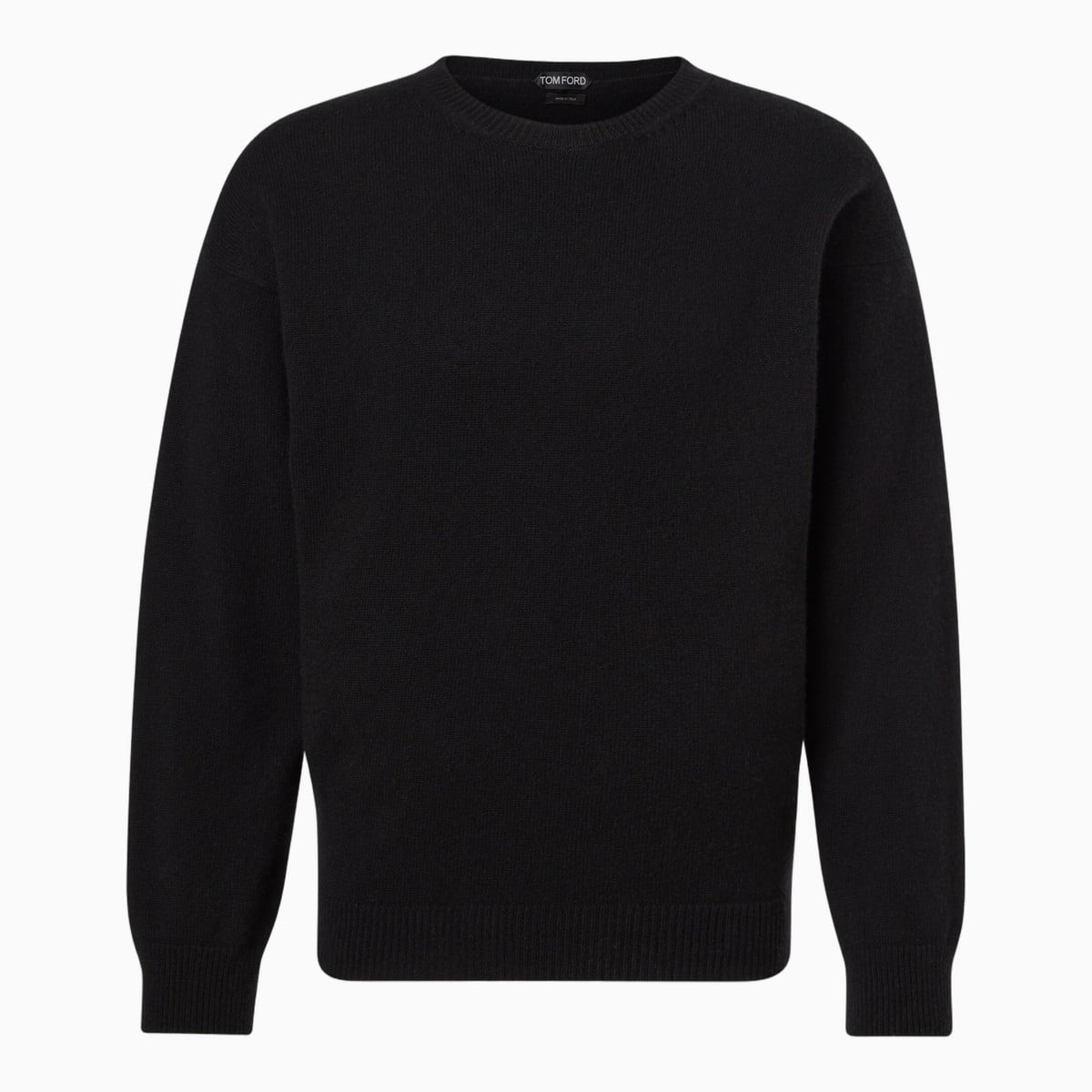
Start with the Tom Ford cashmere sweater in black. A fine crewneck knit replaces the shirt entirely. That swap is what separates dinner from the office. Layer the Brunello Cucinelli suede jacket in brown over it.
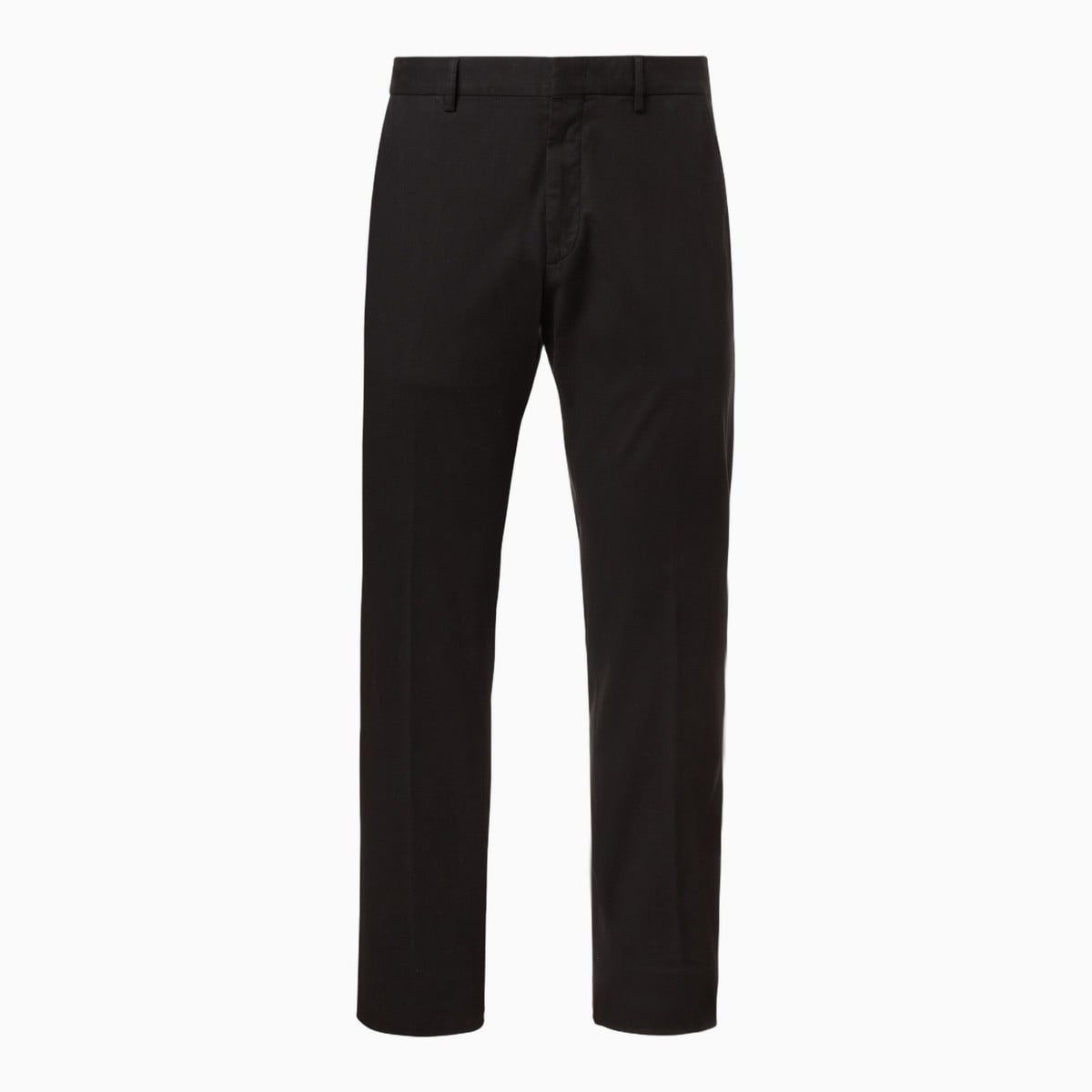
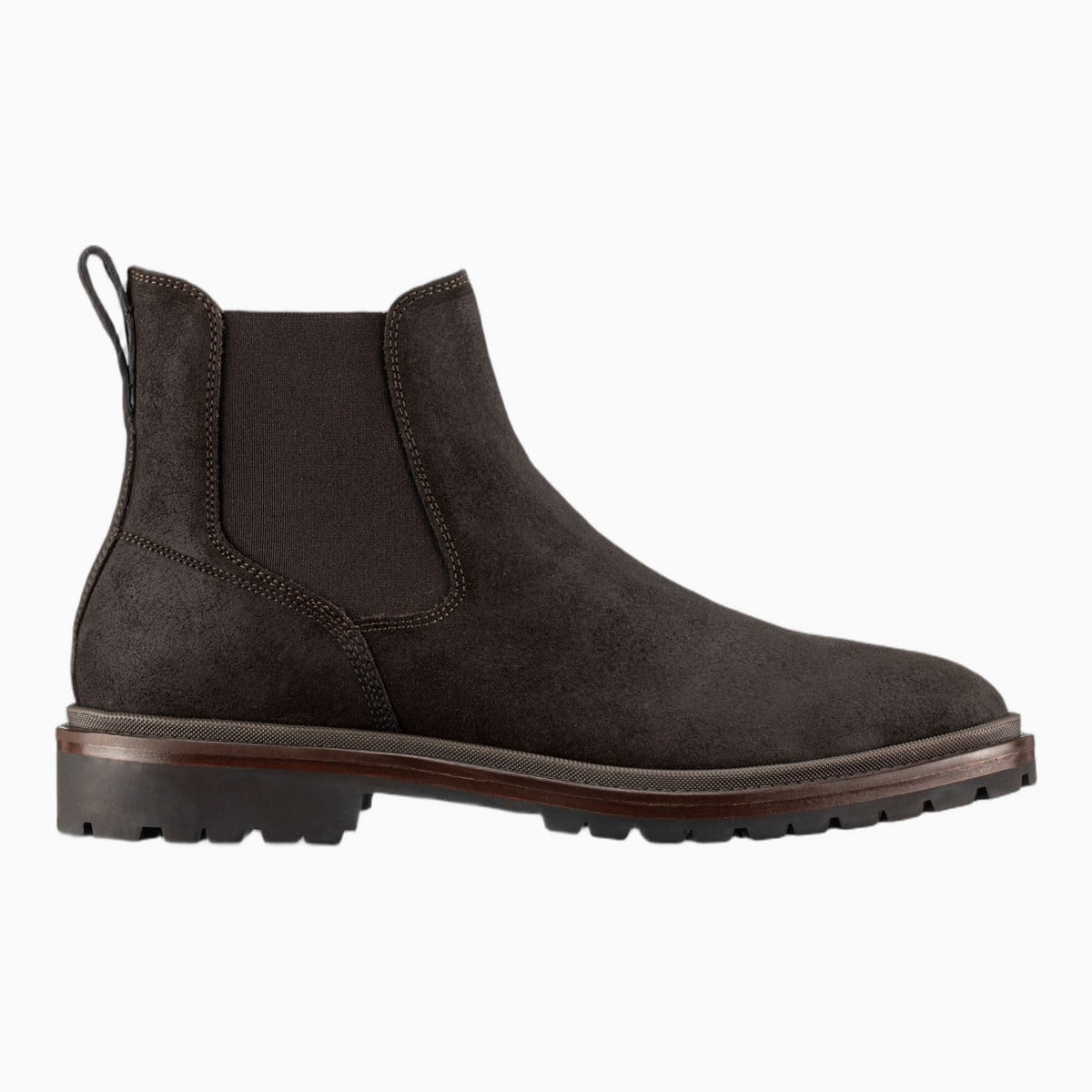
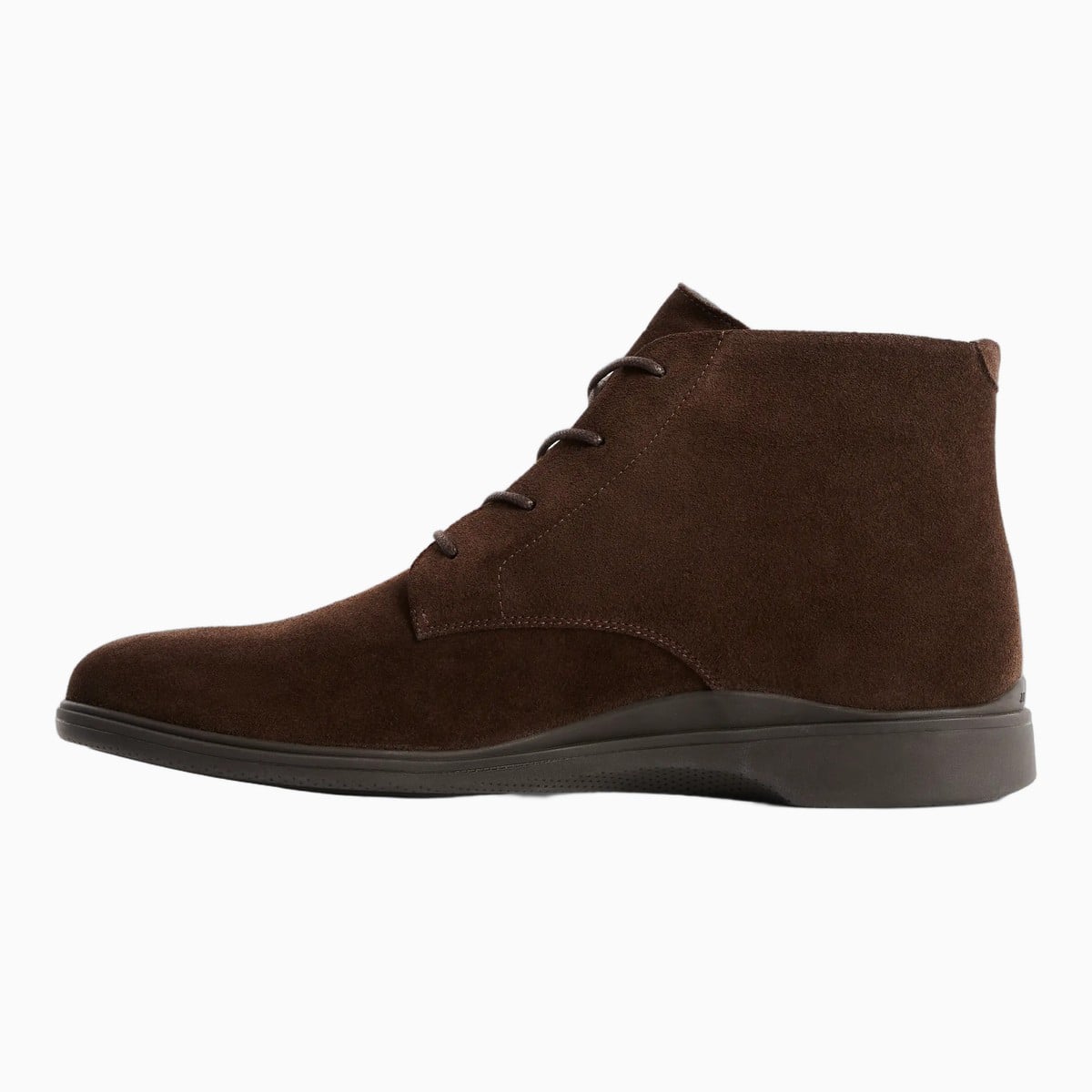
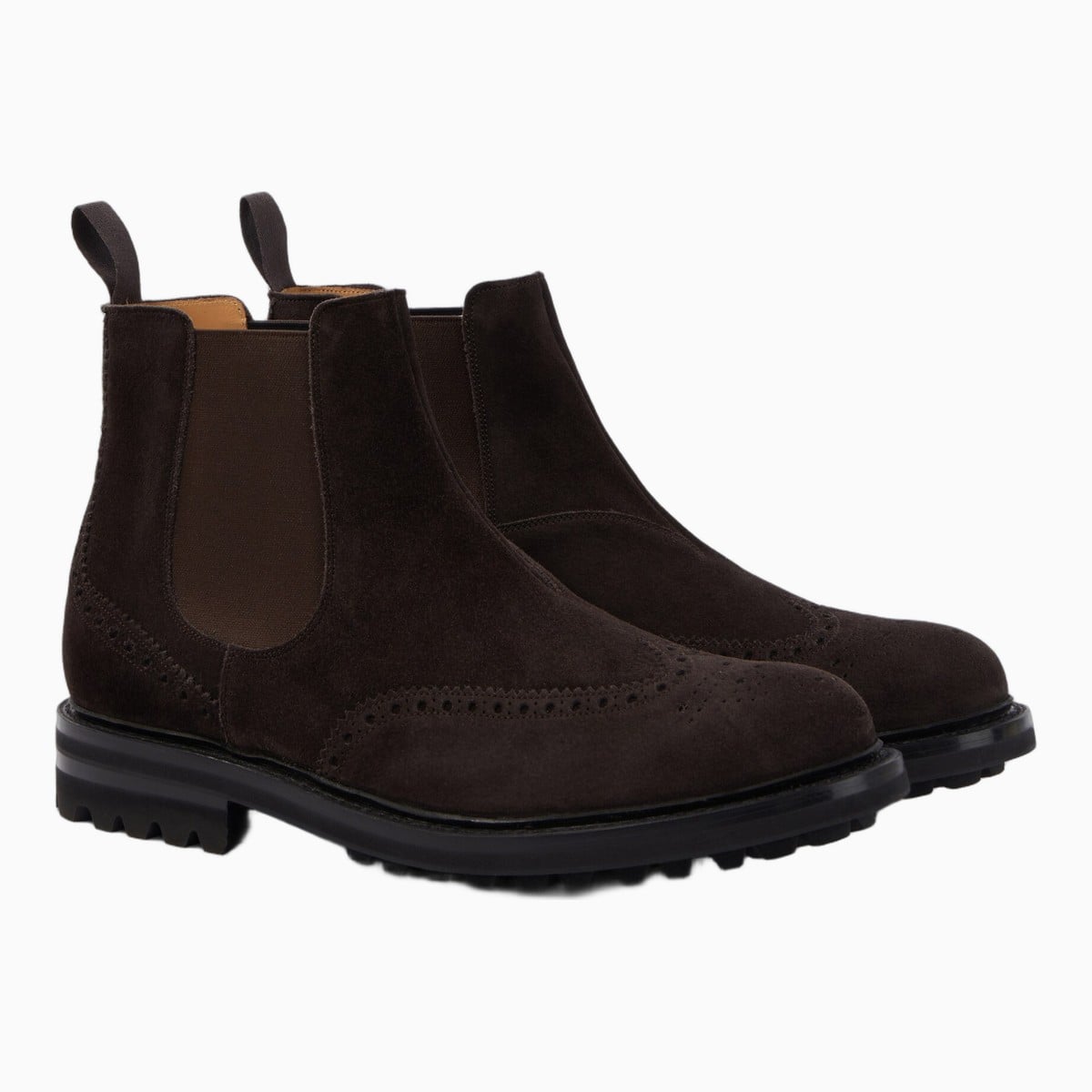
Zegna’s black cotton-blend slim trousers keep the line clean from waist to ankle. Koio’s Fermo suede boot in Pinecone finishes the look. A Chelsea boot gives you the polish of a dress shoe without laces to tie.
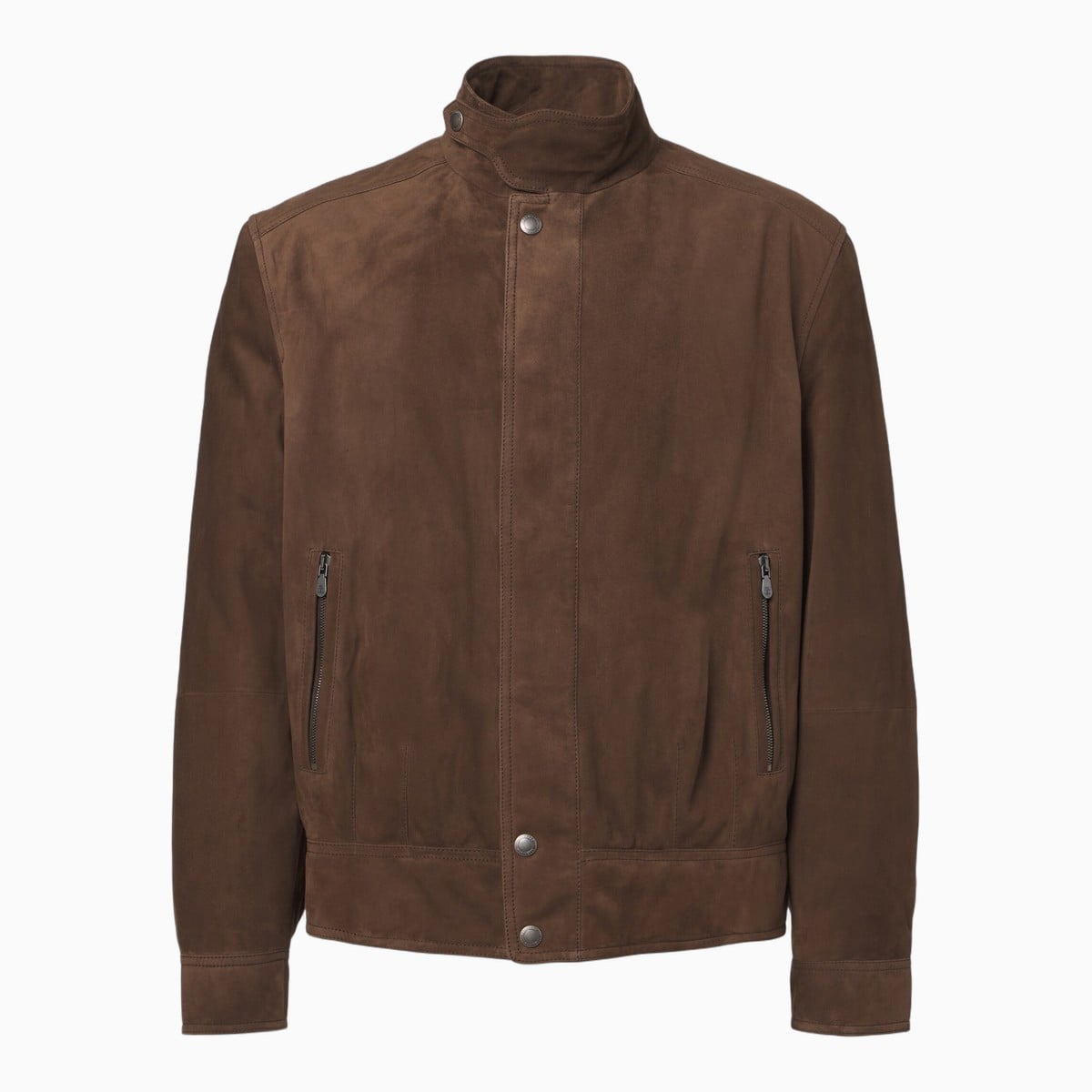
suede jacket
Smart casual for a wedding or event: a light jacket, no tie
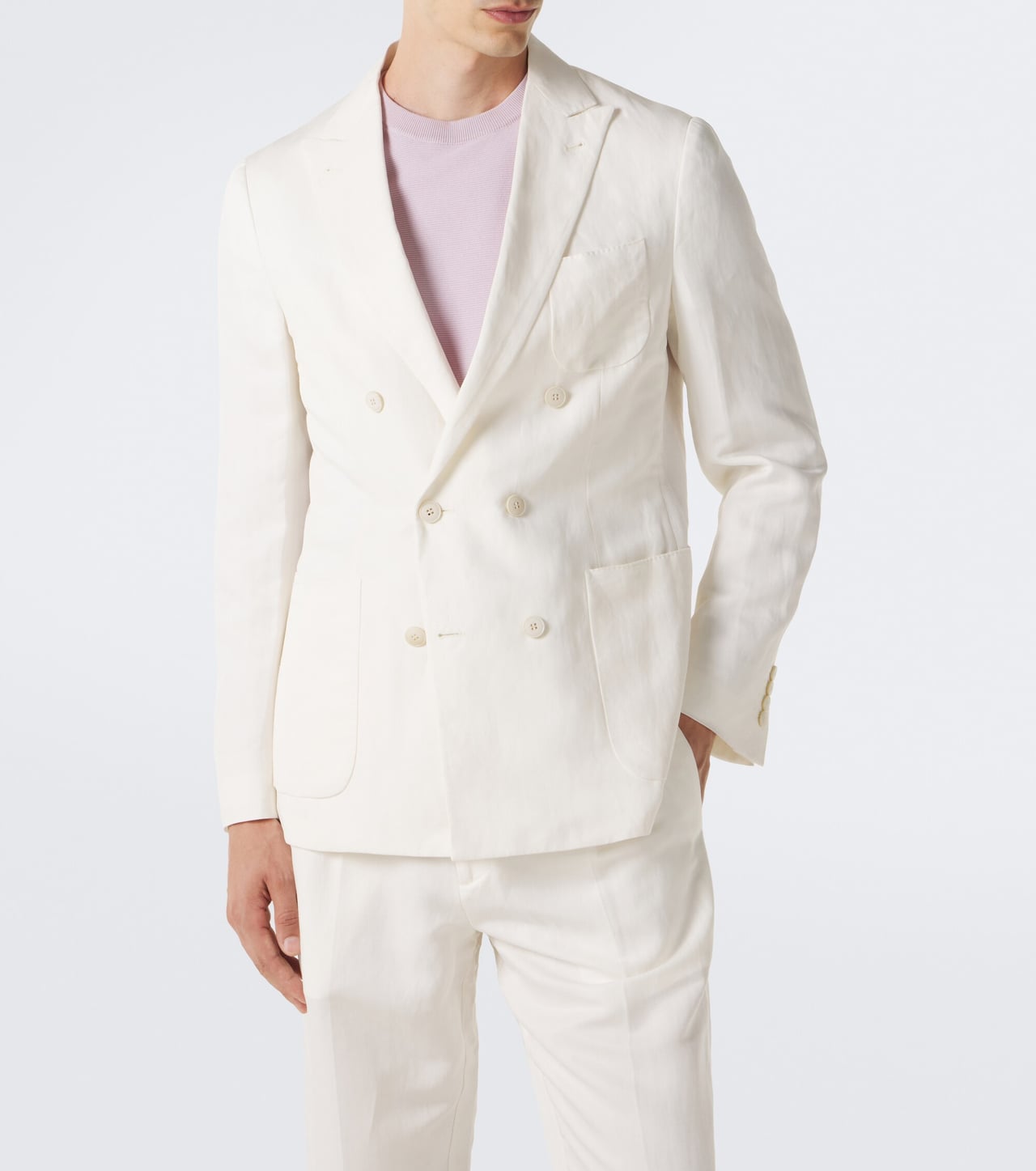
A wedding that asks for smart casual expects more effort than a dinner and less than a suit. Chinos or tailored trousers replace jeans, the jacket is non-negotiable, and a tie goes in your pocket just in case.
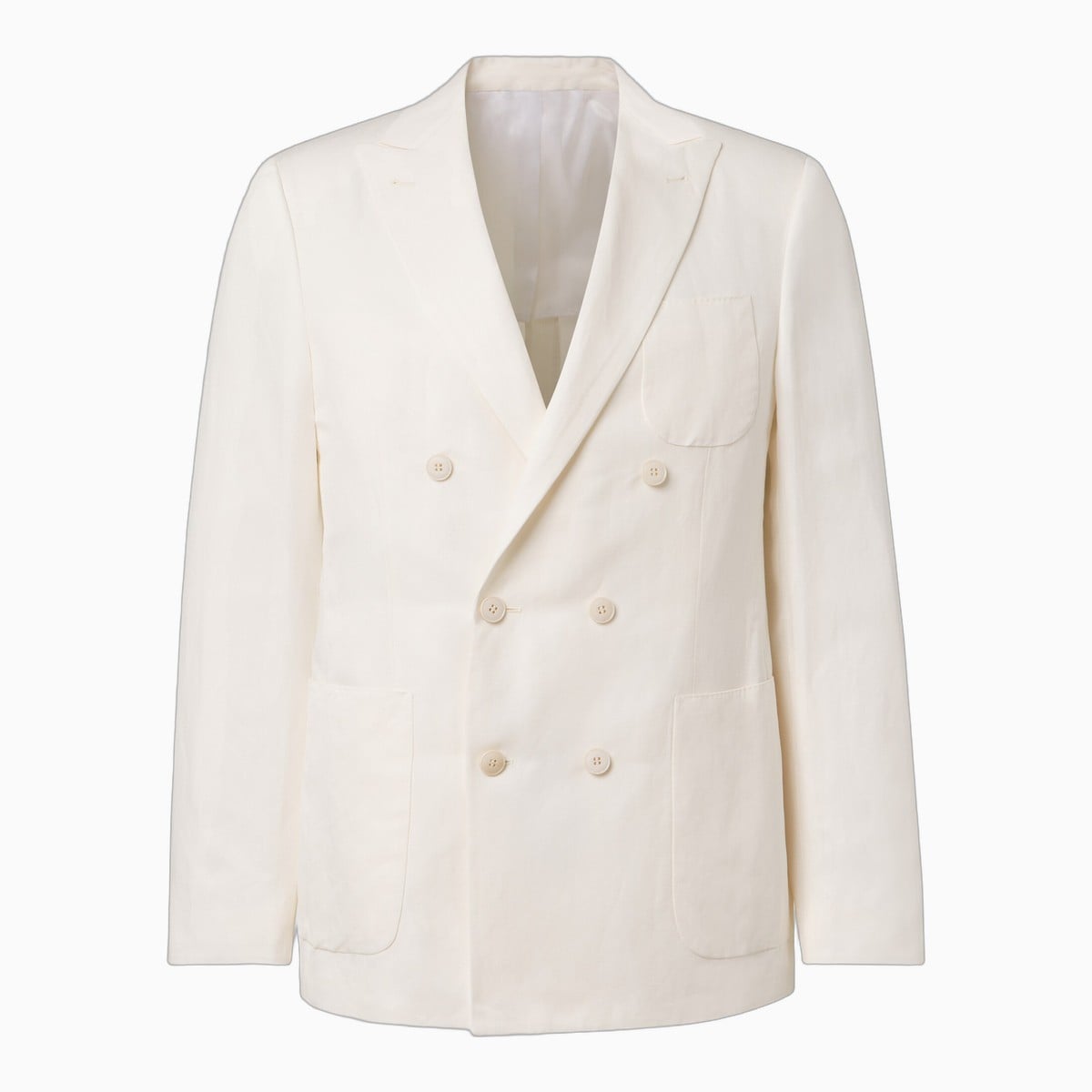
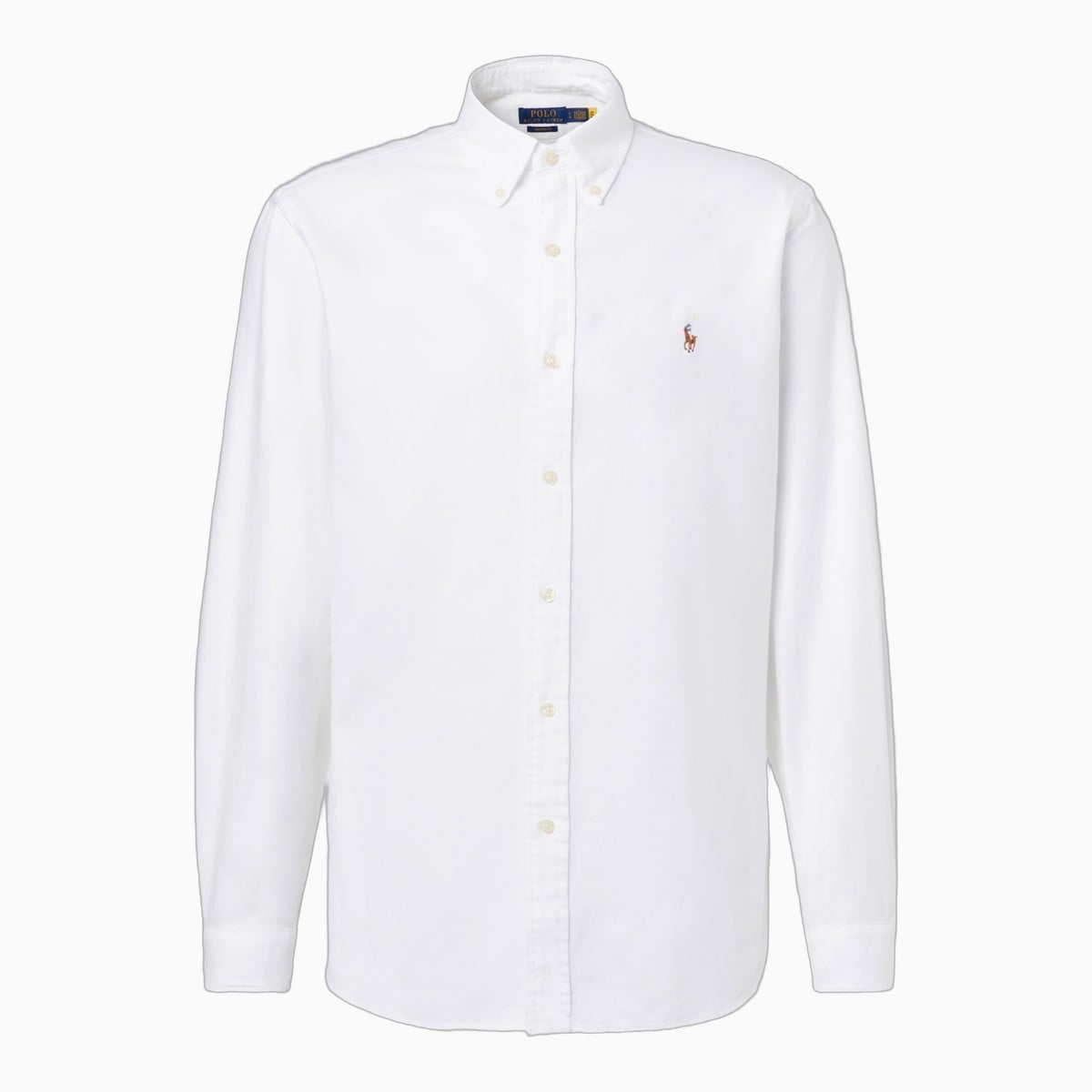
The Canali double-breasted blazer in white linen and silk is built for a daytime ceremony. Wear it with the Polo Ralph Lauren cotton oxford shirt in white, collar open.
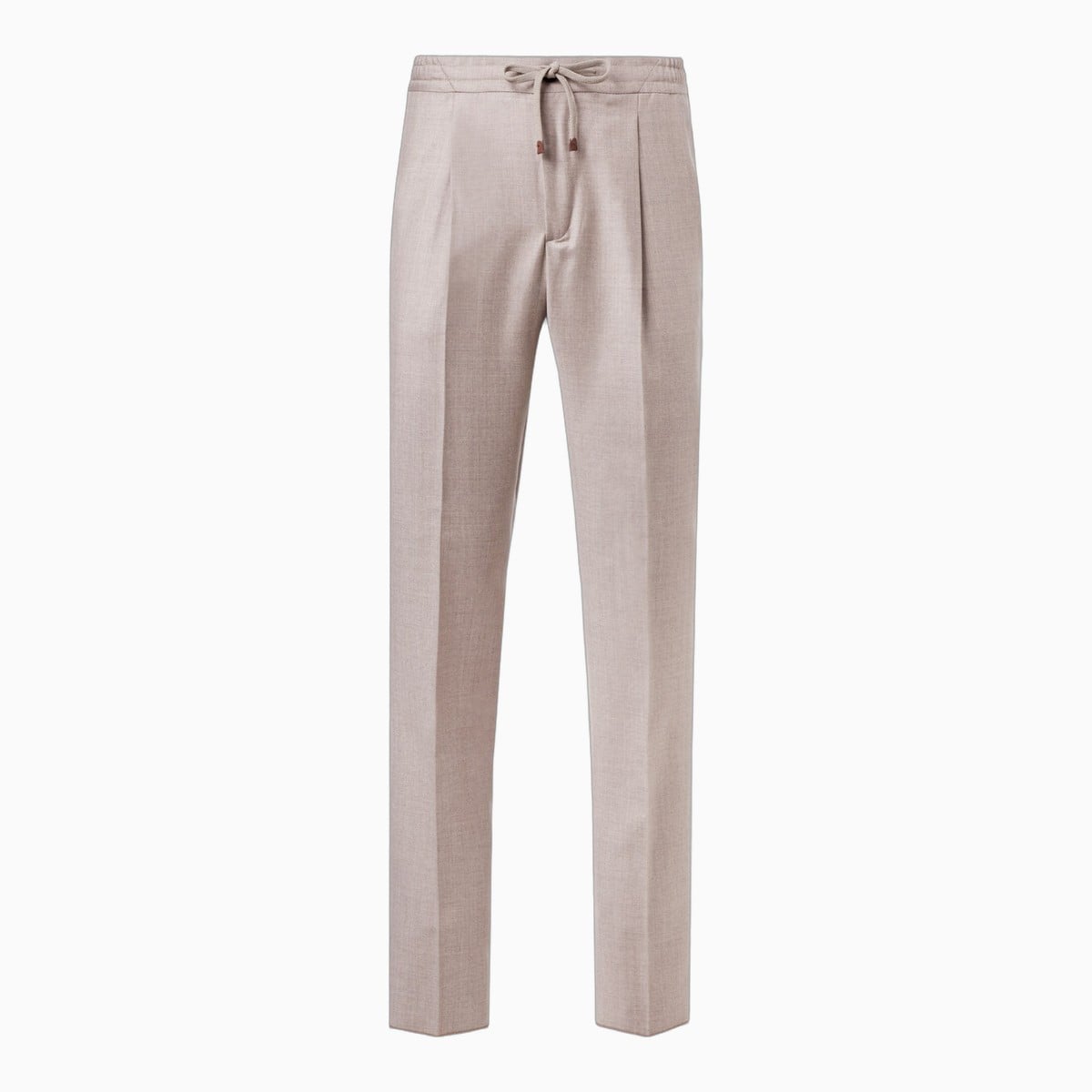
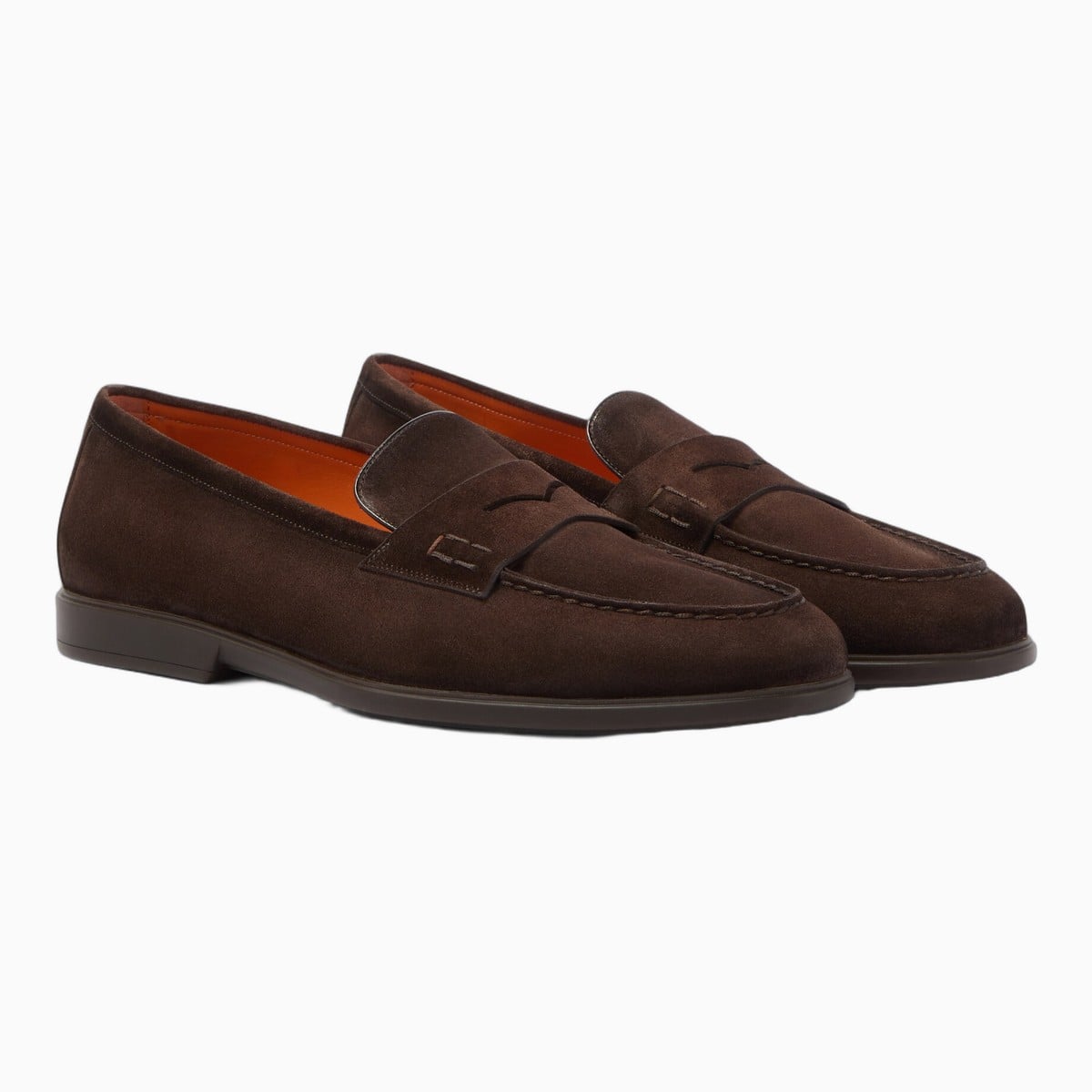
Slowear’s beige virgin wool flannel trousers keep the palette pale without matching the jacket. A white jacket over white trousers starts to look like a suit, and that is the one thing smart casual should avoid. Santoni’s Milo suede penny loafers in brown ground the outfit.
Check the invitation for colors before you commit. A white jacket is a classic summer choice, but if the couple has asked guests to avoid white, switch to one of the navy blazers in the wardrobe section below.
Smart casual in summer: linen, drivers and aviators
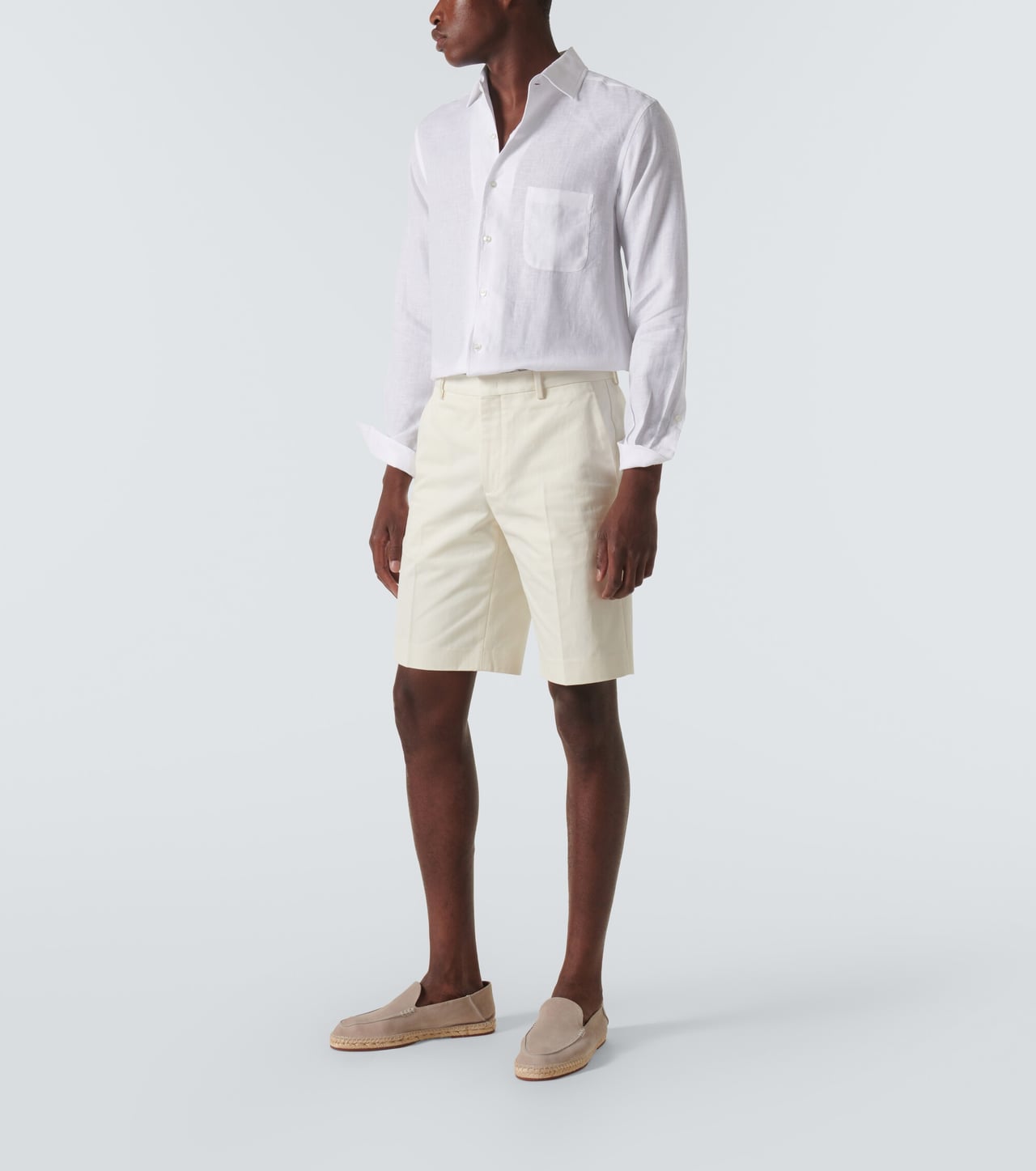
Summer smart casual swaps wool for linen and lets the colors go pale. A beach party in the same code even allows tailored shorts with a tucked-in shirt.
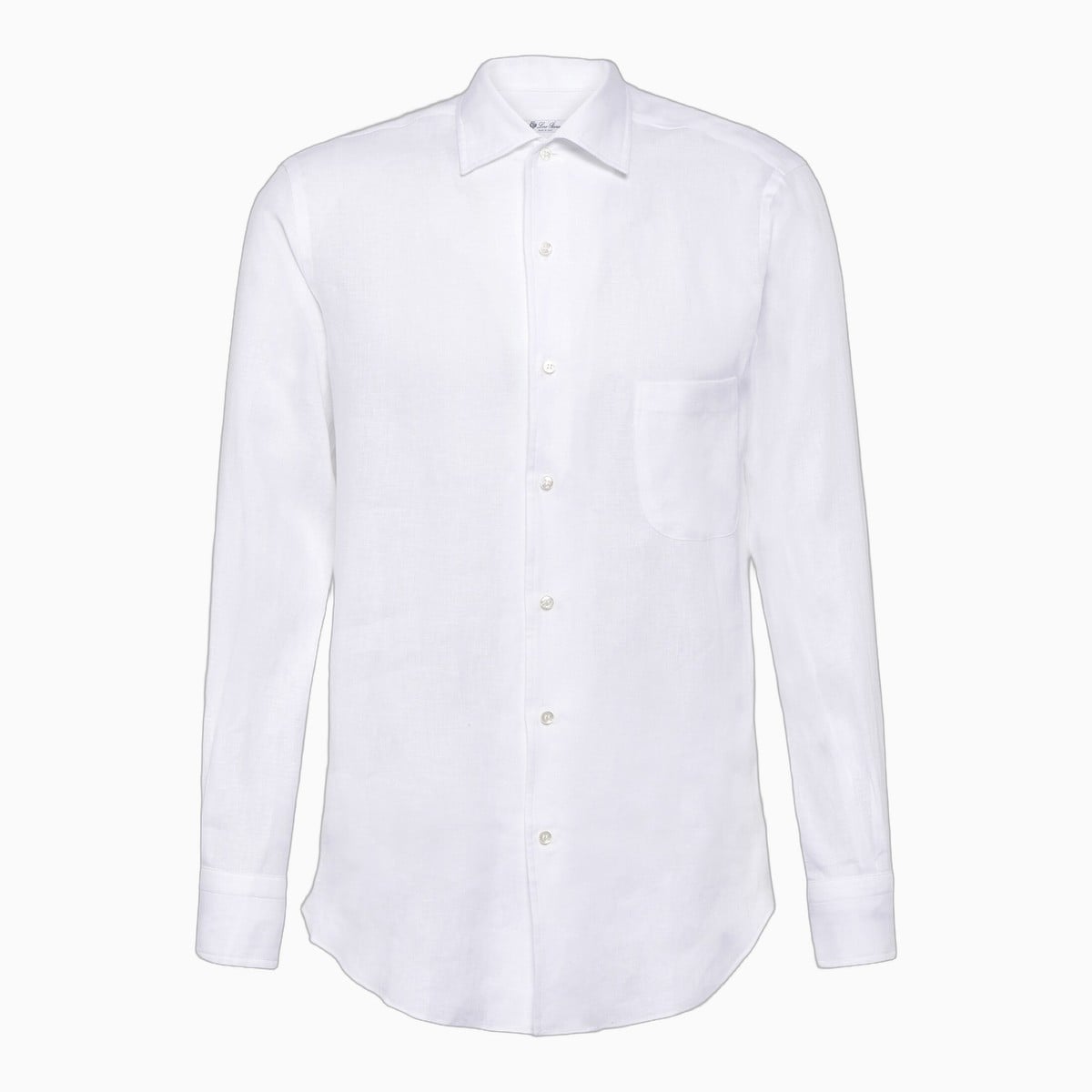
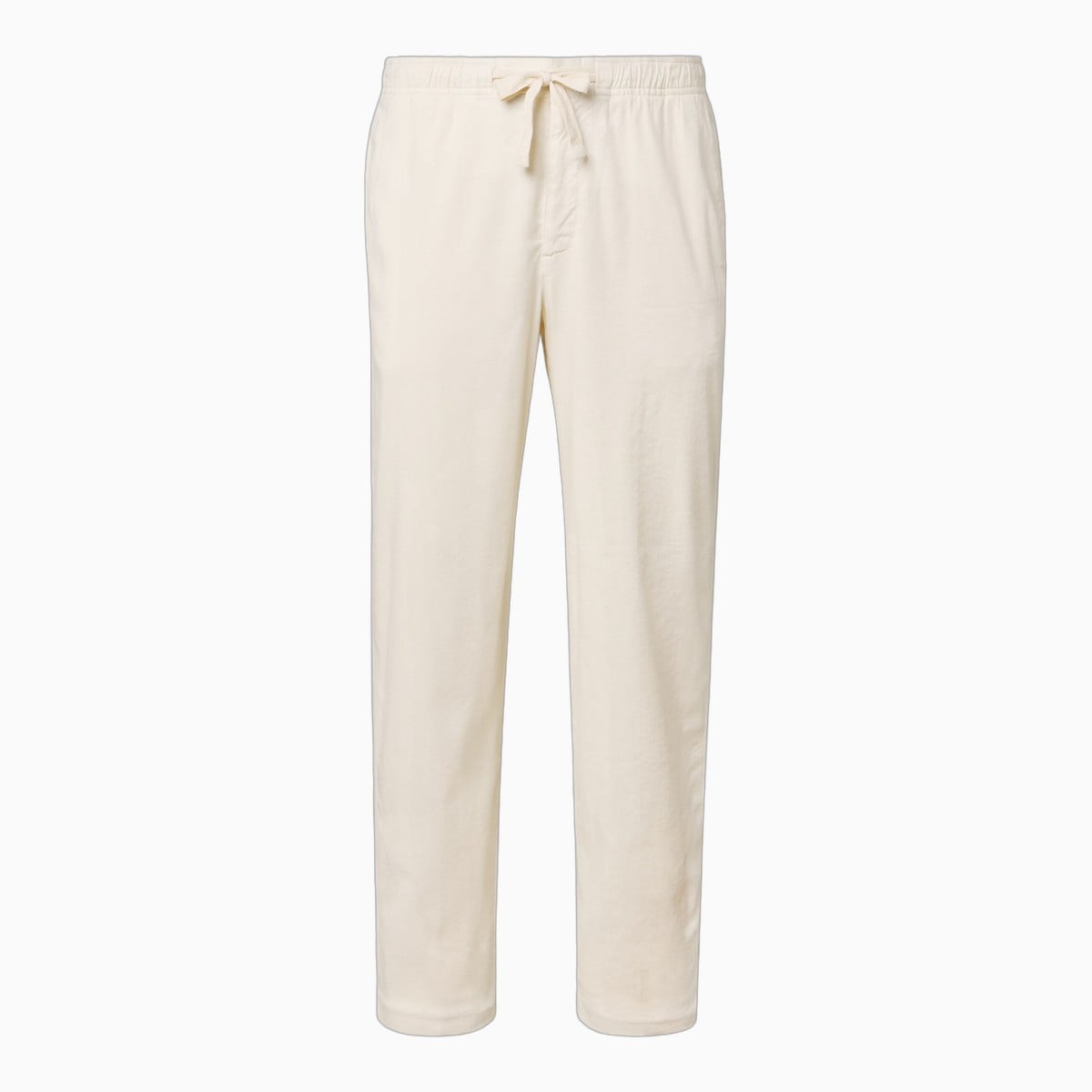
Loro Piana’s André linen shirt in white is the base. Linen creases, and in summer that crease is part of the look. Orlebar Brown’s Alex linen-blend pants in white turn it into a full outfit for a terrace lunch.
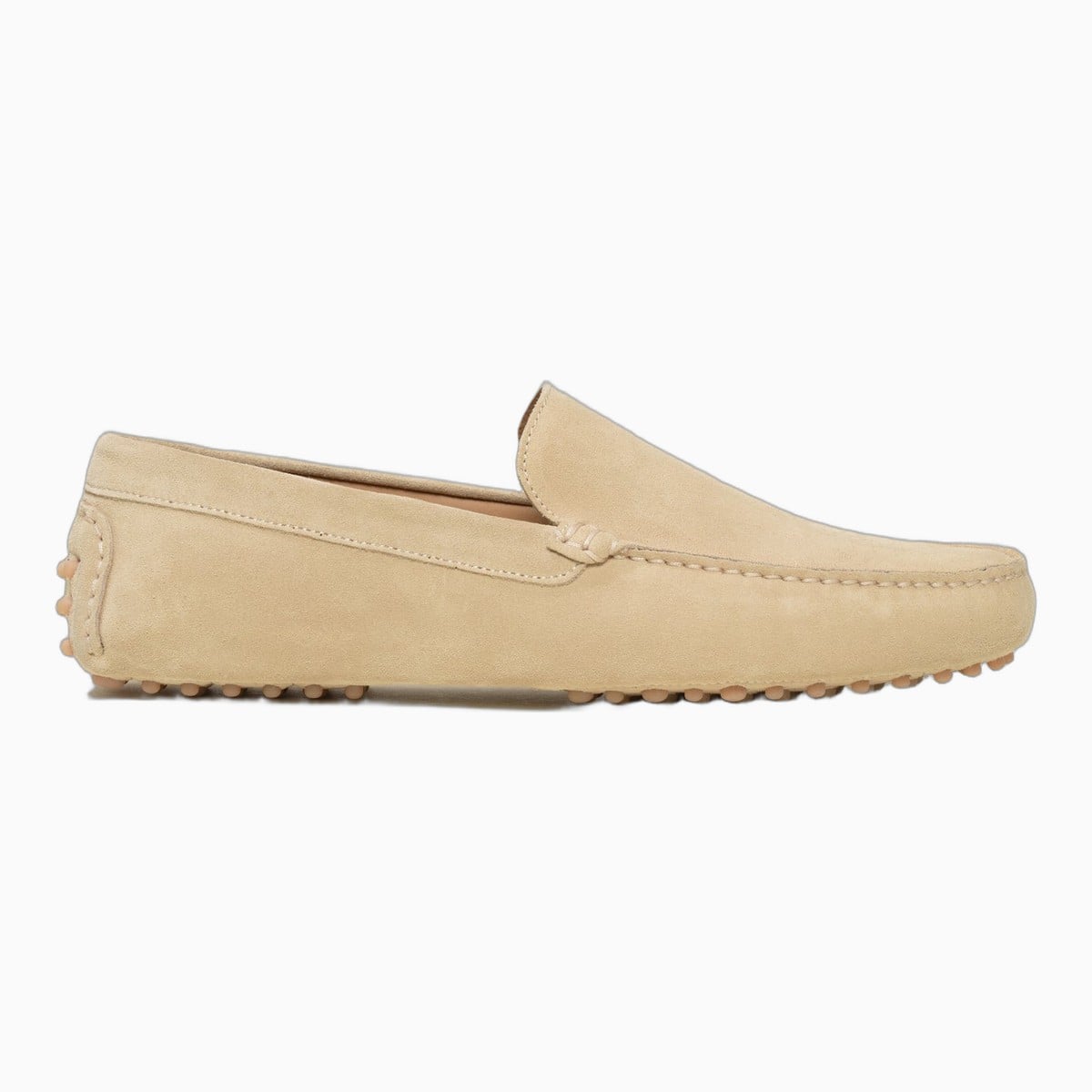
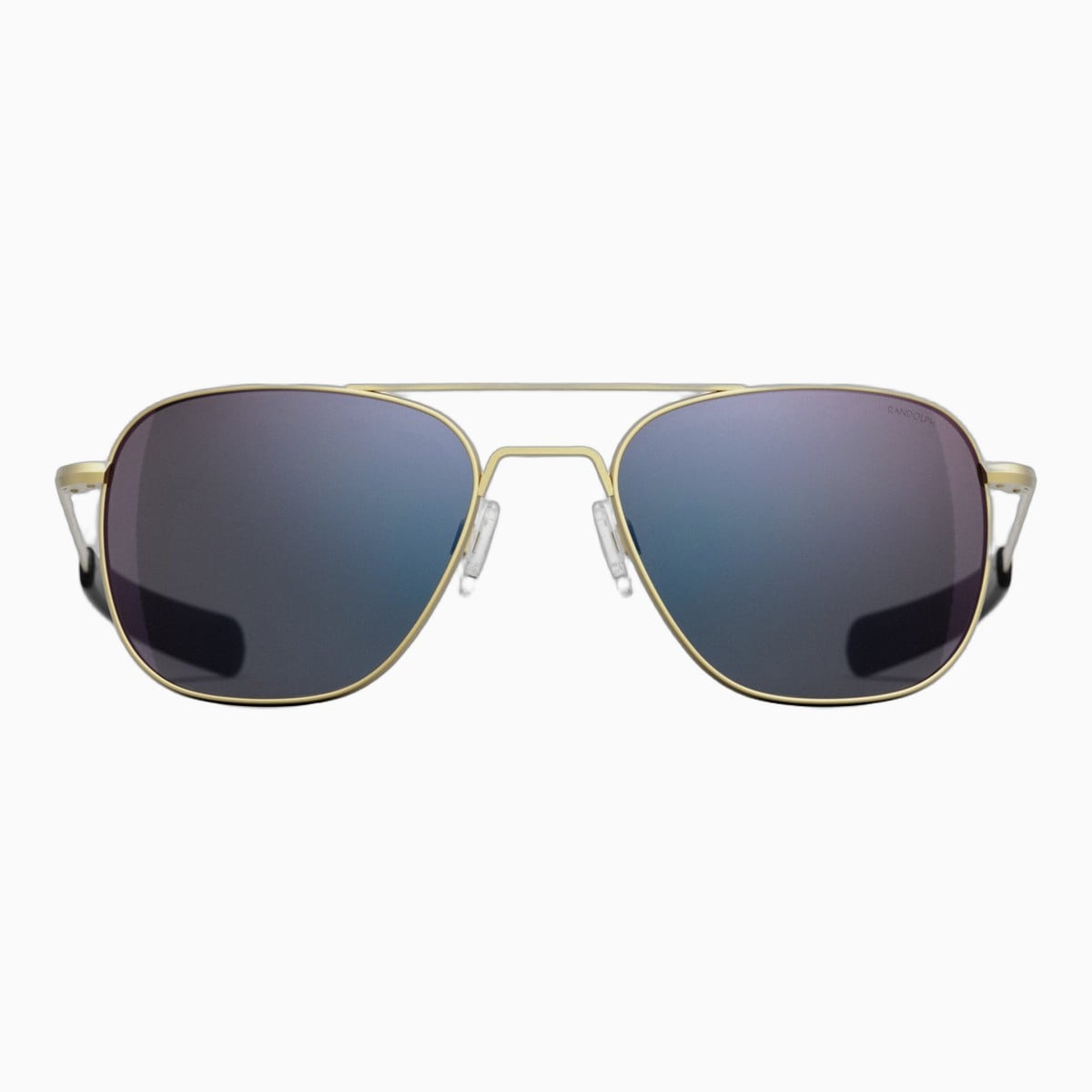
The M.Gemi Felize Uomo driver in latte suede stays light underfoot. Randolph’s Aviator in 23k satin gold with Apex Gray lenses finishes the outfit.
Smart casual in winter: cashmere, a car coat and boots
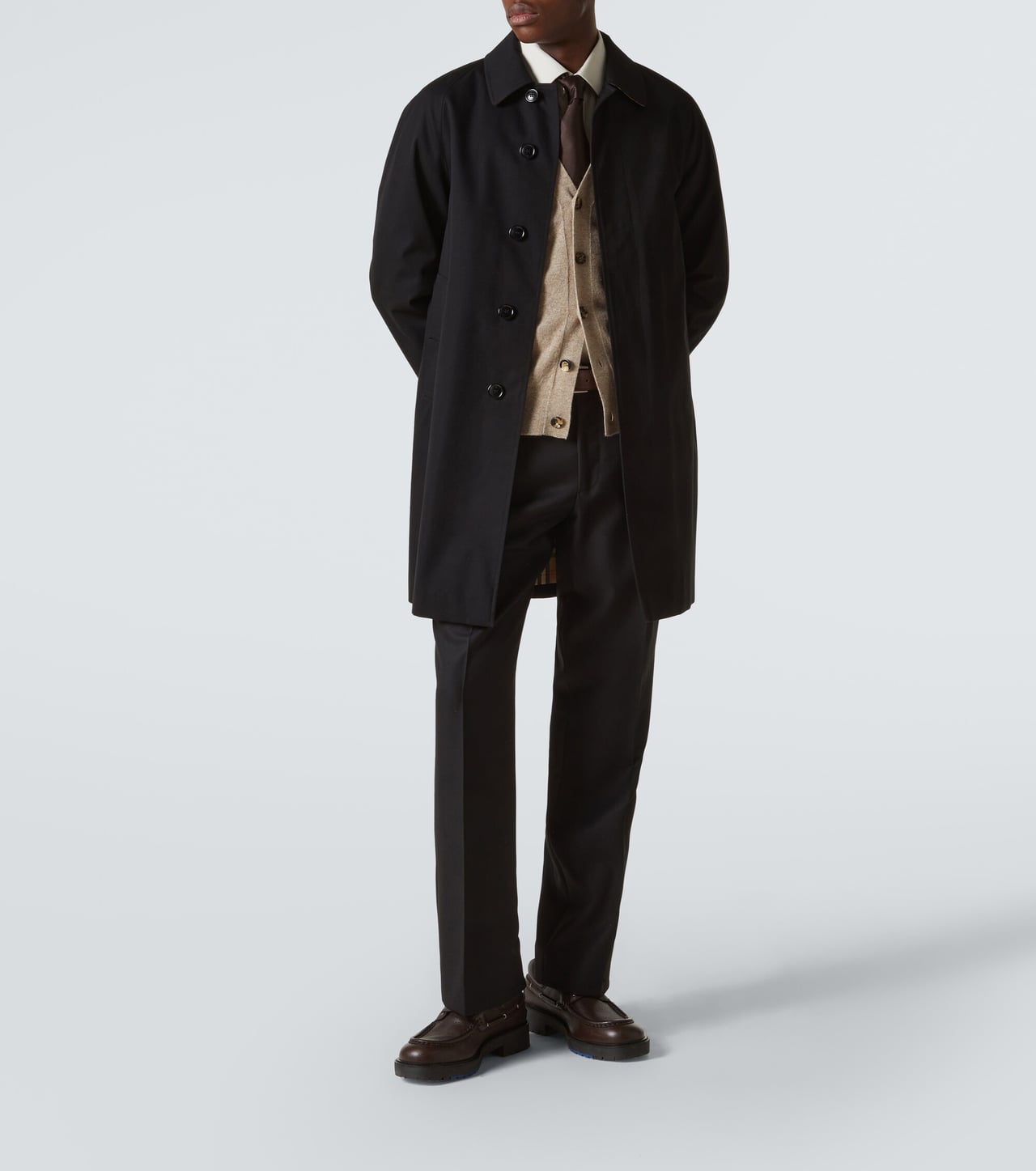
Winter smart casual is about layers that still look intentional once the coat comes off. Plan the outfit from the inside out.
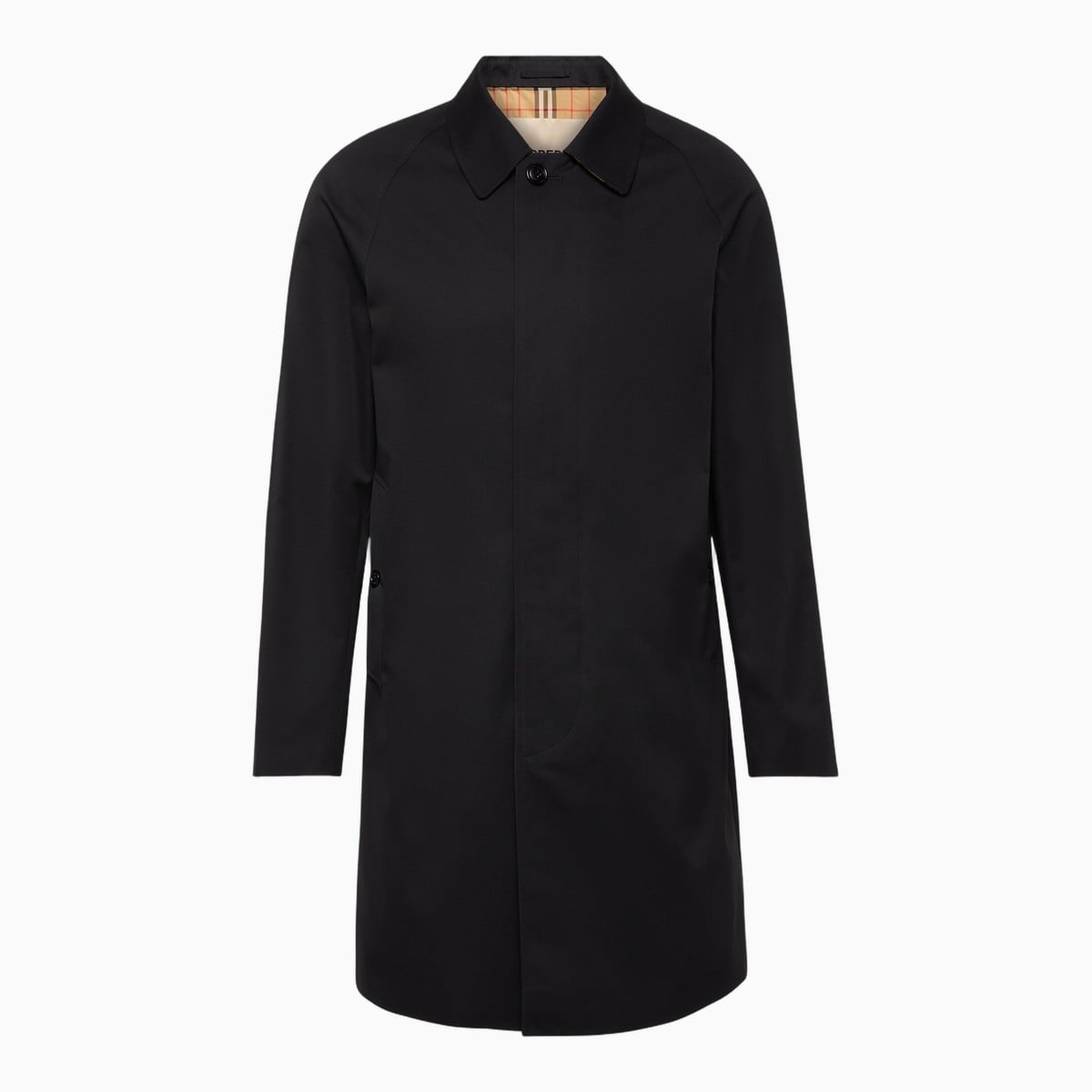
Brunello Cucinelli’s cashmere sweater in beige is the first layer. Over it, the Burberry Camden car coat in black cotton gabardine keeps the outline long and clean.
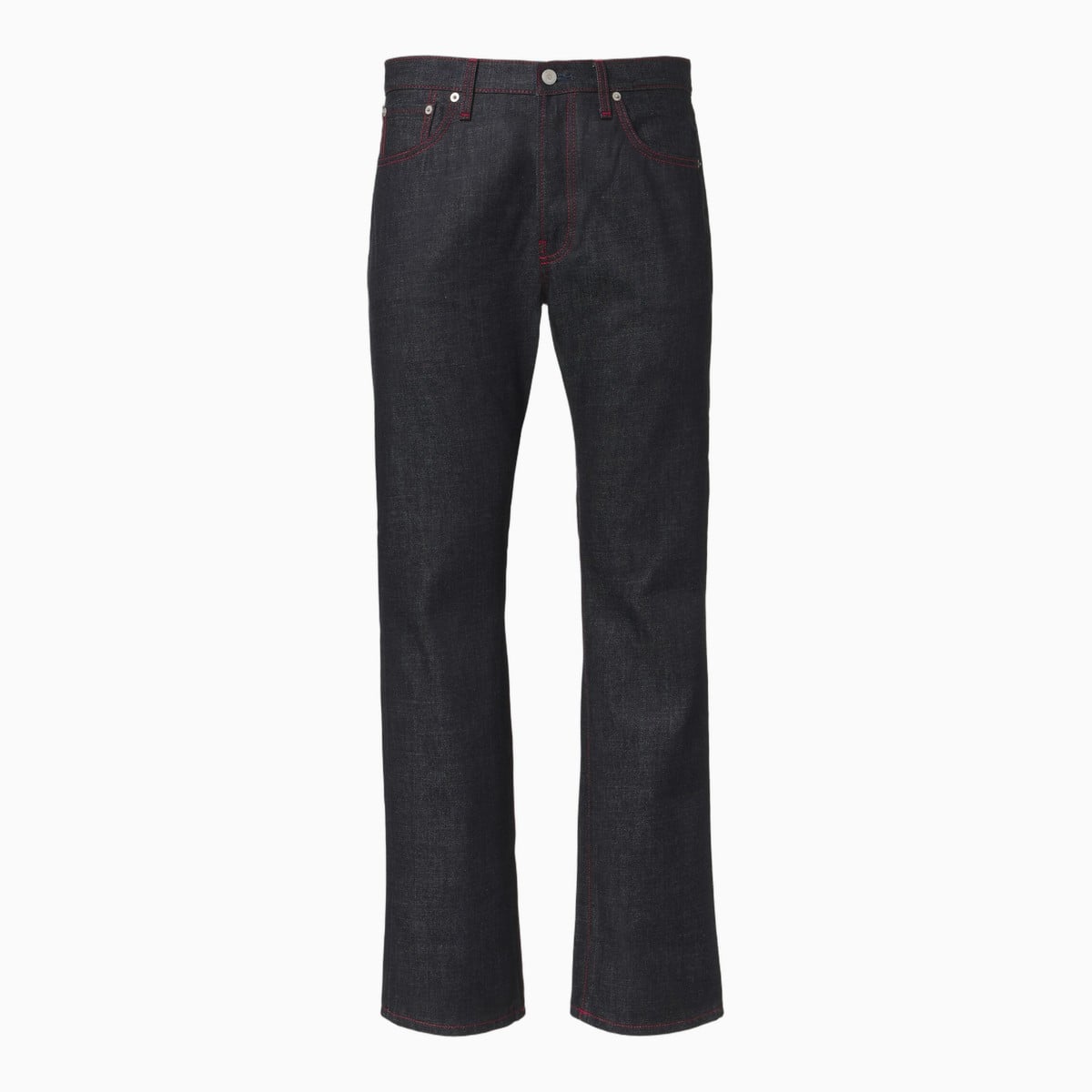
Acne Studios’ Re-edition straight jeans in dark blue are what make this smart casual rather than business casual. Dark denim with a cashmere crewneck and a long coat reads relaxed but deliberate. Amberjack’s The Chukka in Walnut is an ankle boot that keeps the outfit grounded through the colder months.
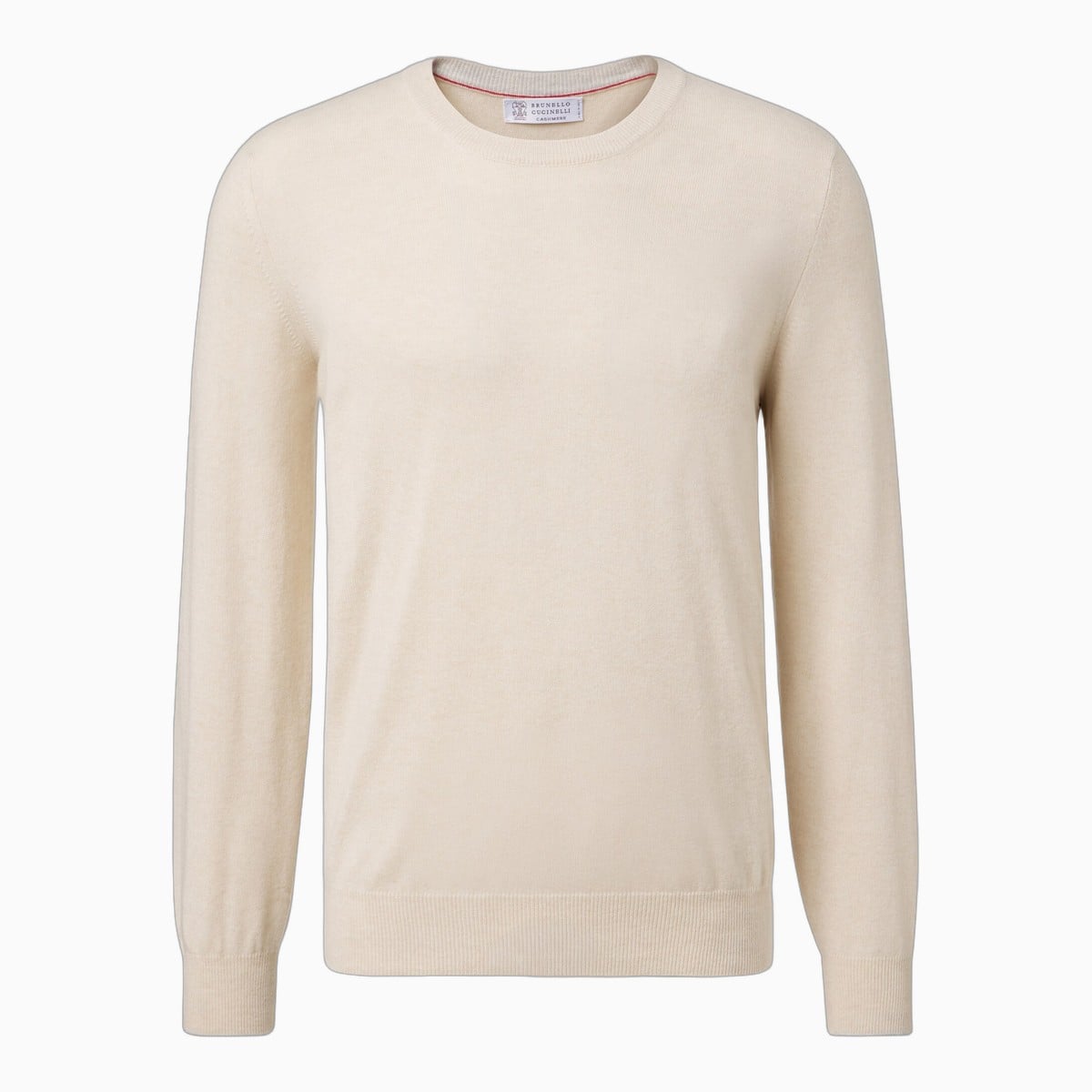
cashmere sweater
Check price: Brunello Cucinelli cashmere sweater at Mytheresa
01 of 01
Smart casual men wardrobe basics: the essentials to perfect your look
Because the smart casual style is relatively conservative, it’s less influenced by short-lived fashion trends. It’s thus easier to future-proof your wardrobe with a few selected items that every man should own.
Smart casual wear revolves around a set of classic essentials that form the building blocks of your personal style.
From dressed up pants like well-fitted jeans or chinos to button-up shirts and shoes, we’ve round-up here those essentials that you can mix and match to maximize the potential of your wardrobe staples.
Shirts
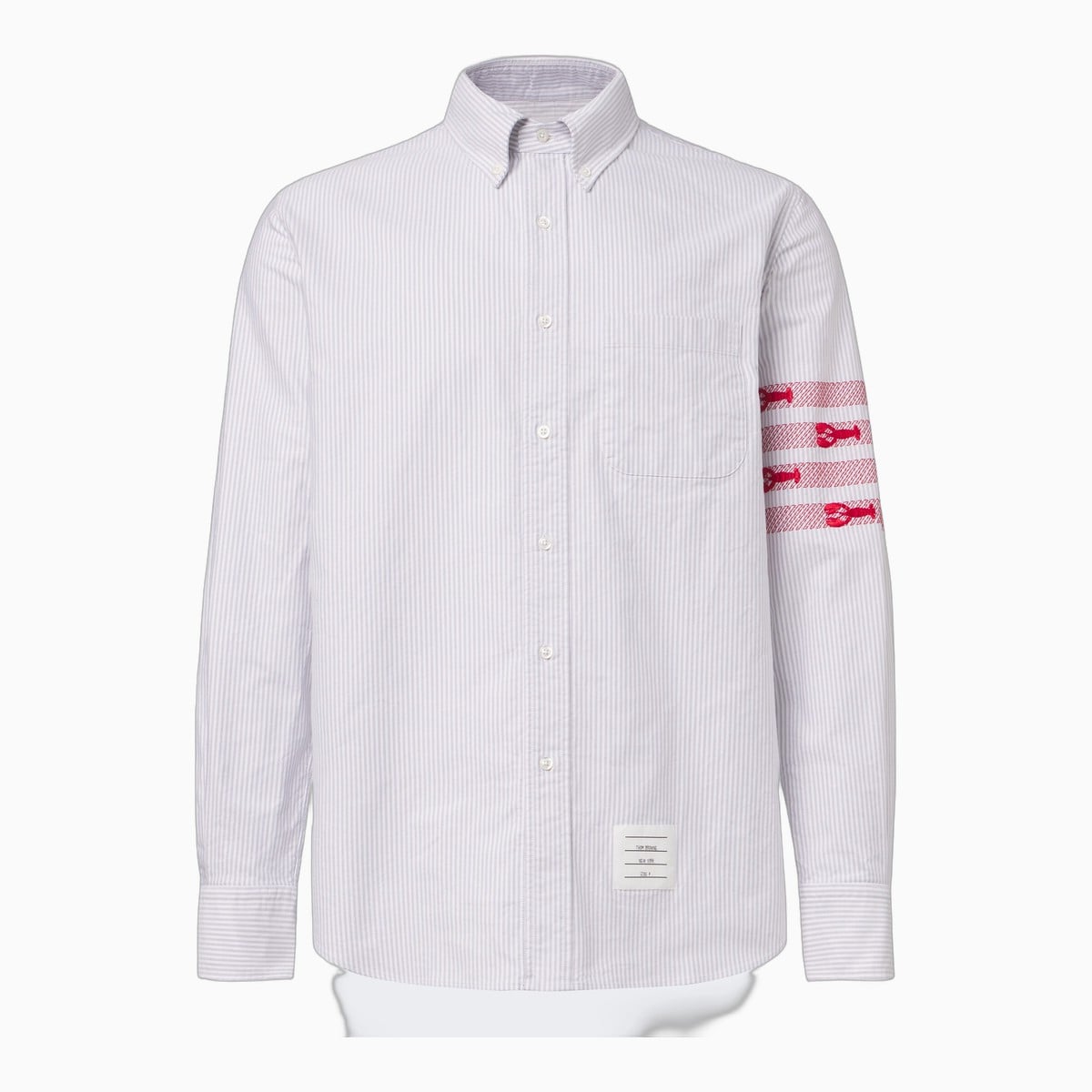
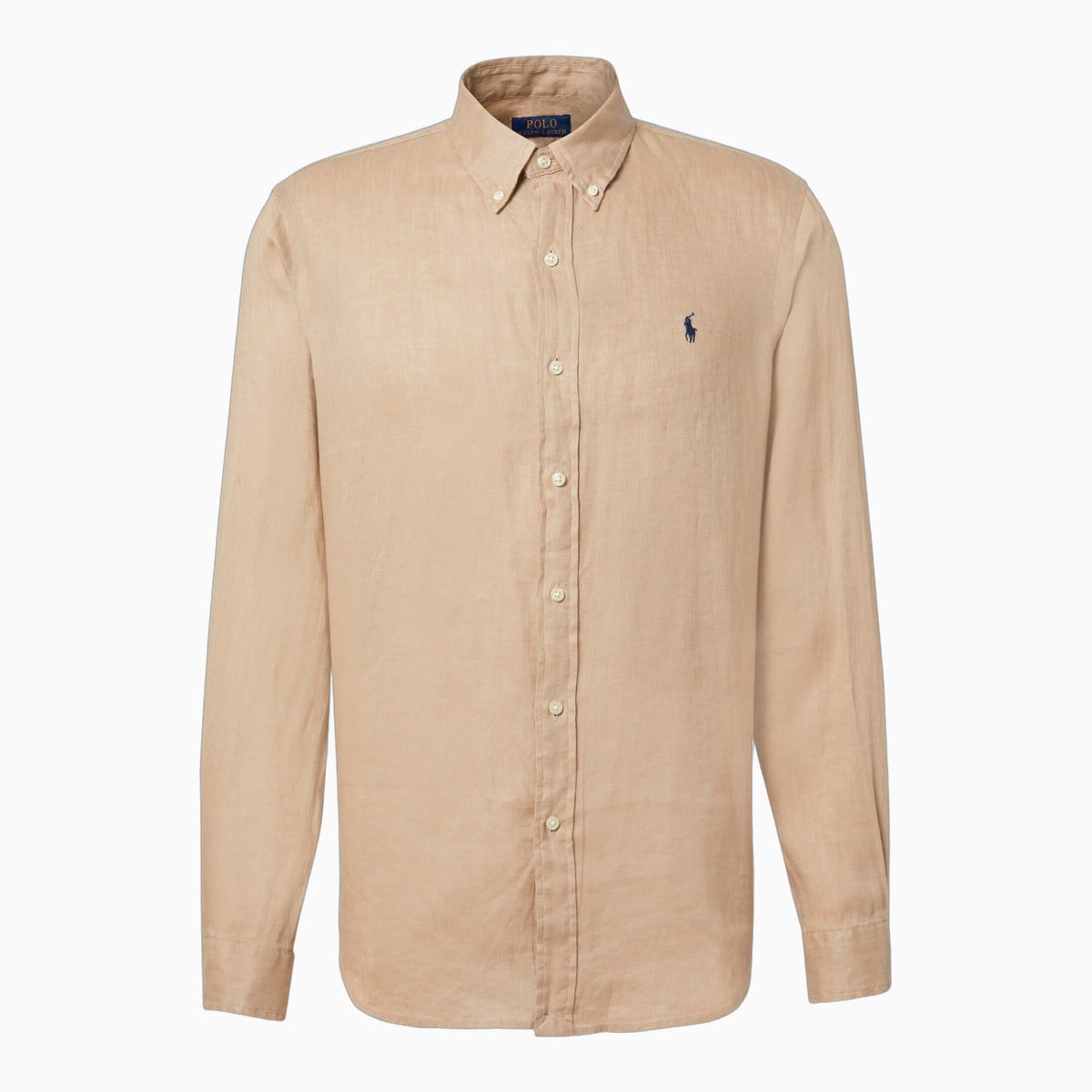
A few well-fitted long-sleeve shirts are absolutely essential to your wardrobe. For a more relaxed look, you can roll up the cuffs.
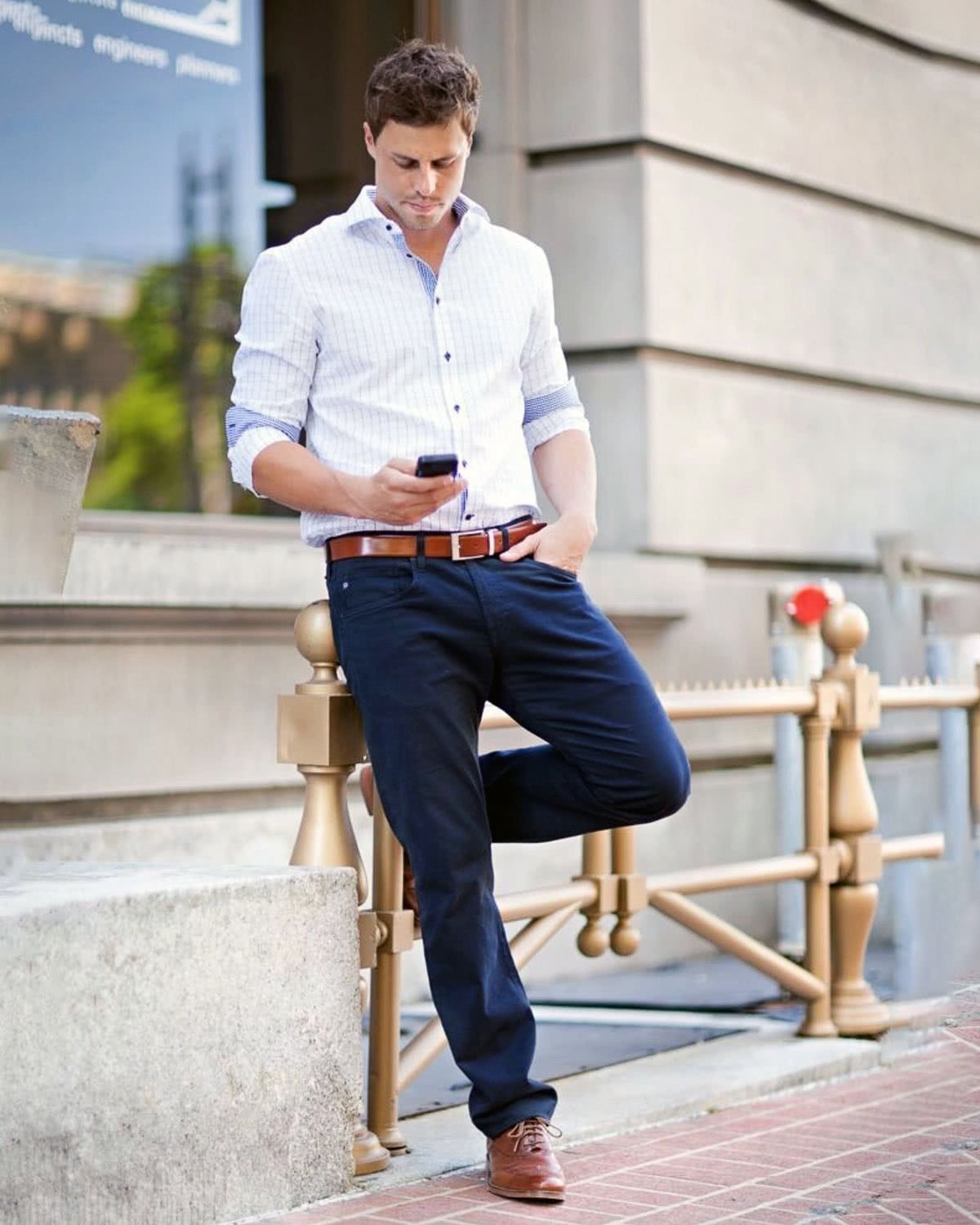
Start building up your shirt wardrobe with easy-to-match colors. A white classic shirt is a foundation. Make sure that the collar looks good when left open to the third button but also when fully buttoned up.
Still confused about your collar? Our guide breaks down the button-down vs button-up shirt debate once and for all.
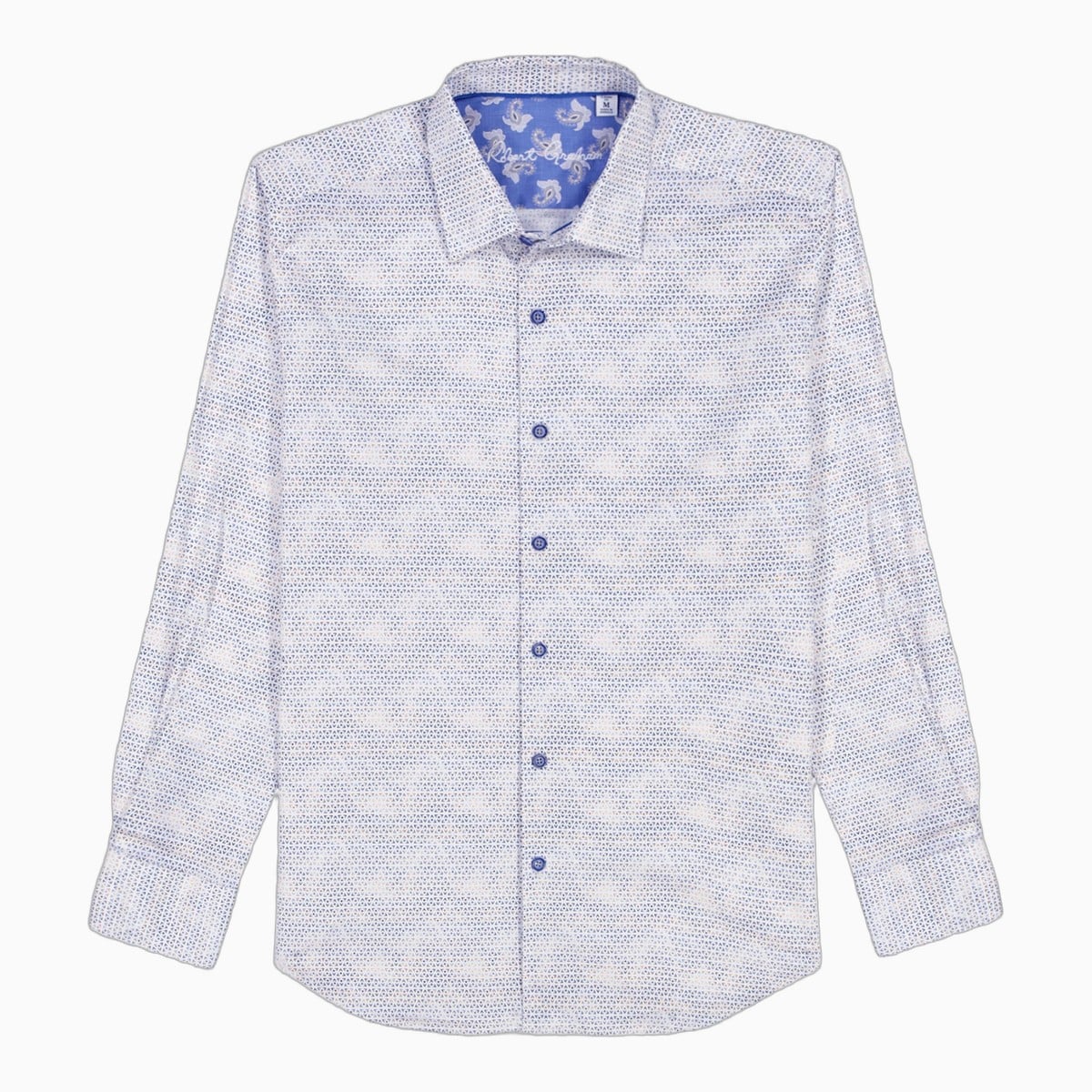
button-down shirt
Check price: Robert Graham button-down shirt at Robert Graham
Trousers
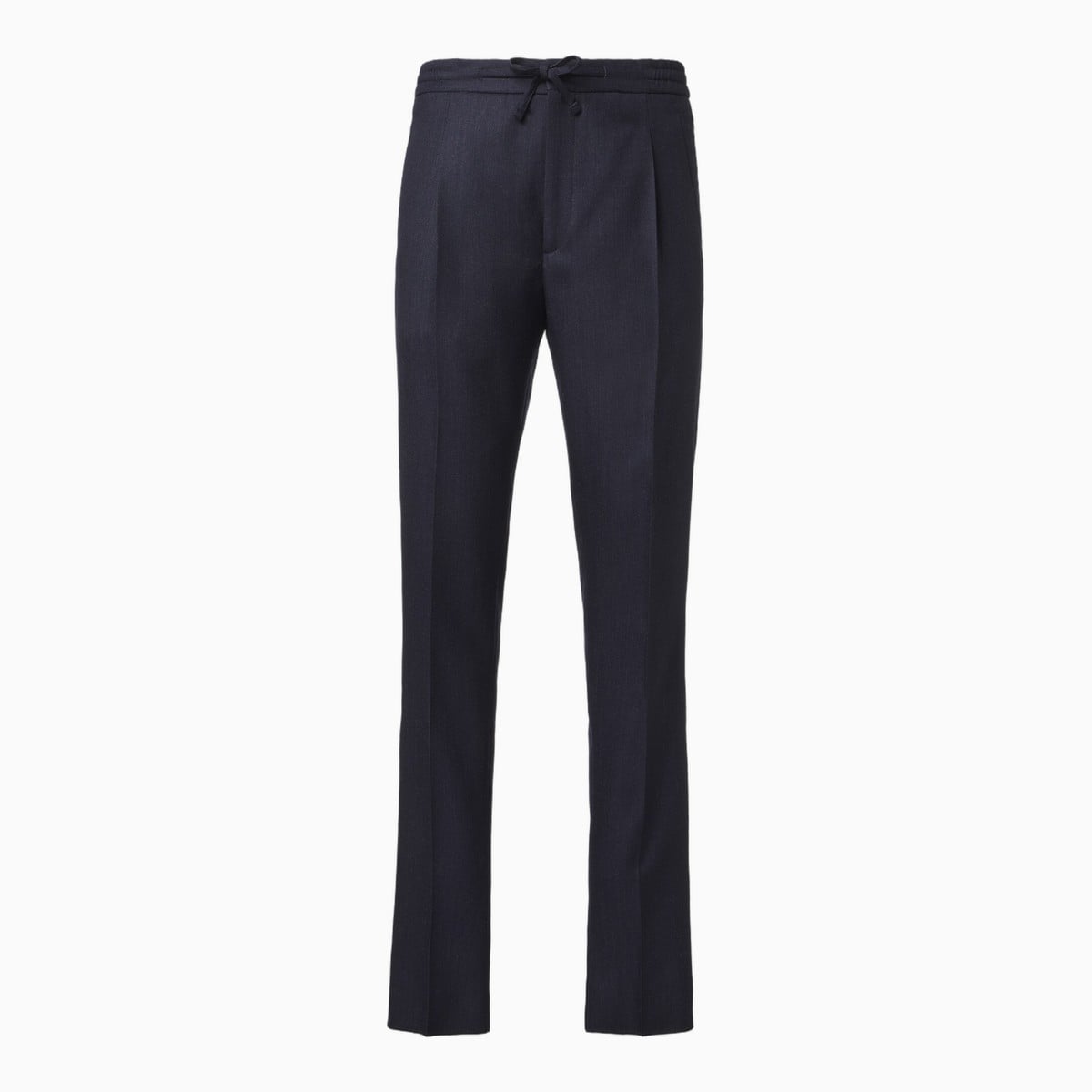
The backbone of the informal outfit since the 1950s, great fitting jeans can easily be dressed up or toned down. If you want to project a more polished appearance, opt for a quality pair of jeans in straight-leg styles and a dark wash. Check our round-up of the best jeans brands for men to discover more options.
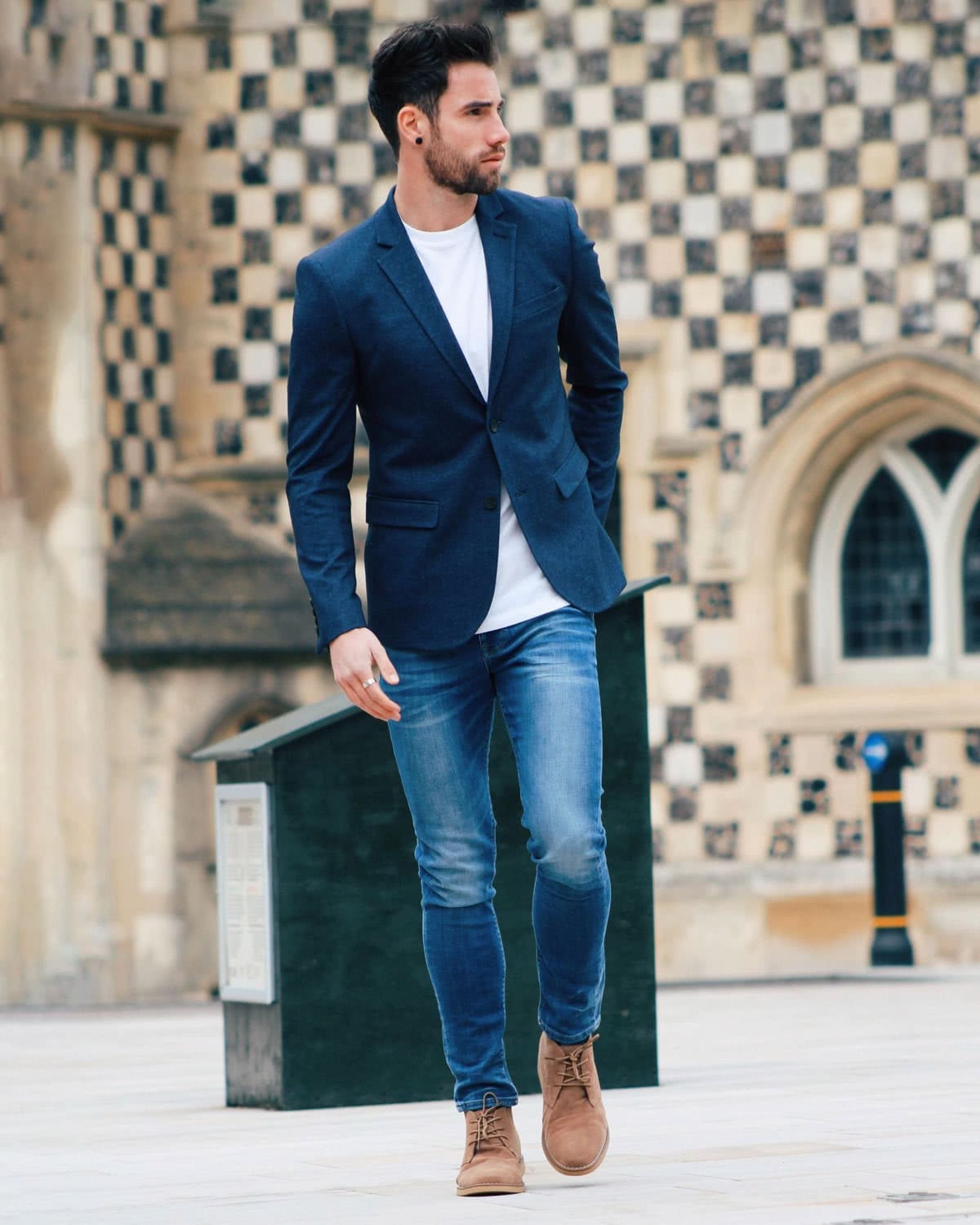
Chinos are excellent to mix things up from time to time. The same upper outfit worn with chinos instead of your jeans will instantly change your overall appearance.
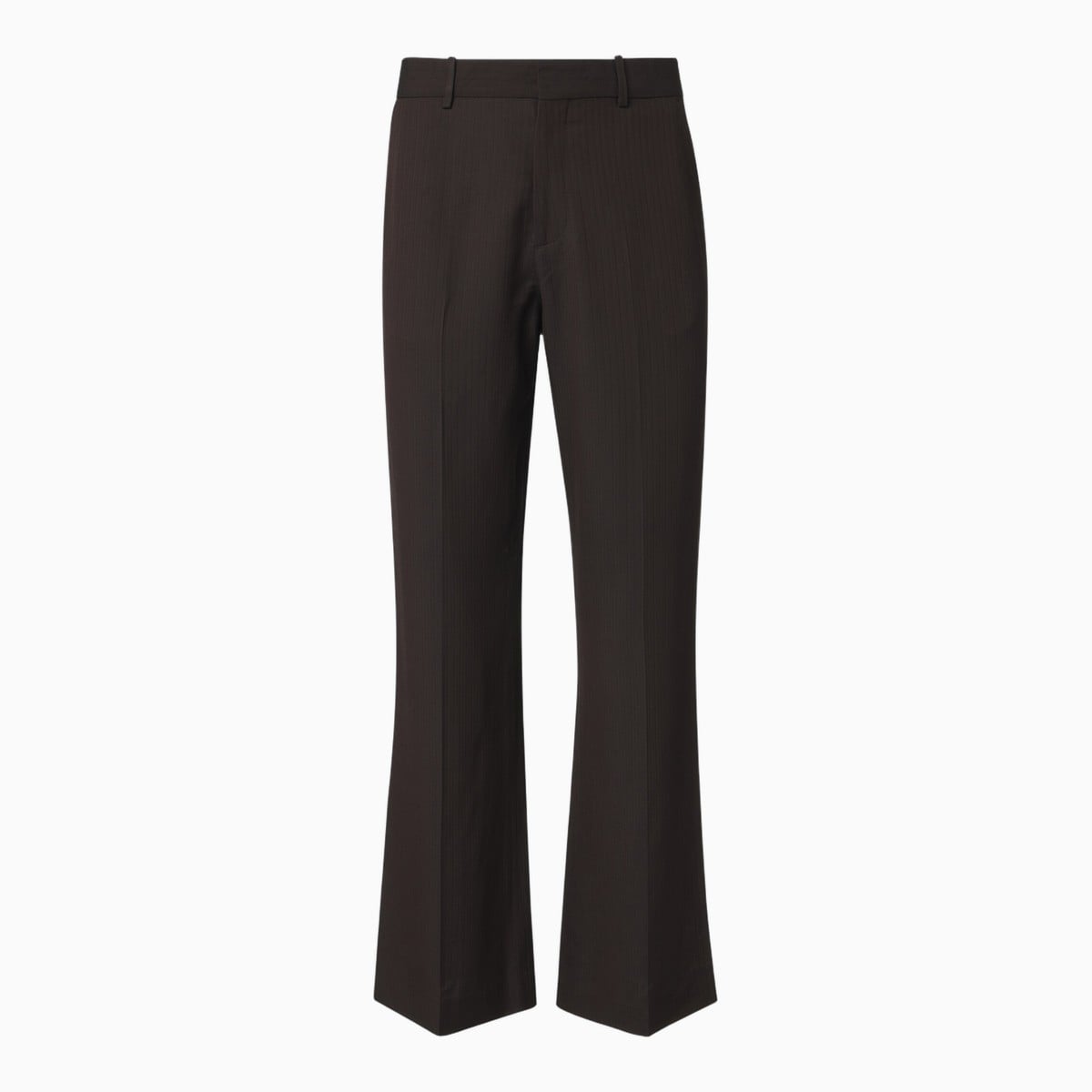
Invest in the right cut in classic colors such as khaki, navy and beige which are easy to match. Comfortable and stylish, chinos also can help you achieve a smart casual look. Chinos are perfect for occasions with ambiguous dress codes, especially the smart casual and business casual styles.
herringbone trousers
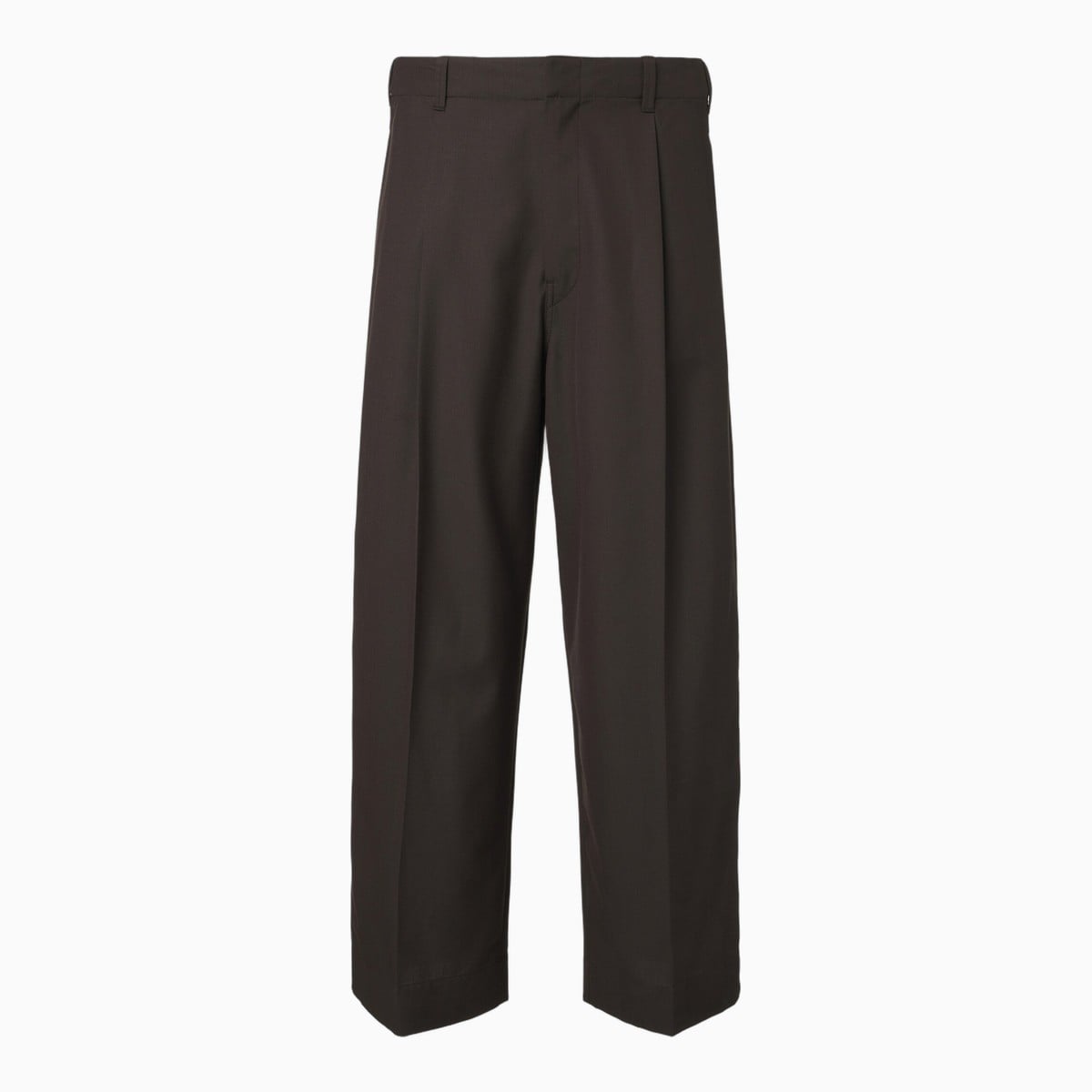
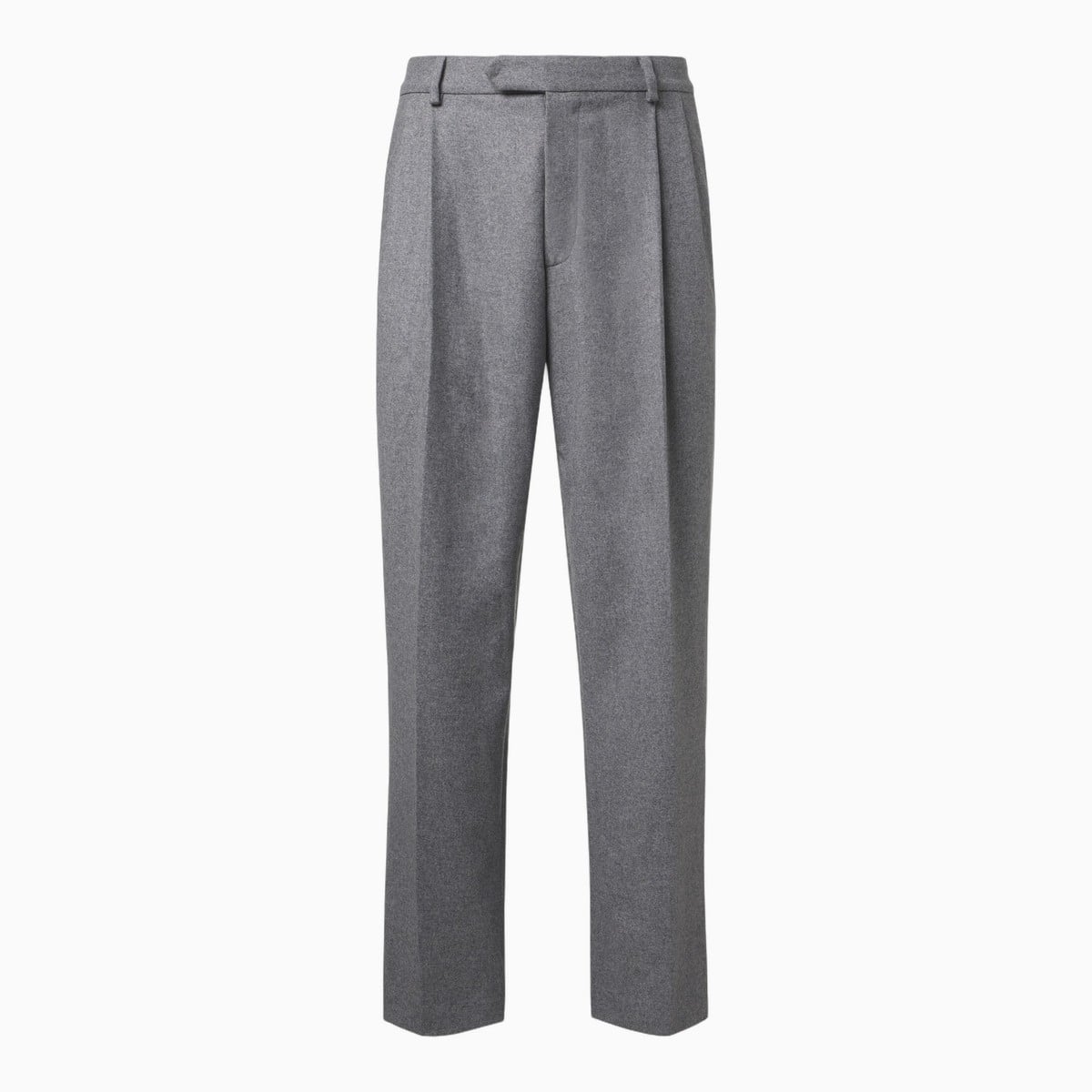
wool-cashmere trousers
Check price: Gabriela Hearst wool-cashmere trousers at Mytheresa
Blazers
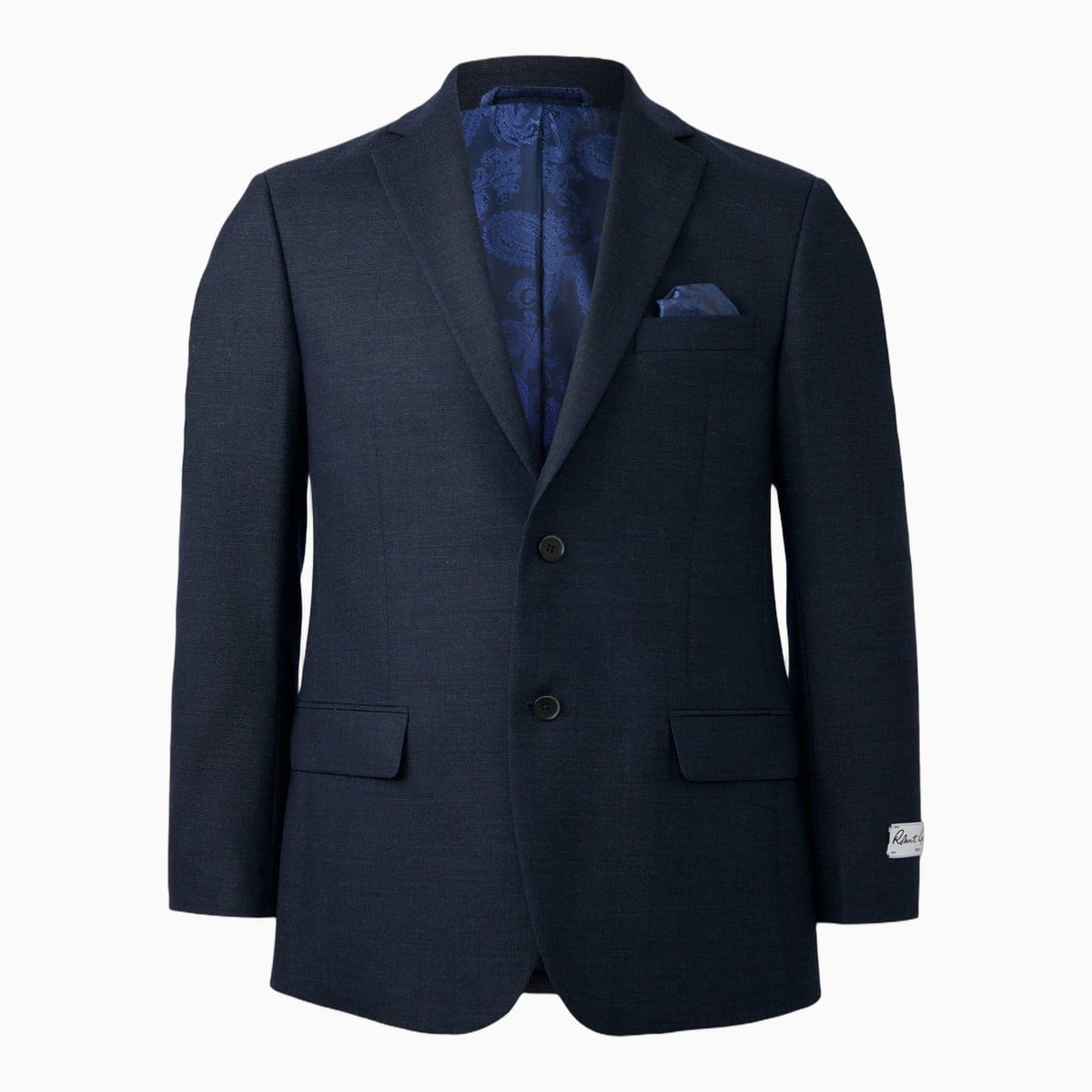
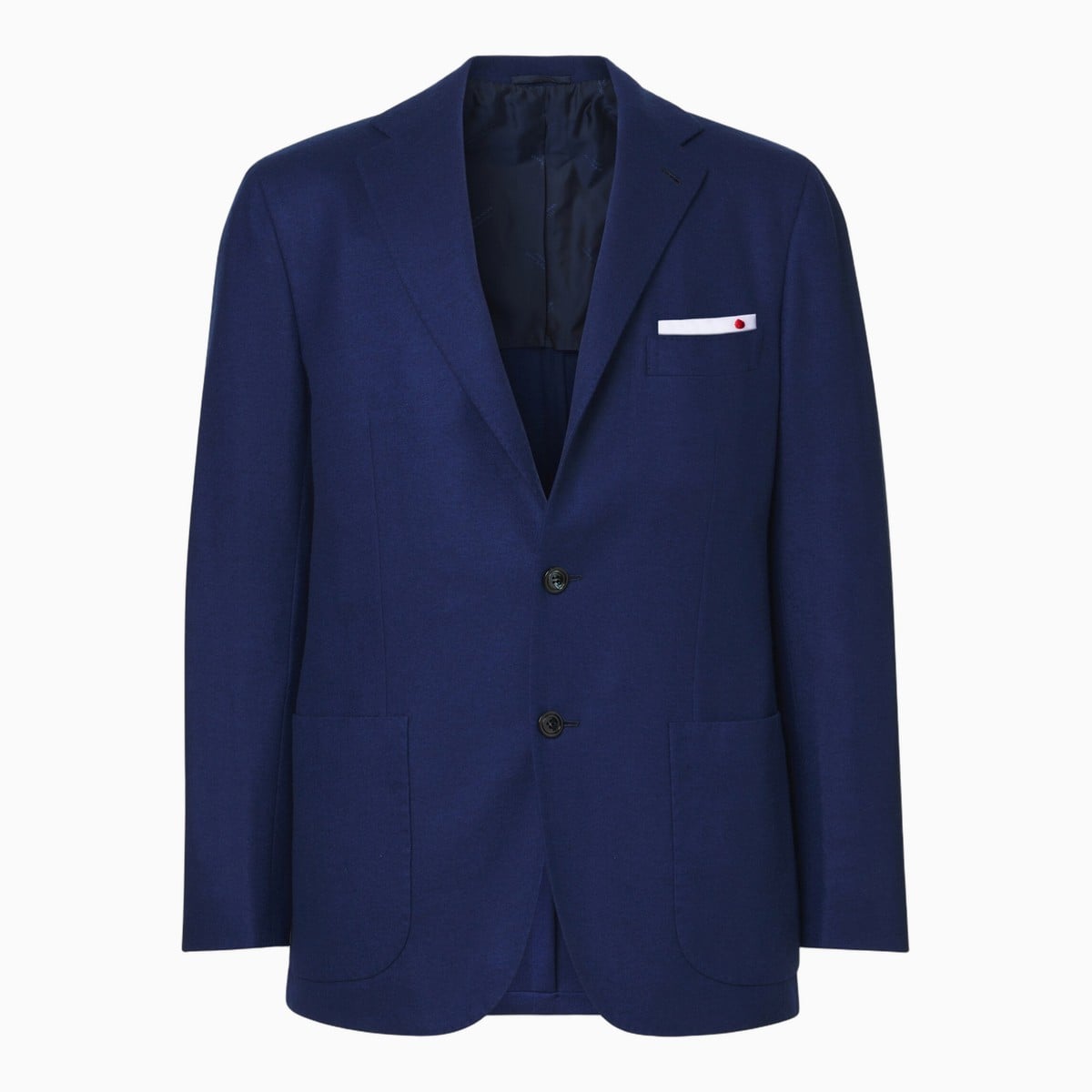
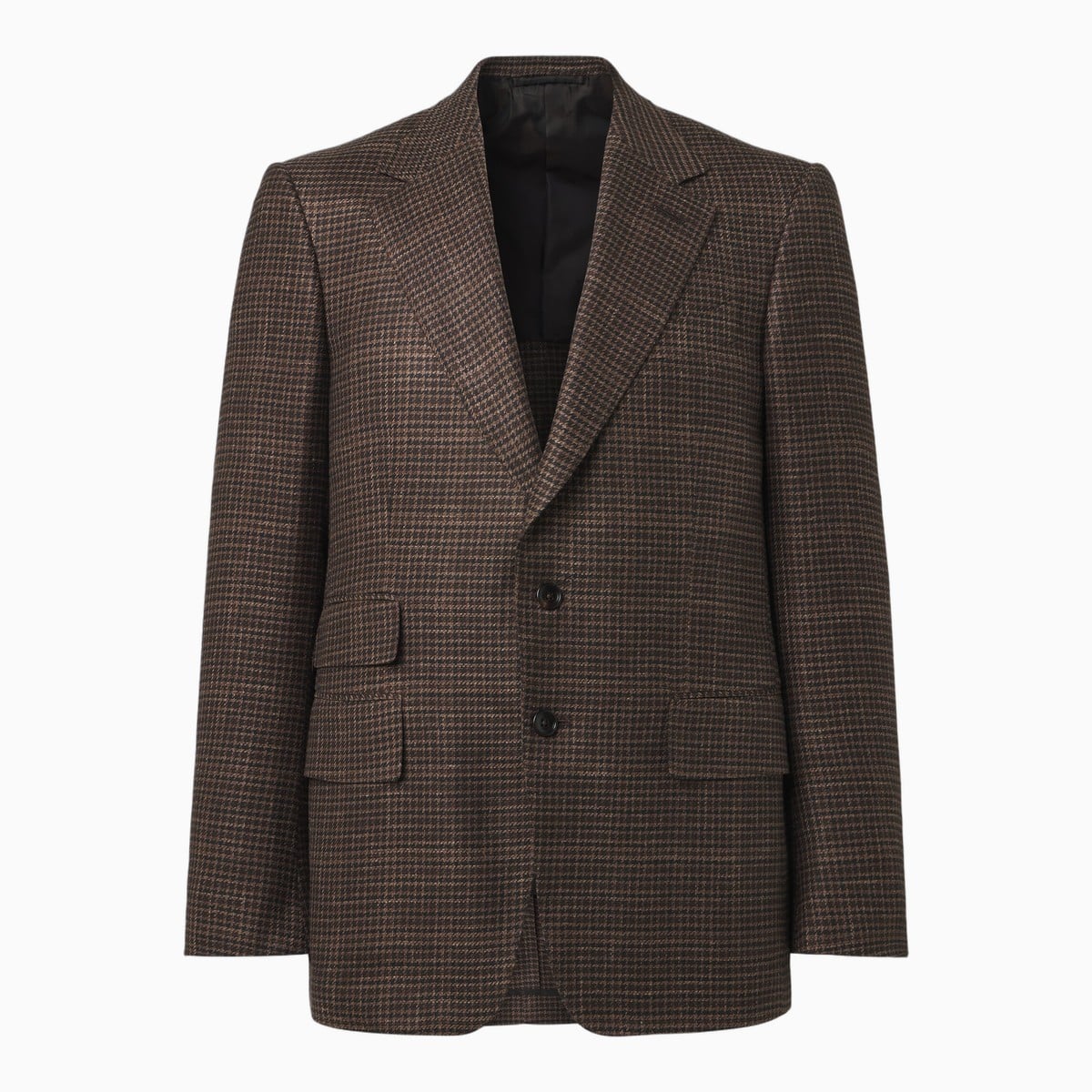
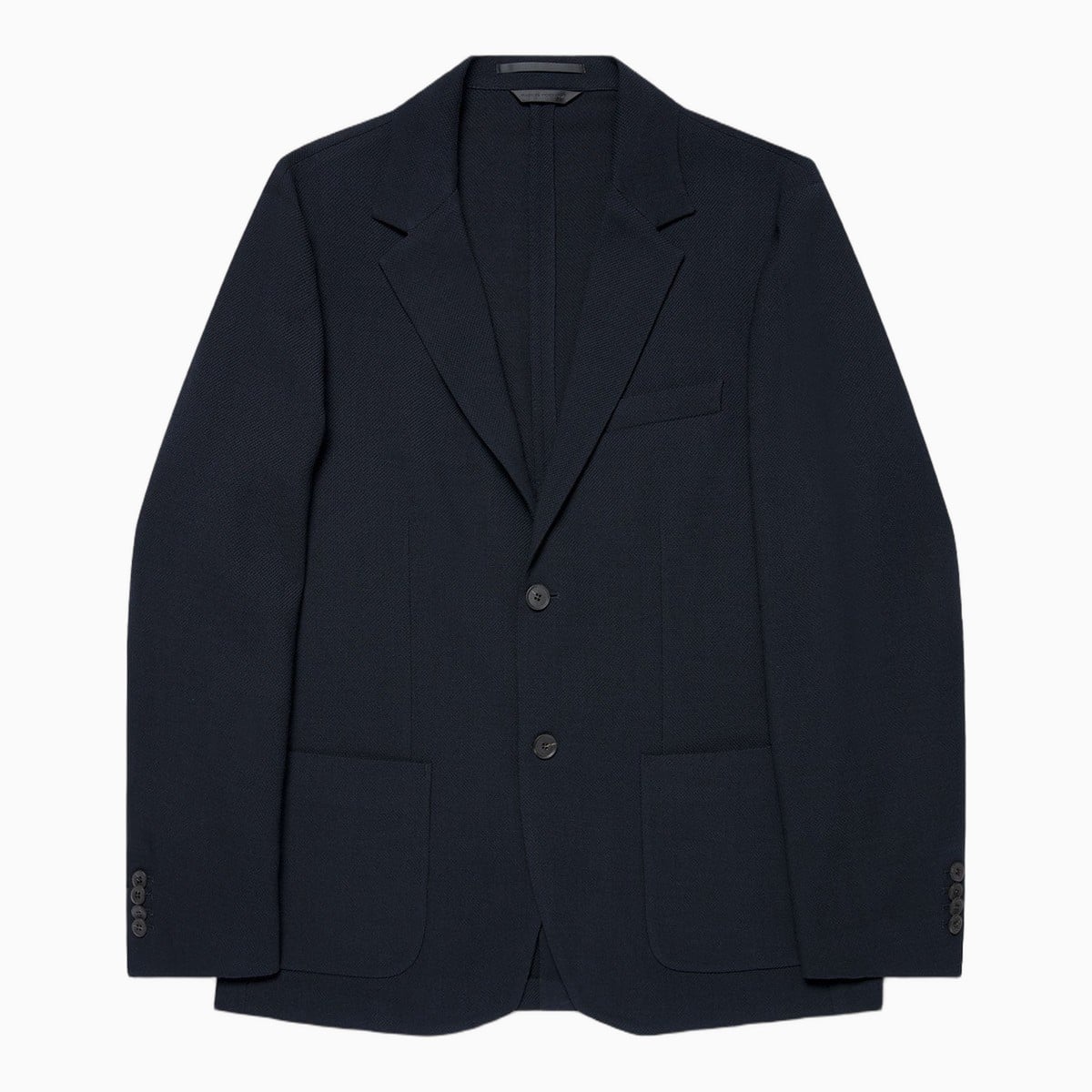
A blazer is arguably what will set your smart casual look apart from any other casual wear. Start with a classic navy unstructured blazer that will be easy to match with any other items in your wardrobe.
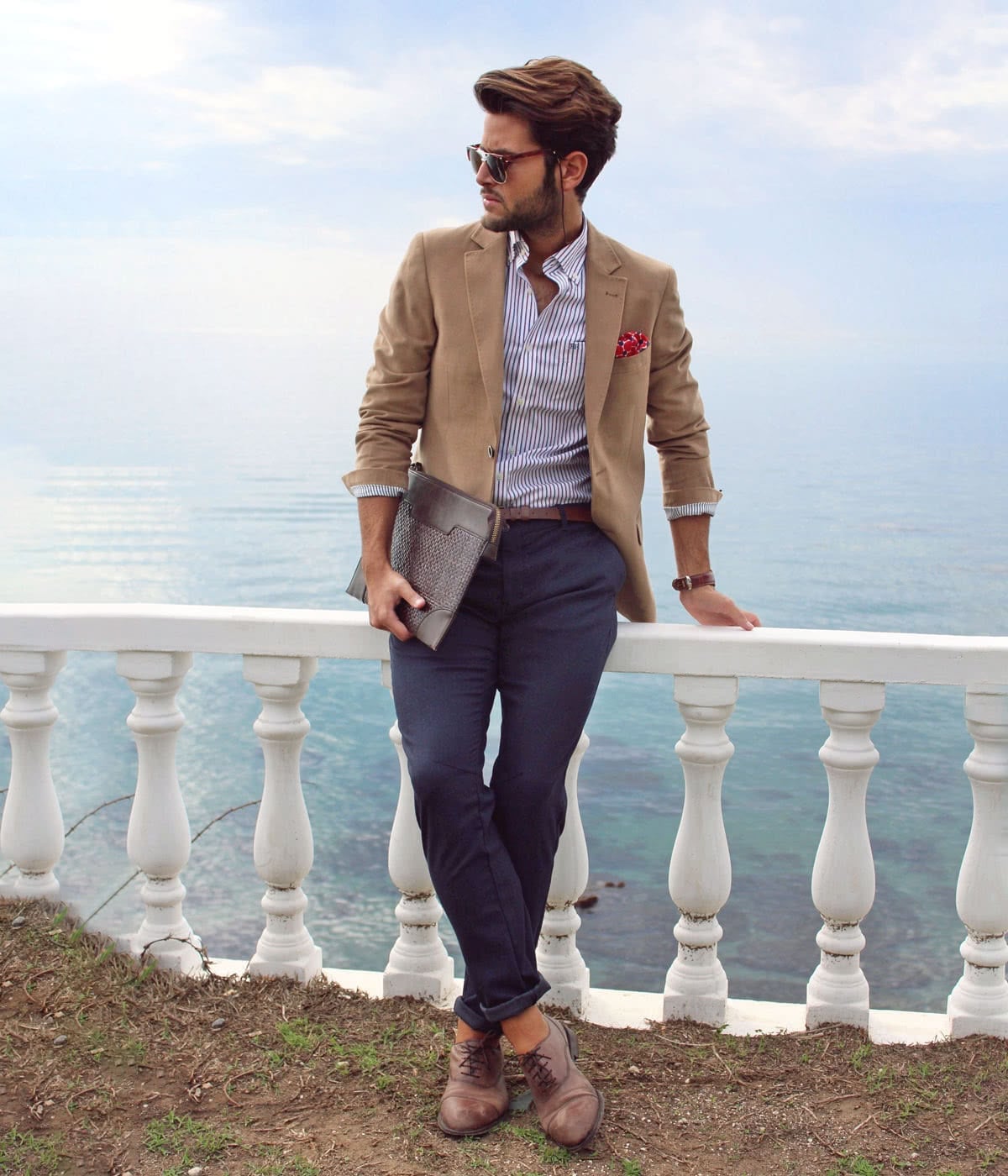
A blazer is a timeless piece that should remain with you for years so it’s worth investing in quality materials and design.
Shoes
The shoes that you wear when dressing up smart casual will have a big impact to finish up your look. A pair of high-end sneakers can dress you down while a pair of classic Oxford leather shoes will dress you up. In between, our guide to loafers for men covers the shoe that works with both trousers and jeans.
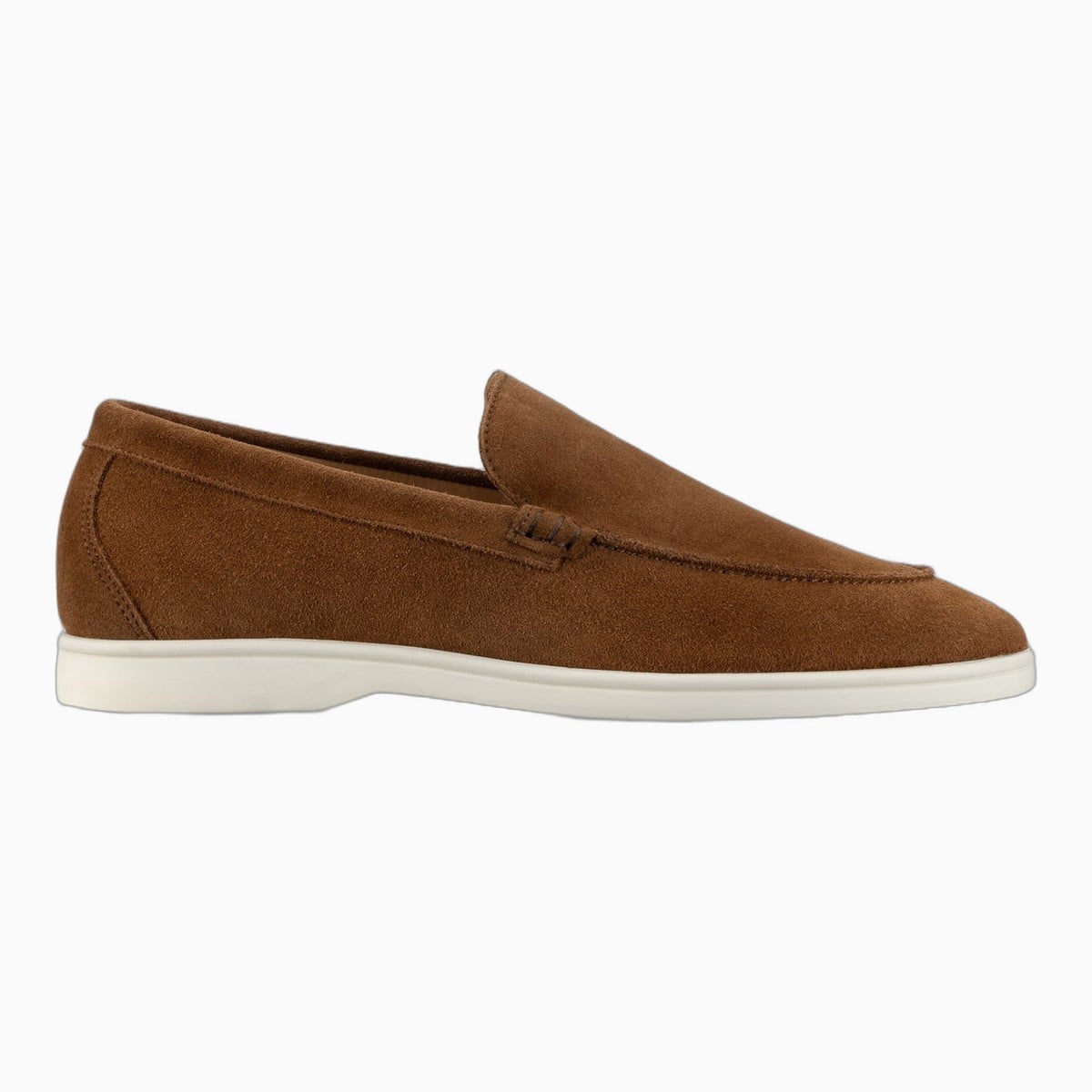
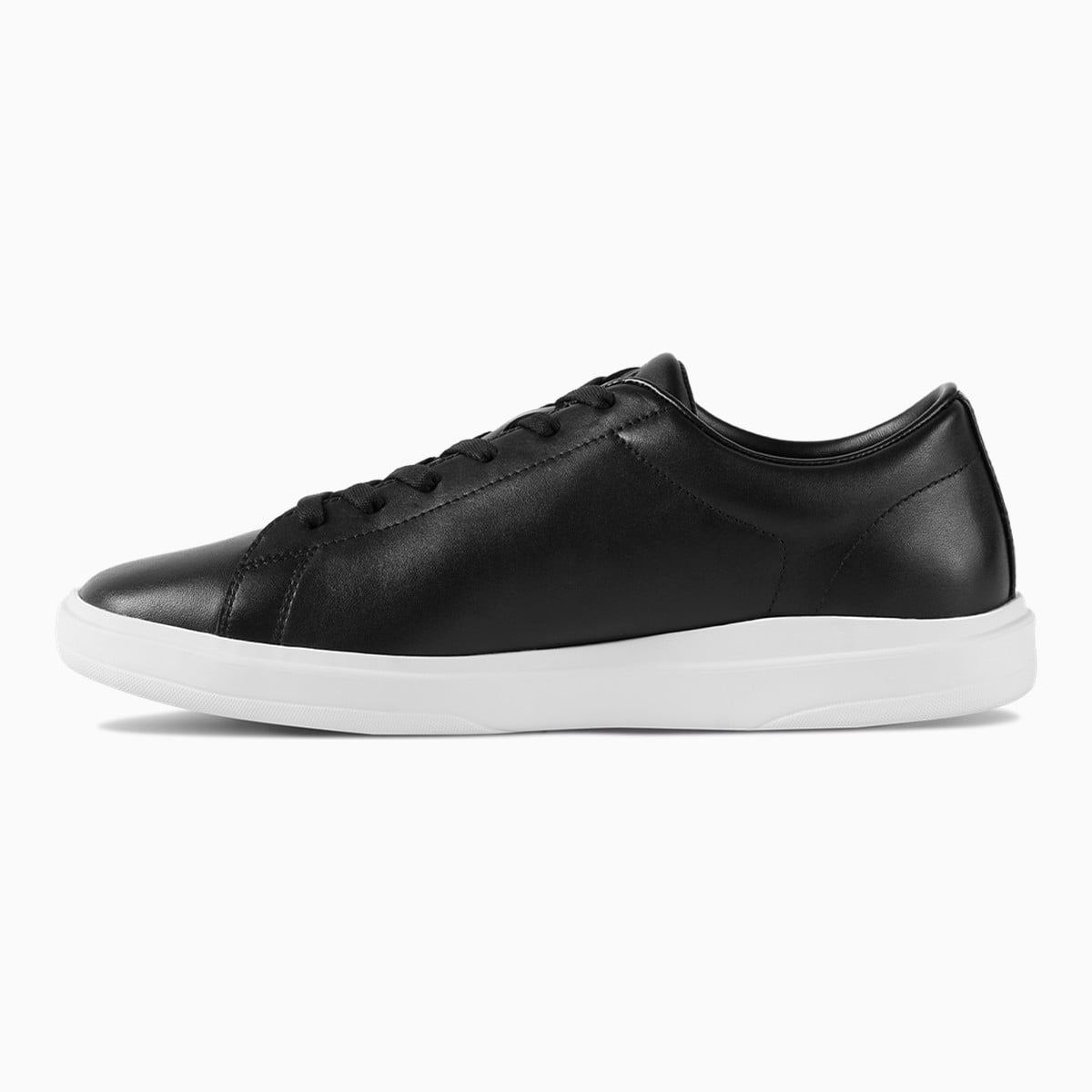
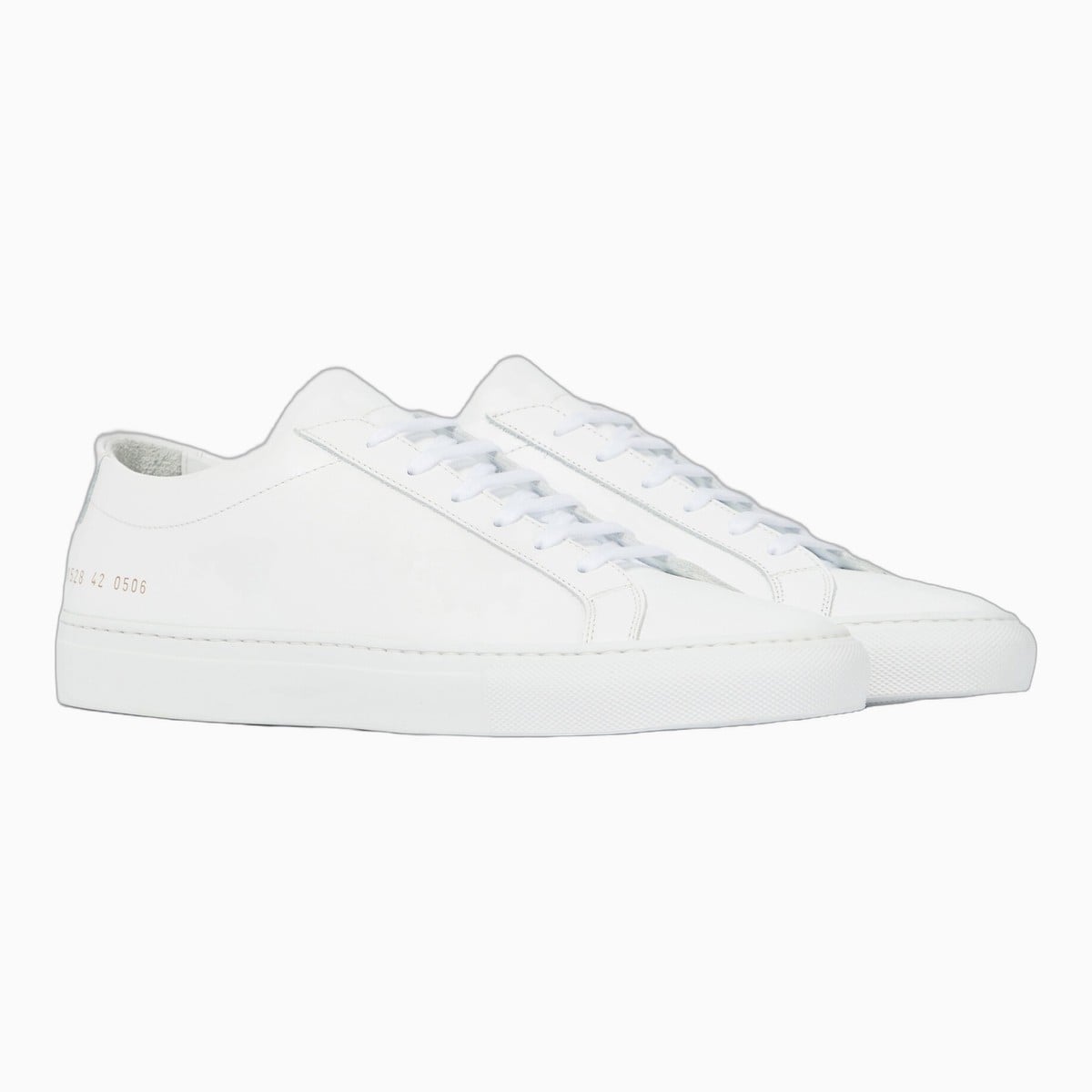
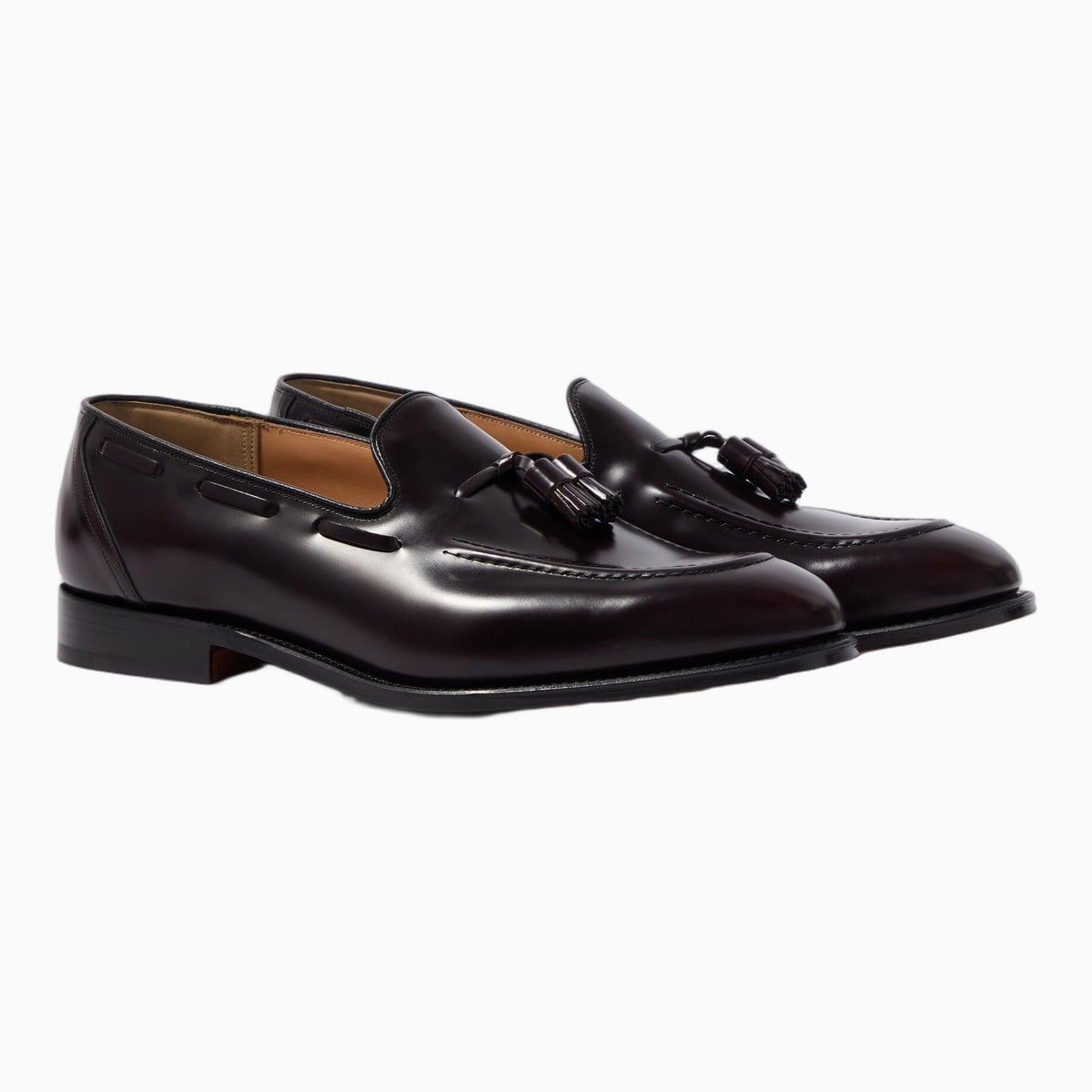
Accessories
Accessories are perfect to add a touch of personality to your outfit and enhance your overall look. You can stay consistent with accessories that support your look or go in the opposite direction to create your own unique style.
Here are a few suggestions of accessories that you can keep for years to elevate your smart casual look.
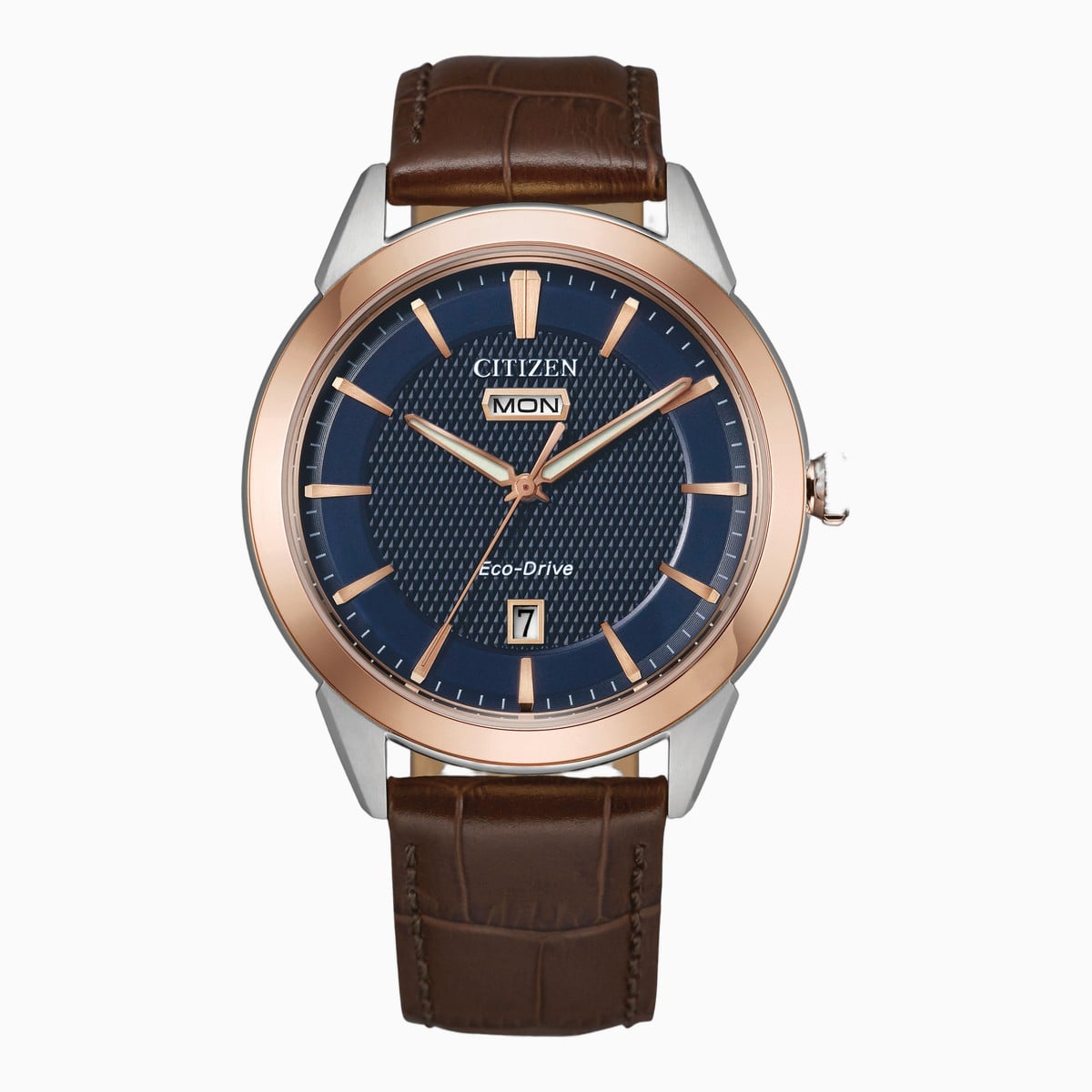
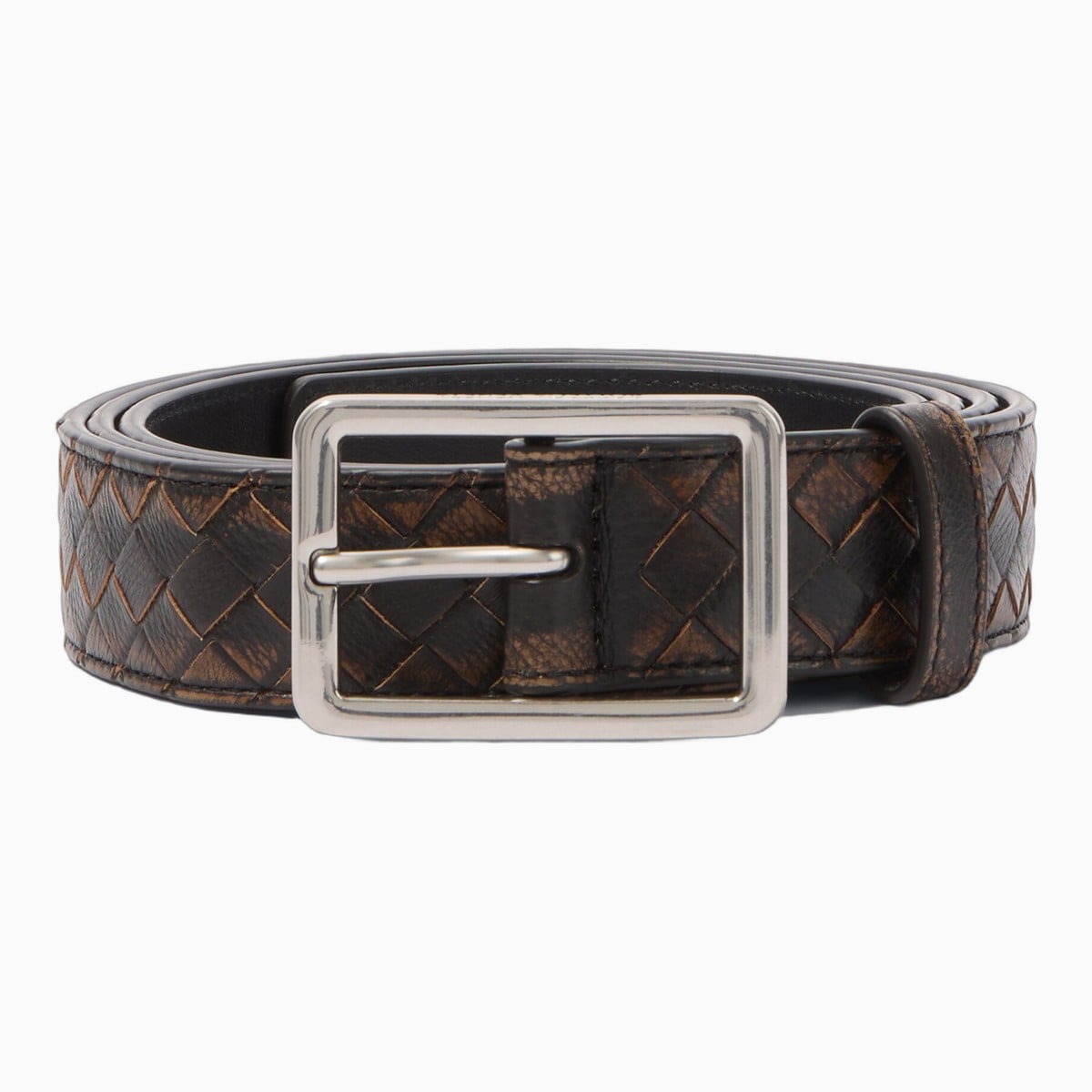
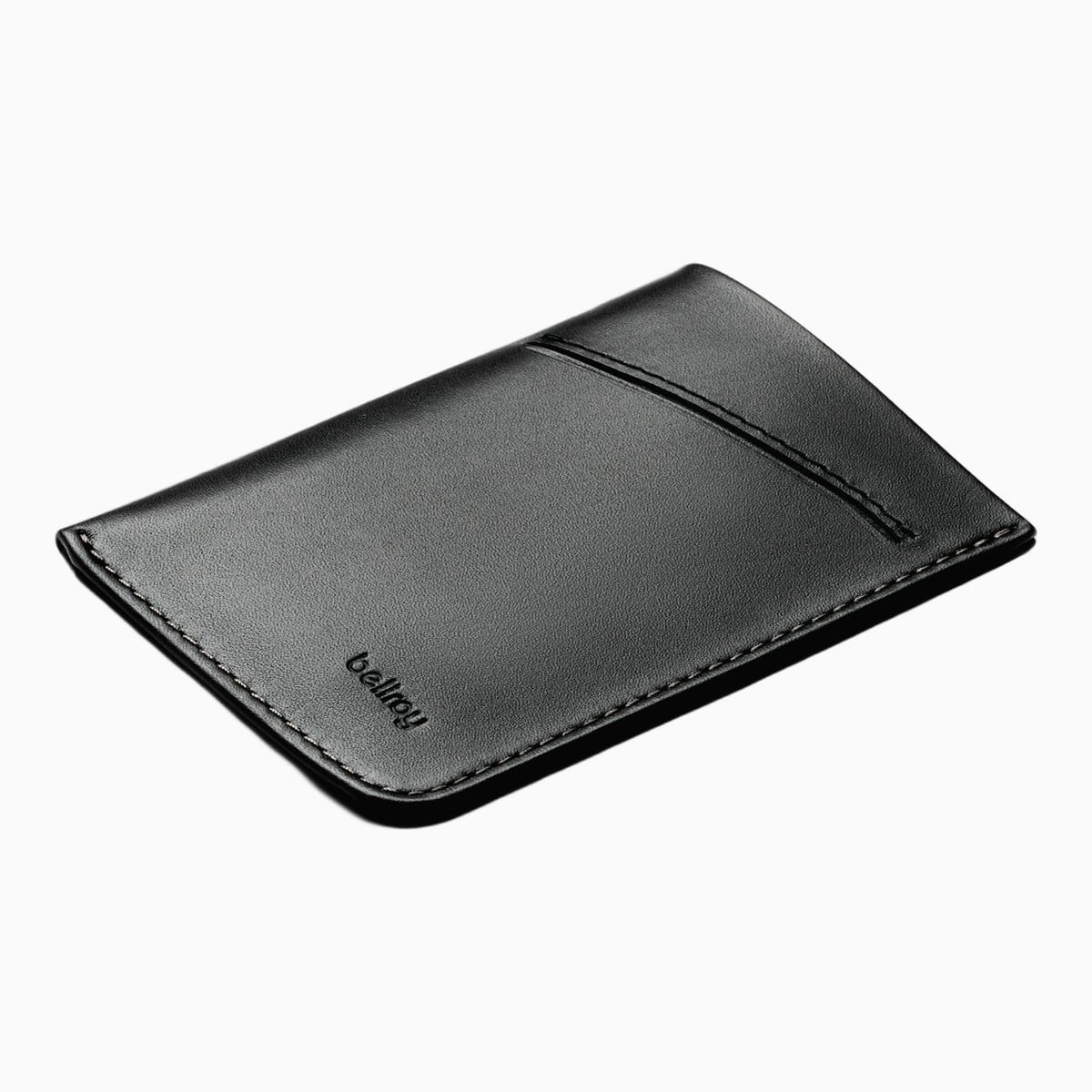
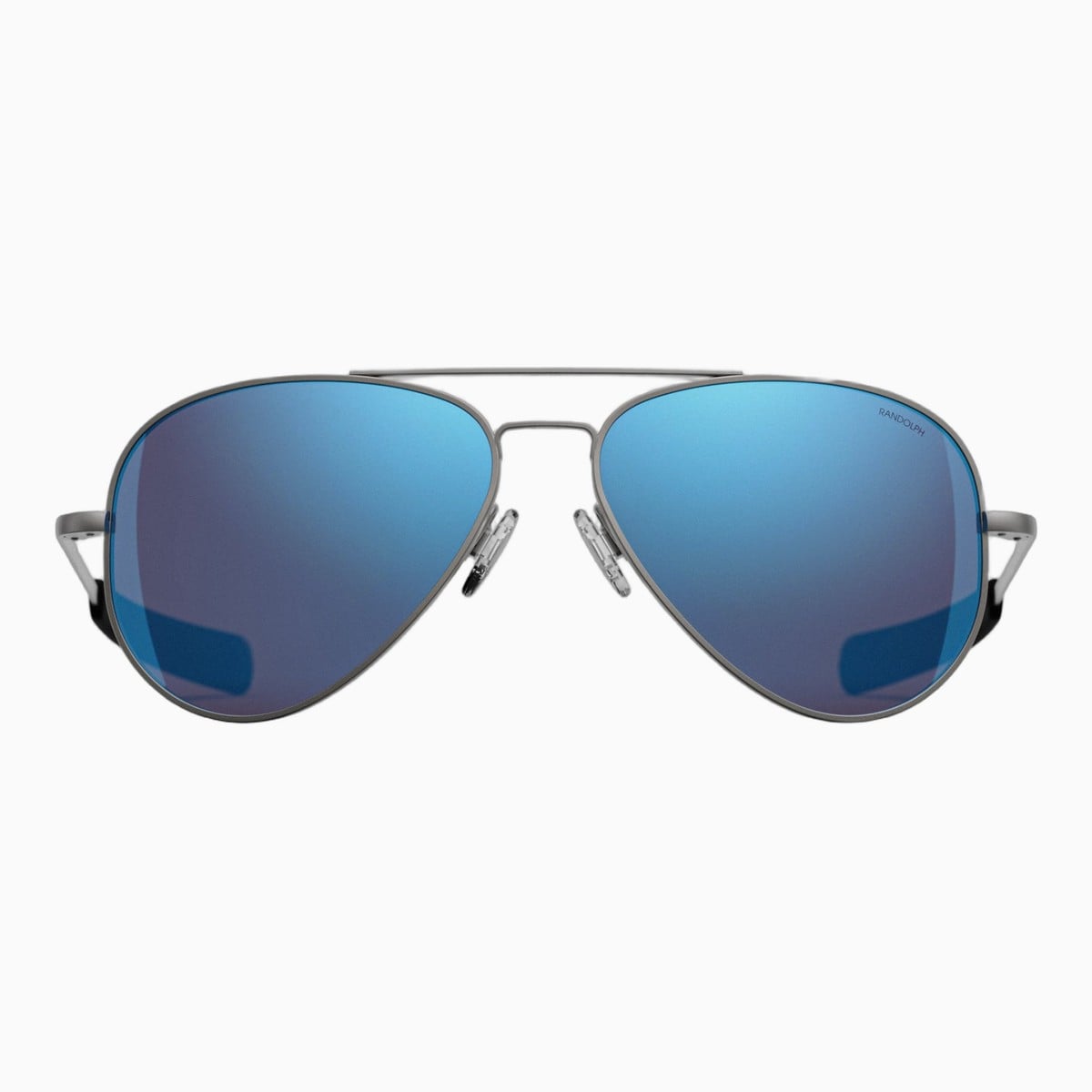
Seasonal swaps
The core of a smart casual wardrobe stays the same all year. What changes is the outer layer, the knit and the shoes. These four pieces cover the shift between seasons.
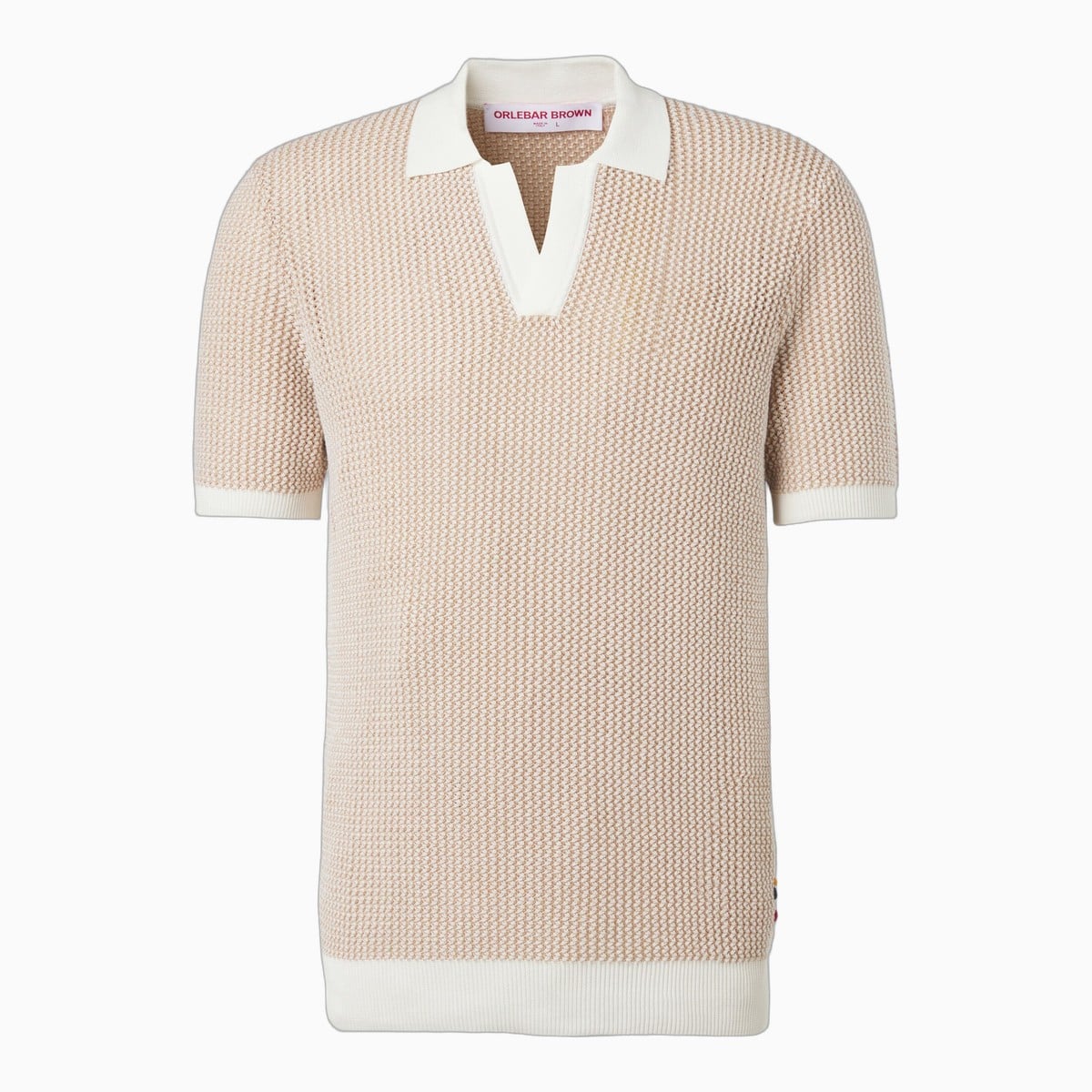
A short bomber jacket bridges the gap in spring and autumn, when a blazer is too much and a coat is too warm. In summer, a crochet or knitted polo replaces a shirt and still keeps a collar. When the temperature drops, a quarter-zip sweater layers under a jacket, and suede Chelsea boots take over from loafers.
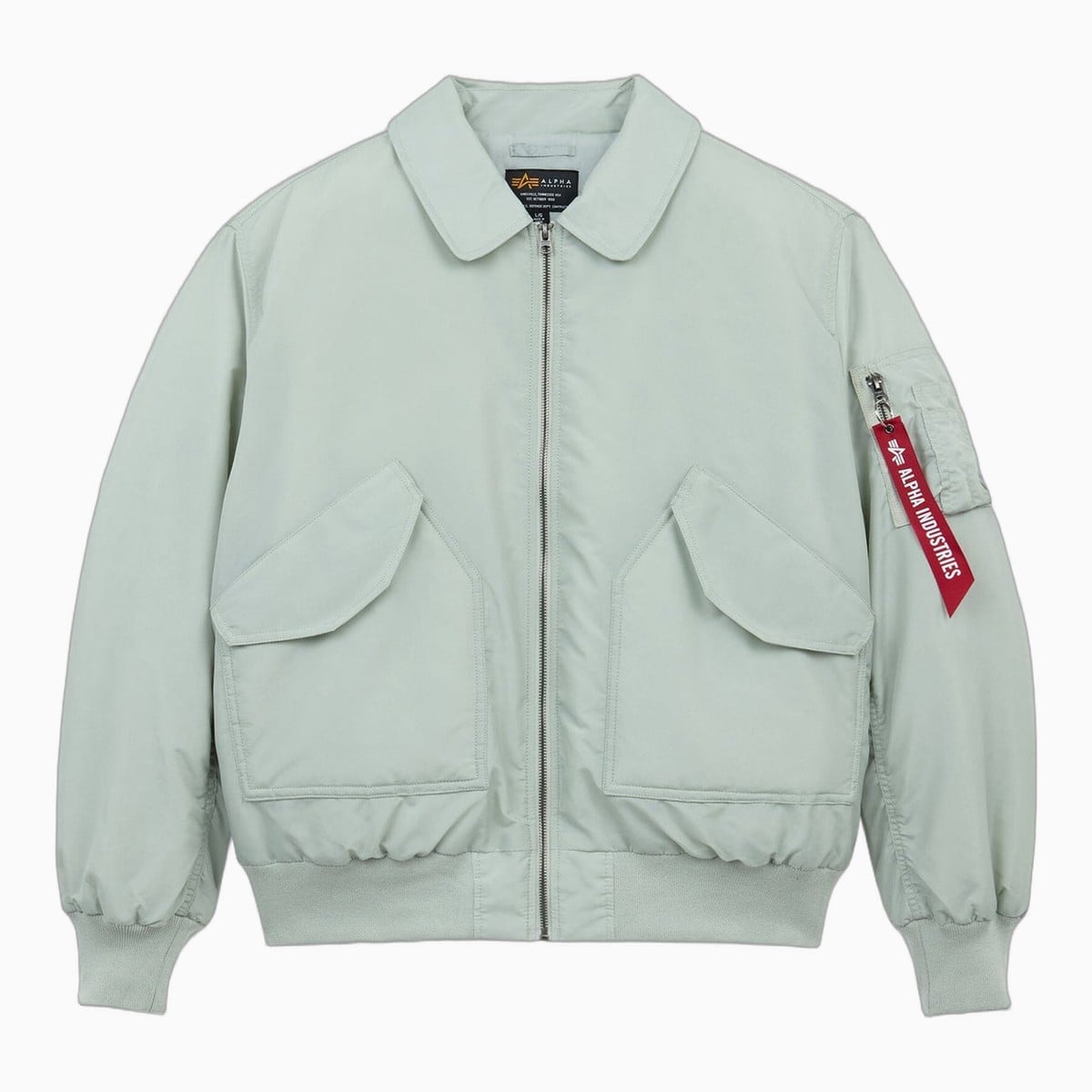
bomber jacket
Check price: Alpha Industries bomber jacket at Alpha Industries
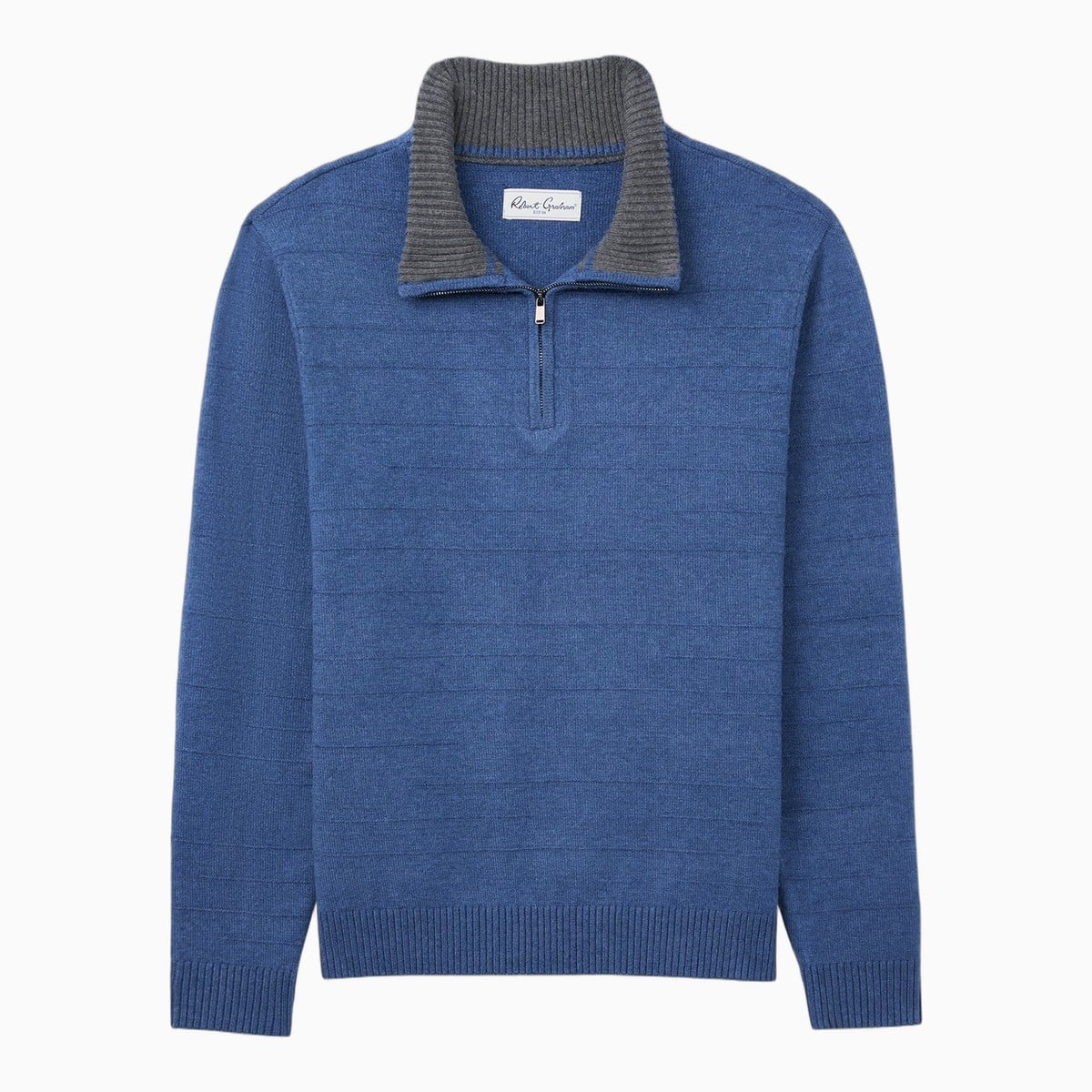
quarter-zip sweater
Check price: Robert Graham quarter-zip sweater at Robert Graham
Smart casual do’s and don’ts
Most smart casual mistakes come from treating the code as either casual or formal. The fixes are simple once you see them side by side.
Do
- Wear a collar or a fine knit on top.
- Choose dark, straight jeans with no rips.
- Match your belt to your shoes.
- Keep the blazer in a different cloth from your trousers.
- Dress one notch up when you are unsure.
Don't
- Wear a graphic T-shirt, a hoodie or sportswear.
- Wear ripped, faded or skinny jeans.
- Wear running shoes or flip-flops.
- Wear a matched suit with a tie.
- Let anything look wrinkled or worn out.
| Swap this | For this |
|---|---|
| A T-shirt | A polo or a fine crewneck knit |
| Ripped jeans | Dark, straight jeans |
| Running shoes | White leather sneakers or loafers |
| A suit jacket | A blazer in a different cloth |
| A hoodie | An overshirt or a cardigan |
7 Pro style tips and basic principles to always get your smart casual look right
Here are seven principles to help you look great when dressing smart casual:
-
Start with your goals. This will form the backbone of your style. Do you want to project an air of assurance? Do you want to show that you care about an occasion and dressed up accordingly? Or do you prefer to prioritize comfort first and foremost?
-
Dress accordingly. Pick an outfit that will help you achieve your goals.
-
A few timeless items are worth investing more in. Some items in your wardrobe won’t last for more than a season. You shouldn’t spend too much on those. But others will stay with you for years. That’s the case with a designer blazer, your high-end sneakers, or a luxury watch, for example. Decide which pieces you want to keep and invest in quality over quantity.
-
Cover your bases. When starting to build up your wardrobe, begin first with neutral colors such as black, white, navy, tan, grey and brown for your outfit. Those are all easy to mix and match and will never go out of fashion.
-
Elevate and personalize your look with a one or two items. Once you have the foundations of your style in place, you can add your own personality to your outfit by playing with luxurious fabrics such as silk or cashmere and bolder colors. These should be reserved for your accessories such as your belt, watch strap, socks, etc.
-
Consider the occasion before selecting your smart casual outfit. Whatever your own personal style is, you should always pay close attention to your environment and social context. Understand what is expected and then design your outfit according to your goals.
-
Always look for the right fit. There is nothing more saddening than seeing a man pulling out the right style with the wrong fit. It will completely ruin your efforts if your clothes are overly tight and uncomfortable or too baggy and sloppy. If you invest time defining your style, make sure that the execution is right.
Smart casual vs business casual
If your invitation says business casual instead, the rules tighten. The blazer becomes expected rather than optional, wool trousers replace jeans in most offices, and the shirt stays tucked and collared all day. Our guide to business casual for men covers that step up, and if the invitation goes further and asks for a tie, semi-formal is where the jacket and the tie both stop being optional.
Resources and further reading about smart casual attire
We used several authoritative sources to help us write this guide to men’s smart casual attire. We recommend that you read them if you want to learn more about dress codes in general. These are also great resources if you want to understand a particular aspect of men’s fashion or want to stay up-to-date with the latest trends:
- Wikipedia has an in-depth article on how the smart casual dress code emerged and how its meaning has shifted. It’s valuable to understand why you are expected to wear a particular type of clothes.
- The London College of Fashion and the Parsons New School for Design both offer excellent courses if you want to learn more about fashion design.
- The Victoria and Albert Museum can also help you explore the history behind men’s dress codes.
Frequently asked questions about smart casual for men
What is smart casual for men?
Can you wear jeans in smart casual?
What is the difference between smart casual and business casual?
Can you wear sneakers for smart casual?
How should I dress for a smart interview?
How can I dress smarter?
How to dress semi-formal for men?
Products featured here are independently selected by our editors. If you buy through our retail links we may earn an affiliate commission — it never changes the price you pay, and it never decides our verdicts. Read our earnings disclaimer.