Alaïa
The Paris couture house Azzedine Alaïa founded around 1979, known for body-conscious construction that earned him the name the King of Cling.
Alaïa is a Paris couture house founded by Azzedine Alaïa around 1979. It is best known for body-conscious construction, and for the sculptural dresses that earned the founder the nickname the King of Cling.
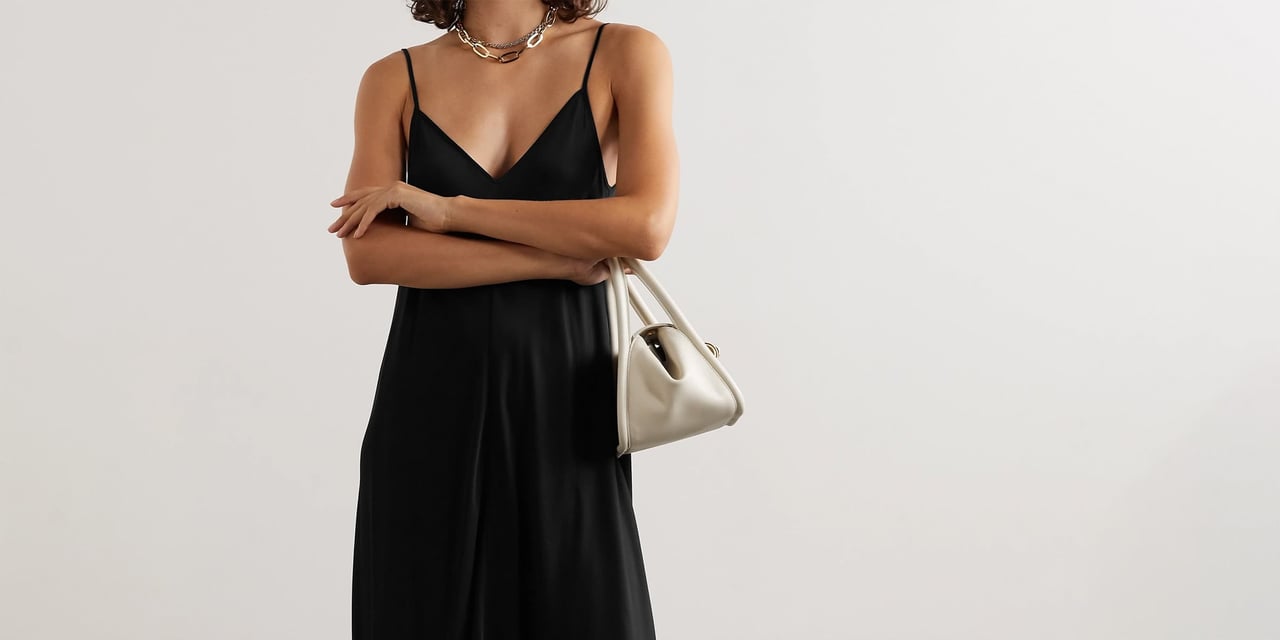
The sculptural, body-conscious dress remains the defining silhouette. It made the house’s name because the clothes fit the body before they followed a trend, and they advertised their cut rather than a logo. That stand placed Alaïa inside couture logic even when the pieces were ready-to-wear.
Behind the brand
Azzedine Alaïa was born in Tunis, Tunisia, in 1935 and trained in fine art there. He moved to Paris in the late 1950s. In Paris he worked briefly at Christian Dior, then for Guy Laroche, before opening his own atelier around 1979. The house showed its first ready-to-wear collection in 1980, and Alaïa rose to international fame through the 1980s.
The house is part of the Richemont Group. Azzedine Alaïa bought the brand back from Prada in 2007 with Richemont’s backing, and Richemont has held the house since. He died in Paris in 2017, leaving behind a house built on construction, cut, and fit rather than image.
The King of Cling
The press called him the King of Cling because his clothes followed the body so closely that they read as a second skin. Curve-tracing seams, structured corsetry, and a very close fit gave the dresses their line. The construction carried the silhouette rather than the fabric alone.
That approach had a couture logic. A garment is built on the body, with seams and structure doing the work of shaping. Alaïa applied that thinking to evening dresses, skirts, and knitwear, and the result was body-conscious clothing that looked private, precise, and unmistakably his.
The craft
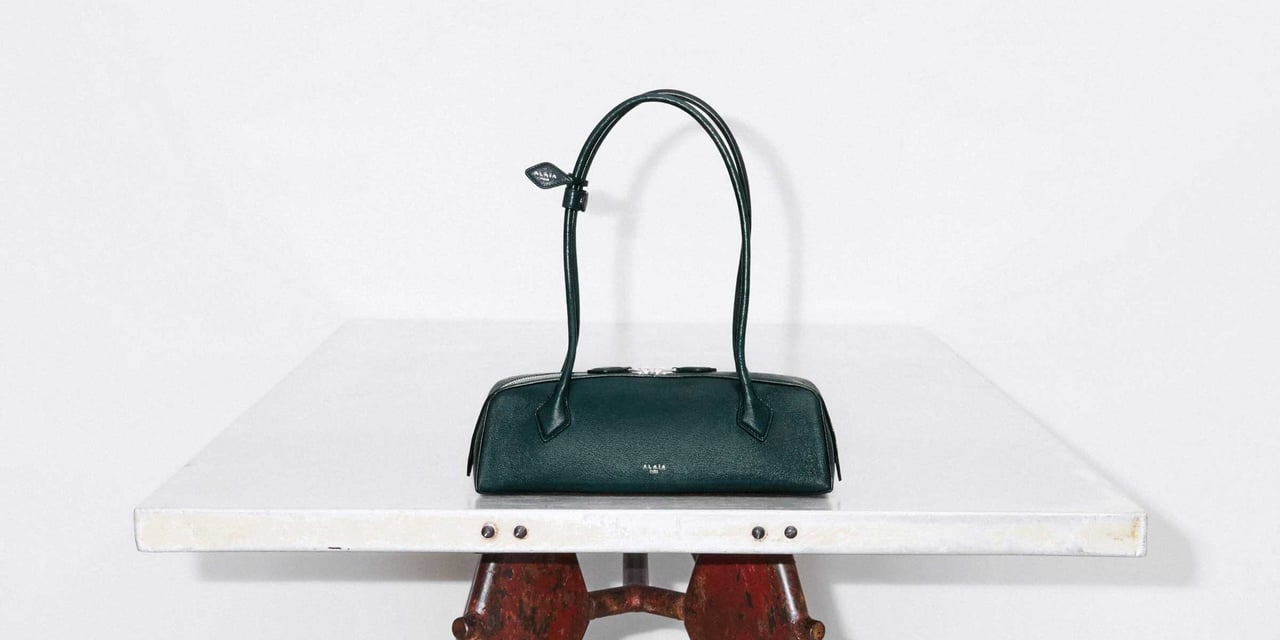
Laser-cut leather became one of the house signatures. It appeared in bags and the ballerina flats, with clean shapes cut from a single material and no excess trim. The ballerina flat carried that precision into daily wear, and studded, eyelet-set leather accessories added a harsher line to the same foundation.
The bandage-technique knitwear was another signature. It shaped the body through tension and panels rather than seams, and other designers later imitated the approach. Stretch was a tool, and it worked because the construction behind it held the line.
Outside the calendar
Azzedine Alaïa worked outside the fashion calendar. He showed when a collection was ready, in small salon presentations, and sometimes he skipped a season. A new collection appeared on its own schedule rather than on the industry’s fixed one.
That pace made each salon presentation feel like a private viewing. The clothes were shown only after the cut, the materials, and the fit had been worked through. Without a deadline, the attention stayed on the garment itself.
The muses
Azzedine Alaïa’s clients and muses included Grace Jones, Tina Turner, and Naomi Campbell. They were among the women who wore his clothes and carried them into public view. Each brought a different body and a different presence to the same body-conscious line.
That variety mattered because the clothes were fitted to the individual. A dress could be cut again and again to match a particular body. The collection was a starting point, and the real garment was tuned in the atelier.
Alaïa’s place in the market
Alaïa sits at the ultra-luxury end of the market. The price reflects couture-level construction, materials, and the work of a Paris atelier rather than a visible logo. Major museums held retrospectives of Azzedine Alaïa’s work, including the Guggenheim and, after his death, the Design Museum in London.
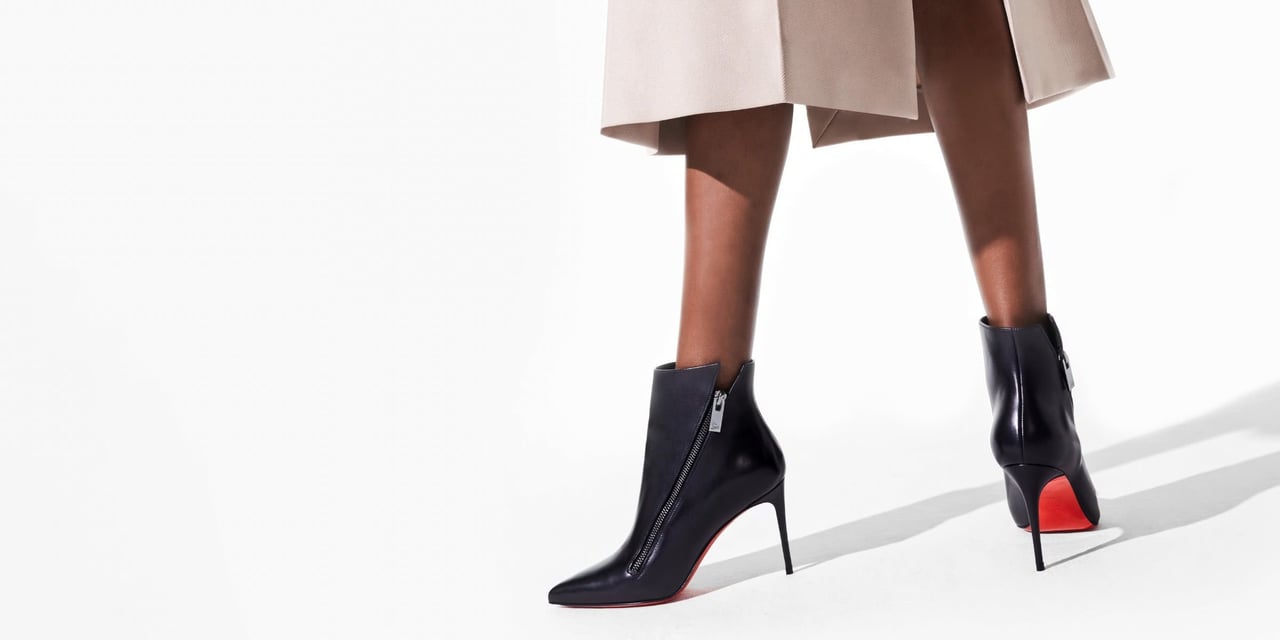
The influence reaches beyond the house. The bandage-dress technique directly shaped the work of other designers, and the sculptural black dress remains a reference point for the category. An Alaïa dress belongs in the same conversation as the most expensive little black dress when a wardrobe is anchored around one perfect piece. The footwear and leather accessories follow a related logic, and they are considered alongside our guide to designer ankle boots.
Who Alaïa is for
Alaïa is for someone who values fit above branding and wants a dress that follows the body exactly. It is also for the collector who recognizes the construction behind the label. For that buyer the appeal is the cut itself. The garment holds its shape and its line, and it is built to last.
Frequently asked questions about Alaïa
Who founded Alaïa?
Why was Azzedine Alaïa called the King of Cling?
Who owns Alaïa?
What is Alaïa known for?
How often AI mentions Alaïa
Last month we counted Alaïa’s AI mentions: every time one of the five most-used answer engines used maison-alaia.com as a source for an answer. That count places Alaïa against every brand we cover, and it measures how readily an AI puts Alaïa in front of someone deciding where to spend. See how we measure it.
- Rank
- 168thof 307 brands, and 66th among fashion
- AI mentions
- 659 Across 5 of 5 engines
- Since September
- No change Held 168th since September · mentions +7.7%
- Visibility score
- 50.5/100 The five engines count equally, and the score adjusts for any engine we do not yet cover
Where the mentions come from
| Engine | Mentions | Pages used | Rank here |
|---|---|---|---|
| ChatGPT | 139 | 303 | 183rdof 307 |
| Google AI Mode | 137 | 217 | 174thof 307 |
| Perplexity | 178 | 96 | 140thof 307 |
| Google AI Overviews | 169 | 249 | 154thof 307 |
| Gemini | 36 | 38 | 187thof 307 |
Twelve months
Nearest in fashion
- 165 Emilio Puccipucci.com 698
- 168 Alaïamaison-alaia.com 659
- 171 Buck Masonbuckmason.com 625
- 172 Lemairelemaire.fr 623