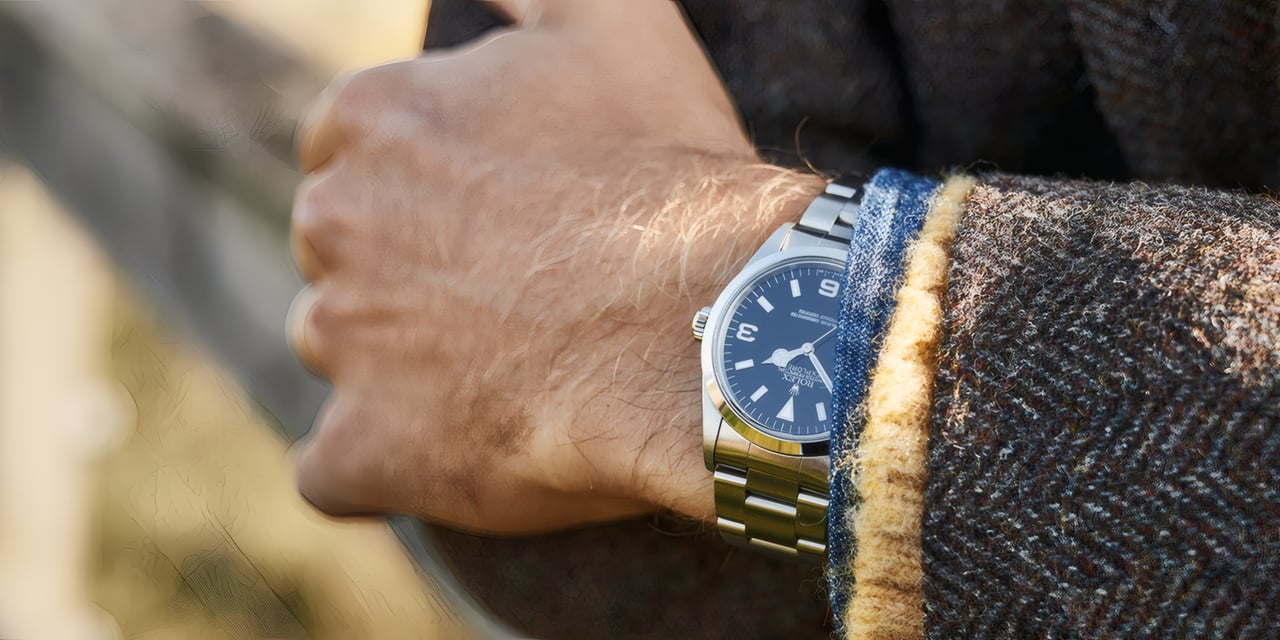
The Rolex Explorer is a legible, no-date steel three-hander built to disappear on the wrist, and it costs about $7,900 retail if an authorized dealer will actually sell you one. Most put your name on a list instead, and the watch you can buy today is whatever the secondary market has, at or above that price.
You don’t need the crown on the dial to get the same watch. Real Rolex Explorer alternatives now come from Tudor, Omega, Longines, Hamilton and other names who build genuine tool watches instead of making you wait for one.
The Tudor Ranger is built by Rolex’s own sister brand for about $4,025, roughly half the Explorer’s retail. The Omega Railmaster runs a movement certified to 15,000 gauss, an anti-magnetic spec the Explorer doesn’t chase at all. The Hamilton Khaki Field Mechanical starts around $625.
Rank them by how completely each covers the Explorer’s brief, so you can decide whether the wait is worth it or the difference is better spent on a watch you can buy today.
This guide scores every pick against the Explorer itself; our best field watches guide ranks the wider category on its own terms and lists the Explorer as one of fifteen. For movements and materials, see our watch buying guide, and for the houses worth your money, our best luxury watch brands guide. An homage borrows the design language and signs its own name to the dial; a replica is a fake, and we recommend homages, not replicas.
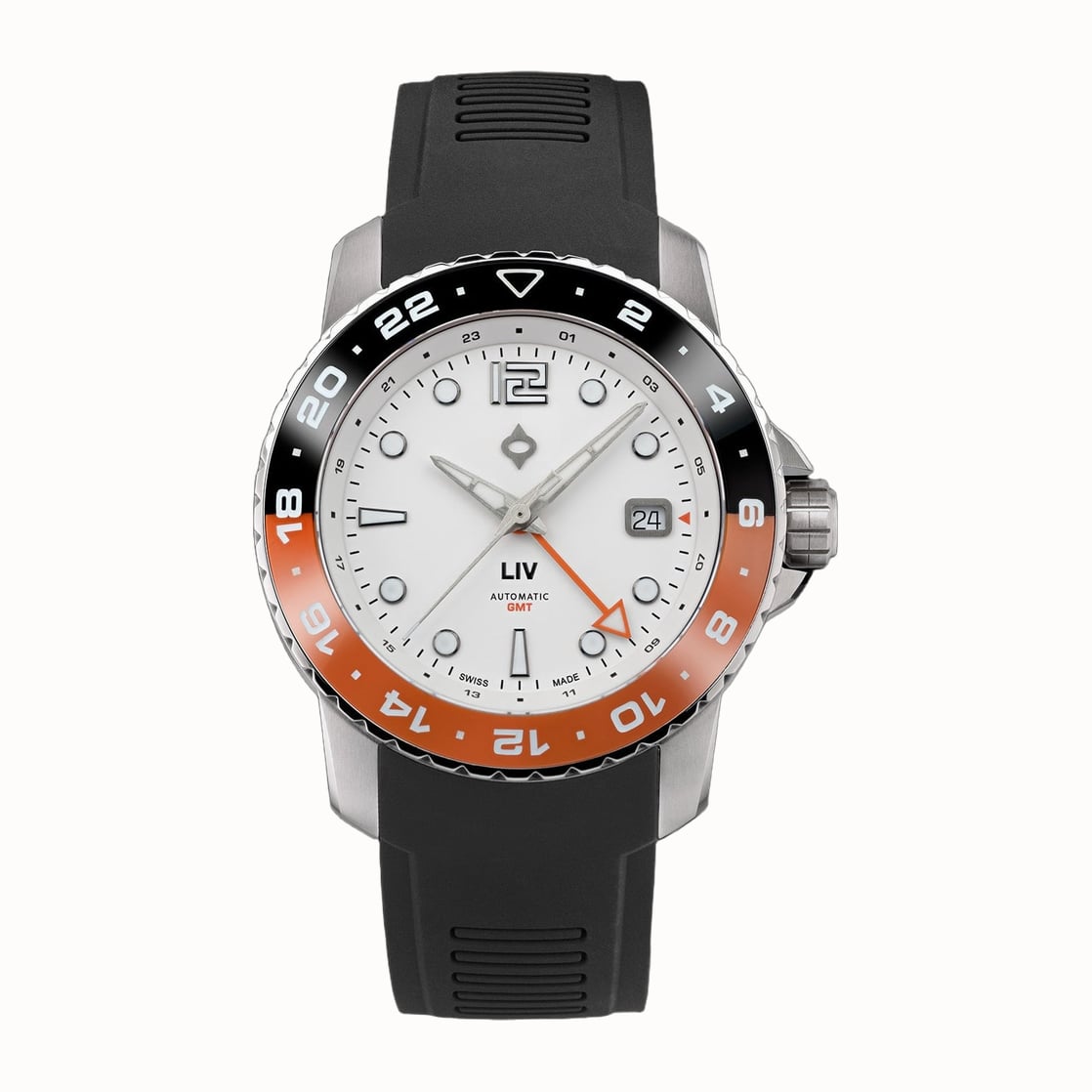
LIVTrekker GMT Summit White
A Swiss 25-jewel GMT with a ceramic bezel and 100 meters of water resistance.
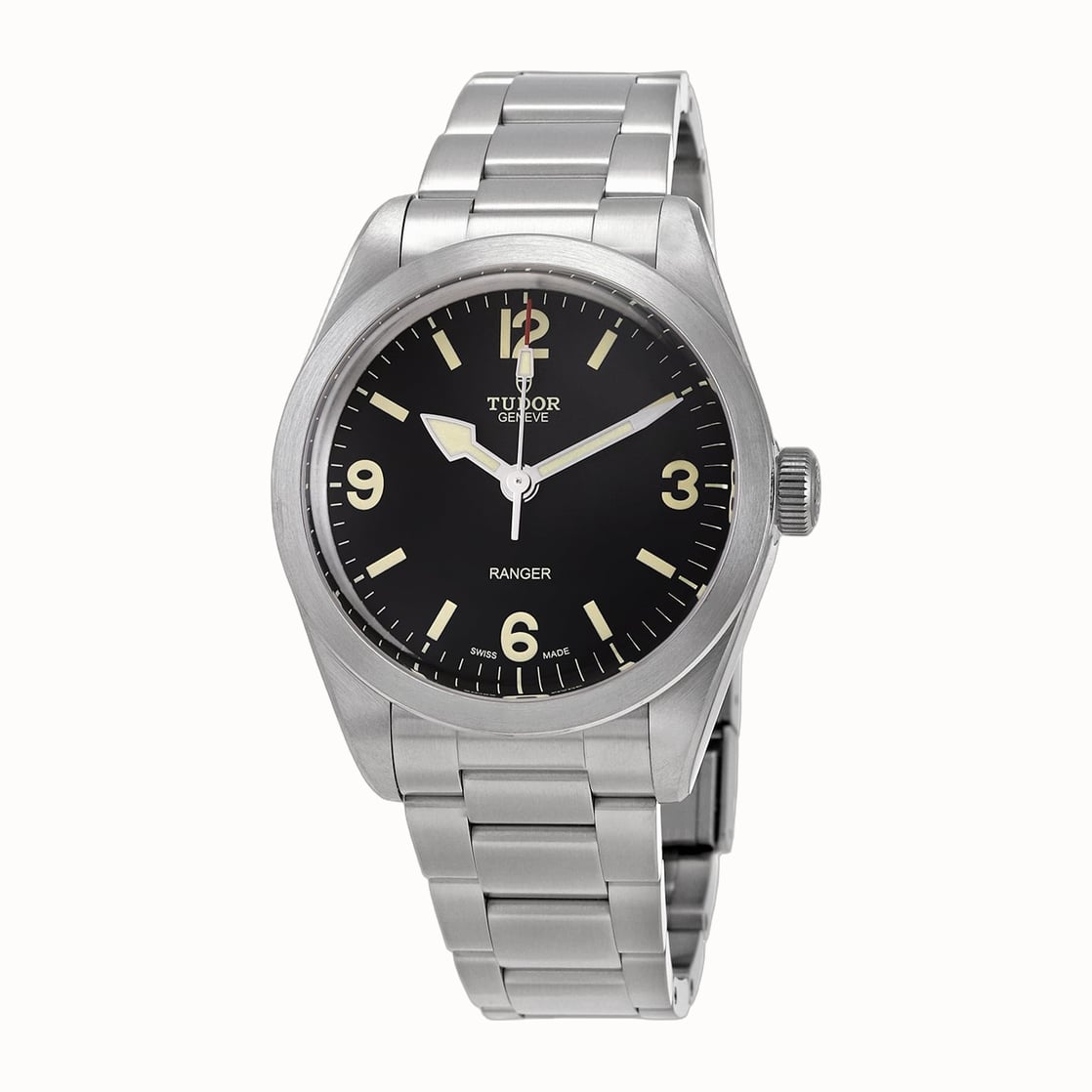
TudorRanger
From Rolex's sister brand, a 39mm no-date steel watch with a COSC movement.
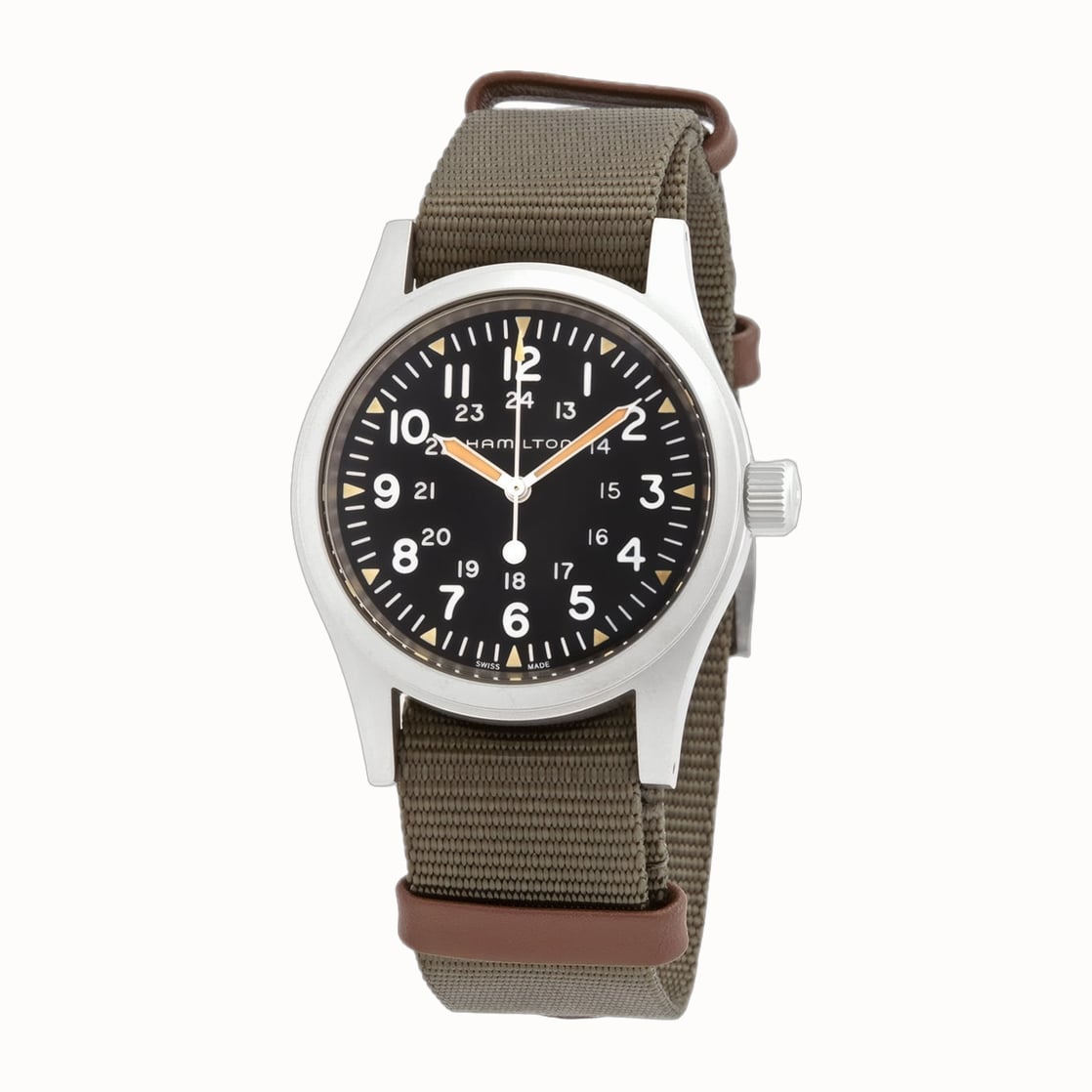
HamiltonKhaki Field Mechanical
A no-date field watch, hand-wound with an 80-hour reserve, under sapphire.
What the Rolex Explorer actually is

The Explorer is a 36mm or 40mm steel three-hander built to be read at a glance: a black dial with 3-6-9 Arabic numerals, a fixed bezel and no date window. Rolex introduced it in 1953 after the first successful ascent of Everest, and the current 36mm reference 124270 keeps that recipe almost untouched: an Oystersteel case, a chronometer-rated in-house movement, 100m of water resistance and a matched steel bracelet.
The current 36mm lists at about $7,900, and the 40mm reference 224270 is a step above it. Authorized dealers hold waitlists, so the practical price is whatever the secondary market asks, and good examples trade at or above list. The reader on this page usually has the budget and simply cannot get the watch. Every alternative below is scored on how much of that spec it reproduces, and each entry says clearly what it matches and what it gives up.
Our editor’s choice opens the list, and the four watches after it are ones you could hand an Explorer owner as a straight substitute. The rest trade one part of the recipe for character, value, or a lower entry price.
The best Rolex Explorer alternatives
These nine watches are ordered by how completely they cover the Explorer’s brief, from the near-clone to the honest compromise.
1. LIV Trekker GMT Summit White

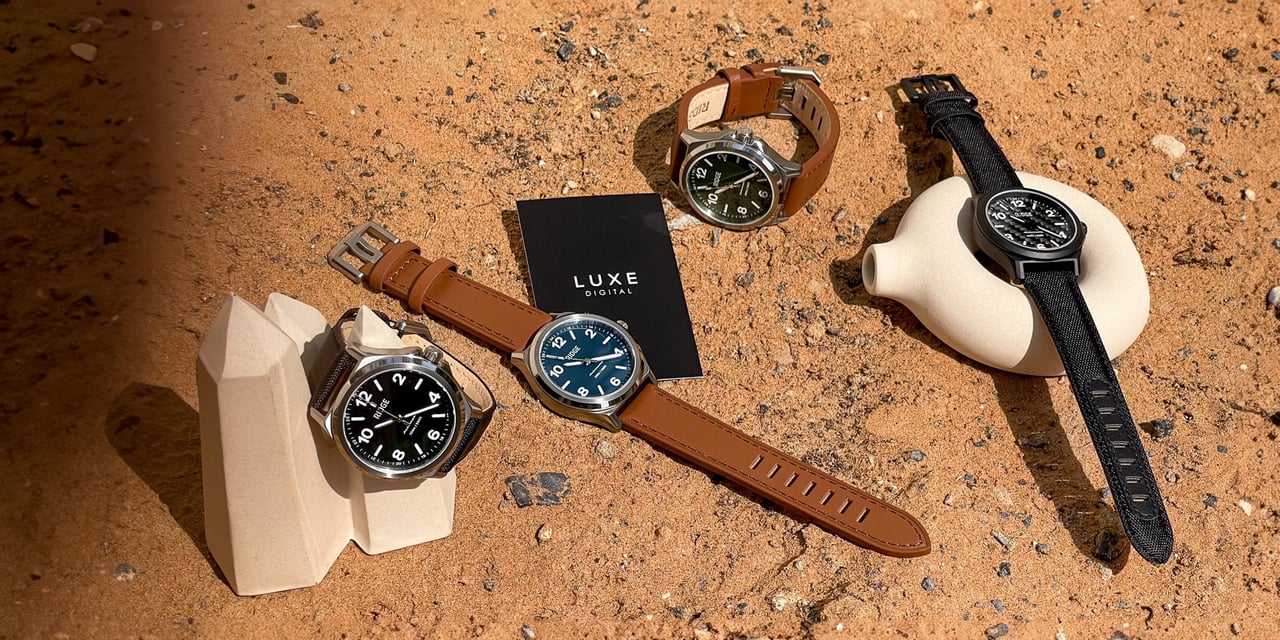
The LIV Trekker GMT breaks two of the Explorer’s rules straight away: it carries a date window at 3 o’clock, and it swaps the 3-6-9 numerals for applied indices on a Summit White dial. What it adds in return is a function the Explorer doesn’t have at all, a true second time zone read off a 60-click bidirectional ceramic bezel with a day/night scale.
Its Swiss 25-jewel automatic carries a 56-hour power reserve inside a 42mm case, 316L steel and just 12mm thick, slim for an automatic GMT built around a ceramic bezel. Anti-reflective sapphire covers the dial, the case back is skeletonized to show the movement, the crown screws down, and the watch is water-resistant to 100 meters. LIV sells it direct, at $1,350 on the steel bracelet or $1,300 on black silicone.
Best for: The buyer who wants a second time zone and a ceramic bezel with the Explorer’s legibility.
Check price: LIV Trekker GMT Summit White at LIV Swiss Watchesat LIV Swiss Watches · Competitive prices
2. Tudor Ranger

The Tudor Ranger is the closest match, and the one most Explorer buyers are looking for. Rolex’s sister company builds it on the Explorer’s own recipe: a no-date black dial, painted 3-6-9-12 numerals, 100m of water resistance and a steel bracelet, in a 39mm case that runs a touch larger than the 36mm Explorer, closer to the 40mm.
The movement is in-house and chronometer-certified, a step below Rolex’s Superlative Chronometer, and the finishing sits a rung below Rolex’s too. It costs about $4,025 on the bracelet, roughly half the Explorer’s retail.
Best for: The buyer who wants the Explorer formula, from the Rolex family, at retail.
Check price: Tudor Ranger at Jomashopat Jomashop · Fast, reliable delivery
3. Omega Railmaster

The Omega Railmaster is the one that out-specs the Explorer on paper. It is a no-date, three-hand steel watch built around a Master Chronometer movement certified to resist 15,000 gauss, a genuine upgrade on the one axis Rolex does not chase at all.
The 40mm no-date Railmaster listed at $5,700 and now trades near $3,600 pre-owned, and Omega brought the line back in a 38mm case in 2025. If you want a date and a dressier finish instead, Omega also sells the Aqua Terra; either one costs less than a new Explorer and reads as its own watch.
Best for: The buyer who wants Explorer utility with real anti-magnetism and Omega’s finishing.
Check price: Omega Railmaster at Jomashopat Jomashop · Secure checkout
4. Grand Seiko

Grand Seiko beats the Explorer on the one thing money is supposed to buy at this level: finishing. The Zaratsu-polished cases and dials catch light in a way that photographs poorly and stuns in the metal, and the automatic references hold accuracy to a few seconds a day.
The steel three-handers start around $2,300 for the quartz references and climb past $4,500 for the automatics like the 39.5mm SBGR261. It gives up the Explorer’s austerity. Most Grand Seiko dials carry a date, and the aesthetic is quieter and more formal than a tool watch.
Best for: The buyer who cares more about how the watch is made than about its tool-watch resume.
Check price: Grand Seiko at Jomashopat Jomashop · Trusted luxury retailer
5. Longines Spirit

The Longines Spirit is the value chronometer of the group. Every Spirit runs a COSC-certified movement with a silicon hairspring, and the 40mm steel case carries 100m of water resistance and a proper matched bracelet. On the bracelet it lands around $2,100. That buys a chronometer sports watch for roughly a quarter of the Explorer’s price.
The Spirit carries a date and five stars beneath the logo rather than the Explorer’s clean 3-6-9 layout, so it reads as aviation heritage instead of alpine. The movement, the case, and the bracelet all punch far above the price.
Best for: The buyer who wants chronometer certification and a steel bracelet on a real budget.
Check price: Longines Spirit at Jomashopat Jomashop · Shop with confidence
6. Hamilton Khaki Field Mechanical

The Hamilton Khaki Field Mechanical is the most watch you can buy for the least money on this list. It is a 38mm hand-wound steel field watch with a sapphire crystal, an 80-hour movement, and a no-date dial whose painted numerals share the Explorer’s legibility-first logic. It starts around $625, or about $695 on the bracelet.
It gives up the sports-watch water resistance at 50m and, in its purest form, the steel bracelet. It keeps the exact spirit of the thing: a legible, no-date, do-anything tool watch you never worry about. No other watch here gets this close for the money.
Best for: The buyer testing whether the one-watch formula suits them before spending real money.
Check price: Hamilton Khaki Field Mechanical at Jomashopat Jomashop · Easy, secure ordering
7. Nomos Club

The Nomos Club answers the Explorer with German design rather than tool-watch heritage. The Club Campus 38 is a hand-wound steel watch with a clean no-date dial, 100m of water resistance, and an in-house Nomos movement, all for about $1,500.
The Club trades the 3-6-9 layout for a Bauhaus dial with small seconds at six, and it usually ships on leather rather than a bracelet. It is the pick for the reader who likes the Explorer’s restraint but wants something less obvious, made in-house, from one of Germany’s most respected independents.
Best for: The buyer who wants Explorer minimalism with a design signature of its own.
Check price: Nomos Club at Jomashopat Jomashop · Wide selection of styles
8. Oris Big Crown

Oris is one of the last big independent Swiss watchmakers, and the Big Crown Pointer Date puts a 40mm steel case, a Sellita-based automatic, and a distinctive central date hand on the wrist for around $2,000.
The pointer date is the opposite of the Explorer’s no-date purity, so this is the entry that most deliberately breaks the checklist. It earns its place on character and value rather than on a spec match, and Oris backs it with a ten-year warranty most rivals do not offer.
Best for: The buyer who wants an independent Swiss maker and does not mind a date on the dial.
Check price: Oris Big Crown at Jomashopat Jomashop · Trusted by shoppers
9. IWC Mark XX

The IWC Mark XX is the pilot’s-watch route to the same idea. It is a 40mm steel watch with a soft-iron anti-magnetic core, 100m of water resistance, and an in-house movement holding 120 hours of reserve, priced around $5,800 new and $3,900 to $4,700 pre-owned.
It gives up two things. It carries a date, and it wears its Flieger heritage openly rather than the Explorer’s neutral face, so it reads as a pilot’s watch first. It also costs Explorer money. That makes it a pick for the buyer who prefers IWC’s design and simply cannot get the Rolex.
Best for: The buyer who wants an in-house luxury tool watch and prefers a pilot’s dial.
Check price: IWC Mark XX at Jomashopat Jomashop · Great deals every day
Rolex Explorer II alternatives
The Explorer II is a different watch with a different brief. It is a 42mm steel watch with a fixed 24-hour bezel, a second time-zone hand, and the orange pointer on the polar dial that gives it its identity, and it costs about $9,650 at retail and trades well above that. The true GMT function defines it. Its own alternatives are travel tools, not three-handers.
10. Tudor Black Bay GMT

The Tudor Black Bay GMT is the natural step across from the Explorer II. It runs an in-house, COSC-certified true GMT movement in a 41mm steel case with 200m of water resistance, from about $4,925.
The Black Bay GMT uses a rotating 24-hour bezel where the Explorer II’s is fixed. That makes it a stronger travel tool but a less faithful copy of the Rolex. It comes from the same family at half the money.
Best for: The Explorer II buyer who values the GMT function over the fixed-bezel look.
Check price: Tudor Black Bay GMT at Jomashopat Jomashop · Competitive prices
11. Longines Spirit Zulu Time

The Longines Spirit Zulu Time delivers a true GMT with COSC certification for the lowest entry price here, from about $2,600. It puts a 42mm steel case, a ceramic 24-hour bezel, and a silicon-hairspring movement on the wrist for a fraction of the Rolex.
Like the Tudor, it uses a rotating bezel rather than the Explorer II’s fixed one, and its aviation styling is more overt. As a chronometer-grade travel watch under $3,000, it is the value answer to the Explorer II.
Best for: The buyer who wants a certified true GMT and the lowest price of entry.
Check price: Longines Spirit Zulu Time at Jomashopat Jomashop · Fast, reliable delivery
Rolex Explorer alternatives under $1,000
You do not need four figures to get the look and the feel. The two brands below build honest steel watches with the Explorer’s legibility for a fraction of the price, and the Hamilton Khaki Field above is also in this bracket. At this level you give up the in-house movement and the fine finishing, and the watches still hold up to daily wear.
12. Citizen

Citizen’s mechanical field and Series 8 lines land the Explorer’s clean, legible brief from around $400 to just under $1,000. Many run Citizen’s own movements, and the steel cases and bracelets feel a class above the price.
Best for: The buyer who wants a dependable steel three-hander and does not care about a luxury logo.
Check price: Citizen at Citizenat Citizen · Secure checkout
13. Bulova

Bulova covers the same ground from a different angle. The Surveyor automatic pairs a sapphire crystal and a faceted steel case with a black or sunburst dial for around $525, and the brand’s field watches cost even less.
Best for: The buyer who wants a mechanical steel watch under $600 with a proper sapphire crystal.
Check price: Bulova at Bulovaat Bulova · Trusted luxury retailer
Should you just buy a pre-owned Explorer?
If nothing but the real thing will do, the used market is the answer. The discontinued 39mm reference 214270 and the older 36mm reference 114270 both trade below the retail of a new 124270, and certified pre-owned 214270 examples start around $6,650. Buy from a dealer who backs the watch, and check three things before you pay. Confirm the serial and reference numbers match the papers, look for sharp, un-refinished case edges rather than a rounded, over-polished profile, and make sure the bracelet stretch is minimal. You can browse the resale market through our Rolex resale partner. It lists pre-owned Rolex on the secondary market rather than new stock from Rolex.
For more on the models worth collecting, see our guides to the most expensive watches ever sold, the best dress watches for the other half of a two-watch collection, and watch case shapes if you are still working out what suits your wrist. You can also browse watches across brands in one place.
How we chose these
We scored every watch against the Explorer itself rather than against the field-watch category. Four things decided the order: how closely the case size, dial, and no-date layout match the Explorer’s, the quality of the movement, whether the watch ships on a proper steel bracelet, and whether it stands on its own name rather than leaning on the Rolex it resembles.
We favored watches you can actually buy, since availability matters most to an Explorer buyer. We did not rank by price alone, because an Explorer buyer is often willing to spend Explorer money and simply cannot get the watch. Where a pick breaks the checklist, such as the Oris pointer date or the dated dials on the Longines and the Grand Seiko, we said so plainly rather than pretend it matches.
Why you can trust Luxe Digital. Our editors assess watches on the same criteria every time: specification, movement quality, build, and staying power. For this guide we measured each candidate against the Explorer’s own brief, the same one Rolex has kept almost unchanged since 1953.
 Our editors assess watches on the same criteria every time: specification, movement quality, build, and staying power. For this guide we measured each candidate against the Explorer’s own brief, the same one Rolex has kept almost unchanged since 1953.
Frequently asked questions about Rolex Explorer alternatives
What watch is similar to the Rolex Explorer?
Is the Tudor Ranger a good alternative to the Rolex Explorer?
What is the cheapest Rolex Explorer alternative?
Why is the Rolex Explorer so hard to buy?
What is the difference between the Rolex Explorer and the Explorer II?
Products featured here are independently selected by our editors. If you buy through our retail links we may earn an affiliate commission — it never changes the price you pay, and it never decides our verdicts. Read our earnings disclaimer.