Rolex holds a special place in the world of high-end mechanical watches. It’s the most valuable luxury watch brand in the world, and one of the most expensive. The Swiss manufacturer produces iconic models that have become genuine status symbols. Owning a contemporary Rolex Day-Date or a vintage Submariner tells the world a great deal about who you are and what you’ve accomplished.
What makes Rolex so special? The quality of its designs. The rarity of its materials. And, above all, a production process engineered for precision and accuracy.
All of this feeds Rolex’s prestige — but the brand is far from alone at the top. Other houses, Patek Philippe and Audemars Piguet among them, are every bit as capable of producing sublime watches.
What sets Rolex apart is a rich history of innovation and leadership in watchmaking. Rolex watches have been worn by some of the most influential people of the last century — Paul Newman, Steve McQueen, Elle Macpherson, Winston Churchill, Dr. Martin Luther King, John F. Kennedy, Marlon Brando, Cristiano Ronaldo, and Victoria Beckham among them.
To help you make sense of the Rolex universe — and the role each model plays in it — we’re counting down the 17 most expensive Rolex watches of all time.
Some are historical pieces that earned their value through rarity or the fame of a former owner. Others are contemporary watches you can order from a Rolex boutique right now. Prices run from a few thousand dollars to well into the millions.
If you only want the headline before we dig in, here’s the short version:
- The Rainbow Cosmograph Daytona, its bezel set with a gradient of sapphires across the full spectrum, is the most expensive watch in Rolex’s current collection — a gem-set piece that retails for around $200,000.
- Paul Newman’s own Rolex Daytona is the single most expensive Rolex ever sold, and for a time the most expensive wristwatch of any kind. It hammered for $17.8 million at auction.
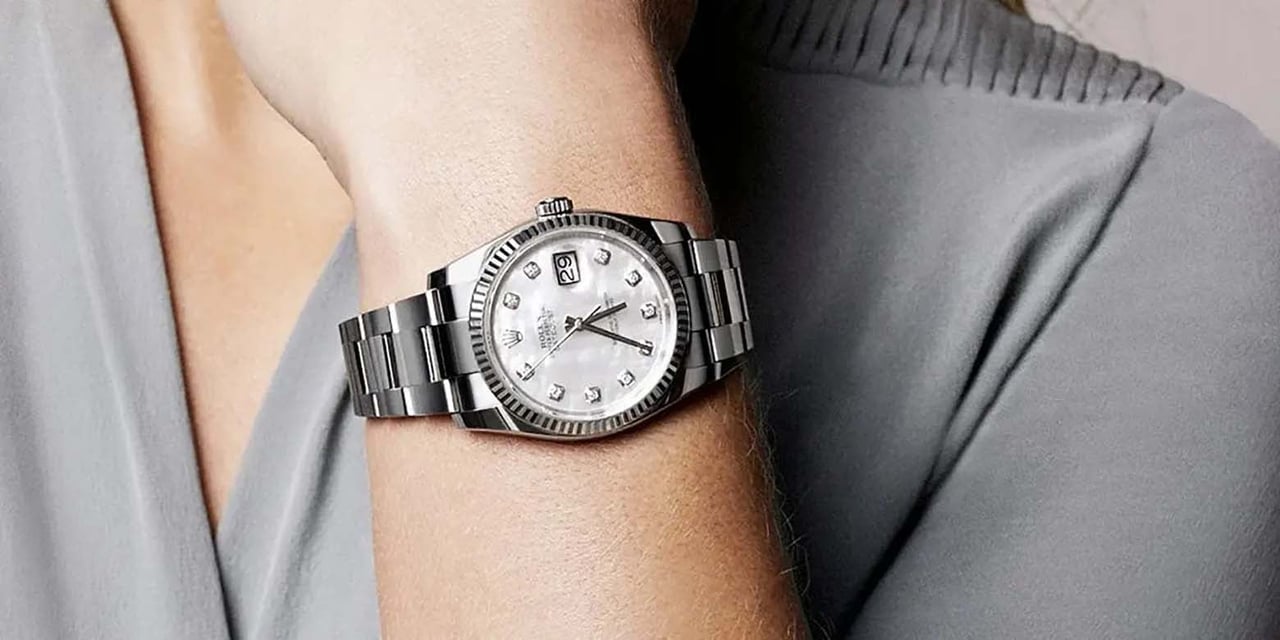
The top 17 most expensive Rolex watches in the world
Here’s the full ranking, from the most accessible models in the current collection to the seven-figure grails that surface only at auction. Use the table to jump to any watch.
| Rank | Model | Price |
|---|---|---|
| 17 | Datejust | current collection |
| 16 | Cosmograph Daytona | current collection |
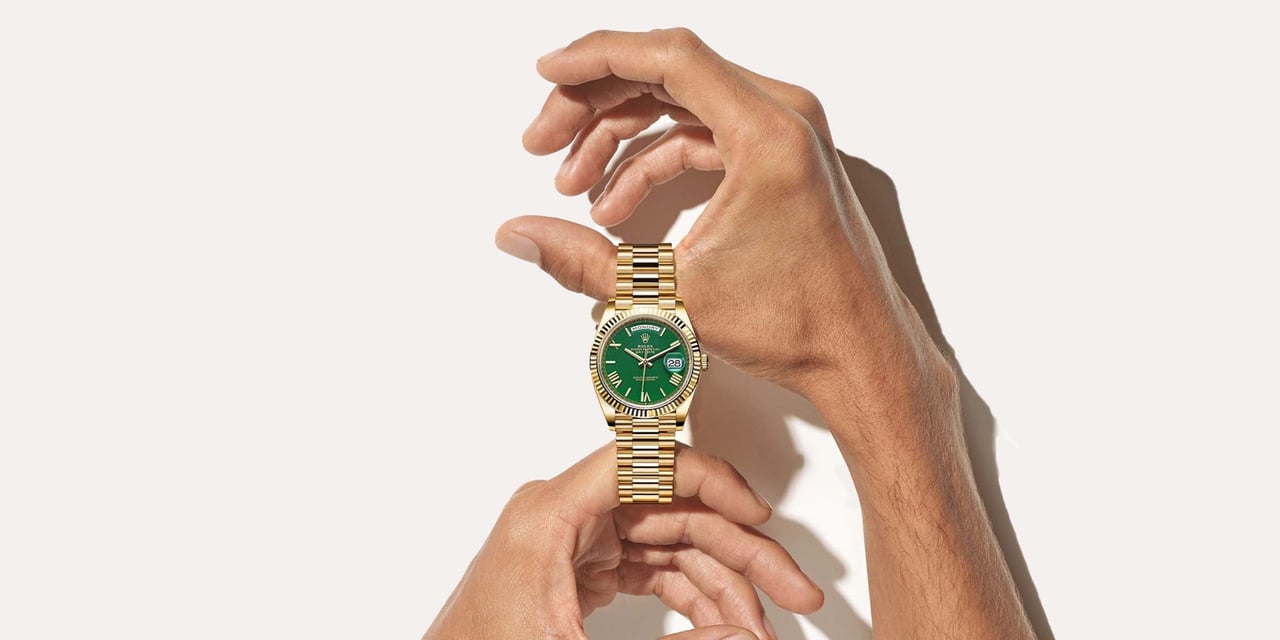
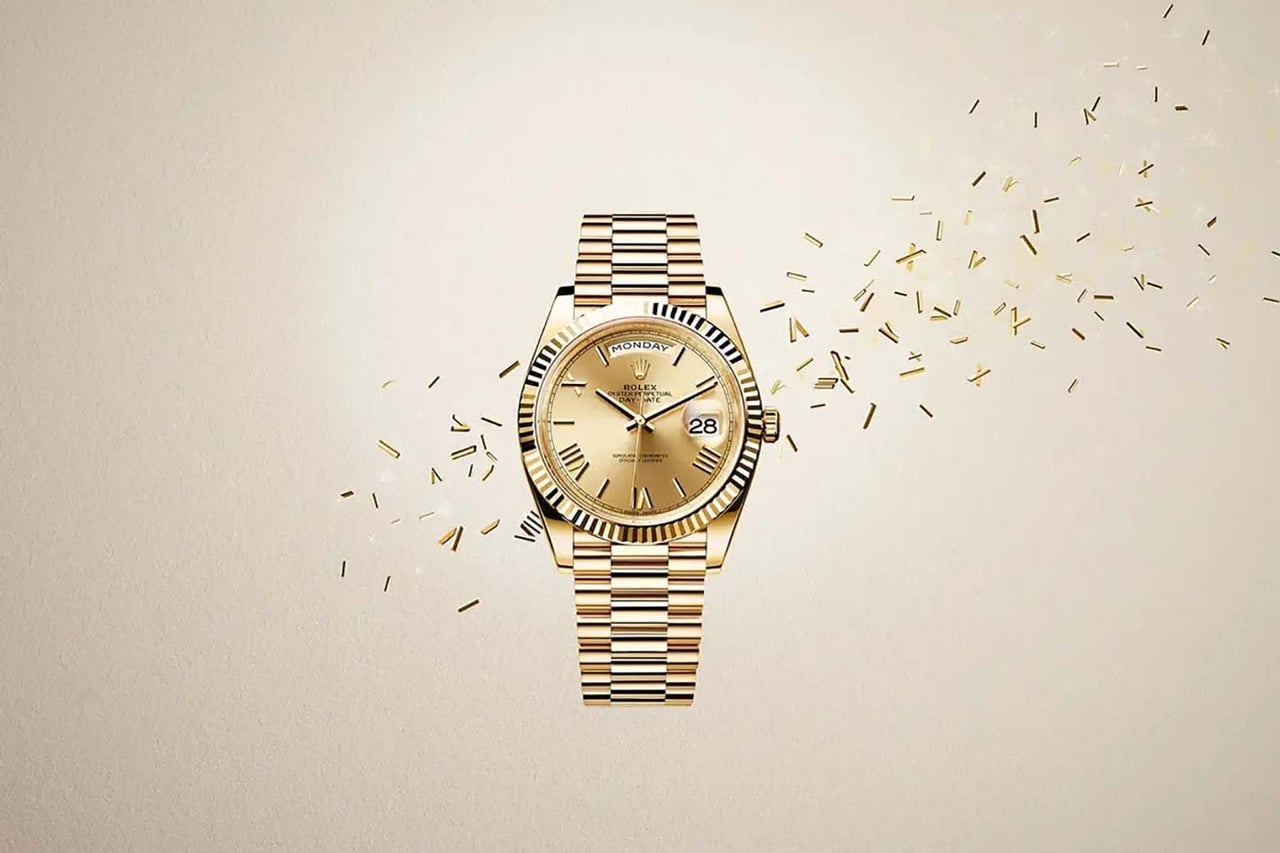
| 15 | Day-Date | current collection |
| 14 | Rainbow Daytona | around $200,000 (present-day) |
| 13 | Steve McQueen’s Submariner | $234,000 (2009) |
| 12 | James Bond’s Submariner | $365,000 (2015) |
| 11 | GMT-Master II Ice | $485,350 |
| 10 | Jack Nicklaus Day-Date | $1.22 million (2019) |
| 9 | Eric Clapton’s “Oyster Albino” Daytona | $1.4 million (2015) |
| 8 | Marlon Brando’s GMT-Master | $1.952 million (2019) |
| 7 | Antimagnetique Reference 4113 | $2.5 million (2016) |
| 6 | Bao Dai | $5.1 million (2017) |
| 5 | Cosmograph Daytona “The King” | $5.23 million (2025) |
| 4 | Daytona “Unicorn” Reference 6265 | $5.9 million (2018) |
| 3 | Reference 6062 in yellow gold | $6.2 million (2025) |
| 2 | Daytona “Rainbow” Reference 16599 | $6.3 million (2024) |
| 1 | Paul Newman’s Daytona | $17.8 million (2017) |
We’ll start with the most accessible Rolexes — contemporary models you can buy today. As the list climbs, you’ll meet the unique historical pieces that change hands only through public or private auctions. These were often owned by celebrities and influential figures, or crafted in extraordinary materials.
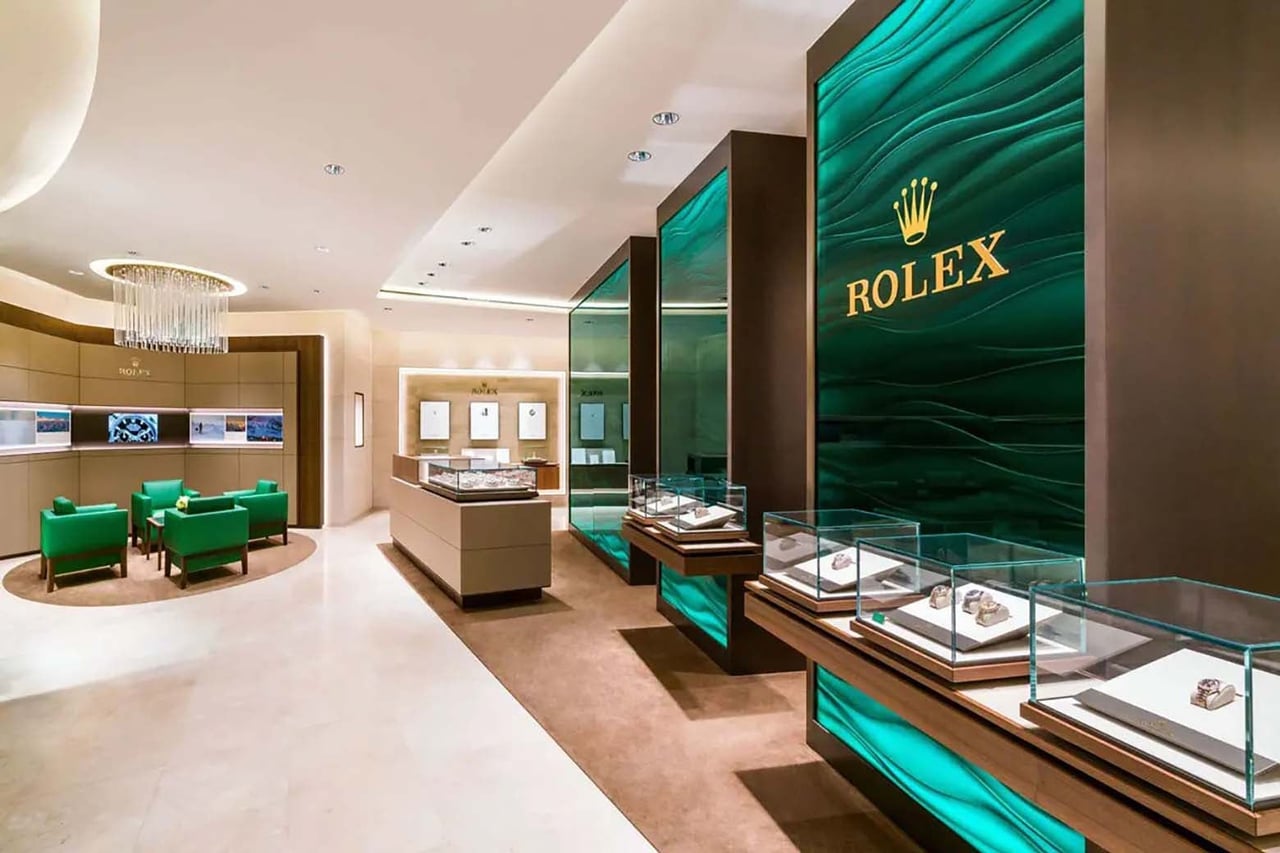
17. Rolex Datejust: the most accessible watch in the collection
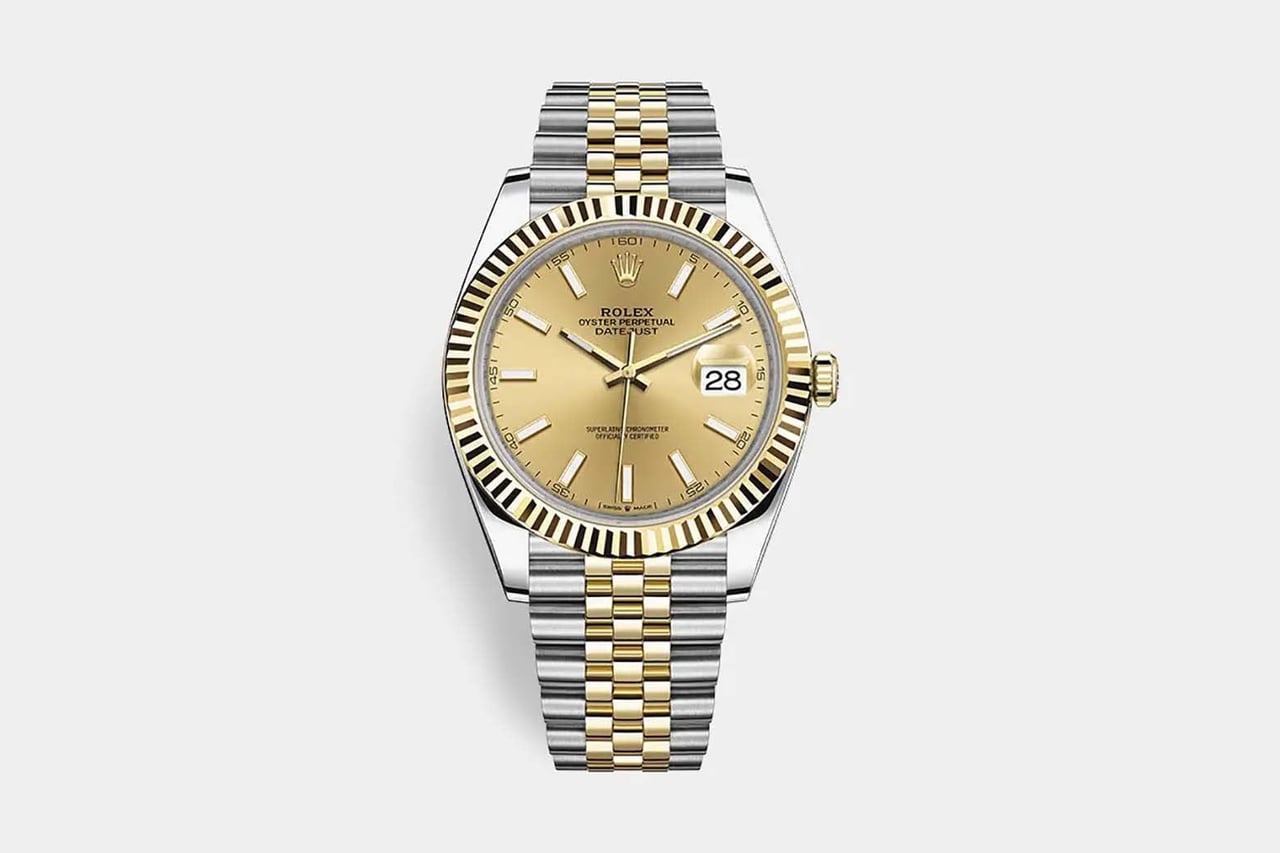
The elegant Rolex Datejust arrived in 1945 to mark the company’s 40th anniversary, and it has since become a default choice for professionals the world over. It’s versatile enough to wear with business casual or business professional attire, and it offers a deep menu of bracelets, dials, and materials — including the option of precious stones on the dial.
The Datejust comes in 31mm, 36mm, and 41mm sizes, plus a 28mm Lady-Datejust, in stainless steel, white gold, yellow gold, and rose gold.
16. Cosmograph Daytona: the steel chronograph everyone wants
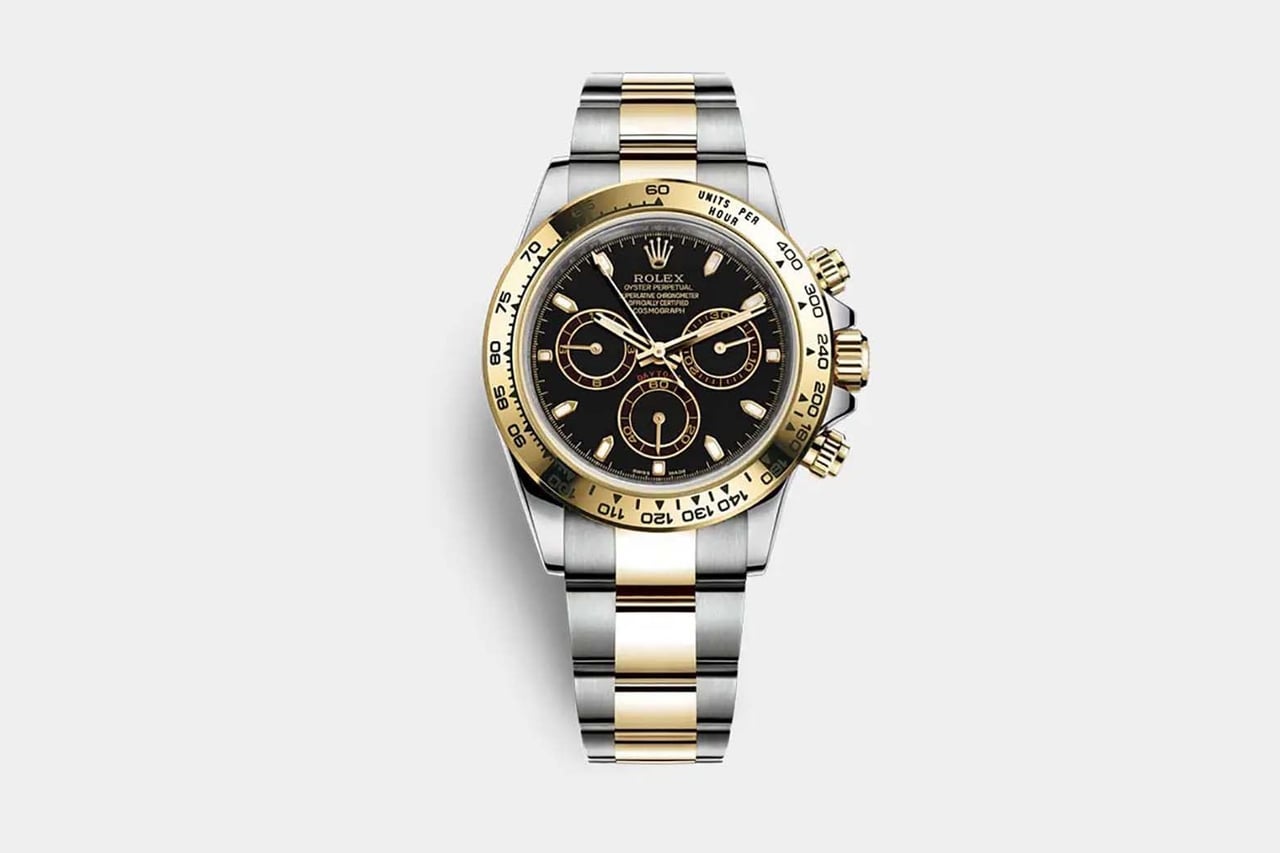
One of the most coveted watches Rolex makes, the Cosmograph Daytona was introduced in 1963 to celebrate the high-performance world of professional motor racing. It quickly won over movie stars and collectors alike, and its dial went on to define an entire category of sports chronographs — endlessly celebrated and imitated by other luxury watch brands.
Two pushers on the right-hand side of the case operate the chronograph; screw them down and the Daytona stays waterproof to 100 meters (330 feet).
15. Rolex Day-Date: the precious-metal status symbol
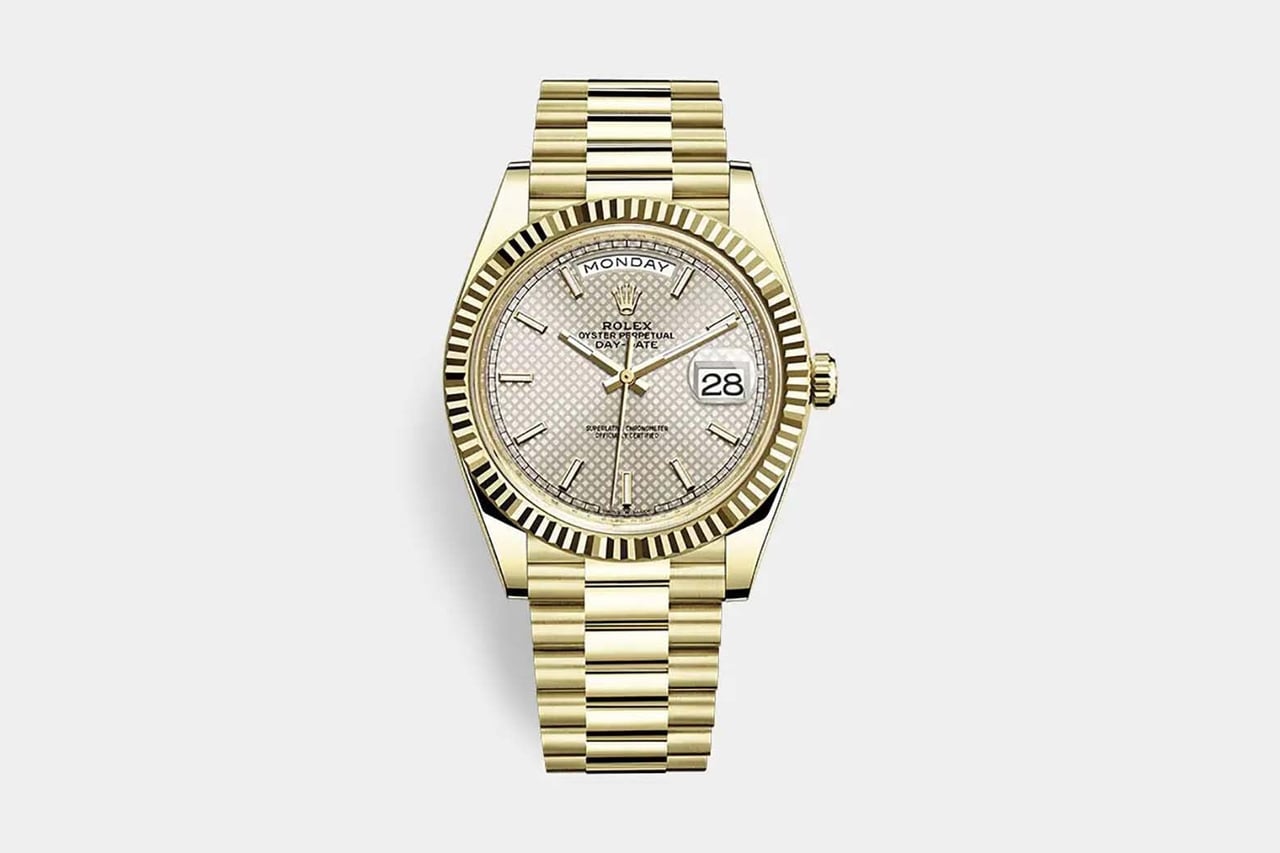
The Rolex Day-Date is arguably the ultimate status symbol — one of the most expensive watches in the current collection, and the choice of countless leaders and heads of state.
It launched in 1956 as the first waterproof, self-winding chronometer to spell out the day of the week in full alongside the date. It also introduced the President bracelet, still a byword for understated authority.
Powered by the caliber 3255 movement, the Day-Date pairs effortlessly with a suit. It’s offered in 36mm and 40mm, in yellow gold, white gold, rose gold, or platinum.
14. Rolex Rainbow Daytona: the most expensive watch in the current collection (around $200,000)
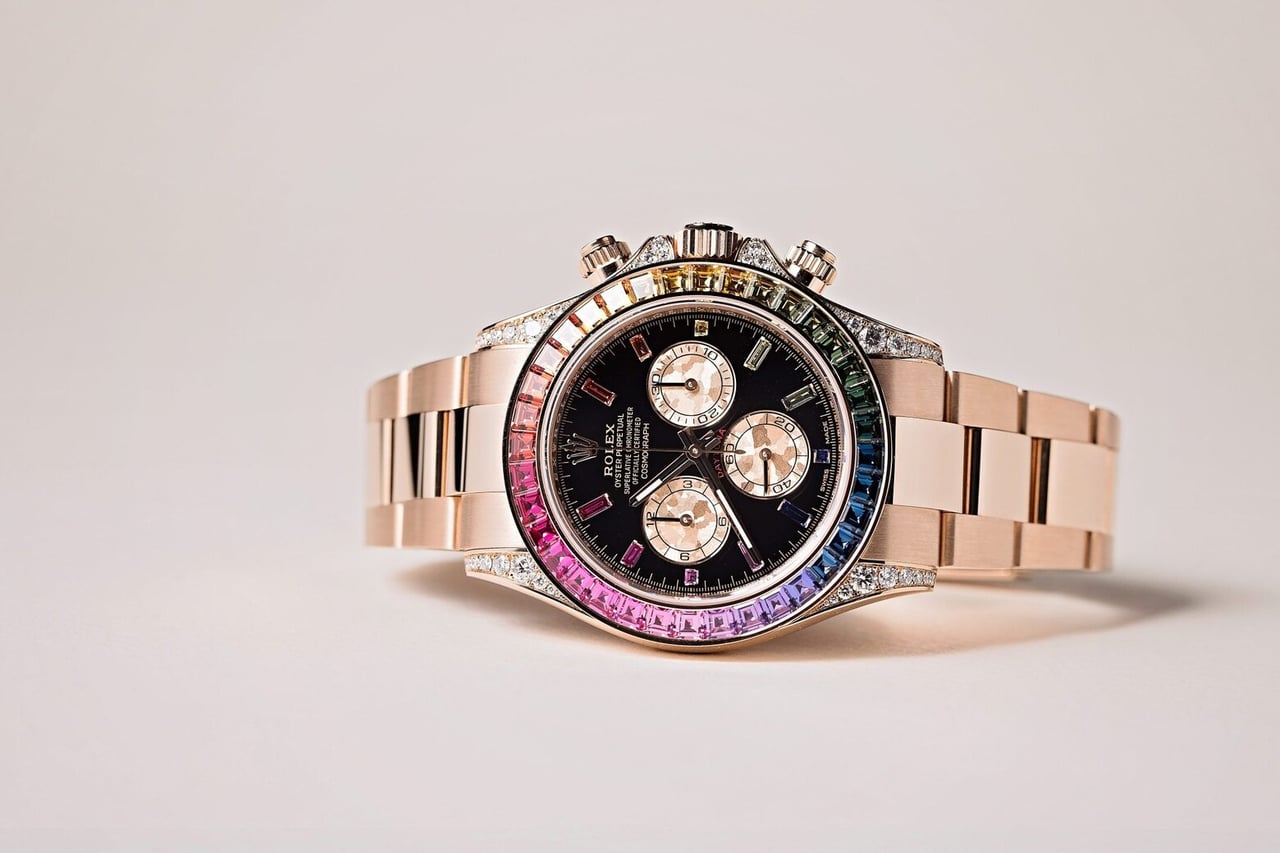
With the Pearlmaster retired and the diamond-paved GMT-Master “Ice” long gone from the price list, the most expensive watch you can order new from Rolex is the gem-set Cosmograph Daytona known as the Rainbow.
Its bezel is set with a graduated arc of square-cut sapphires that run through the full spectrum, while the case, lugs, and dial can be paved with diamonds. It’s offered in yellow gold, white gold, and Everose gold — Rolex’s own pink-gold alloy.
Rolex doesn’t publish prices for its most precious pieces, but the Rainbow Daytona commands around $200,000 at retail, and considerably more on the secondary market, where demand routinely outstrips the tiny supply. It’s the rare gem-set Rolex that dazzles without tipping into excess — every stone hand-set to the same tolerances as the movement it sits above.
Beyond this point, the list leaves the boutique behind entirely. From here on, these are watches that surface only at auction or on the collector market — often selling for many times what they originally cost.
13. Steve McQueen’s 1967 Rolex Submariner: sold for $234,000 (2009)
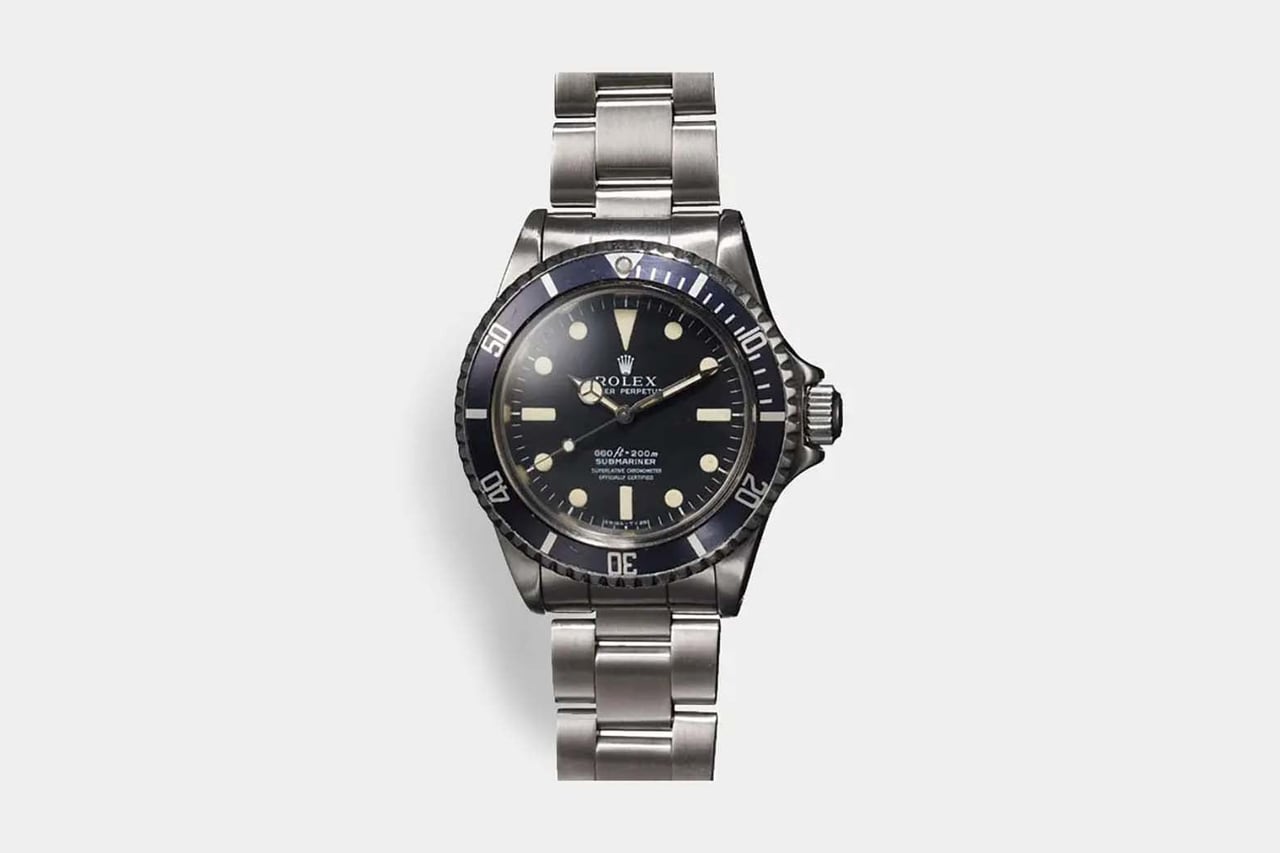
You could argue that Steve McQueen’s 1967 Submariner kick-started the modern obsession with vintage Rolex. It was the first watch on this list to fetch a startling sum at auction, closing at $234,000 — at the time, the highest price ever paid for a vintage Rolex.
The watch itself is a classic Submariner. What lifts it is the provenance: it belonged to the actor known as “The King of Cool,” one of the highest-paid stars of his era and a genuine enthusiast. His Submariner has only burnished that reputation in the years since.
12. James Bond’s 1972 Rolex Submariner: sold for $365,000 (2015)
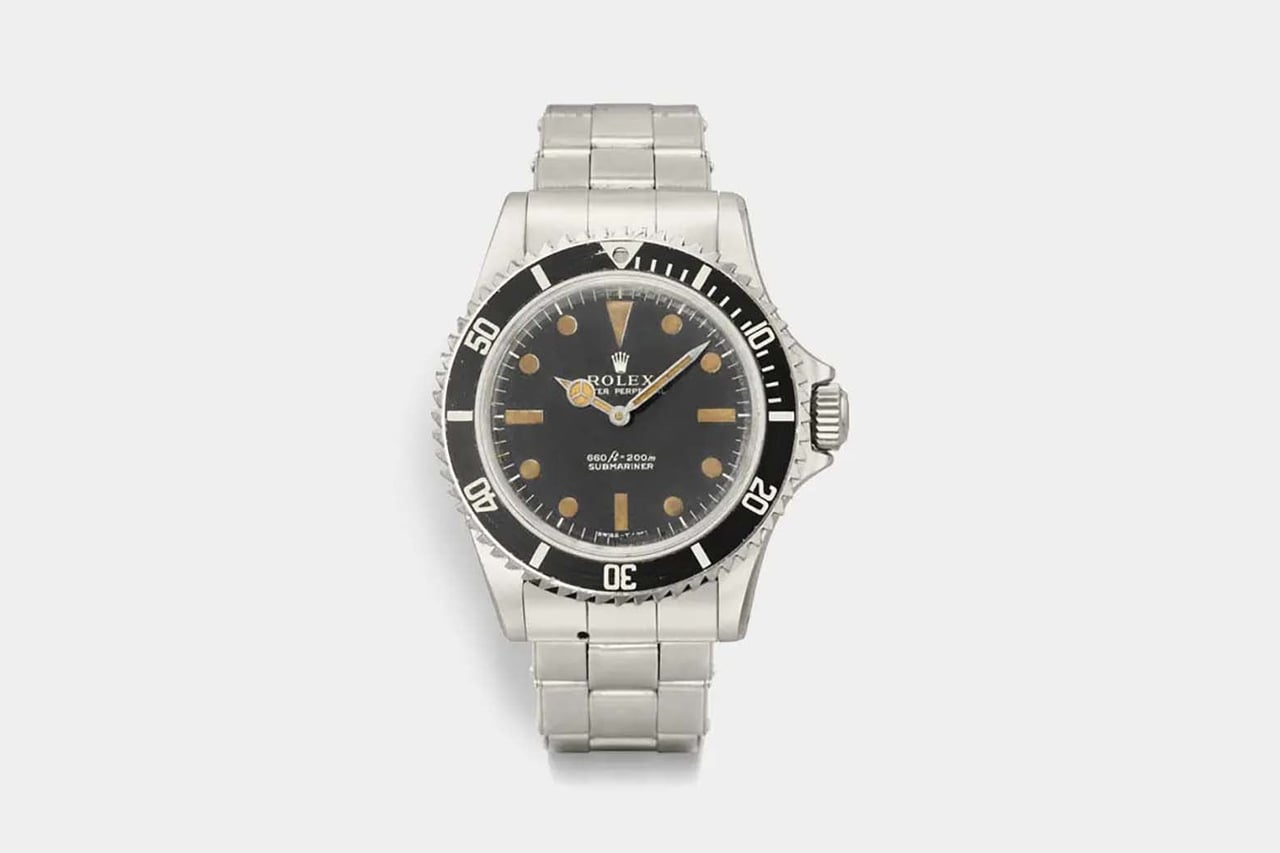
This is the actual Submariner worn by Sir Roger Moore as James Bond in Live and Let Die. It sold for $365,000 at a Phillips auction in Geneva.
The watch was heavily modified for the screen. Its bezel was reworked to resemble a spinning circular saw — which Bond uses to cut through a rope — and its “magnetic field” memorably unzips a dress. So thoroughly was it altered for the film that it no longer tells the time. The case back, fittingly, carries Roger Moore’s signature.
11. Rolex GMT-Master II Ice: $485,350
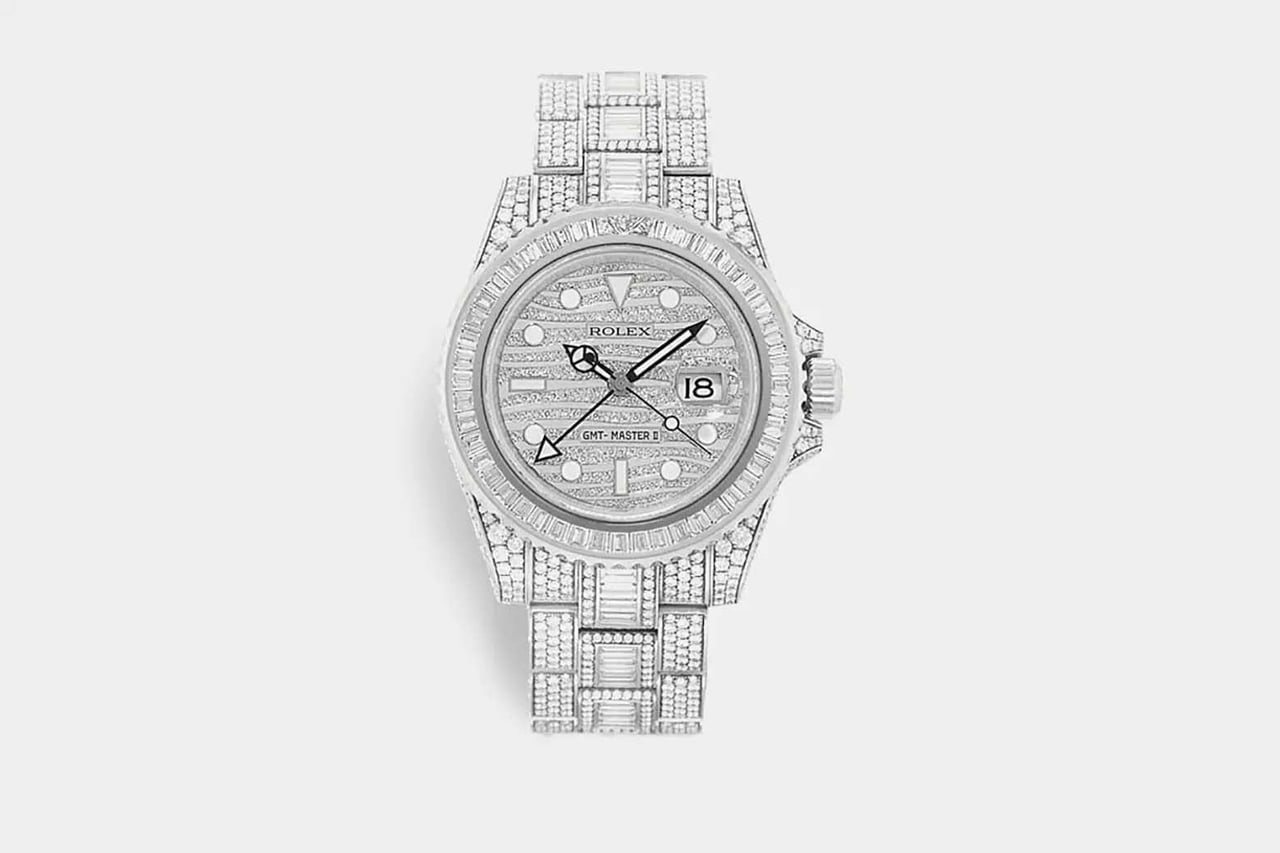
The GMT-Master II “Ice” is the watch Cristiano Ronaldo wore to the Dubai International Sports Conference, and for years it held the title of the most expensive watch Rolex would sell you, at $485,350.
It’s a special-order piece rather than a catalog regular, set with diamonds and cut from white gold, with a mesmerizing wave pattern of stones and gold across the dial. None of that compromises the engineering underneath: you still get the full GMT-Master II package — a true second-time-zone hand, a case waterproof to 100 meters (330 feet), and around 50 hours of power reserve. Today it surfaces only on the collector market, where its rarity keeps prices firmly in six figures.
10. Jack Nicklaus’s Rolex Day-Date: sold for $1.22 million (2019)
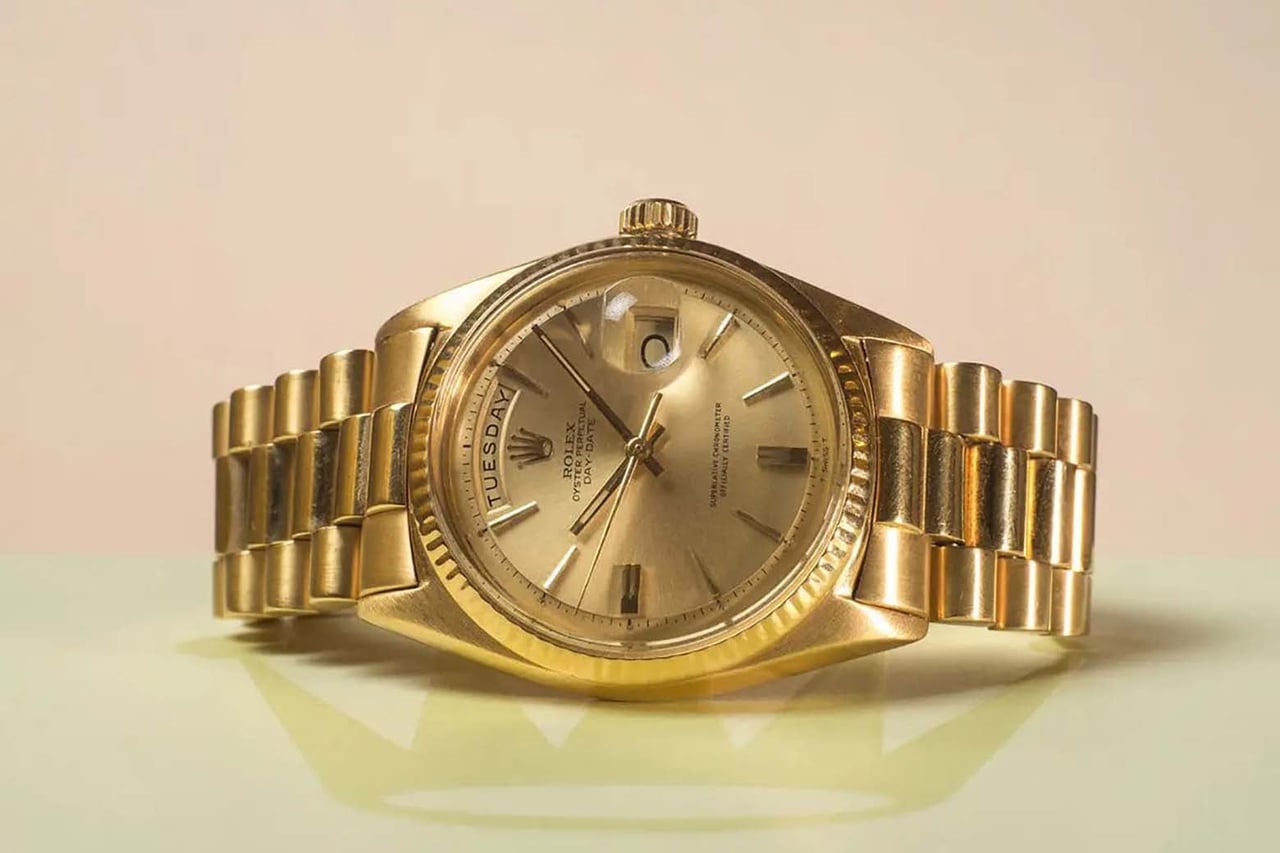
Rolex gave this yellow gold Day-Date to the golfer Jack Nicklaus in 1967, and he barely took it off. The “Golden Bear” was wearing it when he won 12 of his record 18 major championships, and it appears in countless photographs of him hoisting a trophy.
A yellow gold Day-Date on a President bracelet is Rolex’s most prestigious everyday watch, and one of the most recognizable timepieces in the world. “This is the very first watch I ever owned, and the only watch I wore for every professional tournament I’ve won throughout my career,” Nicklaus said.
It sold for $1.22 million at a Phillips auction, with all proceeds going to the Nicklaus Children’s Health Care Foundation.
9. Eric Clapton’s “Oyster Albino” Cosmograph Daytona: sold for $1.4 million (2015)
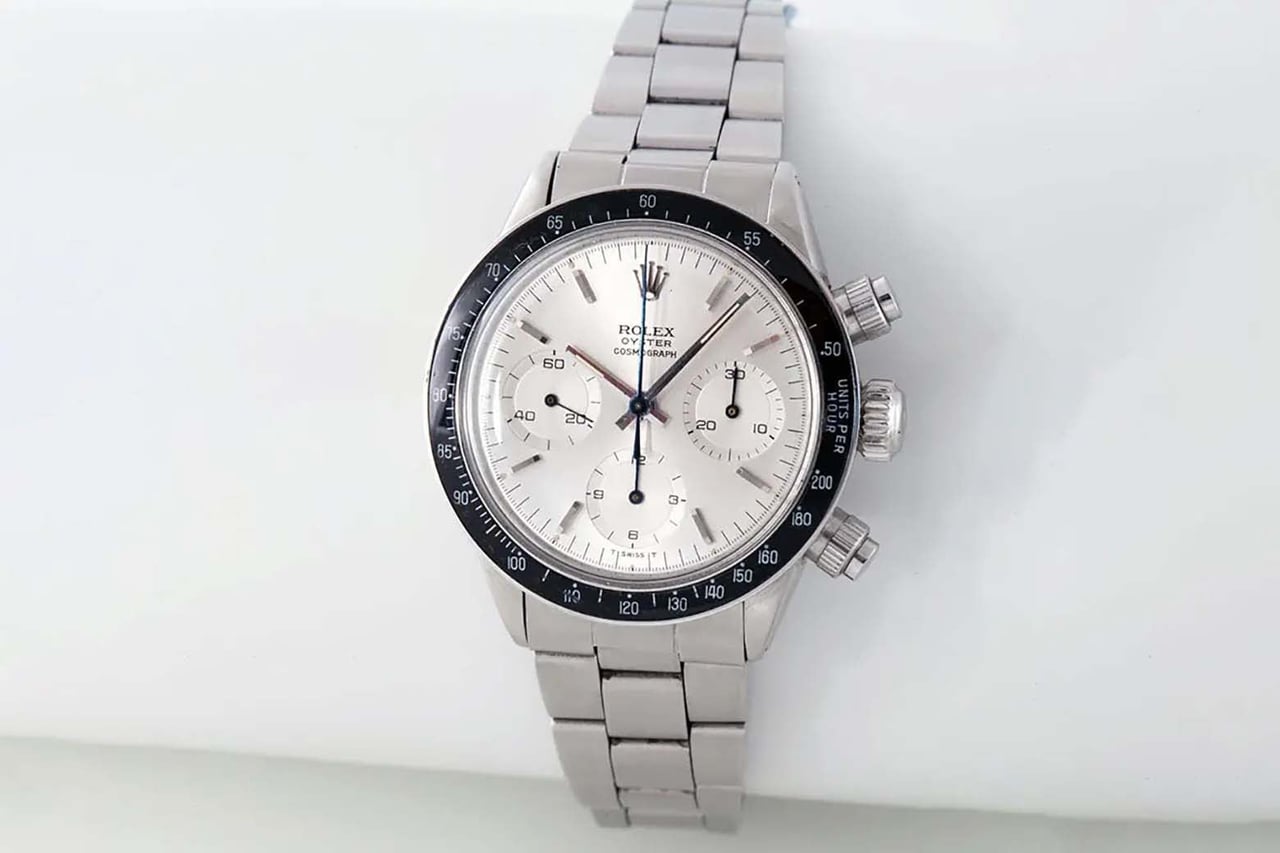
Eric Clapton’s Daytona, the so-called “Oyster Albino,” has sold at auction not once but twice. It first changed hands in New York for $505,000; a little over a decade later it reappeared and brought $1.4 million at a Phillips sale in Geneva — close to three times its earlier price.
Beyond its celebrated first owner, the Albino is special because only a handful of examples exist with a single-color dial. A Daytona dial is usually two-tone, the better to set off its chronograph registers; the Albino does away with the contrast entirely.
8. Marlon Brando’s Apocalypse Now Rolex GMT-Master: sold for $1.952 million (2019)
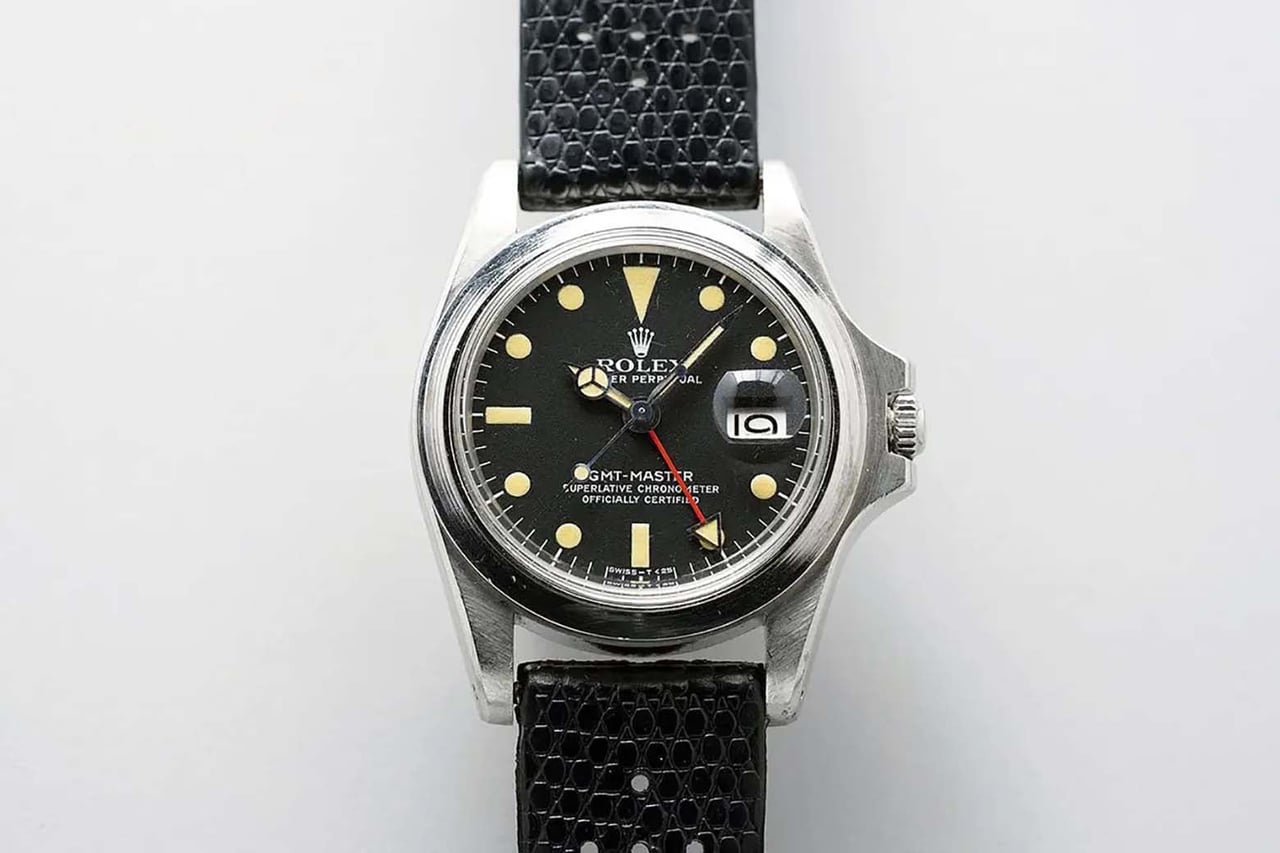
The GMT-Master reference 1675 that Marlon Brando wore in Apocalypse Now sold for $1.952 million at a Phillips auction — comfortably above its estimate.
Brando wore it on a black strap with the bezel removed; director Francis Ford Coppola had asked him to take the bezel off so the watch wouldn’t read too sharply on camera. It’s unmistakably his, too: the actor carved his own name into the case back. Bidding ran for 15 intense minutes before it sold.
7. Rolex Antimagnetique Reference 4113: sold for $2.5 million (2016)
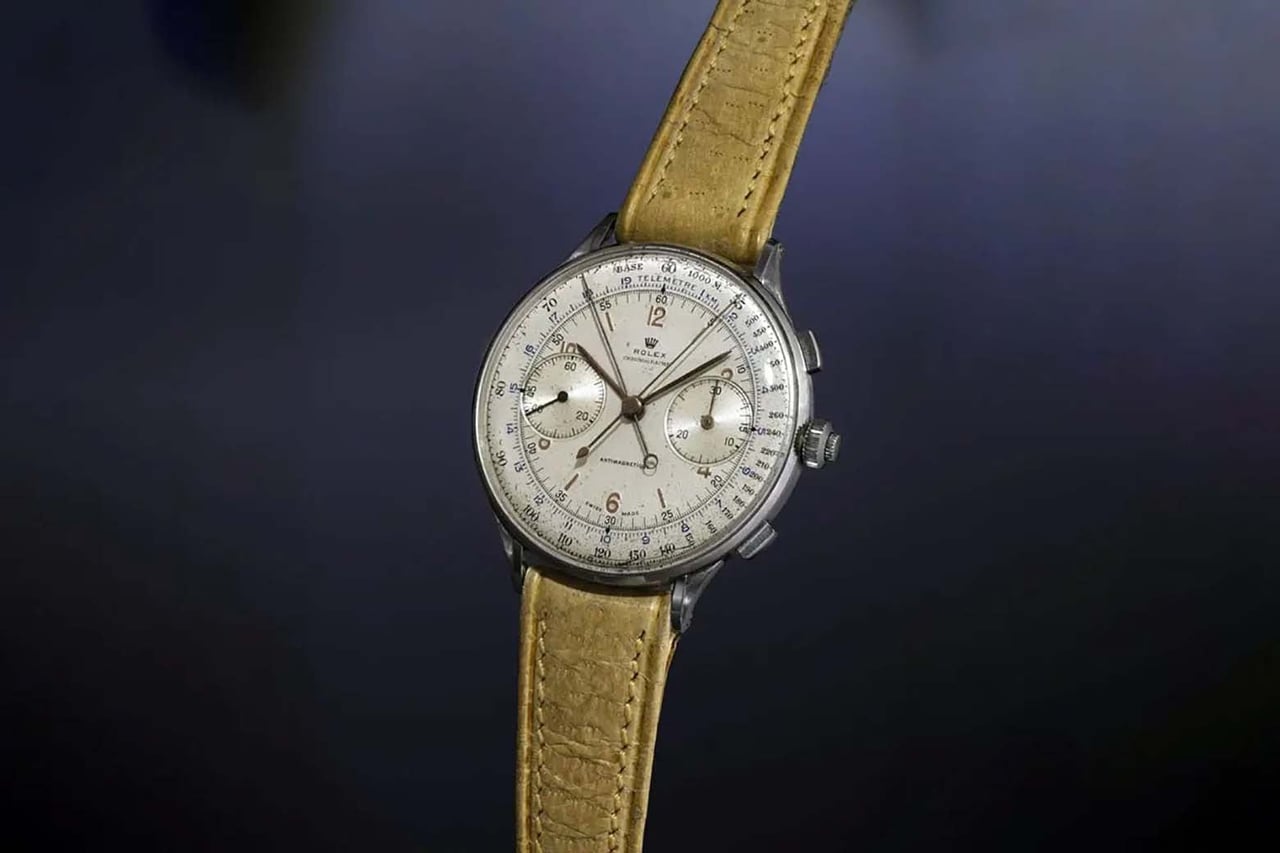
The Antimagnetique reference 4113, made in 1942, is the oldest watch on our list, and it sold for nearly $2.5 million at a Phillips auction in Geneva. Extraordinary for its time, it measures a full 44mm, a size Rolex would not exceed until the 50mm Deepsea Challenge arrived decades later. Only 12 were ever made, and around nine are accounted for today, all believed to have been produced as gifts for a racing team.
It’s a vivid illustration of how fast the rarest Rolex references appreciate: the same watch had changed hands just three years earlier for $1.16 million.
6. The Rolex Bao Dai: sold for $5.1 million (2017)
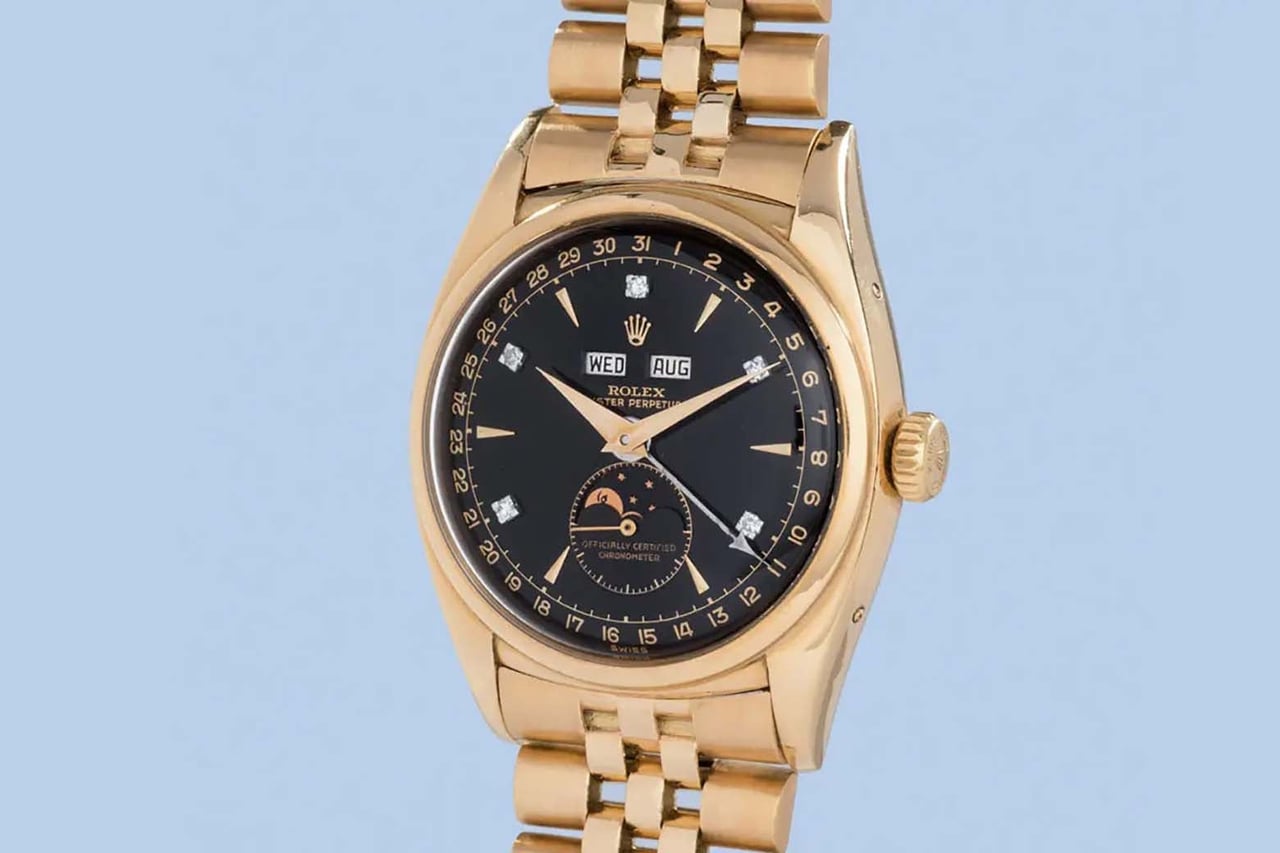
The Bao Dai is one of the most instantly recognizable watches in collecting. Based on the reference 6062, it was sold new to Bao Dai, the last emperor of Vietnam’s Nguyen dynasty, in 1954 — then the most expensive watch in Rolex’s collection. Its gold case and black dial were the rarest configuration available, and of the three known examples, this is the only one with diamond markers at the even hours.
It brought more than $5.1 million at a Phillips auction in Geneva. It had been sold once before, for $235,000 — itself a record for a Rolex at the time.
5. Cosmograph Daytona “The King” Reference 6270: sold for $5.23 million (2025)
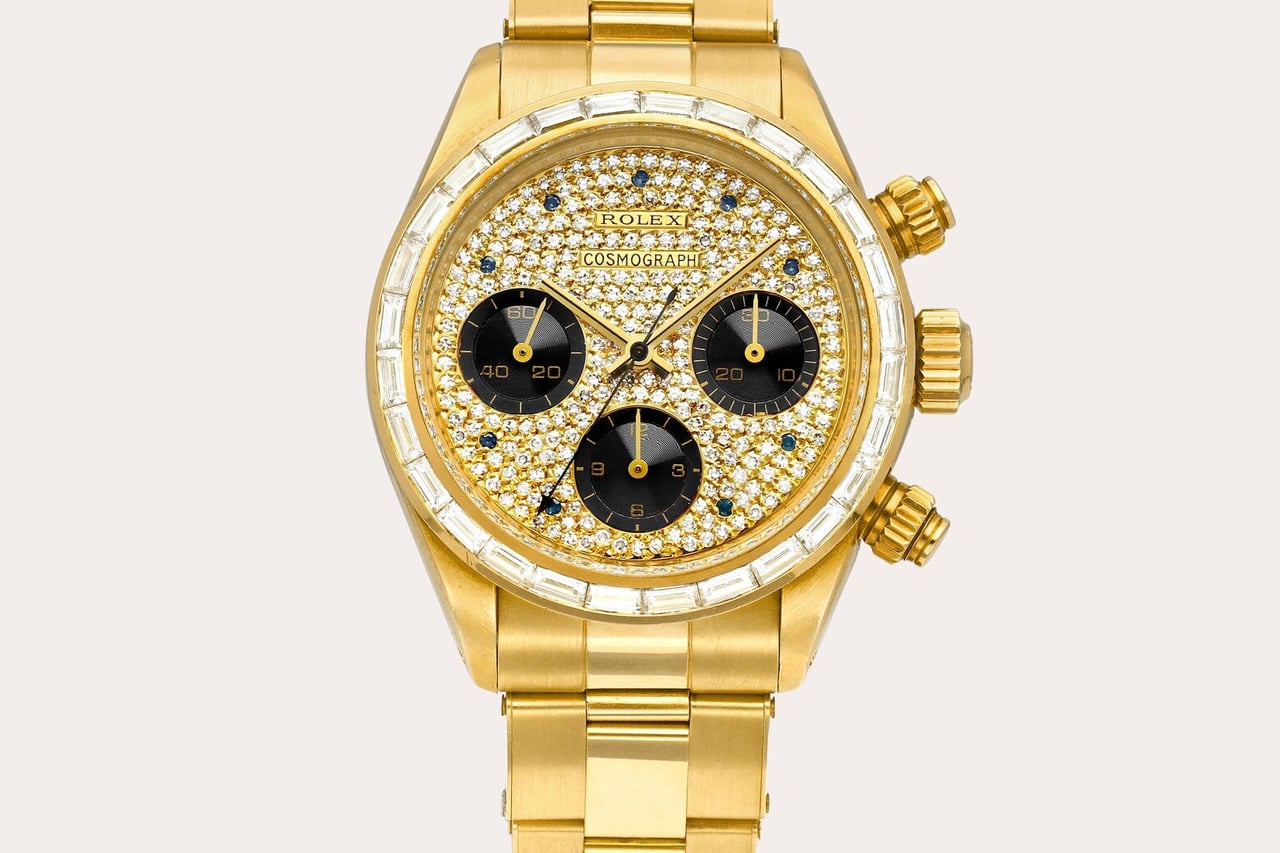
Commissioned in the early 1980s for the court of Oman’s Sultan Qaboos and retailed through Asprey of London, the reference 6270 nicknamed “The King” is one of the most opulent Daytonas Rolex ever built — and one of the rarest, with only a handful thought to exist. It sold for $5,230,100 at Sotheby’s, the highest price paid for a Rolex in several seasons.
Everything about it is maximal: an 18-karat yellow gold case, a bezel set with baguette-cut diamonds, and a dial paved in diamonds and punctuated by sapphire hour markers. Where most record-setting Daytonas trade on stealth and patina, “The King” trades on sheer presence — a reminder that Rolex has always known how to make a watch for someone who answers to no one.
4. The Rolex Daytona “Unicorn” Reference 6265: sold for $5.9 million (2018)
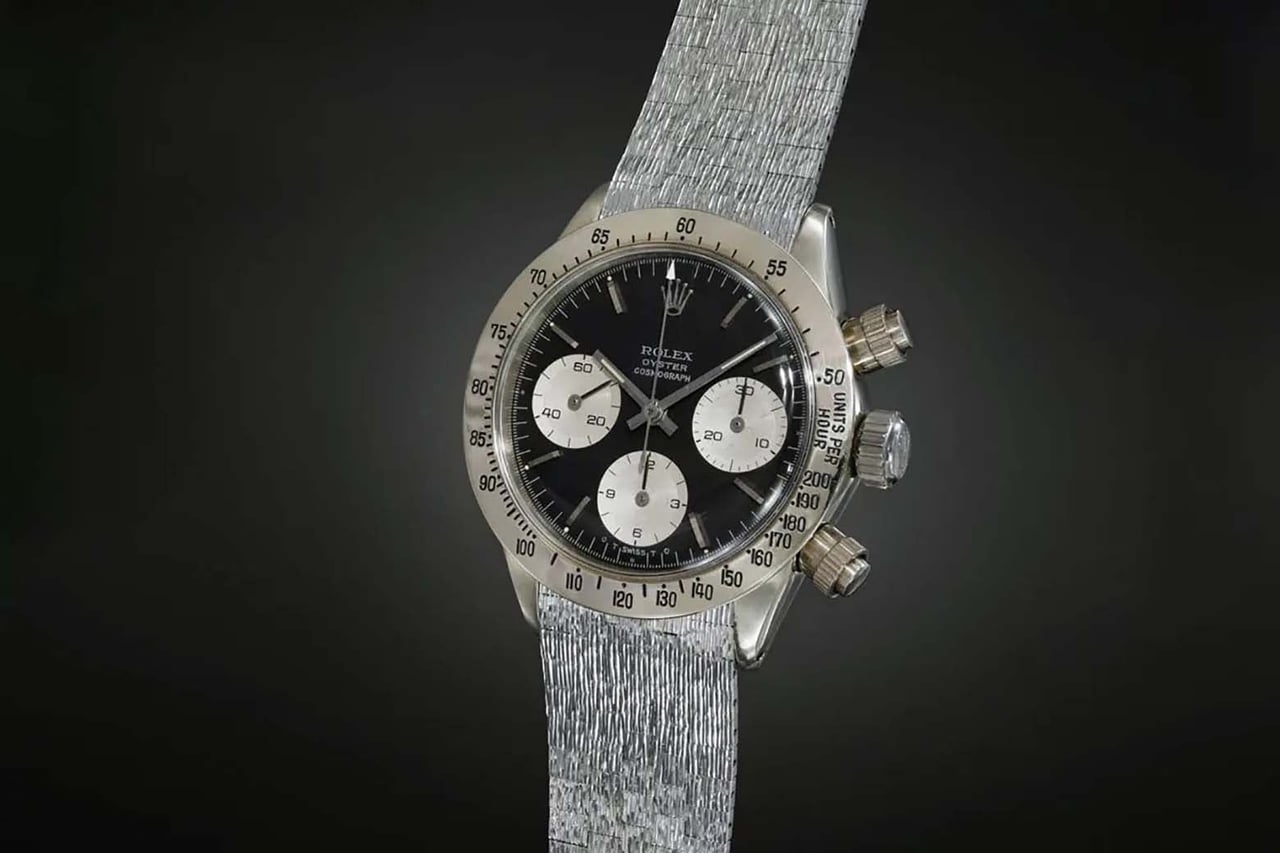
Rarity alone explains the price of the “Unicorn,” which sold for $5.9 million. It’s the only known Daytona reference 6265 made in 18-karat white gold — almost every Daytona of the era was steel — which is exactly where the nickname comes from.
Its backstory is just as unusual. Few collectors even knew it existed until it emerged that the celebrated collector John Goldberger had acquired it, and it stayed largely out of view until it came to auction.
3. Rolex Reference 6062 in yellow gold: sold for $6.2 million (2025)
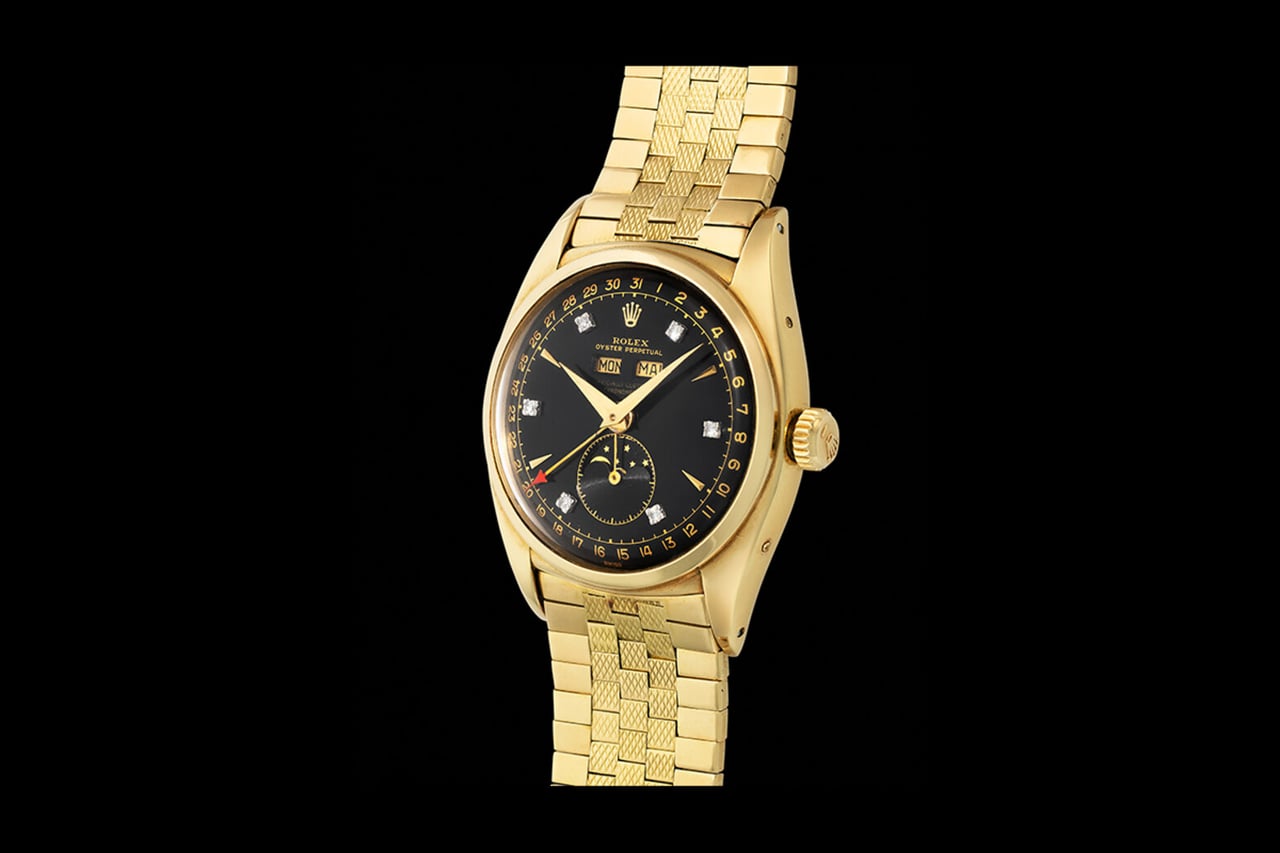
The reference 6062 is one of the most quietly revered watches Rolex ever made, a 1950s Oyster that pairs a triple calendar with a moon-phase, a complication the brand almost never attempted. This yellow gold example, its glossy black dial set with diamond markers at the odd hours, sold for $6.2 million at Monaco Legend Auctions.
It’s the same reference as the Bao Dai higher up this list, which tells you how deeply collectors prize the model. Where the Bao Dai trades on imperial provenance, this 6062 earns its place on pure horological rarity — one of the finest surviving examples of a watch that almost never comes to market.
2. The Rolex Daytona “Rainbow” Reference 16599: sold for $6.3 million (2024)
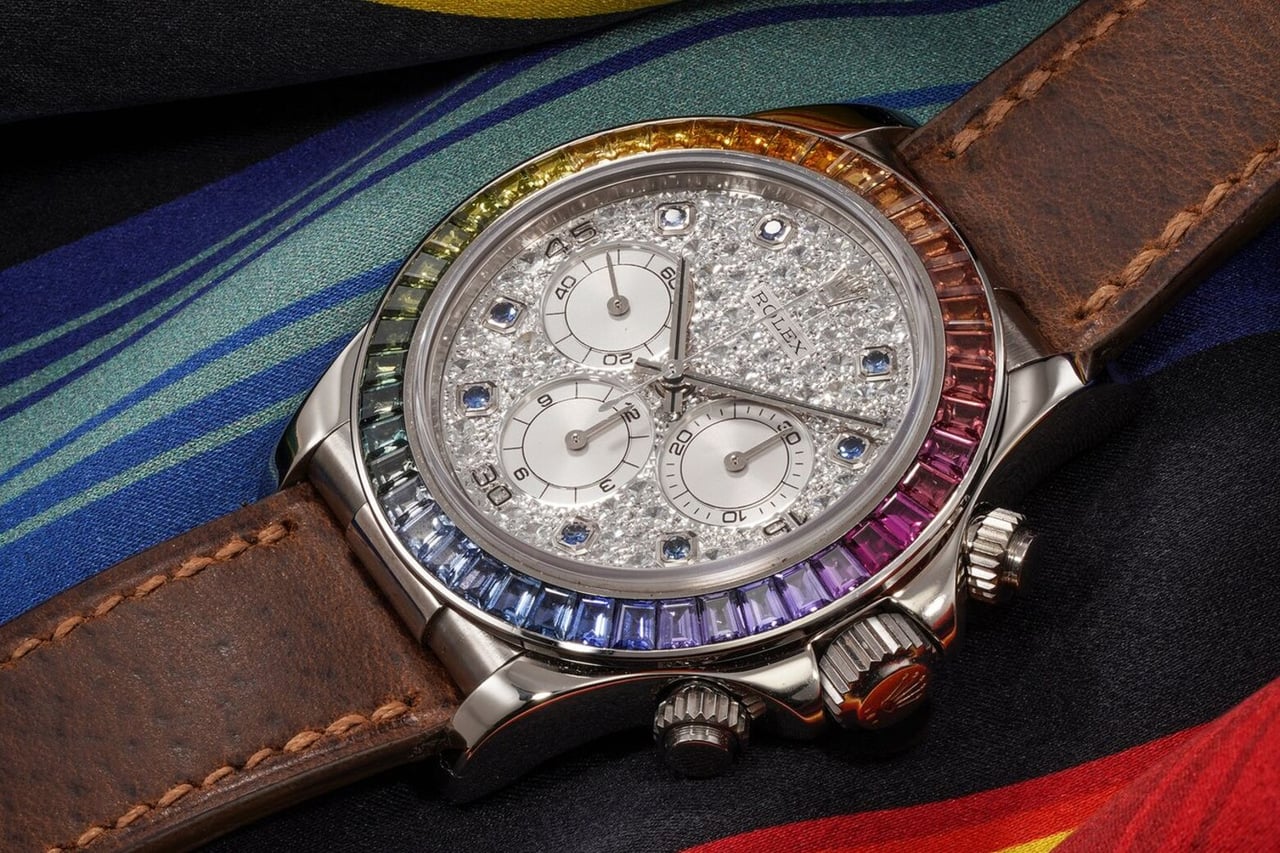
Long before the Rainbow became a catalog model, there was this: a single white gold Daytona, built in 1994, with a bezel set in a graduated sweep of sapphires. It’s the prototype that started the whole idea — the only known example of its kind — and when it finally surfaced at Phillips in Geneva, it sold for around $6.3 million.
That makes it the most valuable Daytona of the modern era and, by a wide margin, the most expensive “Rainbow” ever sold. It’s a neat bookend to the watch at number 14: the gem-set Daytona you can buy today exists because, three decades ago, Rolex quietly made exactly one to see whether the idea could work.
1. Paul Newman’s Rolex Daytona: sold for $17.8 million (2017)
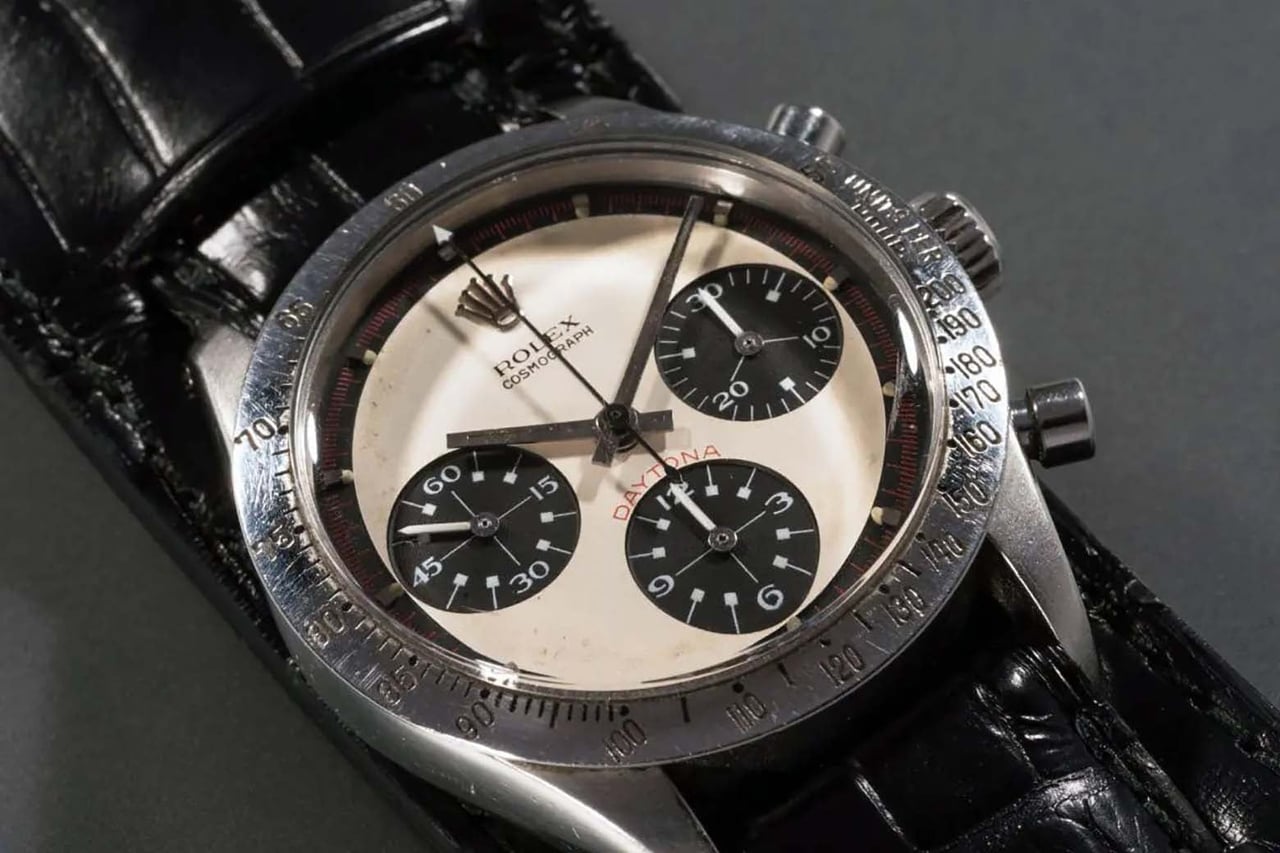
Paul Newman’s own Rolex Daytona isn’t just the most expensive Rolex ever sold — for a time it was the most expensive wristwatch of any kind, eclipsing the Patek Philippe that previously held the record.
Bidding opened at $1 million and was instantly pushed to $10 million by the very first offer, stunning the room at Phillips. Two bidders then fought it out, and the hammer fell at $17.8 million.
The watch is relatively well preserved but neither especially rare nor made of precious metal. What makes it priceless is the story: it’s the reference 6239 “Paul Newman” Daytona that his wife, Joanne Woodward, gave him while he was filming Winning, engraved on the back with the words “Drive Carefully Me.”
Why are Rolex watches so valuable?
People often ask why Rolex watches cost what they do. What is it about the Swiss manufacturer that justifies the prices?
Beyond timekeeping, a Rolex is an object of aspiration — a marker of achievement, and a deliberate indulgence.
The company itself operates unlike most of its peers. Rolex is privately held and structured as a charitable foundation, and it sits among the most popular luxury brands in the world.
So what makes Rolex watches so expensive? In our view, it comes down to four things.
Leading innovation
Rolex runs its own laboratories at its headquarters in Geneva, where in-house researchers work on new watches and, just as importantly, on better ways to make them.
Rare and precious materials
Rolex produces its own steel, gold, and platinum in-house. It builds its cases from Oystersteel — a harder 904L alloy that holds its polish over time — and casts its own 18-karat yellow, white, and Everose gold from raw metal.
It also runs its own gemology department to buy, test, cut, and set every diamond and precious stone, each one hand-selected and hand-set to the standards of the finest jewelers.
Outstanding manufacturing
Rolex has refined its process to balance machine precision with human judgment. Robots assist along the way, but every movement and every bracelet is still assembled by hand.
Dedication and attention to detail
From raw material to final testing, it takes around a year to make a single Rolex.
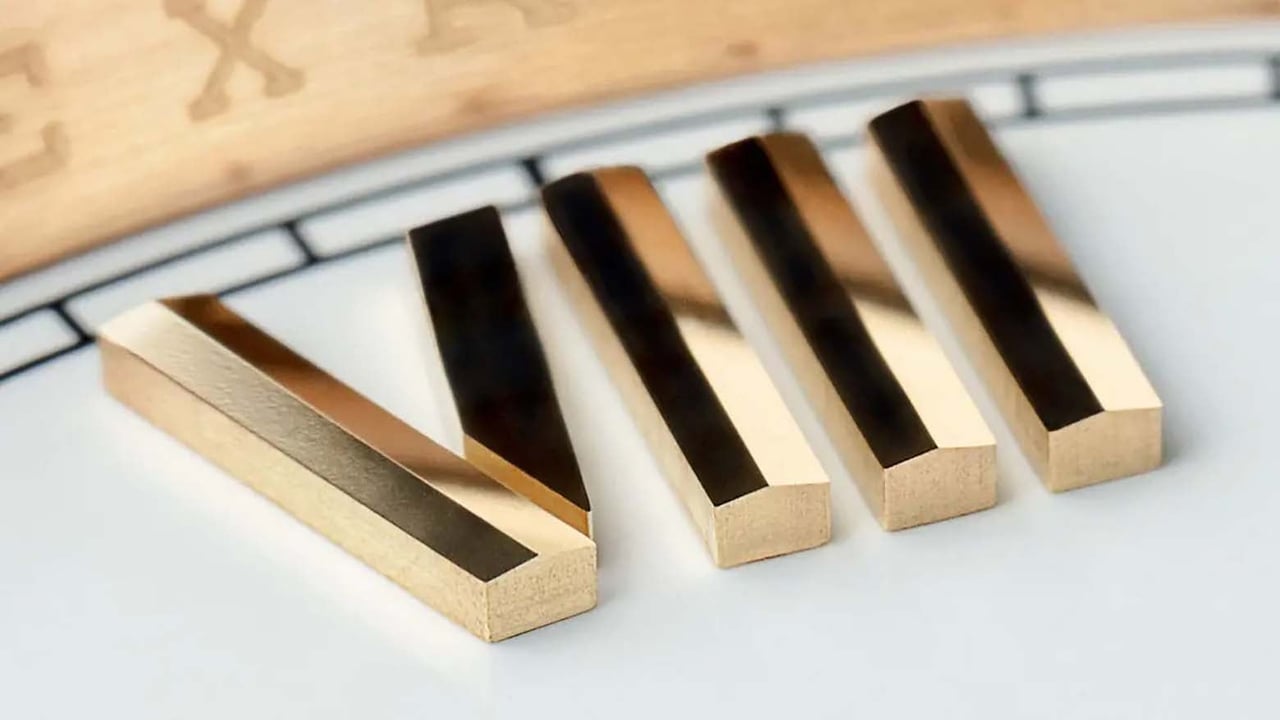
Consider the dial. After extensive testing, Rolex concluded that people place markers more precisely than machines, so dials are still finished by hand — then dropped from 20cm onto a hard surface to confirm nothing has shifted. Given that Rolex makes roughly a million watches a year, that level of care is remarkable.
Are Rolex watches a good investment?
The sums some of these watches command are staggering, especially set against what they originally cost. A whole community of collectors now specializes in buying rare Rolex references and reselling them later at a significant gain.
Most contemporary models won’t multiply in value the way the grails above have, but they hold their worth unusually well. A second-hand Rolex with its original papers and box typically sells close to its original price.
Looking across this list, four factors drive value and speculation:
- Rarity of the design
- Fame of a previous owner
- Quality of the materials
- Overall condition of the watch
It’s tempting to assume Rolex prices have run away. Over the long run they have outpaced inflation: the steel Submariner Date listed at $3,350 in 1996, about $7,150 in today’s money, and lists at $11,350 now. Since 2012, though, list prices have roughly kept pace with inflation. The stronger case for the steel Submariner is the resale market. Each reference below is worth more pre-owned today than its list price when new, and the current 126610LN trades at around $13,700, above what Rolex charges for it.
| List price when new | List price in 2026 dollars | Pre-owned value, Oct 2026 | |
|---|---|---|---|
| 1996 (16610) | $3,350 | $7,150 | $9,270 |
| 2008 (16610) | $6,000 | $9,340 | $9,270 |
| 2012 (116610LN) | $8,550 | $12,470 | $11,190 |
| 2020 (116610LN) | $8,950 | $11,580 | $11,190 |
| 2026 (126610LN) | $11,350 | $11,350 | $13,680 |
List prices: Bob's Watches and Crown & Caliber. 2026 dollars: US Bureau of Labor Statistics CPI-U, August 2026. Pre-owned value: WatchCharts market estimate for each reference, 10 October 2026, converted from AED at the fixed rate of 3.6725.
So should you buy a Rolex as an investment? It depends on your goals, your experience, and your timeframe. A contemporary Rolex is a sound choice if you want a great watch that will hold its value — as would a Patek Philippe or an Audemars Piguet.
If you’re buying purely to profit, a historical piece is the better instrument, but it’s a demanding game. You need to tell an authentic vintage Rolex from the many convincing fakes, judge what will appreciate, and time your sale well. It’s doable with real expertise — but it isn’t something we’d recommend to most people.
If you enjoyed this, you’ll love our guides to the most expensive sneakers ever sold, the most expensive Jordans, and the most expensive Bearbricks.
Products featured here are independently selected by our editors. If you buy through our retail links we may earn an affiliate commission — it never changes the price you pay, and it never decides our verdicts. Read our earnings disclaimer.