The Metropolitan Museum of Art broke ground this week on a new modern and contemporary art wing carrying a $670 million price tag. The museum says the sum will cover construction and a significant portion of the wing's future operating costs, though it has not said how the total splits between the two.
The wing is named for emeritus trustee Oscar L. Tang and his wife, archaeologist and art historian H. M. Agnes Hsu-Tang, two of the world's most prominent collectors. Their gift traces to 2021, when the couple donated $125 million toward renovating the museum's modern art wing, then the largest single capital gift the Met had ever received.
That donation accelerated a project that had quietly been in the works since 2014. Mexico City architect Frida Escobedo was announced as designer in 2022, and the Met revealed her final designs only last year, ahead of a groundbreaking that took place on Tuesday.
What the new wing contains
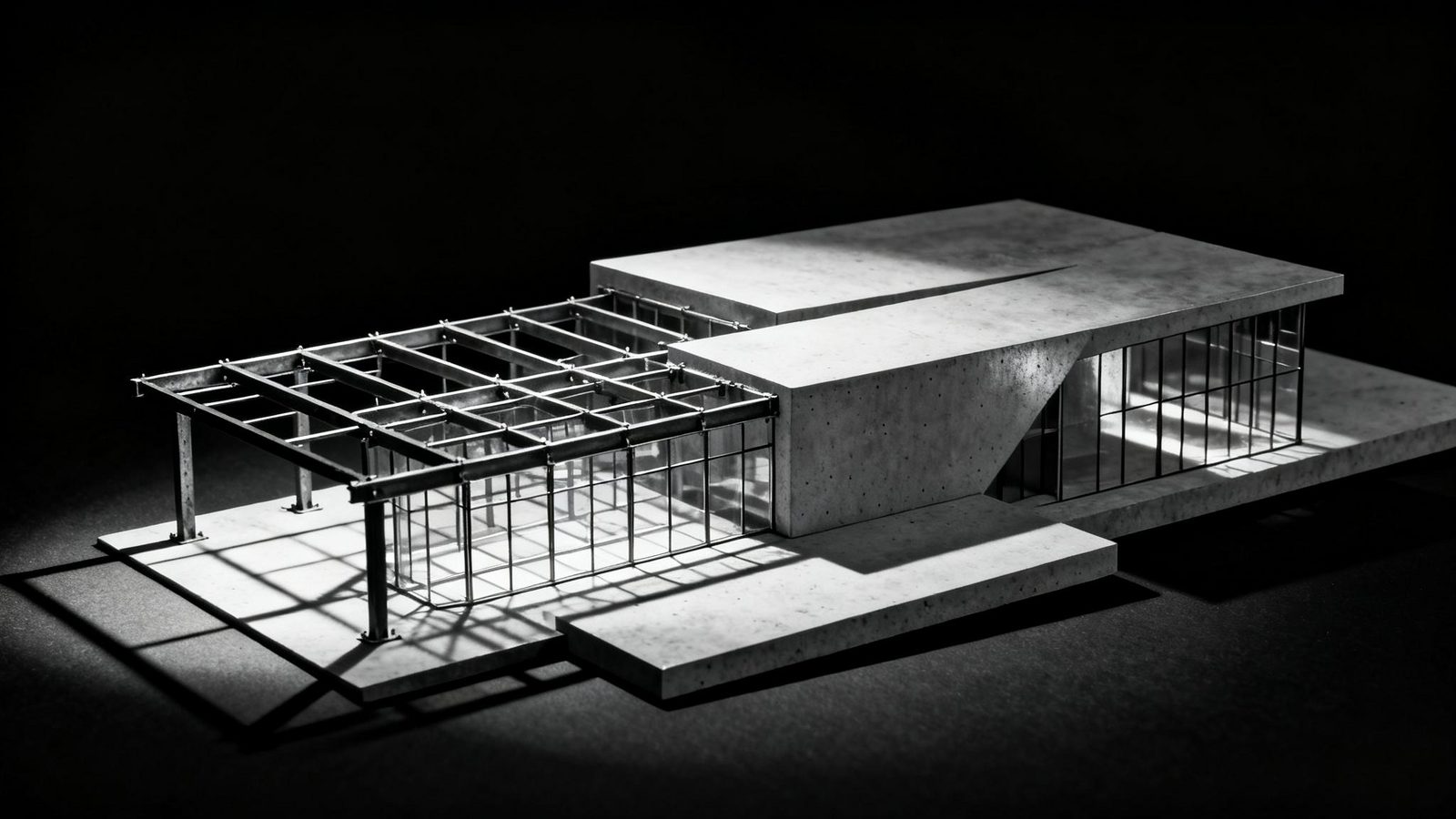
The Tang Wing spans 126,000 square feet across five levels, with almost 70,000 square feet devoted to exhibition space. Gallery ceilings range from 11 to 22 feet, a spread the museum says is meant to accommodate both large-scale installations and smaller two-dimensional works within the same building.
The top two floors are recessed to create outdoor terraces, and the wing's top floor will house a new cafe. The museum's rooftop garden, previously on the fifth floor of another building, closed last October and will reopen on the Tang Wing's fourth-floor terrace with several thousand additional square feet of space.
Escobedo described the brief as one of continuity rather than rupture. "The design for the Tang Wing weaves together the many architectural styles that make up The Met's campus, honoring each building's own history while creating a space that is distinctly of our time," she said of the project.
Who turned up to break ground
Tang and Hsu-Tang attended the groundbreaking alongside the Met's modern and contemporary art curator David Breslin, director and chief executive Max Hollein, and head of capital projects Brett Gallard. Hollein called working with Escobedo on the design "an enormous privilege" and credited trustees and donors with reaching the milestone.
Several elected officials also appeared, including New York City Council Speaker Julie Menin, Council Member Virginia Maloney, Council Member Gale Brewer, State Assemblymember Keith Powers and State Senator Jose Serrano. Their presence signals how the museum's expansion registers as civic infrastructure as much as a private philanthropic project.
The wing is scheduled to open in 2030, six years after design work formally began and sixteen years after the broader renovation was first conceived. That timeline places the Tang Wing among the Met's largest capital undertakings in recent memory, on a scale the museum has rarely attempted for a single building.
Where this fits among big-ticket art spending
Major cultural capital projects tend to move on the same clock as record-setting art sales, both drawing on the same pool of ultra-wealthy patrons and collectors. We have tracked that world closely in our coverage of style and of the market for trophy artworks, from record Banksy results to blockbuster estate sales.
The Sonnabend Collection's arrival at Christie's carrying a $50 million estimate is one recent example of that same collector class moving significant works and money through the market. The Tang gift, at $125 million and later folded into a $670 million capital campaign, is at a comparable order of magnitude.
We have also charted what drives demand at the very top of the art market in our look at the most expensive paintings ever sold, where single works have traded for hundreds of millions of dollars. Institutional gifts like the Tangs' operate on the same logic: concentrated wealth converted into permanent cultural infrastructure.
The Met has not disclosed a construction budget breakdown or named additional donors beyond the Tang gift and the $670 million total raised. That gap leaves open exactly how much of the operating-cost cushion the museum expects to need once the wing opens and staffing and programming costs begin.
What happens next is fixed to the calendar the museum has already given. The Tang Wing, and the relocated rooftop garden on its fourth-floor terrace, is due to open in 2030, closing out a project that has run for sixteen years from first conception to completion.
Sources
This briefing is published daily using Luxe Digital’s AI agents, finely tuned to meet our editorial standards. While we test and review their work, mistakes can sometimes happen; tell us if you spot one.