Graff
The London diamond house that sources, cuts, and sells some of the largest and rarest stones in the world, from the Graff Pink to the Lesedi La Rona.
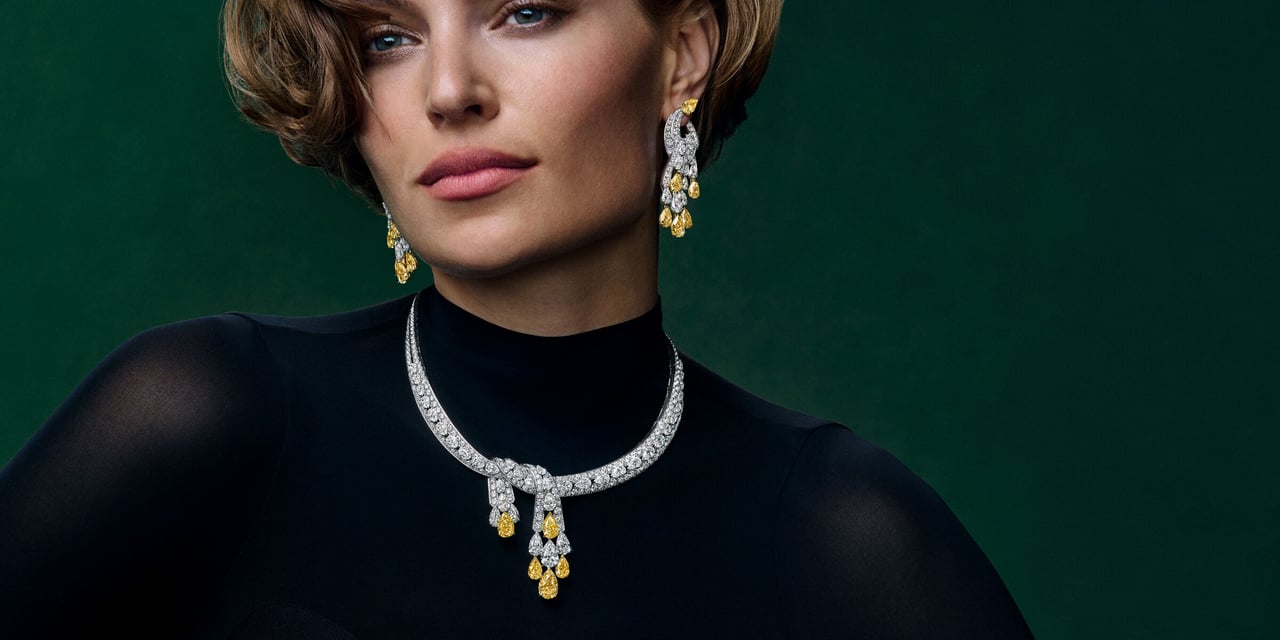
Graff is a London high-jewelry house and diamond specialist, founded in 1960 and best known for cutting and selling some of the largest and rarest diamonds ever found. It began as a diamond trading and polishing firm in Hatton Garden, opened its first retail boutiques on New Bond Street in 1962, and remains family-owned and independent.
Graff is vertically integrated. It controls the diamond pipeline from rough stone to finished jewel, from stakes in sourcing through its own cutting and polishing workshops to design in London and sales in its own boutiques. That control gives the company direct access to exceptional rough stones and a reason to cut them into record-setting polished diamonds.
Behind the brand
Laurence Graff founded the company in 1960 in London as a diamond trading and polishing firm in Hatton Garden. The first retail boutiques opened on New Bond Street in 1962, two years after the founding. The business has stayed family-owned and independent since the beginning.
Hatton Garden gave the young company a dealer’s working knowledge of rough and polished stones, and the New Bond Street boutiques put that knowledge in front of serious jewelry buyers. Laurence Graff’s early business was built on trading and polishing diamonds, not on fashion or watchmaking.
From rough to finished
Graff controls the diamond pipeline from source to finished jewel. The company takes stakes in diamond sourcing, including in Lesotho, and cuts and polishes stones in its own workshops in Antwerp and Johannesburg. Design happens in London, and sales run through Graff’s own boutiques.
This structure means a stone passes through sourcing, cutting, polishing, design, and retail without leaving the company. Graff can choose which rough stones to buy, how far to cut them, and what they become, with no outside workshop or retailer between the source and the final client.
The famous stones
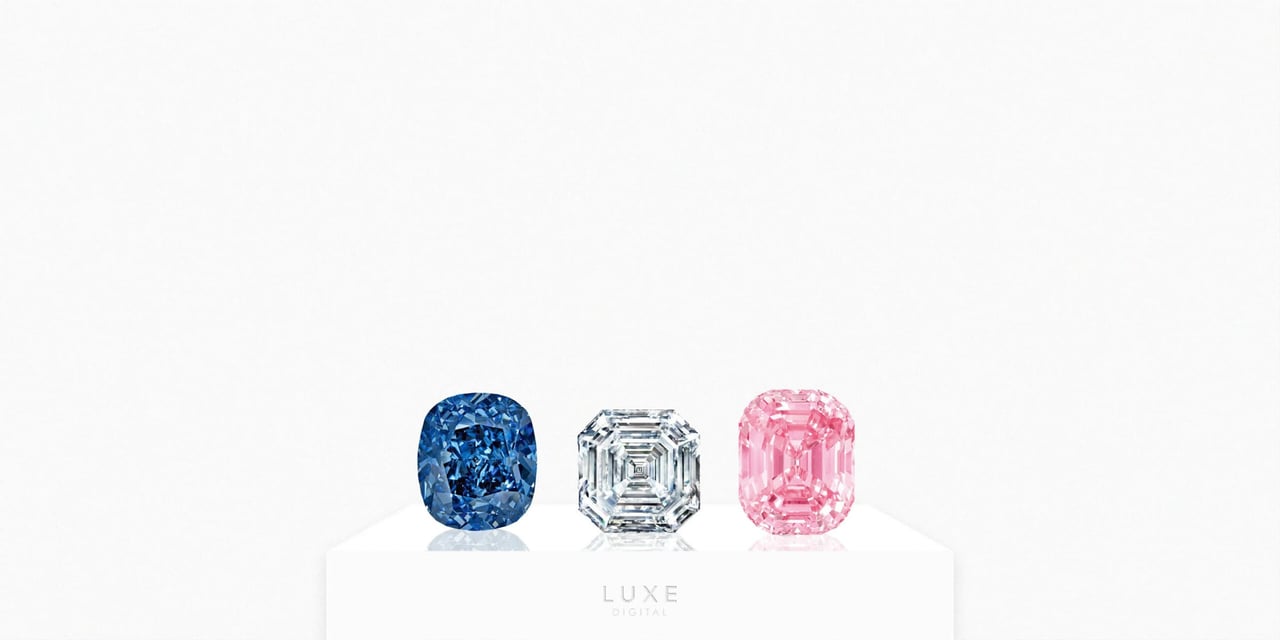
Graff’s reputation rests on a series of record diamonds. Laurence Graff bought the 24.78-carat Graff Pink at a Sotheby’s Geneva auction in November 2010 for about $46 million. The stone was then repolished to 23.88 carats, and the work raised it to Fancy Vivid Pink and Internally Flawless.
The Lesotho Promise shows the same approach at a much larger scale. Graff bought the 603-carat rough diamond and cut it over more than two years into a suite of 26 polished stones totaling 223.35 carats, not a single 223-carat stone.
The Lesedi La Rona moved that scale further still. Graff acquired the 1,109-carat rough diamond in 2017 for $53 million. Over an 18-month cutting process, the house cut the 302.37-carat Graff Lesedi La Rona from the rough, the largest square emerald-cut diamond in the world. The 1,109-carat figure is the rough that entered the process, and 302.37 carats is the finished stone that came out.
These three stones place Graff among the most famous diamonds of the modern market.
Graff’s place in the market
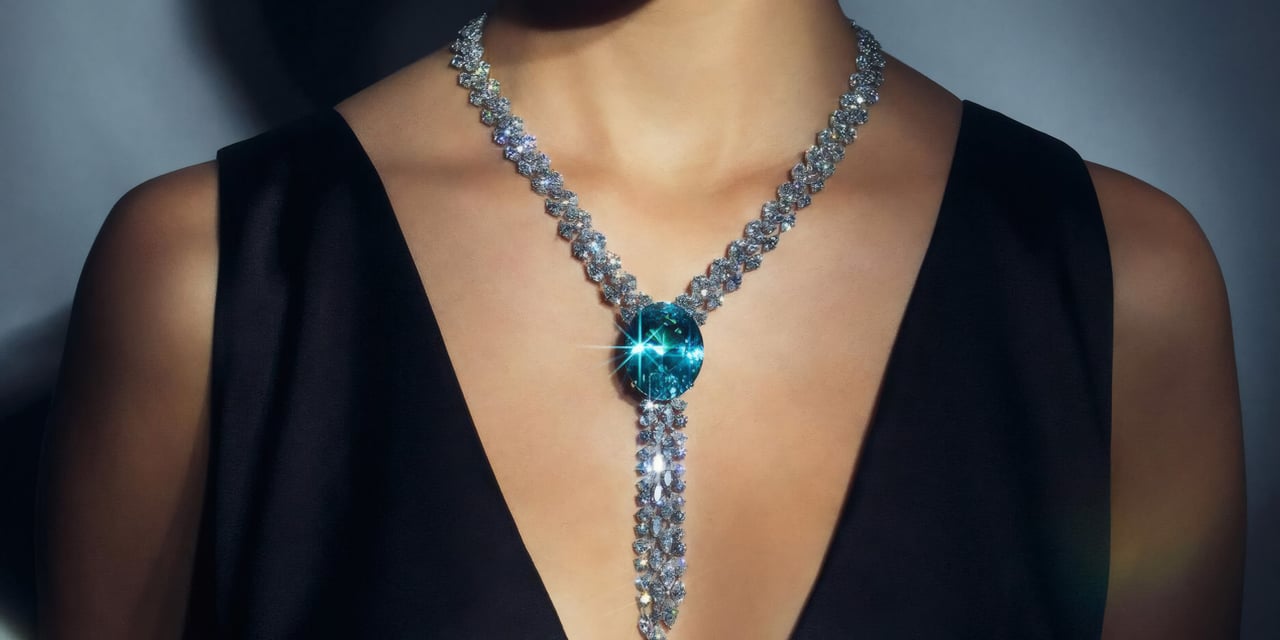
Graff sits at the top tier of diamond jewelry, a position built on sourcing, cutting, and selling some of the largest and rarest diamonds ever found. Prices run from tens of thousands of dollars into eight and nine figures for record stones and one-of-a-kind commissions, which sit among the most expensive jewelry ever sold.
The house also makes high-jewelry watches under its own name at the same ultra-luxury tier. At this level, buying is less about choosing a ready piece from a case and more about the stone itself and what it can become.
Who Graff is for
Graff is for buyers who want a diamond or a jewel where the stone is the point. It suits collectors who follow record stones and one-of-a-kind commissions, and clients who want a high-jewelry watch at the same level. It also makes sense for a buyer who values the origin of a stone and wants the same company to have seen it through from rough to setting.
Frequently asked questions about Graff
When was Graff founded?
What is the Graff Pink diamond?
Is Graff vertically integrated?
What is the largest diamond Graff has cut?
How often AI mentions Graff
Last month we counted Graff’s AI mentions: every time one of the five most-used answer engines used graff.com as a source for an answer. That count places Graff against every brand we cover, and it measures how readily an AI puts Graff in front of someone deciding where to spend. See how we measure it.
- Rank
- 135thof 307 brands, and 9th among jewelry
- AI mentions
- 1,414 Across 5 of 5 engines
- Since September
- ↘7 Down from 128th in September · mentions +1.2%
- Visibility score
- 56.5/100 The five engines count equally, and the score adjusts for any engine we do not yet cover
Where the mentions come from
| Engine | Mentions | Pages used | Rank here |
|---|---|---|---|
| ChatGPT | 437 | 711 | 130thof 307 |
| Google AI Mode | 396 | 639 | 111thof 307 |
| Perplexity | 125 | 118 | 160thof 307 |
| Google AI Overviews | 350 | 518 | 116thof 307 |
| Gemini | 106 | 95 | 127thof 307 |
Twelve months
Nearest in jewelry
- 128 Missomamissoma.com 1,507
- 135 Graffgraff.com 1,414
- 138 Messikamessika.com 1,372
- 141 Chaumetchaumet.com 1,233
Featuring Graff
Dazzling Desire: The World's Most Expensive Diamonds
Dear diamonds.
The Most Expensive Jewelry in the World, Cut to the Chase
Pearls, rubies, jade, and one long receipt.
You Won't Guess: The Most Expensive Engagement Rings
Forget about the three months' salary rule.