You know the watch that looked perfect in the photo and swallowed your wrist the day it arrived? It wasn't a bad watch. It was the wrong one for you.
Men's watches run anywhere from 34 mm to 50 mm across. A dress watch has to be about 10 mm thick to slide under a shirt cuff. A dive watch needs at least 100 meters of water resistance before it earns the name. The wrong one stays in the drawer.
The fix is a running order: where the watch will be worn most, then a case that fits your wrist, and only then the budget. With the first two right, almost any price buys a watch you'll wear.
Every watch on this page comes from our guides to the best watches for men and the best watches for women.
How do I choose the right watch?
The occasion comes first, the size second and the price last. The occasion sets the kind of watch: slim and plain for a suit, steel and water resistant for a swim, small and legible for a hike. The size has to suit your wrist, whatever the kind. The budget then decides how much craft goes inside.
A quartz watch loses about 1 to 2 seconds a month. What you pay for above that is the engineering: an automatic winds itself from the movement of your wrist through a small rotor, and its balance beats 18,000 to 36,000 times an hour. Our luxury watch buying guide goes through movements, materials and straps in full.
What is the three-watch rule?
The three-watch rule says a dress watch, a sports watch and an everyday watch cover most of a life. The dress watch is thin and plain for suits and formal nights. The sports or tool watch takes the knocks, the water and the hikes. The everyday watch sits between them and gets worn the most.
Two leave a gap. Four or more and some start living in a drawer. For a first good watch, the everyday one is the place to start. It's the most versatile of the three.
What size watch suits my wrist?
A slim wrist suits a case of 34 to 40 mm, and a man's wrist over 19 cm suits 44 to 46 mm. For most men, 38 mm is the safe halfway size. Before the 1990s the standard men's watch was 35 to 40 mm, then bigger cases took over, and now the smaller ones are back.
| Your wrist (men) | Case size to look for |
|---|---|
| Slim | 34 to 40 mm |
| Average | 38 mm, the halfway size |
| Over 19 cm | 44 to 46 mm |
Most modern women's watches are 34 to 40 mm across, with smaller ones at 26 to 29 mm and a few as small as 24 mm. Too big looks clunky on any wrist. A strip of paper wrapped around the wrist and measured flat gives its size.
The best dress watches
A dress watch suits anyone who wears a suit, a shirt cuff or black tie. It is slim, plain and on a leather strap, and rarely wider than 42 mm. The luxury lies in the fine materials and the leather.
A thick case is the common mistake. A dress watch that won't slide under a cuff isn't doing its job. About 10 mm thick slides under a shirt cuff.
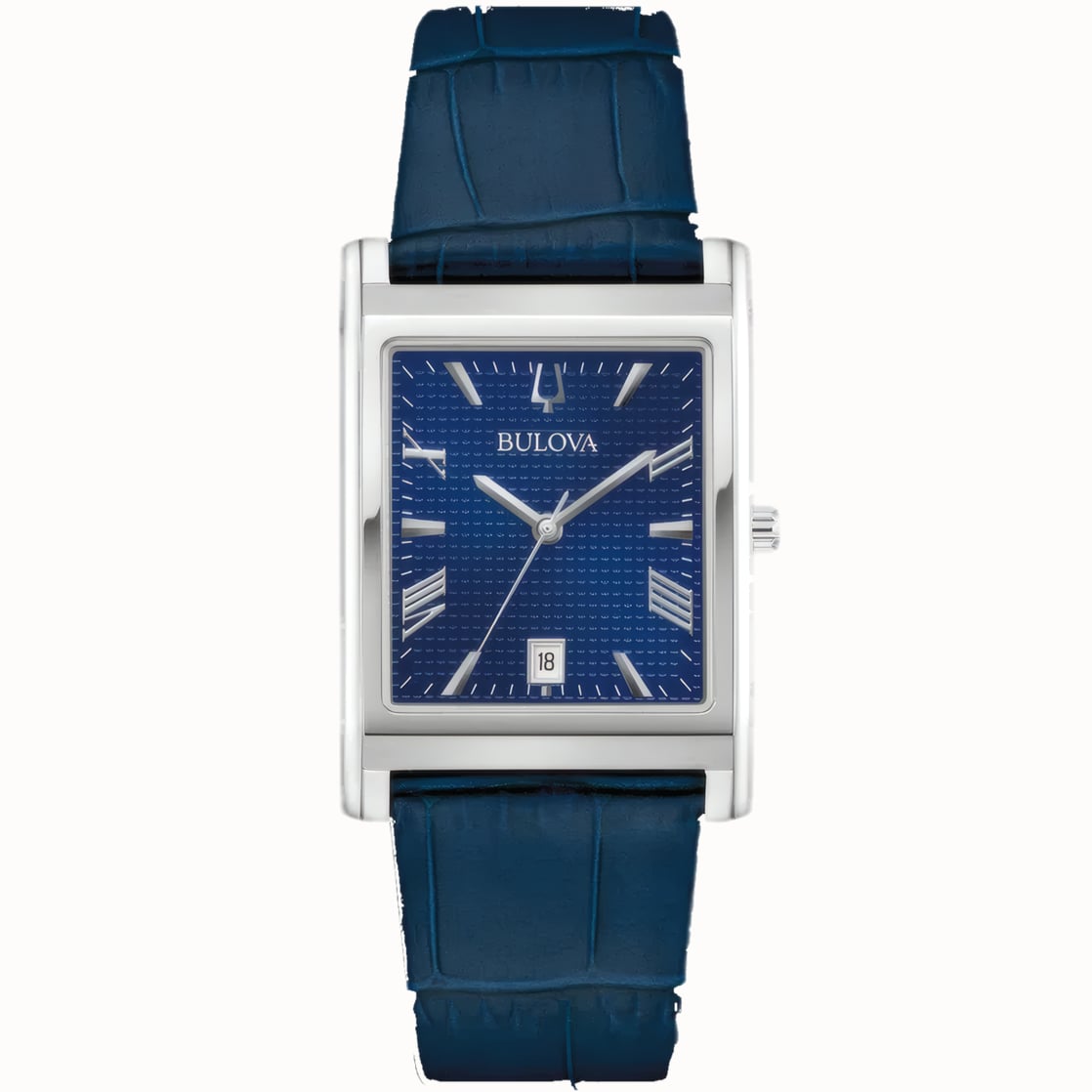
Bulova Sutton
A slim rectangular case and a textured blue dial that slides under a shirt cuff. Bulova has made dress watches since 1875.
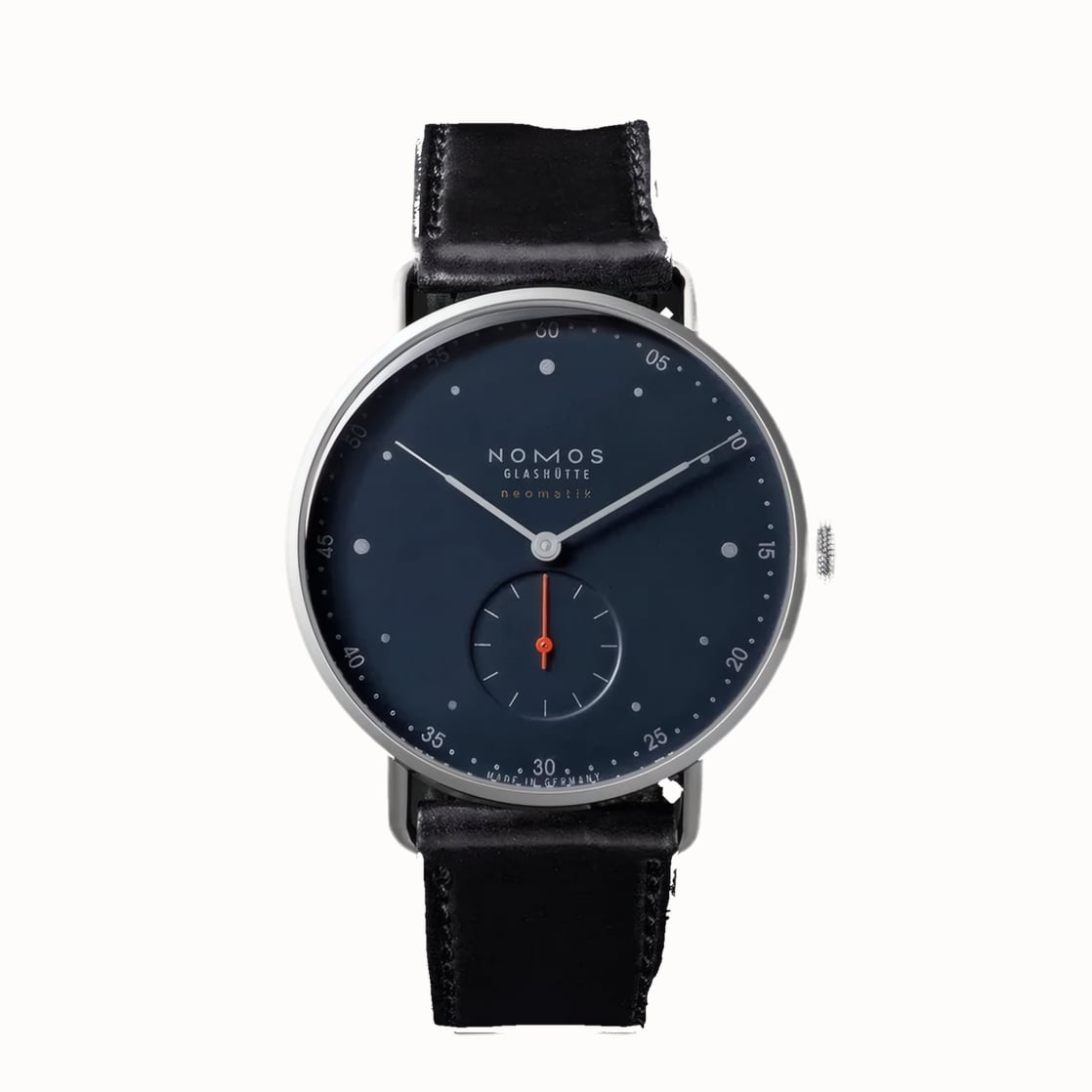
Nomos Glashütte At Work Orion Neomatik
A minimalist 39 mm automatic from an independent German maker, with just a suggestion of Bauhaus.
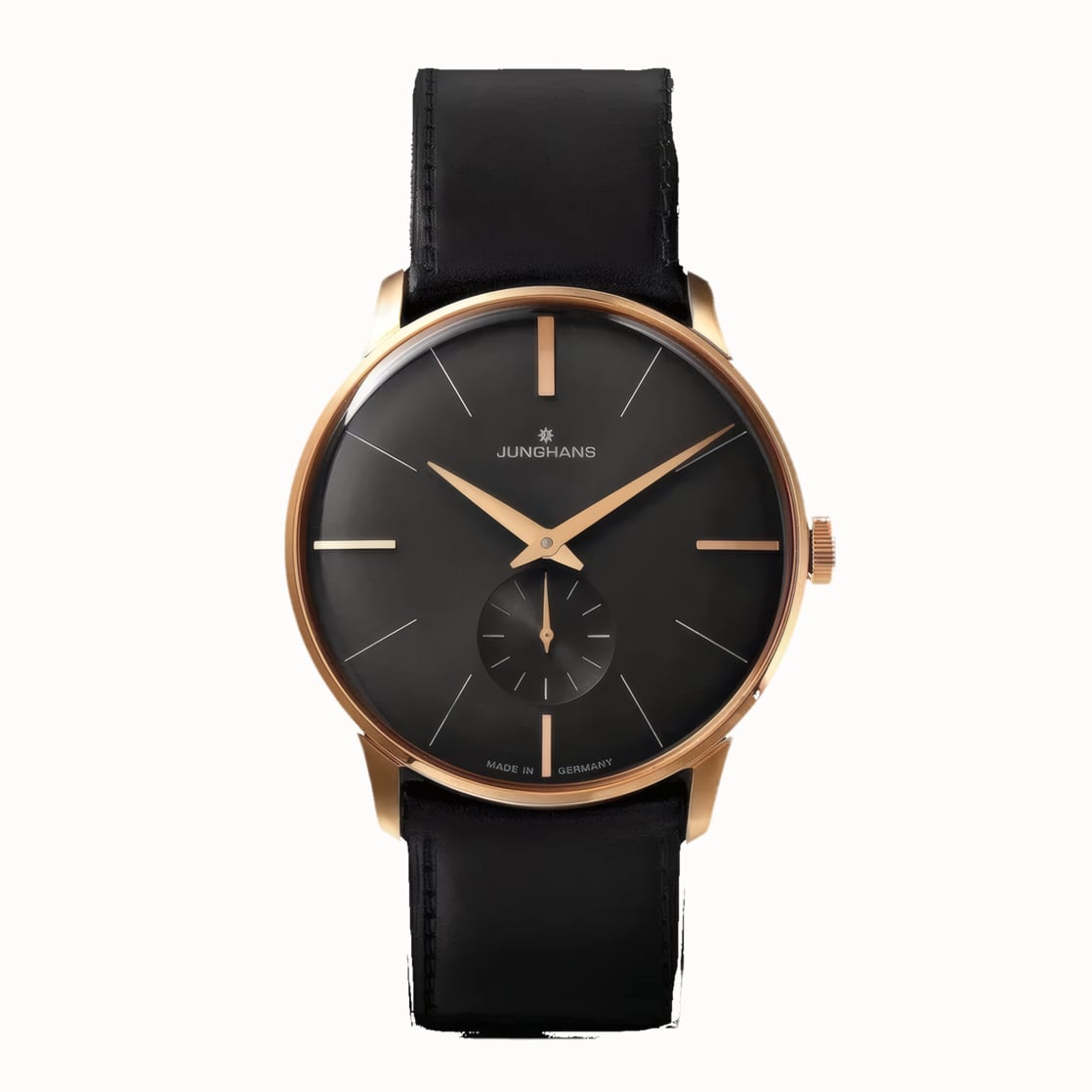
Junghans Meister Handaufzug
A 37.7 mm hand-wound German dress watch and a lesson in uncluttered elegance.
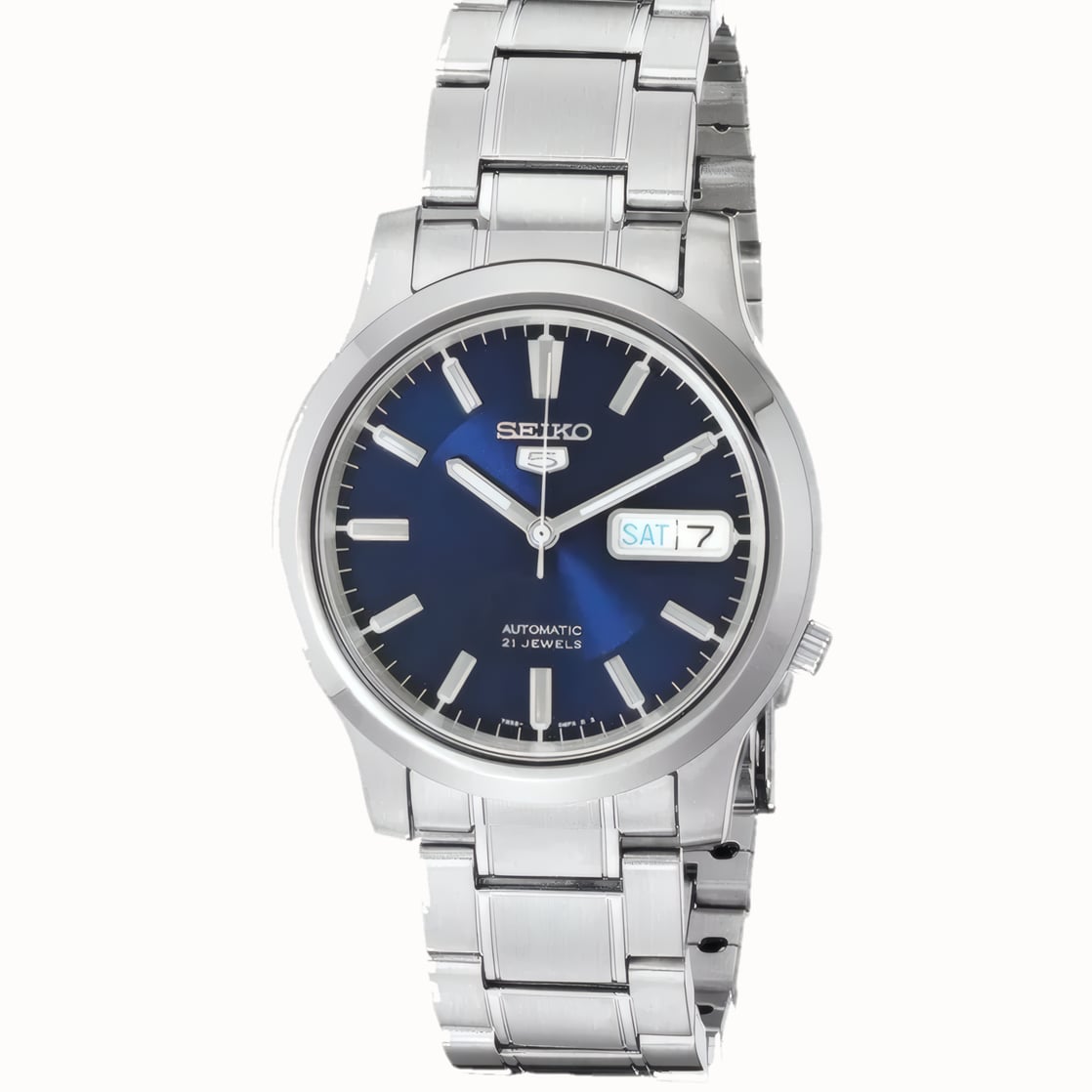
Seiko 5 SNK793
A sleek 37 mm automatic that winds itself as you move. Proof that a good watch needn't cost much.
The best everyday watches
An everyday watch suits you if you want one watch for the office, the weekend and the plane. It falls between the dress watch and the tool watch: steel, legible, and plain enough for a meeting.
It is the one to buy first. A clean dial and a sturdy bracelet get worn every day, while a dial full of sub-dials tends to be saved for the weekend.
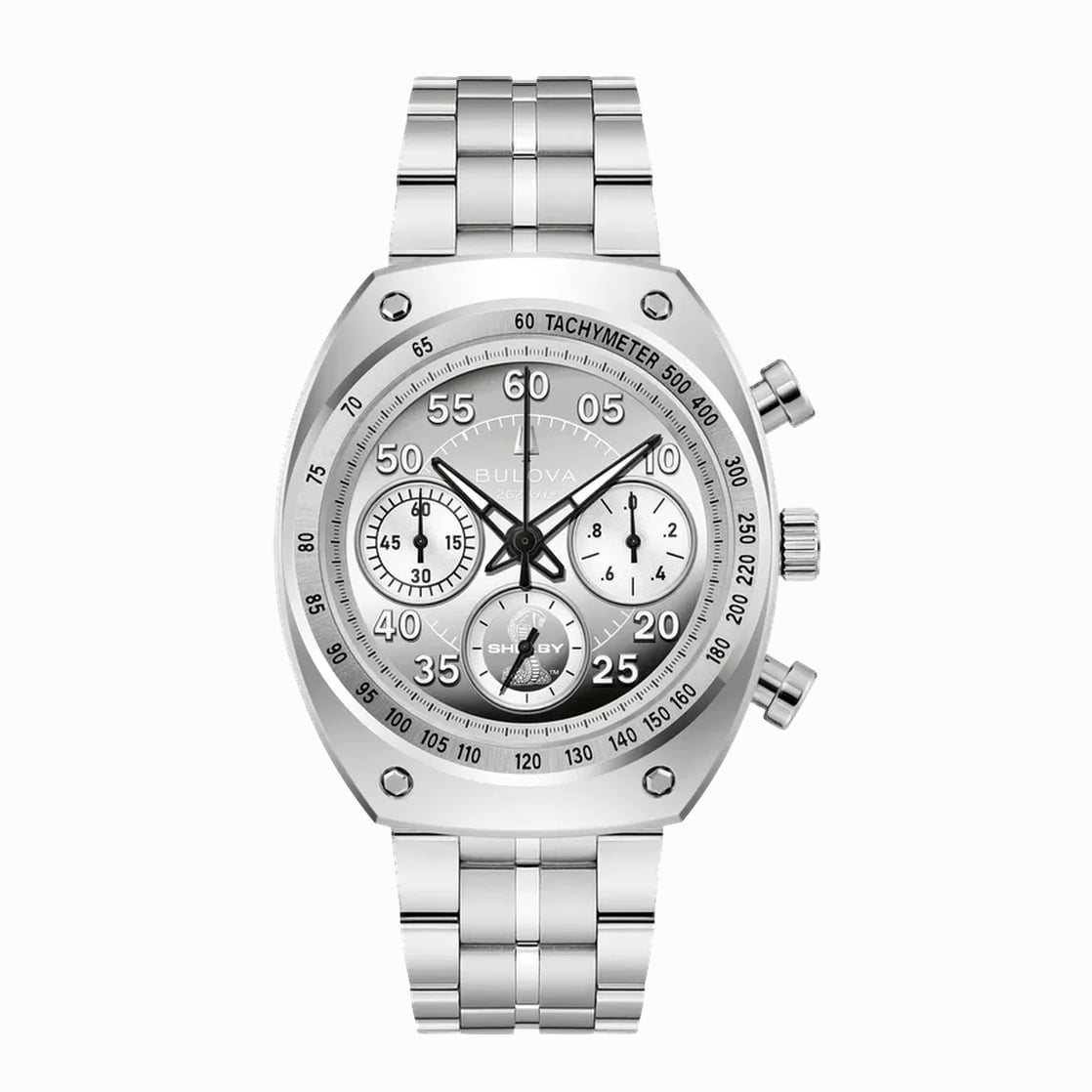
Bulova SHELBY Racer Chronograph
A racing chronograph inspired by the Shelby Daytona Coupe, with a sweeping seconds hand that glides rather than ticks.
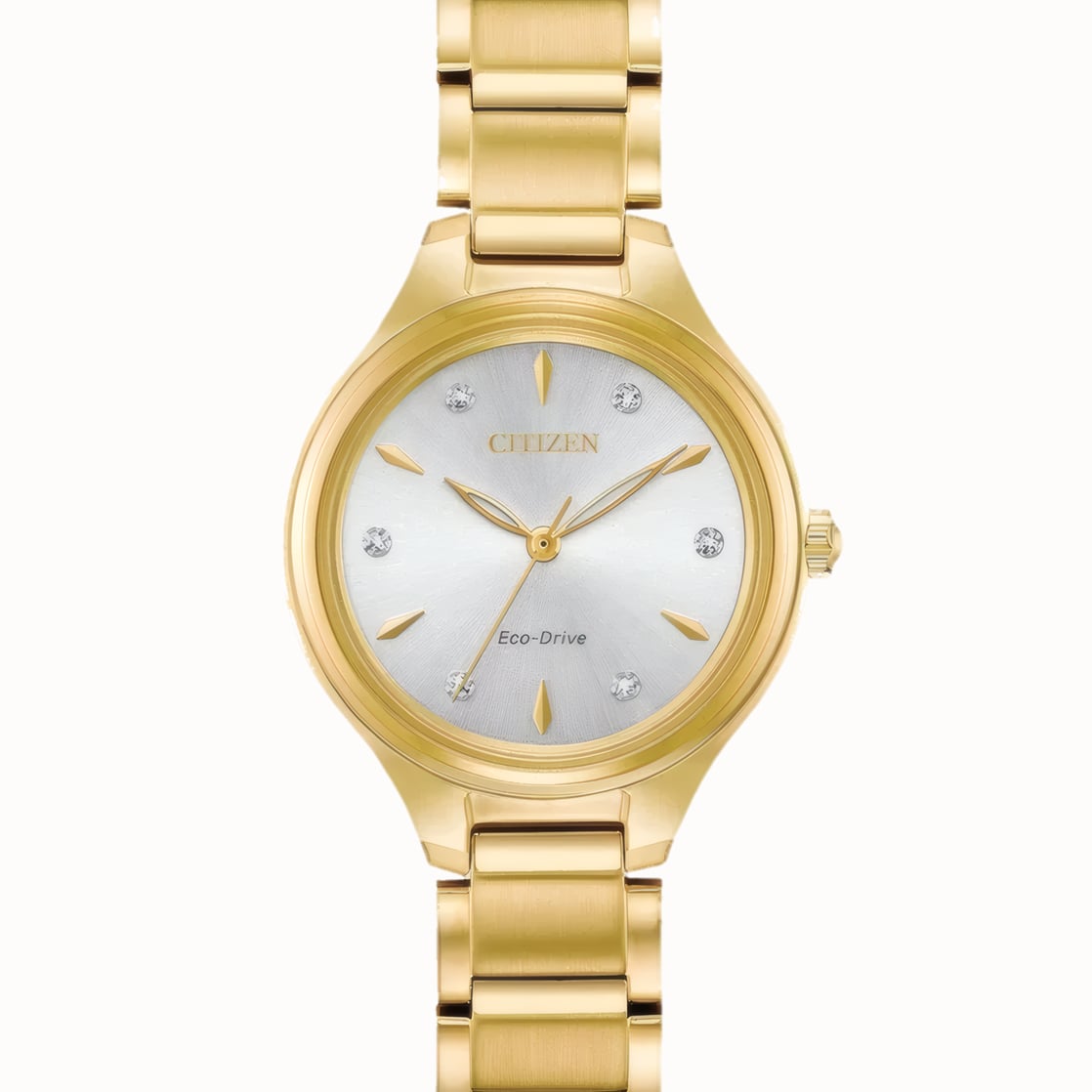
Citizen Corso
Gold-tone steel with diamond accents on a silver-white dial. A gold watch simple enough to wear daily.
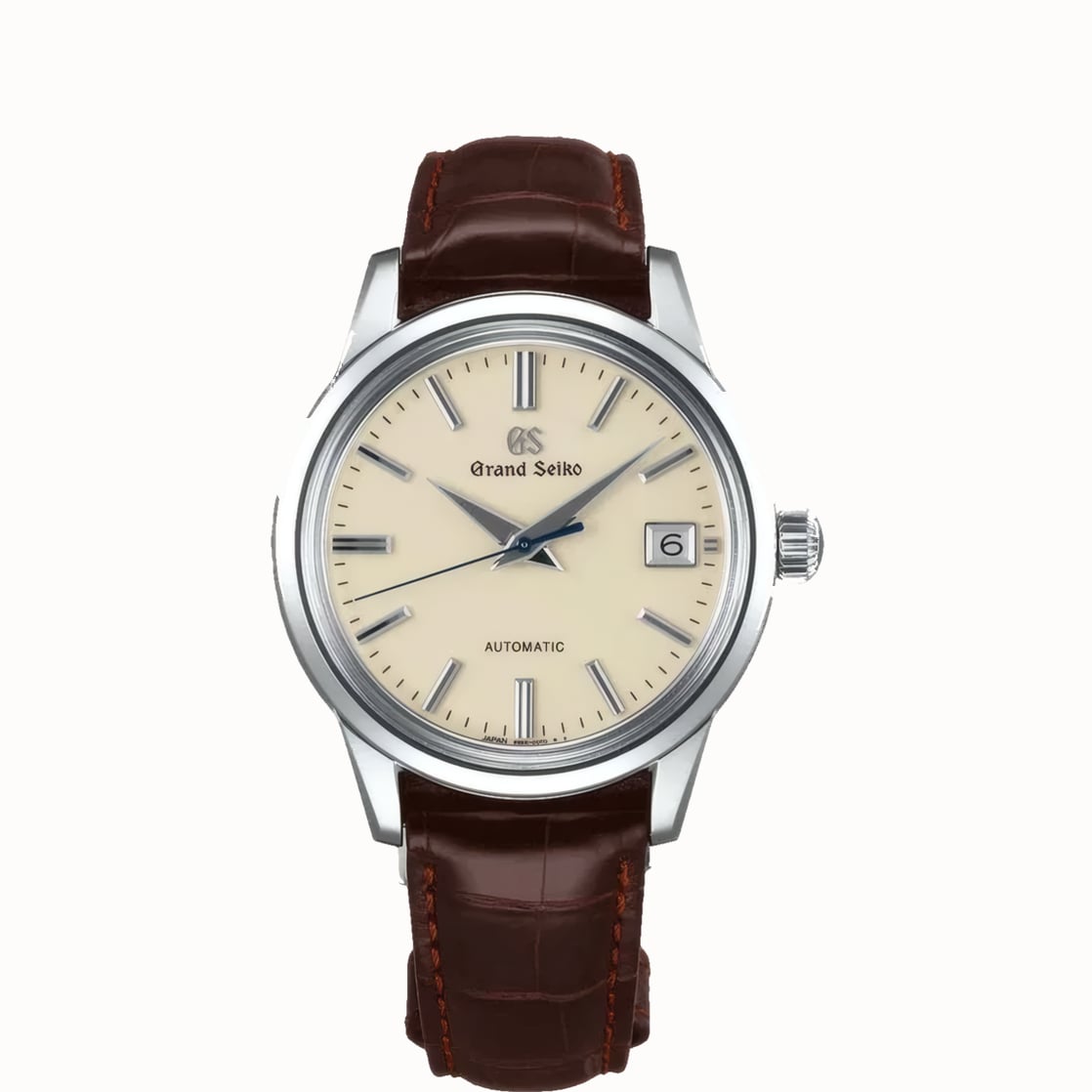
Grand Seiko
Zaratsu-polished cases and dials with finishing that rivals anything at the price, quiet enough for a suit.
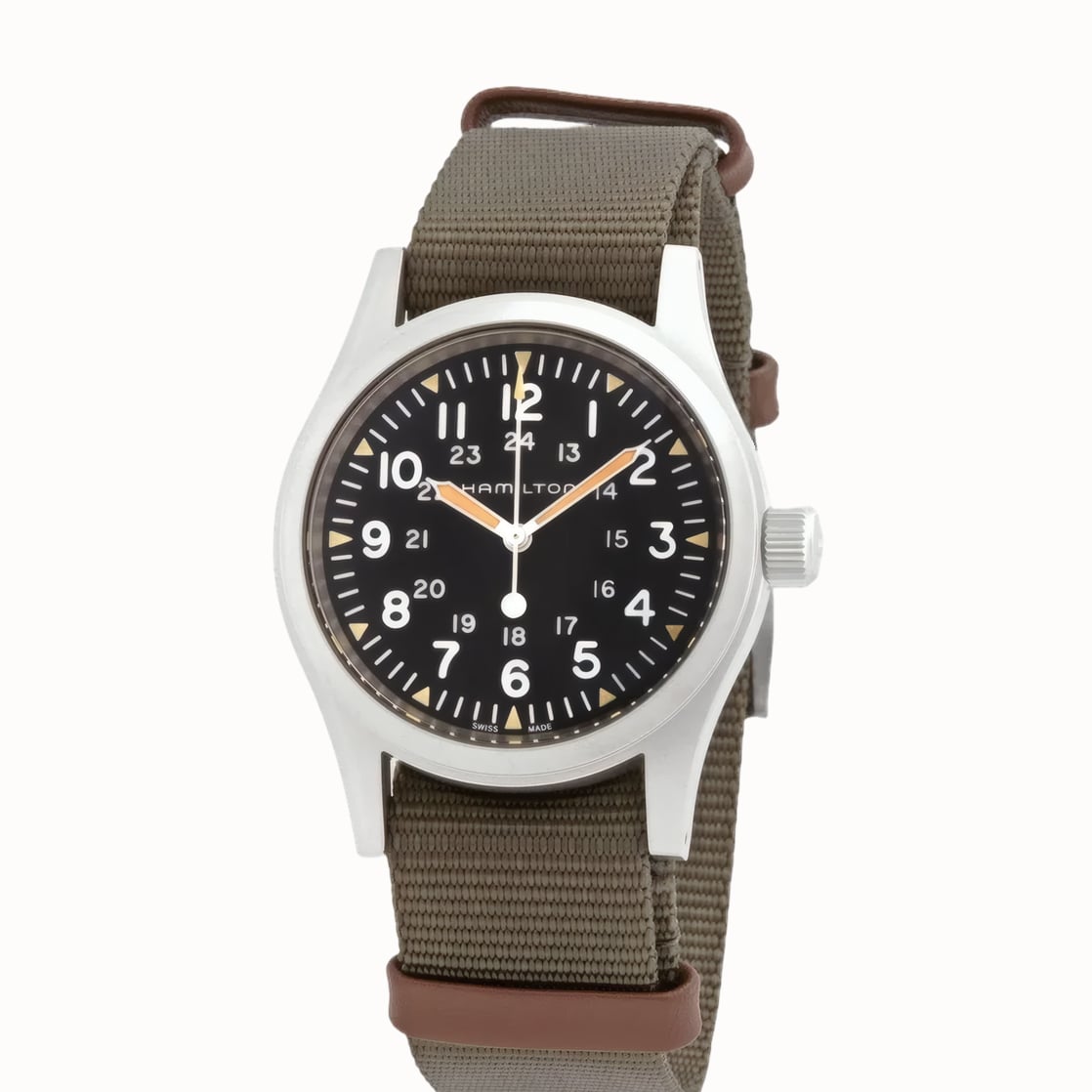
Hamilton Khaki Field Mechanical
A 38 mm hand-wound field watch with an 80-hour movement and sapphire. The most watch for the money on its list.
The best dive watches
A dive watch suits anyone who spends time in or near the water, and plenty who never get wet. It is water resistant to at least 100 meters, with a unidirectional bezel for timing a dive and a luminous dial you can read underwater. Off the boat, it suits casual weekend clothes just as well.
Some watches only look like divers, so the depth rating matters more than the dial color. The Rolex Submariner costs $10,050 at retail, and every diver below does the same job for less.
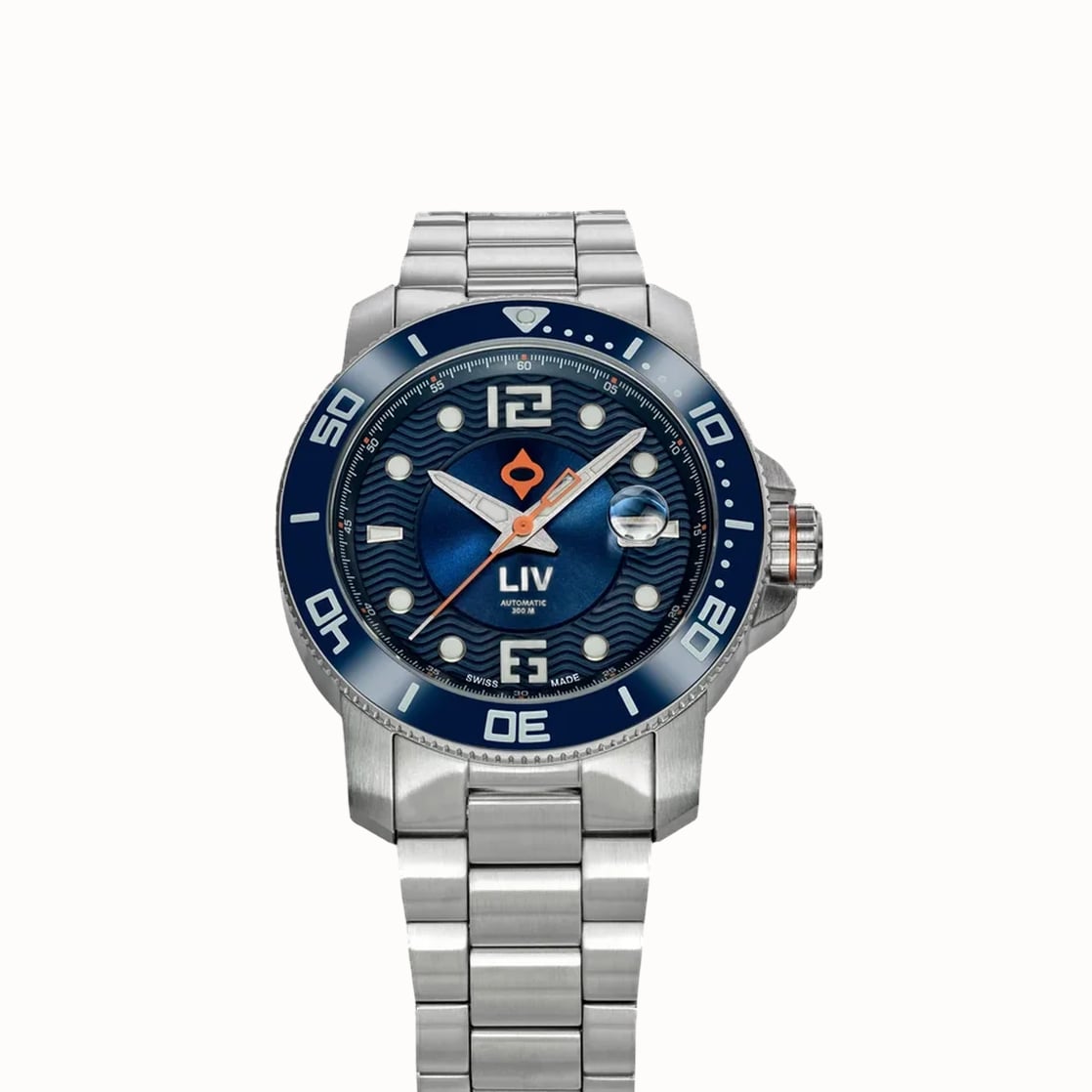
LIV GX-DIVER
Our best dive watch overall: a 41 mm Swiss automatic rated to 300 meters that looks just as right on a city street.
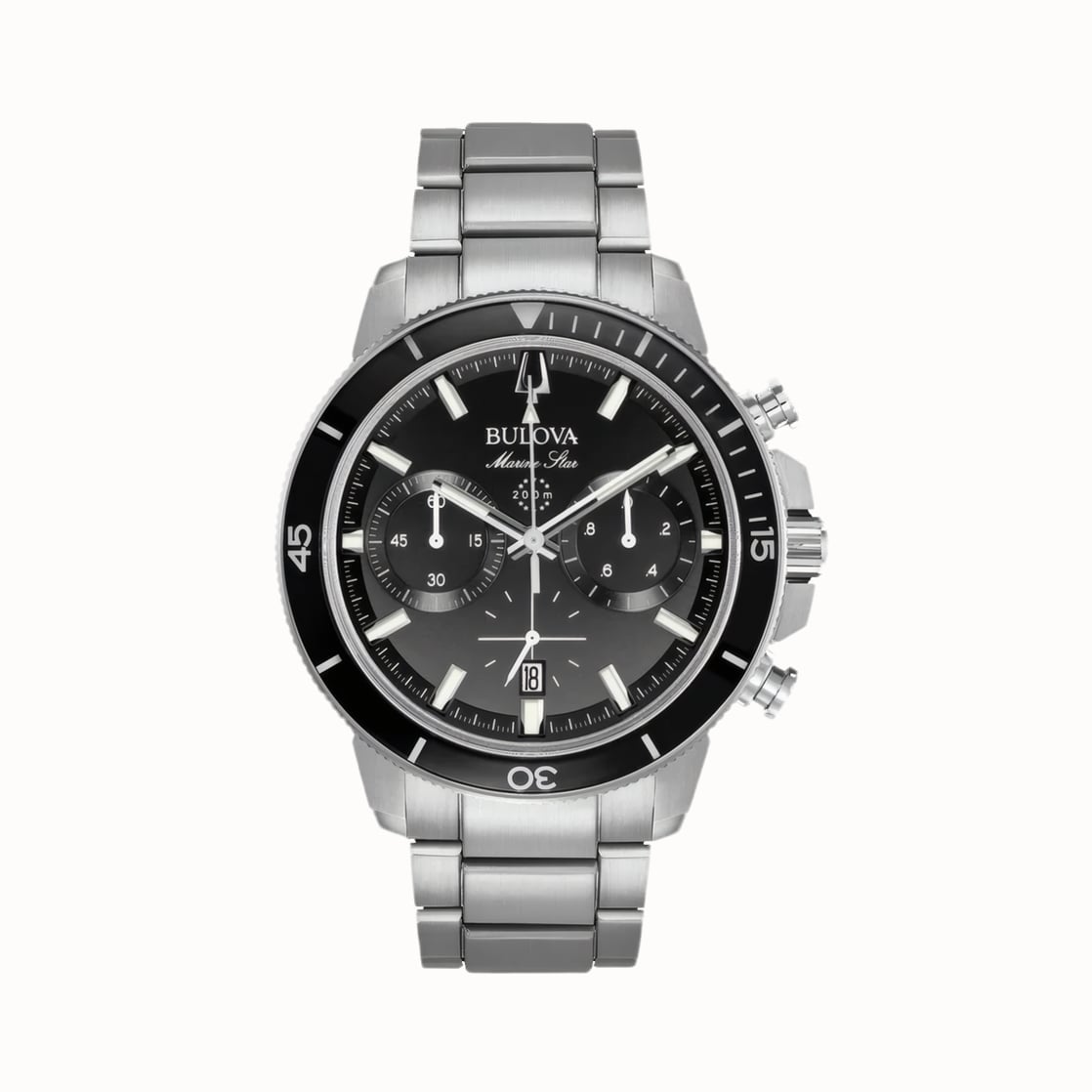
Bulova Marine Star
Real 200-meter water resistance, a ratcheted bezel and bright lume, without paying Swiss prices.
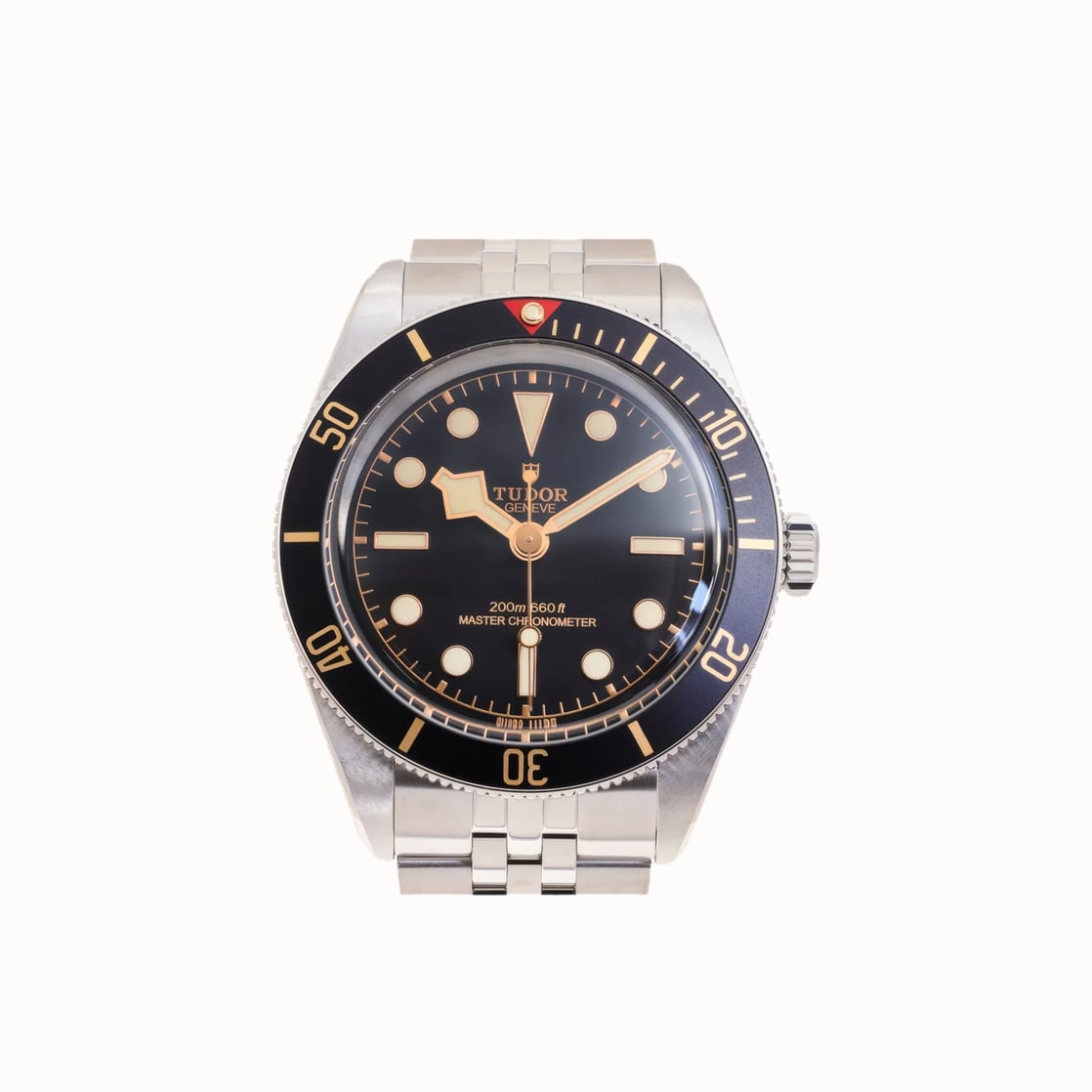
Tudor Black Bay 58
The closest thing to a Submariner without the waiting list: 39 mm, 200 meters, and a Master Chronometer movement.
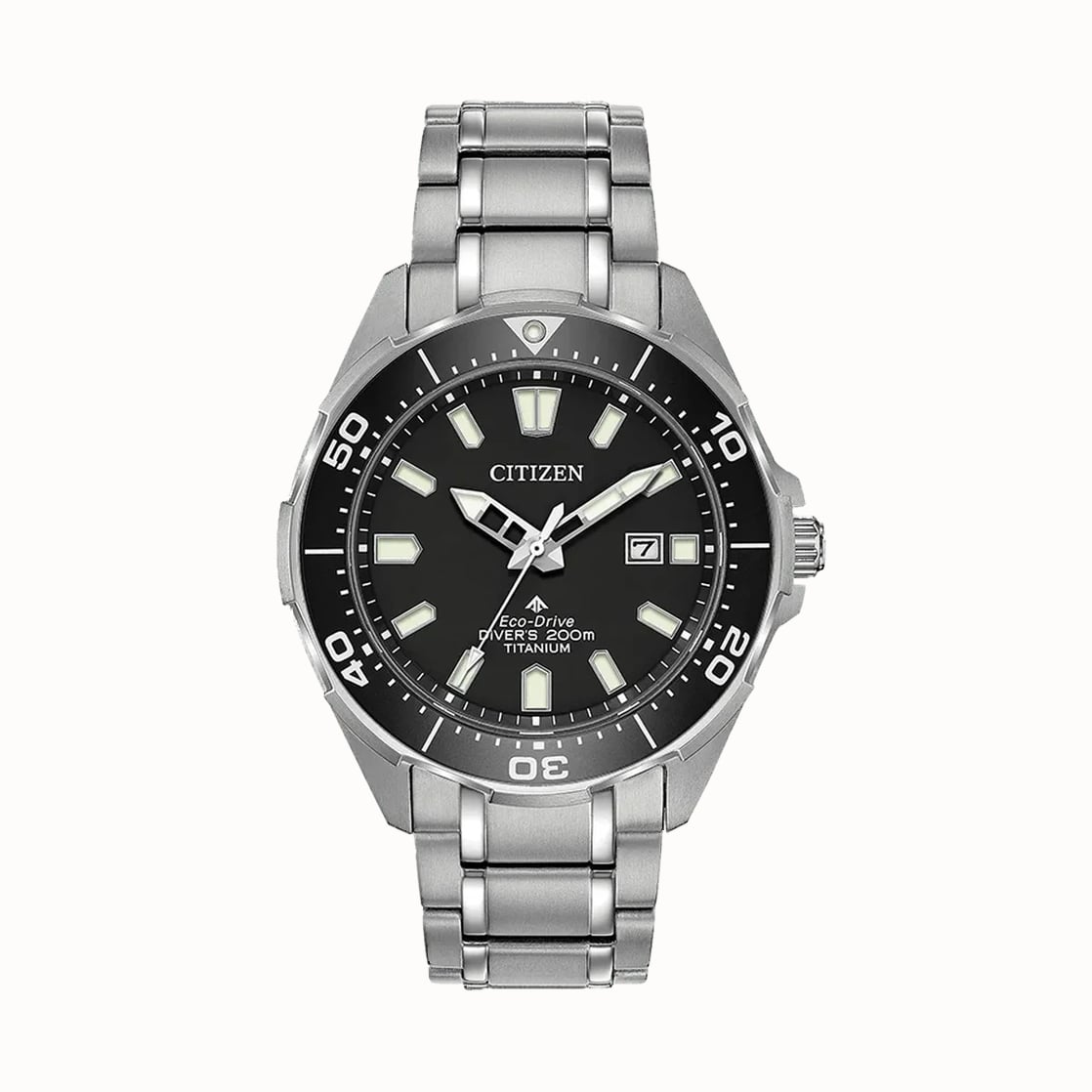
Citizen Eco-Drive Promaster
An ISO-certified professional diver that charges from any light, rated to 200 meters. Our best-value dive watch.
The best field, pilot and travel watches
Field, pilot and travel watches suit the outdoors and the frequent flyer. A field watch descends from the First World War trench watch: fairly small, with a black-and-white dial you read at a glance. A pilot's watch has a large dial, luminous hands and an oversized crown you can grip in gloves. A GMT adds a true second time zone for the trip home.
The common mistake is more watch than the wrist can carry. Pilot's watches run large, and the size table above shows where yours should sit. We tested the LIV Gravel for our hands-on review: a 62-gram carbon case around a shock-protected Swiss automatic.
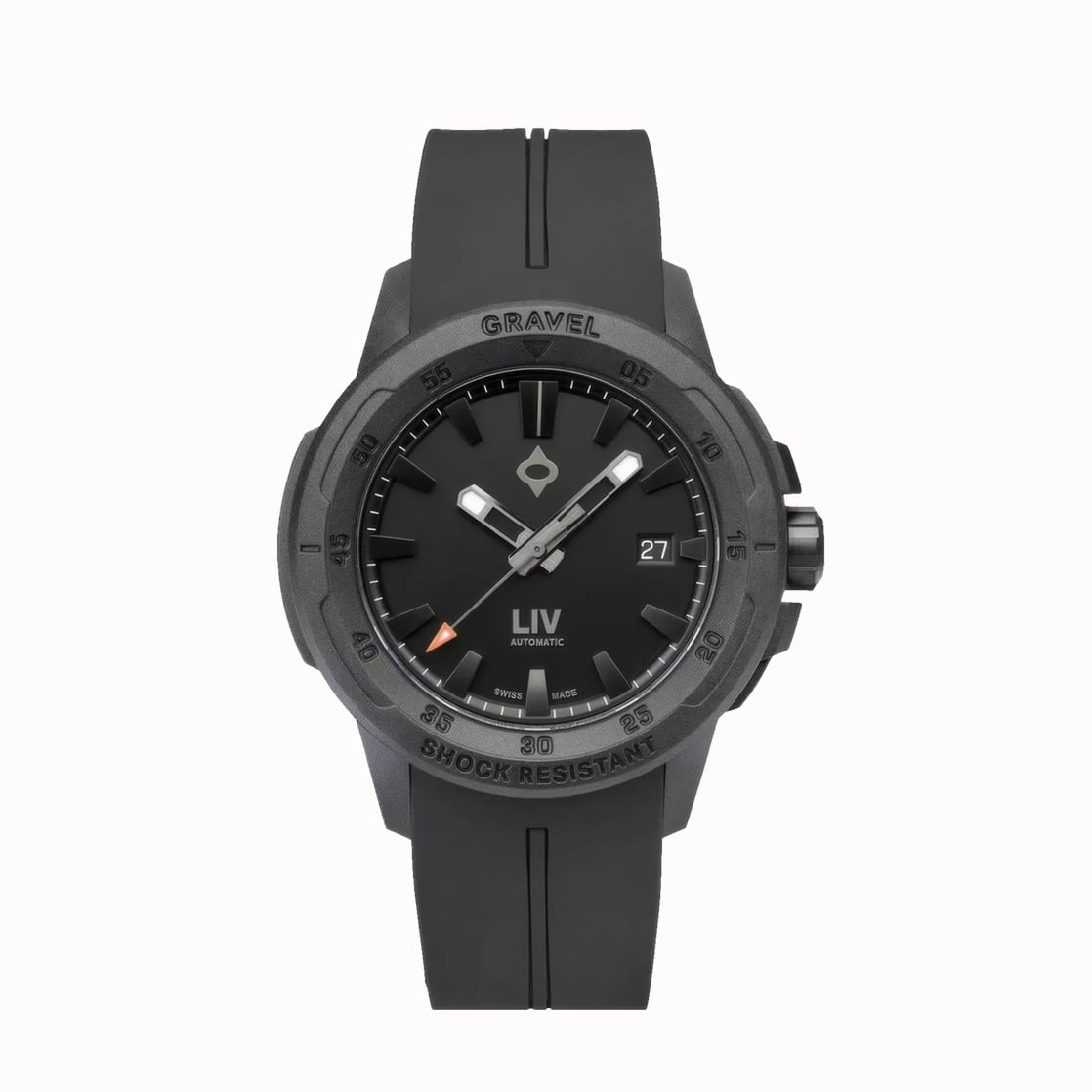
LIV Gravel 001 Automatic
A 62-gram carbon case around a shock-protected Swiss automatic, built for dirt, water and the occasional knock. We've tested it hands-on.
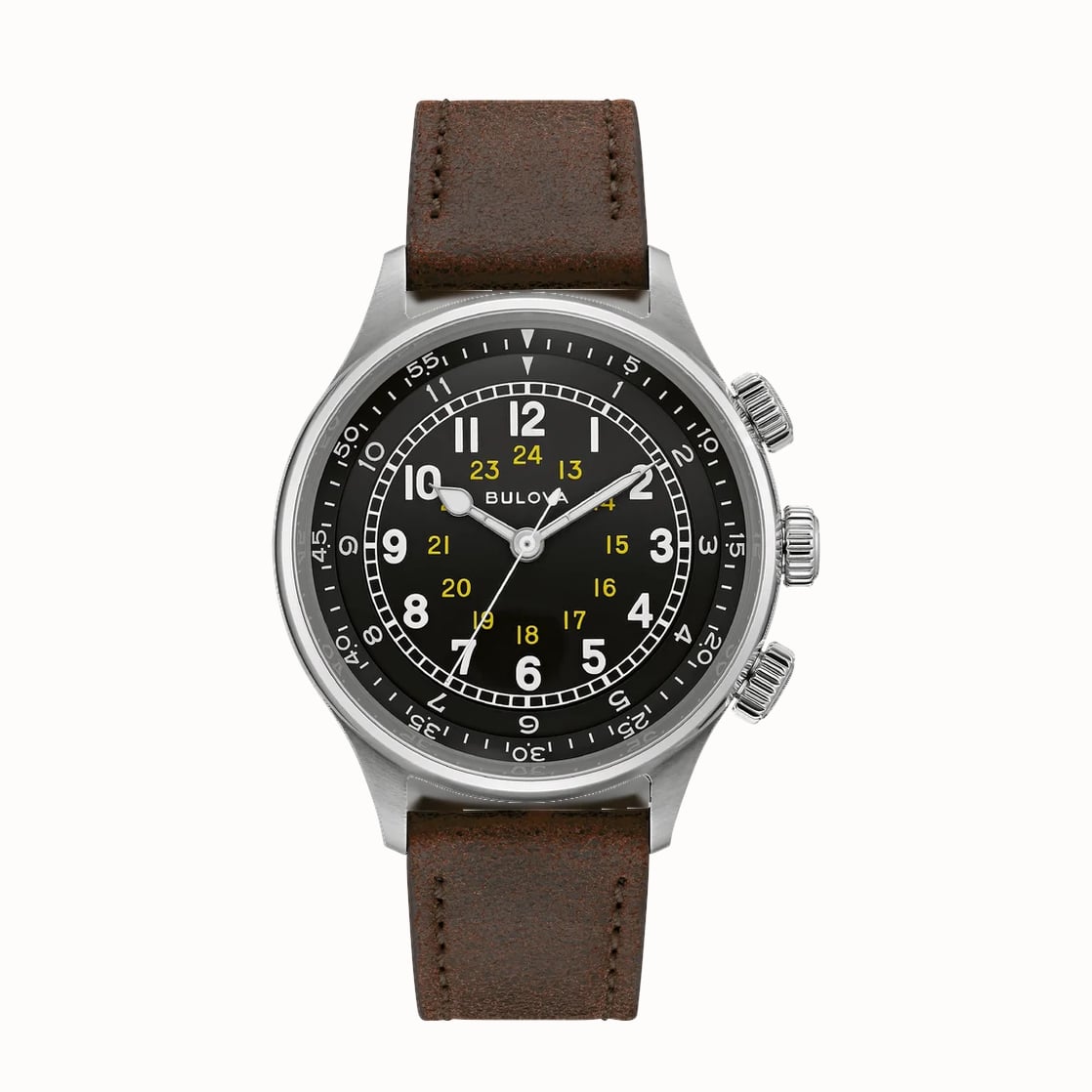
Bulova A-15 Pilot
An automatic based on the 1944 military A-15, with two inner discs for timing a flight or a second zone.
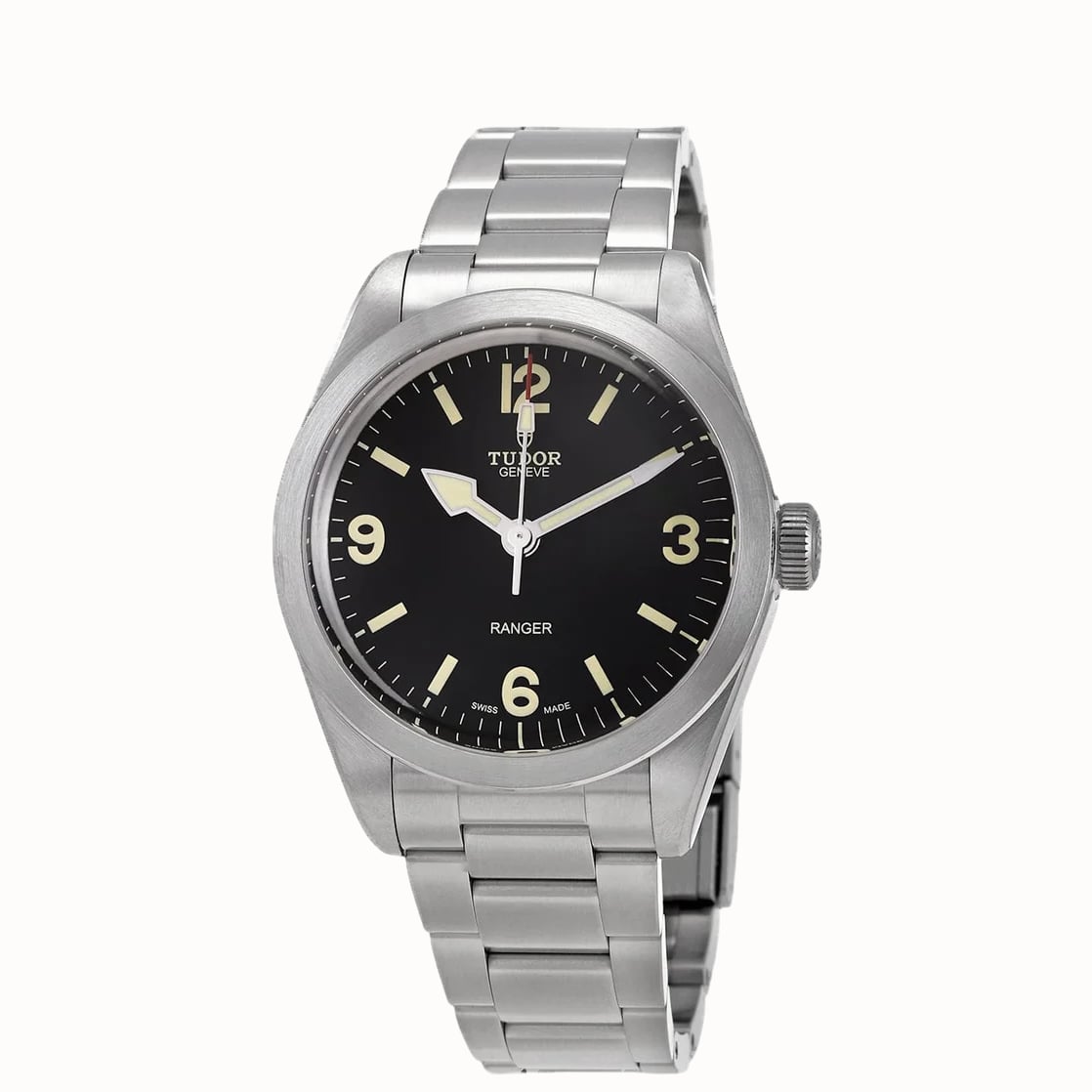
Tudor Ranger
Built by Rolex's sister brand on the Explorer's recipe: a no-date black dial, a 39 mm steel case and a chronometer movement.
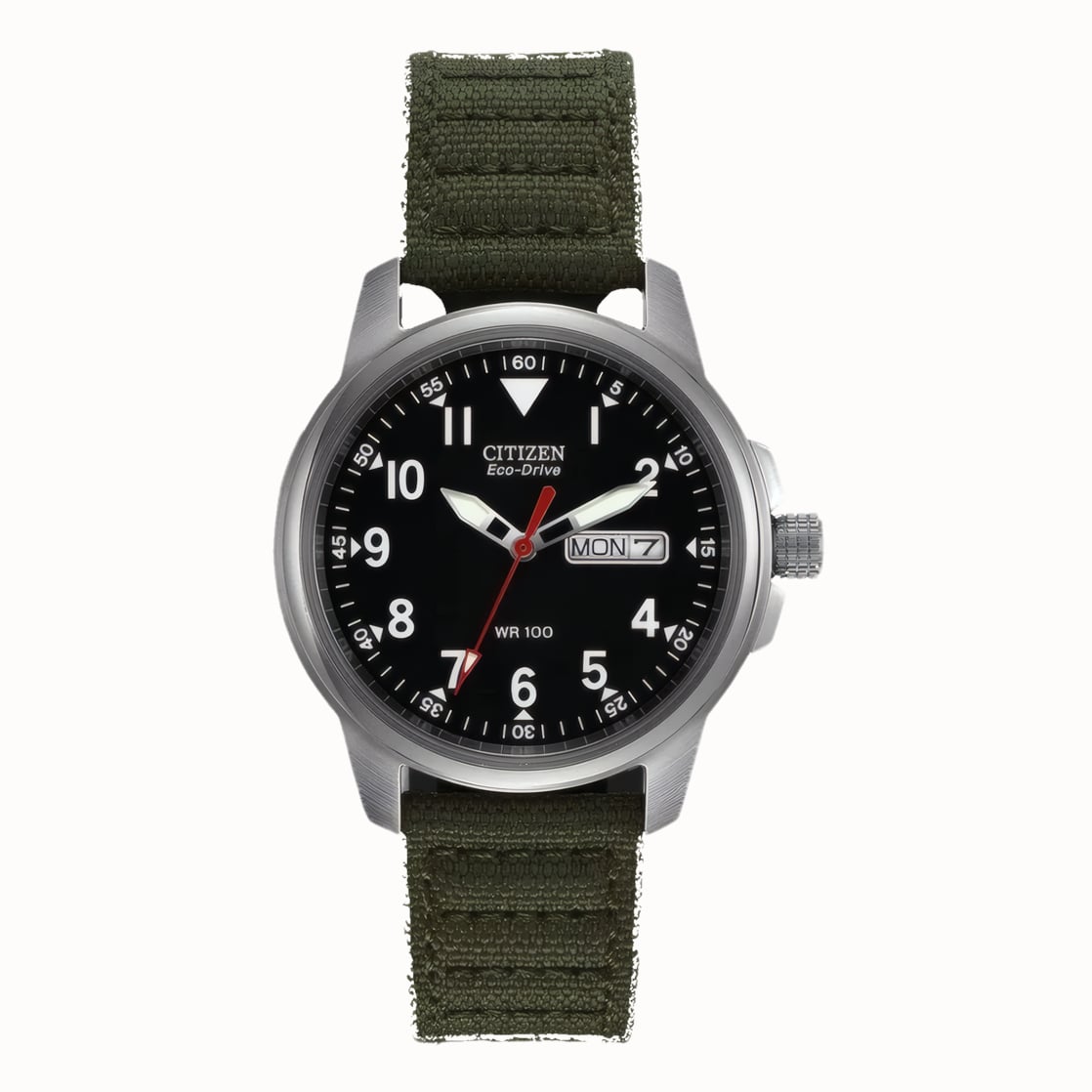
Citizen Chandler Eco-Drive
A 37 mm field watch with a clear military dial, 100 meters of water resistance and light-powered quartz.
The best watches to wear as jewelry
A jewelry watch suits you if the watch has to finish an outfit as well as tell the time. Think gold-tone bracelets, crystal-set bezels, bangles and the designer houses.
A photo can't show the fit. A bangle or a fine bracelet has to sit close to the wrist, so its fit depends on your wrist size and on how the bracelet adjusts.
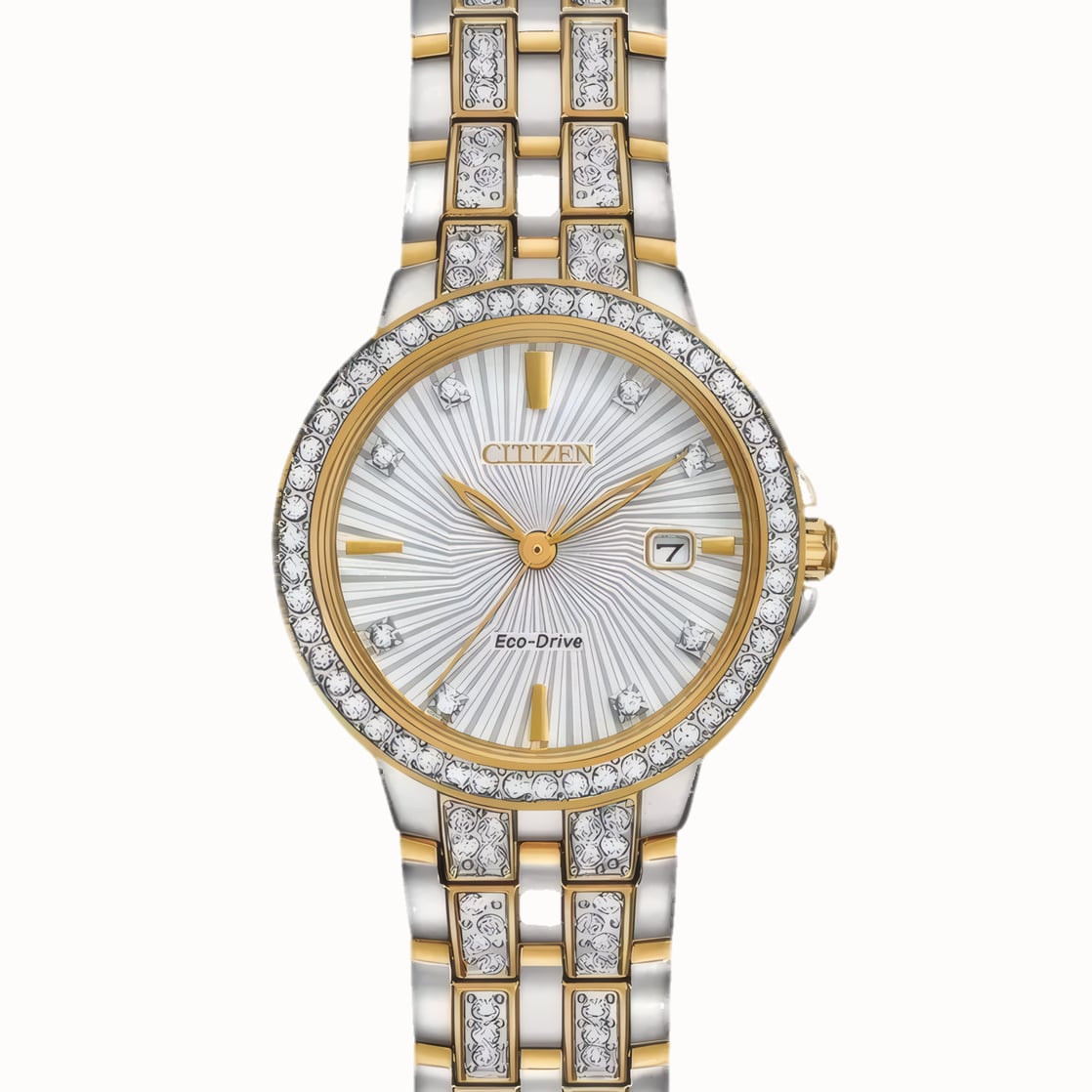
Citizen Silhouette Crystal
A crystal-set bracelet watch that reads as jewelry first, in gold, silver or rose gold.
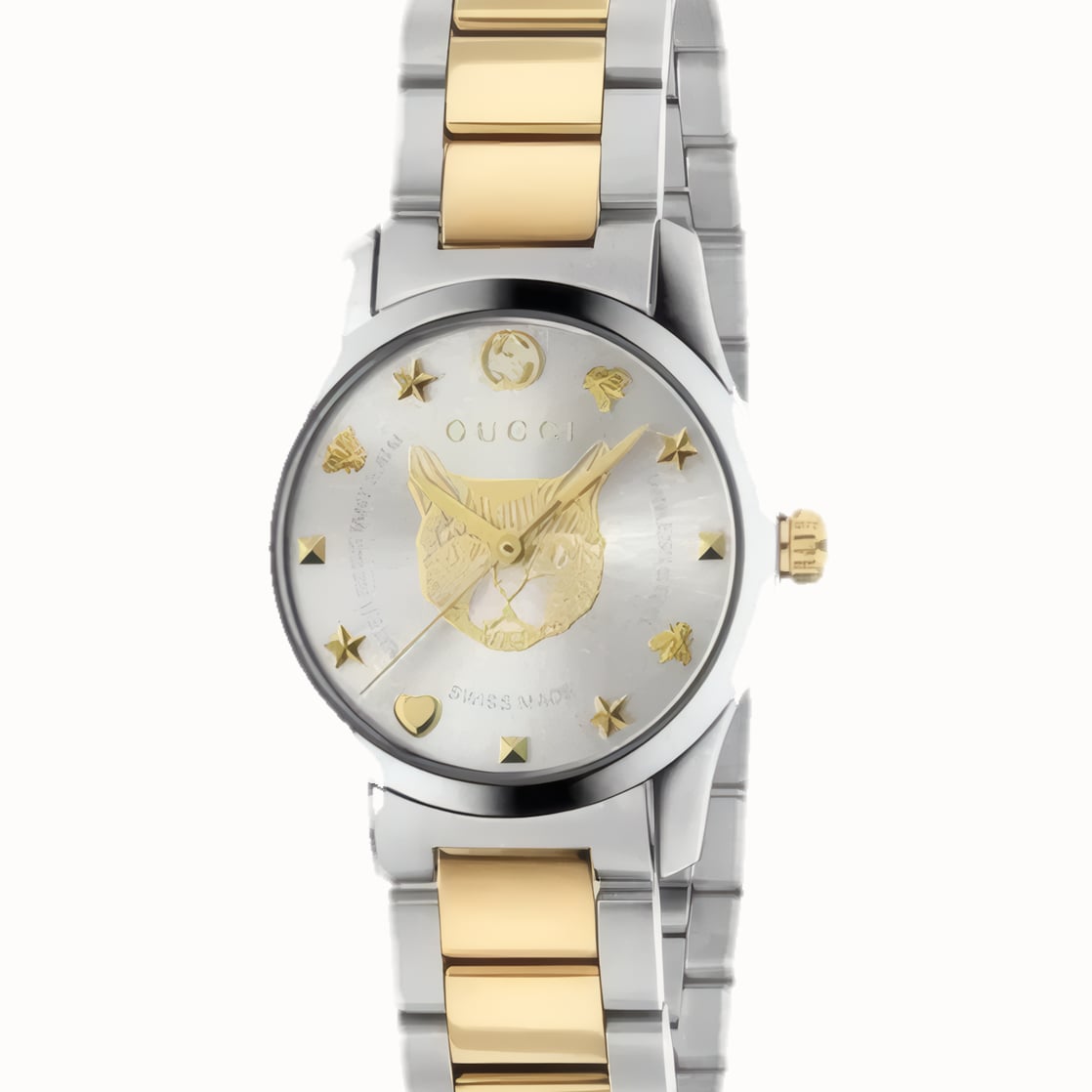
Gucci G-Timeless
A pre-owned Gucci icon, all glamour, bought for a fraction of the new price.
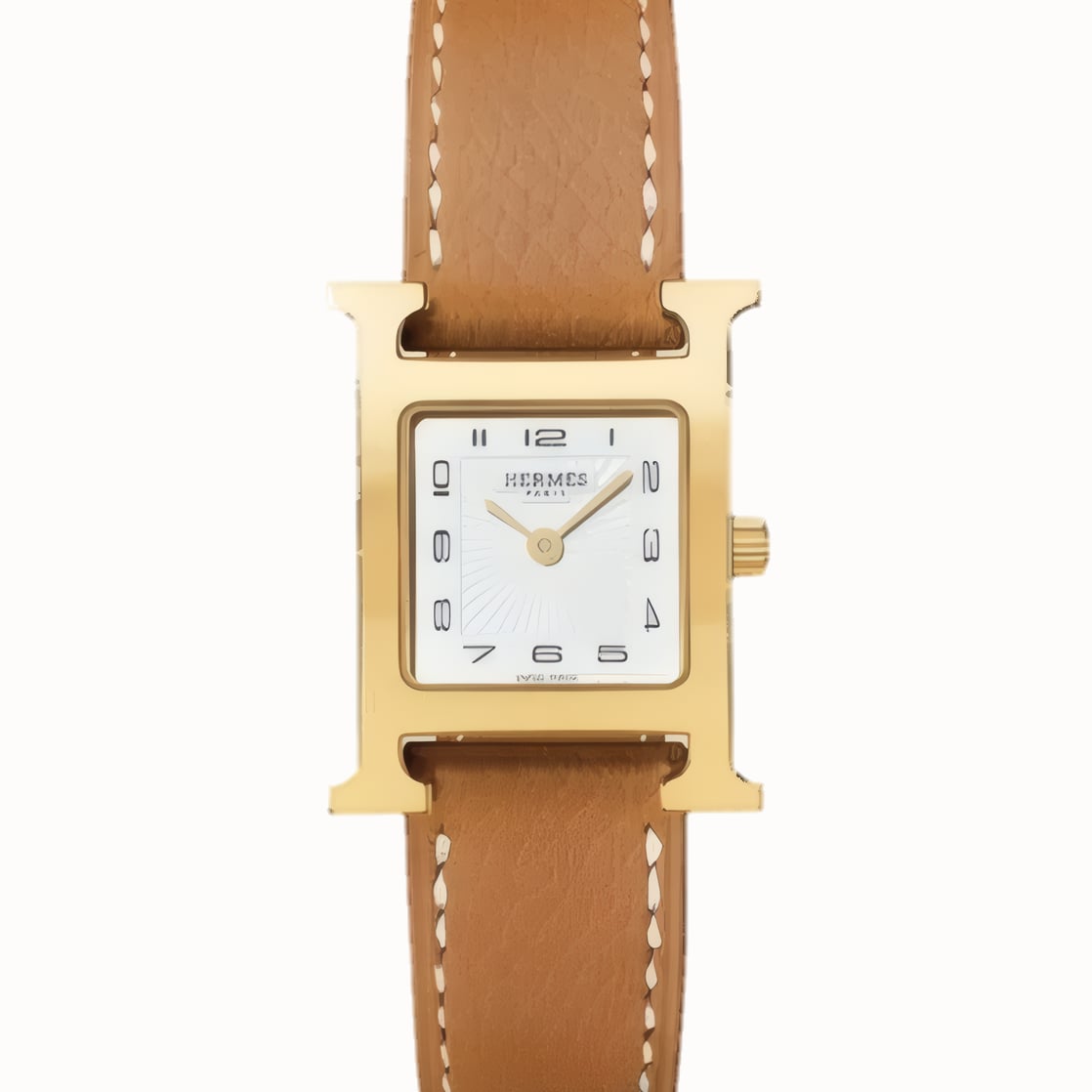
Hermès Heure H Watch
The H-shaped case Hermès has made since the 1990s, on a choice of leather straps. Timeless rather than trendy.
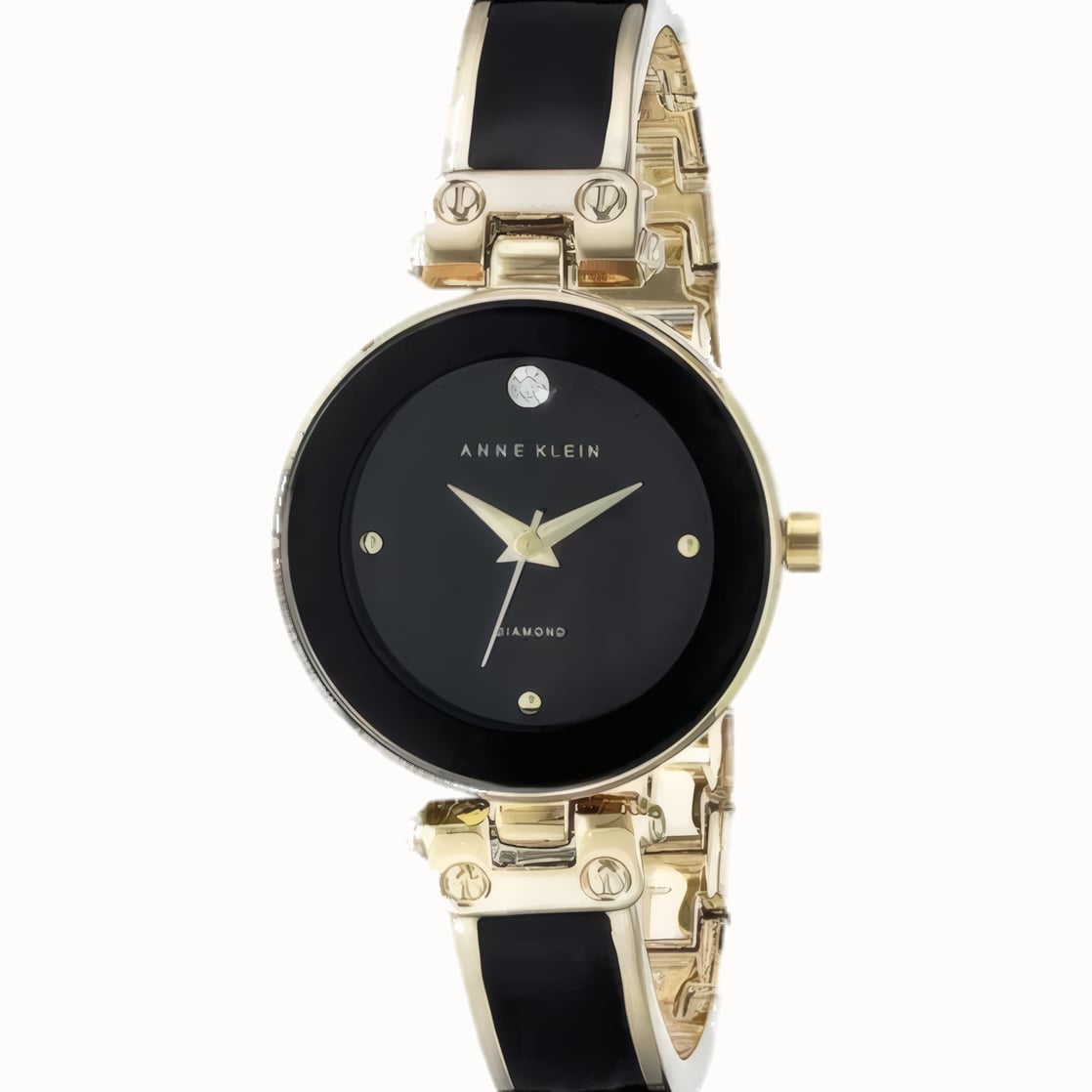
Anne Klein Diamond-Accented Bangle Watch
A diamond-accented bangle that looks far more expensive than it is.
Watch questions, answered
How do I know which watch to buy?
It starts with where you'll wear it most: a dress watch for suits, a dive watch for the water, an everyday watch for everything else. Then the case size has to suit your wrist, and the budget comes last. The Personal Shopper at the top of this page does the matching for you.
Should I buy an automatic or a quartz watch?
Quartz is the choice for accuracy and ease, and an automatic for the craft. A quartz watch runs on a battery and loses about 1 to 2 seconds a month. An automatic winds itself as you move and keeps less exact time, but most high-end watches today are automatics.
How much should I spend on my first luxury watch?
Between $500 and a couple of thousand dollars buys a well-made mechanical watch from houses like Junghans, Hamilton, Oris and Longines. At $10 to $200 you are buying quartz, made in large numbers. Above it sit icons like the Reverso, the Speedmaster and the Submariner, where part of the price is the name.
Can AI tell me which watch to buy?
It can narrow the field. Our Personal Shopper takes where you'll wear the watch, your wrist and your budget and picks from the watches in our guides, with three alternatives in case the first isn't you.
Compiled by Luxe Digital from our watch guides and hands-on reviews.