You probably paid somewhere around $300 for your best pair of sunglasses, and you felt good about that purchase.
Somewhere else entirely, a jeweler is grinding lenses out of real emeralds, setting more than 1,200 diamonds and sapphires into a single frame, and asking one goldsmith to spend 40 hours turning solid gold into eyewear you’d be afraid to leave on a restaurant table.
None of that is really about seeing better outdoors. Past a certain point, sunglasses stop being sunglasses and start being jewelry that happens to carry a UV rating.
Here are the six pairs where that line gets crossed, counted up from the cheapest to the one that still holds the record, followed by six pairs that actually do the job, for a fraction of the price.
We priced the jeweled six from each maker’s own valuation, and none of them has a completed sale behind it. A valuation is what the maker says a piece is worth. It isn’t a receipt.
The most expensive sunglasses ever made
Six pairs make up this list, from $27,000 up to the $408,400 record that’s still standing.
6. Lugano Diamonds - $27,000
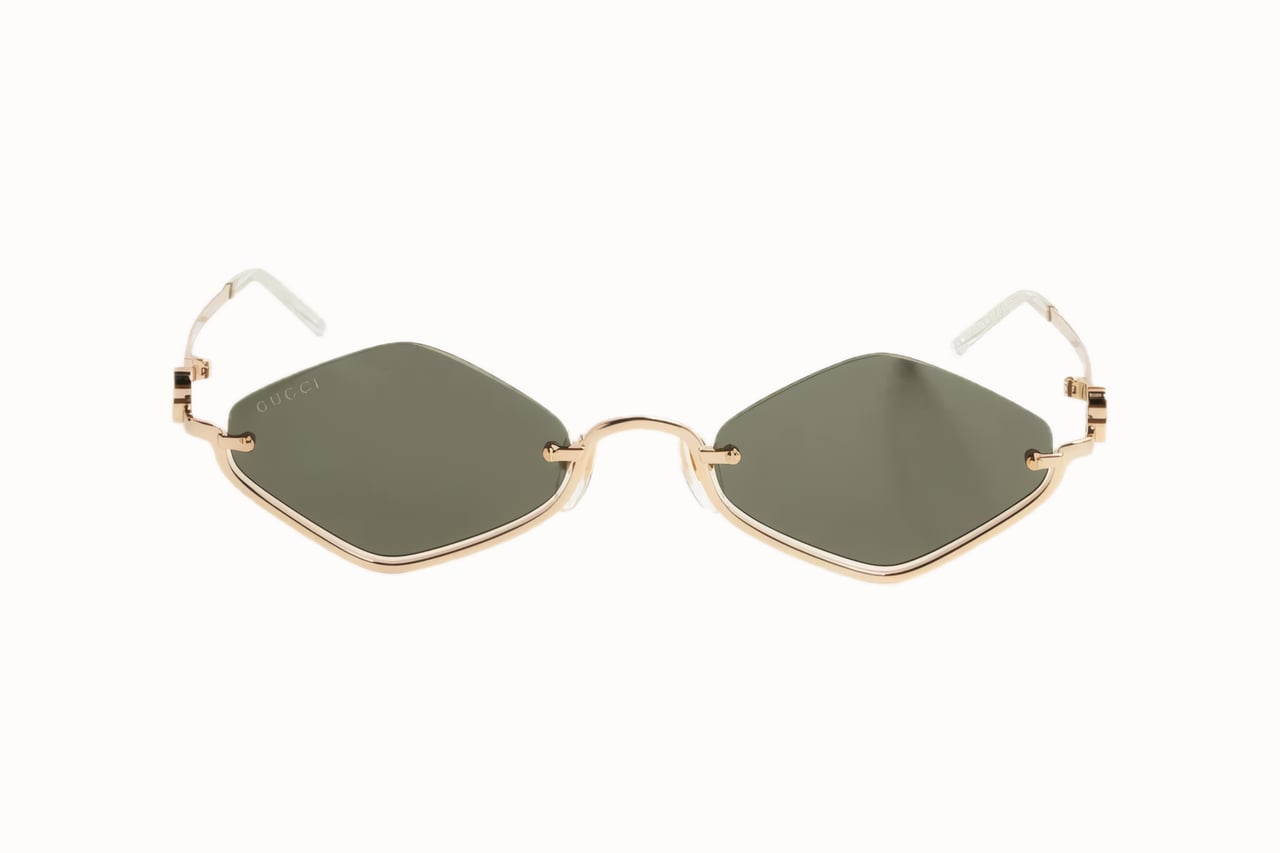
Lugano Diamonds is the cheapest of the six, and $27,000 is still a serious amount of money for a pair of sunglasses.
The house hasn’t published a stone count or a sourcing story for this pair; it exists mostly as a $27,000 line in Lugano’s catalogue, with no auction history behind the number. Everything above it on this list gets a lot more specific about what’s actually in the frame.
| Valuation | Materials | Provenance | Status |
|---|---|---|---|
| $27,000 | Diamond-set frame | Not disclosed | Maker valuation |
5. Luxuriator by Franco Canary Diamond - $65,000 to $150,000-plus
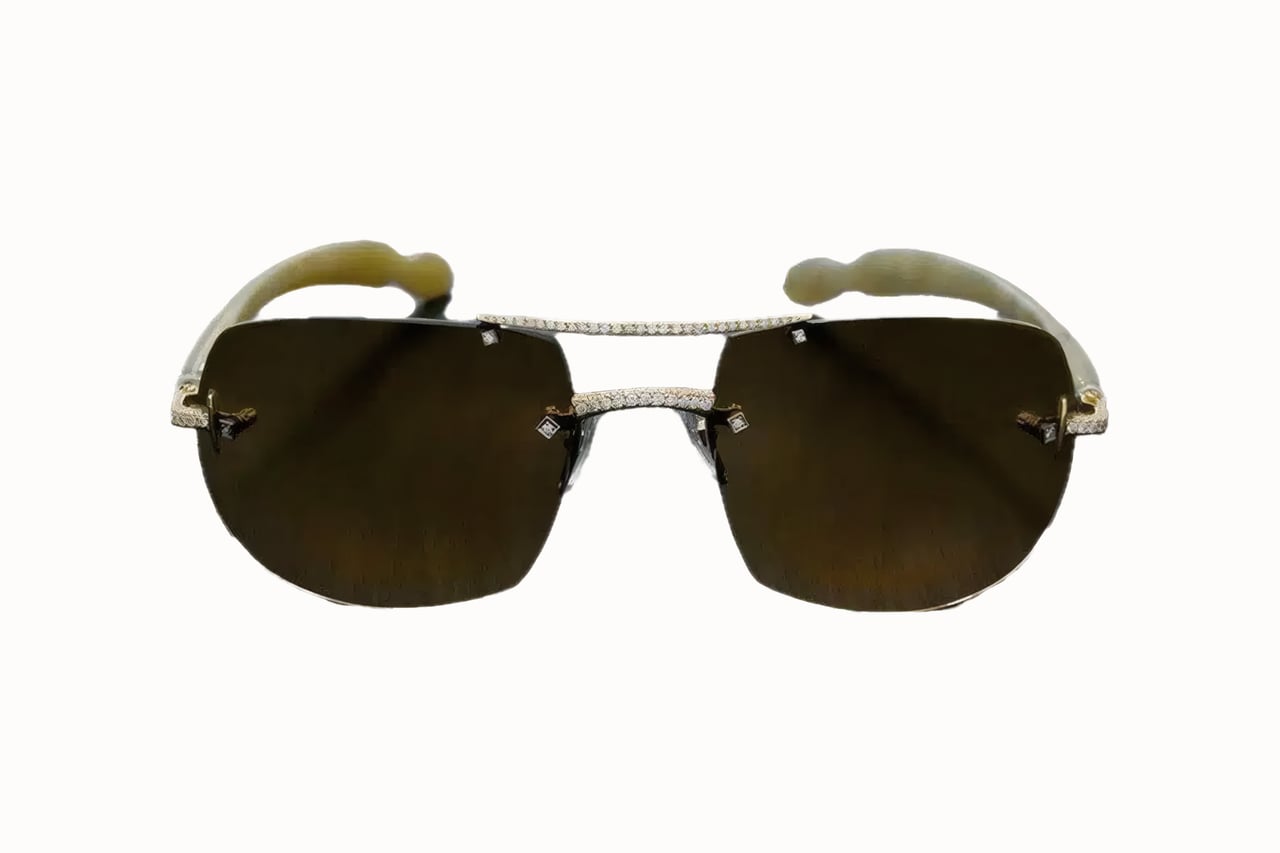
The Luxuriator Canary Diamond doesn’t have a single price. Depending on the listing, it runs anywhere from $65,000 to more than $150,000, a spread wide enough to make the number itself the story.
That’s the tell running through several of these pieces: a valuation moves with the seller. No sale ever pins it down.
| Valuation | Materials | Provenance | Status |
|---|---|---|---|
| $65,000–$150,000-plus, varies by listing | Canary diamonds | Not disclosed | Maker valuation, no fixed price |
4. CliC Gold 18-carat - $75,000
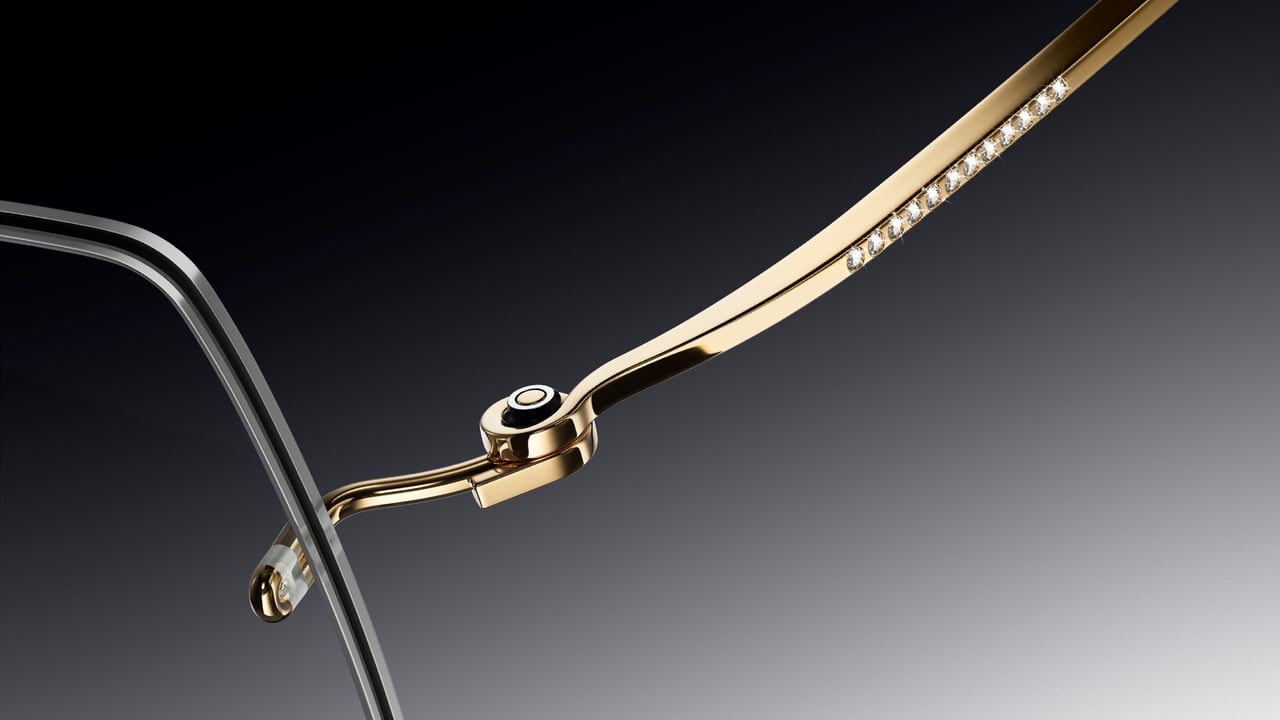
CliC skipped the diamonds altogether. Its 18-carat pair carries a $75,000 valuation because one goldsmith spends more than 40 hours hand-finishing a single frame, worked from solid gold rather than plated or filled metal. It’s the only pair on this list where the price comes entirely from labor.
| Valuation | Materials | Provenance | Status |
|---|---|---|---|
| $75,000 | Solid 18-carat gold, no stones | Hand-finished, 40-plus goldsmith hours per pair | Maker valuation |
3. Cartier diamond and sapphire pair - $159,000
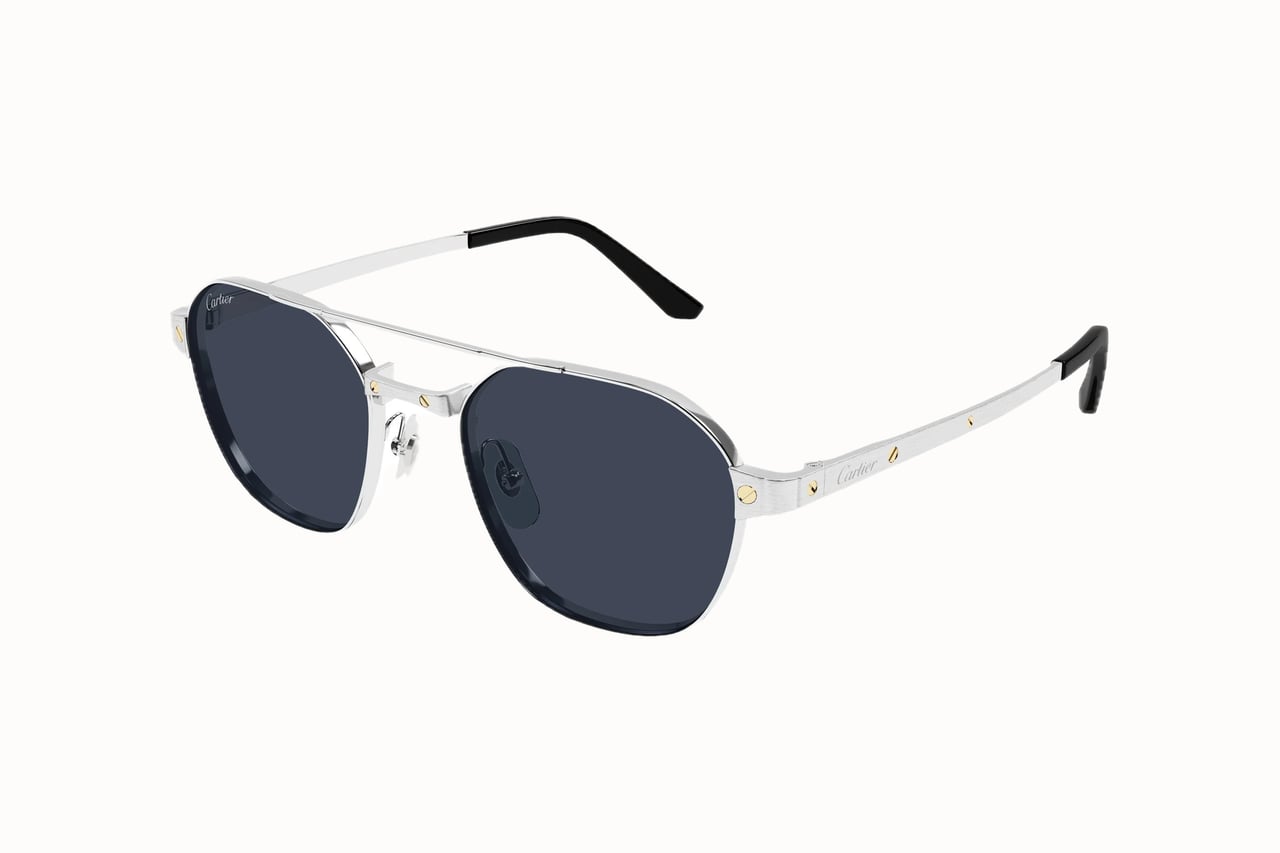
Cartier built this pair to commission. Reportedly set with 561 diamonds and 645 sapphires, the frame carries a $159,000 valuation from the house itself. A commission means there’s no retail price to check that number against, only Cartier’s own figure.
| Valuation | Materials | Provenance | Status |
|---|---|---|---|
| $159,000 | Reportedly 561 diamonds and 645 sapphires | Made to commission | Commission valuation |
2. Shiels Emerald sunglasses - $200,000
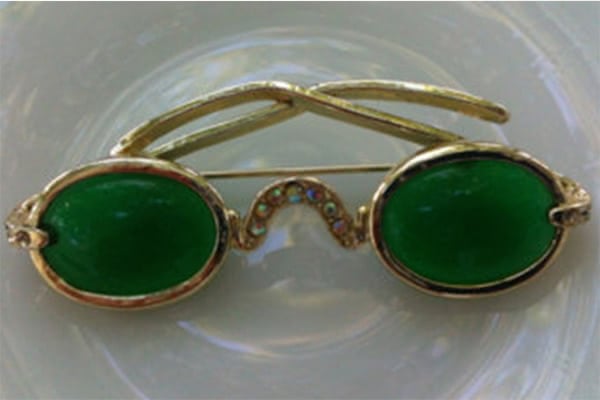
Finding two emeralds clear enough and large enough to grind into sunglasses lenses took Shiels five years.
Each lens is a single emerald of roughly 3.12 carats rather than a mosaic of smaller stones, and that rarity is what pushes the valuation to $200,000. Nobody expects this pair to leave the display case.
| Valuation | Materials | Provenance | Status |
|---|---|---|---|
| $200,000 | Lenses cut from single ~3.12-carat emeralds | Five years to source the stones | Maker valuation |
1. Chopard De Rigo Vision - $408,400
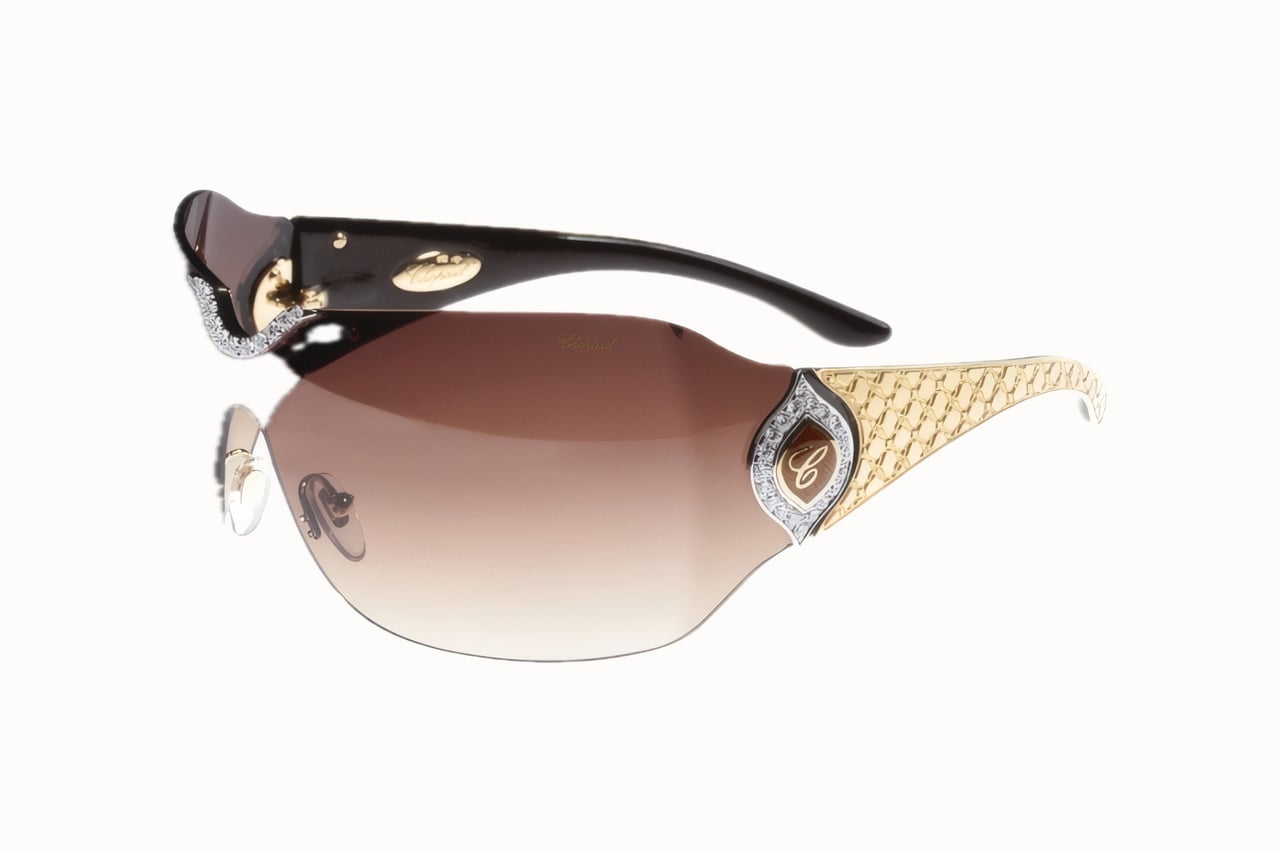
Chopard unveiled the De Rigo Vision sunglasses in Milan in 2012, and the number attached to them has never moved: $408,400. That valuation has also never been tested, because the pair has never gone to auction. It’s a maker’s number.
The frame is 60 grams of 24-carat gold set with 51 diamonds, a modest stone count next to Cartier’s 561 diamonds and 645 sapphires. What pushes the Chopard valuation to the top anyway is the gold itself: 60 grams of it, worked into a frame you could actually wear.
More than a decade on, De Rigo Vision is still the number every other jeweled sunglasses story gets measured against, precisely because nobody has ever had to argue with a hammer price.
| Valuation | Materials | Provenance | Status |
|---|---|---|---|
| $408,400 | 60g of 24-carat gold, 51 diamonds | Unveiled in Milan, 2012 | Valuation only, never auctioned |
Why these are jewelry prices, not eyewear prices
Every price above is set by carat weight and gram weight, not by optics. Chopard’s record pair is 60 grams of gold and four carats of diamonds. Shiels swapped the lenses for emeralds.
Cartier stacked on 561 diamonds. Strip the stones and the metal away and what remains is a frame no more advanced than a good pair you could buy on a high street.
These are commissioned jewelry pieces, and a jeweler prices them the way it prices a necklace. The number tells you what the raw materials are worth, plus the hours of setting work, plus the maker’s margin. It tells you almost nothing about whether the sunglasses are good sunglasses.
Good sunglasses are a different problem. Lens quality, frame material and the hinge set the price of good sunglasses, and none of those show up as a carat count.
The most expensive sunglasses you can actually buy
Here’s the part where you can actually own something. No appraisal, no five-year wait for a matching pair of emeralds, just a card and a checkout page.
Cartier alone sets the ceiling on this half of the list: a buffalo-horn, 18-carat-gold C Décor frame runs $1,950 to $2,500, and the diamond-set versions climb past $6,500.
Start at the other end of that range, with the pair we’ve actually worn: Randolph.
RandolphAviator
Made in Massachusetts to a military spec, with a lifetime frame guarantee.
Tom FordAcetate Sunglasses
Thick Italian acetate built around the small T hinge, the house signature.
Persol714 Folding
Made in Italy since the 1960s, with crystal glass lenses and Meflecto arms.
Randolph: One aviator to wear for decades
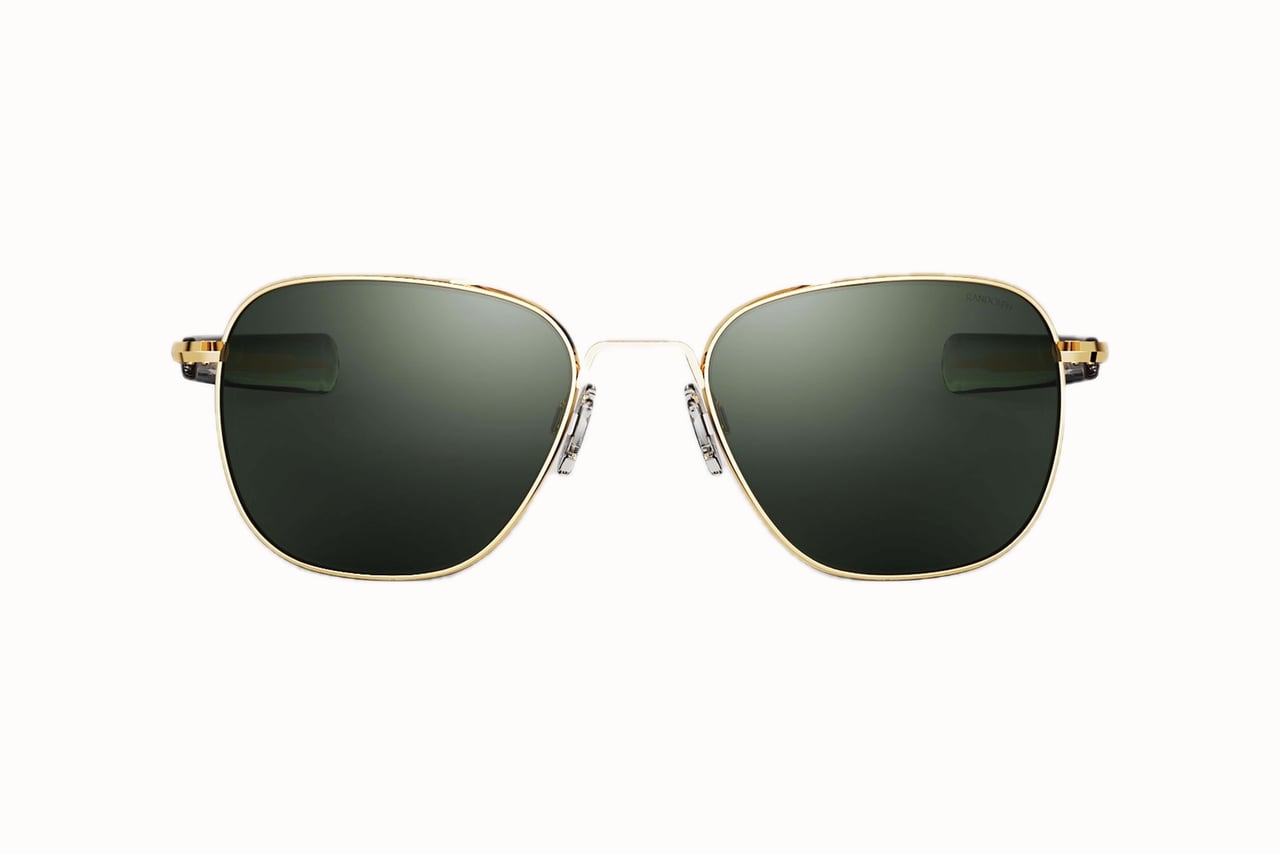
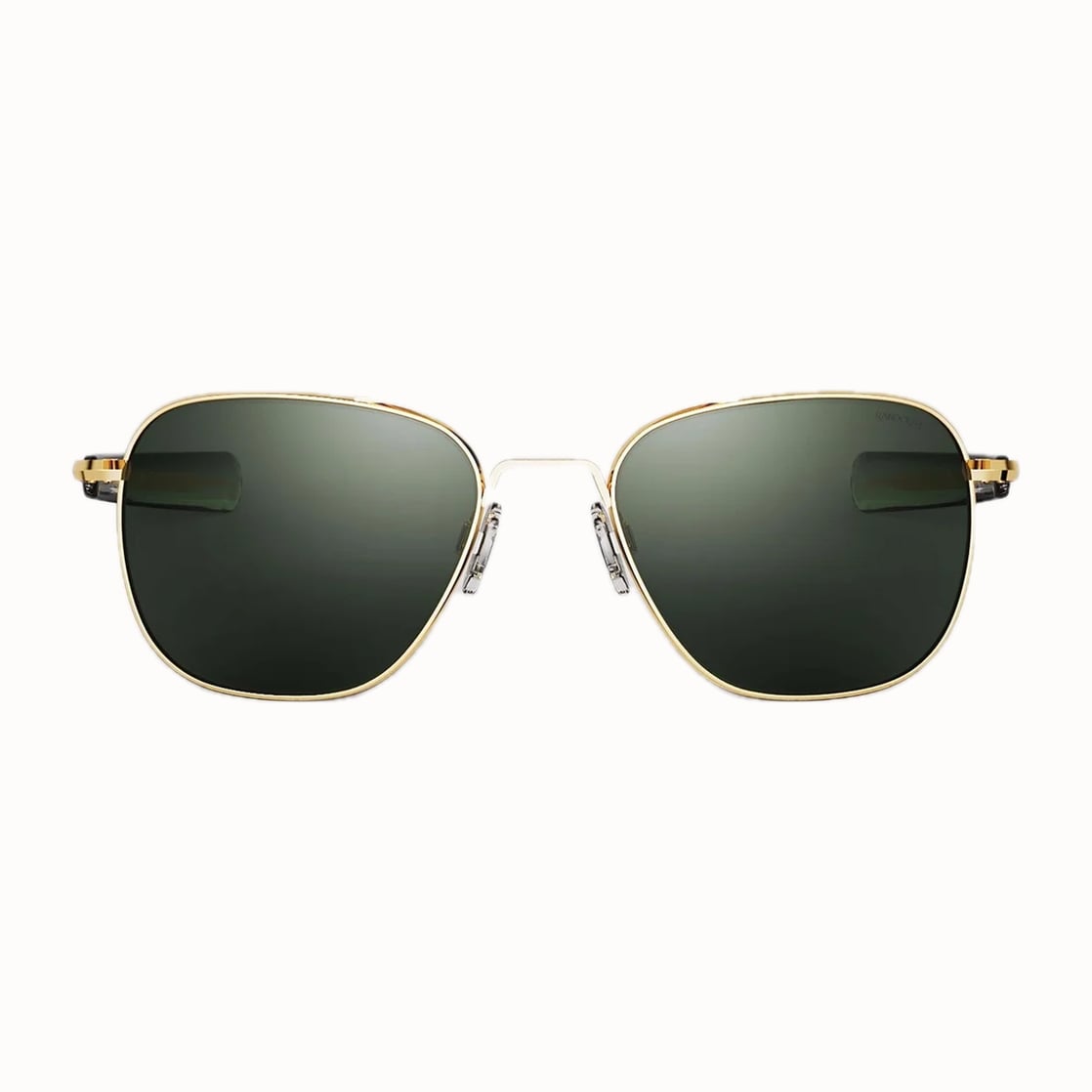
Randolph builds its aviators in Massachusetts to a military specification: bayonet temples that slide under a helmet, mineral glass ground for optical clarity, a $300 price tag and a guarantee on the frame for life.
It’s one shape, done to a spec built for pilots rather than street style, so it won’t suit a reader after variety. We put a pair through a full hands-on test, and the short version is that the build quality earns the price.
Best for: a reader who wants one aviator to wear for decades.
Check price: Randolph: One aviator to wear for decades at Randolph Engineeringat Randolph Engineering · Trusted by shoppers
Tom Ford: A house name that doesn’t need explaining
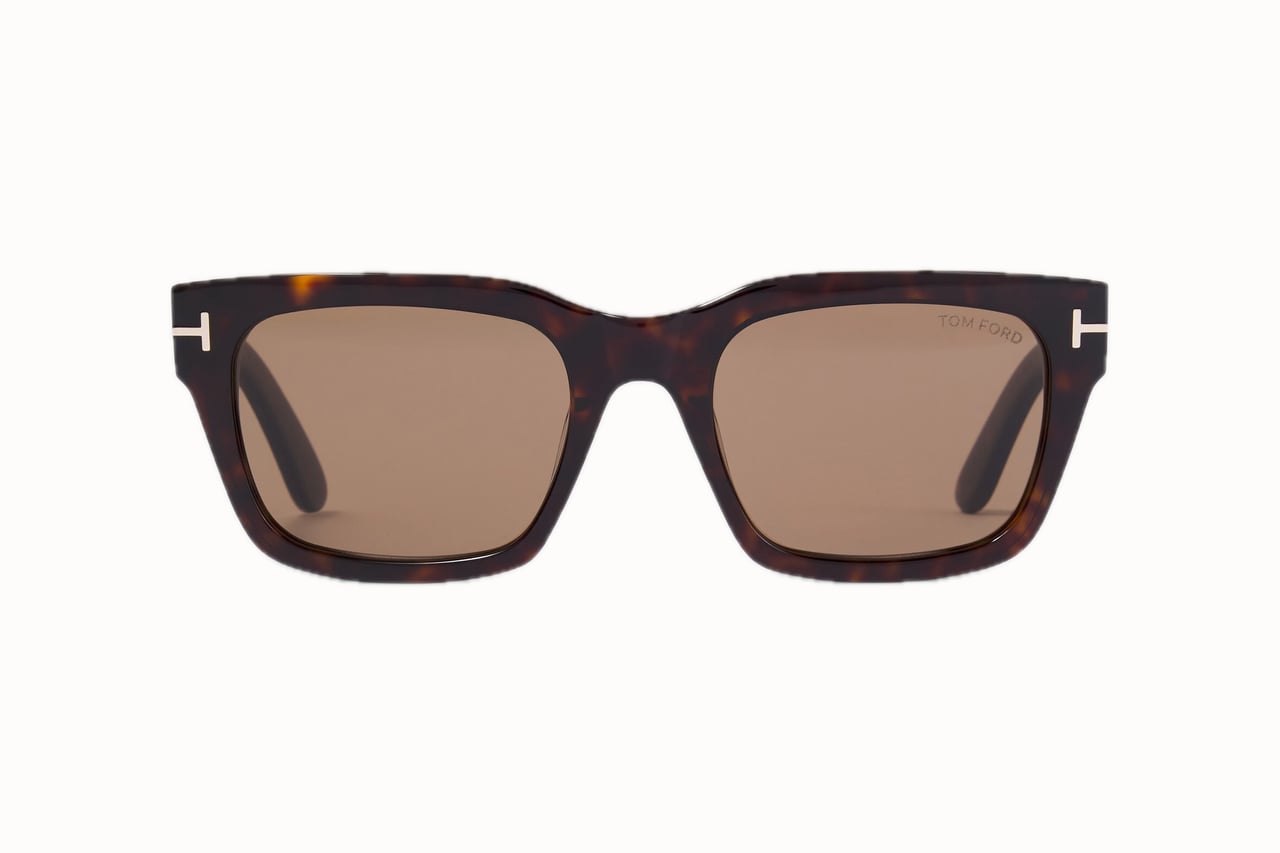
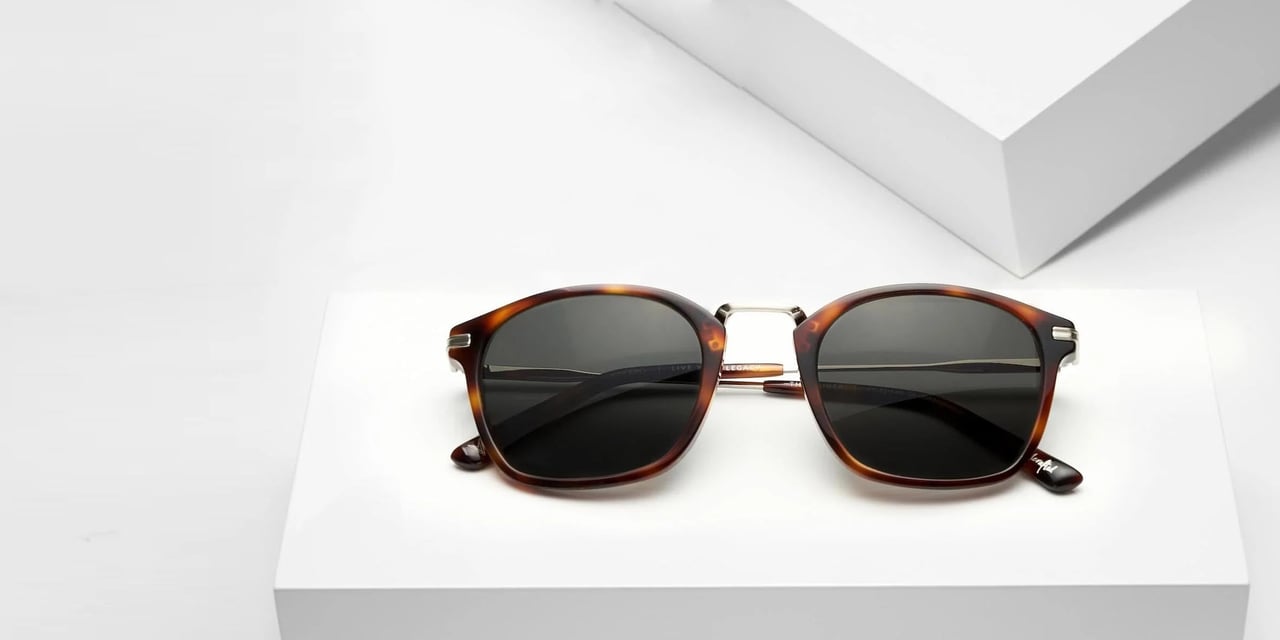
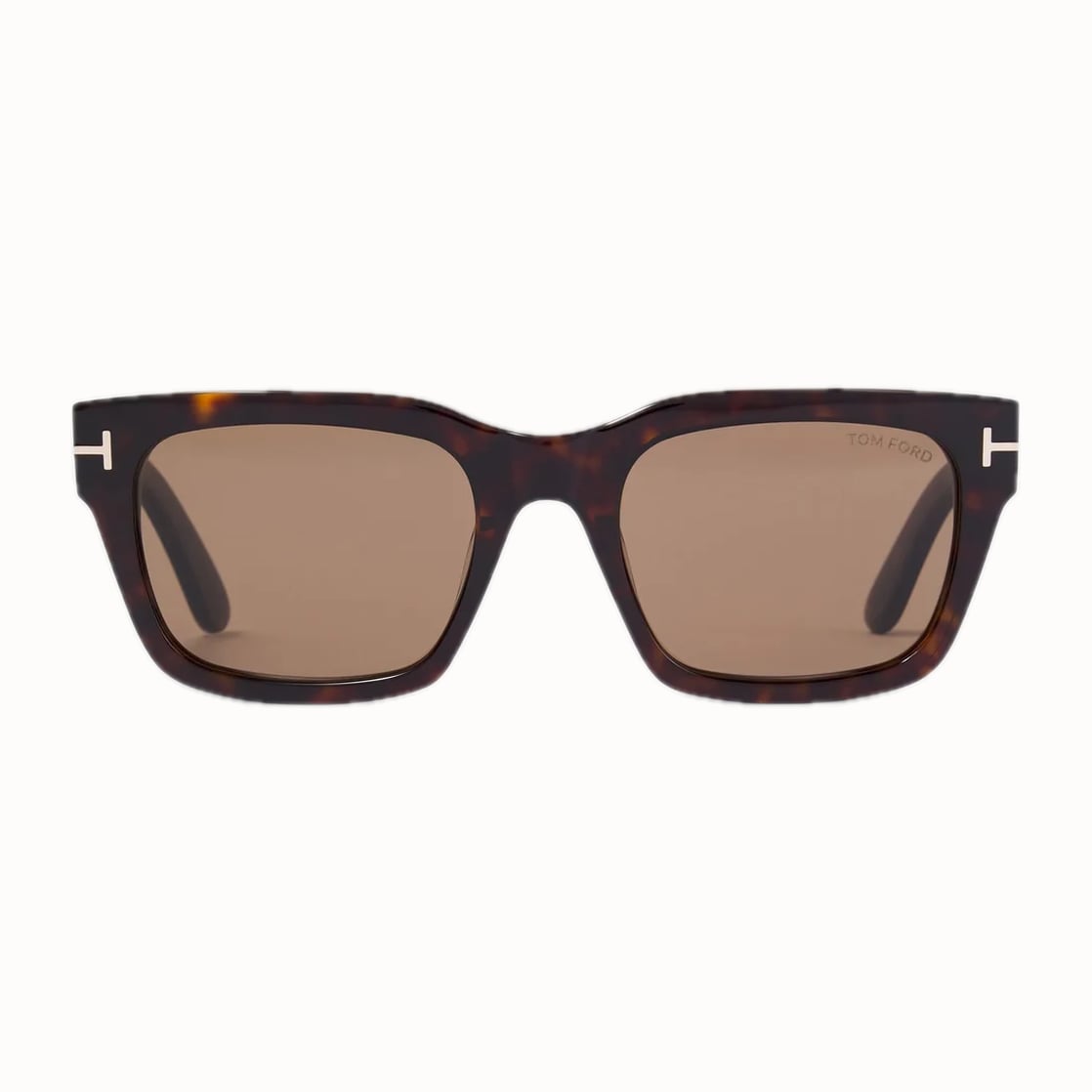
Tom Ford’s sunglasses run $370 to $600, built from thick Italian acetate around the small “T” hinge detail that’s become the house’s signature.
You’re paying for design and finish here rather than exotic materials, and the finish holds up. Browse Tom Ford’s eyewear and accessories for the current range.
Best for: a reader who wants a recognizable house name and doesn’t need to explain the optics.
Check price: Tom Ford: A house name that doesn’t need explaining at Mytheresaat Mytheresa · Free returns available
Persol: A 1960s patent instead of a logo
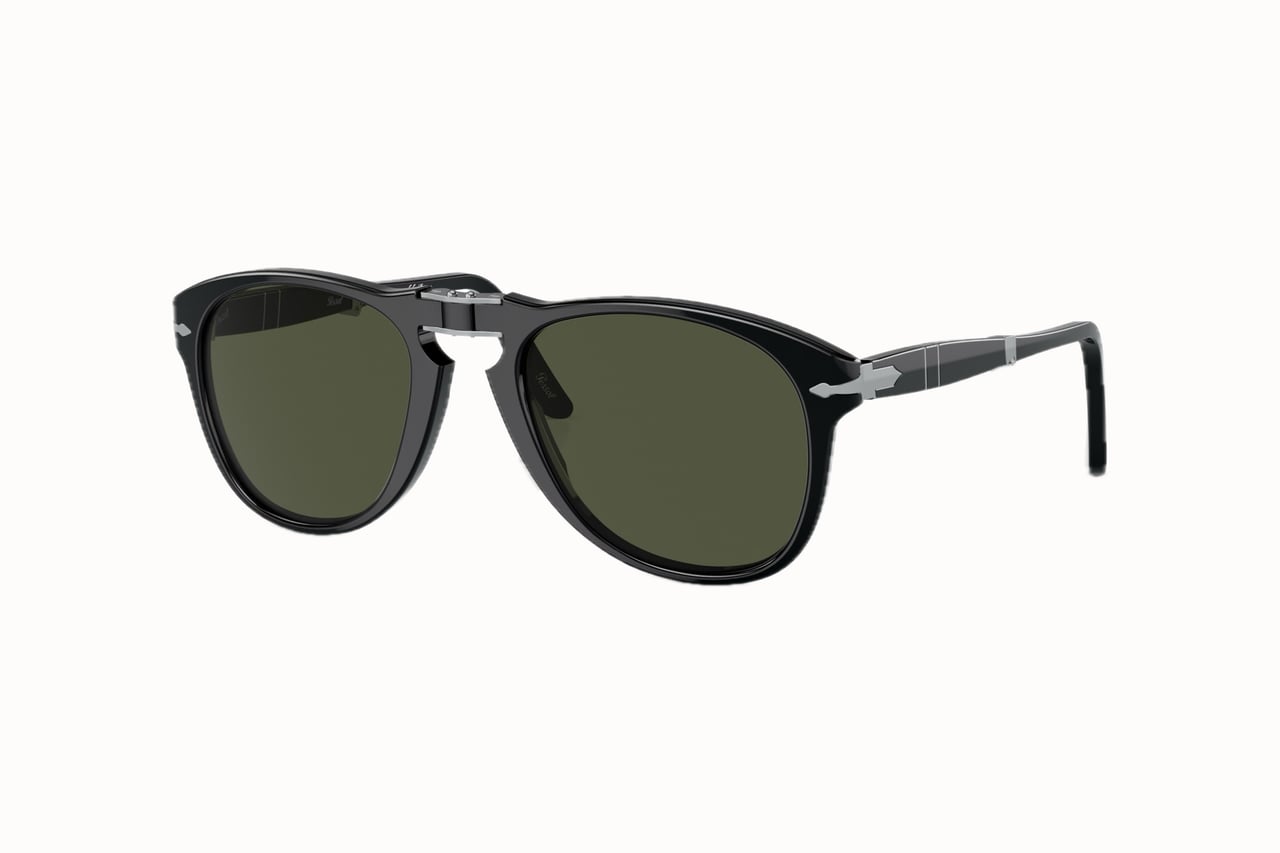
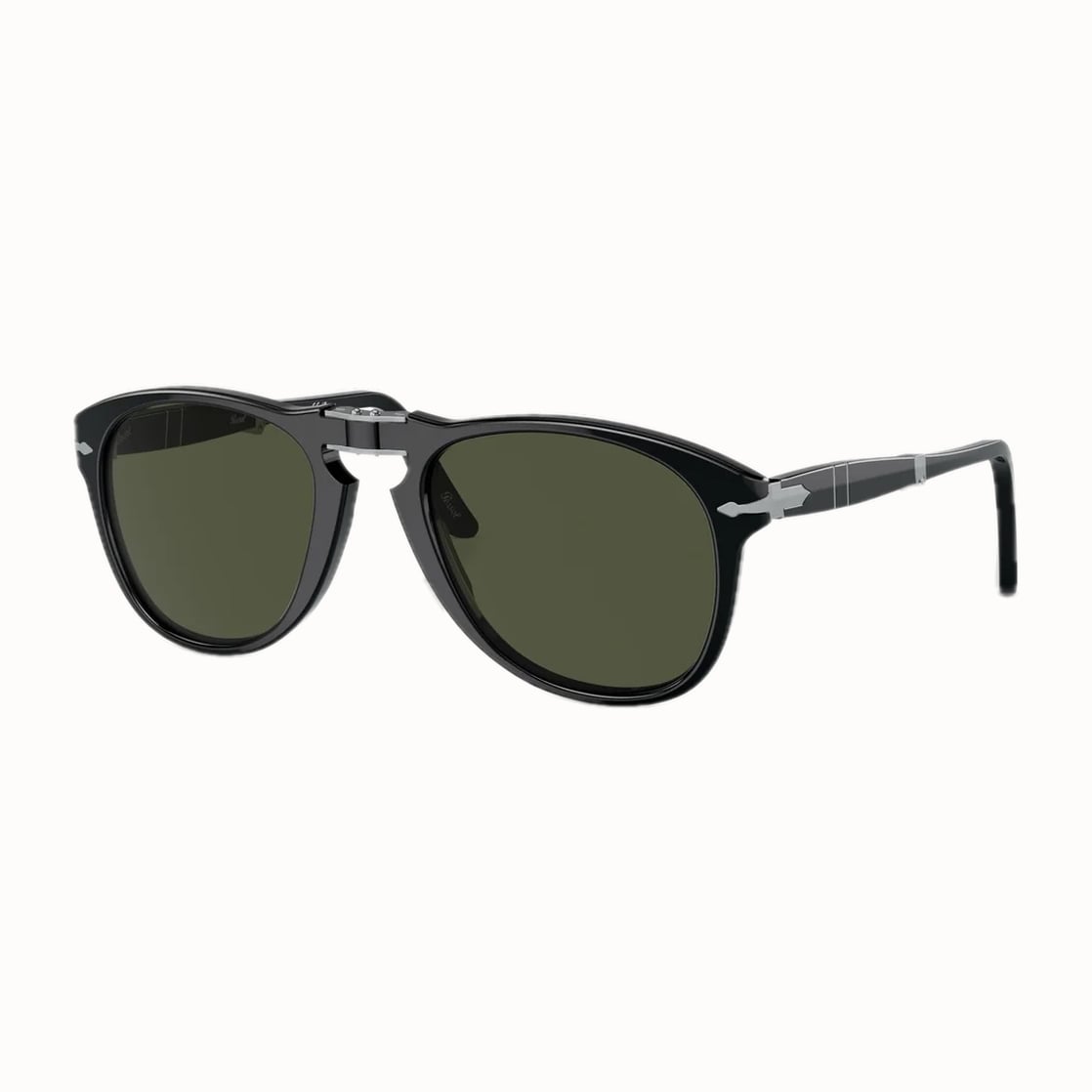
Persol has made its folding 714 in Italy since the 1960s, the same model Steve McQueen wore in The Thomas Crown Affair, and a pair still starts around $300.
The temples use the patented Meflecto system, a run of small cylinders that flex to fit your face, and the lenses are crystal glass rather than plastic.
That glass sees sharper than any acetate frame on this list, and it will crack if you sit on it. That’s the honest price of choosing optics over a logo.
Best for: a reader who’d rather pay for a 1960s engineering patent than a name on the hinge.
Check price: Persol: A 1960s patent instead of a logo at Persolat Persol · Great deals every day
Saint Laurent: Seen before your face is
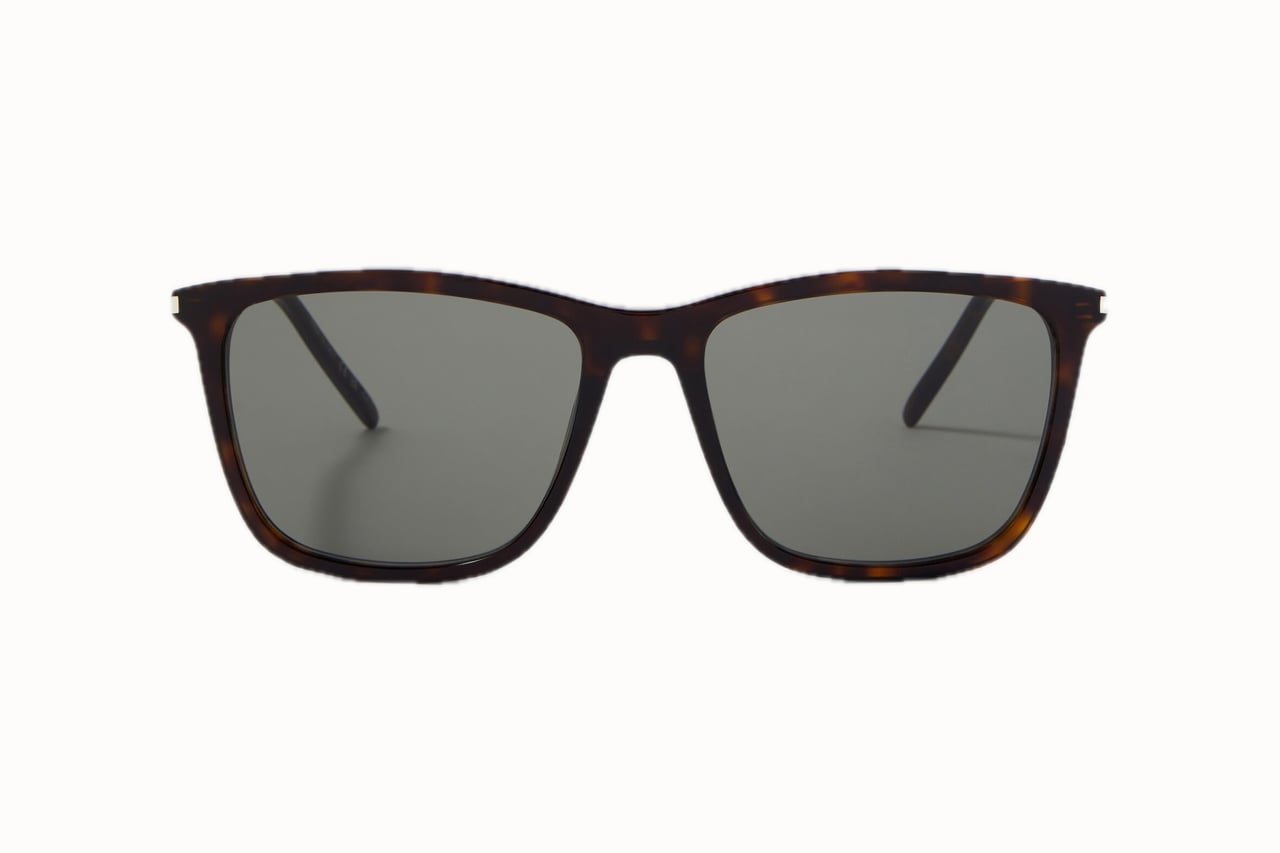
Saint Laurent’s frames run $295 to $580, and the house has been the reference for oversized, graphic eyewear since the SL 1.
Tom Ford disappears into a room. Saint Laurent’s eyewear is built to be noticed in one, and the honest trade-off is that its boldness reads as a statement instead of blending in.
Best for: a reader who wants their sunglasses seen before their face is.
Check price: Saint Laurent: Seen before your face is at Mytheresaat Mytheresa · Express delivery
Jacques Marie Mage: As scarce as the emerald pair, for less
Jacques Marie Mage is the outlier here: the Los Angeles house has built a real following among eyewear collectors, priced $800 to $1,400 and produced in Sabae, Japan, in batches as small as five pairs.
Nearly 300 steps go into a single frame, more than half of them by hand, using a custom-cured Japanese acetate. Find a pair you like in a batch of five, and there’s a real chance it’s already gone by the time you decide.
Best for: a reader chasing eyewear as scarce as the emerald pair up the page, at a fraction of the price.
Six houses is only the start. Our edit of the best men’s sunglasses goes deeper on fit and face shape, and the best women’s sunglasses covers the other side of the rack.
More designer sunglasses for men
To see the full field in one place instead of one house at a time, browse the full men’s designer sunglasses edit. Every house on this page is in it, and a few that missed the cut.
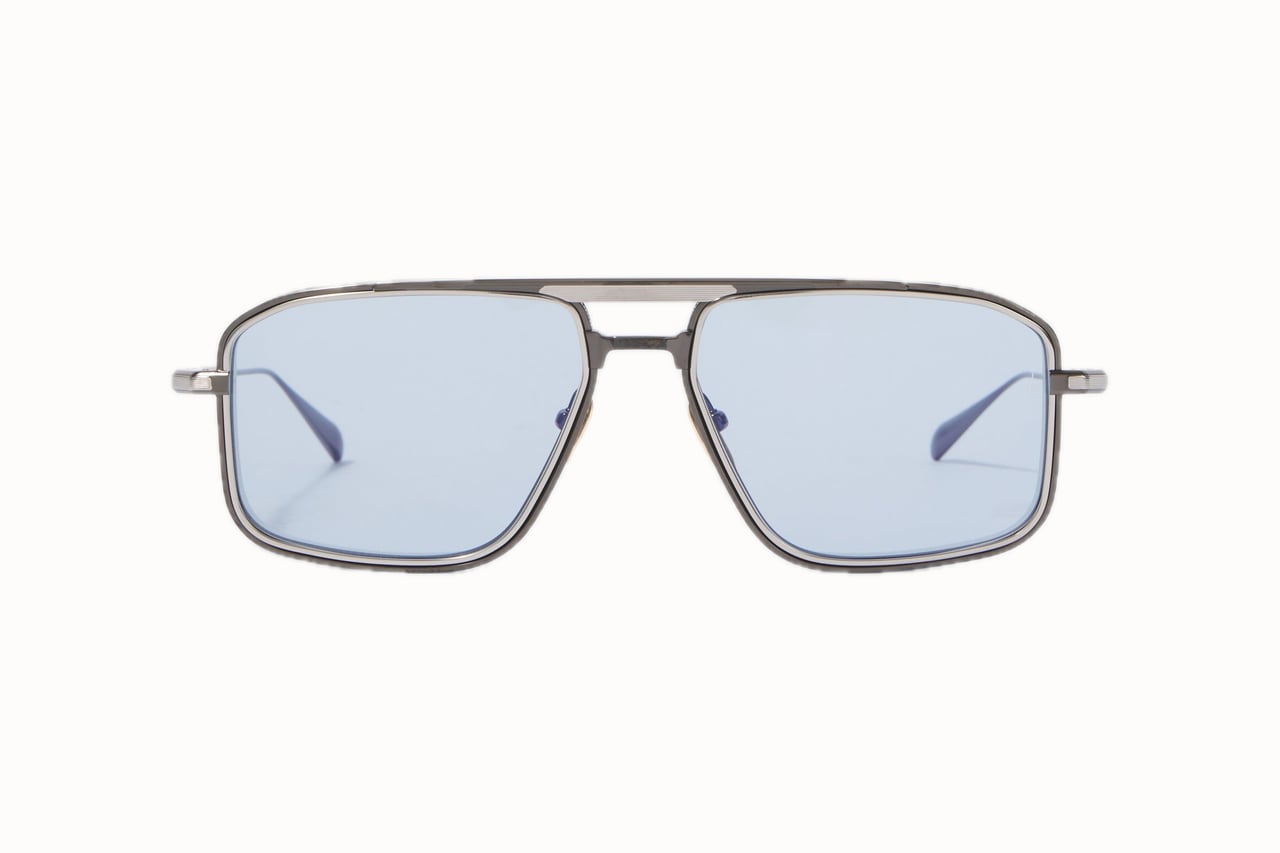
Check price: More designer sunglasses for men at Mytheresaat Mytheresa · Authentic designer pieces
Designer sunglasses for women
Several of the six houses above make women’s fits too, and the women’s designer sunglasses edit collects them in one place.
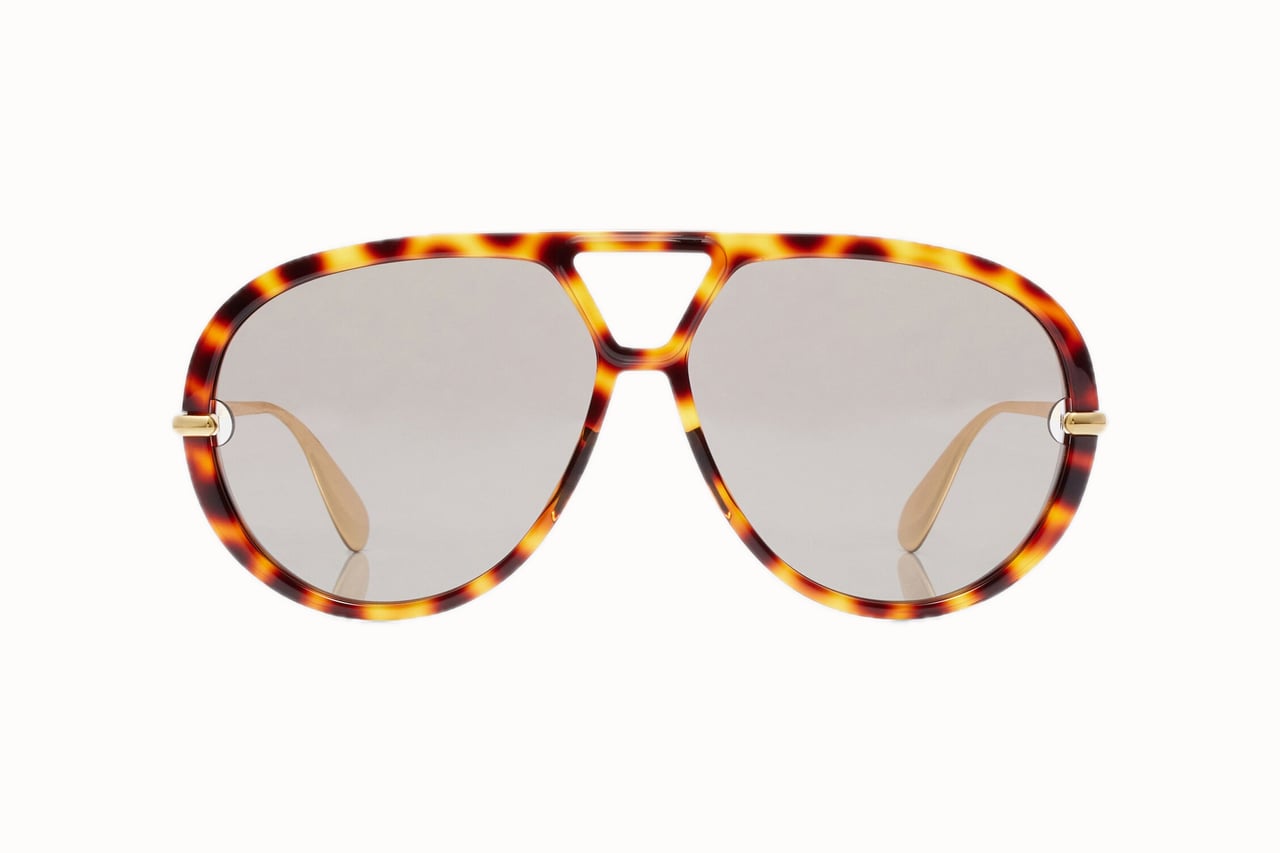
Check price: Designer sunglasses for women at Mytheresaat Mytheresa · Competitive prices
What actually makes a pair expensive
Four things decide whether a pair is worth its price or just wearing its price tag.
The lens does the actual seeing, so it’s where the price should start. Crystal glass, the kind Persol and Randolph both grind, sees clearer than polycarbonate and shrugs off scratches with no coating at all. It’s heavier for it, and it shatters where plastic only flexes.
Polycarbonate trades the other way: up to ten times the strength, about 30 percent thinner, and it blocks every UV ray unaided. That’s why every sports frame on the market is built from it instead of glass.
One wins the eye test, the other wins the drop test, and neither choice is wrong.
The frame is next, and the material worth paying for is block acetate, a cotton-based plastic that’s layered, shaped and hand-polished rather than squeezed from an injection mold.
Jacques Marie Mage takes that further with a denser, custom-cured Japanese acetate that holds color better than low-grade acetate. Titanium is the other real answer: lighter, stronger, kinder to sensitive skin, and considerably harder for a machinist to shape.
The hinge fails before anything else does. A rivet works loose. A sprung or reinforced mechanism takes years of opening and folding without complaint, and it’s worth testing with your fingers before you hand over a card.
Past those three, you stop paying for engineering. A logo, a celebrity campaign and a fashion-week appearance add to the price without adding a millimeter of build quality.
Buying without overpaying
Buy the lens and the build. Everything else is marketing. A frame with ground glass or optical-grade polycarbonate, hand-finished acetate or titanium, and a hinge that doesn’t wobble in your hand will outlast a diamond-set pair you’re too nervous to wear to dinner.
That frame costs somewhere between $300 and $2,000. Chopard’s version of the same idea costs $408,400.
Fit your face before you fit a trend. Our guide to the types of sunglasses walks through every shape and which one actually flatters yours.
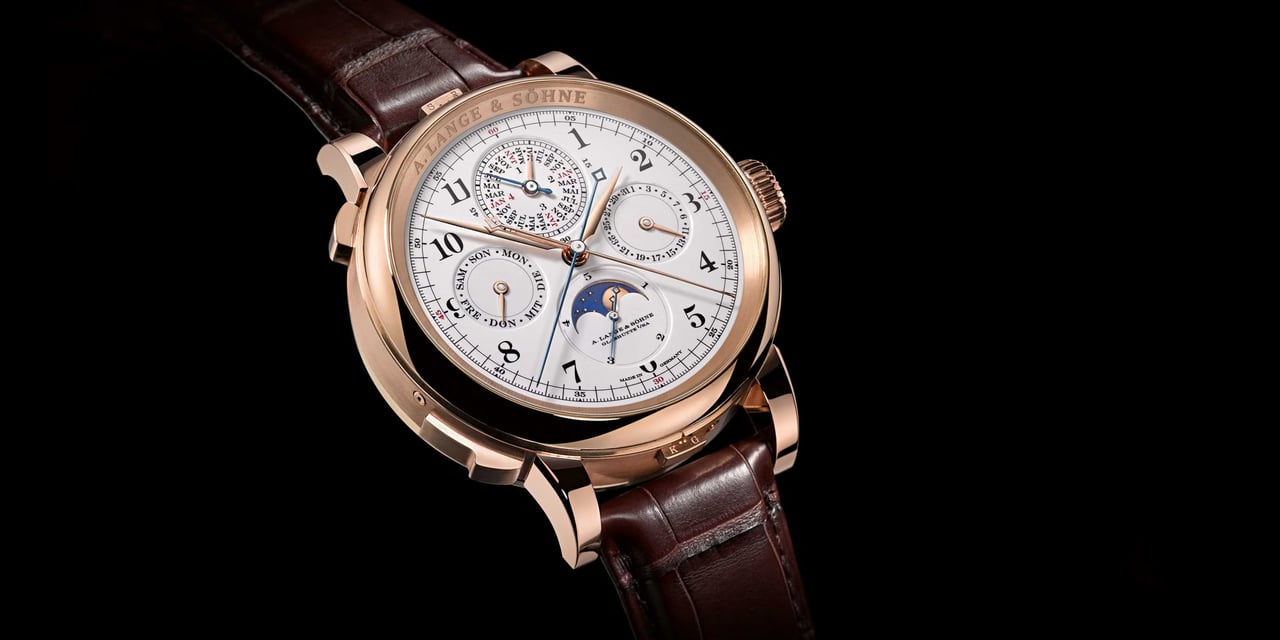
Shopping by budget rather than by bragging rights? Start with our picks for the best men’s sunglasses. And if the appetite for record prices hasn’t been satisfied yet, the most expensive watches in the world run on the exact same math.
Frequently asked questions about the most expensive sunglasses
What is the most expensive sunglasses in the world?
What is the most expensive sunglasses brand?
How much do the most expensive sunglasses cost?
Why are luxury sunglasses so expensive?
What sunglasses do wealthy people actually wear?
Products featured here are independently selected by our editors. If you buy through our retail links we may earn an affiliate commission — it never changes the price you pay, and it never decides our verdicts. Read our earnings disclaimer.