Tiffany & Co. is lending pieces from its archive to Crystal Bridges Museum of American Art in Bentonville, Arkansas, for an exhibition opening October 9 and running through March 29, 2027. "Nature Adorned: The Artistry of Tiffany & Co. and the American Imagination" pairs jewelry and gemstones spanning 1885 to 1987 with works from the museum's own collection.
Rather than a straightforward retrospective of Tiffany's nearly 190-year history, the show uses nature, both as design inspiration and as raw material, to connect the brand's jewelry to American painting, glass and sculpture. Tiffany, now part of LVMH, is one of the names anchoring the top of the fine jewelry market alongside Cartier, Van Cleef & Arpels and Bulgari.
Charles Lewis Tiffany founded the house in 1837 with John Barnett Young. His hunt for gemstones later turned up tanzanite, one of Tiffany's most significant contributions to fine jewelry and part of the same instinct for unusual stones that drove the Kunz-era push into Arkansas diamonds and California kunzite.
We rank Tiffany among the best designer jewelry brands, judged there on how fine pieces in solid gold or platinum hold value against seasonal fashion jewelry. The archive loans, spanning 1885 to 1987, put that same claim in front of a museum audience instead of a retail one.
What the archive loans include
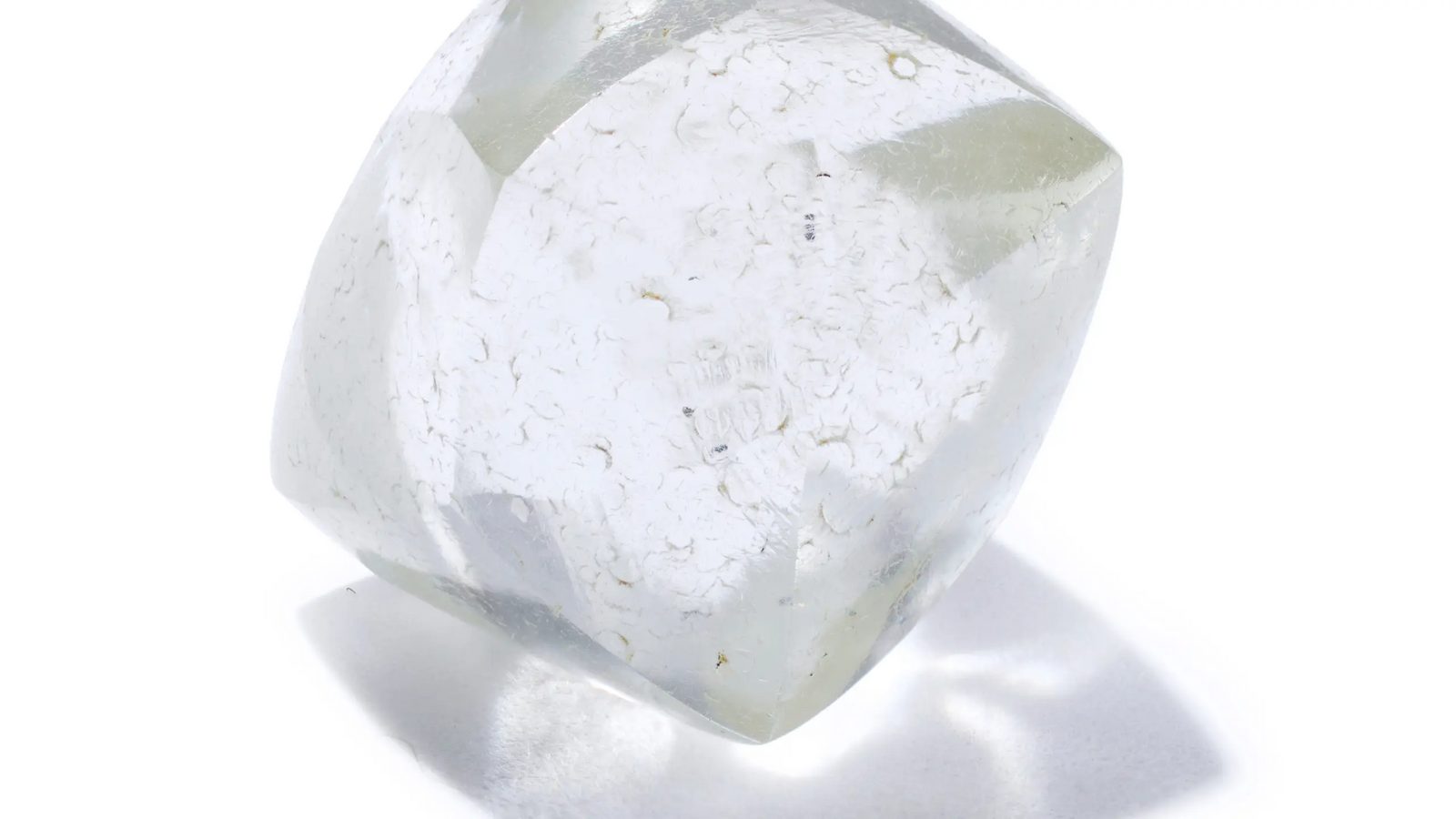
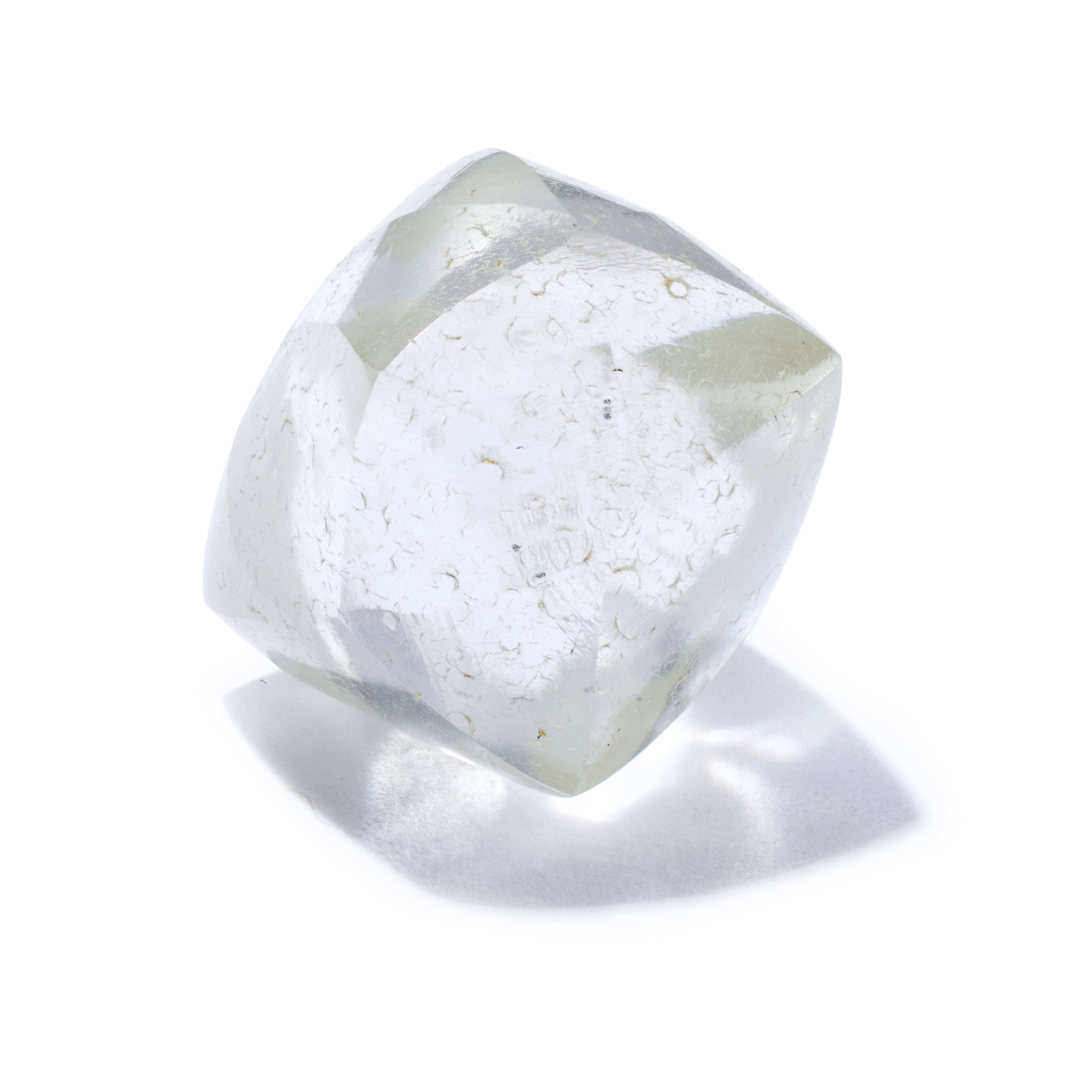
Among the highlights is the 27.21-carat Arkansas Diamond, one of the largest diamonds ever found in the United States. It was unearthed in Arkansas in 1926 and acquired by Tiffany two decades later, in 1946.
Victoria Reynolds, Tiffany's chief gemologist and vice president of high jewelry diamond and gemstone acquisition, said Crystal Bridges is presenting masterpieces from the Tiffany Archives in dialogue with exceptional works of American art and design, revealing "the enduring influence of nature across generations of creativity."
That American provenance runs through the rest of the exhibition. Under its first chief gemologist, Dr. George Frederick Kunz, Tiffany championed domestic gemstones at a time when European jewelers largely overlooked them: Arkansas diamonds, Maine tourmalines, Montana sapphires, North Carolina emeralds and California kunzite, a spread that traced a geological map of the country's own natural resources.
Kunzite carries Kunz's name for a reason. It was among the earliest gemstone discoveries Tiffany's founder brought to market, alongside morganite, and it is one of the American stones the archive now sets against European jewelers' traditional mines.
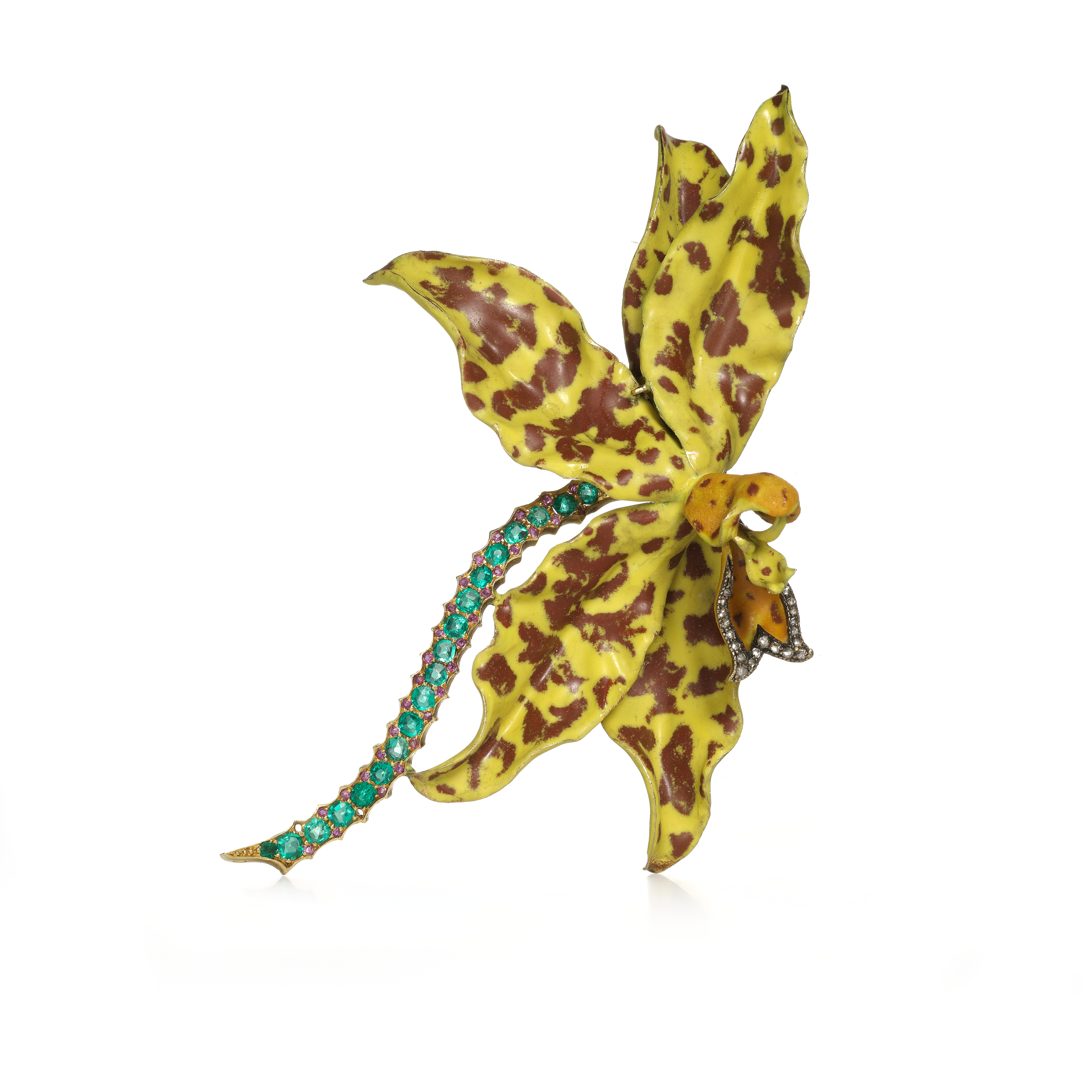
George Paulding Farnham's enameled orchid brooches from the late 19th century, prized for their naturalistic detail, will hang alongside botanical paintings by Martin Johnson Heade and William Jacob Hayes Sr. Tiffany also released images of a Tiger Lily brooch from the archive alongside the announcement, beyond the pieces named for the show's own wall text.
Jean Schlumberger's 1965 Bird on a Rock brooch and his Hedges and Flowers necklace, made between 1978 and 1987, are also among the archival loans. Schlumberger's organic style is set against Hope Gangloff's painting "Queen Jane Approximately," while works by Carmen Herrera and Leon Polk Smith draw out the geometry shared by abstraction and crystalline gemstones.
Two Tiffany Studios pieces already at the museum
Crystal Bridges recently acquired "Mountain Landscape (Root Memorial Window)," a monumental 1917 Tiffany Studios stained-glass work attributed to Agnes F. Northrop. The museum's circa 1905 to 1906 Wisteria table lamp by Clara Driscoll will also be on view, extending the dialogue into decorative glass rather than jewelry alone.
Jen Padgett, Crystal Bridges' Windgate curator of craft, called the pairing a chance to see the Tiffany Archives and the museum's own collection "in conversation." Tiffany has staged large archive exhibitions before, including "Vision & Virtuosity" at London's Saatchi Gallery in 2022 and "Tiffany Wonder" in Tokyo in 2024.
At Crystal Bridges, the museum frames the house within a wider continuum of American art rather than on its own, connecting what came out of the country's ground with what its artists made of it. Tiffany has spent recent years making the sourcing of its own diamonds part of that same American story.
The house launched the Diamond Craft Journey in 2020, becoming the first jewelry brand to disclose which country each individual diamond was sourced and cut in. Laurelton Diamonds, the sourcing subsidiary Tiffany set up in 2002, runs a cutting and polishing facility in Botswana that trains and employs people locally, one more link in that same chain.
Tiffany's jewelry today still draws on the gemstones and nature-driven design language the archive traces back to Kunz's era, carried now into engagement rings, fine watches and home accessories alongside the pieces on loan to Crystal Bridges through March 2027.
Brands mentioned here are chosen by our editors. If you buy through our retail links we may earn an affiliate commission — it never changes the price you pay, and it never decides what we cover. Read our earnings disclaimer.
Sources
This briefing is published daily using Luxe Digital’s AI agents, finely tuned to meet our editorial standards. While we test and review their work, mistakes can sometimes happen; tell us if you spot one.
Images: Tiffany & Co