No matter how much you adore your matching leggings and sports bra combo, or rave about your incredible new running jacket, a good pair of workout shoes will always take the first place medal when it comes to important gym gear.
Because, ultimately, it doesn’t matter how sleek your new activewear outfit is if your shoes aren’t playing ball.
It might seem like one size fits all when you know your shoe size, but that couldn’t be further from the truth when it comes to choosing the best workout shoes. Just like you’ll choose a more flexible outfit for yoga than you would for team sports, you should adapt your gym shoes for each different type of workout to maximize the potential of each move.
You’ll conquer your fastest mile time with a streamlined, lightweight pair of running shoes that ease pressure off your joints. But you’ll want a completely different pair of athletic shoes when it comes to lifting weights: specifically those with a solid base for stability during dynamic movements.
So, before you head out on that run or sign up for a new gym membership, take some time to read through our guide and discover your next workout BFF in the form of the best gym shoes for women.
How we chose: we picked by workout type, from current models only, and every price is the US list price on the date of this update. Nobody on our team has tested these shoes, so every drawback below comes from published reviews or the maker’s own specs.
Nike Metcon 10: Built for the whole class
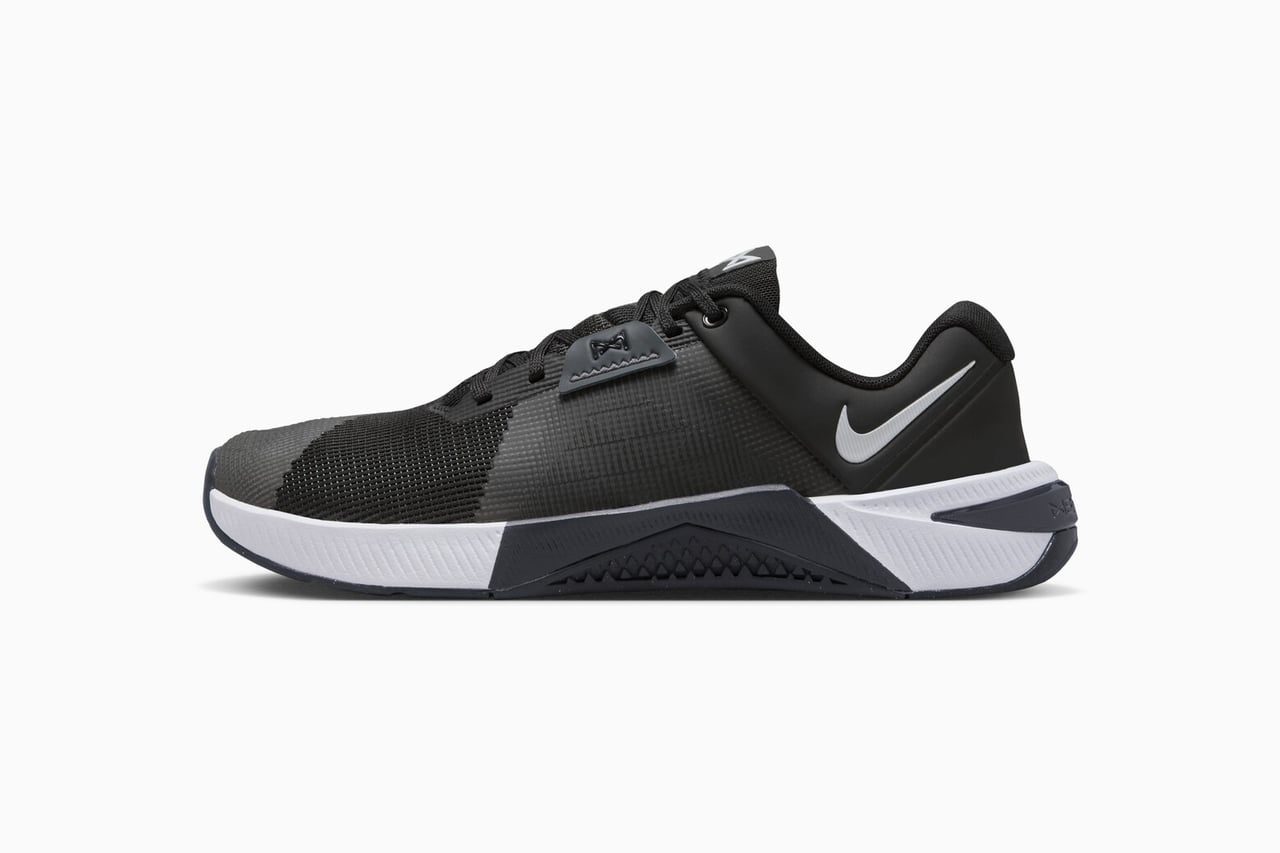
The Metcon 10 is the shoe we’d hand you if you could only own one pair for the gym. It’s made for the session that refuses to pick a lane: a few heavy sets, then box jumps, then a sprint on the rower to finish you off. It lifts and it jumps, in one shoe.
It sells for $155, and you can buy the Metcon 10 on Nike’s site. If you’ve followed this page for a while, you may remember it recommending the Metcon 5. The Metcon 10 is the current model, five generations on.
Under your heel, Nike puts a Hyperlift plate for stability on heavy lifts. The midsole is ReactX foam, and flex grooves cut across the outsole so the front of the shoe still bends when you jump. That’s a cross-trainer done properly: the cushioned heel of a running shoe and the stability of a lifting shoe, each meeting the other halfway.
The drawback is price. At $155 it costs $30 more than the Free Metcon 7 below, and if your classes lean toward jumping more than lifting, the more flexible Nike is the better buy. Lab testers also found the upper holds heat over a long session.
Best for: A routine that changes every day of the week.
Check price: Nike Metcon 10: Built for the whole class at Nikeat Nike · Wide selection of styles
Reebok Nano X5: Caged for the barbell
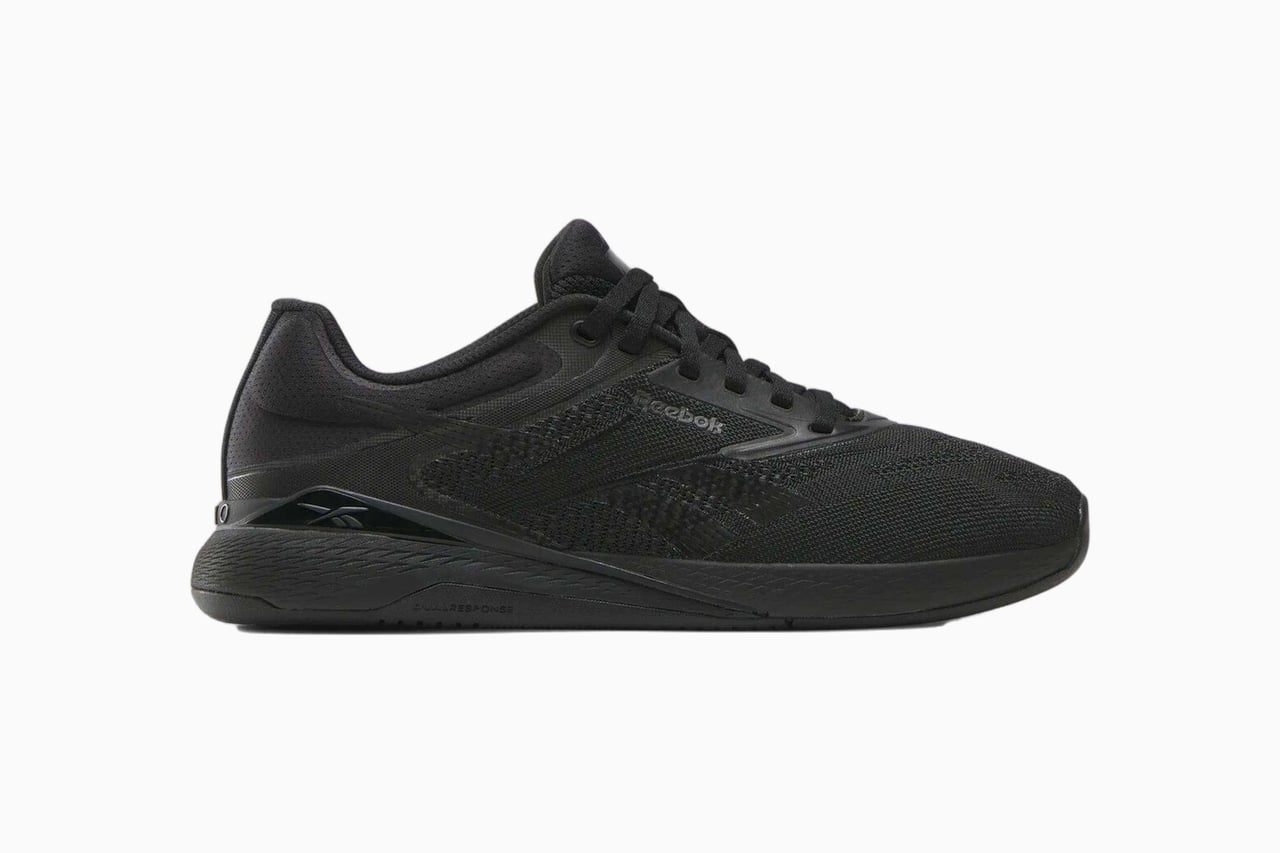
The Nano X5 is our pick for CrossFit, where a workout can put a barbell on your back and a box under your feet in the same ten minutes. Reebok wraps the upper in a TPU cage for exactly that job: it holds your foot in place while you lift and protects it when you land.
Reebok put the Nano X5 on sale on January 24, 2025, at $140 in black or white, and you can find the women’s Reebok Nano X5 on Amazon. It replaces the Nano 8.0 we listed here before.
If you’re choosing between this and the Metcon 10, start with your programming. Both shoes are built for mixed training. The Nano costs $15 less in black or white, and its cage is the detail to look at if your workouts involve a lot of lifting followed by a lot of landing.
The drawback is fit on a wide foot. Reviewers found the Flexweave upper tends to stretch, and Reebok makes no wide version. There’s a color tax too: the colorways cost $150, so the fun pair runs $10 more than the black one.
Best for: CrossFit, and anyone whose workout of the day is never the same twice.
Check price: Reebok Nano X5: Caged for the barbell at Amazonat Amazon · Huge selection
Nike Free Metcon 7: Light on its feet
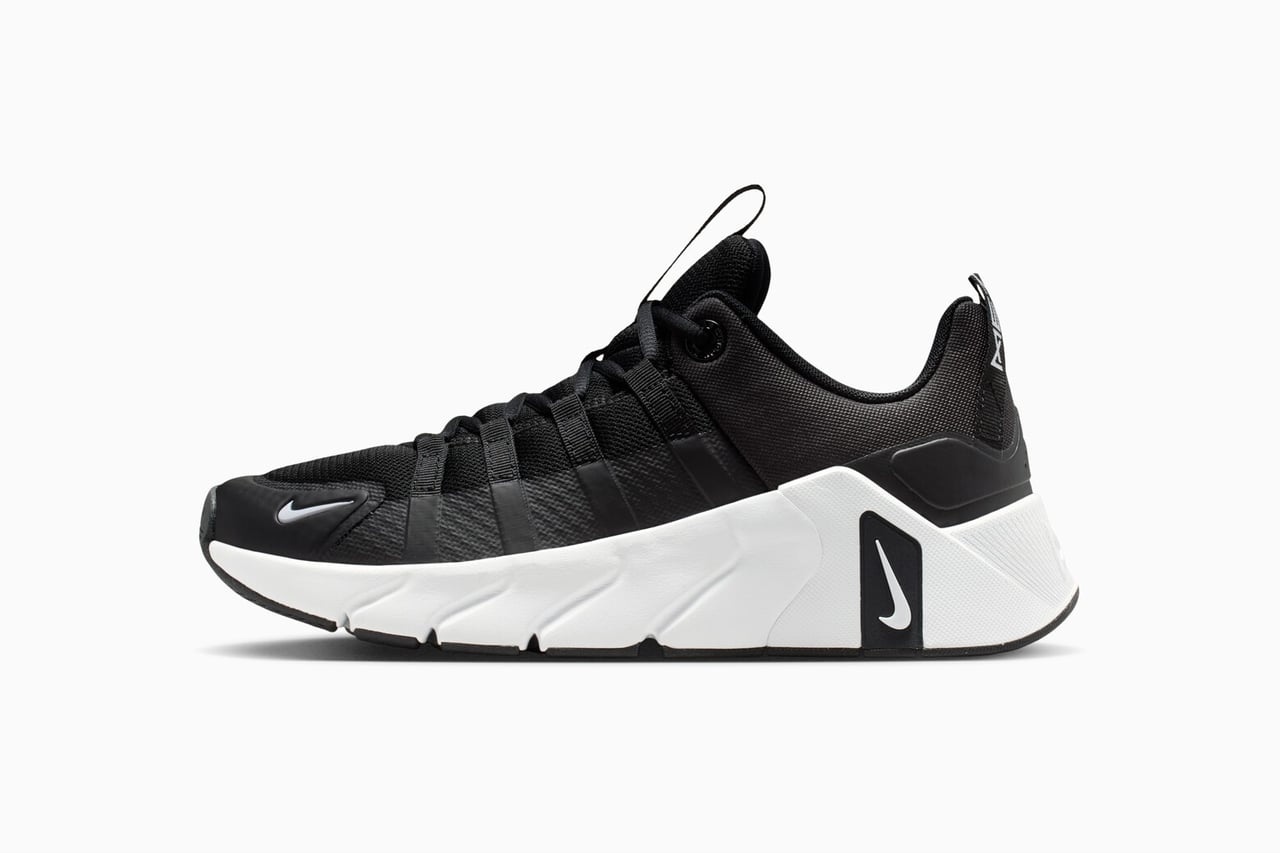
The Free Metcon 7 is the shoe for HIIT. Its forefoot flexes. You want that for burpees, jump squats and the sprint intervals that make a 45-minute class feel like three hours.
Nike launched it on April 2, 2026, and the women’s pair lists at $125. You can buy the Free Metcon 7 on Nike’s site. That’s $15 less than the Nano X5 and $30 less than the Metcon 10. The two foams in the sole interlock instead of meeting flat, a technique Nike says draws on sashimono, the joinery of Japanese carpentry.
Think of it as the Metcon 10’s more flexible sibling. Where the Metcon 10 asks cushioning and stability to meet halfway, the Free Metcon 7 leans toward movement. If your week is two HIIT classes and a stretch, this is your pair.
The drawback comes with the flexibility. A forefoot that bends for jumps gives you less of the firm, supportive base that lifting calls for. For heavy squats, look at the Reign 6 or the Dropset 4 further down.
Best for: HIIT, circuits and anything with the word “burpee” in it.
Check price: Nike Free Metcon 7: Light on its feet at Nikeat Nike · Trusted by shoppers
adidas Dropset 4: Firm where it counts
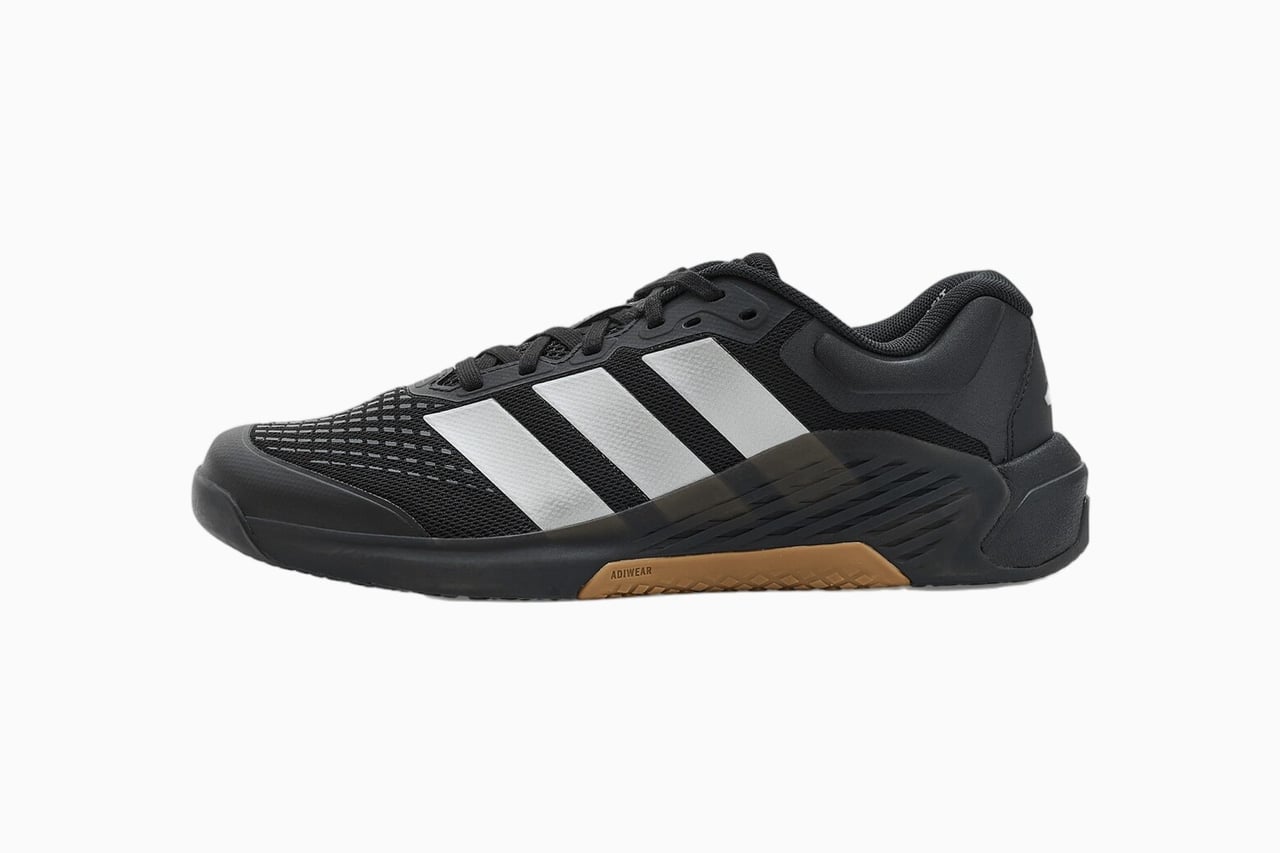
The Dropset 4 is our pick for strength circuits, the kind where you move from squats to lunges to presses with the rest timer barely running. It went on sale on January 8, 2026, and replaces the Powerlift 4 that used to hold this spot.
Adidas built it on a full-length midsole of Repetitor foam, with rods in the heel it calls Energyrods. Reviewers describe the result as firm enough for squats. It costs $145, and you can shop the Dropset 4 at adidas.
The drawback is the same firmness. Reviewers also call it too firm for running, so keep it off the treadmill and pair it with a cushioned shoe if cardio is part of your week.
Best for: Strength circuits and a squat that feels planted.
Check price: adidas Dropset 4: Firm where it counts at adidasat adidas · Great deals every day
Under Armour Reign 6: Three points of contact
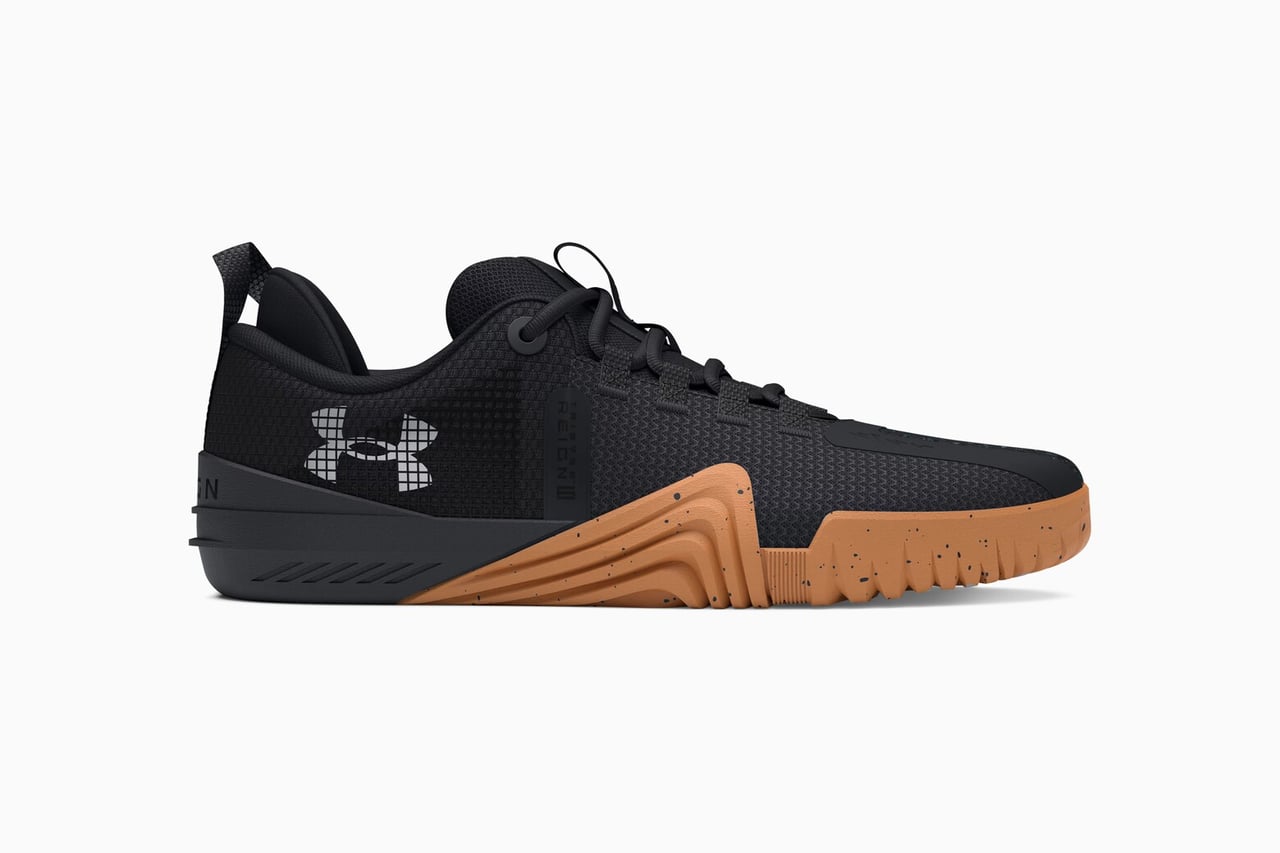
The Reign 6 is our pick for squats and deadlifts, and it earns the spot on its base. Under Armour stands the shoe on three ground contact points, a system the brand calls TriBase, and keeps you low to the ground.
The midsole is softer at the forefoot and firmer at the heel. The outsole is what Under Armour calls rope-grip. It costs $140, $15 less than the Metcon 10, and you can buy the Reign 6 from Under Armour.
The drawback is the laces. One reviewer found the rope laces fall apart every time they train.
Best for: Leg day, deadlift day and anyone chasing a new number on either.
Check price: Under Armour Reign 6: Three points of contact at Under Armourat Under Armour · Competitive prices
lululemon Chargefeel 3: The one you keep wearing after class
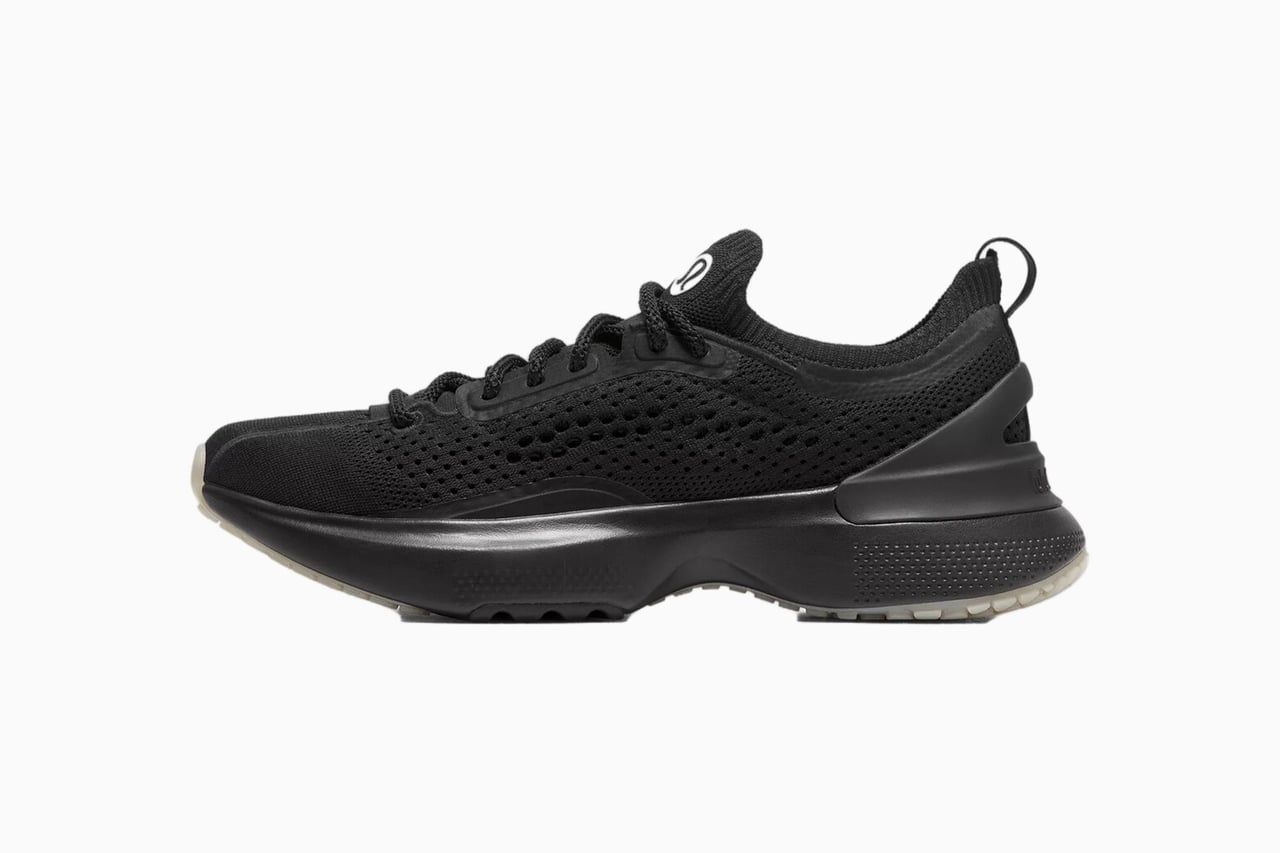
The Chargefeel 3 is our pick for studio classes, and it’s the one shoe on this list you’ll also wear out of the gym. Put it with the leggings from your barre class and you can go straight to coffee without looking like you came from a workout (even if you did).
Its list price is $158, and it was on sale for $119 when we checked on September 24, 2026. You can shop the Chargefeel 3 at lululemon. It rides on lululemon’s ShiftFoam midsole, over a segmented rubber outsole with deep lugs at the forefoot and heel.
The drawback: reviewers found it short on stability for heavy lifting. Wear it to class and take a firmer shoe to the squat rack.
Best for: Studio classes, and the errands you run on the way home.
Check price: lululemon Chargefeel 3: The one you keep wearing after class at lululemonat lululemon · Fast, reliable delivery
On Cloudmonster: For your treadmill days
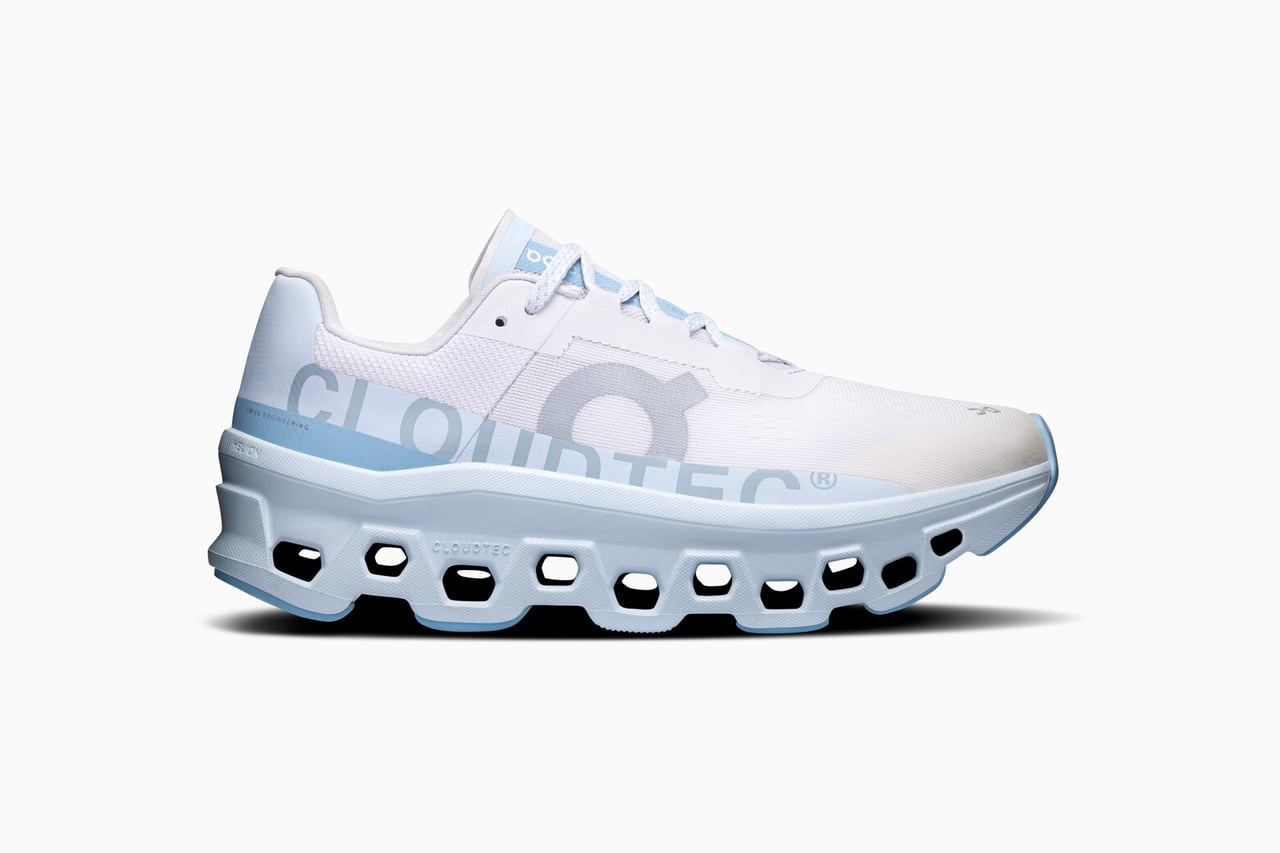
The Cloudmonster is our pick for running days, whether that’s a treadmill session before work or a proper run outside. It’s a running shoe first, and it belongs on the days your workout is cardio.
It costs $170, and you can shop On’s women’s shoes here. For more on the brand, read our hands-on On Running review.
Two drawbacks, both easy to plan around. Reviewers say it runs slightly small, so consider half a size up. And it’s a soft running shoe: wonderful on a 10K, the wrong shoe for heavy squats.
Best for: Treadmill days, running days and cardio-first routines.
Check price: On Cloudmonster: For your treadmill days at Mytheresaat Mytheresa · Authentic designer pieces
ASICS Gel-Kayano 33: A stable ride for low arches
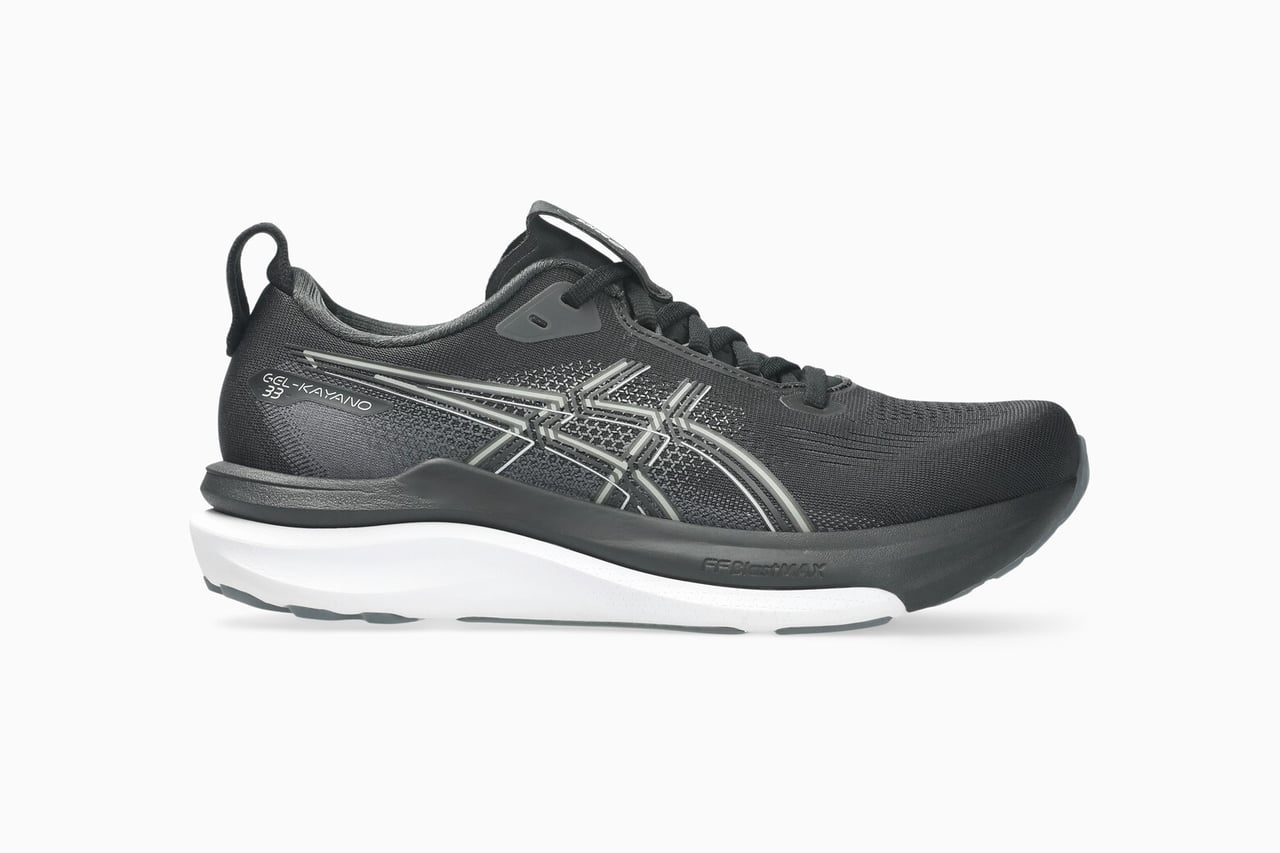
The Gel-Kayano 33 is our pick if you have flat feet and want a shoe built for stability. ASICS launched it in June 2026 at $170, and you can buy the women’s ASICS Gel-Kayano 33 on Amazon.
Reviewers like the softer foam and the stable ride. It replaces the Kayano 26 from our earlier list. If you’re not sure how your weight lands when you run, a running shop’s wet test of your footprint will show you.
The drawback is the heel. Reviews are mixed, and some testers found the heel transition clunky and the shoe on the heavy side. Keep this one for running and walking days, and wear a cross-trainer to class.
Best for: Flat feet that want support on a run.
Check price: ASICS Gel-Kayano 33: A stable ride for low arches at Amazonat Amazon · Shop with confidence
Brooks Glycerin 23: Cushioning first
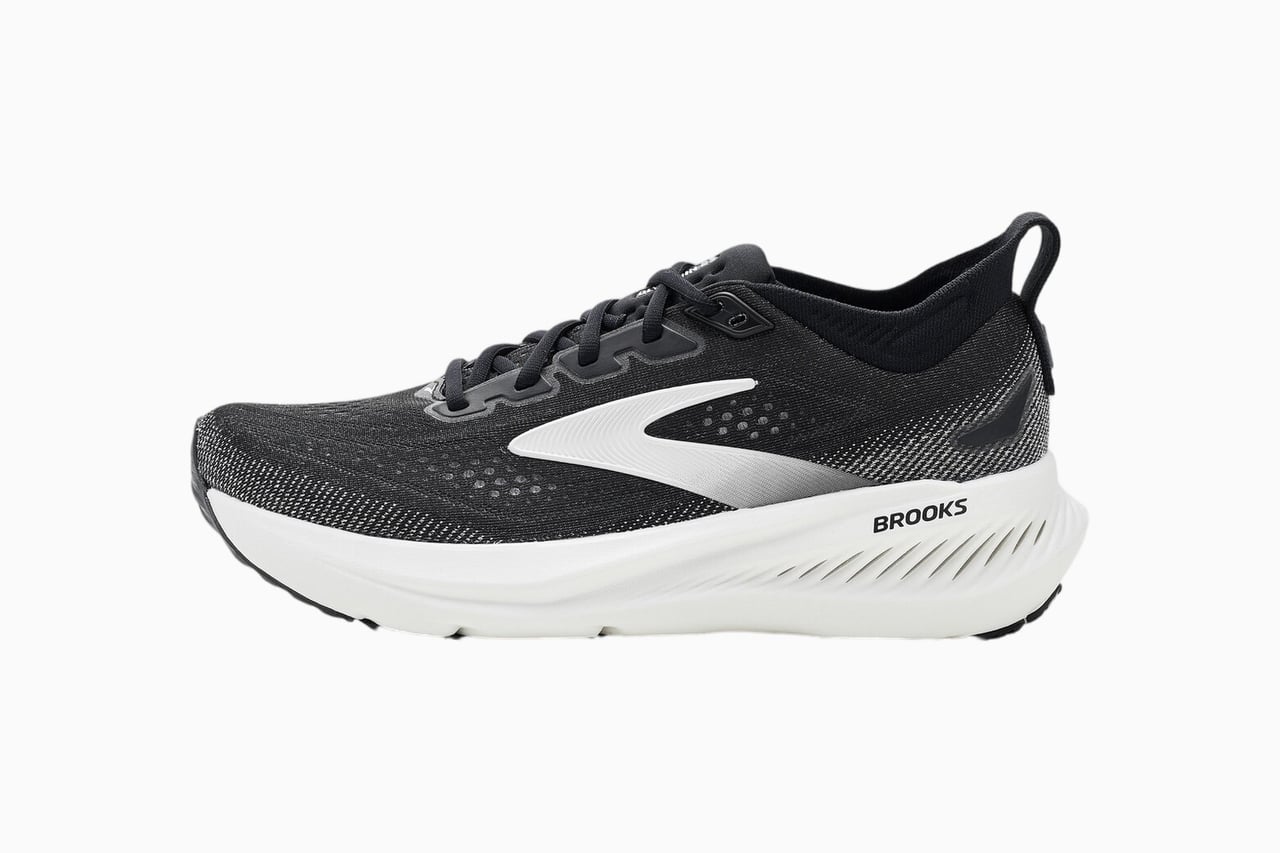
The Glycerin 23 is our pick for cushioning. If your workouts are long runs, long walks or long days on your feet before the gym, this is the soft landing in the lineup.
It costs $175, and you can buy the women’s Brooks Glycerin 23 on Amazon. Brooks fills the midsole with nitrogen-infused DNA Tuned foam, and the women’s shoe weighs 9.5 oz.
Pick it over the Kayano 33 if you want cushioning more than stability. The drawback is the one every soft running shoe here shares: it’s the wrong pair for the squat rack.
Best for: Long runs and anyone who wants their shoes to feel soft.
Check price: Brooks Glycerin 23: Cushioning first at Amazonat Amazon · Fast delivery on many items
Brooks Adrenaline GTS 25: Four widths, one good fit
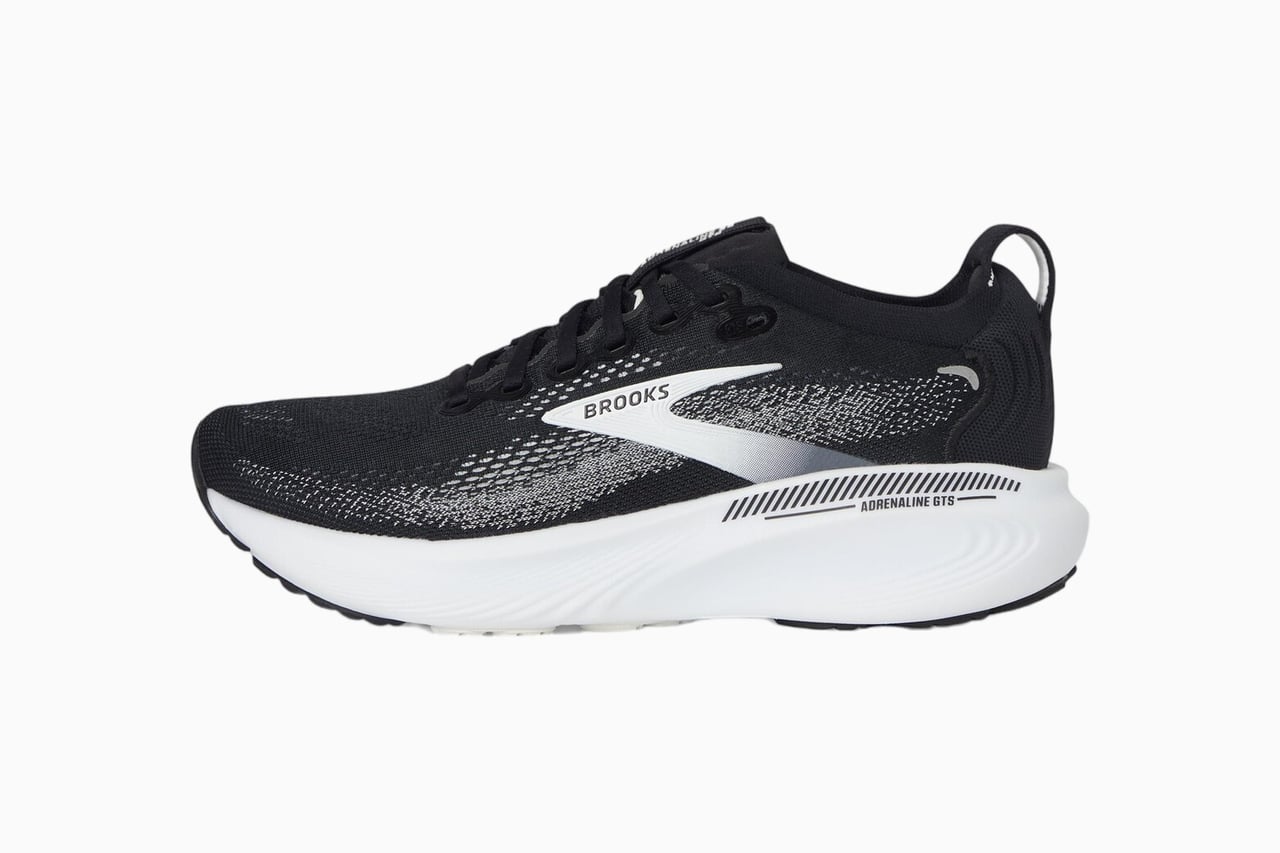
The Adrenaline GTS 25 is our pick for wide feet, for one simple reason: Brooks makes it in narrow, regular, wide and extra wide. You pick a width instead of sizing up and hoping.
It costs $155, weighs 9.5 oz and uses Brooks’s GuideRails support system. You can buy the women’s Brooks Adrenaline GTS 25 on Amazon. It replaces the New Balance 520 v5 we listed before.
The drawback is the ride. Reviewers call its DNA Loft v3 foam stiff and firm underfoot next to other daily trainers. If you want soft, look at the Glycerin 23 above.
Best for: Wide feet, and anyone who has given up on a shoe that fits on the first try.
Check price: Brooks Adrenaline GTS 25: Four widths, one good fit at Amazonat Amazon · Millions of products
Nike MC Trainer 4: A first gym shoe for $85
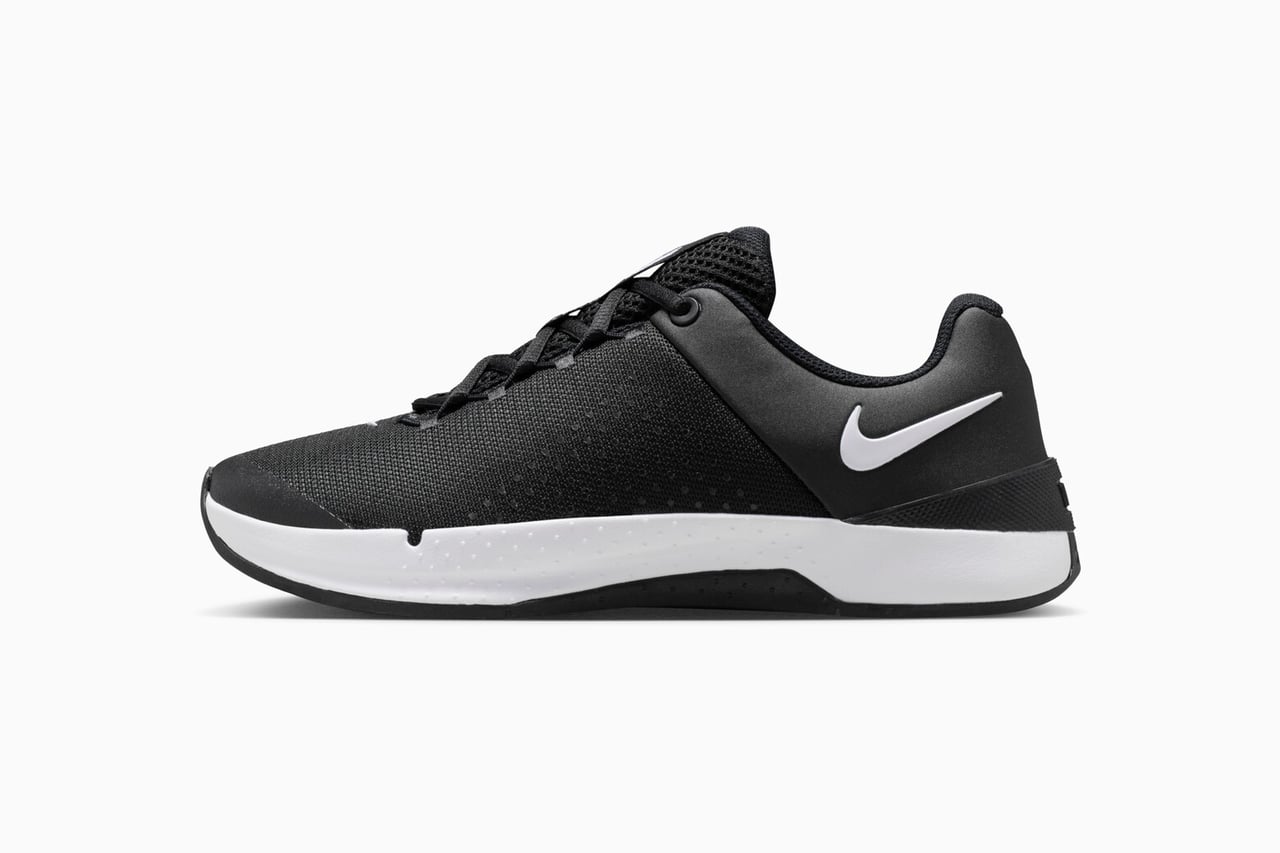
The MC Trainer 4 is our budget pick. It’s a shoe for the gym basics: a circuit on the machines, a few dumbbell sets, ten minutes on the bike to warm up. At $85 it costs $40 less than the Free Metcon 7, and a few colorways were on sale for $59.97 when we checked on September 24, 2026.
You can buy the MC Trainer 4 on Nike’s site. Nike gives it a low, flat base for steady footing, softer foam than the last version, and flex grooves across the forefoot. The upper is mesh and synthetic leather, with an extra layer over the toe, where a gym shoe wears out first.
The drawback is fit. One reviewer found it runs short and narrow, and says sizing up at least half a size is close to mandatory. The same review found the fit holds the shoe back under a heavy barbell, so if you lift heavy, look at the Reign 6 instead.
Best for: A first pair of gym shoes, and light days on the machines.
Check price: Nike MC Trainer 4: A first gym shoe for $85 at Nikeat Nike · Secure checkout
How do you choose a workout shoe?
Choose a workout shoe by the workout you do most often. Cardio and running call for light shoes with cushioning, so the Cloudmonster, the Glycerin 23 and the Kayano 33 belong to that side of the gym. Lifting calls for a firm, supportive base, so look at the Reign 6 and the Dropset 4.
If your week mixes both, a cross-trainer such as the Metcon 10, the Nano X5 or the Free Metcon 7 splits the difference.
Then check your feet. A running shop’s wet test of your footprint shows how your weight lands, and tells you whether a stability shoe like the Kayano 33 is worth a look. If your feet are wide, start with a shoe that comes in widths, such as the Adrenaline GTS 25, rather than sizing up in a shoe that doesn’t.
Do you need different shoes for lifting and running?
Yes, if you do both seriously. Running shoes are light and cushioned. That’s exactly what you want over a few miles and exactly what you don’t want under a barbell. The soft foam that absorbs each stride also gives way when you push down on it, so your heel sinks and your base moves on a heavy squat.
Lifting shoes do the opposite. They’re firm and supportive so the floor stays where it is, and reviewers call a strength shoe like the adidas Dropset 4 too firm for running.
If most of your week is one or the other, buy for that. If you lift three days and run two, a cross-trainer can cover the gap, but a pair of each will serve you better: a firm pair for the rack and a cushioned pair for the treadmill.
What are cross-training shoes?
A cross-training shoe pairs a running shoe’s cushioned heel with a lifting shoe’s stability. It’s built for the mixed session: some lifting, some jumping, some short bursts of cardio, often inside the same class.
The Nike Metcon 10, the Reebok Nano X5 and the Nike Free Metcon 7 are all cross-trainers, each leaning a little differently. The Metcon 10 is the middle ground, with a Hyperlift plate under the heel. The Nano X5 adds a TPU cage around the upper for lifting and landing. The Free Metcon 7 gives up some firmness for a flexible forefoot that suits jumps and sprints.
If your routine mixes the two, a cross-trainer is the right first gym shoe. Its limit is at the edges: it’s not as firm as a dedicated lifting shoe, and it’s not as soft as a running shoe for long distances.
How should a gym shoe fit?
A gym shoe should hold your foot in place when you move sideways and land from a jump, without pinching anywhere. Try it on with the socks you train in, and do a few squats and lunges in the shop or at home before you cut the tags.
Standing up, press your thumb down in front of your toes. Half to a full thumb’s width of space is the fit to look for.
Check the sizing notes before you order online: reviewers say the On Cloudmonster runs slightly small, and the Nike MC Trainer 4 short and narrow. If your feet are wide, a shoe made in widths beats a longer size, and the Brooks Adrenaline GTS 25 comes in four.
The shoes we left out
A few kinds of shoe made earlier versions of this list and don’t make this one.
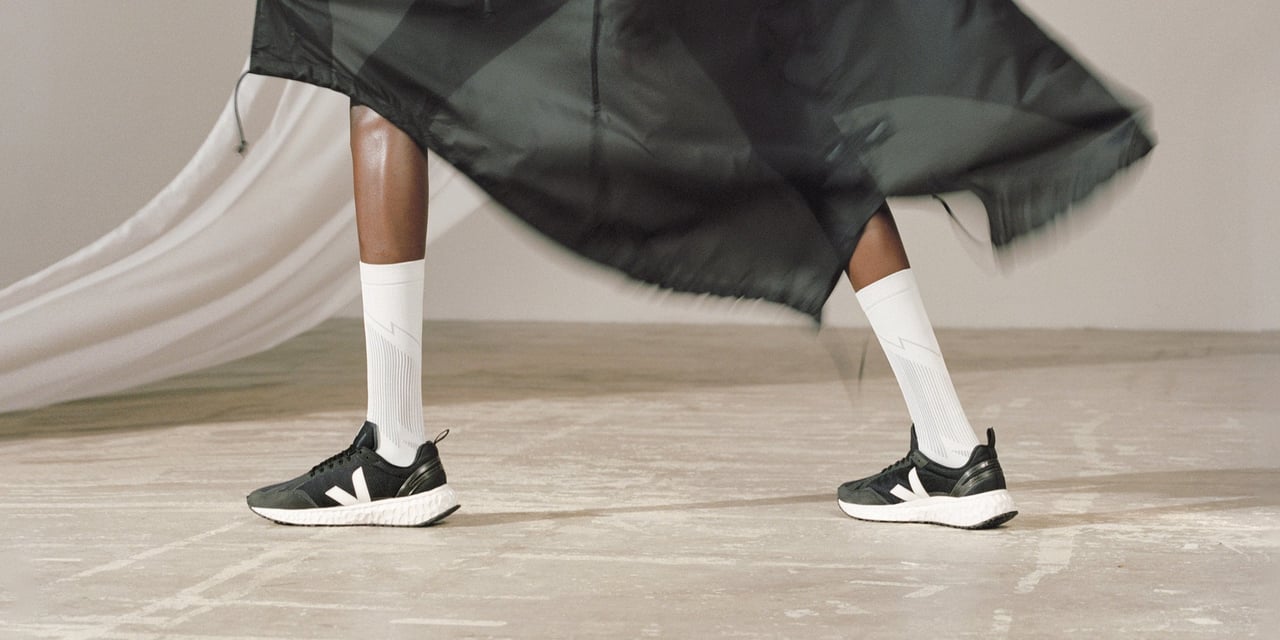
Walking shoes. Comfortable walking shoes are wonderful for a walk. A walk isn’t the same as a workout. We moved them to our guide to the best walking shoes for women, where they can be judged on their own terms. That includes the at-home and walking picks that used to be here, such as the Veja Condor and the New Balance FuelCore Nergize.
Hiking shoes. A hiking shoe is built for a trail, and the adidas Terrex AX3 from our earlier list is a good example. It belongs in a hiking guide rather than a gym bag.
Everyday sneakers. The Allbirds Tree Runners are lovely on a Sunday, but they’re not a training shoe. If you want a pair that never sees a gym, our guide to the best sneakers for women is where to look.
Olympic weightlifting shoes. If you snatch and clean, you’ll want a dedicated weightlifting shoe. It’s built for one kind of lift, so it’s outside the scope of a general gym list.
Old generations. The Nike React Infinity Run Flyknit 2 is discontinued and the Adidas Ultraboost 20 Glam Pack is an old generation. Every pick above is current.
Our picks at a glance
- Best overall: Nike Metcon 10, $155
- Best for CrossFit: Reebok Nano X5, from $140
- Best for HIIT: Nike Free Metcon 7, $125
- Best for strength circuits: adidas Dropset 4, $145
- Best for squats and deadlifts: Under Armour Reign 6, $140
- Best for studio classes: lululemon Chargefeel 3, $158
- Best for treadmill and running days: On Cloudmonster, $170
- Best for flat feet: ASICS Gel-Kayano 33, $170
- Best cushioning: Brooks Glycerin 23, $175
- Best for wide feet: Brooks Adrenaline GTS 25, $155
- Best budget: Nike MC Trainer 4, $85
If you lift and run in the same week, two pairs beat one compromise. Keep a firm pair by the squat rack and a cushioned pair for the treadmill, and let each foam do the one job it was made for. Your squats will feel planted, and your 10K will still feel easy.
Frequently asked questions about women’s workout shoes
What are the best shoes for gym workouts?
What type of shoe is best for cardio workouts?
What kind of shoes should you wear to the gym?
What are the best shoes for exercise walking?
Products featured here are independently selected by our editors. If you buy through our retail links we may earn an affiliate commission — it never changes the price you pay, and it never decides our verdicts. Read our earnings disclaimer.