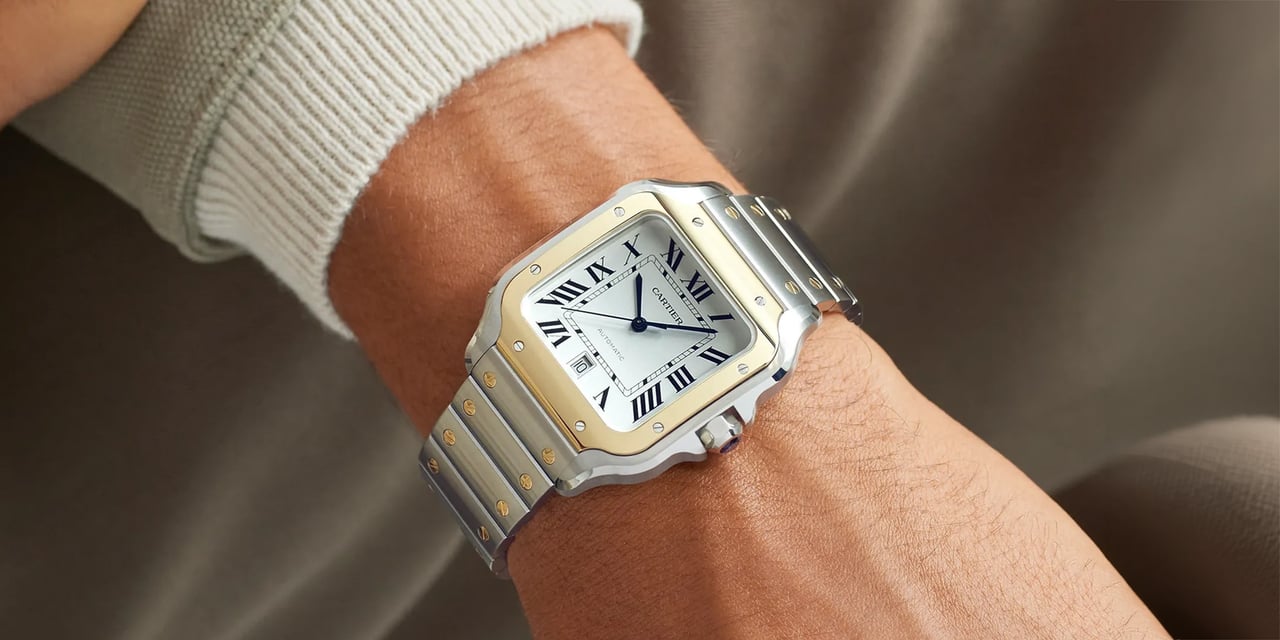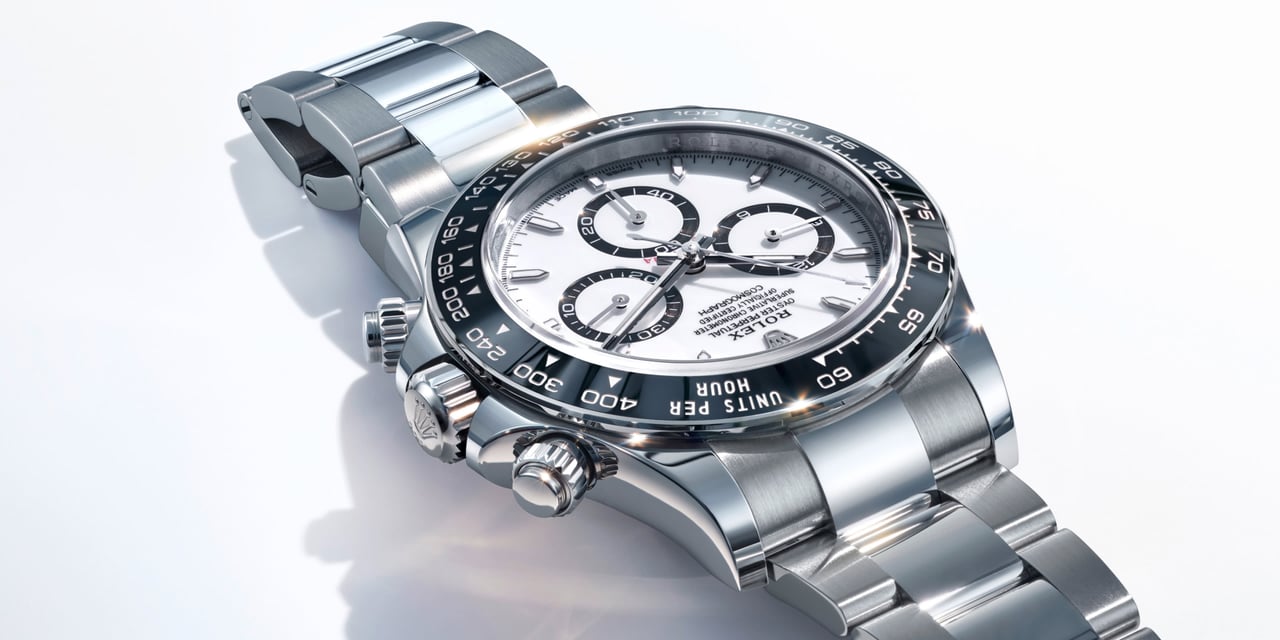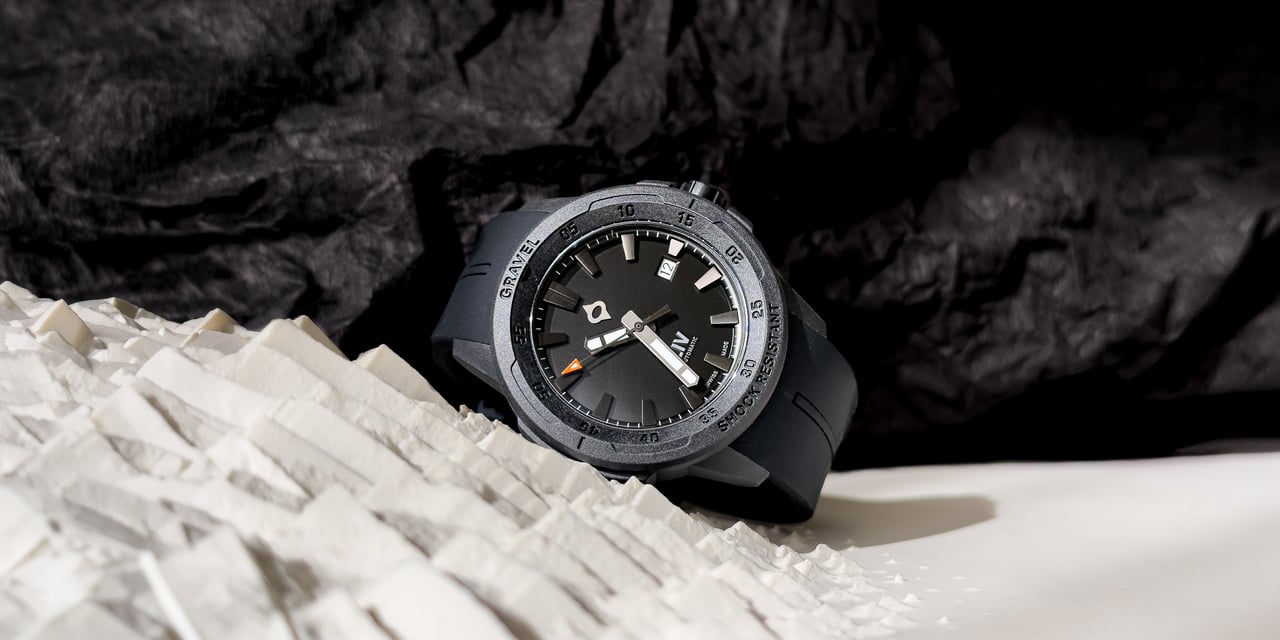
Picture a Glasgow workshop where seven enamellers fire about 50 watch dials a month, for a waiting list measured in years. Or a Helsinki brand making dining tables from the knotty pine Finns use for saunas, and a distillery that grew out of Noma’s research kitchen.
That is the kind of brand on our Q4 2026 watchlist. Most of the people you know have not heard of these ten names yet. We think they will.
The big houses already have their ranking in our most popular luxury brands report. This list is for the founders building the names that come next, across style, watches, home, travel and the table.
Style
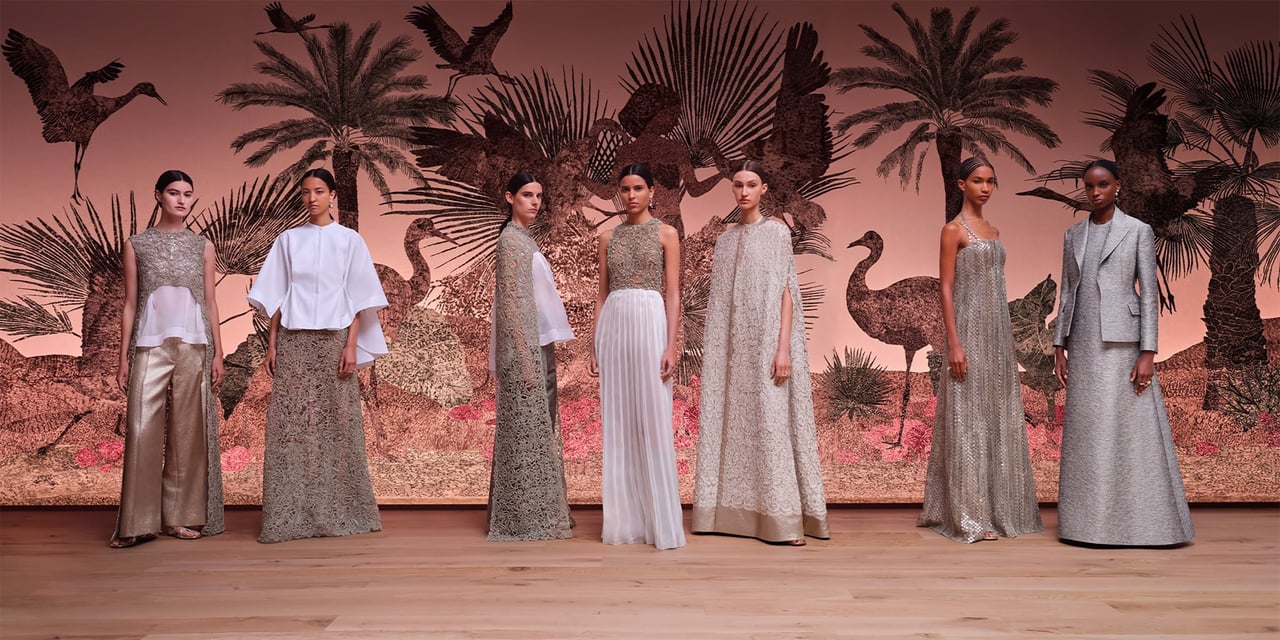
Both style picks come from designers who trained inside the big houses, then left to make what those houses would not.
Savette

Style, handbags. Designed in New York, made near Florence. Founded 2020.
Amy Zurek learned the craft at The Row, Coach and Khaite, where she helped launch the cult leather luggage. Then she started Savette under her mother’s maiden name. The bags are made by hand in a Tuscan atelier: the circular Tondo hobo, the Symmetry Pochette, scratch-resistant Italian leather and sculptural hardware that borrows from Georg Jensen and Elsa Peretti jewelry. Zurek calls them modern heirlooms and prices them at roughly $1,000 to $3,000, just below The Row.
Savette now sells through around 80 doors, Bergdorf Goodman, Net-a-Porter and Mytheresa among them. It had sold some 12,000 Pochettes by late 2024, and Rosie Huntington-Whiteley and Katie Holmes carry the bags without a campaign asking them to.
The catch is the shapes. Plenty of houses make a circle bag and a pochette, so Savette stands out on its finish and hardware more than on a bag you could name from across the room. We’d like the next collection to bring a shape only Savette makes.
Nomasei

Style, footwear. Paris, made in Tuscany. Founded 2019.
Paule Tenaillon and Marine Braquet met at Chloé, with two decades each behind them at Givenchy, Dior and Chanel. Their shoes include the Nono loafer, the Sonics derby and, since 2025, a first stiletto. Every pair is made in one family-run factory in Montopoli from metal-free and vegetable-tanned leathers and upcycled house deadstock. Nomasei sells almost entirely direct, at roughly €450 to €700.
Pamela Anderson debuted that first stiletto at a Pandora launch in September 2025, and the shoes have turned up in Emily in Paris. London, New York and Los Angeles are its three international markets, and UK sales rose 40% year on year, double the brand’s overall growth. A second London pop-up runs at 2 Blenheim Crescent in Notting Hill from 12 to 22 November 2026.
America is the risk. Two of those three markets are American cities, so a soft season or a tariff shock in the US would hit a young brand that sells almost entirely direct. The sustainability is the real thing, though: one factory, deadstock and no metal in the tanning.
Watches
Independent watchmaking is where collectors find a name years before everyone else does. Our two picks are at opposite ends of the price scale, from about £1,700 to CHF 48,000.
anOrdain

Watches, independent horology. Glasgow, Scotland. Founded 2015.
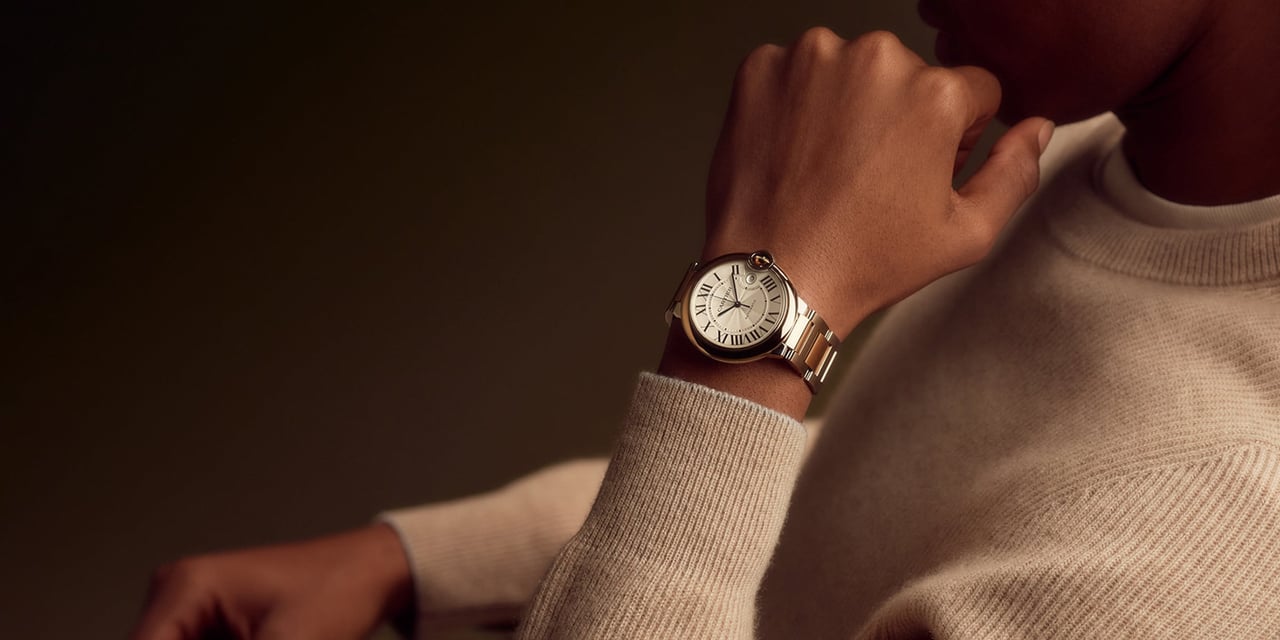
Lewis Heath started anOrdain after watching outsourcing hollow out product quality, and named it after a Scottish loch. The brand exists for its dials. The workshop in Glasgow’s east end makes hand-fired vitreous grand feu enamel in-house, including a domed “fumé” gradient it developed itself. You would normally pay Patek Philippe, Lange or Cartier money for enamel like this. anOrdain puts it on a Model 2 for around £1,700 to £1,850.
Getting one is the hard part. Seven enamellers finish about 50 dials a month, and the enamel models carry waiting lists that run for years. In August 2026 the workshop added the Model 1 Porcelain, a porcelain-dial model from £2,200 plus VAT, with 70 pieces available at launch. Hodinkee, GQ and Fratello have all made the pilgrimage.
So this is a watch you join a list for. If you’re happy to wait, you get museum-grade enamel at a microbrand price.
Berneron

Watches, independent horology. Neuchâtel, Switzerland. Founded 2022.
Sylvain Berneron ran product at Breitling before he and his wife, Marie-Alix, launched Berneron, with the encouragement of Breitling’s own chief executive. Their first watch, the Mirage, is an asymmetric shape cut entirely from solid 18k gold, down to the buckle. The movement sets its curve. Berneron makes roughly two dozen pieces per metal each year, from about CHF 48,000.
The Mirage won the Audacity Prize at the 2024 GPHG in Geneva, and Fratello named it its favorite watch of the year. The 2025 production sold out, and examples have already reached the Phillips auction room. Its annual calendar, the Quantième Annuel, was nominated in the Calendar and Astronomy category at the 2026 GPHG.
Berneron himself is a product man rather than a bench watchmaker, and the movement is co-developed with Le Cercle des Horlogers instead of being fully in-house. None of that takes away from the design. Whether Berneron becomes a true manufacture is the part to watch.
Home
Both home picks behave like collectible design studios and work with named makers and designers.
Vaarnii

Home, furniture. Helsinki, Finland. Founded 2021.
Vaarnii makes furniture entirely from slow-grown Finnish Scots pine, the humble, knotty wood of saunas and flat-packs. Its founders are Antti Hirvonen, formerly of Artek and Tom Dixon, and Miklu Silvanto, who designed at Apple under Jony Ive. They went home to Finland to show that pine, in the right hands, is a luxury material built to last a century.
The designers make the case for them: Max Lamb, Mac Collins, Philippe Malouin and Ronan Bouroullec, whose Maasto dining range headlined Vaarnii’s standalone showing at 3 Days of Design 2025. Wallpaper* has cast Vaarnii as the disruptor taking on Aalto’s birch legacy.
Not everyone will love it. The psychedelic yellow grain and visible knots divide people, and for now the brand leans on its famous designers more than on a shape of its own. Will Vaarnii become a design house, or stay the clever pine people?
In Common With

Home, lighting. Brooklyn, New York. Founded 2018.
Nick Ozemba and Felicia Hung met at Parsons. Their studio builds collectible lighting the way old workshops did, with metalsmiths, glassblowers and ceramicists, then assembles each fixture modularly. They call it a multitude of invisible hands.
The Lido series, launched in May 2026, moved them up a league. It was made with the historic Venetian atelier Laguna~B in antique Murano techniques (goti de fornasa, made from leftover glass, and mosaic murrine), and it produced the studio’s first glassware. In 2024 they also opened Quarters, an 8,000-square-foot Tribeca loft that is a showroom, gallery, boutique and wine bar in one.
That is a lot to keep running for a studio founded in 2018. We’ll be watching whether In Common With becomes a lighting house of record or a lifestyle concept stretched thin.
Travel
Travel luxury now splits into the thing you carry and the place you go, so we picked one of each.
Carl Friedrik

Travel, leather goods and luggage. London, UK. Founded 2013.
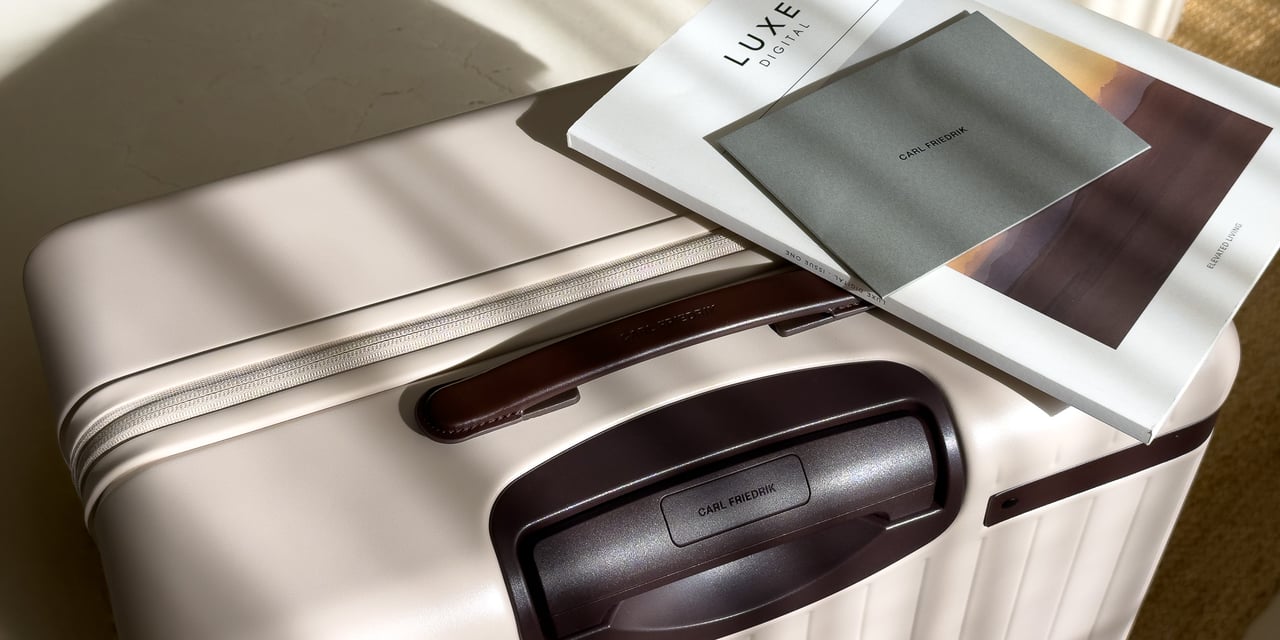
Swedish brothers Niklas and Mattis Oppermann started Carl Friedrik with Italian-leather briefcases, then moved into hard-shell luggage in 2019. The polycarbonate Carry-on and the newer Aluminium collection now drive the growth, and you may have spotted them in Succession, The White Lotus and Industry. It’s the grown-up answer to the venture-funded luggage wave.
Read our hands-on Carl Friedrik Core Check-In Large review.
In June 2026 the company secured inventory financing from Treyd and HSBC. It has also raised £3.1m through customer-led crowdfunding, opened a second London store on Floral Street and signed a licensing deal with Williams Racing. By September 2026 the aluminium range had grown to include a 76-litre Check-in at $1,095.
Carl Friedrik ranks ninth of 33 bag and luggage brands in the October 2026 edition of our Luxury AI Visibility Index. The index counts how often AI engines cite a brand’s own website.
Growing on crowdfunding and trade finance instead of one big raise means Carl Friedrik can only sell the stock it can fund. The Williams deal could go either way, since a Formula 1 tie-up can sharpen a design reputation or turn quiet luxury into merch. And the aluminium case still has to earn its premium next to Rimowa.
Estelle

Travel, hospitality. London, UK. Founded 2021.
Estelle is Sharan Pasricha’s second act. He founded Ennismore, home of The Hoxton and Gleneagles, sold a majority stake into its joint venture with Accor and kept Estelle for himself. His wife, Eiesha Bharti Pasricha, leads its art direction.
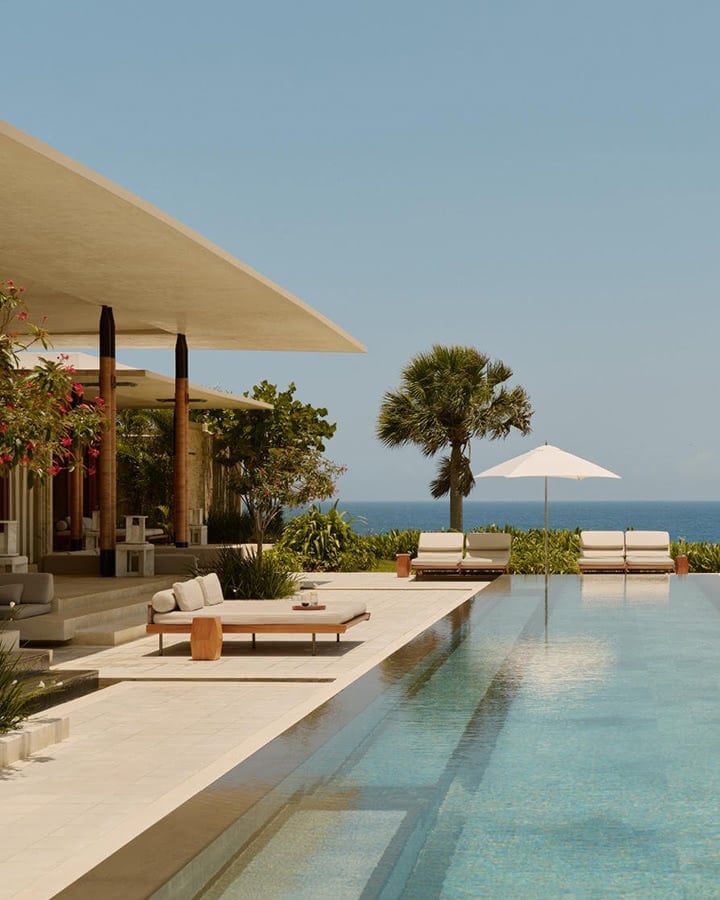
Maison Estelle is a Grade I-listed Mayfair members’ club. Estelle Manor is a 108-room country-house hotel on 85 Oxfordshire acres, with a pool inspired by Roman baths. Both put communal rooms and theatrical interiors ahead of room count. It’s the opposite of the beige sameness that even the best concierge can only work around.
Estelle Manor climbed four places to No. 43 on The World’s 50 Best Hotels list in 2026, and Pasricha was named Best Host at the 2026 Wallpaper* Design Awards. The third property is a members’ club on Ledbury Road in Notting Hill. Its ground-floor restaurant, Celeste, is all-day Italian-American and the group’s first open to the public. It launched in June 2026.
With three properties and no outside owners, Estelle is young as a brand. It isn’t scrappy, though. Pasricha is running a playbook he has already proved, with a far bigger budget, and the members-only door is as much marketing as hospitality.
Dining
At the table, both picks rethink a familiar bottle from the raw material up.
Empirical

Dining, spirits. Copenhagen to Brooklyn. Founded 2017.
Empirical grew out of Noma’s research kitchen. Lars Williams was the restaurant’s head of research and development, and his co-founder, Mark Emil Hermansen, is an anthropologist. Their spirits fit no category. They aren’t vodka, gin or whiskey. Each one comes out of layered koji fermentation and low-temperature vacuum distillation, with dozens of cuts per run. The bottles include the smoked-jalapeño Ayuuk and a stem-to-seed Cilantro, at roughly $46 to $86.
In 2025 the team opened a Brooklyn distillery and a by-appointment tasting room. The move shifted the brand’s center of gravity to the US, and it arrived with medals from the 2023 San Francisco World Spirits Competition.
The original Copenhagen company filed for bankruptcy in 2023, so the American business is effectively a restart. Some will read that as fragility. We read it as obsession: in a market full of celebrity tequila, the luxury here is the method and not a famous face. It is polarizing by design, and better for it.
Brightland

Dining, olive oil. Los Angeles, California. Founded 2018.
Aishwarya Iyer started Brightland after learning how much supermarket “extra virgin” olive oil is rancid or cut, and she took her playbook from beauty and fashion rather than the pantry. The oils are harvest-dated and single-varietal, in UV-protective bottles: a California early-harvest, a 100% Greek Kalamata and a 100% Italian Castelvetrano, alongside vinegars and honey.
Brightland closed a $15M Series A in late 2024 and took an Everyday line, from $19.99, into Whole Foods nationwide in 2025. You’ll find it from Erewhon to Bloomingdale’s, and it has made Oprah’s Favorite Things and Goop’s gift guide.
Brightland sells design as much as oil. If you cook seriously, the test is whether a multi-origin bottle marketed from LA beats a fresh single-estate tin bought straight from a Spanish or Italian producer. The sub-$20 Whole Foods line will show whether the luxury image survives the move toward mass grocery.
The next edition
Some of these ten will join the establishment, and if history is any guide, at least one will stumble. We’ll be back in Q1 to see which, and to add the next names worth knowing.
Frequently asked questions
What is an emerging luxury brand?
How does Luxe Digital choose the brands on this list?
How often is the watchlist updated?
Products featured here are independently selected by our editors. If you buy through our retail links we may earn an affiliate commission — it never changes the price you pay, and it never decides our verdicts. Read our earnings disclaimer.