Aman
The pioneer of barefoot luxury, turning peace into a place at sanctuaries across some twenty countries.
Some brands sell a room; Aman sells a feeling. Since opening its first resort on a quiet Phuket peninsula in 1988, the group has built a global collection of sanctuaries that trade the gilded clichés of luxury hospitality for something rarer—stillness, space, and an almost monastic restraint. The word aman is Sanskrit-derived for “peace,” and that single idea runs through every property like a watermark. Low-density, deeply local, and architecturally disciplined, Aman effectively invented the category the industry now calls “barefoot luxury”—and decades on, it still sets the standard the rest chase.
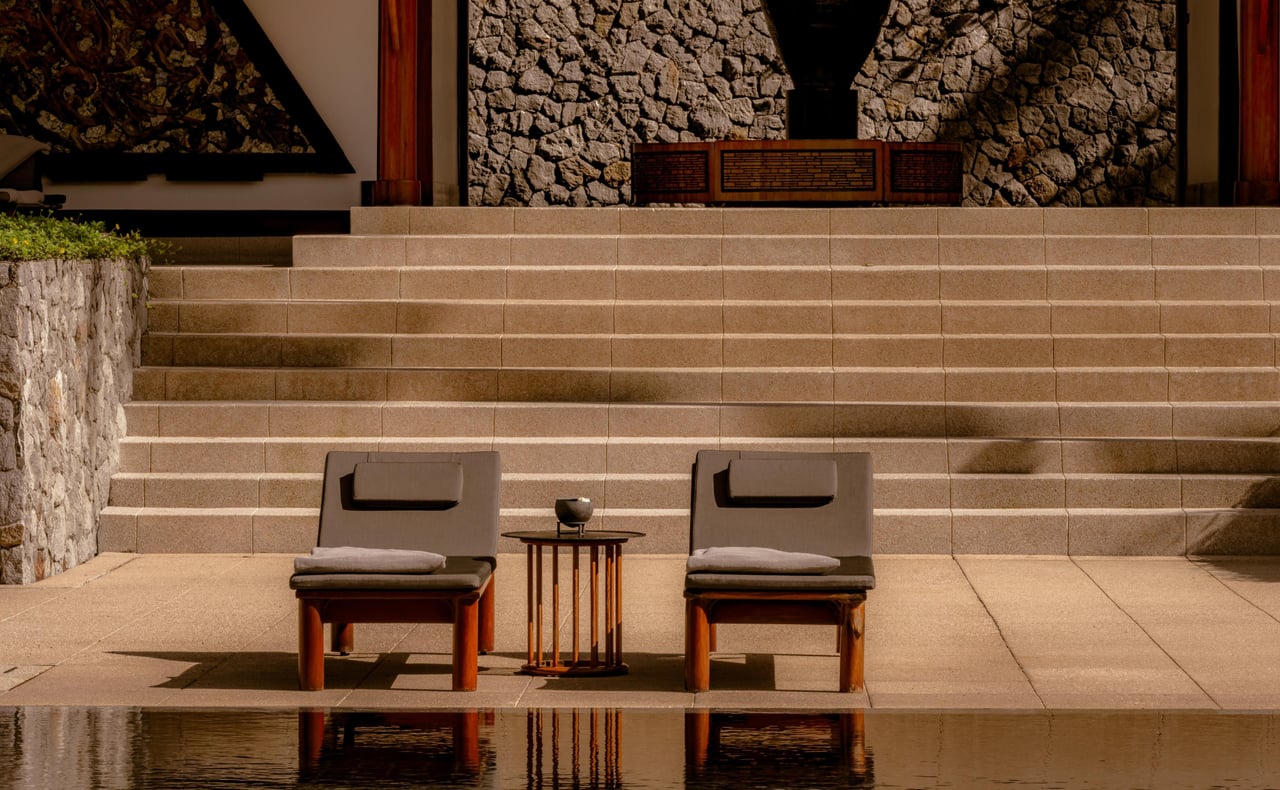
We’ve long admired Aman for refusing the obvious. There are no marble lobbies competing for attention, no logos stamped on the slippers. Instead there’s a pavilion that frames a volcano, a pool cut into red rock, a spa that borrows from a centuries-old onsen. It is luxury measured in silence rather than square footage—and that, to us, is the most elevated kind of all.
Check price: Aman at Amanat Aman · Fast, reliable delivery
At a Glance
Behind the Brand
History of Aman
The Aman story begins not with a business plan but with a holiday home. In the mid-1980s, Indonesian hotelier Adrian Zecha—a magazine publisher turned hospitality visionary—set out to build a small retreat for himself and a few friends on the west coast of Thailand. The plot was generous, the rooms few, and no bank would lend against a resort of barely 40 keys. So Zecha and his partners funded it themselves.
That retreat opened in January 1988 as Amanpuri—“place of peace.” Designed by American architect Ed Tuttle in homage to traditional Thai temple architecture, it charged rates several times higher than its neighbors and, against every conventional expectation, filled. The blueprint was set: intimate scale, a profound sense of place, impeccable but unobtrusive service, and architecture that bows to its landscape rather than imposing on it.
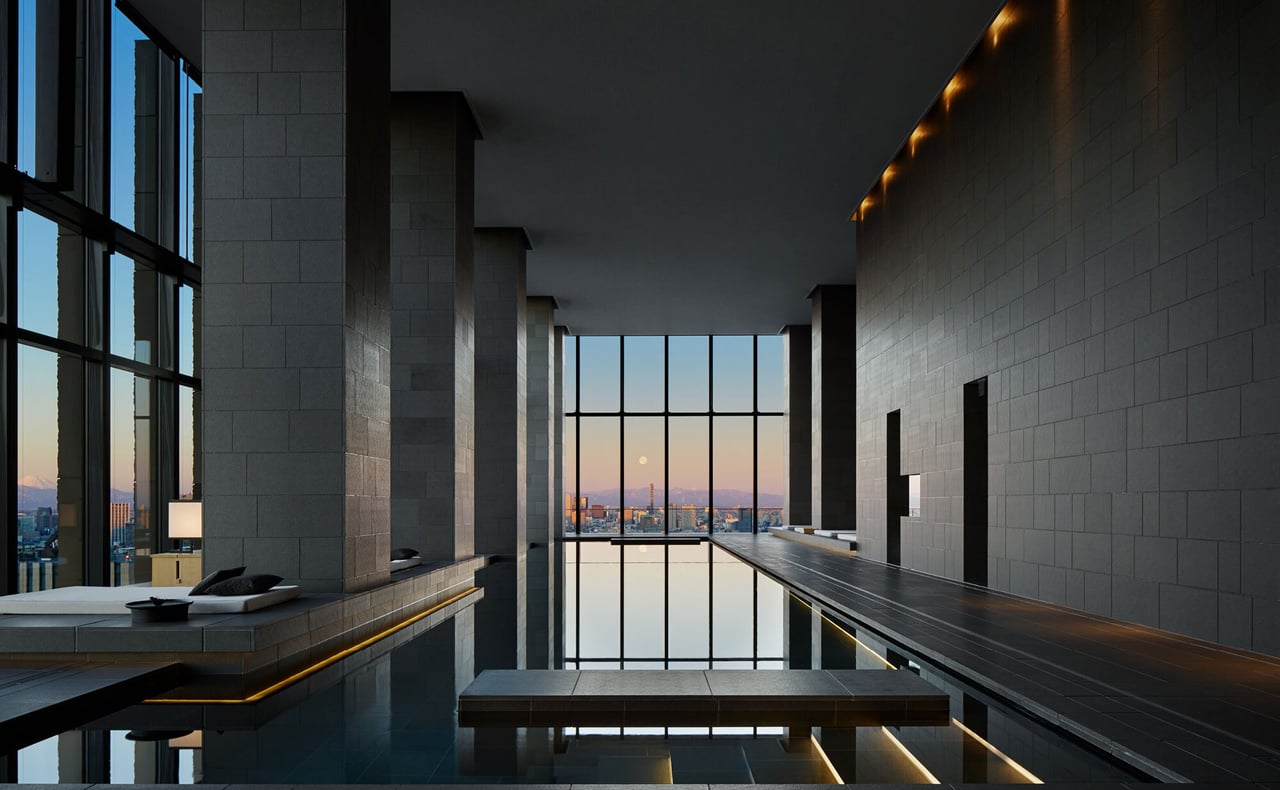
From that single peninsula, Aman expanded with unusual patience. Rather than racing to plant flags, it added one considered “Aman” at a time—Amanpuri in Thailand, then Indonesia, the Philippines, Bhutan, the American Southwest, the Mediterranean, and Tokyo. Today the collection spans dozens of properties across some twenty countries, with new openings still arriving on the same terms that defined the first. In 2014 the brand entered the city with Aman Tokyo, proving its philosophy of calm could survive—and thrive—at the heart of a megacity.
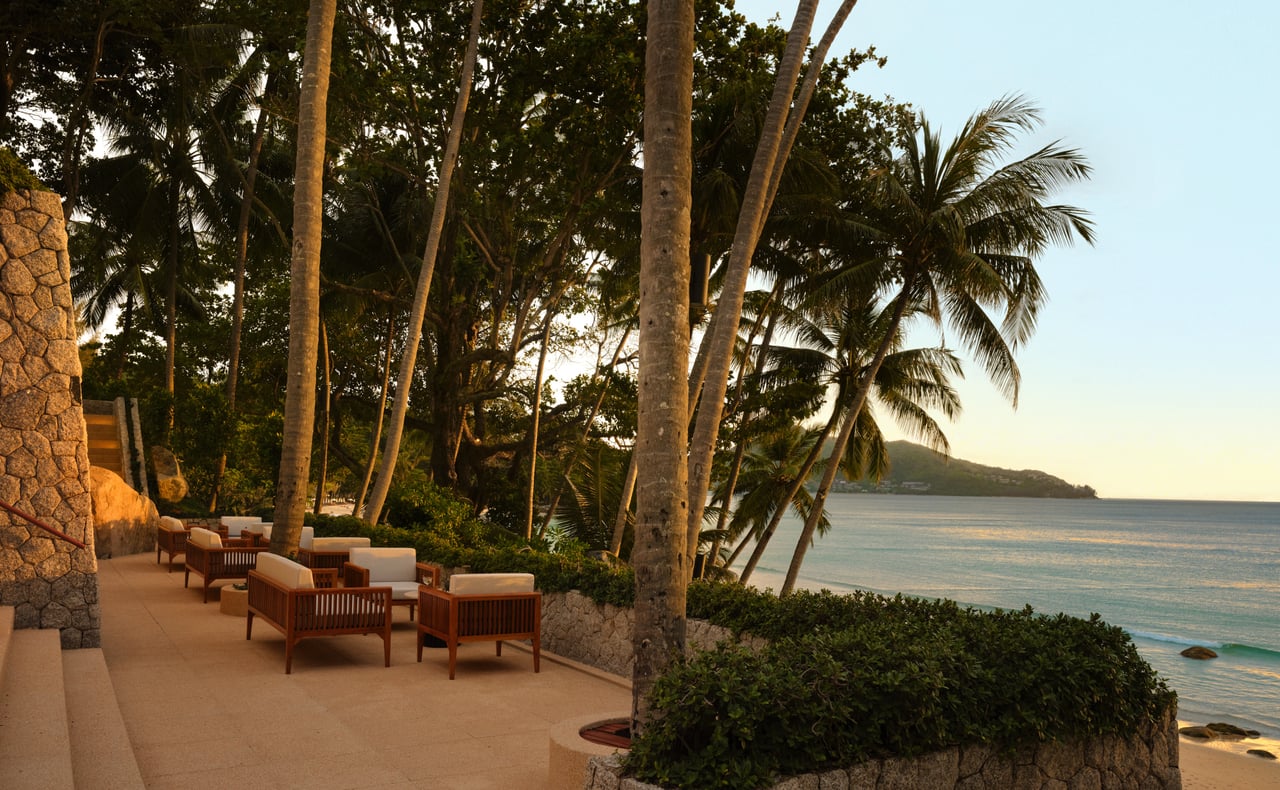
Interesting facts about Aman
A loyal following of repeat guests calls itself the “Aman junkies”—travelers who collect Amans the way others collect stamps, planning entire itineraries around which properties they have yet to experience. It’s a devotion few hotel brands inspire, and Aman has leaned into it: the goal has always been a guest who feels less like a customer and more like a returning friend.
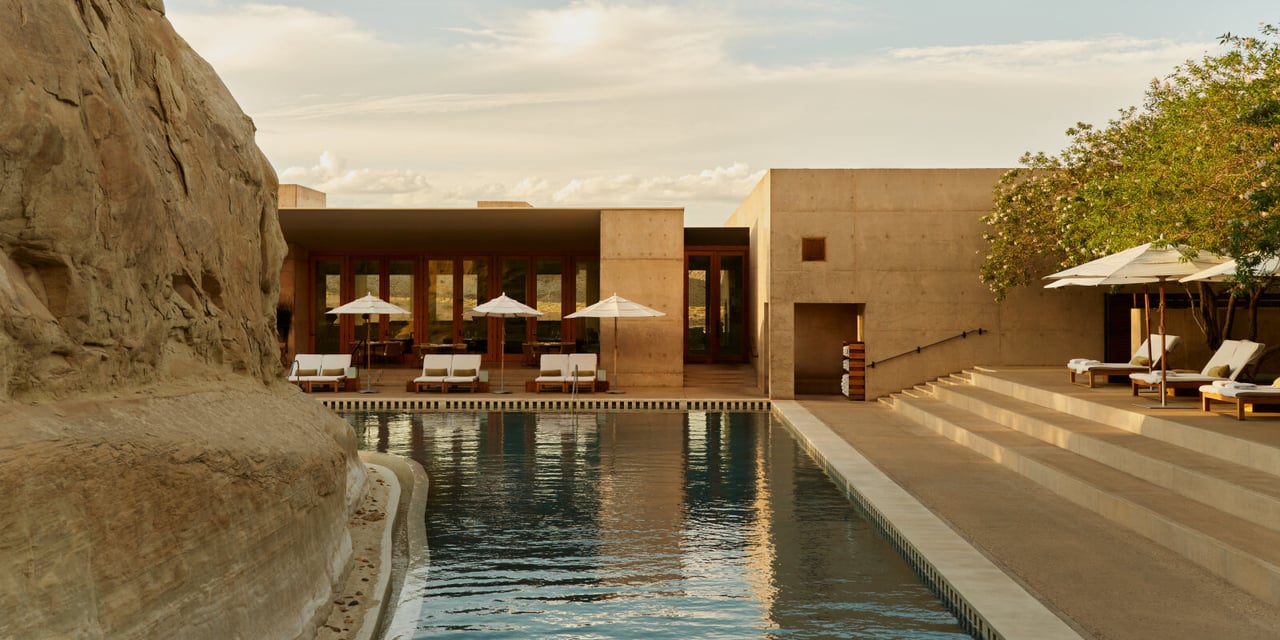
The restraint is deliberate down to the room count. Aman has historically kept properties small—often under 50 rooms or pavilions—to protect privacy and preserve the sense that you have the place largely to yourself. At Amanpulo in the Philippines, that means a private island reached by the brand’s own aircraft; at Amangiri in Utah, a low-slung lodge that all but disappears into Canyon Point’s sandstone.
Founder Adrian Zecha eventually moved on to start new ventures, but his original thesis proved durable enough to outlast any single owner. Now headquartered in Switzerland under Aman Group, the brand has extended the philosophy beyond resorts into private residences, wellness, an Aman skincare line, and the more urban, contemporary sister brand Janu—all built on the same conviction that true luxury is felt, not flaunted.
The Aman collection
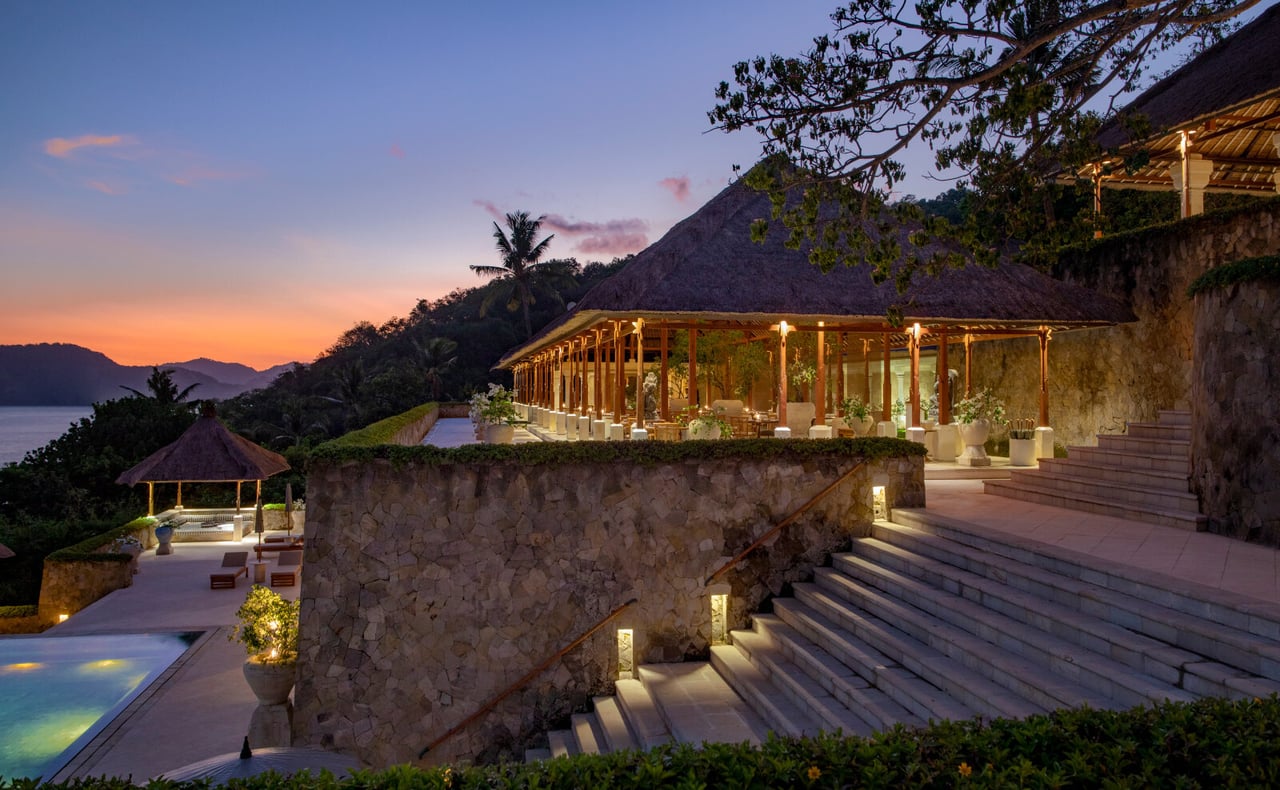
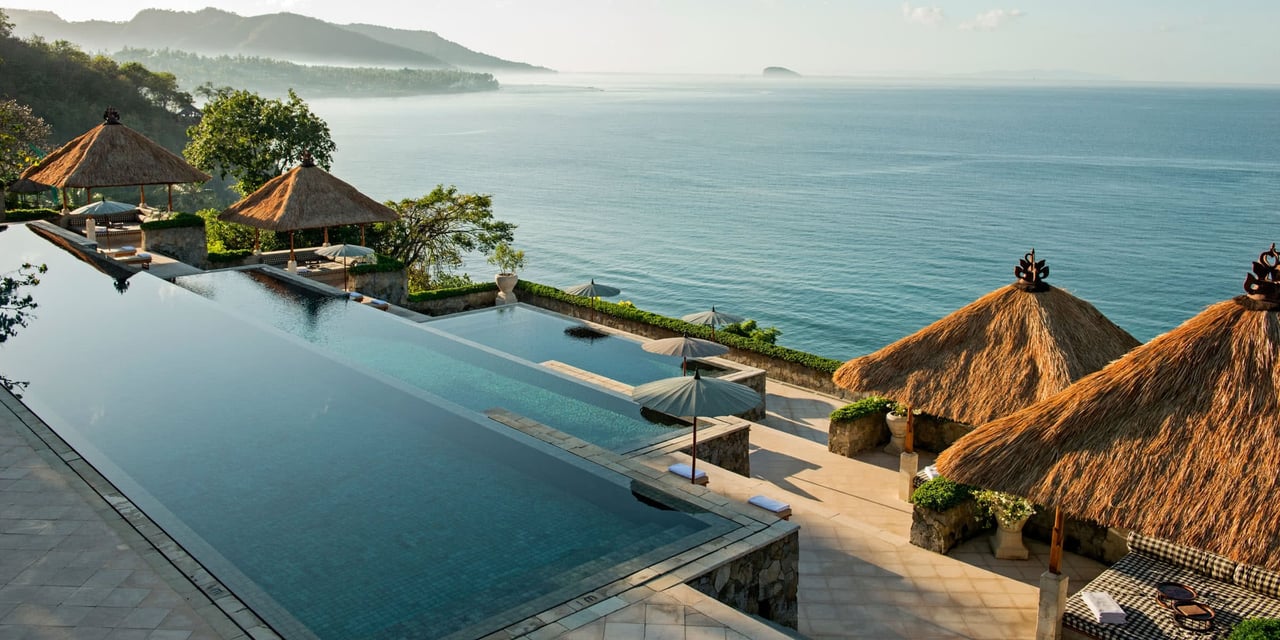
No two Amans look alike, and that’s the point—each is conceived as a response to its setting rather than a template dropped from above. Amanjiwo gazes out at the ancient Buddhist temple of Borobudur from a natural amphitheater of Javanese stone, while Amankila steps down a Balinese hillside in a cascade of pools toward the Lombok Strait. Amanzoe channels a modern Greek acropolis above the Aegean; Aman Tokyo distills the ryokan into the upper floors of an Otemachi tower.
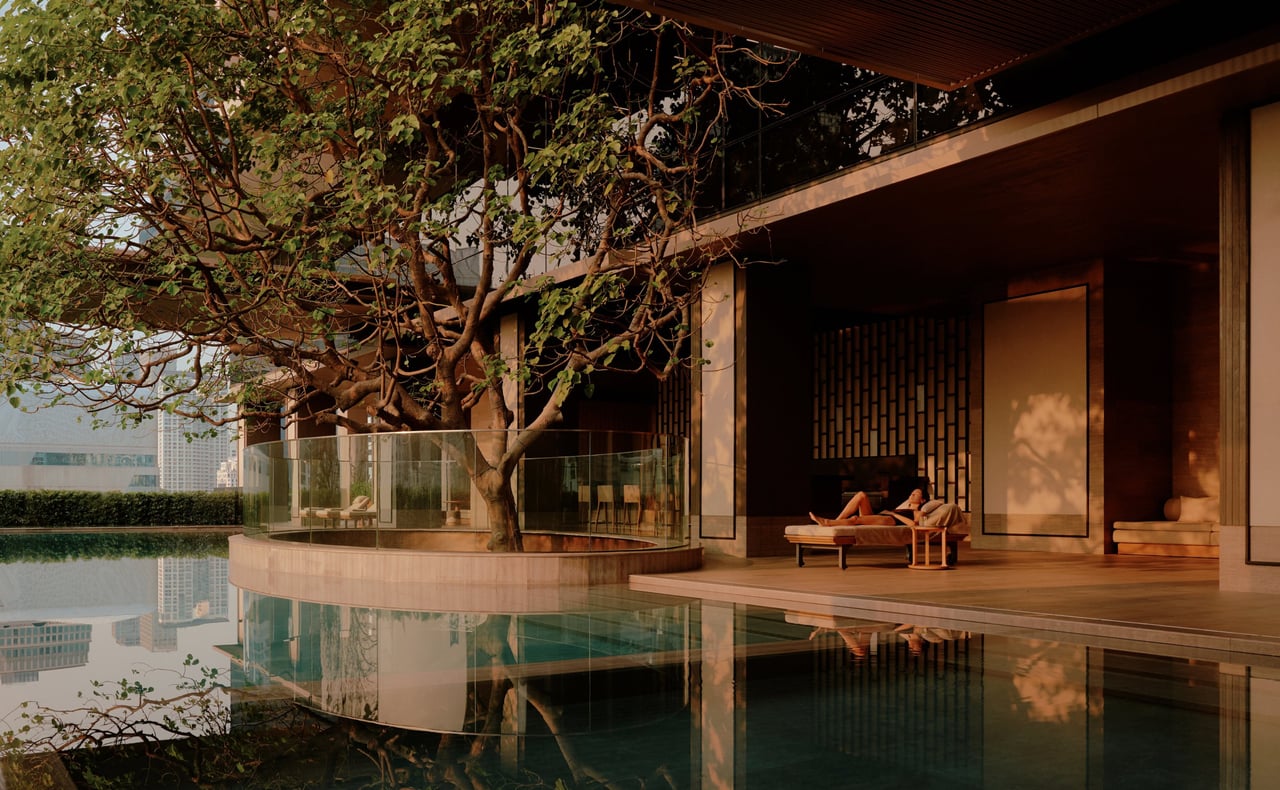
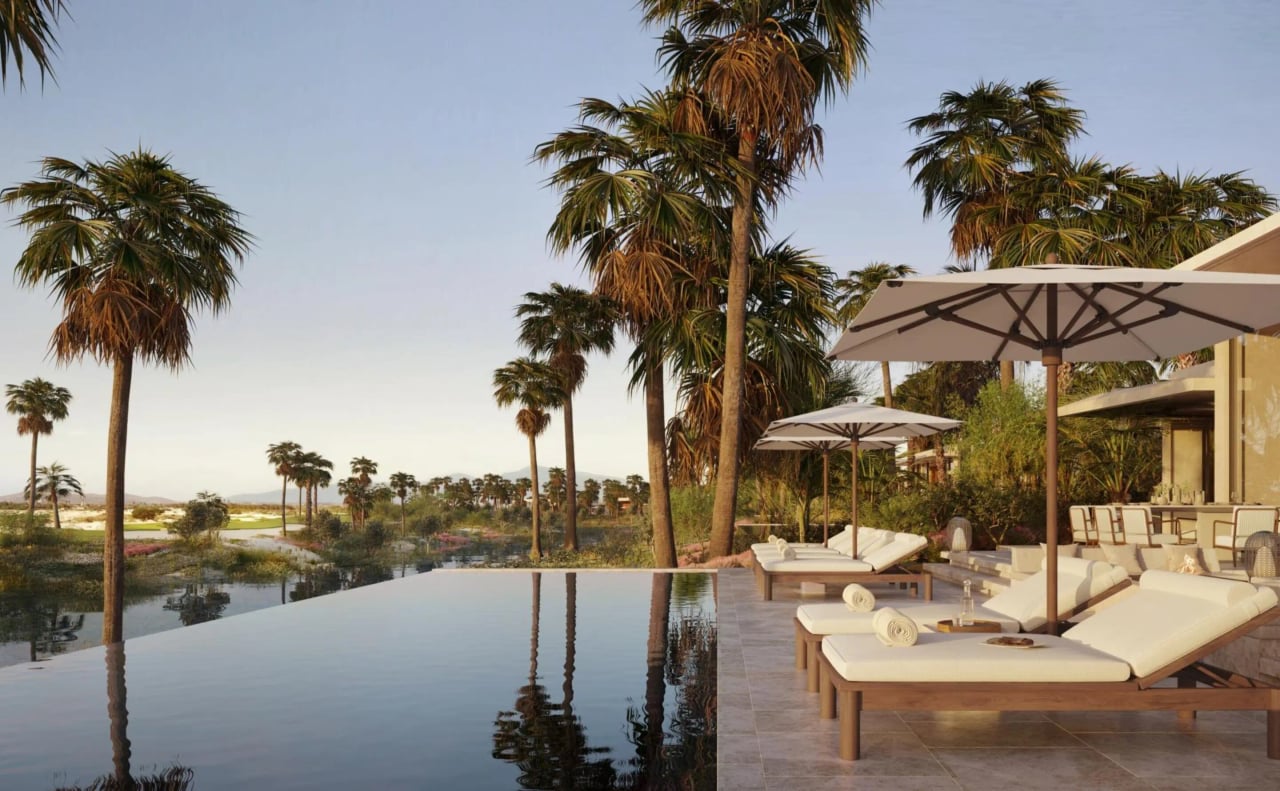
The portfolio reaches from the Caribbean and the American West to the Mediterranean, the Himalayas, and across Asia, and it keeps expanding in the same spirit—debuting in places Aman has never been rather than chasing the obvious markets. Aman Nai Lert brought the brand’s signature calm to a secret garden in the heart of Bangkok, while Amanvari extends the collection to Mexico for the first time, on the wild East Cape of Baja California. Beyond the resorts, Aman now offers branded residences for those who want to live the philosophy full-time, plus spas, boutiques, and wellness retreats that carry the same quiet signature.
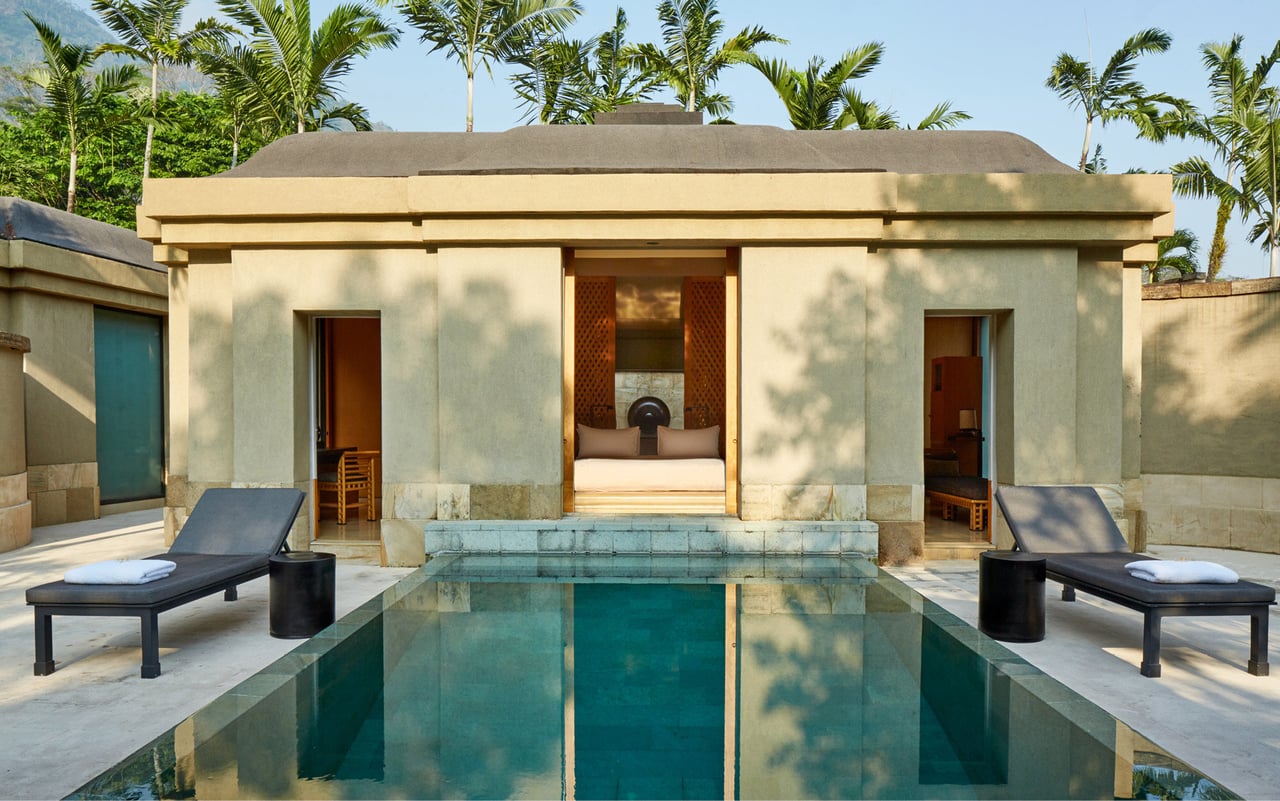
Craftsmanship and sense of place
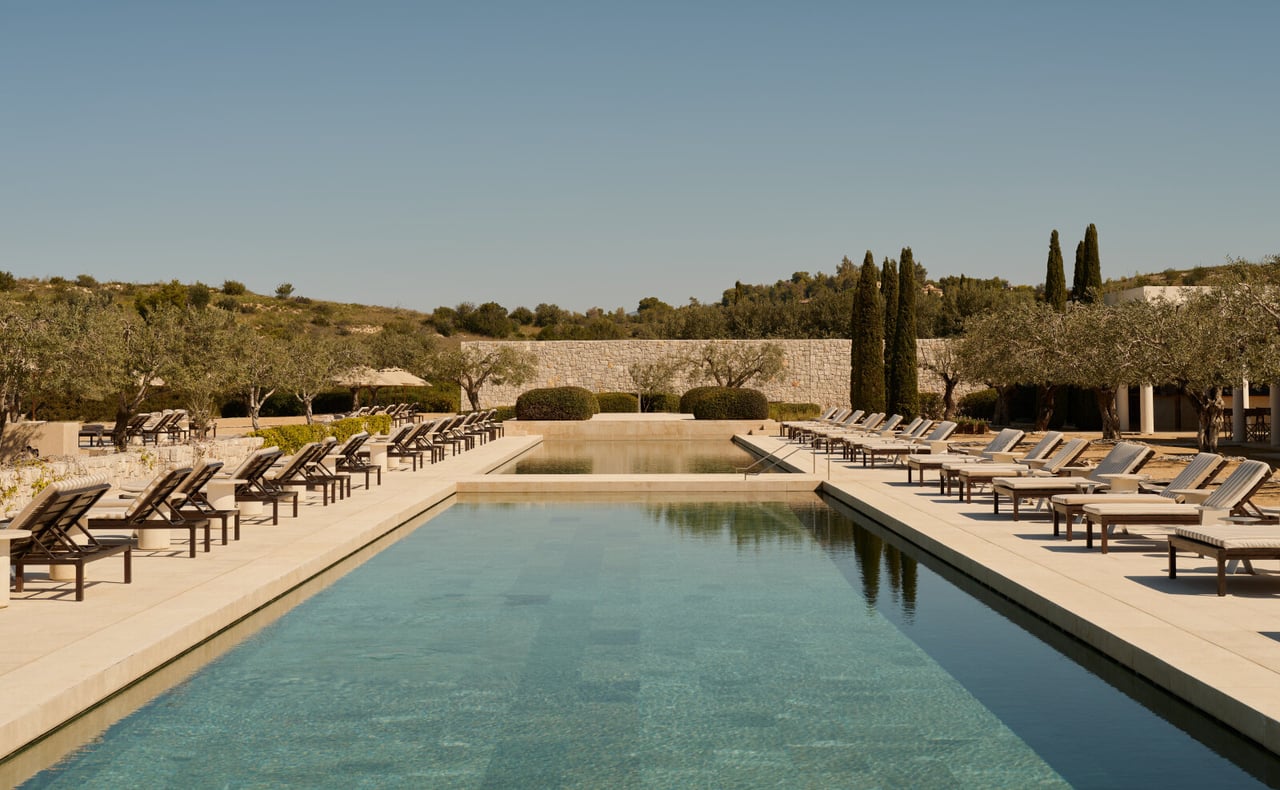
What separates Aman from the broader luxury-hotel field is an obsessive commitment to context. Every property is shaped by local materials, regional craft, and the surrounding landscape—volcanic stone in Java, adobe-toned concrete in the desert, timber and water in Bali. The architecture is restrained and timeless rather than fashionable, which is precisely why a resort like Amanpuri still feels current decades after it opened.
That same low-density model is, quietly, a sustainability stance. By building small, integrating with the environment, and stewarding the land around them—from nature reserves to marine conservation—Aman properties tread far more lightly than the sprawling mega-resorts they’re so often contrasted against. It’s luxury designed to endure, not to be torn down and rebuilt with the next trend cycle. For more on where Aman sits among the world’s most rarefied stays, see our guide to the most expensive hotels and our wider reporting on what today’s luxury travelers actually value.
Where to book Aman
Aman stays are best arranged directly, where you can compare pavilions, villas, and private residences across the full collection and access the brand’s signature experiences—private-island transfers, helicopter arrivals, bespoke wellness journeys. To explore availability across the brand’s entire collection, the official Aman site remains our preferred place to start. You can read our full love letter to the brand in our Aman travel feature, and find more of our favorite escapes—including the villa-led Croatian coast—across Luxe Digital.
Check price: Where to book Aman at Amanat Aman · Secure checkout
Aman price
Aman is not priced for the impulsive. Nightly rates open in the four figures at the entry-level pavilions and climb steeply for the signature suites, private villas, and full-island buyouts—this is a brand built for the milestone trip, not the weekend whim. What you’re paying for isn’t thread count; it’s space, privacy, and a depth of service most resorts can’t match at any price. For travelers who buy fewer, better experiences, a single week at an Aman often outshines a month of more ordinary luxury.
Aman shipping
As a hospitality brand, Aman doesn’t ship products—it welcomes you to its destinations. The collection spans some twenty countries across Asia, the Americas, Europe, the Middle East, and the Caribbean, and most resorts arrange private transfers, from boat and seaplane to helicopter, to carry you the final, hardest-to-reach stretch. Aman’s skincare and lifestyle boutiques are available on-property and, increasingly, online.
Aman return policy
Booking terms vary by property, rate, and season, and the more exclusive experiences—private islands, peak-season villas—often carry stricter cancellation windows. Aman’s reservations team and your chosen resort confirm the specifics at the time of booking, so it’s worth reading the conditions for your dates before you commit.
Frequently asked questions about Aman
What does the word “Aman” mean?
Aman is derived from Sanskrit and means “peace.” The name captures the brand’s founding philosophy: every property, however different in setting, is conceived as a sanctuary built around stillness and a strong sense of place.
Who founded Aman?
Aman was founded by Indonesian hotelier Adrian Zecha, who opened the first resort, Amanpuri, in Phuket, Thailand, in 1988. The brand is now owned and run by Aman Group, headquartered in Switzerland.
What was the first Aman resort?
Amanpuri, on a private peninsula on Thailand’s west coast, opened in January 1988 as the first “place of peace.” Designed by architect Ed Tuttle in the spirit of Thai temple architecture, it established the intimate, design-led template every Aman has followed since.
How many Aman properties are there?
Aman operates dozens of properties across some twenty countries, and the collection keeps growing through a steady pipeline of new openings. Recent expansion has carried the brand into the heart of Bangkok with Aman Nai Lert and into Mexico for the first time with Amanvari, on Baja California’s East Cape.
Is Aman worth the price?
For the right trip, we think so. Aman’s appeal isn’t opulence for its own sake—it’s privacy, space, architecture, and service calibrated to a level few brands reach. If you value a deeply considered experience over a recognizable logo, an Aman stay rewards the spend.